
 English
  Spanish
  Portuguese
  German
  Italian
  Japanese
  French
  Polish
  Russian
  Netherlands
  Hungarian
  Turkish
  Videos
  Thedink Pickleball

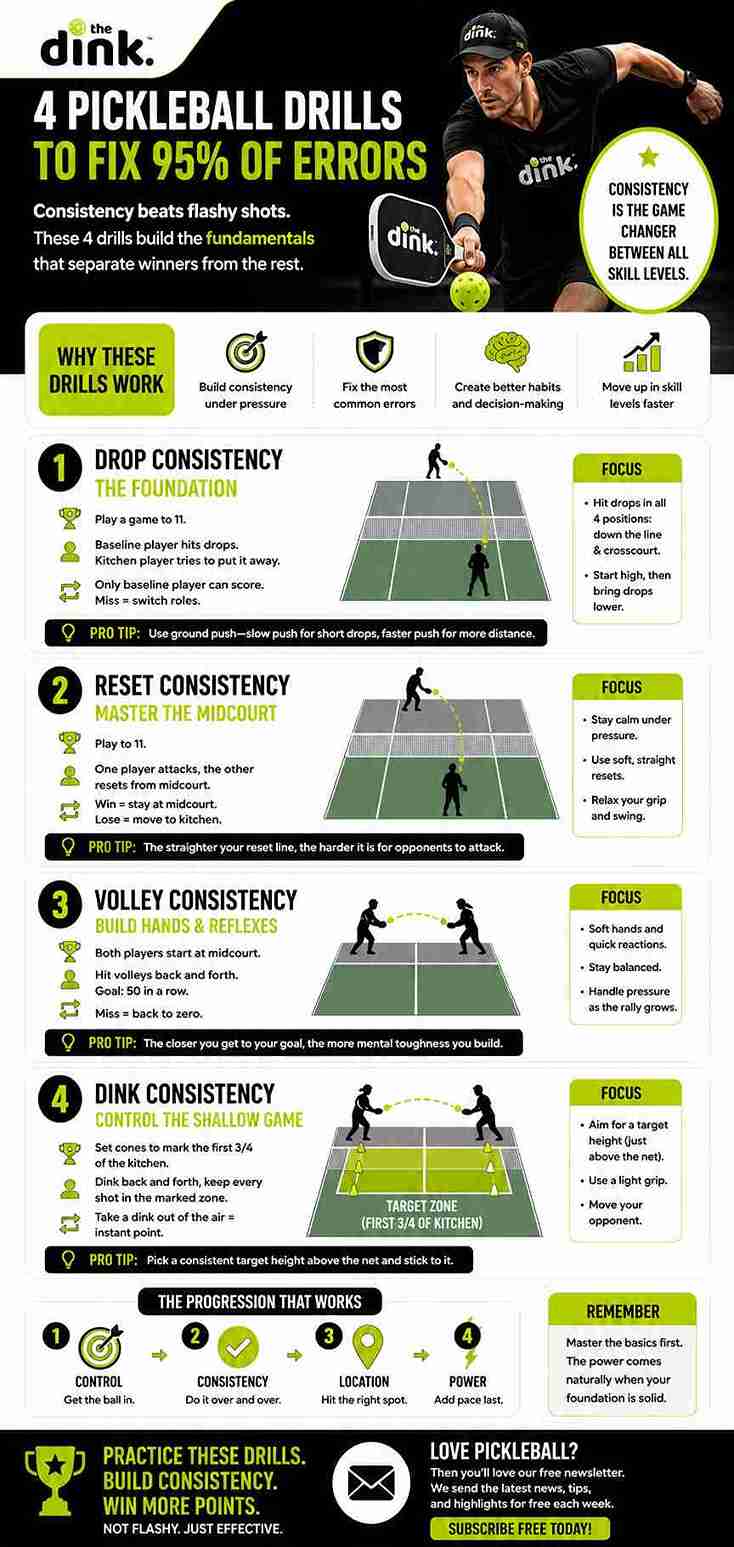
Consistency beats flashy shots every time in pickleball. These 4 pickleball drills from Pickleball Playbook's Coach Austin Hardy target the fundamentals that separate champions from amateurs.
Here's what separates the players who win tournaments from those who don't: consistency.
Not flashy Ernies. Not power drives. Just the ability to hit the same shot the same way, over and over, under pressure.
That's where pickleball drills come in, and according to Coach Austin Hardy of Pickleball Playbook, four specific drills can address nearly every error you're making on the court.
Love pickleball? Then you'll love our free newsletter. We send the latest news, tips, and highlights for free each week.
Why Consistency Beats Everything Else
Let's start with the uncomfortable truth: you're probably spending your practice time on the wrong things.
Most amateur players chase highlight-reel shots.
- They want to hit Ernies.
- They want to crush drives.
- They want to look cool on Instagram.
But here's the thing. Consistency is the game changer between skill levels.
Whether you're trying to move from 3.5 to 4.0 or from 5.0 to pro, the players who win are the ones who don't miss.
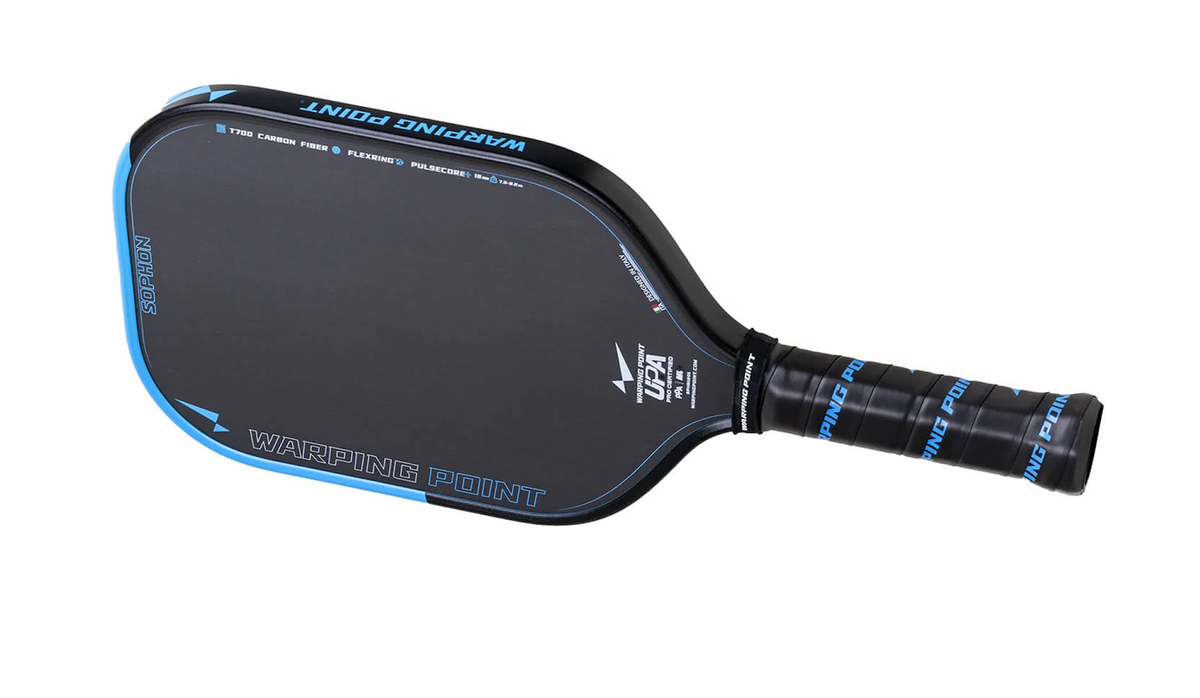
Warping Point Sophon: All-Court Feel & Durable Grit for $150
The rare blend of premium foam technology, durable grit, and high-level performance without the jaw-dropping price tag.
 The Dink PickleballAlex E. Weaver
They hit every dink, every drop, and every reset in the court.
They're not necessarily flashier. They're just more reliable.
The one mistake killing your consistency is almost always the same one.Coach Hardy puts it plainly: "If you're the most consistent player out on the court, no one can beat you."
That's not hyperbole. That's the foundation of competitive pickleball.
Pickleball Drill 1: Drop Consistency (The Foundation)
The first pickleball drill targets your drop shot, which is arguably the most important stroke in the game. Here's how it works:
Play a game to 11 points. The player at the baseline hits drops while the player at the kitchen line tries to put the ball away.
Only the baseline player can score. If the baseline player misses, they move to the kitchen line and the roles reverse.
The key detail: you want to practice this pickleball drill in all four positions on the court.
Hit drops down the line on both sides, then crosscourt. This ensures you're not just comfortable in one spot.
Building Your Drop Shot in Pickleball From the Ground Up
Coach Hardy emphasizes starting high and bringing your drops down gradually.
"You start high and then you just bring that slowly down to a nice comfortable position a couple of feet above the net," he explains.
This approach builds consistency before you chase the low, difficult drops that pros hit.
One technique that helps: ground push. Think of it like a push-up.
The rate at which you push your feet into the ground determines how far the ball travels. A slow, controlled push creates a short drop.
A faster push creates more distance. This gives you precise control over your shot depth.
💡
Need some new pickleball gear? Get 20% off select paddles, shoes, and more with code THEDINK at
Midwest Racquet SportsPickleball Drill 2: Reset Consistency (Mastering the Midcourt)
Most players hate the midcourt. They get uncomfortable and try to escape as fast as possible. That's exactly why you need to spend time there.
This midcourt reset pickleball drill forces you to confront that discomfort head-on.
Play to 11 points.
- If you win the point, you stay at midcourt.
- If you lose, you move to the kitchen line and your opponent takes the midcourt.
The goal is simple: get reps. Lots of them.
The more times you hit resets under pressure, the more natural they become.Why This Pickleball Drill Fixes Your Soft Game
Coach Hardy stresses relaxation here.
"As soon as you start gripping, as soon as you start tightening up, then those resets don't go where I want them to," he says.
A light grip and a simple swing are all you need.
The straighter your reset line, the harder it is for your opponent to roll the ball back.
This pickleball drill teaches you to stay calm in the middle of the court, which is where most points are won or lost.
The Pickleball Reset: The One Skill That Takes You Beyond 3.5
By softening pace, controlling trajectory, and stabilizing through transition, players can use the reset to regain the kitchen and compete with stronger opponents
The Dink PickleballThe Dink Media Team
Drill 3: Volley Consistency (Building Full Range of Motion)
The volley drill is straightforward but challenging. Both players start at midcourt and stay there.
You hit volleys back and forth, trying to reach 50 in a row as a team.
- If you miss, you go back to zero.
- If 50 sounds impossible, start with 10, 15, or 25.
The point is to set a goal that stretches you without being absurd.
Why this works: as you get closer to your goal, the pressure builds. That pressure mirrors what you feel in a match.
You're training your nervous system to stay calm when it matters.
Coach Hardy notes that the closer you get to your target, the more mental toughness you develop.
"So the closer you get to it, the more that pressure builds, and that's similar to the pressure that you feel when you play in a match," he explains.
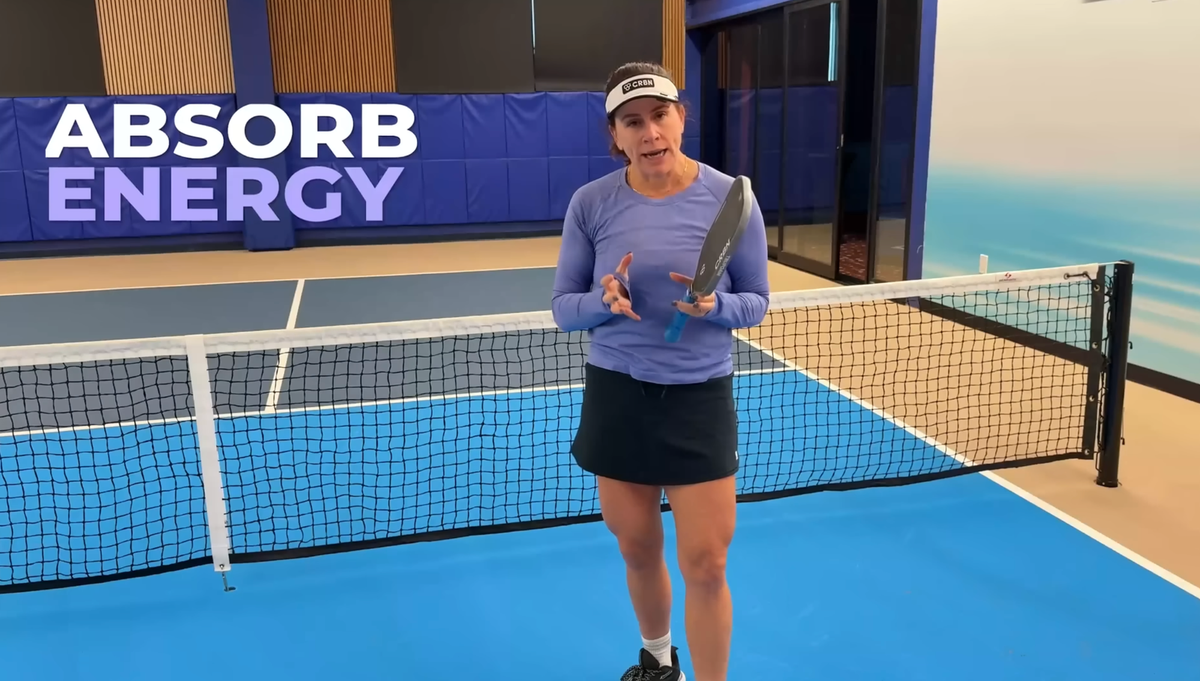
Understand Pickleball Volley Control: Physics & Technique
Pickleball volley control isn’t about luck or natural talent—it’s about understanding two fundamental principles: paddle angle and energy.
The Dink PickleballThe Dink Media Team
Drill 4: Dink Consistency (The Shallow Game)
The final pickleball drill focuses on dinking in pickleball, and it's deceptively simple. Set up cones to mark the first three-quarters of the pickleball kitchen.
Your goal is to keep every dink shallow, landing in that zone.Here's the catch: if you take a dink out of the air, you automatically score a point. This encourages you to stay aggressive while maintaining consistency.
Coach Hardy uses a specific targeting technique.
"If you pick a spot above the net to hit to every single time, say I hit here four or five inches above the net every single time, it lands consistently in that first 3/4s of the kitchen," he says.
Pick your target height and stick to it.
The dink in pickleball is where rallies are won. Most players grip too tightly and tense up. A light grip and a relaxed swing are essential.
You're not trying to hit winners.
You're trying to move your opponent around and create an opportunity to attack.
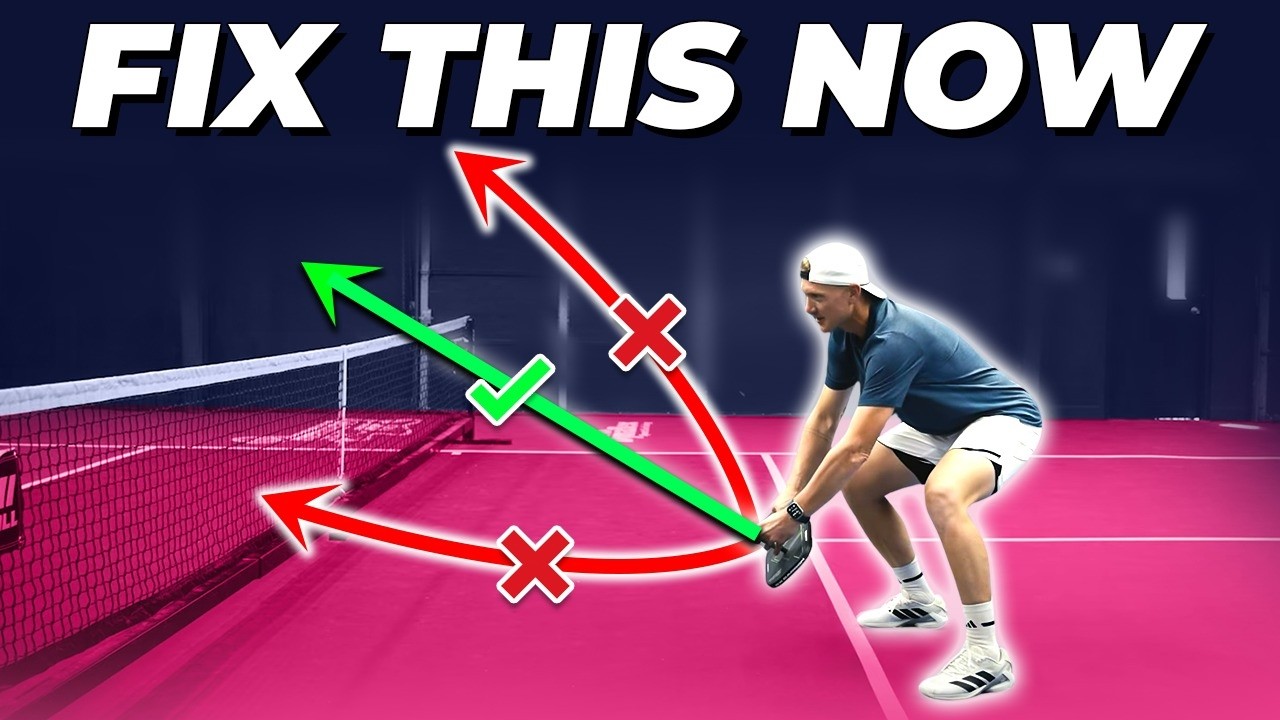
Pickleball Dinking Over 50: 3 Essential Tips for Seniors
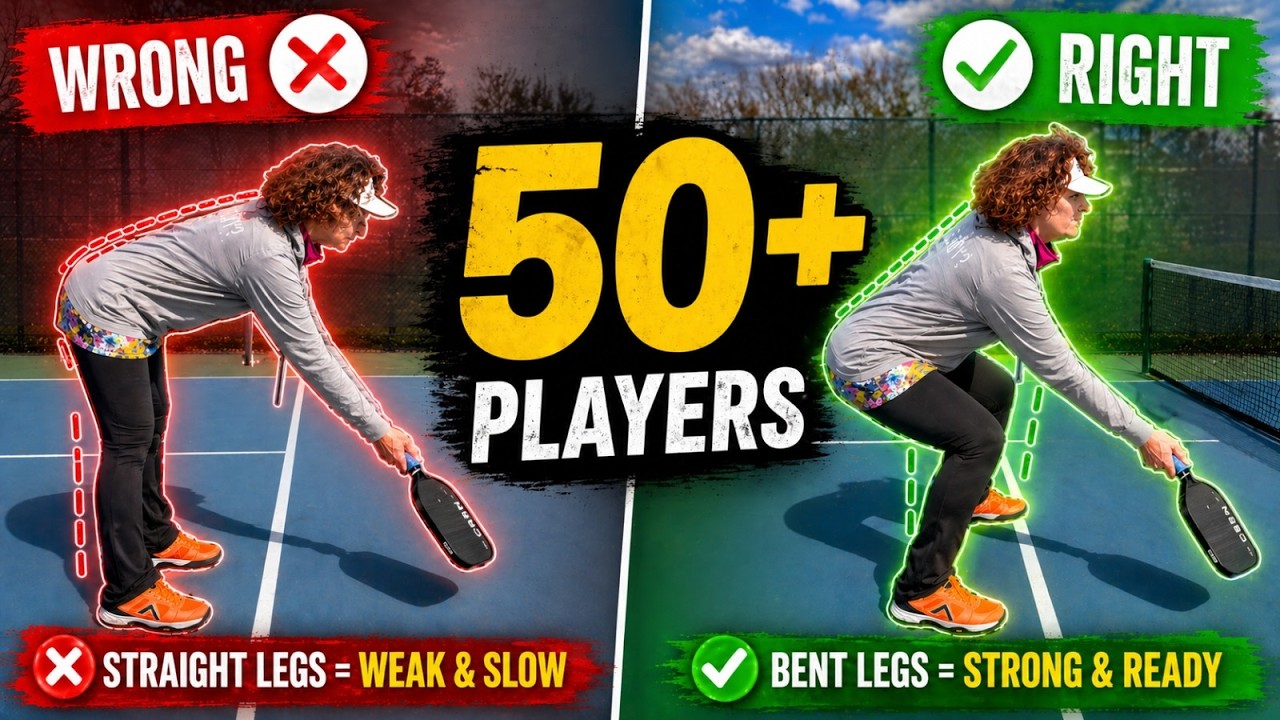
The pickleball dink is the foundation of kitchen dominance, but most players over 50 are missing three critical pieces that separate consistent dinking from endless pop-ups. C.J. Johnson from Better Pickleball breaks down exactly what those pieces are and how to put them together.
The Dink PickleballThe Dink Media Team
The Order Matters: Control, Consistency, Location, Power
Before you start grinding these pickleball drills, understand the progression. Coach Hardy breaks down the learning sequence:
- First comes control. You need to control the ball before anything else.
- Second is consistency. How can you control the ball consistently?
- Third is location. Can you hit your drops in the kitchen and your resets near the baseline?
Only then comes power.
"You don't want to bring power to the front because it's going to mess up that sequence," Coach Hardy warns.
Too many players try to hit hard before they've mastered the fundamentals. That's backwards.
The game has shifted toward power in recent years, but that doesn't mean you should skip the basics.
Power comes naturally once you've built a foundation of control, consistency, and placement.
Master Pickleball Fundamentals: 3 Keys to Winning
Pickleball fundamentals aren’t flashy, but they’re everything. Here are three core skills that actually win tournaments and help you climb the ranks faster than any trick shot ever could.
The Dink PickleballThe Dink Media Team
How to Structure Your Pickleball Practice Sessions
These four pickleball drills should form the backbone of your training. But the order matters.
Start with drops, move to resets, then volleys, then dinks. This progression builds your skills from the baseline to the net.
Understanding how much to drill vs. play is a question even experienced players get wrong. Don't mix in live play until the end of your session.
Pickleball drills are about reps and pressure, not about winning points.
Once you've completed your drill work, then you can play games and apply what you've learned.
The secret to making practice skills stick is repetition with intention. Coach Hardy emphasizes that getting more reps than your competition is the key.
"If you get in more reps than your competition, you're going to be more consistent than your competition," he says.
It's not complicated. It's just work.
How to Practice Pickleball Alone: 7 Solo Drills
Learning how to practice pickleball alone is one of the fastest ways to close the gap between where your game is and where you want it to be. These 7 solo drills target the shots and movement patterns that actually matter during live play.
The Dink PickleballThe Dink Media Team
The Bigger Picture: Why Consistency Wins Tournaments
This approach might seem boring compared to learning trick shots. But consistency is what wins championships.
The players who move up levels aren't necessarily the ones with the flashiest games. They're the ones who don't beat themselves.
If you're serious about your development, 6 pro-endorsed pickleball drills and a simple 4-step system to win more games are worth stacking into your routine alongside these fundamentals.
When you eliminate unforced errors through these pickleball drills, you force your opponent to beat you.
And most opponents can't. They'll eventually pop the ball up, and you'll be there to put it away.
That's the entire game right there. Master these four drills, and you'll see immediate improvement in your match results.
💡
Heads up: hundreds of thousands of pickleballers read our free newsletter.
Subscribe herefor cutting edge strategy, insider news, pro analysis, the latest product innovations and more.
Frequently Asked Questions
How Often Should I Do These Pickleball Drills?
Ideally, incorporate these drills into your pickleball practice routine 3 to 4 times per week. Each session should last 30 to 45 minutes, depending on your skill level and available court time. Consistency in practice translates directly to consistency in matches.
Can Beginners Do These Pickleball Drills?
Absolutely. These drills are designed for all skill levels. Beginners should focus on building the fundamentals with lower rep targets (10 volleys instead of 50, for example). As you improve, you can increase the difficulty and intensity.
What's the Difference Between a Reset and a Dink in Pickleball?
A reset is a shot hit from the midcourt area, usually in response to a ball that's above net height. A dink is a soft shot hit from the kitchen line, keeping the ball low and shallow. Both require soft hands and consistency, but resets are hit from deeper in the court.
How Long Before I See Improvement From These Drills?
Most players notice improvement within 2 to 3 weeks of consistent pickleball practice. You'll feel more confident in your shots and make fewer unforced errors. Significant skill jumps typically happen after 4 to 6 weeks of regular drill work.
Should I Do All Four Pickleball Drills in One Session?
Yes, if you have the time and energy. The progression from drops to resets to volleys to dinks is intentional. However, if you're short on time, you can focus on one or two drills per session and rotate through them over the week.
For more pickleball training content and tips, check out Pickleball Playbook on YouTube, where Coach Austin Hardy regularly shares drills and strategies to help you level up your game.
Anuncie Aqui / Advertise Here
Sua marca para o mundo Pickleball! / Your brand for the Pickleball world!






 English (US) ·
  Portuguese (BR) ·