
 English
  Spanish
  Portuguese
  German
  Italian
  Japanese
  French
  Polish
  Russian
  Netherlands
  Hungarian
  Turkish
  Videos
  Thedink Pickleball

These advanced pickleball tips break down the off-speed counter, the shot that kills a banger's timing instead of matching their power. You'll get grip pressure numbers, contact-point fixes, target selection, and two drills that make it stick.
Most advanced pickleball tips tell you to hit harder.
This one tells you to do the opposite, because the fastest way to win a hands battle at 4.5 and up is to refuse the hands battle entirely.
When someone rips a speed-up at your chest, the instinctive move is to fire back.The better move is to take every bit of pace off the ball and drop it at their shoelaces.
That's an off-speed counter. It's the shot that separates players who survive firefights from players who end them.
Love pickleball? Then you'll love our free newsletter. We send the latest news, tips, and highlights for free each week.
What Is an Off-Speed Counter, Anyway?
An off-speed counter is a defensive-to-neutral shot where you absorb an opponent's attack and redirect it soft, usually into the kitchen or at their feet, instead of driving it back with equal pace.
Think of it as a block with intent. The paddle doesn't swing. It catches, angles, and releases.
Here's the thing: bangers are calibrated for speed. Give them a ball traveling 20 mph slower than they expect and their timing falls apart.That's the whole trick. Counterattacking like a 5.0 isn't about reflexes, it's about changing the tempo of the exchange before your opponent can adjust.
Advanced Pickleball Tips for Building the Foundation
The best advanced pickleball tips for counters all start below the wrist.
Get your hands right and the rest follows, the same way every reset you've ever hit well started with quiet hands.
💡
Need some new pickleball gear? Get 20% off select paddles, shoes, and more with code THEDINK at
Midwest Racquet Sports1. Soften the Grip Before the Ball Arrives
Grip pressure around a 2 to 4 out of 10 is the coaching standard for every soft shot in the game, and counters are no exception (Pickleball.com's techniques library).
A tight grip turns your paddle into a trampoline.
A loose grip turns it into a pillow. This is the single biggest gap between bangers and players with a real soft game, and it costs nothing to fix.
The mistake? Most players soften after they see the attack.Too late. Set your pressure the moment the dink rally starts and hold it there, even on the balls you're not worried about.
Pickleball Tips for Women With an Aggressive Male Partner
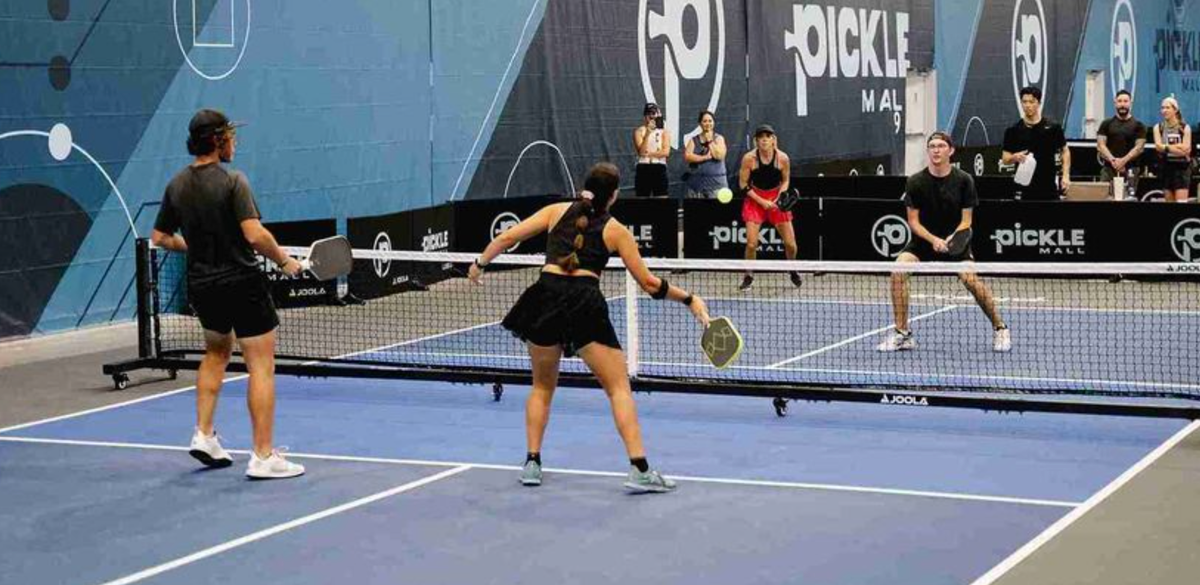
These pickleball tips for women cover what to do when your mixed doubles partner poaches everything, takes the middle, and swings first. Positioning, shot selection, and a two sentence conversation fix most of it.
 The Dink PickleballThe Dink Media Team
2. Take Contact Out in Front
Contact behind your hip means you're catching the ball with no room to absorb.
Out front, you can let the paddle give a few inches backward and kill the pace on impact.
Watch any pro absorb a body bag: their paddle is visibly ahead of their chest at contact, never beside it.This is the same principle behind holding your dinks, just under pressure.
Pickleball Tips for Seniors to Control the Kitchen Line
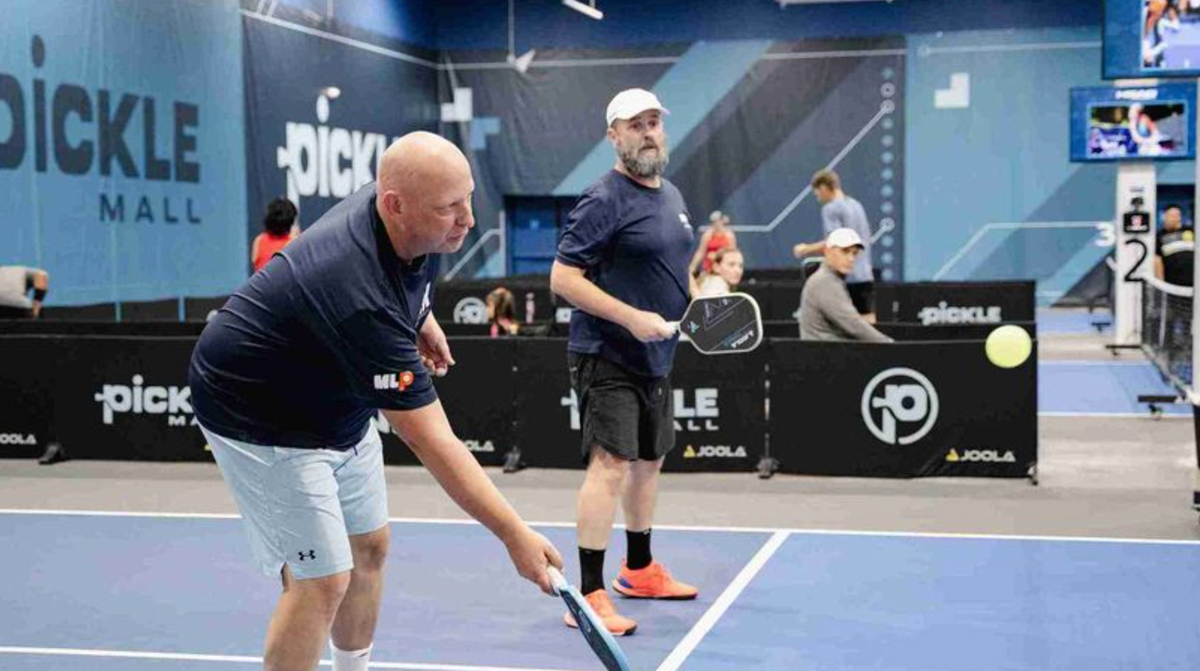
The most useful pickleball tips for seniors have nothing to do with hitting harder. They have everything to do with owning the seven feet of court in front of you.
 The Dink PickleballThe Dink Media Team
3. Absorb, Don't Swing
Zero backswing. None. Your paddle should travel maybe six inches total on a counter, and most of that motion is the paddle retreating on contact.
If you're taking a backswing, you're hitting a counterattack, not an off-speed counter.Those are different shots with different risk profiles, and knowing when to block versus counter against bangers is half the battle.
17 Pickleball Tips That Build Real Game Improvement
Most pickleball advice focuses on niche technique. These 17 pickleball tips from pro Zane Navratil target the foundational habits that actually move the needle, no matter your level.
 The Dink PickleballThe Dink Media Team
Advanced Pickleball Tips for Targeting and Disguise
Where you put the ball matters more than how cleanly you strike it.
These advanced pickleball tips cover placement, and placement is where points actually get won.
4. Aim at Feet, Not Sidelines
Your target is the space between your opponent's shoelaces and the kitchen line. Not the sideline. Not a winner.
A ball landing at their feet forces a low, upward contact, which is the one situation where even good players pop it up.
Stop hunting the line. Play the percentages.
At the pro level, only 4.1% of shots are outright winners while 62% of rallies end on errors, according to an AI analysis of 66,162 shots across 73 pro matches. You don't need a winner.You need the next ball.
5. Redirect With the Paddle Face, Not Your Arm
Angle changes come from a small wrist and face adjustment at contact. Arm-driven redirects add pace you're trying to remove and telegraph your intention.
Pro Michael Loyd's two-thing rule for consistent counters hammers this: fewer moving parts, more repeatable contact.
6. Hide It Until the Last Possible Second
Your counter setup should look identical to your dink setup. Same paddle height, same posture, same shoulders.
Opponents who can read your counter will start attacking into your backhand shoulder on purpose, and once they do, you're defending the same ball every rally.
Sitting neutral removes that tell and kills the chicken wing at the same time.
How to Disguise Pickleball Shots: 3 Techniques
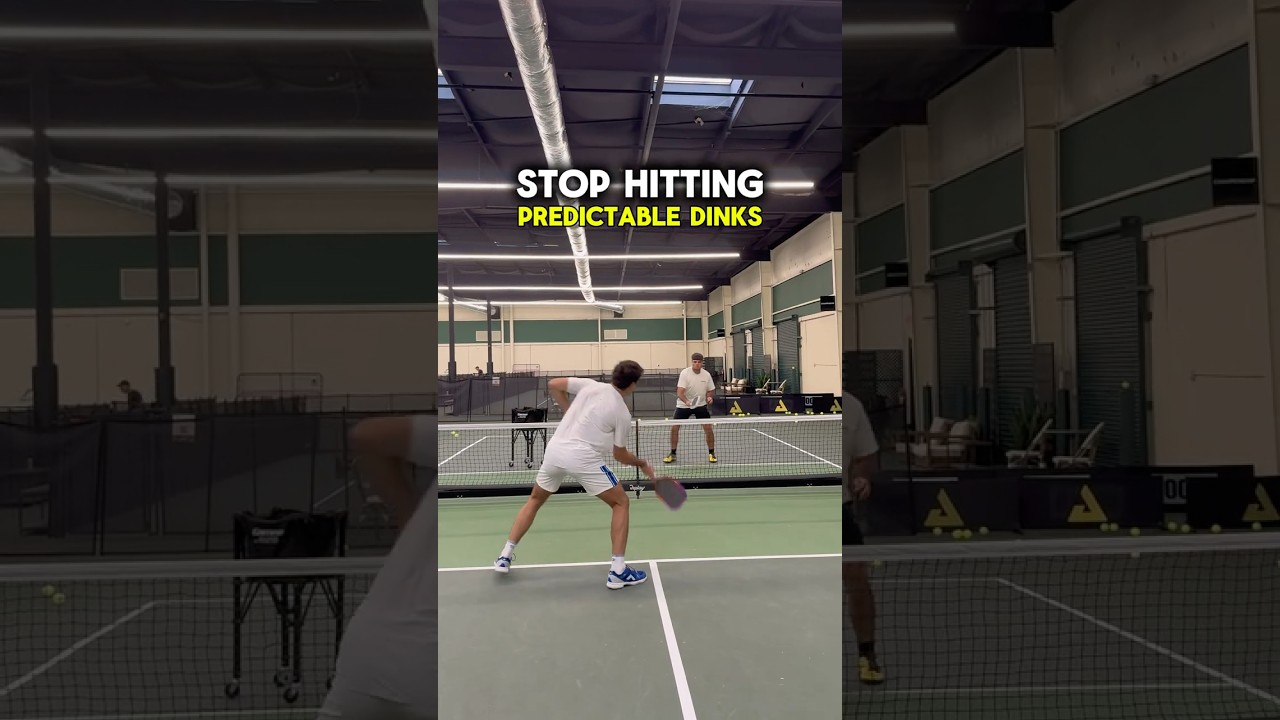
Good players read your body before you even swing. These three shot disguise techniques will make your pickleball shots impossible to predict.
 The Dink PickleballThe Dink Media Team
Advanced Pickleball Tips for Reading the Attack Early
You can't counter what you don't see coming, so these advanced pickleball tips are about buying time before the ball leaves their paddle.
7. Watch the Paddle, Not the Ball
Elite counter-punchers track their opponent's paddle face during the dink exchange. A paddle tipping up means a lift is coming.
A wrist loading back means a flick.
That quarter-second of warning is the difference between a clean absorb and a defensive scramble, and it's the foundation of faster hands that has nothing to do with actual reaction speed.8. Pick Your Lane Before the Speed-Up Comes
Decide in advance: this ball goes back cross-court, or this ball goes at the near opponent's feet. Deciding mid-flight costs you the absorb.Most counters get popped up because the player was still choosing a target at contact.
Understanding why speed-ups fail also tells you when one is likely coming at you.
Own the Middle Dink: 3 Reads That Win More Points
The middle dink is not a neutral ball. Use these three reads to take control and become a nightmare for any opponent at the kitchen line.
 The Dink PickleballThe Dink Media Team
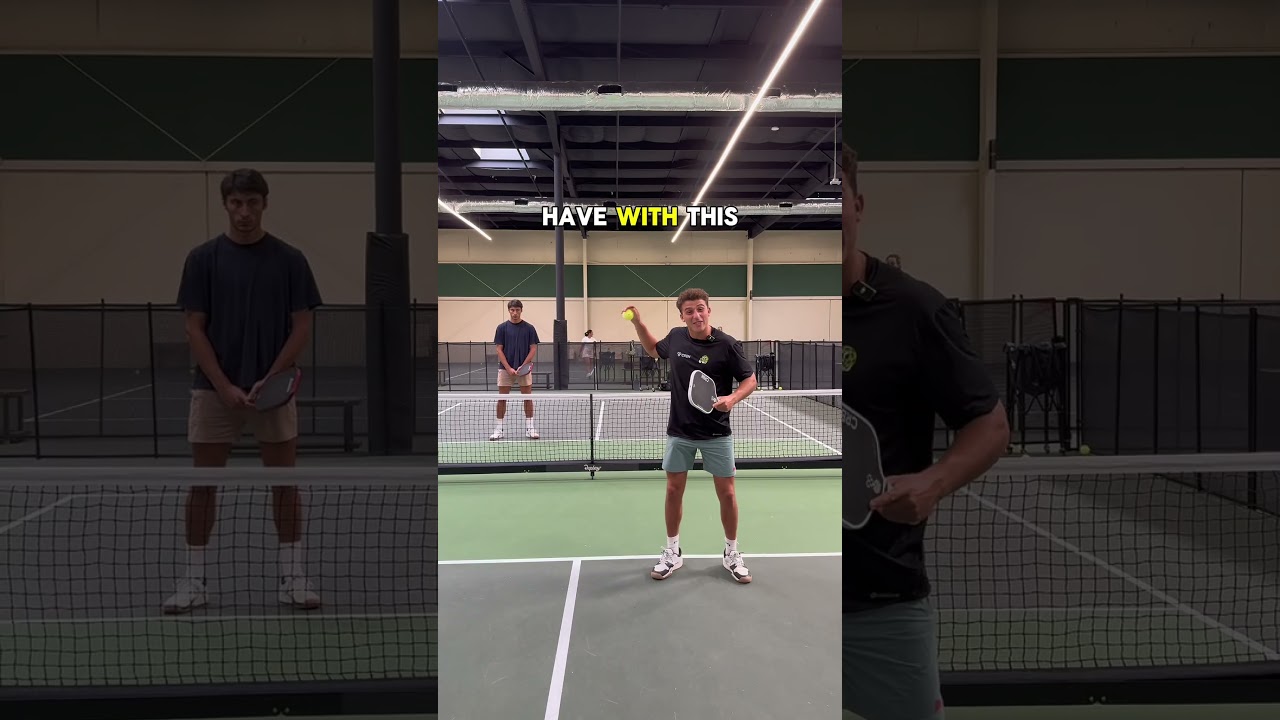
Why Does Taking Pace Off Beat Hitting Harder?
Because the soft game runs pickleball, even at the top. Dinks make up 53% of all pro shots, and roughly 66% of all action happens at the kitchen line.
Power players lose to patient ones because the geometry of the court punishes hard, low-margin shots.
If you're still playing whack-a-mole at the line, controlled aggression is the bridge between banger and closer.It's also the reason power doesn't win at 4.0 once opponents can hold their own in a firefight.
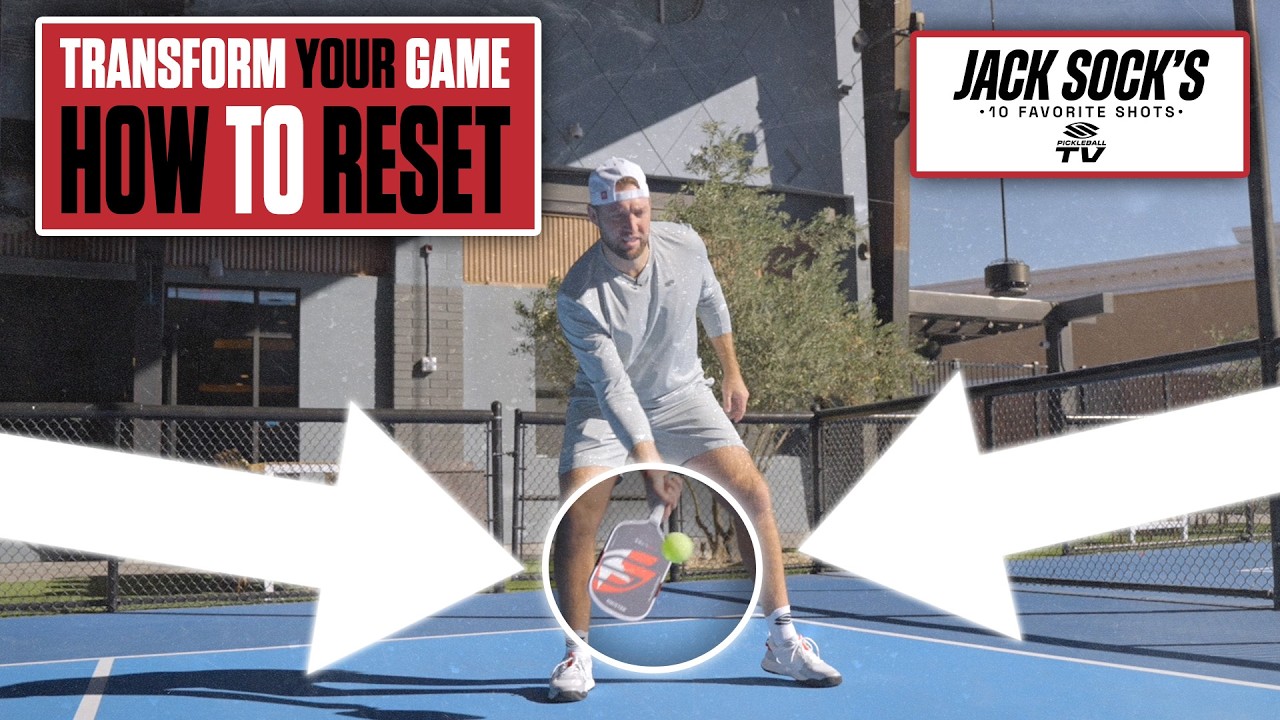
5 Keys to Deadening Pace and Spin at Your Feet in Pickleball
The pickleball reset is one of the most important shots in doubles play. Jack Sock explains exactly how to stop giving away free points in the transition zone.
 The Dink PickleballThe Dink Media Team
How Do You Drill Off-Speed Counters Without a Coach?
Drill them under pressure, not in cooperative dink rallies. Counters only transfer to matches when they're rehearsed against real attacks.
9. Advanced Pickleball Tips Only Stick If You Rehearse Them
Run a two-minute block: partner dinks three balls, attacks on the fourth without announcing it. You counter soft and restart the rally.
No winners allowed. Ten rounds, switch roles. It's a variation on the best drill for developing touch, just with a hostile feed.For solo work, wall reps at close range build the absorb motion. Add two-handed backhand defense if body shots are your weak spot.
10. Which Advanced Pickleball Tips Should You Drill First?
Grip pressure and contact point. Always. Placement and disguise are useless if your paddle is still recoiling balls back into the net.
Once the absorb is automatic, layer in targeting, then read-and-react work.
The same sequencing applies to midcourt resets, which share about 80% of the mechanics.And if you're deciding shot-by-shot whether to counter or go on offense, the attack-or-reset decision matrix is a cleaner framework than gut feel.
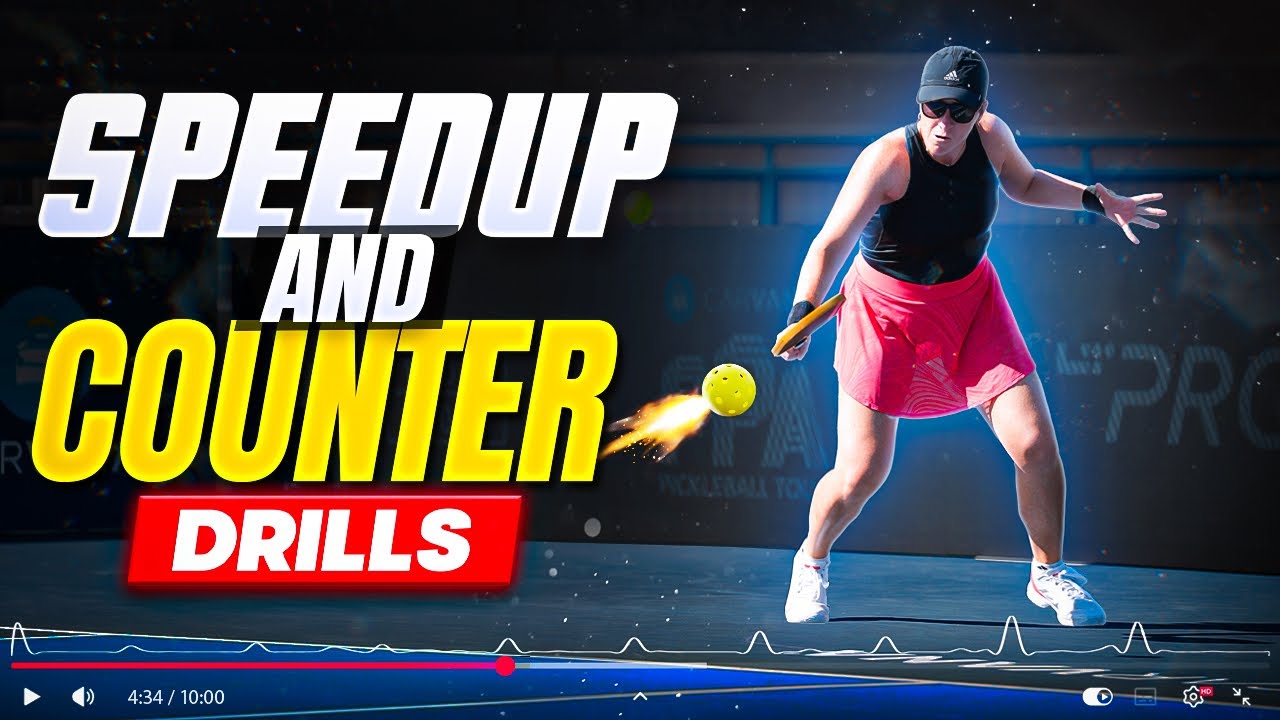
3 Pickleball Speed Up Drills to Win Kitchen Battles
Most players warm up their hands and call it drilling. This pickleball speed up progression isolates the attack, the counter, and the dink that sets them up, so the skills hold under game pressure.
 The Dink PickleballThe Dink Media Team
Key Takeaways
- An off-speed counter absorbs an opponent's attack and redirects it soft, usually at their feet, instead of matching pace.
- Grip pressure of 2 to 4 out of 10, contact out front, and near-zero backswing are the three mechanical non-negotiables.
- Target feet inside the kitchen line rather than sidelines; pro data shows only 4.1% of shots are outright winners.
- Read the opponent's paddle face, not the ball, to buy reaction time before a speed-up.
- Drill counters against live, unannounced attacks. Cooperative dinking won't transfer.
💡
Heads up: hundreds of thousands of pickleballers read our free newsletter.
Subscribe herefor cutting edge strategy, insider news, pro analysis, the latest product innovations and more.
Frequently Asked Questions
What is an off-speed counter in pickleball?
An off-speed counter is a shot that absorbs an opponent's attack and returns it with significantly less pace, typically landing soft at their feet or in the kitchen. It uses a loose grip and almost no swing. The goal is to disrupt timing rather than win the point outright.
Is a counter the same thing as a block?
They overlap, but a block is purely defensive while a counter has a target. A block simply keeps the ball in play. A counter redirects it somewhere specific to create a weak reply or take the offense back.
What grip pressure should I use for counters?
Around 2 to 4 out of 10, the same as dinking. A loose grip lets the paddle absorb pace on contact instead of rebounding the ball. Set that pressure before the attack comes, not during it.
Why do my counters keep popping up?
Usually contact is happening too late, behind your hip, with a tight grip. Both cause the paddle face to open at impact and lift the ball. Move contact out in front and soften your hands during the dink rally, not after the speed-up.
How long does it take to get good at off-speed counters?
Most players see real improvement in four to six weeks of consistent drilling, two or three sessions a week. The mechanics come fast; the reading and disguise take longer. Drill against live attacks rather than cooperative feeds to speed it up.
Anuncie Aqui / Advertise Here
Sua marca para o mundo Pickleball! / Your brand for the Pickleball world!




 English (US) ·
  Portuguese (BR) ·