
 English
  Spanish
  Portuguese
  German
  Italian
  Japanese
  French
  Polish
  Russian
  Netherlands
  Hungarian
  Turkish
  Videos
  Thedink Pickleball

The difference between 3.5 and 4.5 players comes down to consistency, court awareness, and smarter shot selection
Stuck at a 3.5 rating in pickleball? You're not alone. The jump from 3.5 to 4.5 feels like a wall for many players, but it's not about hitting harder or moving faster. It's about making smarter decisions on the court.
The "Prince of Pickleball" breaks down 11 concrete tips to help you climb that rating and finally escape the 3.5 tier.
Love pickleball? Then you'll love our free newsletter. We send the latest news, tips, and highlights for free each week.
1. Push, Don't Hit Your Dinks
The biggest mistake 3.5 players make with dinking is treating it like a hitting motion. You're popping the ball up instead of controlling it.
The fix is simple: change your mentality from hitting to pushing. Think of the dink as a gentle shove away from you, not a swing. This gives you more dwell time on the paddle face, which means better feel and control.
When you push instead of hit, the ball stays lower and you feel way more confident. It's the foundation of everything else that follows.
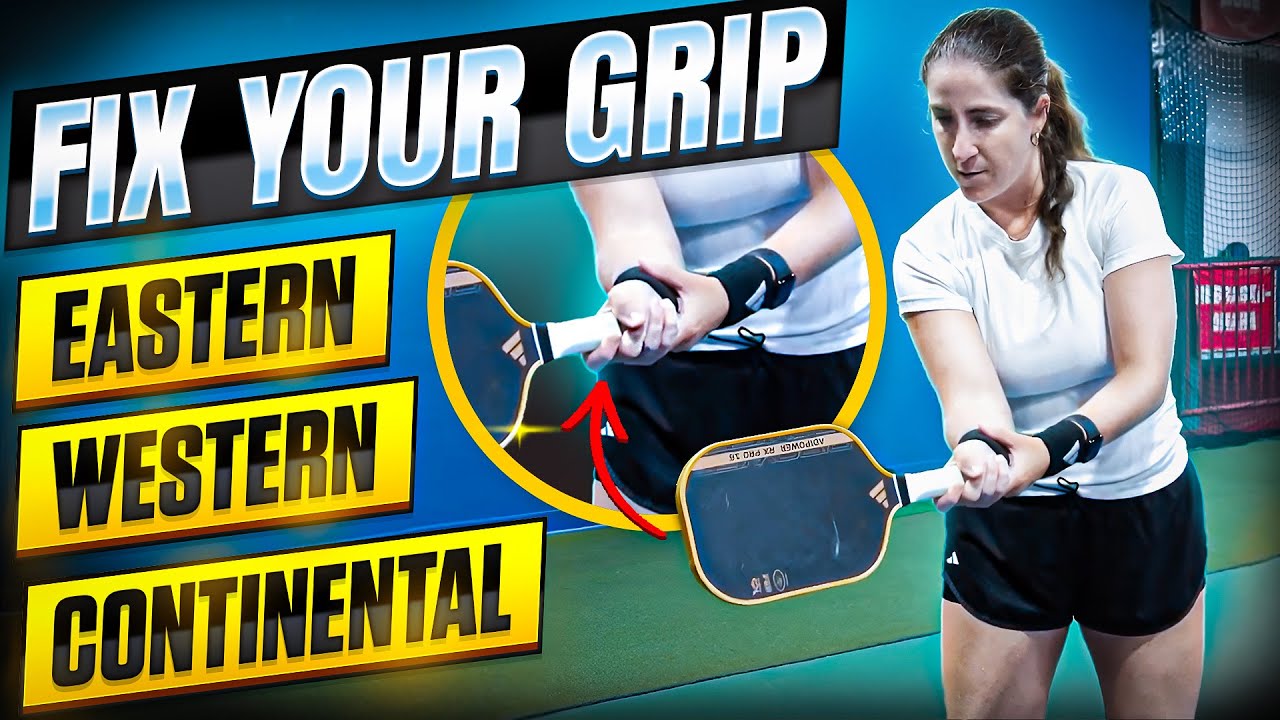
2. Simplify Your Grip
Many 3.5 and 4.0 players switch grips constantly. One grip for dinking, another for drives, another for volleys. It's chaos.
Stay in an eastern forehand grip position and let your paddle angle do the work instead. When a speed-up comes, you're already ready because you haven't wasted energy changing your grip.
Pro players like Aiden Patrick Smith master this in the transition zone. The less you change, the faster you react.
The Three Pickleball Grips (& When to Use Them): Continental, Eastern & Western
Whether you’re crushing forehands from the baseline or executing delicate volleys at the kitchen line, your grip determines what’s possible.
 The Dink PickleballThe Dink Media Team
3. Master the Reset Shot
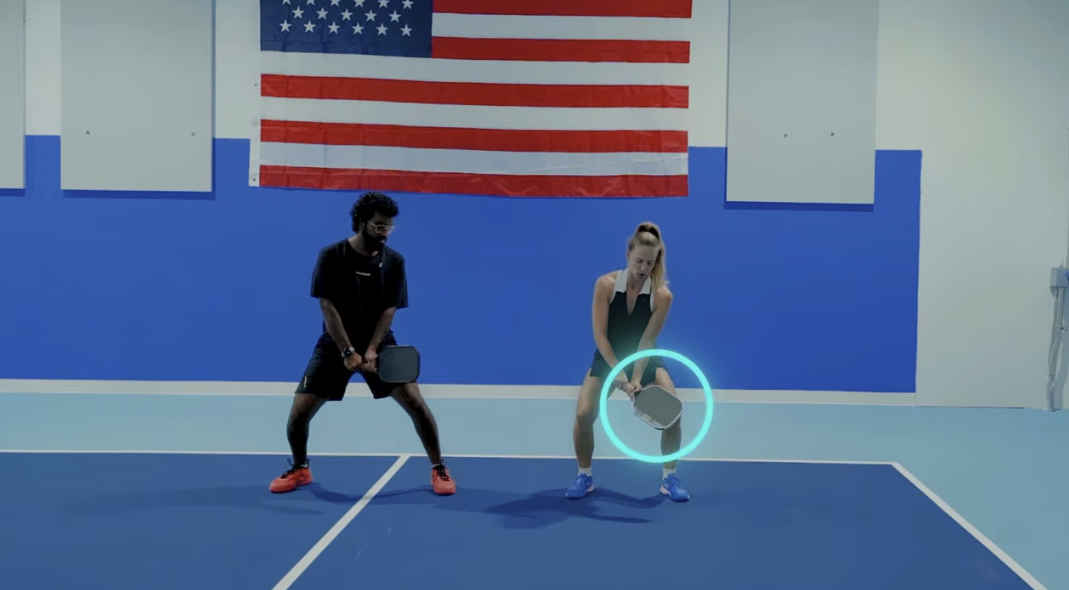
Resets are your lifeline when opponents attack. Here's what separates 3.5s from 4.5s:
- Split step first to get a wide base and controlled balance.
- Get your body behind the ball, not outside your strike zone.
- Keep your paddle tip down on both forehand and backhand.
- Use your shoulders to control pace, not your wrist.
The wrist flicking that feels natural? That's what kills your reset. Lock it down and let your shoulders do the work.
Master the Reset Shot: Pickleball’s Most Overlooked Defensive Weapon
The reset lets you survive the transition phase without giving your opponents an easy put-away. It’s the shot that turns defense into offense.
 The Dink PickleballThe Dink Media Team
4. Apply Pressure Through the Middle
The hero shot feels amazing when it works. But it doesn't work often enough.
Instead, drive the ball down the middle and apply pressure. You'll earn a short ball and work your way up the court. That's how you win consistently, not by going for winners you'll miss under pressure.
💡
Need some new pickleball gear? Get 20% off select paddles, shoes, and more with code THEDINK at Midwest Racquet Sports
5. Close the Net on Your Third Shot Drop
After you hit a third shot drop, most 3.5s watch it and hope. That's a recipe for getting crushed.
Move forward as your ball is in the air. Assess whether it's going to land below the net. If it does, come in and attack. If it's too high, stay back. This aggressive positioning puts immediate pressure on your opponent.
6. Return with Purpose
A weak return puts you on your heels from the start. Instead, focus on depth.
Push the ball deep into the court. Most pros actually have slower returns than you'd think. Pace isn't the goal here; depth is. A deep return keeps your opponent back and gives you control of the next shot.
2 Keys for Senior Pickleball Players to Hit a Killer Return of Serve, Every Time
If you’re looking for a single area to focus on that will genuinely improve your game, this is it.
 The Dink PickleballThe Dink Media Team
7. Serve with Variety
Placing your serve randomly is fine, but variety is what throws off your opponent's rhythm.
Mix up your spins, heights, and speeds. You don't need to beat them with pace. You beat them by keeping them guessing. That's what the pros do on the PPA Tour.
8. Watch Your Opponent's Paddle Face
Most 3.5s watch the ball during dinking exchanges. That's why speed-ups catch them off guard.
Track your opponent's paddle angle instead. You'll see the angle of attack and know where the ball is going half a second earlier. That's the difference between a reaction and a read.
9. Set Your Feet Before You Dink
Constant body movement after contact kills your balance and leads to errors.
Use the "set, set, swing" theory. Set your feet, hold for a second, then dink. This stabilizes your body and keeps your head still, which means better control even under pressure.
Heads up: hundreds of thousands of pickleballers read our free newsletter. Subscribe here for cutting edge strategy, insider news, pro analysis, the latest product innovations and more.
10. Prioritize Depth Over Everything
When you're up at the net and your opponent is back, your job is simple: keep them back.
Push them deep with every shot. Pace doesn't matter if your depth is solid. Eventually you'll get a high ball or an error. Force the pressure and wait for your opportunity.
11. The Real Difference Between 3.5 and 4.5
These 11 tips aren't flashy. They're not about athletic ability or paddle technology. They're about decision-making and consistency.
The jump from 3.5 to 4.5 happens when you stop trying to hit winners and start playing smart pickleball. Control your dinks, apply pressure through the middle, and let your opponent make the mistake. That's the formula.
Anuncie Aqui / Advertise Here
Sua marca para o mundo Pickleball! / Your brand for the Pickleball world!







 English (US) ·
  Portuguese (BR) ·