
 English
  Spanish
  Portuguese
  German
  Italian
  Japanese
  French
  Polish
  Russian
  Netherlands
  Hungarian
  Turkish
  Videos
  Thedink Pickleball

Pickleball paddle care comes down to two habits most players ignore. Avoid these two mistakes and your paddle will last significantly longer.
Proper pickleball paddle care is one of the most overlooked parts of the game.
You spend good money on a paddle, you work on your technique, and then you toss it in your car and forget about it for hours on a hot afternoon.That one habit alone can quietly wreck the materials inside your paddle long before you ever notice a difference in performance.
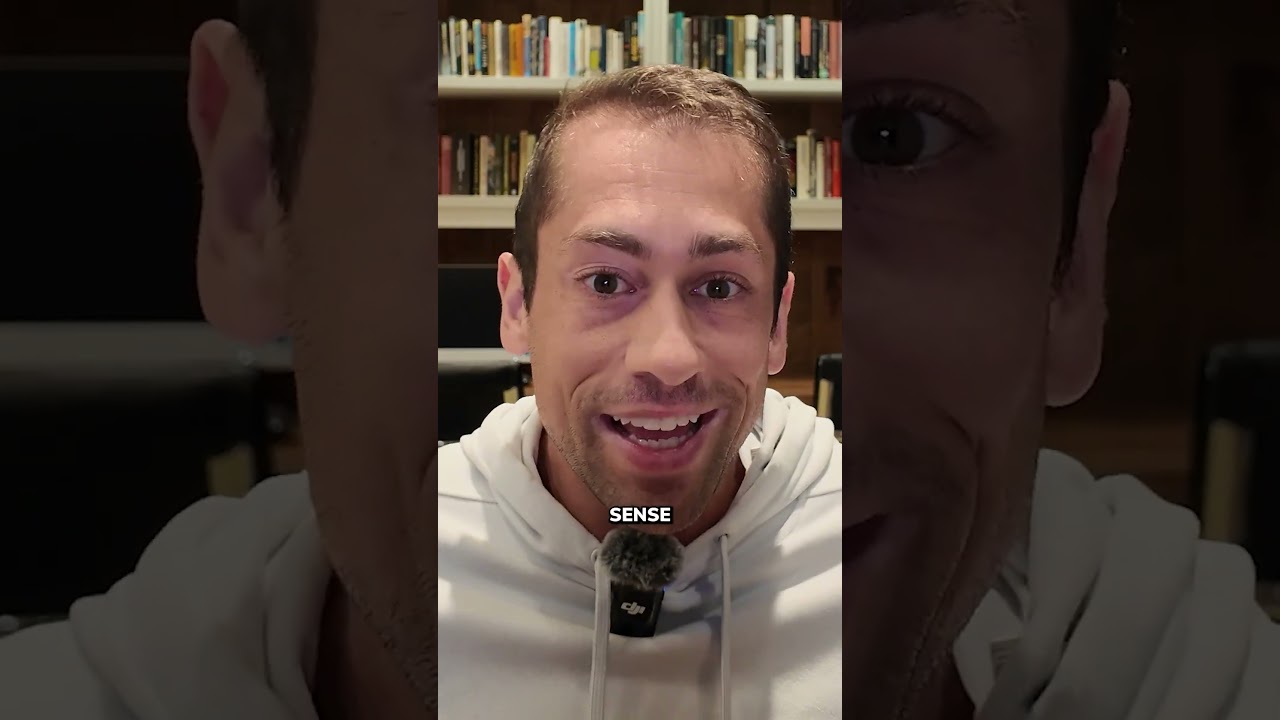
By the time you feel it, the damage is already done.This video from Louis at Pickleball Pursuit covers the two biggest mistakes players make when storing and handling their paddles, why those mistakes cause real structural damage, and what you should do instead to protect your investment.
Love pickleball? Then you'll love our free newsletter. We send the latest news, tips, and highlights for free each week.
Why Paddle Care Matters More Than Most Players Think
A pickleball paddle is not just a piece of plastic and foam.
Modern paddles are built with layered composite materials, polymer honeycomb and foam cores, carbon fiber or fiberglass faces, and edge guards that are all bonded together with adhesives and resins.
Every one of those materials has a temperature threshold.Push past it repeatedly and the materials begin to degrade, separate, and lose their structural integrity.
The worst part is that the damage is not always visible.Your paddle might look perfectly fine on the outside while the core has already started breaking down.
You will notice it eventually in the feel of your shots, but by then you are playing with a dead paddle.
That is exactly why pickleball paddle care belongs in the same conversation as technique work.
This tip comes from Pickleball Pursuit on YouTube, a channel focused on practical advice that helps everyday players protect their gear and sharpen their game.Mistake Number One: Leaving Your Paddle in a Hot Car
Leaving your paddle in a hot car is the single fastest way to shorten its lifespan.
On a sunny day, the inside of a parked car can reach temperatures well above 130 degrees Fahrenheit within minutes.
At those temperatures, the glue and resin holding your paddle together begin to soften and break down.
This is the failure point most pickleball paddle care advice skips right past.The polymer honeycomb core inside most modern paddles is especially vulnerable to sustained heat.
Once that core starts to deform, you lose the consistent pop and feel that made you choose that paddle in the first place.
This is not a one-time event that ruins a paddle instantly. It is cumulative.Every hour your paddle spends baking in a hot car chips away at its structural performance, even if the exterior looks untouched.
💡
Need some new pickleball gear? Get 20% off select paddles, shoes, and more with code THEDINK at
Midwest Racquet SportsHow Do You Avoid This Pickleball Paddle Care Mistake?
Never leave your paddle in your car for more than a few minutes on a warm day.
Take your paddle inside with you whenever possible, especially during summer months.If you must leave equipment in the car, store it in the trunk or under a seat away from direct window exposure.
Consider a padded paddle bag that provides some insulation against temperature spikes.On very hot days, place the bag under a seat cover or a towel to limit heat absorption.
It takes almost no extra effort to bring your paddle inside. Make it a non-negotiable habit and your paddle will perform better for much longer.
Mistake Number Two: Leaving Your Paddle in Direct Sunlight
Direct sunlight damages your paddle through two separate mechanisms: heat and UV radiation.
Even if your car is not involved, leaving your paddle on a bench in full sun during a long session or storing it near a window at home can cause real damage over time.
UV exposure breaks down the surface materials on your paddle face.Carbon fiber and fiberglass both have protective coatings that degrade under prolonged UV exposure.
Once that coating weakens, the texture and grip of the hitting surface starts to change.Good pickleball paddle care protects that texture before you ever lose it.
For players who rely on spin generation, this is a big deal. The surface texture of your paddle face is what grabs the ball and imparts spin.
Degrade that surface and you lose spin, even if your technique stays the same.If you want to understand how spin affects your game, check out this breakdown of drive spin and contact point adjustments.
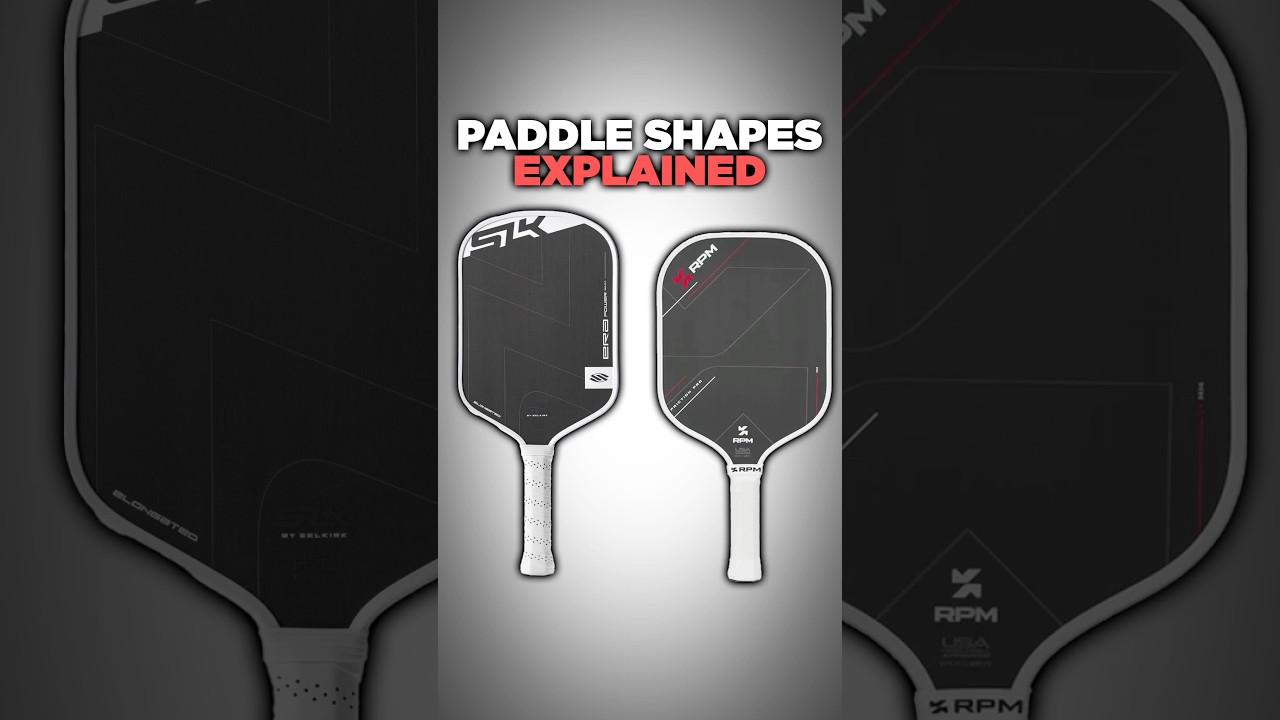
Pickleball Paddle Shapes Explained: Widebody vs. Hybrid vs. Elongated
Pickleball paddles come in three main shapes, and picking the right one can make a real difference in how you play.
 The Dink PickleballThe Dink Media Team
Is Shade Enough to Protect Your Paddle?
Shade is significantly better than direct sun, but extreme ambient heat can still be an issue in very hot climates.
The goal is to keep your paddle in a cool, shaded environment whenever it is not in your hand.A quality paddle bag stored in a shaded area is usually sufficient for most players.
The bag blocks UV rays and provides a small buffer against ambient heat.The players who are most at risk are those who leave their paddles out on the court between games or during long round-robin sessions.
It feels harmless, but an hour of direct afternoon sun adds up quickly over a full season.
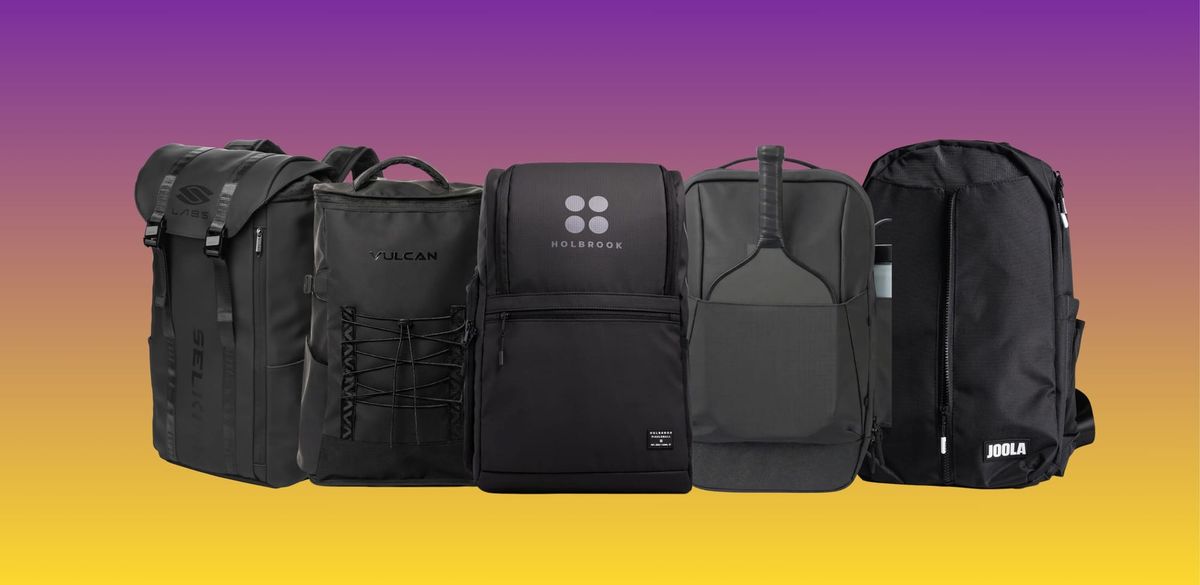
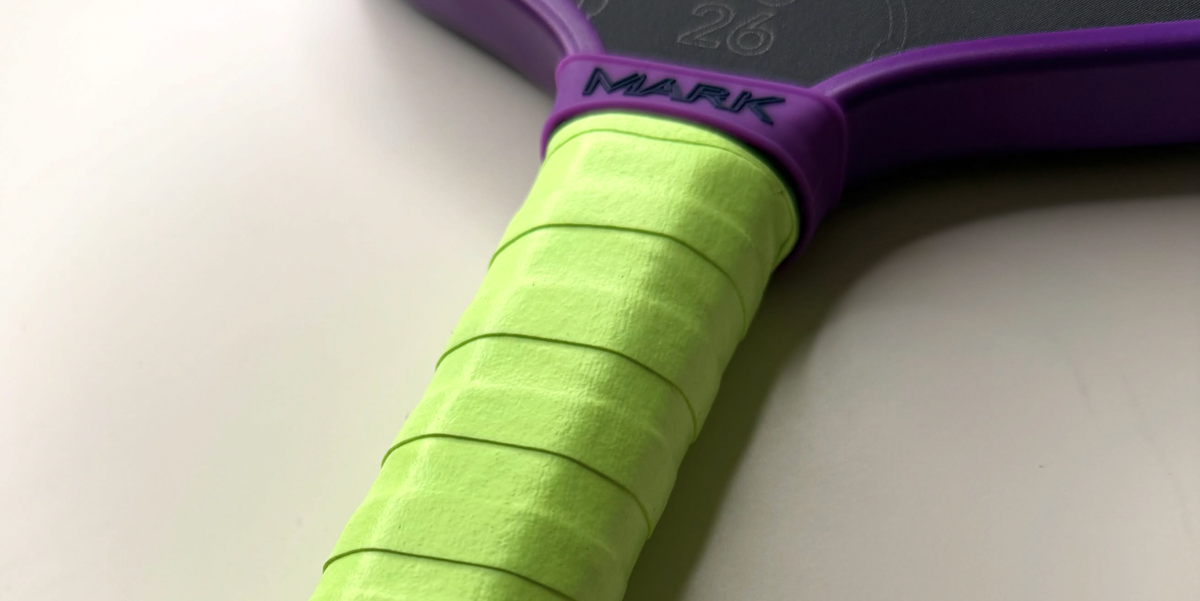
Best Pickleball Backpacks 2026: Options for Every Budget
From small and budget-friendly to large and more premium, here are five pickleball bags we’ve tested and would trust with our paddles any day.
 The Dink PickleballAlex E. Weaver
How Much Does a Paddle Actually Cost to Replace?
Quality paddles range from about $80 on the lower end to well over $280 for premium options. That is a real investment.
Most players do not realize how much they are shortening paddle life until they are replacing paddles far more often than they should be.Pickleball paddle care is genuinely free.
Bringing your paddle inside takes ten seconds. Storing it in a bag instead of leaving it in the sun takes no extra time at all.
The return on that tiny habit is months of added paddle life and consistent performance.You can explore some strong options that are worth protecting in this data-driven paddle guide.
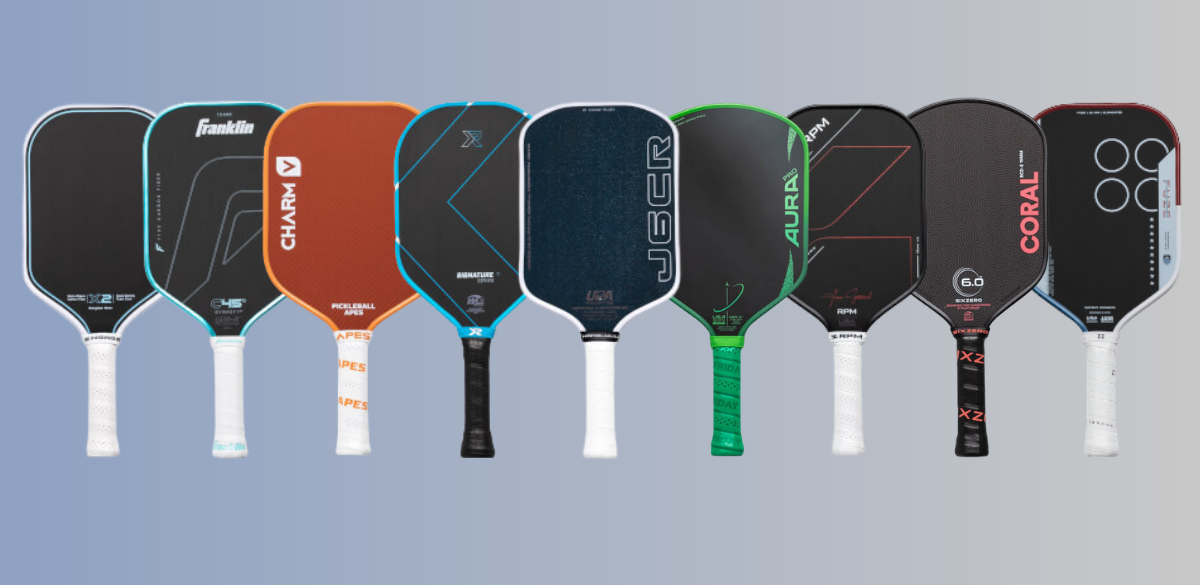
9 Great Pickleball Paddle Deals for Every Budget
If you’re not sure where to start but love a good deal, the good folks at Just Paddles have all the data you need to guide you in the right direction.
 The Dink PickleballAlex E. Weaver
Are There Other Storage Habits Worth Adopting?
Yes. Heat and sunlight are the two biggest threats, but a few other habits will help extend your paddle's life.
Avoid storing your paddle in extremely cold conditions for long periods.
Cold alone is less damaging than heat, but rapid temperature changes from cold to hot stress materials unnecessarily.- Keep your paddle dry. Moisture can work into the core through the edge guard or handle over time.
- Wipe down your paddle face after every session. Sweat, oils, and dirt build up on the surface and gradually degrade the texture you depend on for spin.
- Replace your overgrip regularly. A worn overgrip changes how you hold the paddle, which affects your mechanics and your dink control.
None of these habits require extra time or equipment. They are just small decisions made consistently over time.
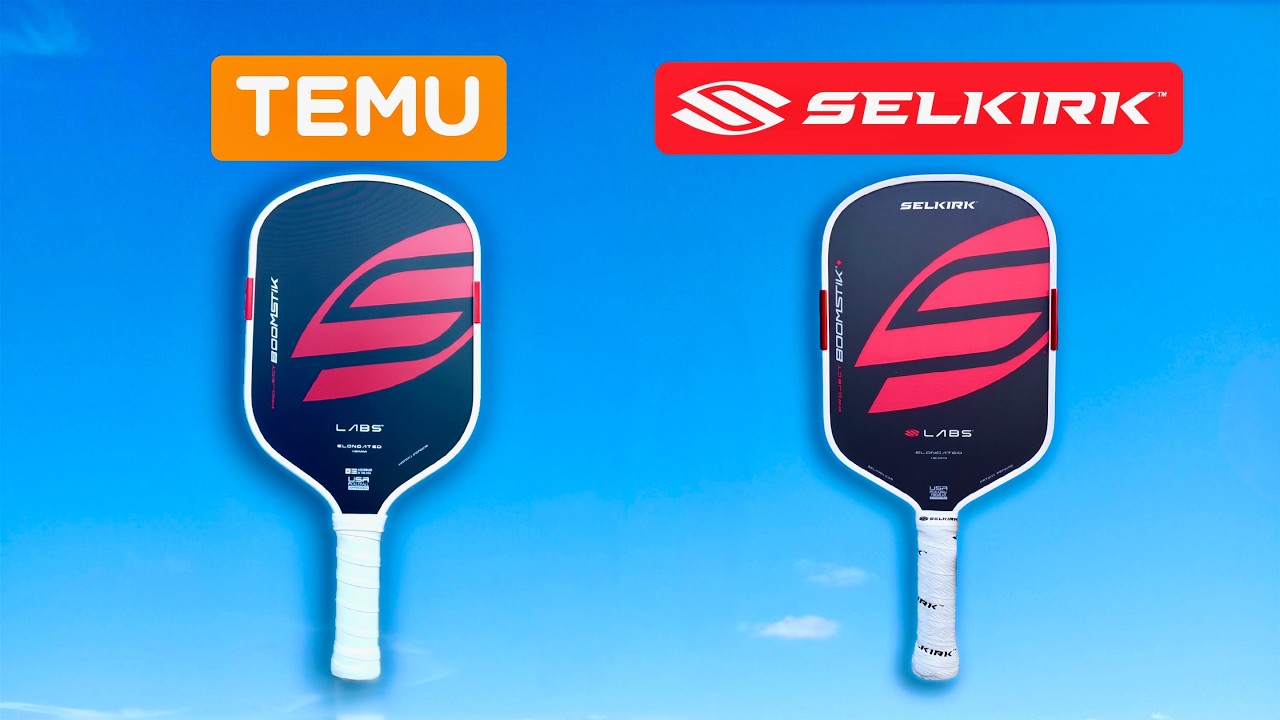
Testing Counterfeit Pickleball Paddles: Real vs Fake
Counterfeit pickleball paddles flood the market, but they’re not just illegal—they often perform terribly. We break down exactly how fake paddles differ from the real thing.
 The Dink PickleballThe Dink Media Team
The Bottom Line on Paddle Longevity
Your paddle is a precision instrument. Treating it like one costs you nothing but a few seconds of attention.
Avoid leaving it in a hot car. Keep it out of direct sunlight. Store it in a bag and bring it inside after you play.
Those three habits alone will keep your paddle performing the way it was designed to perform for far longer than the average player gets out of theirs.
If you want to get the most out of your game, protecting your equipment is just as important as working on your serve and return, sharpening your dink and reset game, or investing in fitness drills that help you move better on the court.
A paddle that performs consistently is one less variable working against you. Take care of it and it will take care of your game.If you are also working on developing your overall skills, it helps to know what habits separate 5.0 players from everyone else, and to build a smarter practice week that gets you better results faster.
💡
Heads up: hundreds of thousands of pickleballers read our free newsletter.
Subscribe herefor cutting edge strategy, insider news, pro analysis, the latest product innovations and more.
Frequently Asked Questions
How hot is too hot for a pickleball paddle?
Sustained extreme temperatures begin to stress the adhesive and core materials inside most paddles. The inside of a parked car on a sunny day can easily exceed 100 degrees within an hour, which is well into the danger zone for paddle materials.
Can a pickleball paddle be ruined by one hot car incident?
A single short exposure is unlikely to destroy a paddle immediately, but damage is cumulative. Repeated heat exposure adds up over time and you may not notice the degradation until your touch shots start feeling inconsistent or dead.
Does sunlight affect paddle spin?
Yes. UV exposure gradually breaks down the surface coating on carbon fiber and fiberglass faces, reducing the texture that grabs the ball. If your spin feels weaker than it used to, surface degradation from sun exposure could be a contributing factor alongside your technique.
What is the best way to store a pickleball paddle?
Keep it in a padded paddle bag in a cool, dry, shaded location. Bring it inside after every session rather than leaving it in your car or on an outdoor court. Wiping the face down after play helps preserve surface texture.
How long should a pickleball paddle last with proper care?
With good care, a quality paddle should last one to two years of regular play before performance noticeably drops. Players who store paddles in hot cars or leave them in direct sun frequently may find their paddles degrading in a fraction of that time.
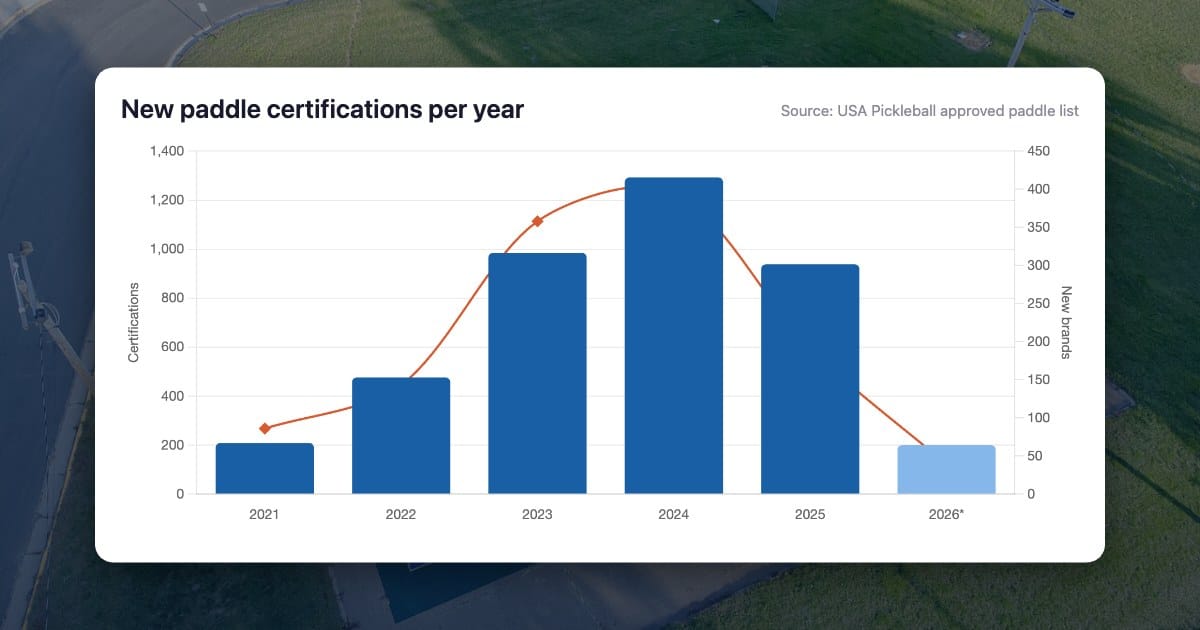
The Pickleball Paddle Boom Isn’t Over, but It Is Evolving
We analyzed more than 4,000 USAP-approved paddles over a five-year span. Here are five trends that point toward a maturing, more consumer-friendly market.
 The Dink PickleballAlex E. Weaver
Anuncie Aqui / Advertise Here
Sua marca para o mundo Pickleball! / Your brand for the Pickleball world!


 English (US) ·
  Portuguese (BR) ·