
 English
  Spanish
  Portuguese
  German
  Italian
  Japanese
  French
  Polish
  Russian
  Netherlands
  Hungarian
  Turkish
  Videos
  Thedink Pickleball

Most players speed up without a plan and pay for it immediately. These three keys will change how you attack forever with your pickleball speed-up.
Your pickleball speed-up is only as good as the thought behind it.
Most recreational players speed up randomly, picking the wrong target, hitting at a predictable pace, and putting no spin on the ball.
The result is a counter right back at your feet.
The difference between a speed-up that wins the point and one that puts you on defense comes down to three specific decisions made before you swing.Get these right, and you become someone your opponents genuinely do not want to face at the kitchen line.
These three keys come from tanner.pickleball on YouTube, where he breaks down the exact framework pros have in mind every time they decide to attack.Here is what you need to know.
Love pickleball? Then you'll love our free newsletter. We send the latest news, tips, and highlights for free each week.
Why Most Speed-Ups Fail Before the Ball Even Leaves Your Paddle
Here is the honest truth about why recreational players lose hands battles. They think the speed-up itself is the weapon, when really it is just the trigger.
What wins the exchange is everything you decide before contact.
A random speed-up at a ready opponent changes nothing.But a well-placed, deceptively paced, spinning speed-up forces your opponent to react to something they did not fully see coming.
That is the difference between a reset and a winner.
If you want to win a pickleball hands battle every time, you need to stop treating speed-ups as impulse attacks and start treating them as structured plays.That same mindset shift shows up across the four key strategies defining modern pickleball right now.
Key 1: Location Is Everything
Location is the most important factor in your pickleball speed-up.
Hitting hard at the wrong spot gives even a slow opponent time to respond. Hitting hard at the right spot shuts them down before they can react.There are three high-percentage targets to keep in mind on every attack.
- Paddle side shoulder: This is one of the hardest spots for any player to handle cleanly. The ball jams them between a backhand and a forehand and creates hesitation.
- Paddle side hip: Lower and tighter than the shoulder, this target forces an ugly block at an awkward angle. Most players cannot generate any quality response from here.
- Extended wide on the backhand: Pulling the opponent out wide stretches their reach and opens up the court for your partner to clean up anything that comes back.
All three of these targets share one thing in common. They attack a specific weakness instead of just going hard at a general area.
Precision beats power every single time at the kitchen line.This ties directly into dinking with intention. You should be setting up your speed-up location during the dink rally, not guessing when you finally pull the trigger.
💡
Need some new pickleball gear? Get 20% off select paddles, shoes, and more with code THEDINK at
Midwest Racquet SportsWhat Happens When You Aim at the Body?
Body shots are criminally underused at the recreational level.
Players spend so much time going cross-court or down the line that they forget the simplest target of all: the person in front of them.
When you aim at the paddle side shoulder or hip, you give your opponent a choice they do not want to make.They have to decide in a fraction of a second whether to take the ball with a forehand or a backhand. That split-second decision creates errors.
If you want to understand how this fits into a broader attack system, read about how to hit a forehand speed-up in pickleball using a clean two-step process.It also sits alongside the essential pickleball shots worth owning this season.
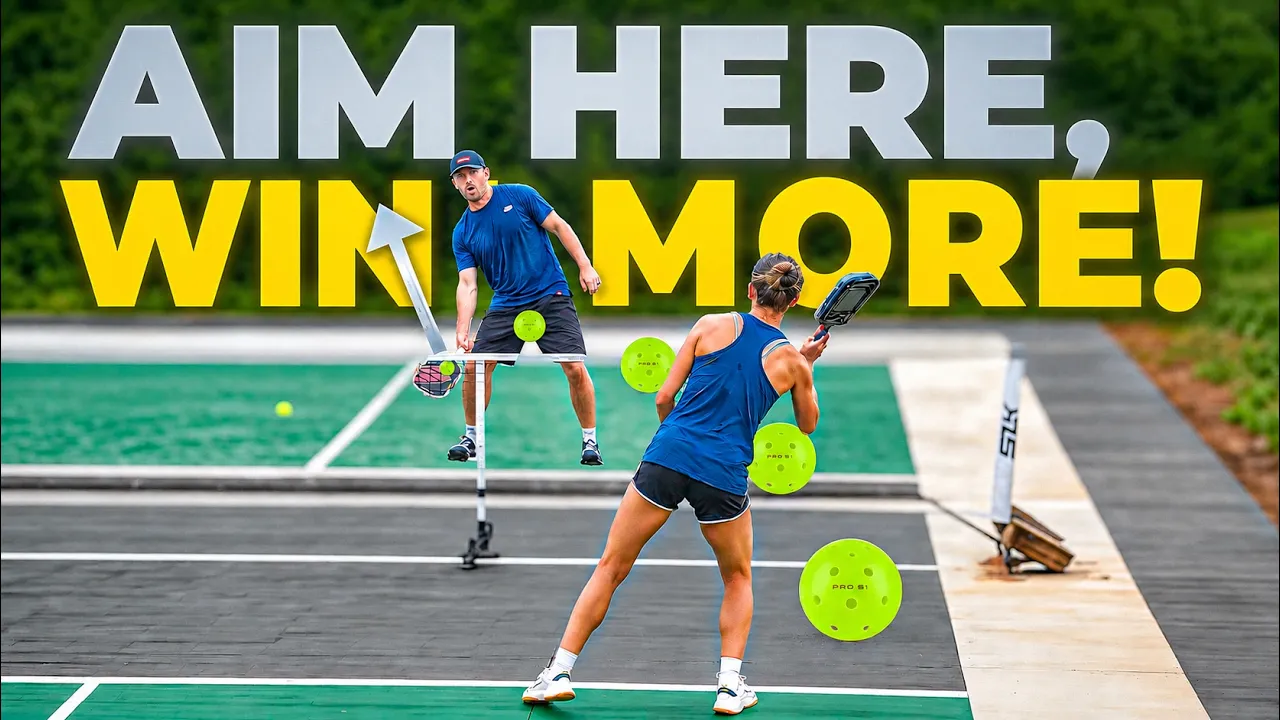
Pickleball Placement Strategy: Where to Aim Every Shot
Knowing where to aim in pickleball is the difference between winning and losing. Learn the exact placement strategy for every shot from serve to attack.
 The Dink PickleballThe Dink Media Team
Key 2: Speed Variation Breaks Timing
Varying your speed is the fastest way to make your attack unpredictable.
If every speed-up you throw is at maximum pace, your opponent will calibrate to it quickly and start timing your strikes perfectly.
The pro approach is simple but effective. Hit one ball hard at your opponent, then follow it up with a slower one at the same target.That variation destroys timing and forces them to reset their reaction window on every exchange.
Think about what happens when you face a banger who only hits at one speed. After a few balls, you figure out the rhythm and start handling it more comfortably.
Now flip that around: if you mix in a slower attack right after a fast one, you take that calibration away completely.This concept goes beyond just the speed-up.
If you want to understand why slower speed wins more points in pickleball, you will start to see how speed variation applies across your entire game.
Here is a simple framework for using speed variation during a hands battle:
- Attack hard first: Send a fast speed-up at the target zone to get their paddle moving quickly.
- Follow with a slower ball: Keep it at the same location but drop the pace by 30 to 40 percent. Their timing will be completely off.
- Read the response: A slow ball often produces a floated reset or a pop-up you can finish cleanly.
Speed variation is not about hitting softer because you lack confidence.
It is a deliberate weapon that forces errors from players who are perfectly capable of handling pace alone.
How to Speed Up From the Kitchen in Pickleball
Knowing when to speed up from the kitchen in pickleball is the difference between earning a point and handing one away. This guide breaks down the exact timing triggers, target zones, and attack patterns 3.5–4.0 players need to start winning more exchanges at the net.
 The Dink PickleballThe Dink Media Team
Key 3: Spin Keeps Aggressive Shots in the Court
Topspin on your speed-up is what lets you attack high and still keep the ball in.
Without spin, an aggressive shot aimed above the net tape is likely going long. With topspin, that same shot drops sharply and lands well within the baseline.This matters because most players pull back on aggression when the ball is at chest height or above. They are afraid of hitting long.
But if you are brushing up on the ball and generating real topspin, you can take full cuts at higher balls with genuine confidence.Topspin also makes it harder for your opponent to anticipate the trajectory. A flat ball is easy to read.
A spinning ball dips and moves differently, and that unpredictability adds another layer of difficulty on top of the pace and location you have already built in.
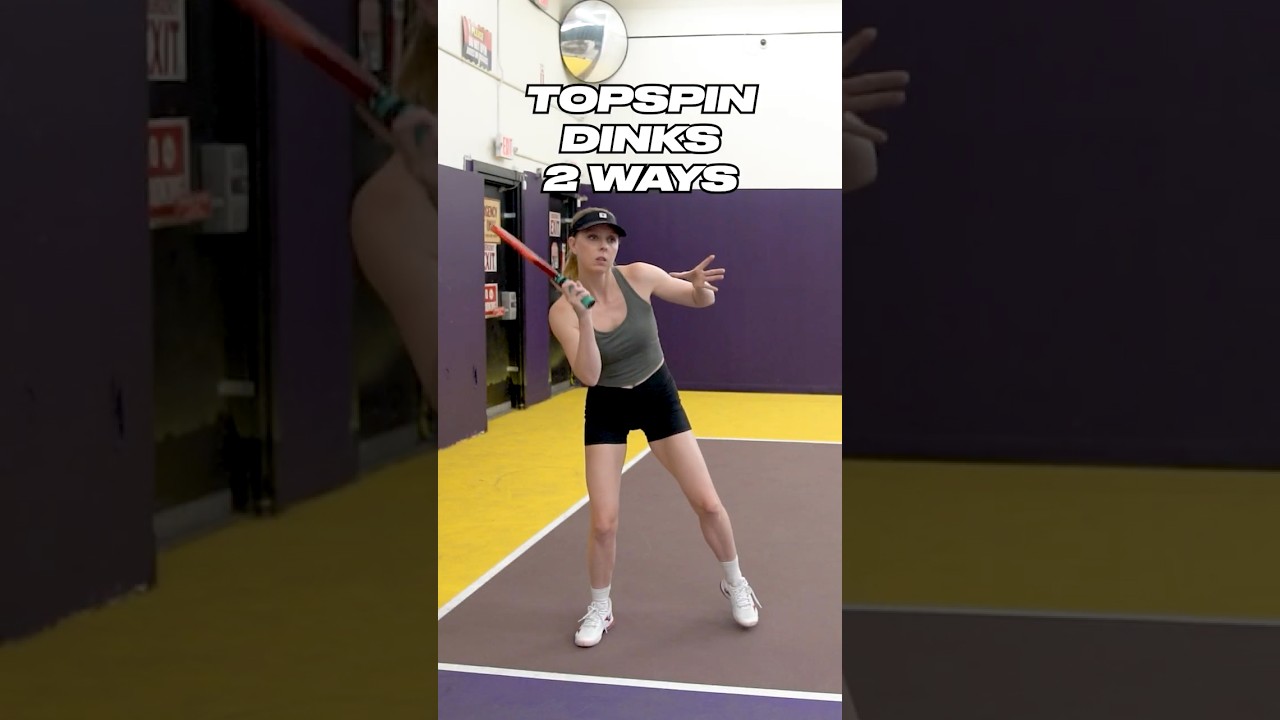
If your topspin is inconsistent right now, start here: why your pickleball topspin fails and how to fix it.
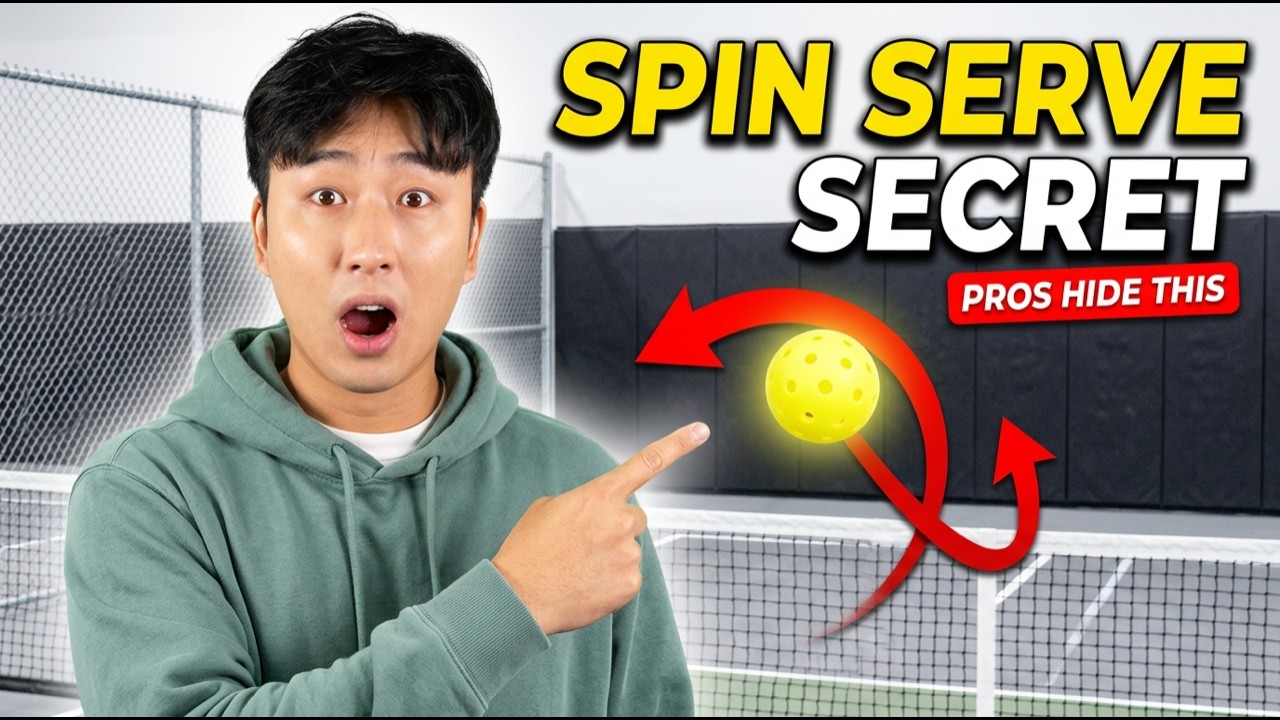
Develop a Spin Serve in Pickleball: 3 Essential Steps
The spin serve is one of the most devastating weapons in pickleball, capable of catching opponents off-guard at any level. Here’s how to conquer it in three essential steps.
 The Dink PickleballThe Dink Media Team
How Do These Three Keys Work Together?
The reason these three keys are so effective is that they stack on top of each other.
Location alone makes you more dangerous. Speed variation alone creates timing problems.
Spin alone gives you more margin on aggressive swings.
But when you combine all three in a single exchange, you become nearly impossible to read at the kitchen line.
Your opponent does not know where the ball is going, cannot calibrate to your pace, and cannot predict the trajectory because the spin is moving it differently each time.This is exactly why mastering off-speed counters matters so much.
Once your opponent starts mixing location, speed, and spin back at you, you need a system to handle it.
Why You Keep Popping the Ball Up in Pickleball: 3 Fixes
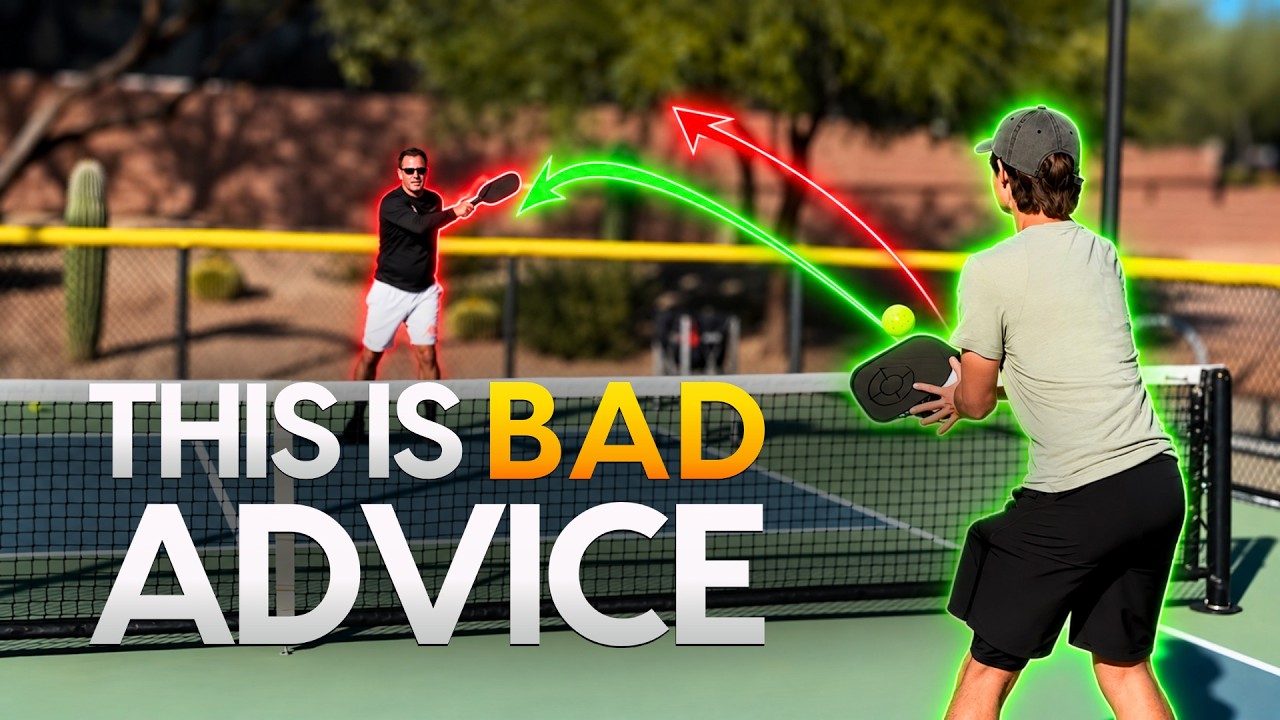
Popping the ball up in pickleball is one of the most common mistakes at every level, and it rarely comes from hitting too hard. Here are the three root causes and how to stop them fast.
 The Dink PickleballThe Dink Media Team
Are You Picking the Right Ball to Speed Up?
Even with perfect location, speed variation, and spin, you will still lose points if you are speeding up on the wrong ball. Not every ball deserves an attack.
The best balls to speed up are ones that are sitting up between waist and chest height, floating slightly toward you without heavy pace on them.
Those are gift balls. A ball that is low, fast, or spinning hard toward you is not an attack opportunity, it is a reset situation.
Learning to use height targets in your shot selection will help you identify the right moment to attack and stop wasting speed-ups on balls that put you at a disadvantage.If you are overcoming the frustrated speed-up, this is where most of the damage happens. Emotional attacks on low or difficult balls get countered almost every time.
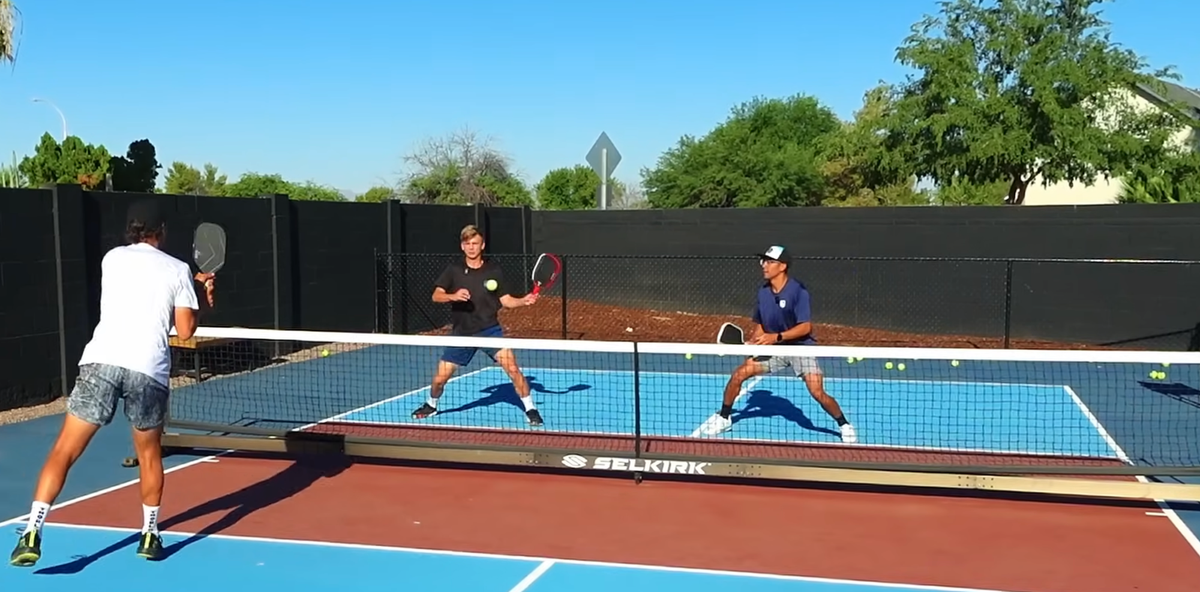
Pro Speed-Up Strategy: Master the Kitchen Line Attack Like a 5.0+ Player
Connor Garnett shows that winning kitchen battles isn’t about raw power, but about positioning, psychology, and reading opponents in real time
 The Dink PickleballThe Dink Media Team
Putting It Into Practice During a Real Match
The fastest way to build these habits is to focus on one key per session. Spend one game thinking only about target location.
The next game, focus only on speed variation. Then add spin awareness in a third session.
Once all three feel natural individually, your brain starts combining them automatically.
That is when your pickleball speed-up becomes a genuinely threatening weapon instead of a coin flip.How Do You Drill the Pickleball Speed-Up?
Pair this work with solid court positioning habits so you are always in a spot where attacking is actually an option.
If you are caught back in the transition zone when the opportunity arrives, even the best mechanics will not save you.
Structured reps matter more than volume here.
Build them into the 12 drills you need to play your best pickleball, or fold the kitchen line attack into a simple 4-step system for winning more games.Also keep in mind that bad pickleball habits like speeding up from below the net will undermine everything you build with these three keys.
Fix the fundamentals first, then layer in the advanced attack framework.
When you put all of this together, your pickleball speed-up becomes something opponents genuinely have to prepare for.
Location, speed variation, and spin are not complicated ideas. They are three decisions most players never consciously make before they attack.Start making them, and the results will show up fast. They also stack neatly with the shots you must master before you break 5.0.
💡
Heads up: hundreds of thousands of pickleballers read our free newsletter.
Subscribe herefor cutting edge strategy, insider news, pro analysis, the latest product innovations and more.
Frequently Asked Questions
Where should I aim when I speed up in pickleball?
The three best targets are the paddle side shoulder, the paddle side hip, and extended wide on the backhand. These spots create the most decision-making pressure for your opponent and produce the most errors on their return.
Why does my speed-up keep getting countered?
If your opponent is consistently countering your speed-up, you are probably hitting at one predictable pace and to a readable location. Mix in a slower follow-up ball and attack the body more often to break their timing.
What is topspin and why does it matter on a speed-up?
Topspin is forward rotation on the ball created by brushing up through contact. It makes the ball dip quickly after crossing the net, which lets you swing aggressively at higher balls without going long and makes the trajectory harder for opponents to read.
How do I know when to speed up versus reset in pickleball?
Speed up when the ball is sitting up between waist and chest height with manageable pace on it. Reset when the ball is low, moving fast at you, or has heavy spin that makes clean contact difficult.
How do I practice the pickleball speed-up with these three keys?
Work on one key per practice session: location first, then speed variation, then spin. Once each feels natural on its own, combine them in live drilling and they will start connecting automatically during real match situations.
Anuncie Aqui / Advertise Here
Sua marca para o mundo Pickleball! / Your brand for the Pickleball world!




 English (US) ·
  Portuguese (BR) ·