
 English
  Spanish
  Portuguese
  German
  Italian
  Japanese
  French
  Polish
  Russian
  Netherlands
  Hungarian
  Turkish
  Videos
  Thedink Pickleball

By cutting off angles, applying physical pressure, and staying patient, you'll find yourself winning more points and feeling much more in control of the kitchen
Everyone wants to get better at pickleball, but not everyone has hours to spend drilling on the court every single day.
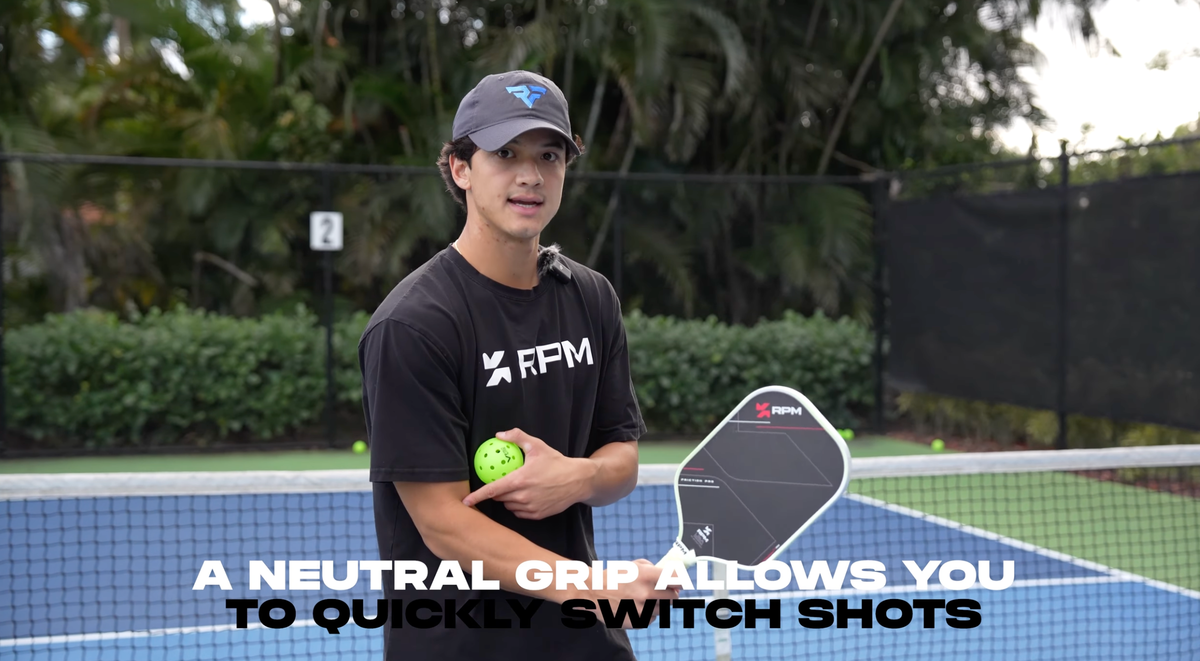
Tanner Tomassi recently shared three quick adjustments that can immediately change how you handle pressure and transition into offense without needing a faster paddle.
Love pickleball? Then you'll love our free newsletter. We send the latest news, tips, and highlights for free each week.
1. Stop Chasing and Start Cutting
When an opponent sends a sharp, aggressive dink your way, your first instinct might be to scramble and run it down with standard footwork. Tanner suggests a much more efficient approach that saves time and energy: the cross step.
By using your inside foot to step across your body, you cut off the angle of the ball much earlier than you would by shuffling. This keeps you balanced and prevents you from being pulled too far out of position, making it easier to get back for the next shot.
2. Make Them Feel Your Presence
Hitting a great dink is only half the battle in a high level game. If you catch your opponent in a tough spot or hit a ball deep into their corner, you need to capitalize on that momentum immediately.
Instead of hanging back to admire your shot, Tanner recommends stepping over and leaning into the kitchen. This aggressive posture forces your opponent to deal with your physical presence at the net while they are already struggling.
- Step toward the ball as you hit your aggressive dink
- Lean forward over the line to take away their vision and space
- Stay ready to pounce on the weak pop-up that often follows
How to Anticipate Every Shot Like a Pickleball Pro
You don’t need lightning-fast reflexes if you’re already in the right spot
 The Dink PickleballThe Dink Media Team
3. Wait for the Green Light
One of the biggest mistakes players make is trying to force an attack when the ball simply isn't ready to be hit hard. Patience is a virtue in pickleball, especially during those long, grinding dink rallies.
Tanner's rule is simple: only attack when the ball is practically screaming at you to hit it. If you have to reach down low or if the shot feels even slightly questionable, you should probably just keep the rally going and wait for a better opportunity.
Attacking from below the net height is a recipe for hitting the tape or giving your opponent an easy counter-attack. By being selective, you reduce your unforced errors and keep the pressure on your opponents to make the first mistake.
The Modern Pickleball Meta: Aggressive Teams Win More
The era of the passive dinker is over; it’s time to embrace tactical aggression
 The Dink PickleballThe Dink Media Team

Smart Play Beats Hard Play
Focusing on these small movements and decision-making tweaks can lead to much faster improvement than just trying to hit the ball harder. These tips are designed to help you work with the court's geometry rather than against it.
By cutting off angles, applying physical pressure, and staying patient, you'll find yourself winning more points and feeling much more in control of the kitchen. Give these three rapid-fire tips a try during your next session and see how quickly your game evolves.
Heads up: hundreds of thousands of pickleballers read our free newsletter. Subscribe here for cutting edge strategy, insider news, pro analysis, the latest product innovations and more.
Anuncie Aqui / Advertise Here
Sua marca para o mundo Pickleball! / Your brand for the Pickleball world!





 English (US) ·
  Portuguese (BR) ·