
 English
  Spanish
  Portuguese
  German
  Italian
  Japanese
  French
  Polish
  Russian
  Netherlands
  Hungarian
  Turkish
  Videos
  Thedink Pickleball

A great pickleball lob wins because your opponent never sees it coming. Here are five keys to disguising your lob so it sails over the backhand shoulder instead of getting smashed.
A good pickleball lob wins because your opponent never sees it coming. The bad ones float up like a birthday balloon and come back twice as hard.
The difference is not power or wrist. It is disguise.
When your lob looks exactly like your dink, your opponent leans in for a soft ball and gets caught flat footed as it sails over their head.
Below are five keys, straight from a Walker Sisters breakdown, that turn the pickleball lob from a coin flip into a reliable weapon.
Love pickleball? Then you'll love our free newsletter. We send the latest news, tips, and highlights for free each week.
What Actually Makes a Pickleball Lob Work?
A pickleball lob works when your opponent commits forward before the ball goes up.
That's the whole game: a pickleball lob is only as good as the dink it pretends to be.
Angie Walker puts it plainly: "I'm going to try my best to make my dink look like my lob."
That disguise is what tricks your opponent into reading a dink, which freezes them just long enough that they can't set up an overhead.
So before you worry about height or spin, worry about sameness. Same setup, same paddle path, same body language.
If your dink and your lob look identical, you're already ahead.
Key 1: Make Your Pickleball Lob Look Exactly Like Your Dink
Keep your motion identical whether you're dinking or lobbing your pickleball lob.
Your opponent shouldn't be able to tell which one is coming until the ball is already past them.
When you take the ball out of the air to lob, hold the same tempo and the same lift you use on a dink.
The opponent is leaning forward, weight shifting in, eyes down, expecting a soft ball at their feet. Then it goes up over their head.
This is the single biggest reason lobs in pickleball get smashed: players telegraph them.
A rushed, obvious lift screams "lob," and now you're watching an overhead.
💡
Need some new pickleball gear? Get 20% off select paddles, shoes, and more with code THEDINK at
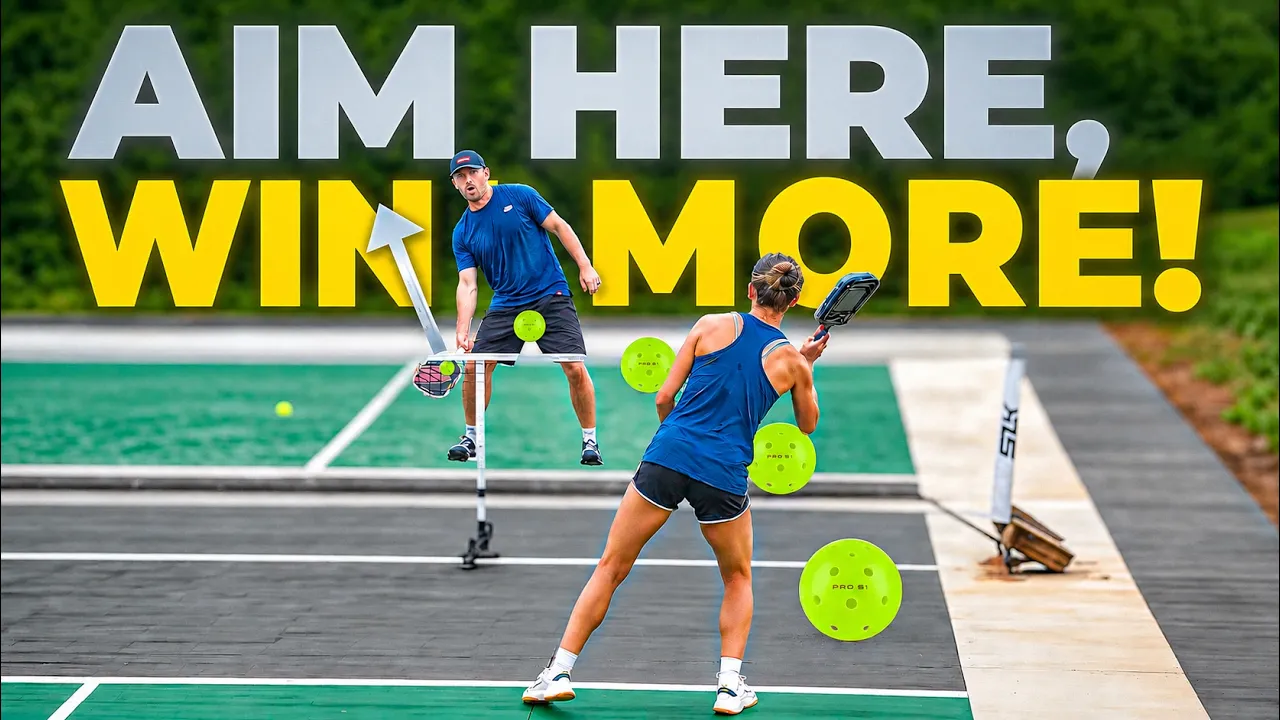
Midwest Racquet SportsKey 2: Aim Your Pickleball Lob Over the Backhand Shoulder
Target the spot over your opponent's non-paddle shoulder, which for a righty means over their left shoulder and their backhand side.
That's the hardest place on the court for anyone to hit a clean overhead.
As the right side player, this angle is natural. You're lobbing over the opponent diagonal or straight across, dropping the ball behind their weakest reaching zone.
A backhand pickleball overhead smash is awkward, slow to load, and easy to shank.
Force your opponent into it every time and even a decent lob becomes a point winner.
Pickleball Placement Strategy: Where to Aim Every Shot
Knowing where to aim in pickleball is the difference between winning and losing. Learn the exact placement strategy for every shot from serve to attack.
 The Dink PickleballThe Dink Media Team
Key 3: Take It Out of the Air When You Can
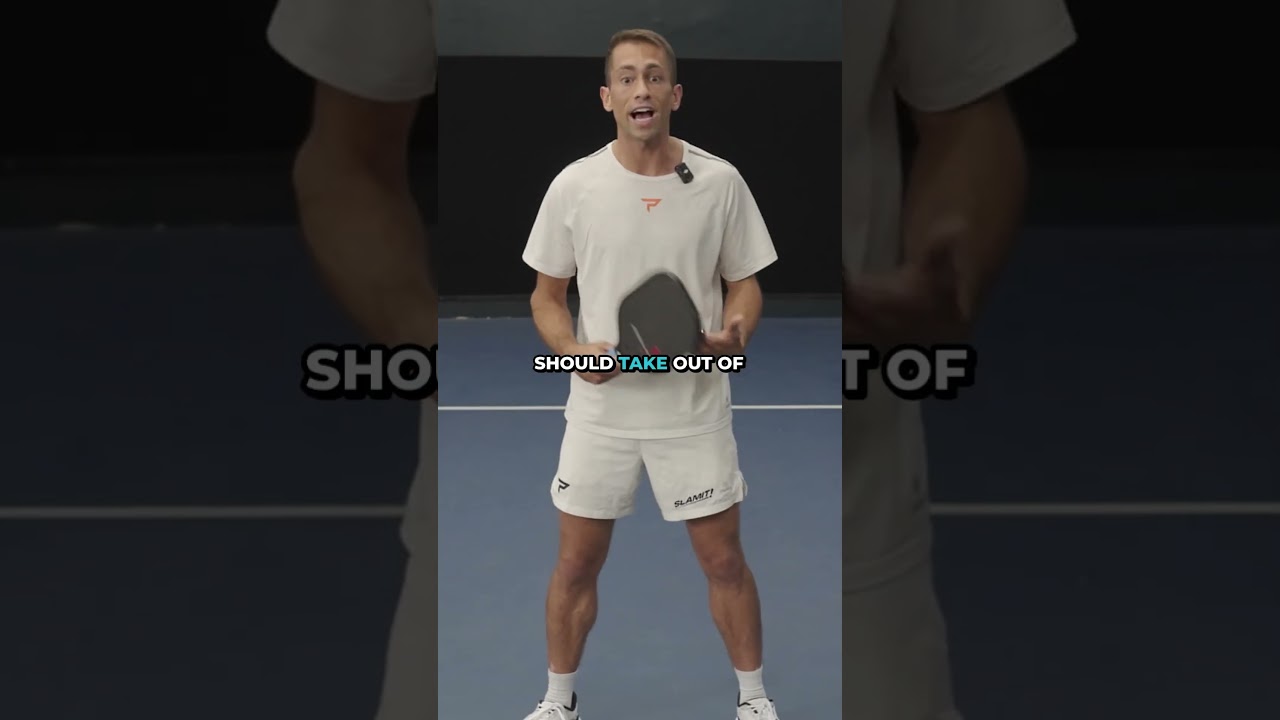
Lobbing out of the air steals time from your opponent, and time is the whole point.
By leaning in and lifting the ball before it bounces, you remove even the millisecond they'd use to read and react.
Alex Walker prefers it for exactly that reason: "By leaning in and taking the ball without it bouncing, you've taken time away from your opponent." The earlier you contact the ball, the less runway they have to recover and turn.Contrast that with a speed up, where you also want to steal time.
When your dink, your offensive pickleball lob, and your speed up all launch from the same look, your opponent is guessing on every ball.
They think you're speeding up and you lob. They think you're dinking and you speed up. That's a genuine advantage.
Taking the Ball Out of the Air: 3 Ways to Build Offense
Taking the ball out of the air is the quickest way to turn a passive dink rally into offense. Here is the Protect the Line drill that builds your effective range at the kitchen.
 The Dink PickleballThe Dink Media Team
Key 4: Loose Grip and Space to Lift
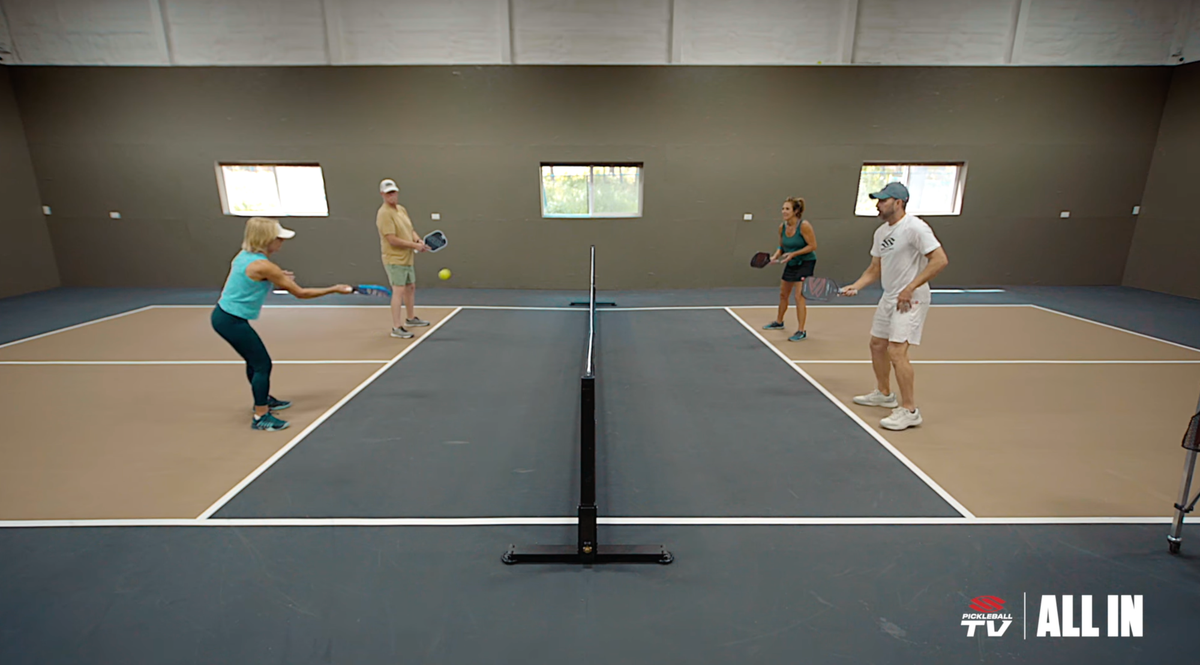
A soft, accurate pickleball lob starts with a loose grip and room to swing. Squeeze the paddle hard and you lose the touch that places the ball on a dime.
Keep light grip pressure so you can manipulate direction and depth. A loose arm lets you feel the lift instead of forcing it.
Just as important, create space between your arm and your body. If the ball jams you at the hip, you have no room to work.
Push with your shoulder and arm in one smooth motion rather than flipping your wrist. Wrist flips add spin you can't control and blow your disguise.
One lift, whether it becomes a dink or a lob, keeps everything consistent.Pickleball Dinking 101: Small Swings, Big Results
You’re not trying to hit winners from the kitchen. You’re trying to create situations where your opponent makes a mistake or gives you a ball you can attack
 The Dink PickleballThe Dink Media Team
Key 5: Off the Bounce, Add Topspin and Stay Controlled
When you hit a defensive pickleball lob off the bounce instead of out of the air, add a touch of topspin and keep your feet under you.
The bounce gives you more time, but it also gives your opponent more time, so control matters even more here.
The trap is the panic lob. Angie warns against throwing one up off your back foot: "I don't want to all of a sudden look like I'm throwing up a defensive lob and I'm on my back foot and I don't know what else to do with this."Instead, get your feet and body behind the ball. Let it bounce, prepare early, and keep the contact point in the middle of your stance, exactly as you would on a dink.
Then lift with a little more topspin. That forward roll brings the ball down faster after it clears the head, so it drops in instead of drifting long.
Controlled beats aggressive every time on the off the bounce lob.
Topspin Pickleball Technique: Brush Angle & Paddle Path
Topspin pickleball technique is built on two fundamentals: a steep brush angle and a low-to-high paddle path. Nail both, and you’ll hit shots that land deep, kick high, and force your opponents into uncomfortable defensive positions.
 The Dink PickleballThe Dink Media Team
Why the Pickleball Lob Is a Mixed Doubles Weapon
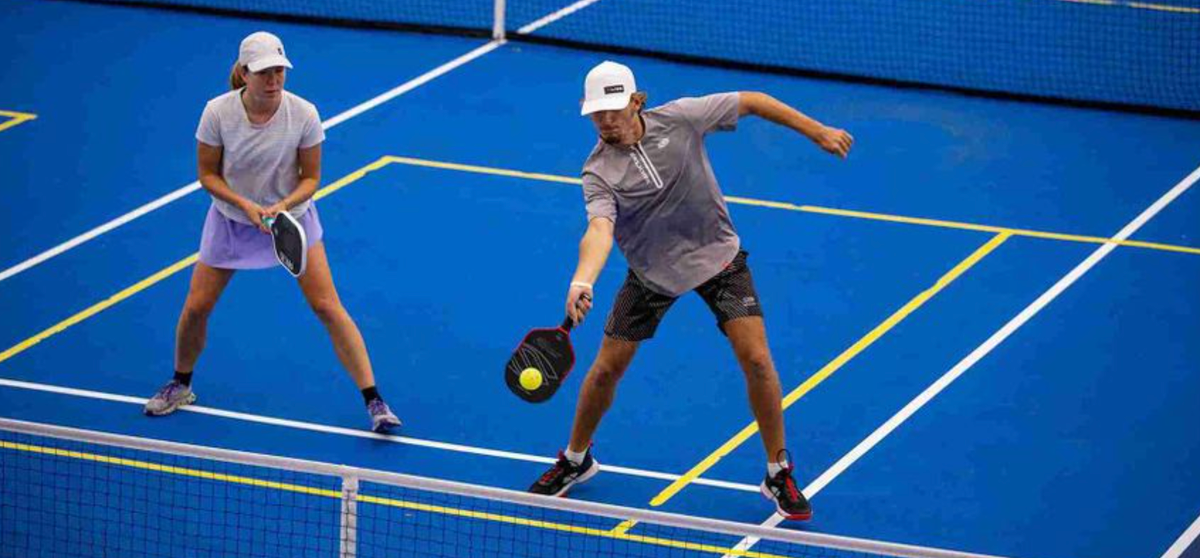
The disguised pickleball lob shines brightest in mixed doubles, where you can lift it over the right side player and pull it away from their partner's forehand.
It resets the point on your terms and drags both players out of position.
Lob over the right side opponent's backhand shoulder and the ball lands in no man's land, away from the stronger overhead on the other side.
Suddenly the team that was pressuring you is scrambling backward.
Smart mixed doubles teams use pickleball lobbing to break rhythm, not just to escape.
The soft game touch this requires is exactly what the top pros live on.
Anna Leigh Waters, who recently made headlines partnering with Andre Agassi in a pro pickleball debut, wins so many kitchen exchanges because her hands stay quiet and her shots look identical until the last instant.
That's the disguise principle at the highest level.
💡
Heads up: hundreds of thousands of pickleballers read our free newsletter.
Subscribe herefor cutting edge strategy, insider news, pro analysis, the latest product innovations and more.
Frequently Asked Questions
How Do You Disguise a Pickleball Lob?
Use the same setup, tempo, and paddle path you use on your dink, then lift at the last moment. The opponent reads a soft ball, leans forward, and can't recover to hit an overhead once the ball goes up over their head.
Where Should You Aim a Pickleball Lob?
Aim over your opponent's backhand shoulder, which is the left shoulder for a right handed player. A backhand overhead is the hardest shot to hit cleanly, so that target turns even an average lob into a point winner.
Is It Better to Lob Out of the Air or Off the Bounce?
Out of the air is usually better because it steals time from your opponent and gives them less chance to read the shot. Off the bounce works too, but you must stay controlled, get your body behind the ball, and add a little topspin.
Why Does My Lob Keep Getting Smashed?
Most lobs get smashed because they're telegraphed or land short. A rushed lift warns your opponent it's coming, and a lob to the forehand side is easy to attack.
What Grip Pressure Should You Use on a Lob?
Keep a loose grip so you can feel the lift and control depth and direction. Create space between your arm and body, then push with your shoulder in one motion instead of flipping your wrist.
The pickleball lob is not a bailout shot. Disguised well and aimed right, it's one of the most demoralizing balls in the game, and it's part of why pickleball keeps winning over new players who love the chess match at the kitchen line.
Practice the look until your dink and your lob are twins, and watch how often your opponents freeze.
Anuncie Aqui / Advertise Here
Sua marca para o mundo Pickleball! / Your brand for the Pickleball world!





 English (US) ·
  Portuguese (BR) ·