
 English
  Spanish
  Portuguese
  German
  Italian
  Japanese
  French
  Polish
  Russian
  Netherlands
  Hungarian
  Turkish
  Videos
  Thedink Pickleball

Most players try to land a perfect pickleball reset in the kitchen and end up popping the ball up. This two-shot sequence gives you a better way to survive an attack and reset the point.
You pop a ball up, your opponent winds up, and you already know what is coming.
The pickleball reset you were supposed to hit turns into a floater that gets hammered right back at your feet.The problem usually is not your hands. It is that you are trying to hit a perfect shot off a bad ball, and perfect is the wrong goal.
This two-shot approach comes from Richard Pickleball on YouTube, and it changes what you are asking your reset to do.Below, we break down the shovel, the retreat, and the drive that gets you back to neutral.
Love pickleball? Then you'll love our free newsletter. We send the latest news, tips, and highlights for free each week.
What Is a Pickleball Reset and Why Does It Keep Failing?
A pickleball reset is a soft, controlled shot that takes an attacking ball and drops it back into the kitchen so your opponents can’t keep attacking.
It’s the shot that turns defense into a neutral dink rally, and it’s the one skill that separates 3.5 players from 5.0 players.It fails because most players treat it as a one-shot solution. They stand in a bad spot, take a fast ball at the hip, and try to float it perfectly into a seven-foot zone.
That’s a low-percentage play. If your timing is off by an inch, the ball sits up and the point is over.The fix is simple: stop asking one shot to do everything. Split the reset into two shots, each with a smaller job.
Why Does Slicing the Ball Into the Kitchen Fail?
Slicing or blocking a hard ball into the kitchen requires near perfect contact to take pace off and land it short. Any mistake produces a pop up.
When you’re late or off balance, your paddle face tilts, your arm stiffens, and the ball sails. You’ve also given your opponent a clear read on where it’s going.A kitchen-line player who is already set can step in and finish. You turned a rough ball into a worse one.
If you struggle with balls at your feet, our guide on how to stop popping the ball up covers the contact basics, and this one spot on the court forces more pop ups than anywhere else.
💪
Ready to level up? Get the best discounts from Pickleball Central, automatically applied to your cart.
The Shovel: Your First Shot After a Pop Up
The shovel is a low, scooping push that sends the ball at your opponent's waist instead of trying to drop it in the kitchen.
Richard's cue is to get really low and push the ball right at the hip.
The goal is not to win the point. The goal is to hand your opponent a ball they cannot do much with.A ball at the waist is awkward to attack. As Richard notes with his partner Zach, all he can really do is roll it.
Here is how to hit the shovel:
- Get low first. Bend your knees and drop your hips so your paddle can travel up through the ball, not down across it. Good pickleball posture is what makes the rest of this possible.
- Keep the face open. Let the paddle scoop under the ball with a slight upward path.
- Push, do not swing. Use a short, firm push with almost no backswing.
- Aim at the waist. Target the middle of your opponent's body, not the kitchen.
The beauty here is the bigger target. A ball aimed at a body is far harder to miss than a ball aimed at a seven-foot strip.
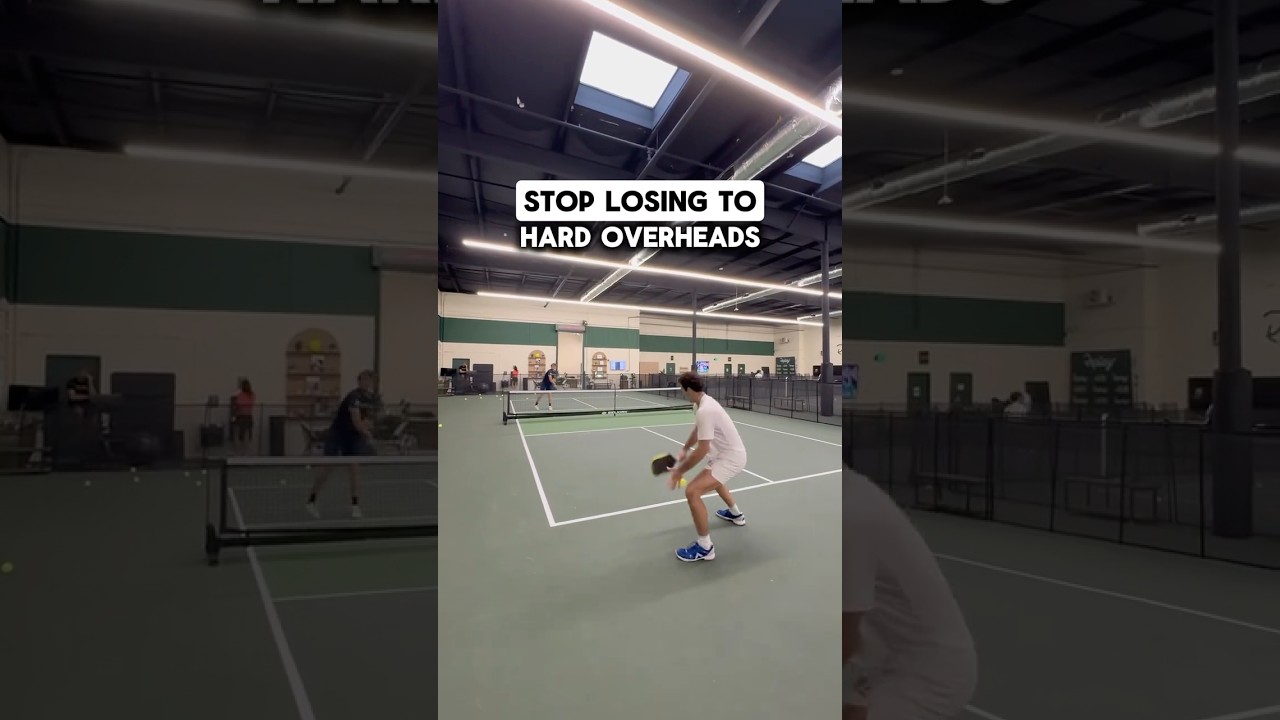
Overhead Defense in Pickleball: The Shovel Technique
Most players try to do too much when defending an overhead in pickleball. This simple shovel technique gives you a better ball on the next shot without the risk.
 The Dink PickleballThe Dink Media Team
Why Aim at the Waist Instead of the Feet?
Aiming at the waist works because it takes away your opponent’s best attacking angles.
A ball at hip height forces a compact, awkward swing and can’t be driven down on.
Feet-high balls are easy to dig. Shoulder-high balls are easy to smash. The waist sits in the dead zone between those two.It also crowds the player, which makes a clean, aggressive swing nearly impossible.
This ties directly into controlling the middle of the court, where the body is often the best target against a team.
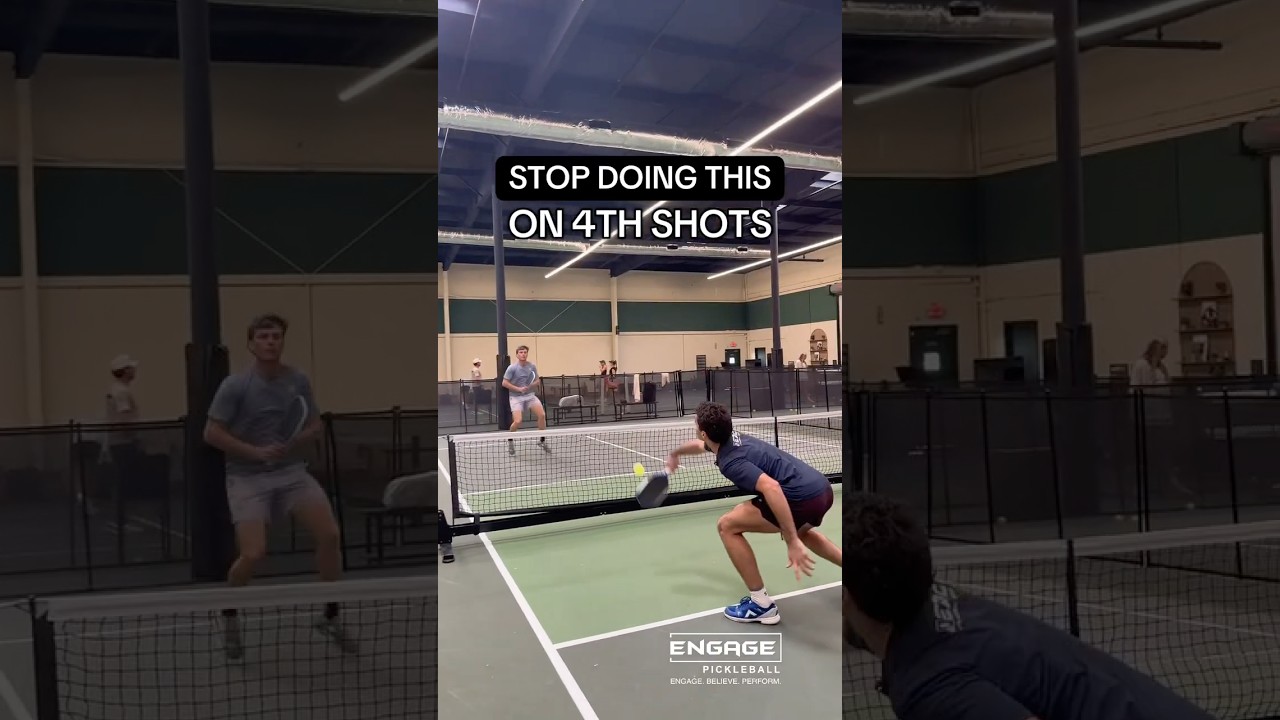
Pickleball Concede Net: Stop Attacking Balls at Your Feet
When a ball lands right at your feet with topspin, attacking it is almost always the wrong call. Learn when to concede the net in pickleball and neutralize the play instead of handing your opponent a free point.
 The Dink PickleballThe Dink Media Team
Step Two: Back Up and Buy Yourself Room
After the shovel, you retreat. Backing up gives you space and time, two things you didn’t have when the ball came at you.
Most players stay stuck in the transition zone after a defensive shot. That’s how you get attacked a second time.Once your opponent rolls the ball, you want to be a few steps back where you can see it and set your feet.
This is the quiet move that makes the next shot possible, and it’s the core idea behind the two-position reset strategy.
Three things to do while you retreat:
- Split step as your opponent makes contact so you can react in any direction.
- Keep your paddle up in front of your chest, ready for a speed up.
- Stay balanced and avoid backpedaling with your weight on your heels.
Footwork matters more than it looks here. Our breakdown of fixing your feet in the transition game shows how to move back without losing balance.
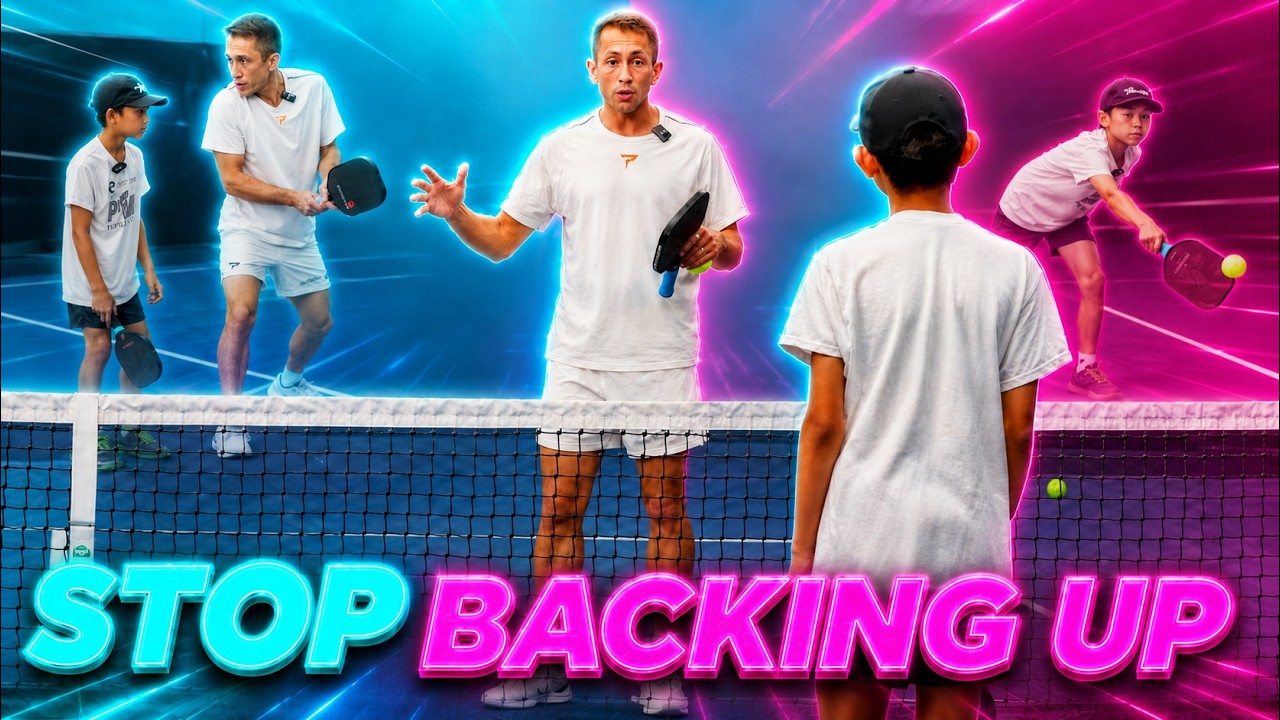
Why You Back Up on Your Backhand Volley: Use This Drill
Most players back up when they should be reaching in on their backhand side. This backhand dink drill from Zane Navratil Pickleball builds the volley-first instinct that changes everything at the kitchen line.
 The Dink PickleballThe Dink Media Team
The Drive: Your Second Shot to Get Back to Neutral
The drive is the shot that finally resets the point, because a controlled drive from the backcourt often produces a softer ball in return.
It forces your opponents to deal with pace so you do not have to.
Now that you have room, you are no longer defending a ball at your knees. You are hitting a balanced shot with a full swing path.The goal is not to blast it.
You want a solid, low drive that gets your opponents hitting up or blocking, which produces the soft ball you were looking for in the first place.
Keep the drive low over the net. A high drive just gives them a free attack, so check out why your pickleball drive gets crushed if yours keeps getting punished.
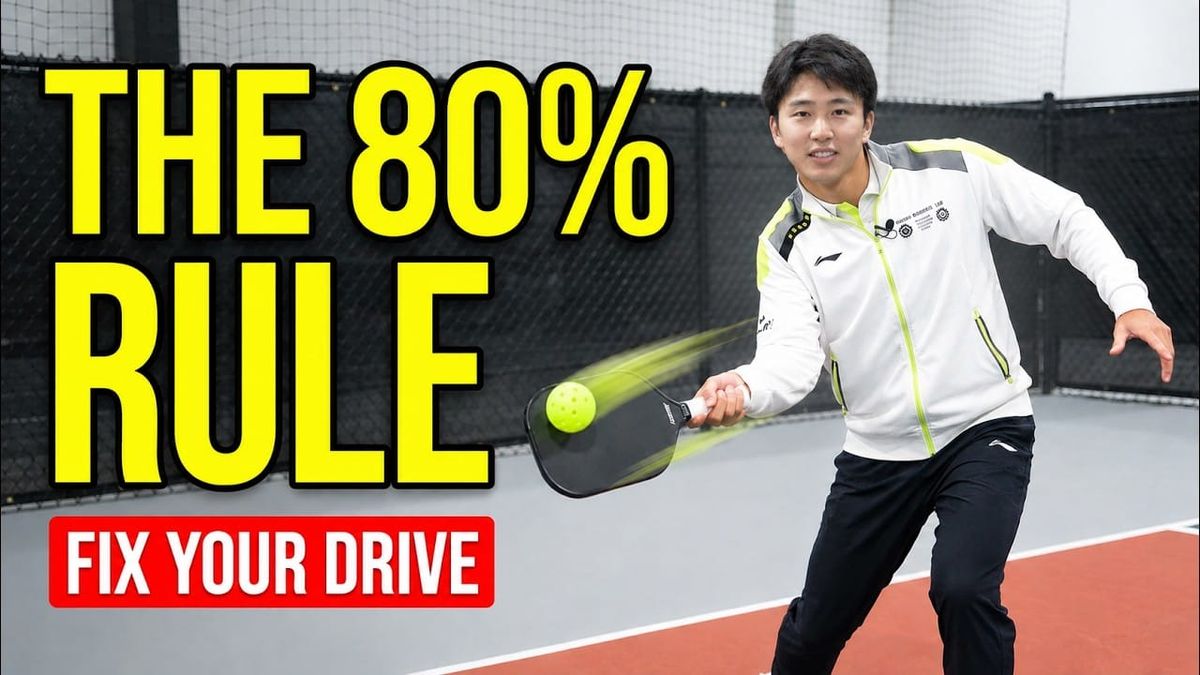
Why Your Pickleball Drive Gets Crushed (3 Fixes)
Most players think a weak pickleball drive needs more power. A Canadian national champion says the real problem is stance, timing, and knowing exactly how hard to swing.
 The Dink PickleballThe Dink Media Team
How Do the Two Shots Work Together?
The sequence works because each shot has one clear job. The shovel survives the attack, the retreat creates space, and the drive gets you back to a neutral ball.
Run it in order every time:
- Shovel the first ball at the waist from a low base.
- Back up a few steps and set your feet.
- Drive the next ball low to draw out a softer return.
- Get back to normal play and work your way forward.
Notice that none of these shots asks for perfection. You are trading one very hard shot for two manageable ones.
This is the same idea behind the reset, block, and counter mindset, where the goal is to take time away from your opponent, not to hit a highlight.
6 Essential Pickleball Shot Upgrades for 2026
By focusing on these six upgrades, you can build a game that holds up against the faster, more aggressive style of play coming in 2026
 The Dink PickleballThe Dink Media Team
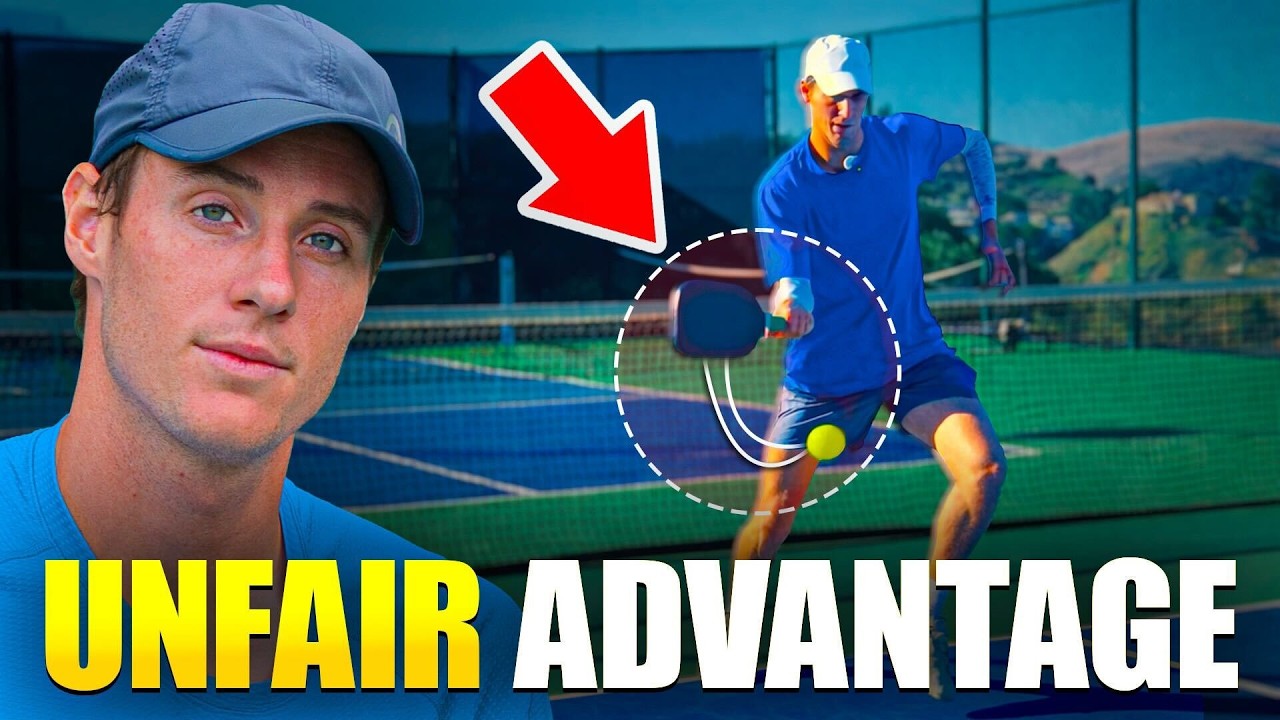
What Ruins a Pickleball Reset Under Pressure?
- Standing tall and swinging. That sends the ball up and out, right into your opponent’s strike zone.
- Aiming for the kitchen out of habit. You fall back into the low-percentage play you were trying to avoid, which is exactly what the classic reset shot is for and this sequence is not.
- Forgetting to retreat. Push the shovel and stay at the transition line, and the next attack lands on you with no time to react.
- Hitting the drive too hard. A flat, high-pace drive invites a counter, so keep it controlled and low. If you tend to overhit when you’re rattled, our piece on why smart shot decisions beat power is worth a read.
How to Hit Pickleball Resets Under Pressure
A pickleball reset is one of the most valuable shots in the game, but executing it under pressure separates good players from great ones. This drill teaches you to master the pickleball reset by alternating between aggressive attacks and defensive resets.
 The Dink PickleballThe Dink Media Team
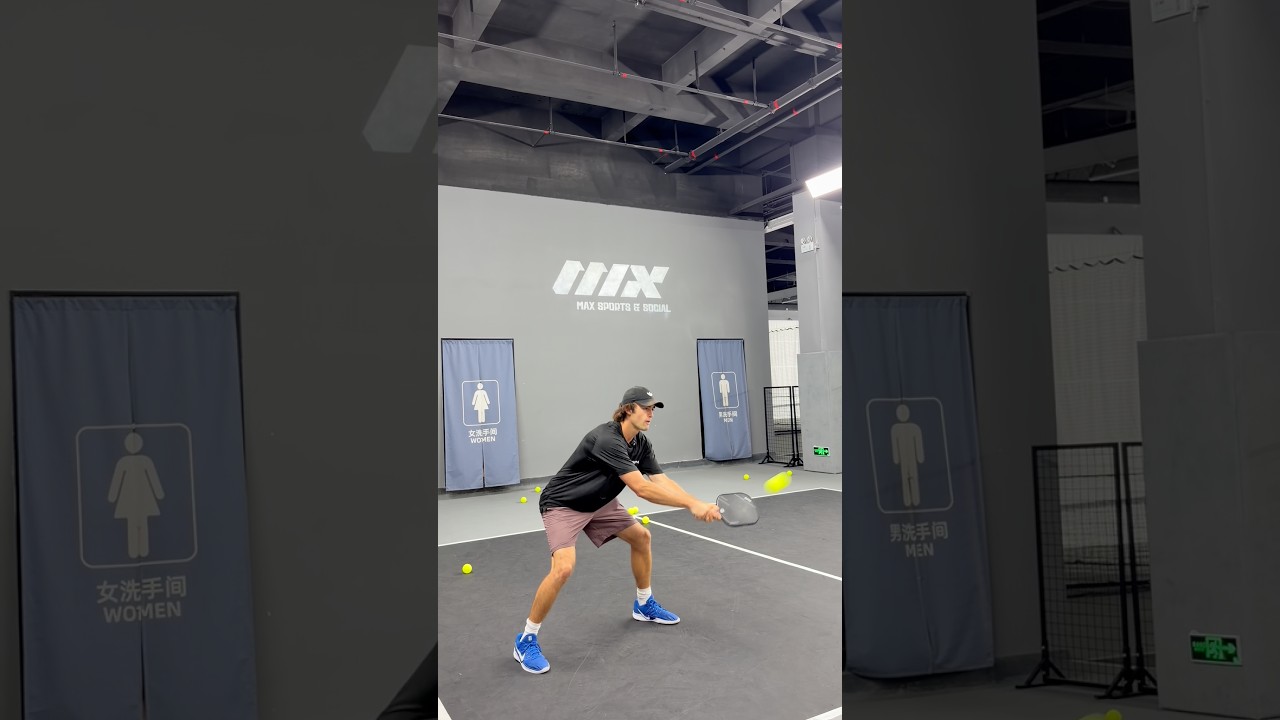
When Should You Use This Instead of a Normal Reset?
Use the shovel sequence when you’re out of position, caught in the midcourt, or facing a ball you can’t cleanly reset.
If you can calmly drop the ball in the kitchen, do that instead.
It’s a pressure release valve, not a replacement for good dinking.
Think of it as your emergency exit, and pair it with the other tactics for escaping trouble in the transition zone.It shines against aggressive teams and bangers who love to attack, since staying calm under pressure is half the battle.
Reading ball height and court position tells you which version of the shot you actually need.It also fits when you need to switch from defense to offense, because the final drive starts that transition.
3 Fixes to Reset Every Pickleball Speed-Up
The pickleball speed-up reset is the skill that separates players who win from players who panic at the kitchen. These 3 fixes will help you absorb, redirect, and counter every speed-up thrown at you.
 The Dink PickleballThe Dink Media Team
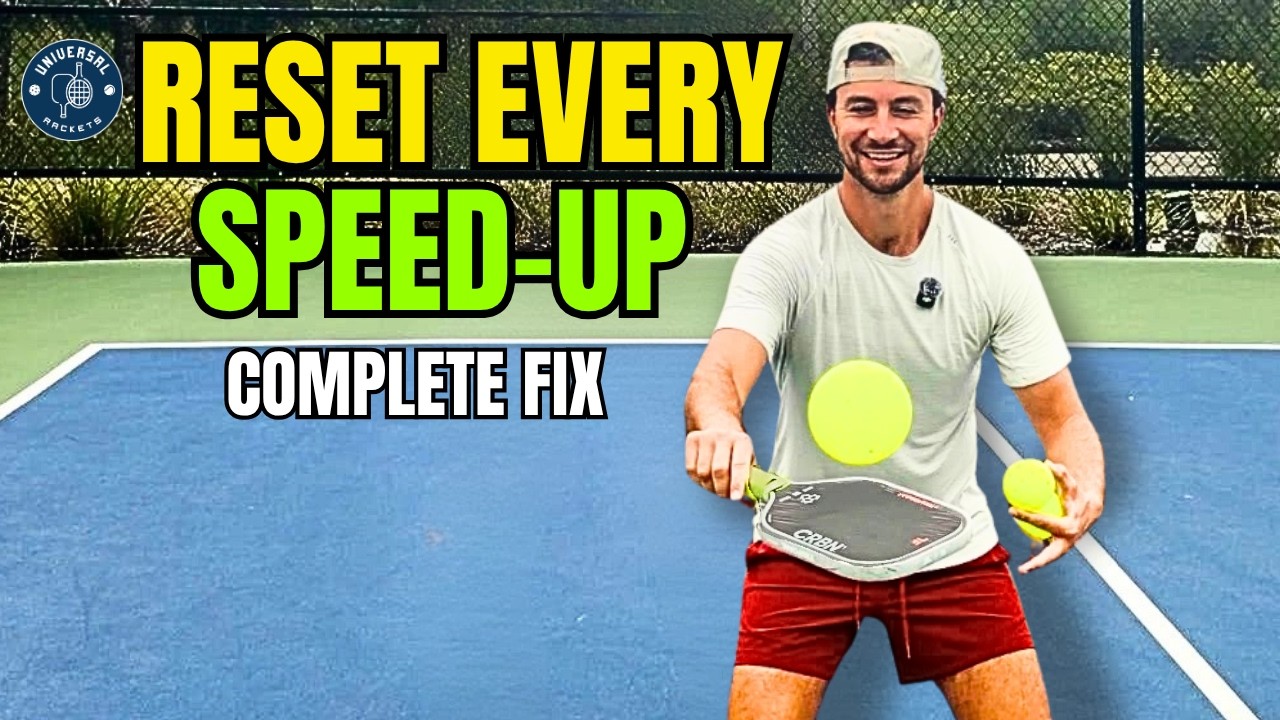
How Do You Practice This Sequence?
Practice it live, not in isolation. Start with a partner feeding you pop ups from the kitchen line while you stand in the midcourt.
Work through one rep at a time: shovel, retreat, drive. Have your partner roll the ball back so you feel the rhythm of each step.Once that feels smooth, add a second feeder who attacks the drive so you learn to stay calm under pressure.
Our five-minute midcourt forehand reset drill is a great companion for building touch, and the 12 drills for 2026 will sharpen the hands you need when the drive comes back hot.Keep a simple scorecard: how many shovels landed at the waist, and how many drives stayed below net height plus a few inches.
Track it for a week and you’ll see your pop ups drop.Learning to recognize your court position is what makes the whole sequence automatic.
💡
Heads up: hundreds of thousands of pickleballers read our free newsletter.
Subscribe herefor cutting edge strategy, insider news, pro analysis, the latest product innovations and more.
Frequently Asked Questions
What is the best way to reset a hard attack in pickleball?
Get low and shovel the ball at your opponent's waist instead of trying to drop it in the kitchen. Then back up, set your feet, and drive the next ball to get a softer return.
Why do my resets keep popping up?
Most pop ups come from standing too tall and swinging at the ball instead of pushing up through it. Staying low with an open paddle face and a short push keeps the ball down.
Should I aim for the kitchen on every reset?
No. When you are out of position or facing a fast ball, a waist-high target is safer and harder to attack. Save kitchen resets for balls you can control cleanly.
Why should I back up after a shovel shot?
Backing up gives you time and space to see the next ball and set your feet. Staying in the transition zone leaves you exposed to a second attack.
Is this reset sequence good for beginners?
Yes, because it removes the pressure of hitting one perfect shot. Two simpler shots with clear jobs are easier to learn and more forgiving under stress.
Anuncie Aqui / Advertise Here
Sua marca para o mundo Pickleball! / Your brand for the Pickleball world!








 English (US) ·
  Portuguese (BR) ·