
 English
  Spanish
  Portuguese
  German
  Italian
  Japanese
  French
  Polish
  Russian
  Netherlands
  Hungarian
  Turkish
  Videos
  Thedink Pickleball

If you keep stalling below 4.0, the problem probably isn't your shot selection. These six fixable mistakes are what PPA pro Ashley Griffith sees most in players stuck under the 4.0 pickleball player threshold.
If you have been grinding to become a 4.0 pickleball player and feel completely stuck, the answer is almost never some exotic new shot you haven't learned yet.
Most of the time, a small collection of repeatable mistakes is quietly killing your game. The same errors show up point after point, and you may not even recognize them while they're happening.PPA Tour pro and coach Ashley Griffith laid out exactly what those mistakes are, and more importantly, how to stop making them.
Here are the six habits holding you back.
Love pickleball? Then you'll love our free newsletter. We send the latest news, tips, and highlights for free each week.
Mistake 1: You Are Giving Away Too Many Free Points
Pickleball at every level, from recreational open play to pro tour finals, comes down to one thing: the team that gives away fewer errors wins.That sounds obvious, but most players below 4.0 are actively working against themselves.
They are trying Ernes, speedups, and aggressive resets before they have built a consistent floor under their game.
Before anything else, Griffith wants players to focus on basic consistency.That means hitting 100 dinks in a row, making 100 drops, and landing every drive with purpose.
Here are the drills she recommends to build that floor:
- 100 consecutive dinks down the line and crosscourt with a partner
- 7-Eleven and slinky drills with one player at the kitchen and one at the baseline
- Serve and return practice focused purely on making the ball, not winning the point
- Kitchen rally repetition to build solid volleys and counters
It feels boring. It is supposed to feel boring. That consistency is exactly what separates a 3.5 from a 4.0 pickleball player.
Mistake 2: You Are Attacking Balls That Are Not Attackable
This one is harder to fix than it sounds, because it requires you to make a real-time decision under pressure.
A lot of sub-4.0 players swing at everything. Others go for almost nothing.Neither approach works, and both come from not having a clear picture of what an attackable ball actually looks like.
Griffith's rule is simple: if you can comfortably reach the ball with your knees bent and your body balanced, take it.If you are reaching awkwardly, lunging, or off balance, let it bounce or reset it as a dink.
You need to use ball height as your guide for when to pull the trigger.
A ball sitting up above the net is attackable. A ball at your feet is not, no matter how much you want to speed it up.Being aggressive and being reckless are two completely different things. Learn the difference and your error rate drops immediately.
💡
Need some new pickleball gear? Get 20% off select paddles, shoes, and more with code THEDINK at
Midwest Racquet SportsMistake 3: You Are Rushing Through the Transition Zone
Nobody wants to be stuck in no man's land. That anxiety makes players rush forward without control, and it costs them the point.
The transition zone is not a place to sprint through. It is a place to move through with intention, one split step at a time.Griffith's key cues for handling the transition correctly:
- Split step right before your opponent makes contact, every single time
- Stop and get set before you hit, even if you are still moving forward
- Take balls moving toward the net, not retreating away from it
- Only fall back for an overhead, and even then, only when you have no other option
The transition zone punishes players who panic. Slow your approach down, stay balanced, and work your way in off the right balls.
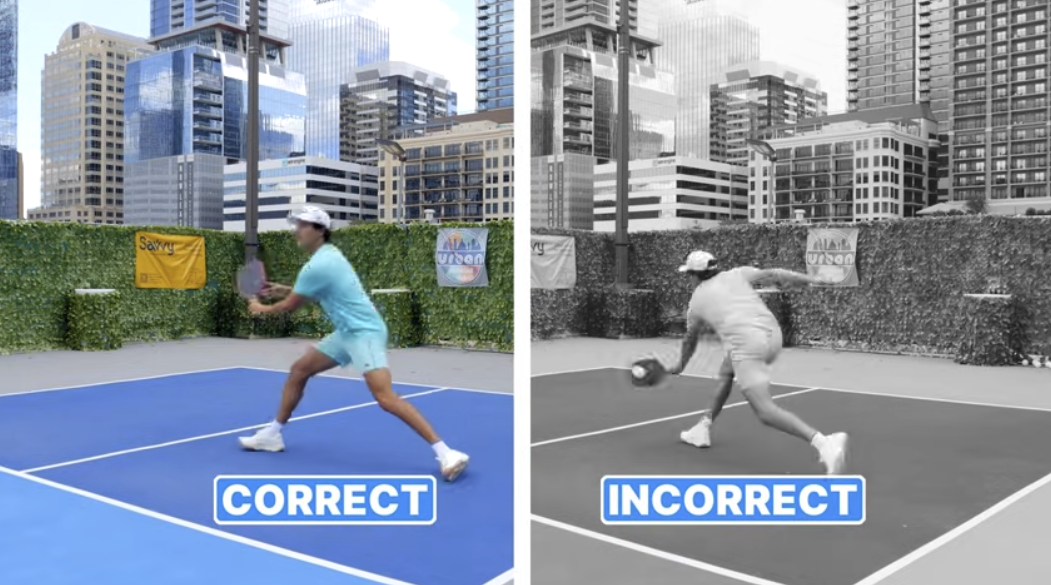
Win the Transition Zone: The Modern Pickleball Guide to Midcourt Aggression
While traditional coaching has long emphasized getting to the kitchen line as quickly as possible, modern pros are turning midcourt aggression into unexpected offensive opportunities
 The Dink PickleballThe Dink Media Team
Are Your Dinks Actually Helping You?
At the kitchen, players below 4.0 often try to do too much with every dink.
They go hard, they go wide, they try to slice every ball. What they are missing is the value of a neutral dink.A neutral dink is simply a ball that lands unattackable in your opponent's kitchen. It is not flashy, and it does not win the point on its own.
But it keeps you in the rally while you wait for a better opportunity.Griffith hammers this concept with every client, from beginners to pros.
If you cannot consistently produce a neutral dink nine times out of 10, your aggressive dinks are not actually setting anything up. They are just adding risk for no reward.
Try playing kitchen-only games with a partner where no attacking is allowed. If your dink breaks down in games, this drill will expose exactly where and why.The goal is variety with control: neutral dink, neutral dink, aggressive roll, neutral dink.
You need the neutral ball to make the aggressive ball actually work.
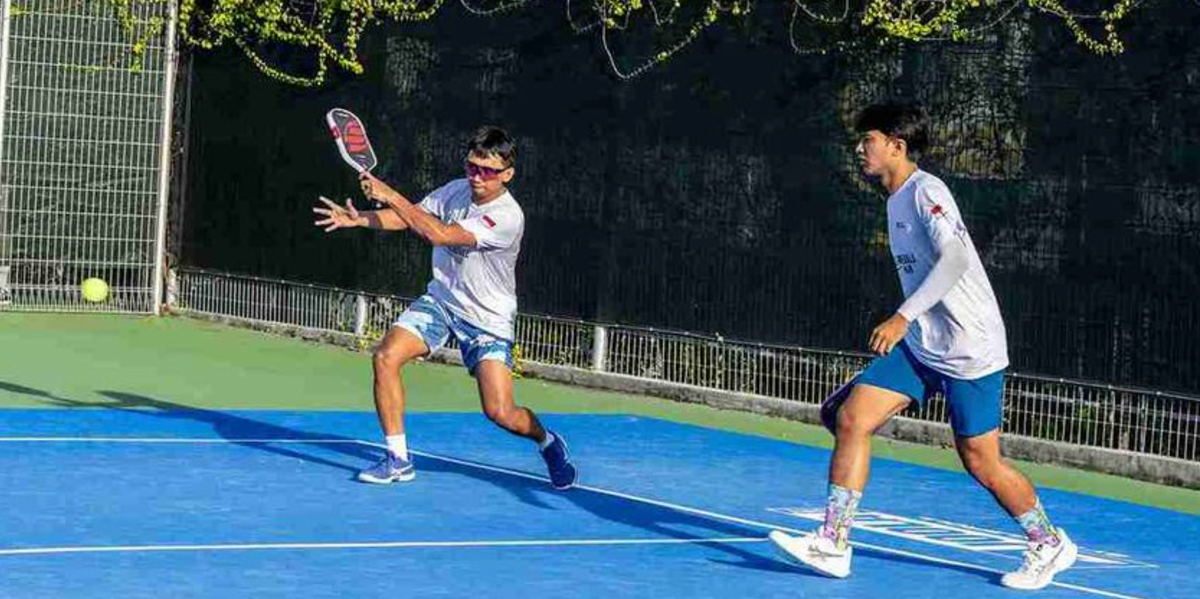
Advanced Dinking Patterns: A 4.0 Pickleball Guide
Advanced dinking patterns 4.0 pickleball demands are completely different from recreational play. It’s not about keeping the ball in, it’s about systematic pressure. This guide breaks down the four core patterns that separate good kitchen players from great ones.
 The Dink PickleballThe Dink Media Team
Mistake 5: Your Positioning Is Costing You Points You Do Not Even Notice
Here is the truth most players do not want to hear. Half the balls you are missing have nothing to do with your swing.
They are missed because your feet were in the wrong place before you even started your stroke.
Griffith says this is the single biggest factor she finds when she breaks down player errors in coaching sessions.The feet are off, the player is reaching, and the shot falls apart before the paddle even makes contact.
Good positioning comes down to a few non-negotiable habits:
- Stay low, knees bent, and engaged at all times. Never stand flat-footed between shots.
- Split step before every opponent contact, no exceptions.
- Get your dominant foot behind the ball before you swing, whether it is a forehand, backhand, or volley.
- After you hit, move to cover the most likely return. If you dink crosscourt, shift toward the middle, not back toward your original position.
This connects directly to the court coverage errors most doubles players make without realizing it.
You are not just responsible for your shot. You are responsible for where you are after your shot.The fix is not complicated. It requires discipline and repetition.
Once you stop reaching and start arriving at the ball with your feet set, your whole game will feel more controlled.
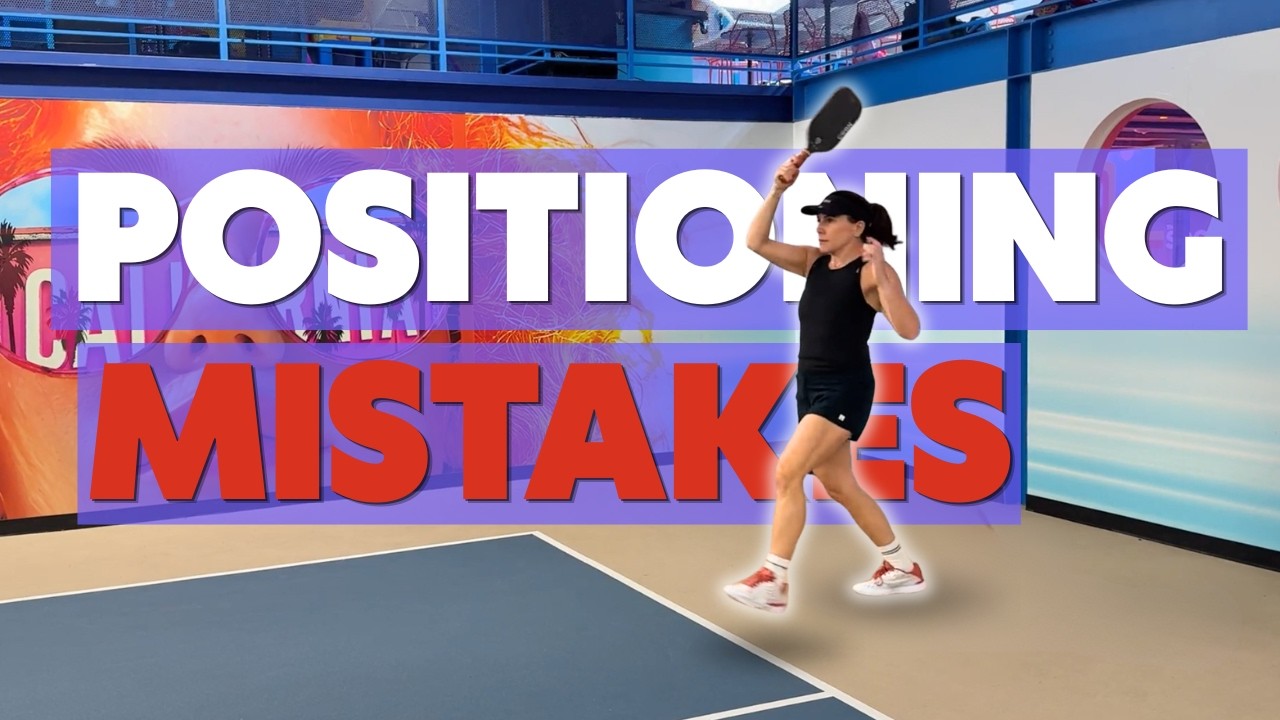
7 Pickleball Positioning Mistakes Hurting Your Game
Most pickleball positioning mistakes have nothing to do with your strokes. Fix these 7 court positioning errors and you will win more points immediately.
 The Dink PickleballThe Dink Media Team
Does Your Third Shot Have a Plan or Are You Just Winging It?
The third shot is one of the most important shots in pickleball, and it comes too fast to figure out in the moment. You need a plan before the point starts.
Griffith describes going into a recent PPA mixed doubles match with her partner George knowing her job was to drop thirds.
That simple clarity meant they both knew what to expect and could build their strategy around it.
There was no confusion, no hesitation, no guessing at what the other person would do.Sub-4.0 players often have no default plan on their third.
They decide in the moment based on where the ball lands, which leads to forced drops, drive attempts at the wrong time, and errors that feel random but are actually very predictable.
A good approach to the third shot starts with knowing your strengths.
Different situations call for different third shot choices, but you need a baseline tendency you can rely on under pressure.
Ask yourself before every match: am I dropping today or driving? Am I going crosscourt or down the line? Where the third shot lands matters as much as what shot you hit.Having a plan does not mean being rigid. It means you have a default to fall back on when the point gets tight, instead of improvising at the worst possible moment.
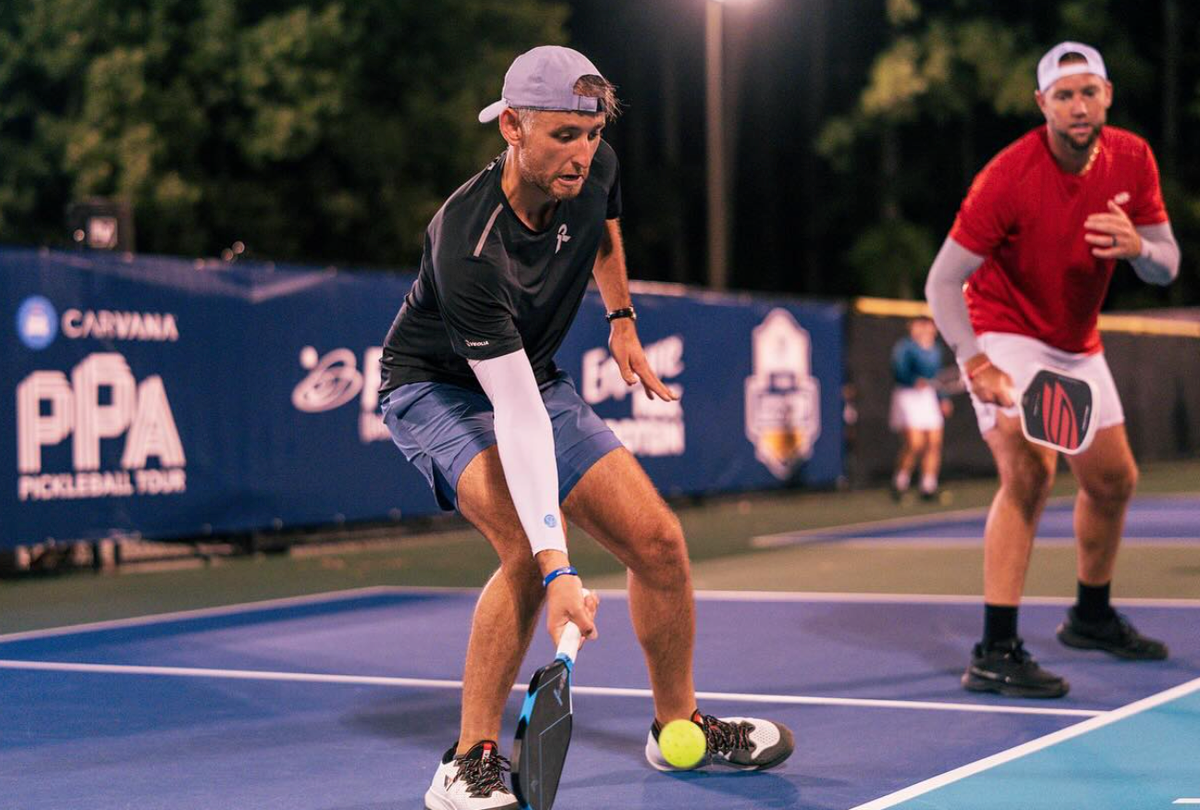
3 Patterns Top Pros Use to Plan Multiple Shots Ahead
Anticipation is everything in pickleball. Use these three pro-proven scenarios to read your opponents and put yourself in a position to make a high percentage, winning play.
 The Dink PickleballEric Roddy
Putting It All Together: What a 4.0 Game Actually Looks Like
Reaching 4.0 is not about learning new shots. It is about removing the consistent mistakes that are already in your game.
You can understand exactly what separates each rating tier by looking at how errors decrease as the level goes up.
At 4.0, players are not doing anything magical. They are just making fewer unforced mistakes per rally.
Every one of the six mistakes Griffith outlines has the same root cause: players are either too passive or too aggressive, with no clear standard for what the moment actually calls for.Decision making under pressure is a learnable skill, not a talent you either have or do not.
Start with your consistency floor. Get your dinks stable. Work your transition with patience.Fix your positioning with split steps and foot placement. And walk into every match with a clear third shot plan.
Do those six things consistently and the rating follows. Your DUPR will reflect the work once the errors actually stop showing up in your game.
If you want to see what the next level looks like from there, here is what 4.5 players consistently do right that most 4.0 players are still figuring out.
💡
Heads up: hundreds of thousands of pickleballers read our free newsletter.
Subscribe herefor cutting edge strategy, insider news, pro analysis, the latest product innovations and more.
Frequently Asked Questions
What is the biggest difference between a 3.5 and a 4.0 pickleball player?
A 4.0 pickleball player makes significantly fewer unforced errors per rally. The difference is rarely about shot complexity. It comes down to consistency, positioning, and smarter decision making under pressure.
How do I stop attacking the wrong balls in pickleball?
Use body position as your guide. If you can reach the ball comfortably with bent knees and a balanced stance, it is attackable. If you are lunging or reaching wide, let it bounce or reset it as a neutral dink instead.
Why do I keep getting stuck in the transition zone?
Most players rush through the transition instead of moving through it with control. The fix is a consistent split step before your opponent makes contact, which stops you from running through the ball or being caught off balance mid-court.
What is a neutral dink and why does it matter?
A neutral dink is a ball that lands in your opponent's kitchen in a spot they cannot attack. It keeps the rally going on your terms while you wait for a ball you can actually go after. Without a reliable neutral dink, your aggressive shots have no setup and just add unnecessary risk.
Should I have a third shot plan before the match starts?
Yes, always. The third shot arrives too fast to decide in the moment, so you need a default tendency going in. PPA pro Ashley Griffith goes into every match knowing whether she will drop or drive, and to which side, so there is no hesitation when the point starts.
Anuncie Aqui / Advertise Here
Sua marca para o mundo Pickleball! / Your brand for the Pickleball world!





 English (US) ·
  Portuguese (BR) ·