
 English
  Spanish
  Portuguese
  German
  Italian
  Japanese
  French
  Polish
  Russian
  Netherlands
  Hungarian
  Turkish
  Videos
  Thedink Pickleball

Most players grind for years without fixing the fundamentals that actually move the needle. These 6 pickleball tips will change how you serve, reset, drive, and react at the kitchen line.
Most players spend years on the court without ever fixing the pickleball tips that actually matter.
They work on strategy, they drill more, they buy new paddles, and they still hit the same ceiling.
The problem is almost never effort. It's mechanics.Specifically, the six foundational mechanics that separate players who plateau from players who keep improving. Every pickleball tip below targets one of them.
These tips come from tanner.pickleball on YouTube, who packed four years of pro pickleball knowledge into under 60 seconds.
Below, we unpack each one so you can actually apply it in your next game.
Love pickleball? Then you'll love our free newsletter. We send the latest news, tips, and highlights for free each week.
Tip 1: Use Your Back Hip to Power Your Serve
If your serve feels weak, you are almost certainly relying too much on your arm.
Your arm alone does not have enough mass or range of motion to generate real pace on the ball.
The fix is your back hip. When you initiate your serve, rotate through your back hip first and let your arm follow that rotation.This is exactly how power gets generated in tennis, baseball, and golf, and pickleball is no different.
Think of it as a chain reaction. Hip rotates, shoulder follows, arm follows the shoulder, and the paddle meets the ball at the end of that sequence with real force behind it.If you want to go deeper on this, this breakdown on why your serve has no weight covers exactly why arm-only serving stalls your development.
Tip 2: How Should You Reset a Hard Ball?
The answer is a loose grip and absorption. This is one of the most misunderstood mechanics in the game.
When a hard ball comes at you, your instinct is to tighten your grip and meet it aggressively. That instinct is wrong.A tight grip transfers the ball's energy back out, which is why resets pop up and become attackable.
A loose grip absorbs the energy and kills the pace, dropping the ball softly into the kitchen instead of floating it.
The mental cue that works here is thinking about absorbing the ball rather than going to it. You are not reaching for the ball.You are letting it come to a soft, relaxed hand that takes pace off on contact.
This is one of the most common mistakes players make, and it shows up at every level.
Check out why your pickleball reset fails for a full breakdown of how to train this grip habit out on the court.
💡
Need some new pickleball gear? Get 20% off select paddles, shoes, and more with code THEDINK at
Midwest Racquet SportsTip 3: Create Space on Your Forehand Drive
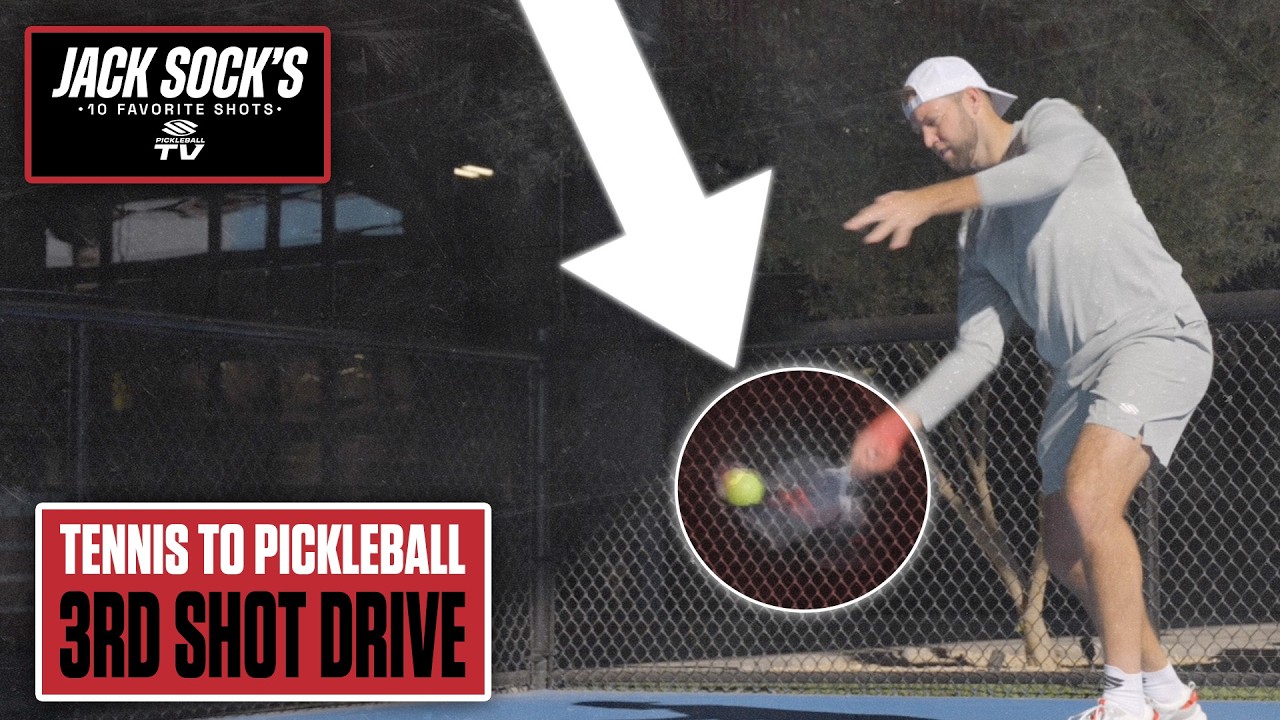
Players who lack power on their forehand drive are usually hitting with their arms tucked in too close to their body.
Tight arms mean a short swing path, and a short swing path means weak contact.The fix is simple: push your arms out to create space before you swing.
This gives your paddle room to build speed through the hitting zone, which is where power actually comes from.
It might feel awkward at first because you are used to keeping everything compact. But compact and controlled are not the same thing.You can have excellent control with a wider arm position, and you will hit with significantly more pace.
This two-step guide to the forehand speed up pairs perfectly with this pickleball tip if you want to start using your drive as an actual weapon.
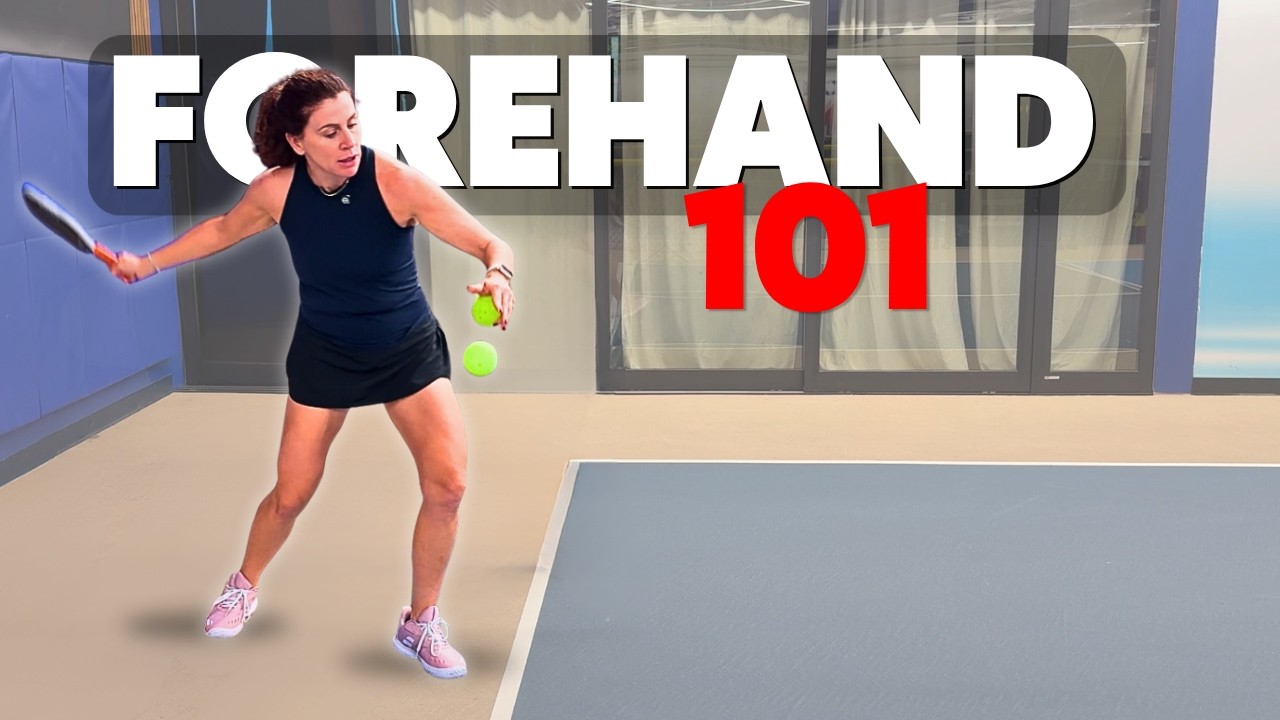
Jack Sock’s Forehand Drive Pickleball Guide
The forehand drive pickleball pros rely on is simpler than you think. Jack Sock breaks down exactly how to hit it low, fast, and with purpose.
 The Dink PickleballThe Dink Media Team
Tip 4: Stop Windshield Wiping Your Backhand Flick
The backhand flick is one of the most powerful weapons at the kitchen line, and most players are executing it the wrong way.
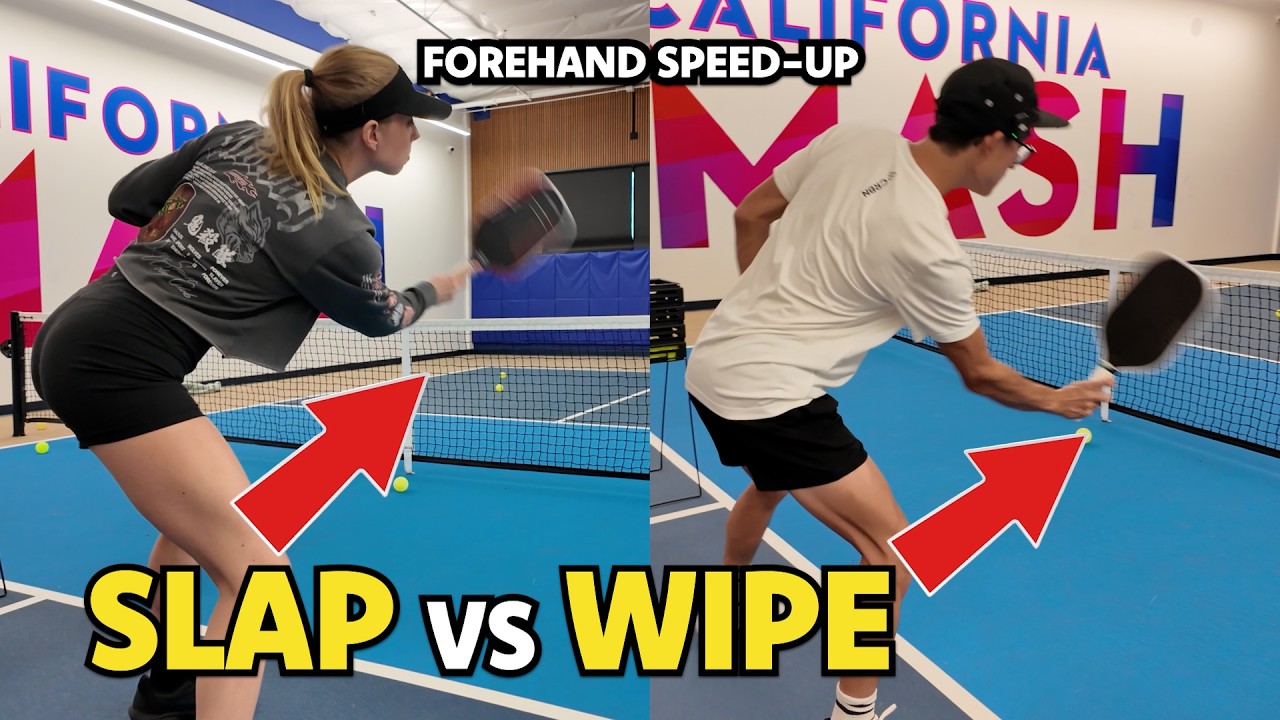
The windshield wiper motion, where your paddle sweeps across the ball, bleeds power and reduces accuracy.
Instead, think about hitting through the ball. Your paddle should drive forward through contact, not across it.The difference in pace and control is immediate once you feel it. This also applies to how you load before the flick.
If you are not setting up your backhand in a position that lets you drive forward, you are forced into a wipe.
Fixing your paddle face on the backhand flick is the place to start if this is a recurring issue for you.
The Pickleball Tip Checklist for a Cleaner Flick
- Point your elbow down slightly before contact to load the flick properly
- Drive the paddle tip forward through the ball, not around it
- Keep your wrist firm at contact so energy transfers cleanly into the shot
- Aim for the opponent's hip or shoulder to make the ball difficult to handle
For a Better Forehand Flick, Ditch the Windshield-Wiper Technique
A simple wrist adjustment will transform your forehand speed-up into a point-scoring weapon
 The Dink PickleballThe Dink Media Team
Tip 5: What Do You Do When an Opponent Hits an Aggressive Dink?
You use your inside foot to cut the ball off before it runs past you. This is a footwork fix that most players completely ignore.
When an aggressive dink comes wide, the instinct is to reach or lunge. Both responses give the ball time to get past you.Stepping with your inside foot toward the ball lets you intercept it earlier, which means you hit it at a better height and a better position.
You control the shot instead of scrambling to survive it.
The reason this works is simple geometry. Moving your foot toward the ball shortens the distance it travels before you contact it.Less distance means the ball hasn't dropped as low, and you are not stretched out into an awkward contact point.
This kind of footwork is what separates solid kitchen players from reactive ones.
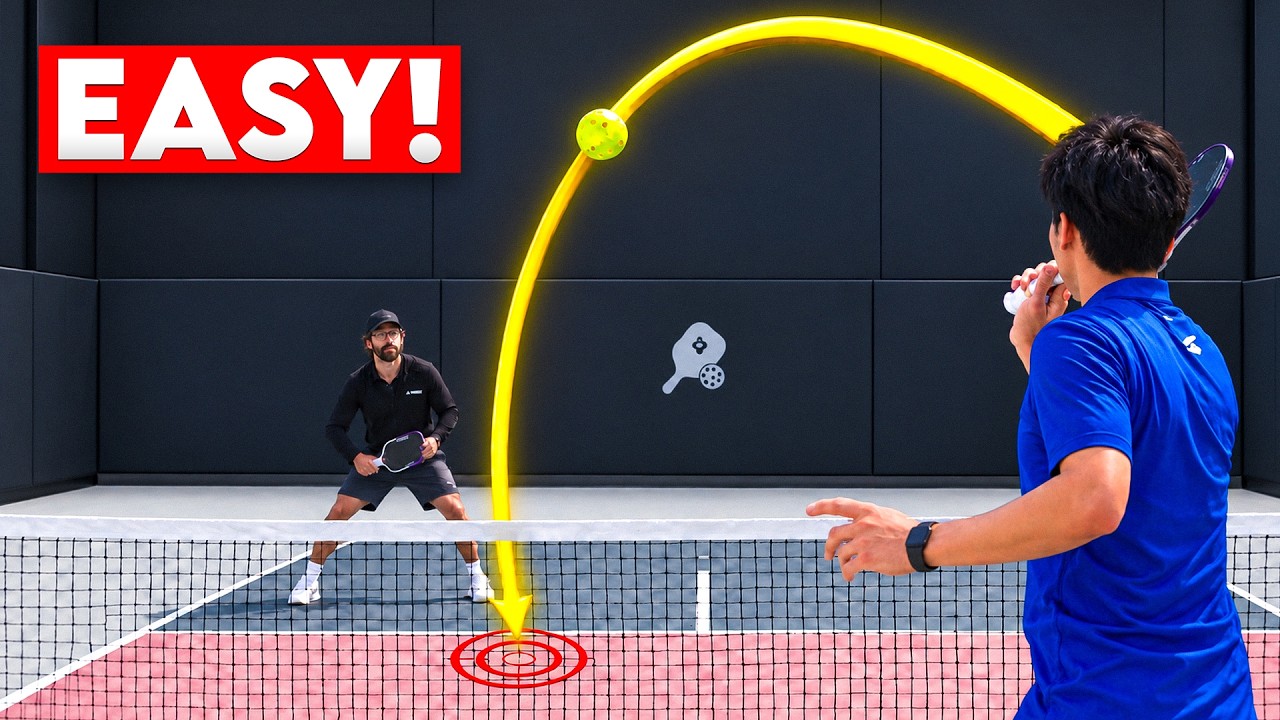
This lateral movement drill is one of the best ways to train this instinct until it becomes automatic.You can also pair this pickleball tip with smarter dink patterns to put pressure on your opponent before they send an aggressive ball at you.
These dink types that win more points give you a practical framework for doing exactly that.
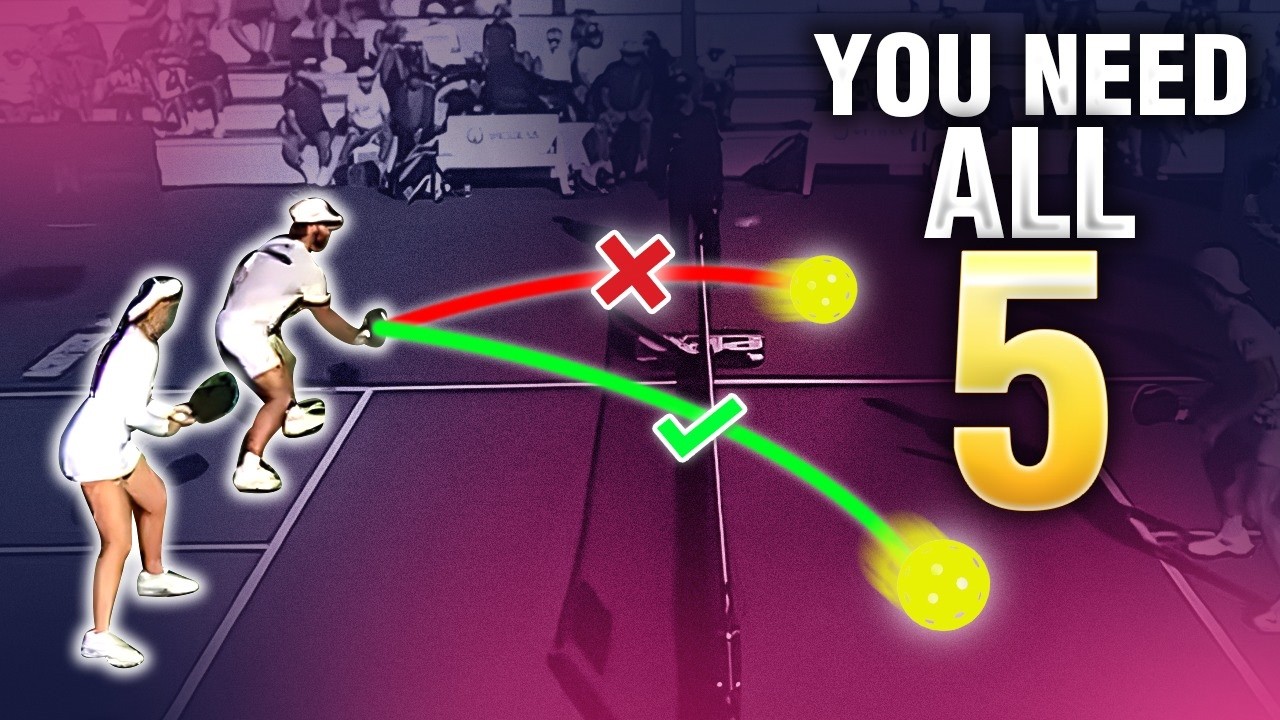
The 5 Defensive Dink Styles You Need to Dominate the Kitchen Line
Every shot your opponent hits puts you in a different situation – now you have five different answers to survive to fight another point
 The Dink PickleballThe Dink Media Team
Tip 6: Point Your Paddle Tip at the Ball for Faster Hands
This is the pickleball tip that feels strangest when you first hear it and becomes non-negotiable once you try it.
Wherever the ball is, your paddle tip should be pointing directly at it.
When your paddle is already oriented toward the incoming ball, your hand has almost no adjustment to make before contact. You are always ready.When your paddle is pointed somewhere else, you have to move it before you can react, and at kitchen speed, that delay costs you the exchange.
Think of it as a ready position for your paddle rather than just your body. Your feet get into athletic position. Your paddle tip points at the ball.
Both habits together give you the fastest possible reaction time.This concept is directly connected to winning hands battles at the net.
Learn how to win a pickleball hands battle every time to see how paddle position and hand speed combine into a complete system, and this breakdown of fast hands mechanics from a top 10 pro is worth your time.
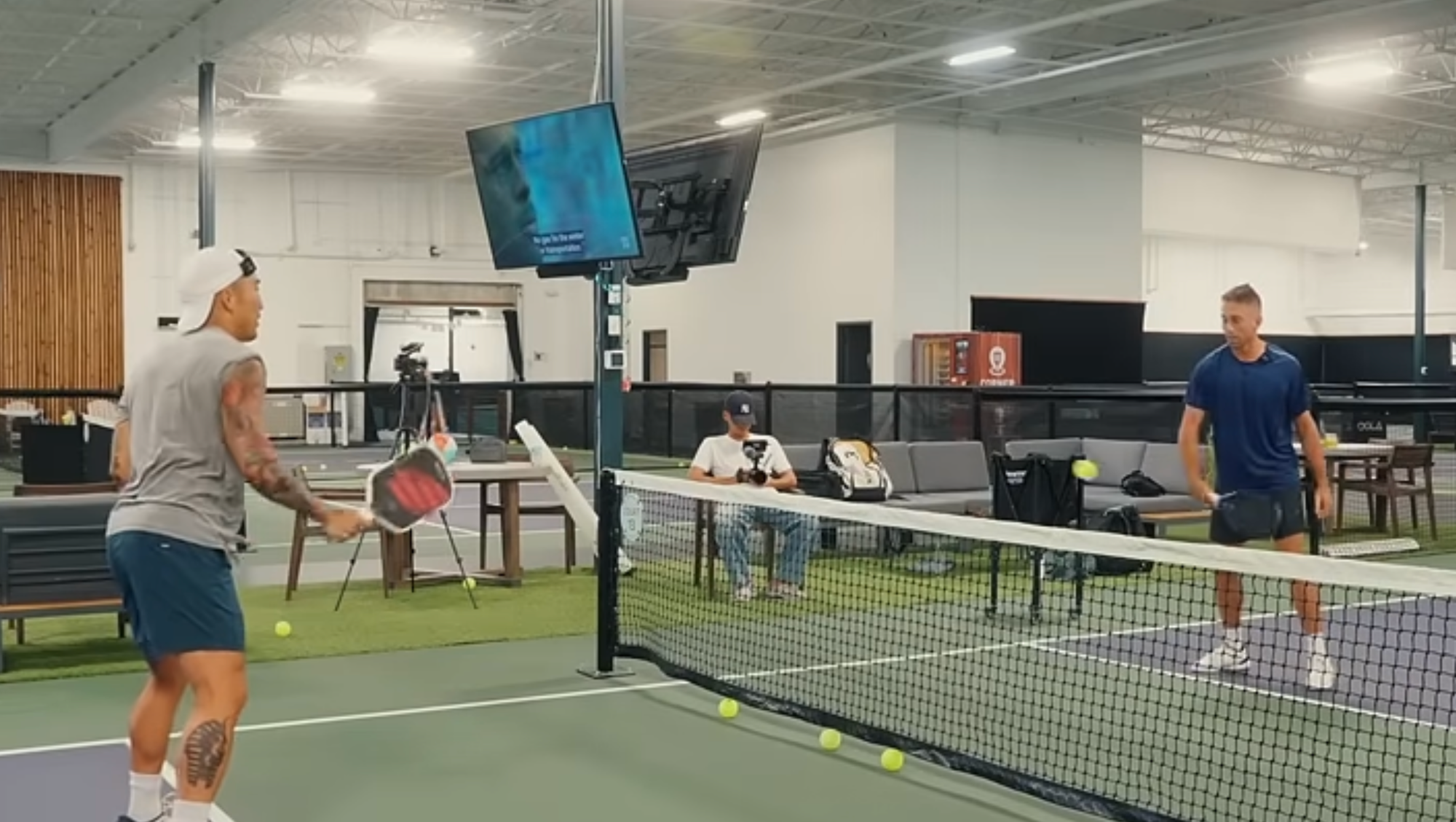
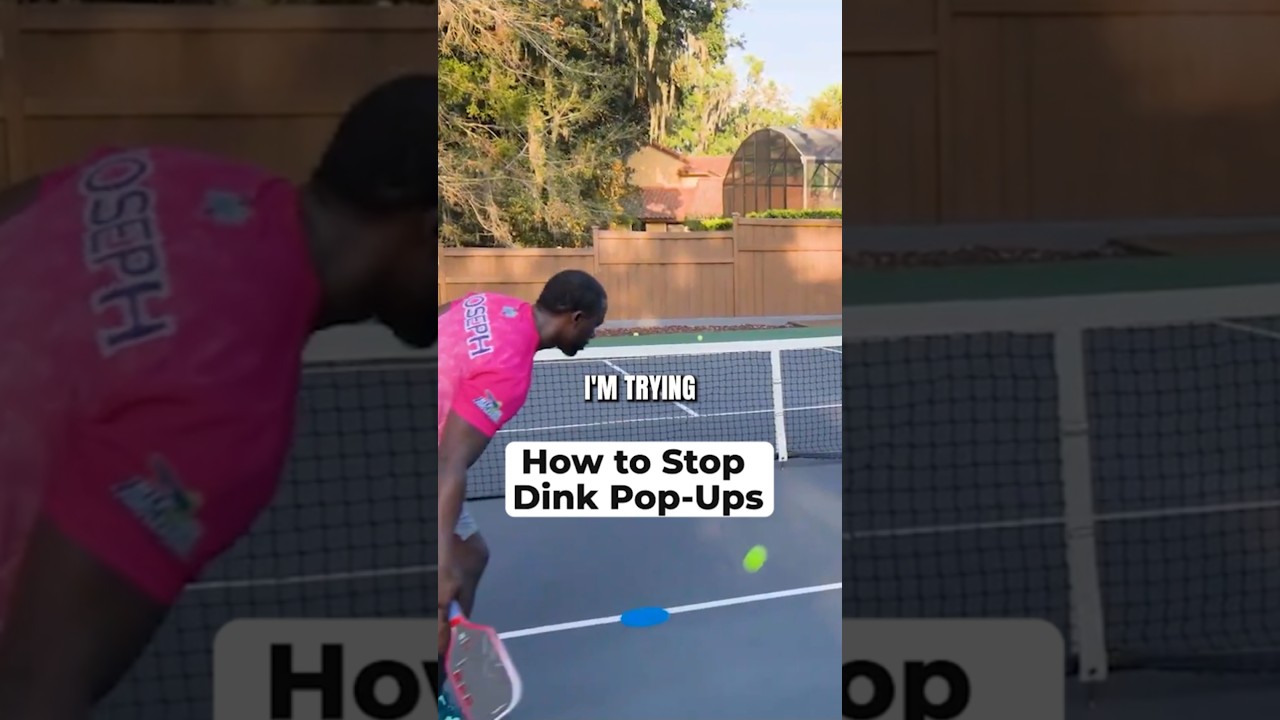
Stop Popping the Ball Up: Modern Pickleball Hand Speed and Paddle Positioning
Winning the kitchen today isn’t about swinging harder—it’s about creating space with your coil and controlling contact with smarter paddle positioning
 The Dink PickleballThe Dink Media Team
How These 6 Tips Work Together
None of these pickleball tips exist in isolation.
They build on each other in a logical sequence that covers the three main phases of a point: starting the rally, surviving the transition, and winning the kitchen battle.
The Pickleball Tip Sequence, Start to Finish
- Serve with your back hip to start points with real pressure on your opponent
- Reset with a loose grip so you can survive fast balls and get back into position
- Create arm space on your forehand drive when the opportunity to attack opens up
- Hit through the ball on your backhand flick instead of wiping across it
- Step with your inside foot to cut off aggressive dinks before they run past you
- Keep your paddle tip pointing at the ball so your hands are always ready to react
Players who fix all six see improvement across every part of their game because these mechanics show up in almost every single rally.
It is not about adding new shots. It is about doing the fundamental shots correctly.
If you want to see what consistent execution looks like in a match, these five things every pro does differently connect directly to everything covered here, and this look at the habit that separates a 4.0 player is the natural next step.And if you are serious about turning every pickleball tip here into a repeatable skill, knowing which types of drilling to prioritize will help you make the most of your practice time.
💡
Heads up: hundreds of thousands of pickleballers read our free newsletter.
Subscribe herefor cutting edge strategy, insider news, pro analysis, the latest product innovations and more.
Frequently Asked Questions
How do I generate more power on my pickleball serve?
Use your back hip to initiate the serve instead of relying on your arm. Rotating through the hip first creates a chain reaction that delivers far more power at contact. Your arm follows the rotation, it does not lead it.
What is the right grip pressure for a pickleball reset?
Your grip should be extremely loose, loose enough that someone could pull the paddle out of your hand without much resistance. A tight grip bounces the ball back up, while a soft grip absorbs pace and keeps the ball low. Think about absorbing the ball, not blocking it.
Why does my backhand flick have no power?
You are most likely using a windshield wiper motion across the ball instead of driving through it. The fix is to orient your swing so the paddle moves forward through contact, not sideways. Here is a full explanation of why your backhand flick has no power and how to correct it.
How do I react faster at the kitchen line?
Point your paddle tip directly at the ball whenever the ball is in play. This simple habit eliminates the setup time your hand needs before contact. Pair it with a slightly bent elbow and a relaxed grip and your reaction speed will improve noticeably within a few sessions.
What should I do when an opponent hits an aggressive dink wide?
Step toward the ball with your inside foot to cut it off before it runs past you. This keeps you balanced, gets you to the ball earlier, and gives you a much better contact point. Reaching or lunging is what gets you in trouble because you arrive late and off balance.
Anuncie Aqui / Advertise Here
Sua marca para o mundo Pickleball! / Your brand for the Pickleball world!




 English (US) ·
  Portuguese (BR) ·