
 English
  Spanish
  Portuguese
  German
  Italian
  Japanese
  French
  Polish
  Russian
  Netherlands
  Hungarian
  Turkish
  Videos
  Thedink Pickleball

Most 4.0 pickleball players are stuck for the same fixable reasons. These six skills target the exact habits holding you back from the next level.
If you've been sitting at 4.0 pickleball longer than you expected, you're not alone and you're probably not doing as many things wrong as you think.
The problem isn't raw talent. It's a small cluster of repeating habits that keep your game stuck in the same loop, match after match.These six fixes come from Tanner Tomassi on YouTube, and they target the exact spots where 4.0 players leak points without realizing it.
Love pickleball? Then you'll love our free newsletter. We send the latest news, tips, and highlights for free each week.
The Real Reason You're Stuck at 4.0
Nobody at this level is a superstar. That sounds harsh, but it's actually good news.
Almost every 4.0 pickleball player is lacking confidence in their soft game.That means your entire strategy should be to prolong points, make opponents beat themselves, and stop chasing highlight reel winners that aren't there.
You don't win at the 4.0 level by overpowering people.You win by being the most consistent, most patient player on the court, which is exactly the simple reason 95% of pickleball players plateau in the first place.
Skill 1: Stop Driving Every Ball From the Baseline
The most common mistake at the amateur level is firing drive after drive from the baseline, hoping one gets through.
It doesn't work. You end up in a rally you can't win, stuck back while your opponent controls the kitchen.
The fix is a simple two-shot sequence: drive the third shot, then drop the fifth. The drive creates pressure, the drop gives you a path to the kitchen line.Most 4.0 pickleball players just drive in a loop and wonder why they're getting pushed around.
This breaks that cycle, and the drive drop combo is the exact mechanic to learn first.
Want to understand where the third shot fits into the bigger picture? This breakdown of third shot situations is worth your time.
💡
Need some new pickleball gear? Get 20% off select paddles, shoes, and more with code THEDINK at
Midwest Racquet SportsSkill 2: Paddle Tracking Changes Everything at the Kitchen
Paddle tracking is the single highest-return habit you can build if you're playing at the kitchen line.
Here's what it means: when the ball is on your opponent's side of the net, your paddle should already be up and in position, not hanging at your side.Most 4.0 pickleball players let their paddle drop when the ball is away from them, then scramble to react when it comes back.
That scramble is where you lose. When your paddle is already up, a speed-up isn't a crisis.You take one step and you're punishing the ball instead of chasing it.
This is the difference between being reactive and being ready, and these kitchen line techniques show you exactly how to build the habit in.
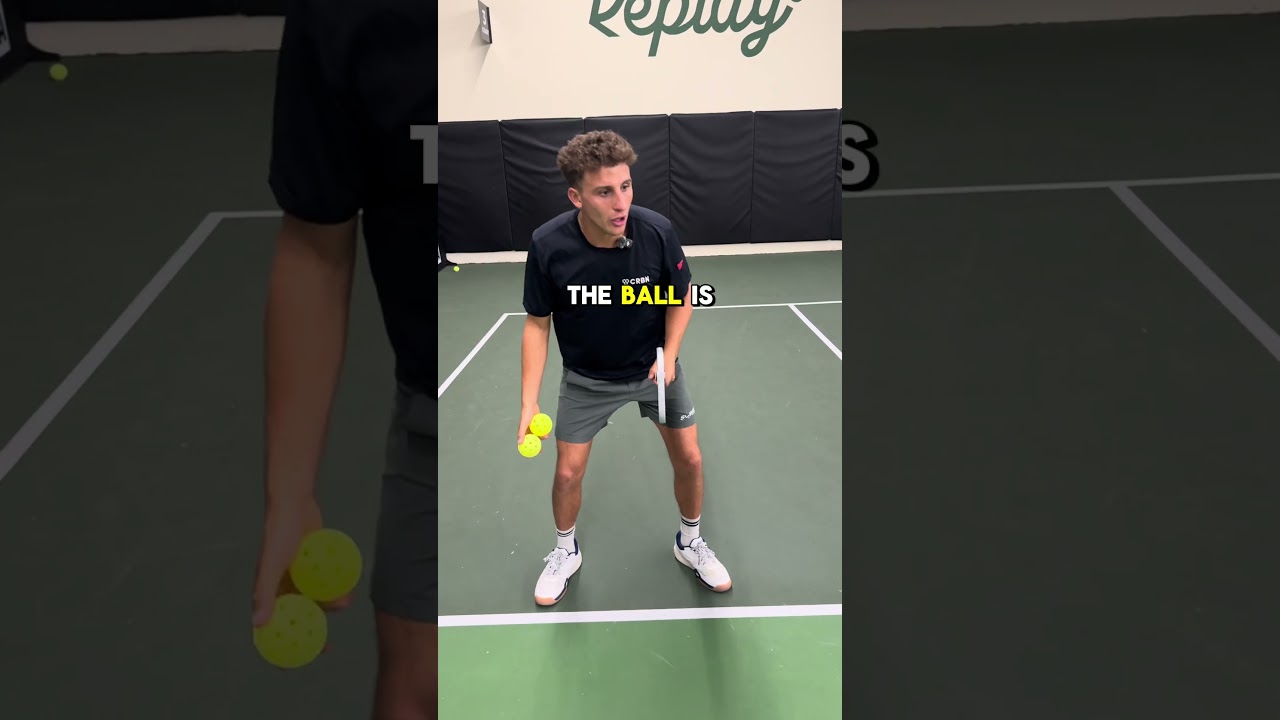
Paddle Tracking: The Pro Pickleball Skill You’re Missing
Paddle tracking is the foundational pickleball skill that all pros use to stay ahead of the action. By keeping your paddle tip pointed at the ball, you shift from reactive to proactive play.
 The Dink PickleballThe Dink Media Team
What Does "Neutralizing the Rally" Actually Mean?
This is a concept most 4.0 pickleball players skip, and it's costing them constantly.
Think of every rally as sitting on a scale. You're either losing the point, neutral, or winning it.The mistake is trying to jump straight from losing to winning by going for a big shot when you're already out of position. You can't skip the middle step.
If your opponent hits a sharp aggressive dink that pulls you wide, your first job is not to rip a winner back.
Your first job is to reset to the middle and get back to neutral.
Step into it, cut it off early, and push it soft back to the center. Now you're even again, and now you can look for your shot.Trying to win from a defensive position is how points end early, and not in your favor. Understanding controlled aggression will sharpen this instinct fast.
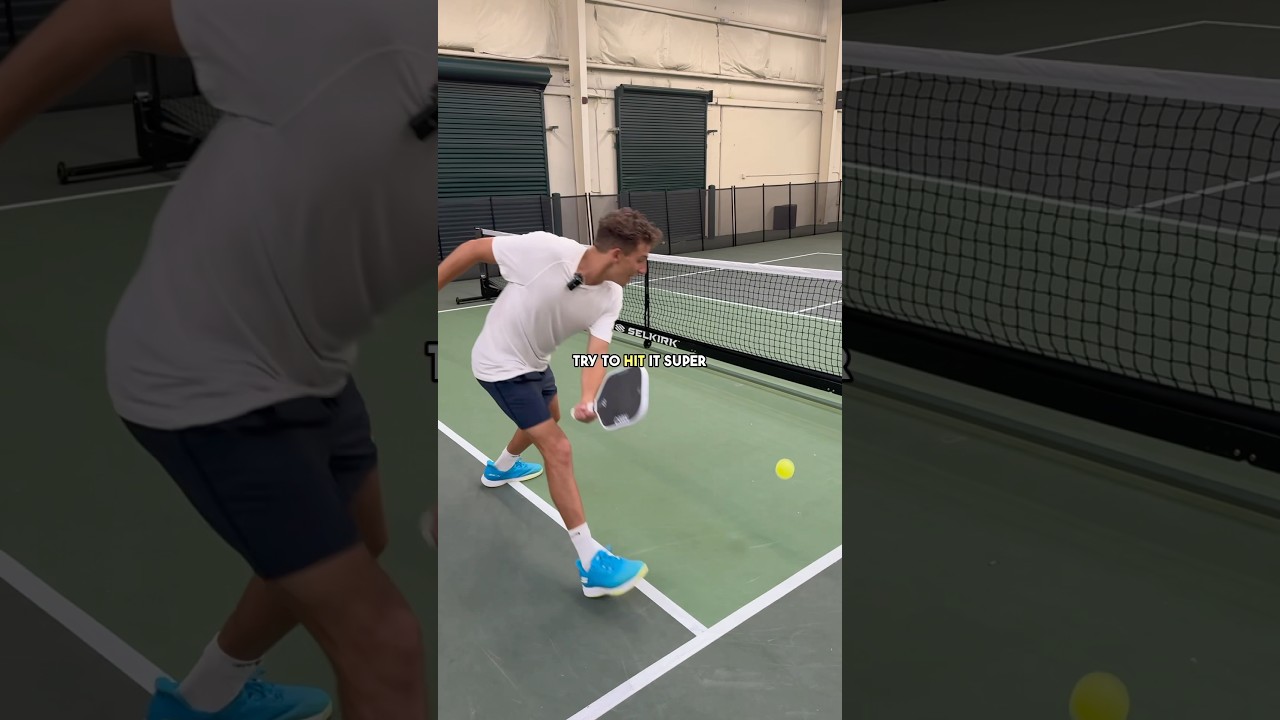
Pickleball Dink Strategy: Master the Neutral Game
This approach might not feel as satisfying as crushing a winner, but it’s far more effective. Over time, this mentality will show up in your win-loss record.
 The Dink PickleballThe Dink Media Team
Skill 3: Your Feet Are Lazy at the Kitchen Line
This is the most cliché tip in pickleball and also the most ignored.
Watch most 4.0 pickleball players at the kitchen and you'll see the same thing: feet planted, weight back on their heels, paddle low, just waiting. When a tough dink comes, they reach for it instead of moving to it.If you're missing dinks, it's a footwork problem, not a hand problem.
The goal is simple: get your hips behind the ball.Wherever the dink goes, your body should be moving to set up behind it, not stretching to reach it from where you started.
Active feet create consistent dinks. Lazy feet create errors, which is why fixing your feet does more for an intermediate pickleball game than any new paddle will.
Placement is the other half of it, and mastering dink placement is what turns clean footwork into actual pressure.
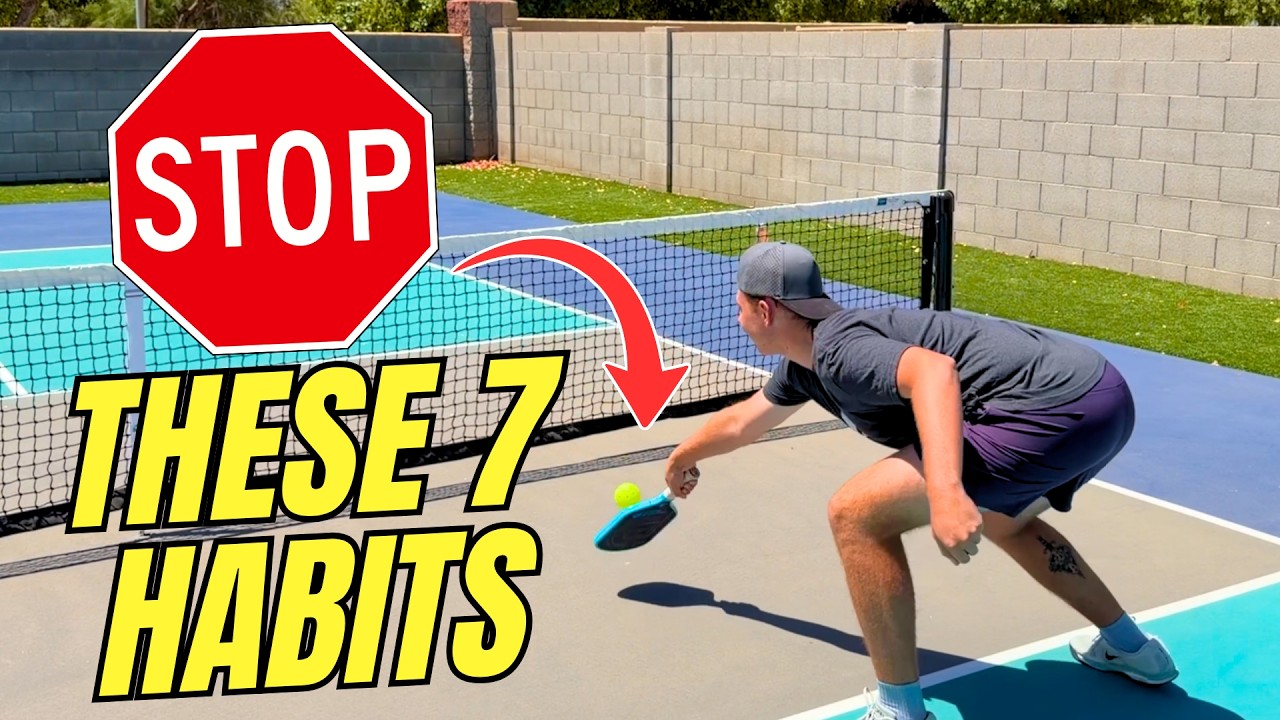
7 Habits Keeping Every Intermediate Pickleball Player Stuck
Most intermediate pickleball players think they just need more time on the court. The real problem is specific habits that guarantee you stay stuck at 3.5 or worse.
 The Dink PickleballThe Dink Media Team
Skill 4: You're Having Hands Battles the Wrong Way
Most 4.0 players treat a hands battle like a test of who can hit the ball harder at the other person's chest. That's not a strategy. That's just hope.
When you both have your paddle in the backhand position blocking at chest height, nobody wins. You're both equally stuck.The actual key to winning a hands battle is to get on top of the ball and drive it down toward your opponent's feet.
Hit down, not through. That forces your opponent to hit up on their next shot, and now you have either a slam or an error incoming.Here's what the sequence looks like in practice:
- Trade a few exchanges back and forth at chest height
- When you get a ball you can get on top of, compress it downward toward their feet
- Their next shot will come up, giving you an easy put-away or watching it go into the net
This works because you're changing the angle of the rally, not just the speed. Here's a deeper look at why players lose hands battles and how to stop it.
6 Pickleball Hands Battle Habits That Win Exchanges
Most rec players lose the hands battle before it even starts. A touring pro shared the six habits that keep him calm, compact, and in control at the kitchen line.
 The Dink PickleballThe Dink Media Team
Skill 5: Stop Giving Free Rides to the Kitchen
When your opponent hits their third shot drop, too many 4.0 players just let it bounce and gently push it back.
That's a free pass to the kitchen, and they didn't earn it.The hardest shot at every level is a reset. So make them hit one.
Here's the mental checklist to use every time you're waiting on a drop:
- Can I get it out of the air? If yes, do it. You hit harder, and you take time away from your opponent.
- If it bounces, step back and create space, then rip it. Don't stand inside the ball and scoop it. Step back, load, and drive it so they have to reset under pressure.
That checklist runs through your head every single time. Volley if you can, and if not, step back and be aggressive off the bounce.
Stop giving comfortable drops a comfortable landing.When your opponent does have to reset, knowing what a real failure looks like will help you recognize when to attack.
The same logic applies in reverse when you're the one caught in the transition zone.
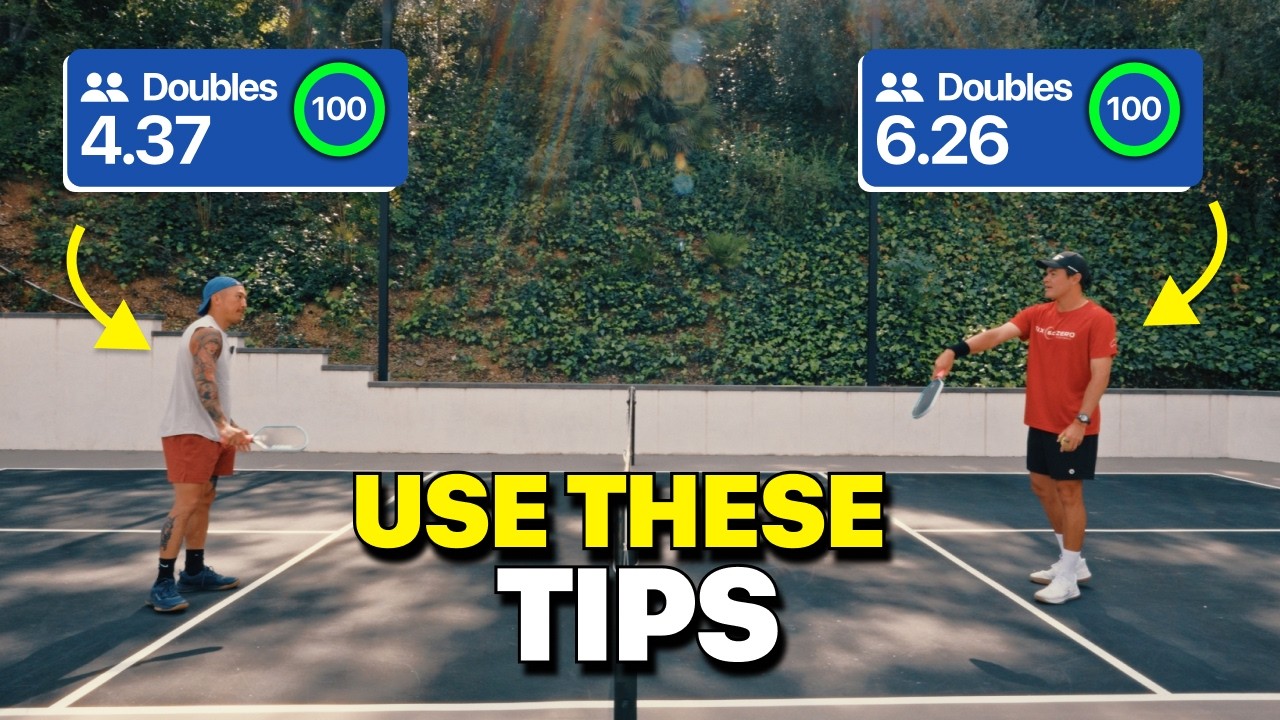
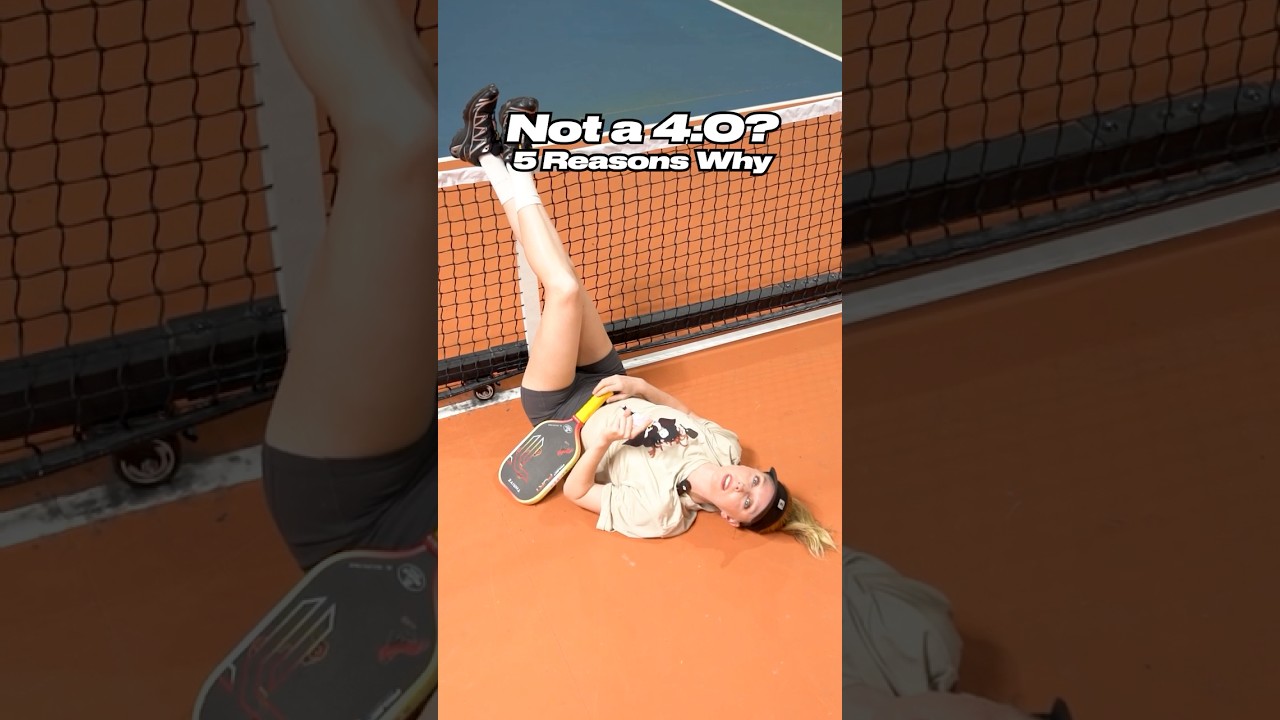
Why You’re Still Not a 4.0 Pickleball Player
If you’ve been playing for two years and still can’t crack 4.0, the problem probably isn’t your athleticism. These five habits are what’s actually keeping you stuck as a 4.0 pickleball player.
 The Dink PickleballThe Dink Media Team
Skill 6: Get to the Kitchen Line More Often
This one sounds obvious, but most 4.0 pickleball players are not prioritizing the kitchen line the way they should.
The kitchen line is where points are scored. The more often you're there, the more opportunities you create. That's the math.
Everything in your game should be building toward getting to that line. The drive-then-drop sequence in Skill 1 exists entirely to get you there and cook.Your kitchen arrival percentage is one of the most telling stats in your game, and most players don't even think about it.
If you want an honest read on where you actually sit, rate your real pickleball skill level before you assume your pickleball rating is the problem.
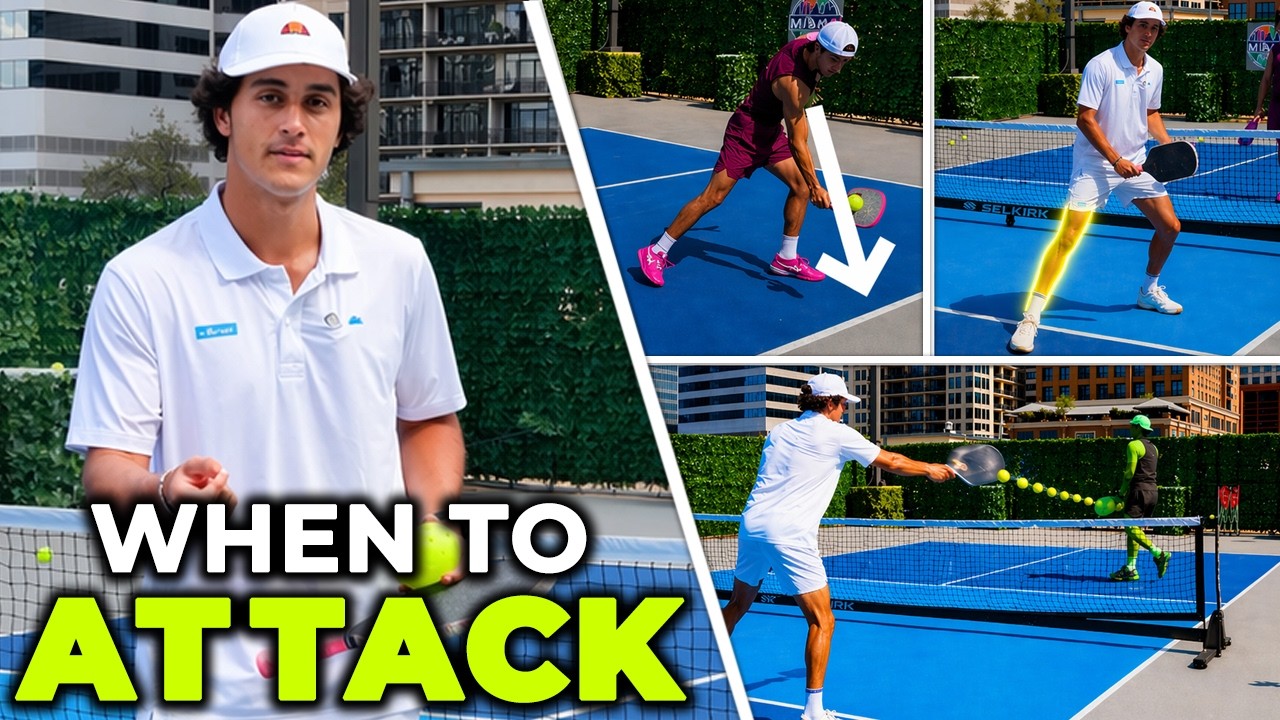
You're not playing to win from the baseline. You're playing to earn your spot at the net.Kitchen Line Aggression: When to Attack in Pickleball
Jack Munro, the #1 player on the APP tour in mixed and men’s doubles, breaks down the exact signals that tell you when your opponent is vulnerable and ready to be attacked.
 The Dink PickleballThe Dink Media Team
Putting It All Together
These skills don't exist in isolation. They build on each other.
You get to the kitchen more by using the drive-and-drop combo. Once you're there, paddle tracking keeps you ready. Active feet keep your dinks consistent.
Neutralizing first stops you from forcing shots when you're out of position. Winning hands battles comes from changing angle, not adding pace.And making opponents earn their way to the kitchen forces errors before you even need to dink.
Here's a quick summary of all six:
- Drive then drop to get to the kitchen instead of grinding from the baseline
- Track your paddle when the ball is on the other side of the net
- Neutralize first before you look to attack from a defensive position
- Move your feet to get your hips behind every dink
- Hit down in hands battles, not through your opponent's chest
- Make opponents earn the kitchen by volleying or stepping back to rip
None of these are complicated. All of them are ignored constantly at the 4.0 level.
A 4.0 pickleball player who fixes all six consistently won't be in 4.0 jail much longer, and the pickleball rating usually catches up faster than expected.
If you want more of the same, these pro patterns that get you past 4.0 and this 11-skill breakdown fill in whatever gaps remain.And if the soft game is still your weak spot, learning how to stop being a banger is the fastest route from intermediate pickleball to a real 4.5 game.
💡
Heads up: hundreds of thousands of pickleballers read our free newsletter.
Subscribe herefor cutting edge strategy, insider news, pro analysis, the latest product innovations and more.
Frequently Asked Questions
What is the fastest way to improve from 4.0 pickleball to 4.5?
The fastest path is fixing your kitchen line consistency first, specifically your footwork, paddle position, and dinking accuracy. Most 4.0 players waste energy trying to overpower opponents when the real gains come from reducing unforced errors. Add a reliable reset and active feet and your rating will reflect it quickly.
Why do I keep losing hands battles in pickleball?
Most players lose hands battles because they hit at chest height in a loop, which keeps both players on their backhand and nobody wins. The fix is to get on top of the ball and drive it down toward your opponent's feet, forcing them to hit up. That upward ball gives you a slam or results in an error.
What does it mean to neutralize a rally in pickleball?
Neutralizing means going from a losing position to an even position before trying to win. If your opponent pulls you wide with a sharp dink, the right move is to reset the ball soft to the middle, not go for a winner. You cannot win a point directly from a defensive position without first getting back to neutral.
How important is paddle tracking at the kitchen line?
Paddle tracking is the habit of keeping your paddle up and ready whenever the ball is on your opponent's side of the net. It is one of the highest-impact habits at the kitchen line because it turns speed-ups into manageable balls instead of emergencies. Most 4.0 players let their paddle drop and then scramble, which is exactly when they lose the point.
Should I always drop my third shot in pickleball?
Not always. The drive-then-drop approach works well at 4.0 because it creates pressure while still giving you a path to the kitchen. Drive the third, then drop the fifth if you haven't advanced.
Hitting a thousand straight drives from the baseline without transitioning forward is one of the most common reasons players stay stuck.
Anuncie Aqui / Advertise Here
Sua marca para o mundo Pickleball! / Your brand for the Pickleball world!




 English (US) ·
  Portuguese (BR) ·