
 English
  Spanish
  Portuguese
  German
  Italian
  Japanese
  French
  Polish
  Russian
  Netherlands
  Hungarian
  Turkish
  Videos
  Thedink Pickleball

Bad pickleball habits don't disappear when you reach 4.0. Here are seven specific mistakes coaches spot in competitive matches and exactly how to fix each one.
Bad pickleball habits don't vanish once you start playing at the 4.0 level. They just get more expensive.
The mistakes that cost you rallies at 3.5 are the same ones showing up in competitive matches at 4.0 and above.They're just harder to see because everything else around them looks pretty good.
Coach Jordan Briones of Briones Pickleball Breakdown broke down a real 4.0 tournament match and identified the exact habits separating players who apply pressure from players who give it back.
Here is what he found, and what you can do about it.
Love pickleball? Then you'll love our free newsletter. We send the latest news, tips, and highlights for free each week.
The First Bad Pickleball Habit: Driving to the Wrong Location
The biggest habit holding back the average 4.0 pickleball player is not the drive itself. It's where the drive goes.
In the match Briones breaks down, the player in the blue shoes had a genuinely excellent drive.
Huge serve, fast ball, real pressure. But he kept sending it straight to the body of his opponent, which is one of the worst targets you can choose at this level.A drive to the body on a right-hander's backhand side is almost always going to produce a clean punch counter. The opponent barely has to think.
Fix This Bad Pickleball Habit by Attacking the Dominant Shoulder
Instead, attack the dominant shoulder. That means forcing the chicken wing.
A ball aimed at the right hip or armpit of a right-handed player is far harder to counter cleanly.
It jams the elbow, limits paddle face control, and produces a weaker response that you can attack again.
If you want to understand the best location targets for every attacking situation, this breakdown of height targets that win is worth reading before your next session.
Does Your Ready Position Actually Help You?
One of the clearest differences between 4.0 players and the players just below them is how they look when a drive is coming at them.
The best players in the match Briones analyzed were visibly relaxed in their ready position. Not sloppy, not passive. Relaxed.Their paddle was ready, their knees were soft, and their eyes were calm even when a laser was headed toward them.
Tension is the enemy of a good counter.
When you tighten up before the ball arrives, your swing mechanics fall apart. Your grip locks, your elbow rises, and your paddle face opens toward the ceiling.Train yourself to stay loose. The best counters don't come from trying harder. They come from staying quieter.
For more on how your ready position affects your counter when facing a hard drive, this fix is one of the most practical you will find.
💡
Need some new pickleball gear? Get 20% off select paddles, shoes, and more with code THEDINK at
Midwest Racquet SportsSplitting Too Late After the Return
The split step is the moment you reset your base so you can react in any direction.
If your split step happens after the ball is already on its way, you are always going to be late.In Briones' breakdown, the player in the red shoes was still moving when the drive came off his opponent's paddle.
He finally got his feet set, but the window was already closing. What followed was a big, looping swing that sent the ball wide.The fix is simple but takes deliberate practice:
- Watch your opponent's paddle, not the ball, as they prepare to strike.
- Time your split step to land just as they make contact.
- Stay low in your base and keep your swing compact from there.
If your feet aren't set when the ball arrives, no amount of arm speed will save your counter.
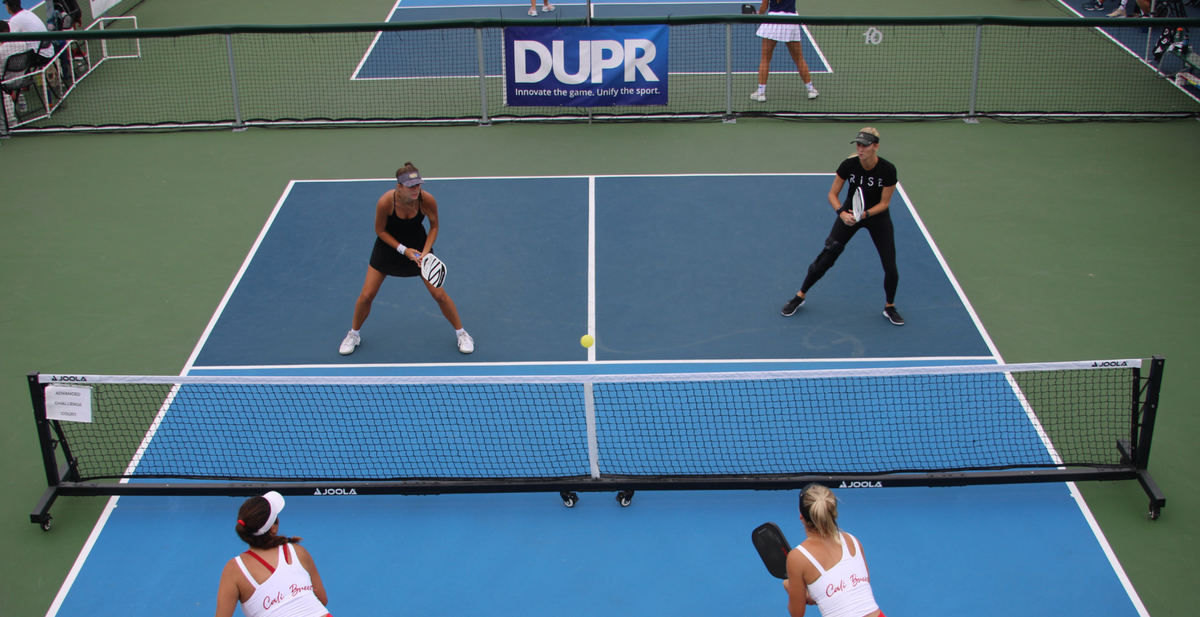
Split Step Pickleball: The Ready Position Most Players Skip
The split step in pickleball is a small hop that puts your body in the perfect ready position just before your opponent strikes the ball. Most recreational players skip it entirely, and that single habit is costing them more points than any other technique gap.
 The Dink PickleballThe Dink Media Team
Taking Big Swings on Counters
Compact swings win hands battles. Big swings lose them.
This is one of the most common bad pickleball habits at every level, and it becomes a serious problem once your opponents start driving harder.
The instinct to swing big when a fast ball is coming at you is natural, but it's wrong.
When you open your paddle face toward the ceiling and try to come down on a drive, two things happen.
- First, the face stays open through contact and the ball sails long.
- Second, you come up on your toes, which kills your stability and your control.
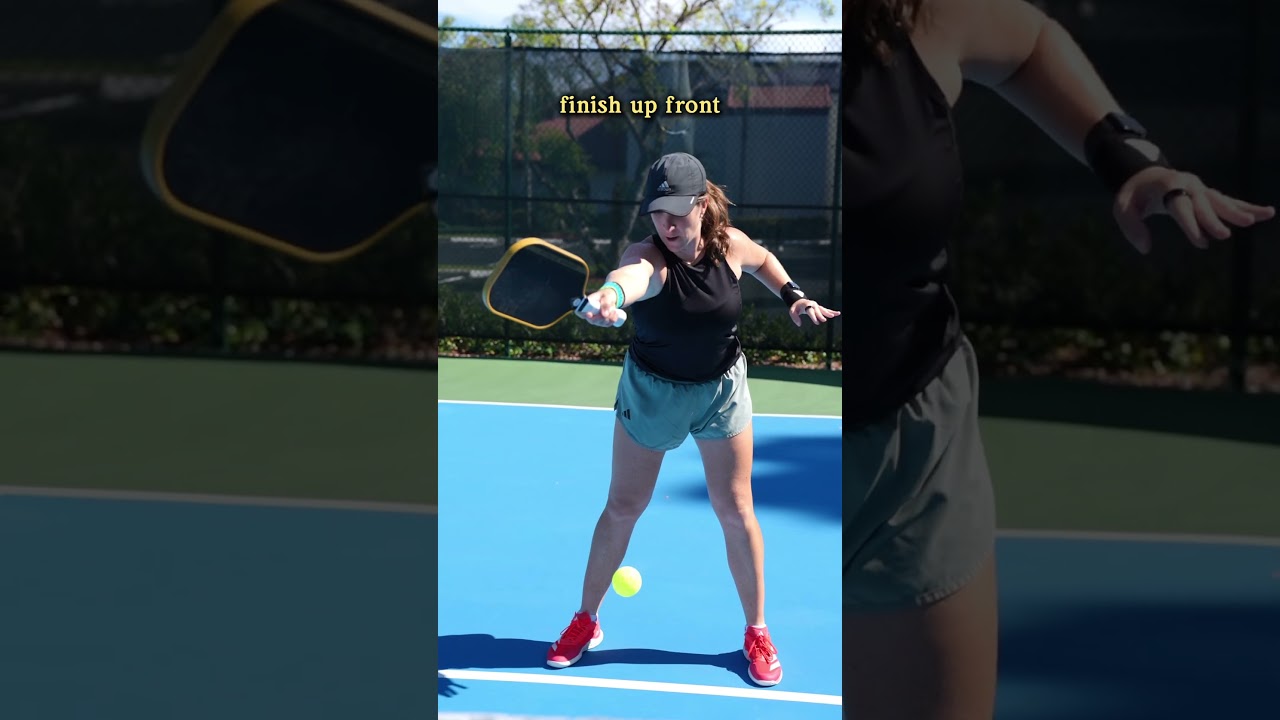
Briones pointed this out specifically. The player was rising during his counter, jumping slightly off his base. That is the opposite of what you want.
Stay grounded. Stay low. Let the pace of the incoming ball do the work for you.This connects directly to learning to counter a drive instead of just blocking it, which is a skill that separates 4.0 from 4.5 players fast.
The same compact mechanics show up in every kitchen line hands battle you win.
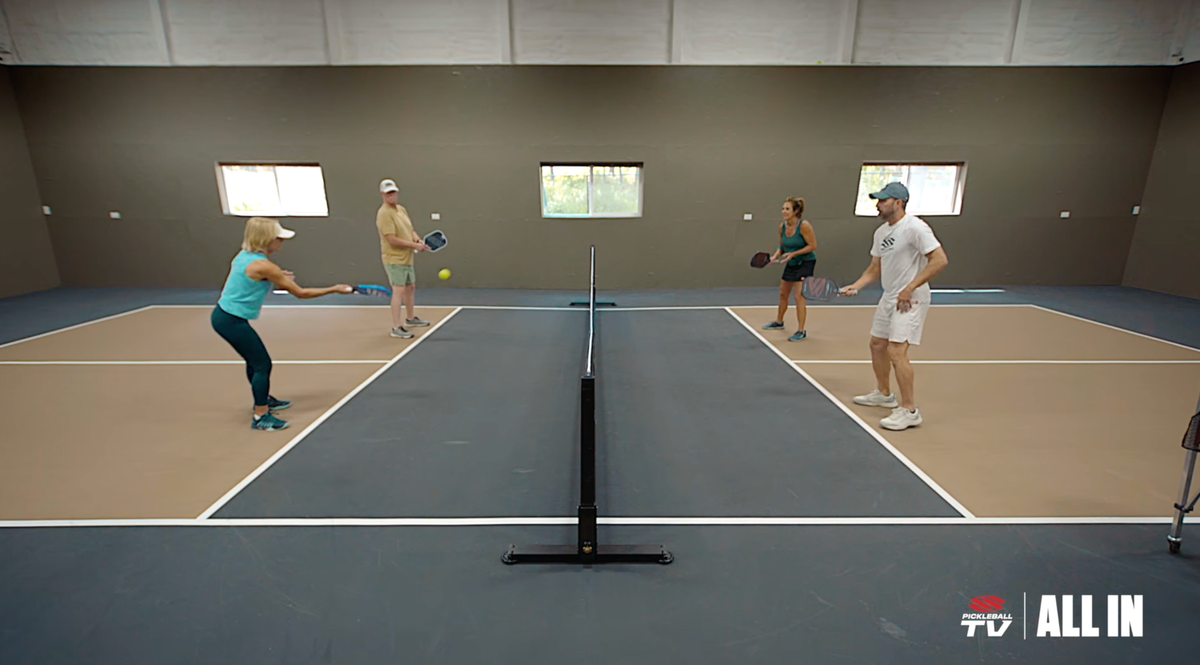
Pickleball Dinking 101: Small Swings, Big Results
You’re not trying to hit winners from the kitchen. You’re trying to create situations where your opponent makes a mistake or gives you a ball you can attack
 The Dink PickleballThe Dink Media Team
Advancing on Balls That Are Too High
Net capture is one of the clearest signs of a 4.0 player. But advancing at the wrong moment is one of the clearest signs of someone who is not quite there yet.
In the breakdown, both players on one team came forward together after a dink that landed in the kitchen.
The problem was that the ball bounced high. Not attackable for them, but very attackable for the opponent.When a ball bounces up to net height or above on your opponent's side, they are going to attack.
Coming in at that moment puts you in the worst possible position: moving forward while a ball is being driven at your feet or dominant shoulder.
The better play is to hold your position, absorb the attack with a reset, and wait for a ball that actually invites you to move.
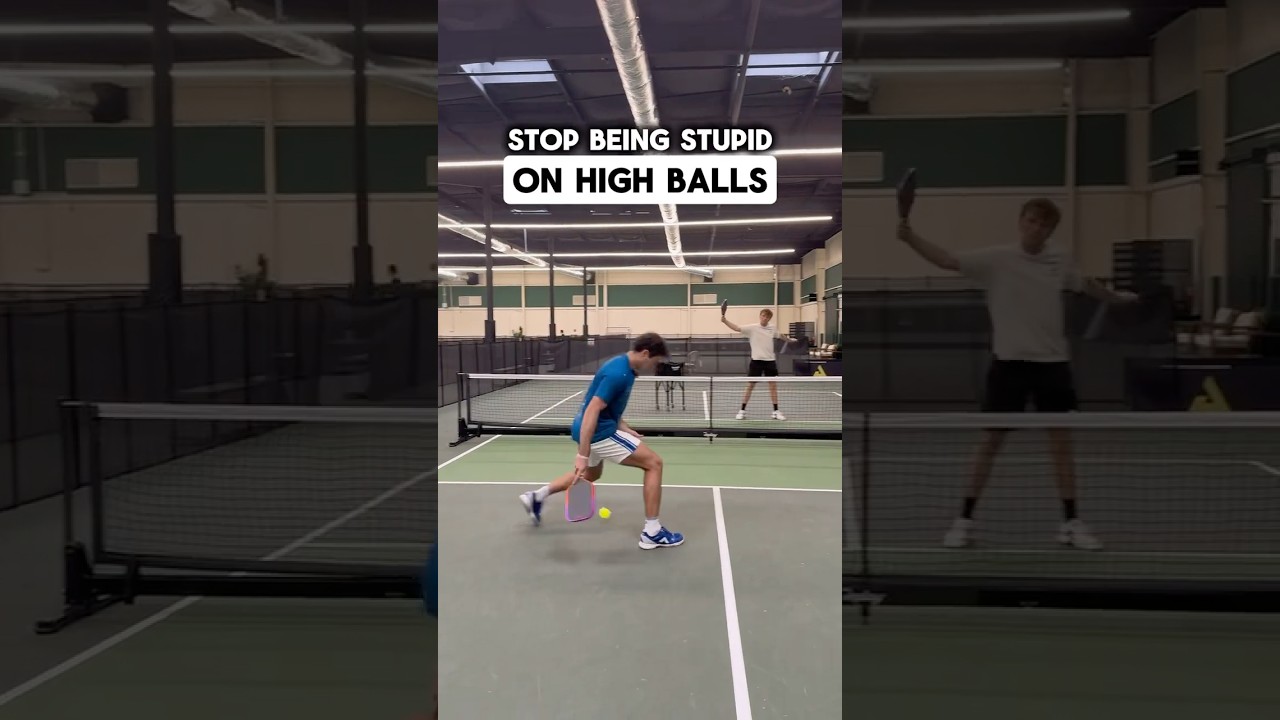
Pickleball High Ball: Find the Backhand Every Time
When a pickleball high ball comes at you, most players guess wrong and pay for it. This one backhand rule tells you exactly where to position every single time.
 The Dink PickleballThe Dink Media Team
Are You Hitting Volley Dinks Without Softening Your Grip?
The volley dink is one of the trickiest shots in pickleball because it looks easy and feels easy until it sails six inches long.
The player in the blue shoes had a moment in the match where he received a low ball and tried to volley dink it back soft.Instead, the ball popped up and floated, giving his opponent a clear attack opportunity.
The reason this happens almost every time is grip pressure.
If you maintain your normal grip tension through a volley dink, even a small amount of paddle movement sends the ball high. Grip pressure is one of the most overlooked controls in the game.On a low volley dink, you want almost no swing at all. The paddle is a wall. Soften your grip, absorb the ball, and let it drop softly over the net.
Any extra movement means an extra pop-up your opponent can finish.
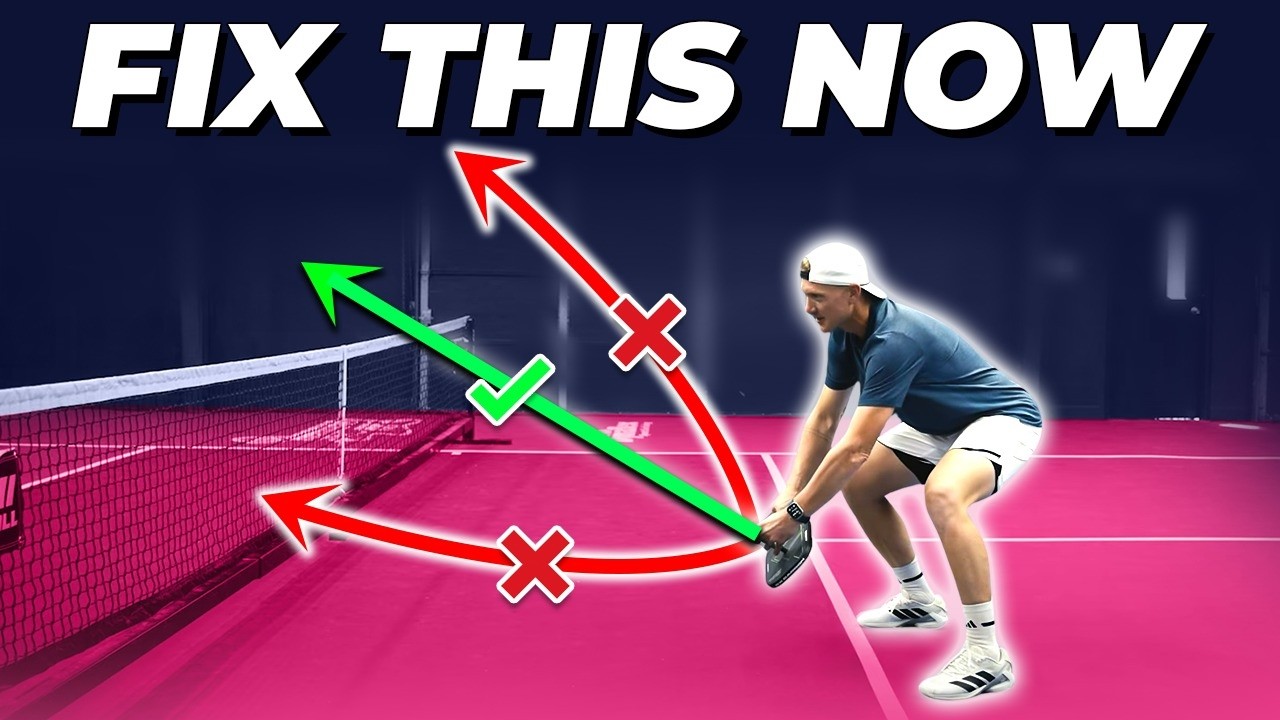
Understand Pickleball Volley Control: Physics & Technique
Pickleball volley control isn’t about luck or natural talent—it’s about understanding two fundamental principles: paddle angle and energy.
 The Dink PickleballThe Dink Media Team
Driving Without Varying Your Targets
Having a great drive is a weapon. Using that weapon the same way every time is a habit that good opponents will solve quickly.
Briones noted that the blue shoes player drove brilliantly throughout the match but kept defaulting to the same locations.First cross court to the body, then down the line to the body again. Predictable patterns let opponents set their feet and counter comfortably.
Good drive strategy includes at least three targets you rotate through:
- The dominant shoulder (chicken wing) of the near opponent
- The middle between both opponents to create confusion
- The feet of the kitchen player to force an awkward reset
Varying your targets keeps opponents guessing, forces errors, and makes even a slightly weaker drive more dangerous.
These six mistakes at the 4.0 level go deeper into how shot selection holds players back.
Forehand Drive in Pickleball: Fix Your Power and Spin
Most players think their forehand drive pickleball mechanics are fine until the ball keeps sailing long or floating back soft. These specific fixes will change that fast.
 The Dink PickleballThe Dink Media Team

Not Driving at All on Short Returns
If you cannot drive the ball, short returns will always feel like a missed gift.
This is one of the biggest separators between 4.0 and below.
When a return lands short, it gives the serving team time to load, step forward, and apply immediate pressure with a drive.Players who can only drop in that situation are choosing to neutralize a free attacking opportunity.
Briones made this point clearly: even if a drive on a short return goes wide or long, the pressure it creates often forces errors regardless.
That's how much value a well-placed drive produces even when it doesn't land perfectly.If your drive needs work, this guide to fixing your forehand drive power and spin covers the mechanics worth drilling first.
And if you want to see exactly what the 4.0 level looks like from every angle, this full breakdown of every pickleball skill level from 3.0 to pro gives you a clear map of what to work toward.
Being aggressive early, varying your targets, staying relaxed under pressure, and keeping your base stable are not advanced concepts.
They're the habits that define consistent 4.0 play. You probably have more of these bad habits than you think.The good news is that every one of them is fixable. Most of them can start changing in your very next session if you know what to look for.
Filming yourself playing is one of the fastest ways to spot and correct these patterns before they get more expensive.
Pick one habit from this list and make it your single focus for the next three sessions. That's how the improvement actually sticks.
💡
Heads up: hundreds of thousands of pickleballers read our free newsletter.
Subscribe herefor cutting edge strategy, insider news, pro analysis, the latest product innovations and more.
Frequently Asked Questions
What is the most common bad pickleball habit at the 4.0 level?
Driving to the wrong location is the most common mistake at 4.0. Most players default to the body or backhand of their opponent, which produces easy counters instead of attacking the dominant shoulder where control is harder to maintain.
Why does my pickleball counter keep going out?
Your counter is most likely going out because your paddle face is opening toward the ceiling and your base is rising off the ground during the swing. Shorten your backswing, stay low in your knees, and keep your grip relaxed so the paddle face stays neutral through contact.
When should I advance to the kitchen during a rally?
Advance to the kitchen only when the ball you or your partner just hit is low enough that your opponent cannot attack it comfortably. If the ball is bouncing up to net height or higher on their side, hold your position and reset first before moving forward.
What is a split step in pickleball and why does it matter?
A split step is a small hop or weight transfer that lands just as your opponent makes contact with the ball, allowing you to push off in any direction quickly. Without it, your feet are still moving when the ball arrives, which leads to late, off-balance swings and missed counters.
How do I stop popping up my volley dinks?
Soften your grip pressure significantly before making contact and eliminate as much swing as possible. On a low volley dink especially, you want the paddle to act as a wall, absorbing the ball and letting it drop gently over the net with zero extra paddle movement.
Anuncie Aqui / Advertise Here
Sua marca para o mundo Pickleball! / Your brand for the Pickleball world!






 English (US) ·
  Portuguese (BR) ·