
 English
  Spanish
  Portuguese
  German
  Italian
  Japanese
  French
  Polish
  Russian
  Netherlands
  Hungarian
  Turkish
  Videos
  Thedink Pickleball

Most players don't need new shots to improve their pickleball game. They just need to stop making the same pickleball mistakes that are quietly costing them points every match.
Every pickleball mistake you make on the court has a fix.
The problem is most players keep searching for a new shot to add instead of cleaning up the ones they already have.
If your game feels stuck, the answer is almost never more shots. It's better execution of the shots you're already attempting.These seven fixes come from Cam Luhring on YouTube, a pro-level competitor and coach who has seen the same errors repeat across hundreds of players at every skill level.
Here's what he flagged and exactly what to do instead.
Love pickleball? Then you'll love our free newsletter. We send the latest news, tips, and highlights for free each week.
Mistake 1: Chasing the Perfect Drop Instead of Hitting a Drip
The obsession with a textbook third shot drop is actually hurting most amateur players.
If you can hit a consistent drop nine out of ten times, that is far more valuable than a perfect drop that only lands five out of ten times.
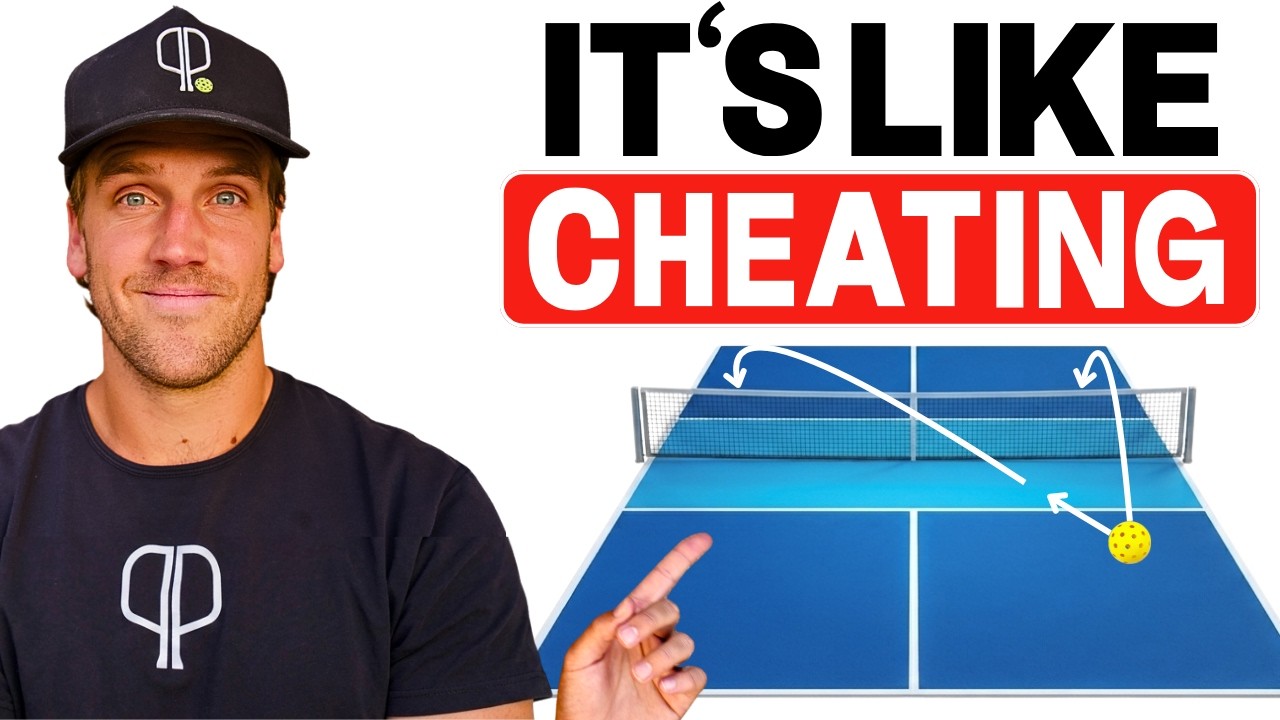
Cam calls the better alternative the drip. It is not a full drive and it is not a soft drop. It sits right between them.The drip uses a shortened backswing with an extended follow through.
The goal is not to bounce the ball. The goal is to keep it so low over the net that your opponent is forced to hit upward on their next shot.When you can do that consistently, you create a much easier fifth shot situation for yourself. That is pressure through consistency, not perfection.
For more on mastering this shot, read about the third shot drip and the three steps to master it.
Mistake 2: Using the Same Swing Speed Start to Finish on a Drive
When players go for a third shot drive, they tend to swing at a single, constant pace from backswing to finish. That approach kills both control and power.
The fix is straightforward. Use a slow, controlled backswing and then accelerate through the follow through.Acceleration on the follow through gives you the pace you want without forcing you to swing wild from the start.
It keeps the shot compact where it needs to be and explosive where it counts.
💡
Need some new pickleball gear? Get 20% off select paddles, shoes, and more with code THEDINK at
Midwest Racquet SportsMistake 3: Rushing Through the Transition Zone
Most players treat the transition zone like a place they need to escape as fast as possible.
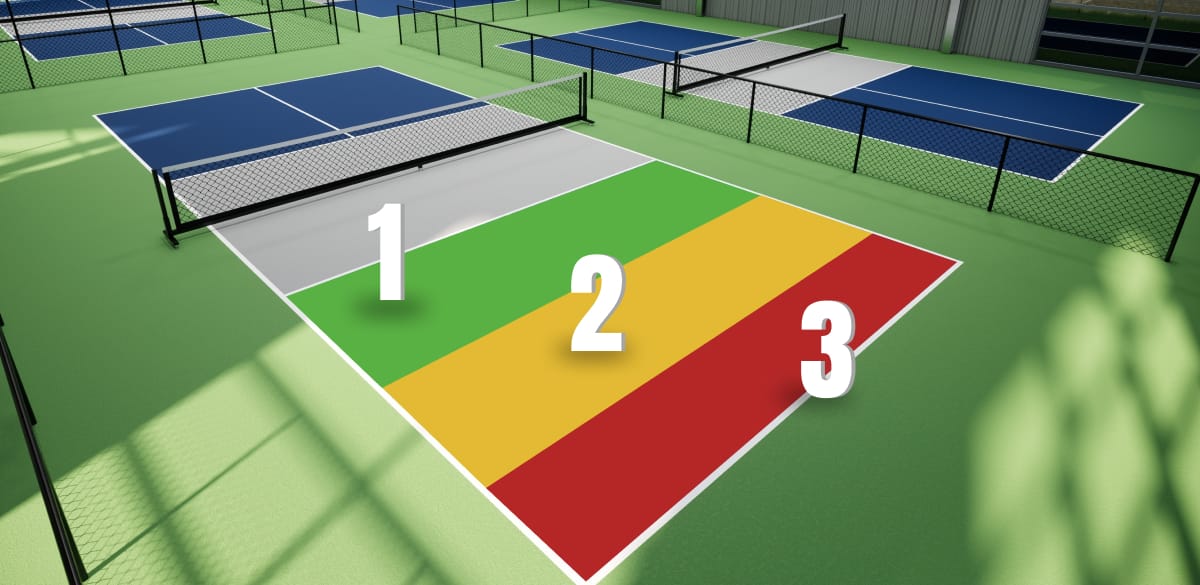
That mindset causes them to sprint forward at the wrong moment and eat a ball at their feet.The smarter approach is to read where your opponent is making contact. Cam uses a simple color system to make this decision faster:
- Green zone: Ball is well below the net on your opponent's side. Move forward freely.
- Yellow zone: Ball is near net height. Use caution and read the shot before moving.
- Red zone: Ball is attackable height. Stop, reset, or be ready to defend.
If your opponent is making contact below the net, they cannot attack you aggressively.
That is your signal to keep moving in. If they try to attack from that position, you can punish it.The ball does not always need to bounce for you to advance. Watch the contact point, not just the ball flight.
This connects directly to understanding the three keys to mastering the pickleball transition zone.
Pickleball Strategy for the Three Zones of the Court
Improve your pickleball court strategy by understanding the three court zones—baseline, transition zone, and kitchen—and when to attack or reset.
 The Dink PickleballEric Roddy
Mistake 4: Dinking Without a Purpose
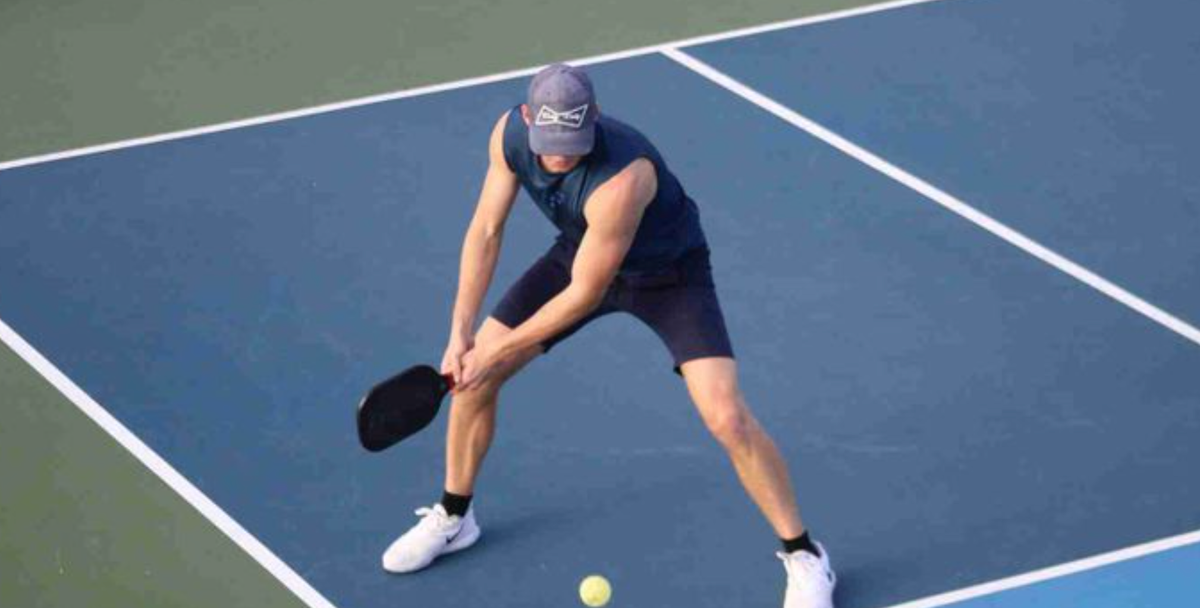
Targeting the same player on every dink rally is one of the most punishable pickleball mistakes in recreational play.
It works at lower levels. As opponents improve, predictability becomes your biggest liability.Never dink to the same spot more than twice in a row. Move the ball around, change your angles, and make your opponent guess.
The closer you are at the kitchen, the more damaging unpredictability becomes.
A well-placed dink with direction and variety forces more errors than grinding crosscourt to one person.
Pickleball Dinking 101: What It Is and Why It Matters
Learn what a dink is, why dinking wins points, and how dinking in the kitchen transforms your game in 2026 and beyond
 The Dink PickleballThe Dink Media Team
What Should You Ask Before Every Attack?
Mistake five is attacking the wrong ball, and it happens constantly at every level below 5.0.
Cam breaks the decision into three questions you should ask before you swing.
- Ball: Is it in the green zone above net height, or too low to attack cleanly? Only go after balls that give you a legitimate angle down.
- Body: Are your feet set? Attacking off your back foot is a losing play almost every time. You want to be planted and leaning slightly forward.
- Opponent: Are they out of position? Leaning too far forward, pushed back, or off the line is your window. A balanced, ready opponent is not a target.
All three need to line up before you pull the trigger. If one is off, reset and wait for a better ball.
This ties directly into using height targets to improve your shot selection.
Attacking in Pickleball: 3 Things You’re Doing Wrong
Most pickleball players focus on hitting harder when they should focus on hitting smarter. Travis Rettenmaier reveals the 3 critical mistakes holding back your pickleball attack and how to fix them immediately.
 The Dink PickleballThe Dink Media Team
Mistake 6: Swinging Big When the Point Gets Fast
When a hands battle breaks out, the instinct for most players is to swing harder. That is exactly backwards.
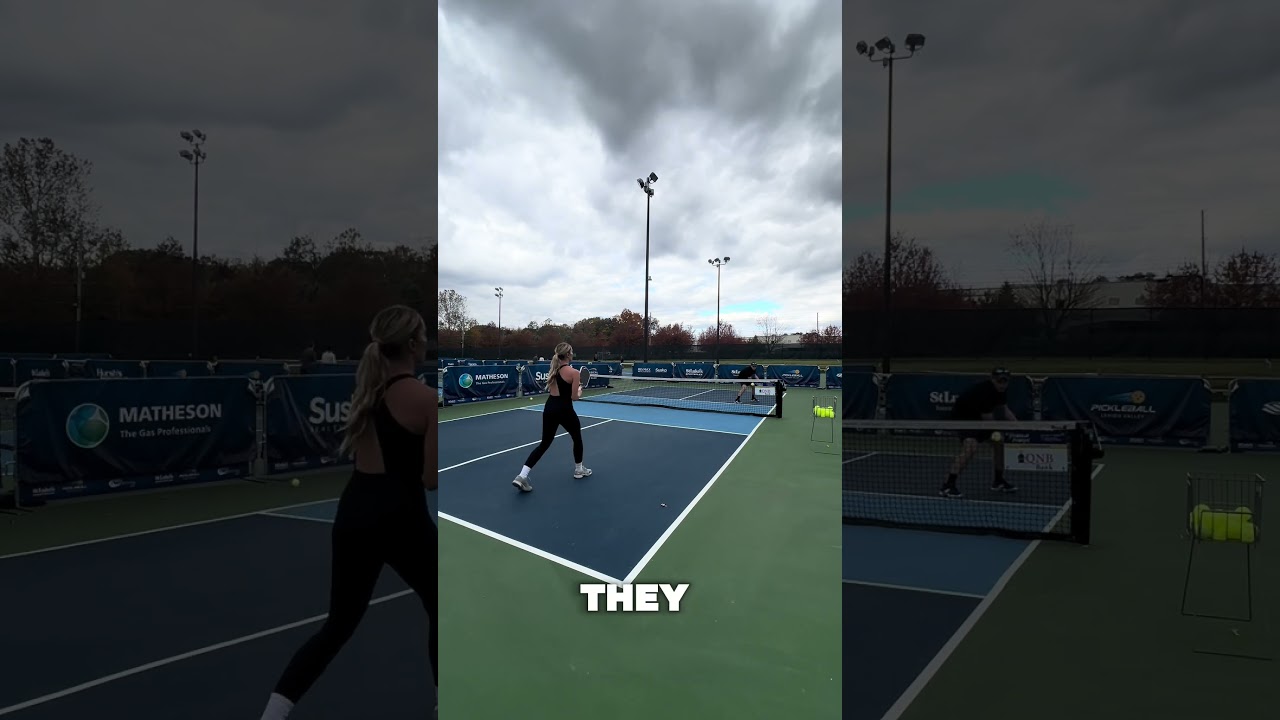
The pace is already on the ball. Your job in a fast exchange is to redirect it, not generate more speed.Shorter and more compact swings win hands battles. Big swings lose them.
Gabe Tardio is one of the best in the world at this. Watch his hands battles and you will notice his paddle almost never goes behind him.
It stays in front of his body, controlled and ready.
The mechanical key is keeping your elbow tucked and moving only your wrist.
A wrist-driven compact swing is actually faster to execute than a full arm swing, and it gives you far more control over placement.Understanding how to win a pickleball hands battle starts with this exact adjustment.
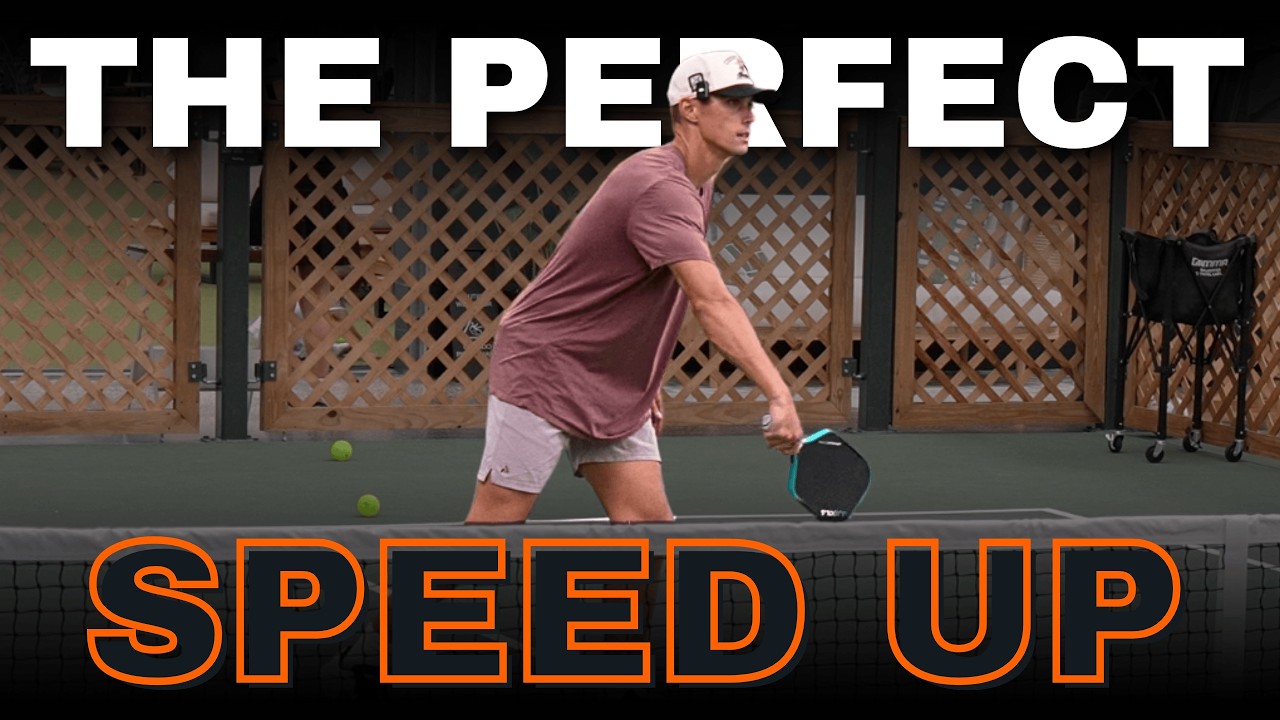
You can also study the frustrated speed up and why it backfires to see the wrong version in practice.
Pickleball Dinking 101: Small Swings, Big Results
You’re not trying to hit winners from the kitchen. You’re trying to create situations where your opponent makes a mistake or gives you a ball you can attack
 The Dink PickleballThe Dink Media Team
Is Expecting the Ball Back Really That Important?
Yes. Mistake seven sounds mental, but it has real mechanical consequences.
Most players stop moving and stop preparing the moment they think they have hit a winner.
The rally is not over until the point is actually over.
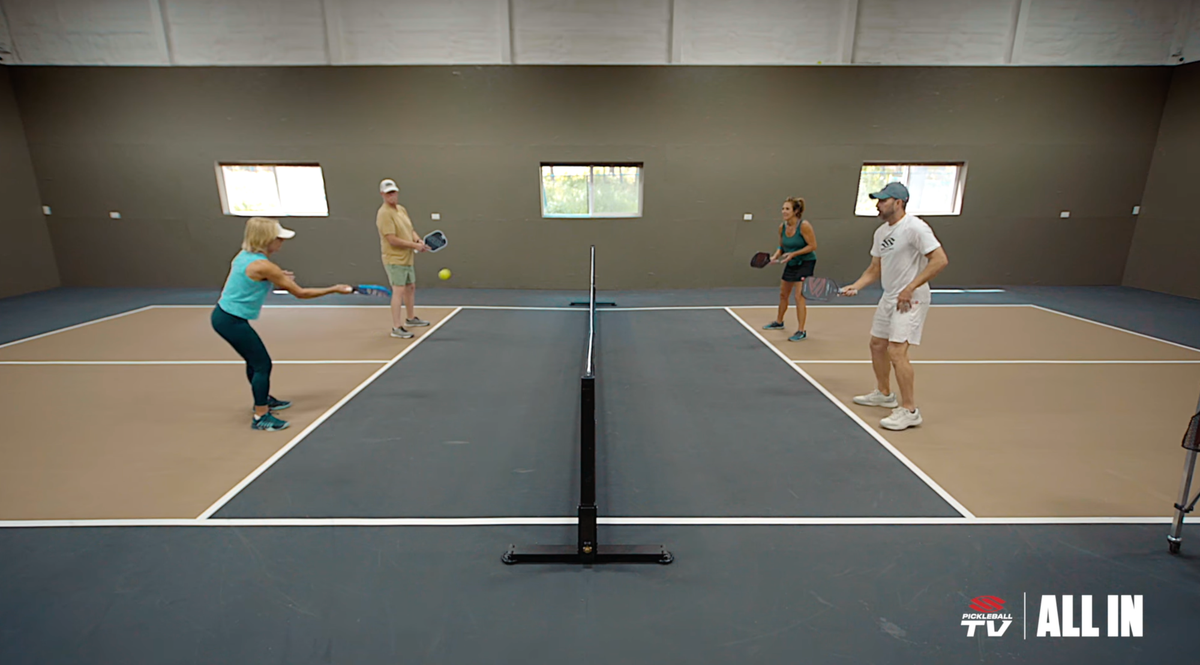
Pickleball is a chess match, not a series of individual shots. Your opponent will get balls back that look impossible. Expect it, and you will be ready when it happens.Even on an overhead with opponents at the baseline, the goal is not to end the point with that one ball.
It's to set up an easier attack next. Think one shot ahead, not one shot at a time.This mindset connects to the broader strategies that pros use every game, and it pairs with what separates elite pro pickleball players from everyone else.
Pickleball Shot Selection: Ball Height & Court Positioning
Advanced pickleball means constantly analyzing the height of the ball and the court positioning off all four players in real time – and keeping this one rule sacred: just because you can hit a more aggressive shot doesn’t mean you should
 The Dink PickleballEric Roddy
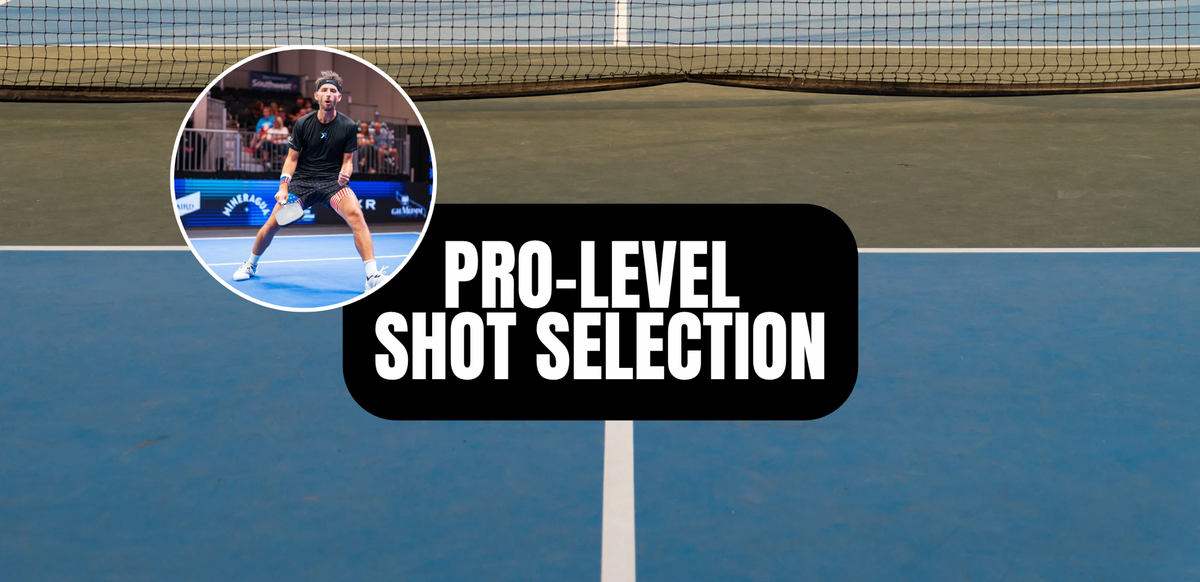
Putting It All Together
Seven mistakes. Seven fixes. None of them require a new shot.
The drip gives you a more reliable third shot. Accelerating your follow through adds control to your drive.
Reading the transition zone tells you when to move and when to hold.Varied dinking keeps opponents off balance. The three-question attack filter keeps you from going after bad balls. Compact swings win fast exchanges.
And expecting the ball back keeps you in every point until it is actually finished.
Work through the right types of drilling and these corrections become second nature faster than you think. To find your honest starting point, check every pickleball skill level explained from 3.0 to pro.
Better pickleball is not about adding. It is about fixing what you already have.
💡
Heads up: hundreds of thousands of pickleballers read our free newsletter.
Subscribe herefor cutting edge strategy, insider news, pro analysis, the latest product innovations and more.
Frequently Asked Questions
What is a third shot drip in pickleball?
The third shot drip is a middle-ground shot between a full drive and a soft drop. It uses a shortened backswing and an extended follow through to produce a low, fast ball that forces your opponent to hit upward. The goal is not to bounce the ball but to keep it below net height so you can advance and find a better fifth shot.
When should you attack in a dink rally?
You should attack when three things line up: the ball is in the green zone above net height, your feet are set and you are balanced, and your opponent is out of position or off balance. If any one of those conditions is missing, resetting or redirecting is usually the smarter play.
Why do big swings fail in a hands battle?
Big swings take more time to execute and reduce your control over placement. In a fast exchange, the pace is already on the ball, so your job is to redirect it with a compact, wrist-driven motion. Players like Gabe Tardio keep the paddle in front of the body at all times, which is why their hands battles look effortless.
How do you move through the transition zone without getting burned?
Watch where your opponent makes contact with the ball. If contact happens below the net, their attack options are limited and you can safely move forward. If the contact point is at or above net height, slow down and be ready to defend before committing to the kitchen line.
Why is dinking to one player a bad strategy?
Targeting one player repeatedly makes your dink game completely predictable. As opponents improve, predictable dinking gets picked apart because they can anticipate your placement and set up their attack. Varying your targets and angles forces opponents to stay honest and creates more opportunities for unforced errors on their side.
Anuncie Aqui / Advertise Here
Sua marca para o mundo Pickleball! / Your brand for the Pickleball world!




 English (US) ·
  Portuguese (BR) ·