
 English
  Spanish
  Portuguese
  German
  Italian
  Japanese
  French
  Polish
  Russian
  Netherlands
  Hungarian
  Turkish
  Videos
  Thedink Pickleball

Most beginners struggle not because they lack power, but because they repeat the same pickleball mistakes over and over without realizing it. Pro player Michael Loyd reveals the seven habits quietly holding players back and exactly how to fix them.
Here's something that separates true beginners from players who are actually improving: most people repeat the same pickleball mistakes over and over without even knowing it.
- It's not about power.
- It's not about missing every ball.
- It's about the habits that quietly hold you back, match after match, week after week.
Michael Loyd, a pro pickleball player and coach, can usually tell within two rallies whether someone is genuinely stuck or ready to level up.
And the difference almost always comes down to seven specific pickleball mistakes that beginners make without realizing it.
The good news? If you fix even two of them today, your game will jump immediately.
Love pickleball? Then you'll love our free newsletter. We send the latest news, tips, and highlights for free each week.
Mistake 1: Too Much Wrist on Defensive Shots
The biggest pickleball mistake beginners make on resets and dinks is introducing too much wrist movement when they're off balance or pulled wide.
When you flick, roll, or wave your wrist as a last-second adjustment, you're adding variables you can't control.
The ball pops off. Your opponent gets an easy offensive opportunity.
Here's the thing: your wrist isn't your power source in pickleball. Your legs, shoulders, and balance are.
When you're resetting the ball, think stable paddle, soft hands, and using your legs to absorb the contact.
If you reduce your wrist movement by even 50 percent, your resets immediately get cleaner and more consistent.
Michael Loyd demonstrates this constantly in coaching. Players get pulled wide, panic slightly, and instinctively try to save the shot with a wrist flick.
Instead, keep your paddle still and let your lower body do the work.
The more stable your paddle face, the fewer errors you'll make.Mistake 2: Serving Without a Target
Most beginners just serve the ball in. That's the entire goal: get it in the box. But you're wasting the only shot in pickleball you control 100 percent.
Every single serve should have intent behind it.
- Are you serving to your opponent's backhand?
- Are you serving deep to the middle?
- Are you pushing someone wide?
When you serve randomly, you're letting your opponent get comfortable and dictate the point from the return.
When you serve with purpose, you're already starting the point with a small advantage.
You don't need power. You need intention.💡
Need some new pickleball gear? Get 20% off select paddles, shoes, and more with code THEDINK at
Midwest Racquet SportsMichael Loyd recommends picking a specific target before you even step up to serve. Maybe it's a hula hoop-sized target down the middle.
Maybe it's your opponent's weaker forehand. The key is having something concrete in mind, not just aimlessly hitting it into the box.
One subtle but important detail: don't give away where you're serving by moving in the service box. If you're aiming for the T, don't shuffle over there before you hit.
Keep your positioning neutral, pick your target, and execute. This way, your opponent has to react rather than anticipate.
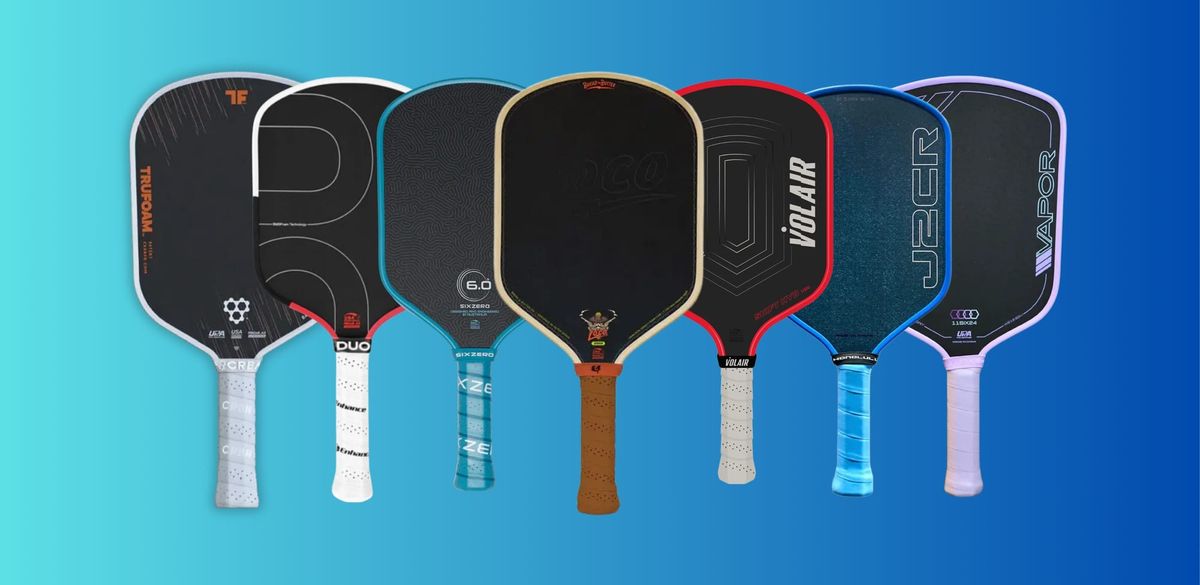
7 Hybrid Pickleball Paddles that Blend Power and Control
None of these are lacking in the oomph department. But their foam cores and hybrid shapes combine to offer more stability, control, and feel when it matters most.
 The Dink PickleballAlex E. Weaver
Mistake 3: Avoiding the Middle of the Court
The middle of the court is the safest and most effective place in doubles pickleball. The net is lower there, which means more margin for error.
It also forces your opponents to make a decision about who's taking the ball, which creates confusion and hesitation.
But beginners avoid the middle. They stay in crosscourt rallies because that's what they've been taught, or they go down the line to switch things up.
They're missing a massive opportunity.
If you start using more middle dinks, you'll force your opponents to move side to side between their forehand and backhand, which disrupts their rhythm and comfort.
Another great time to use a middle dink is when you're getting pushed around and need to neutralize the point.
If you're stretched out wide and your opponent is winning the rally, hitting across your body down the line often leads to errors.
The middle is a safe zone that lets you reset and get back into the point.
Middle Coverage Pickleball: The 4th Shot Rule
The player already at the non-volley zone line should always take the middle 4th shot, not the returner moving forward from the baseline.
The Dink PickleballThe Dink Media Team

Mistake 4: Sitting on Your Preferred Counter
This pickleball mistake is subtle, but Michael Loyd sees it constantly. Some players camp on their backhand because they think they counter faster there.
But the ball is actually coming to their forehand. They're reacting to their own preferences, not to where the ball is actually going.
You have to read the ball first.Your paddle should start in a neutral position, then adjust based on where the ball is actually coming from.
Think about angling your paddle tip toward the action. Straight ahead means straight paddle. Crosscourt means diagonal paddle tip.
If you're setting up based on your own preferences rather than the actual court situation, you're already behind.
Let the tip of your paddle follow the ball at all times.
This puts you in the correct position to counter based on what's actually happening, not what you prefer.
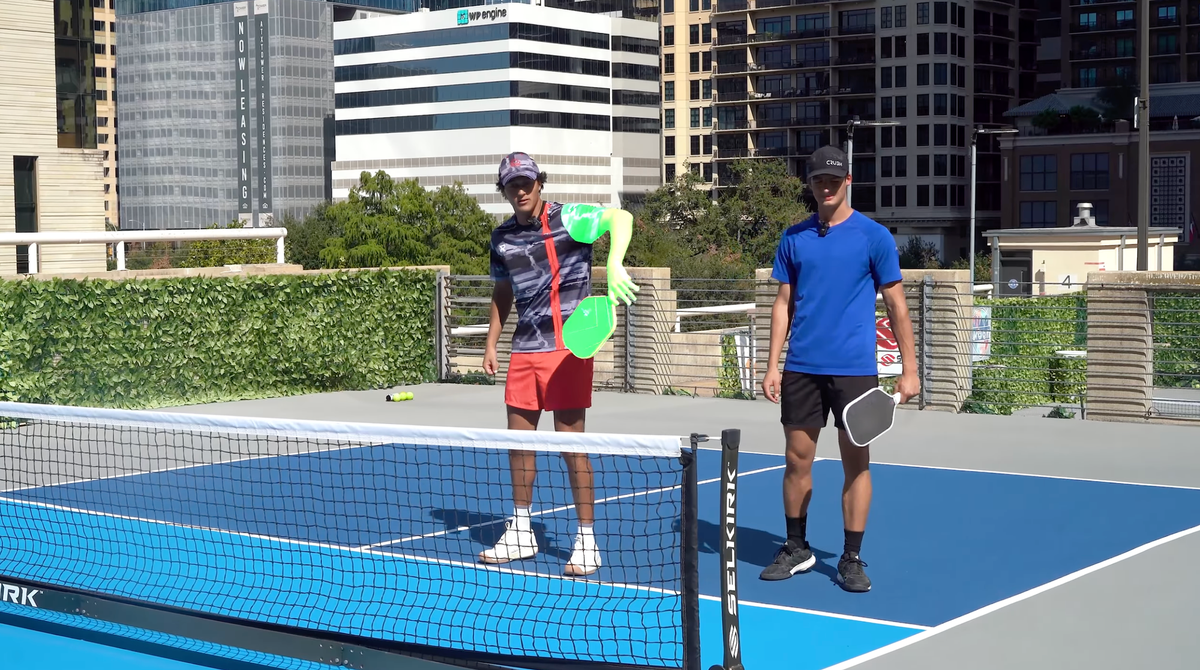
How Sitting Neutral Can Transform Your Counters and Chop the Chicken Wing for Good
Instead of committing to one side, tuck your elbow and stay balanced in the middle. This way you can react to where the ball actually goes.
The Dink PickleballAlex E. Weaver
Mistake 5: Too Much Extension on Speed-Ups
When beginners speed up the ball or react to an attack, they take massive swings with big extension, big follow throughs, and big commitment.
If the ball comes back, they're too late to recover. Pros don't swing big in hand battles. They punch short, compact, and explosive.
The smaller your swing, the faster your recovery.Think about tucking your elbows in, locking your wrist, and recovering to neutral quickly.
If you shorten your counter by even a few inches, your hand speed improves immediately.
Too much extension also applies on the backswing. If you take a big cut at the ball before you speed up, your opponent knows exactly what's coming.
Instead, be compact, short, and punchy. Watch players like Ben Johns who are snappy in this position and able to get back for the next ball instantly.
Why Your Pickleball Speedups Fail (and How to Fix Them Like a Pro)
Think of it like a jab in boxing: it’s quick, it’s deceptive, and it sets up the knockout blow
The Dink PickleballThe Dink Media Team

Mistake 6: Swinging at Crosscourt Out Balls
Crosscourt balls travel farther than down-the-line attacks.
A pickleball court is two feet shorter across than it is long, which means a lot of crosscourt balls are going out. But beginners panic and swing at everything.
- You have to start reading trajectory early. If the ball is rising and drifting, there's a good chance it will land wide.
- Letting balls fly out is a skill, and once you trust your read, you'll steal free points without even hitting them.
- Understand the geometry of the court. More times than not, your opponent is missing that shot. The sideline is your friend.
Don't swing at balls that are clearly going out just because you're worried about covering the middle or the back of the court.
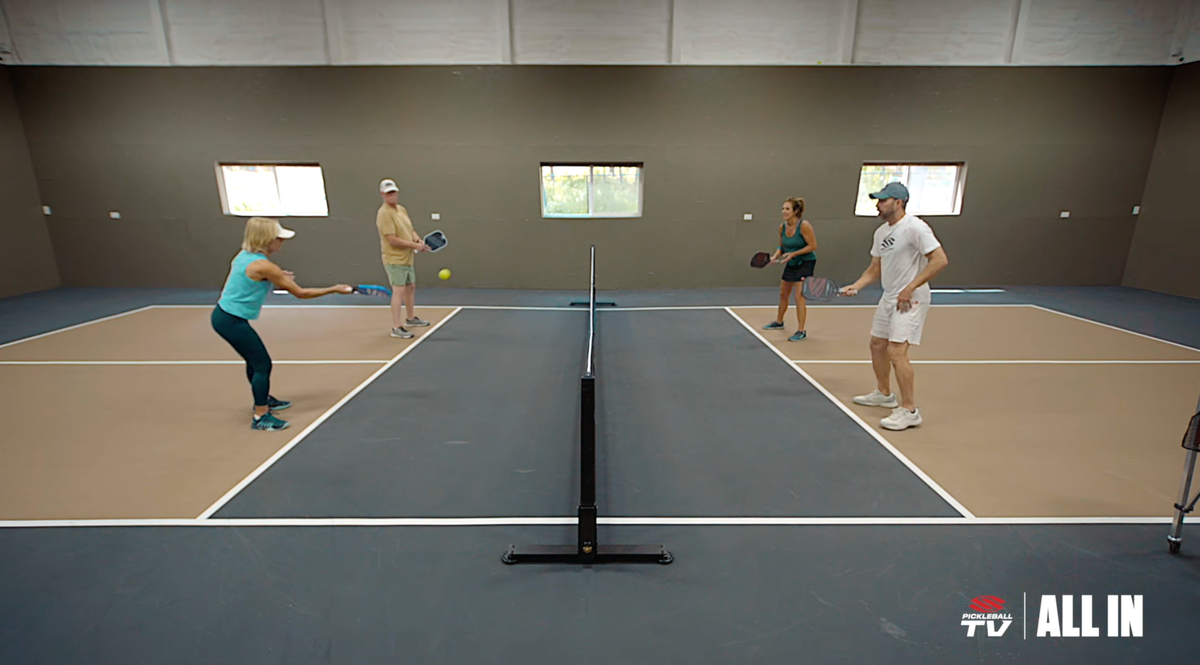
Pickleball Dinking 101: Small Swings, Big Results
You’re not trying to hit winners from the kitchen. You’re trying to create situations where your opponent makes a mistake or gives you a ball you can attack
The Dink PickleballThe Dink Media Team
Mistake 7: Not Tracking How You're Losing Points
This is the biggest pickleball mistake of all. Most players lose the same way for an entire game and never adjust.
- Are you missing dinks?
- Are they targeting your backhand?
- Are you attacking too early?
- Are you leaving your partner out to dry?
If you don't take stock of how you're losing, you'll repeat the same patterns over and over.
Advanced players are constantly making micro adjustments.
You don't need new shots. You need awareness.Michael Loyd emphasizes talking with your partner after each point to identify what went wrong and what adjustment to make next.
- Maybe your third shot selection is putting you in a bad position.
- Maybe a particular opponent has a weapon you keep hitting into.
- Maybe you need to target their partner instead.
The overarching idea is simple: don't lose the same point twice. If you're missing your third shot and you don't make any adjustment, that's a losing recipe.
If you're hitting the same dink over and over and your opponent feels comfortable, you're going to lose that point repeatedly.
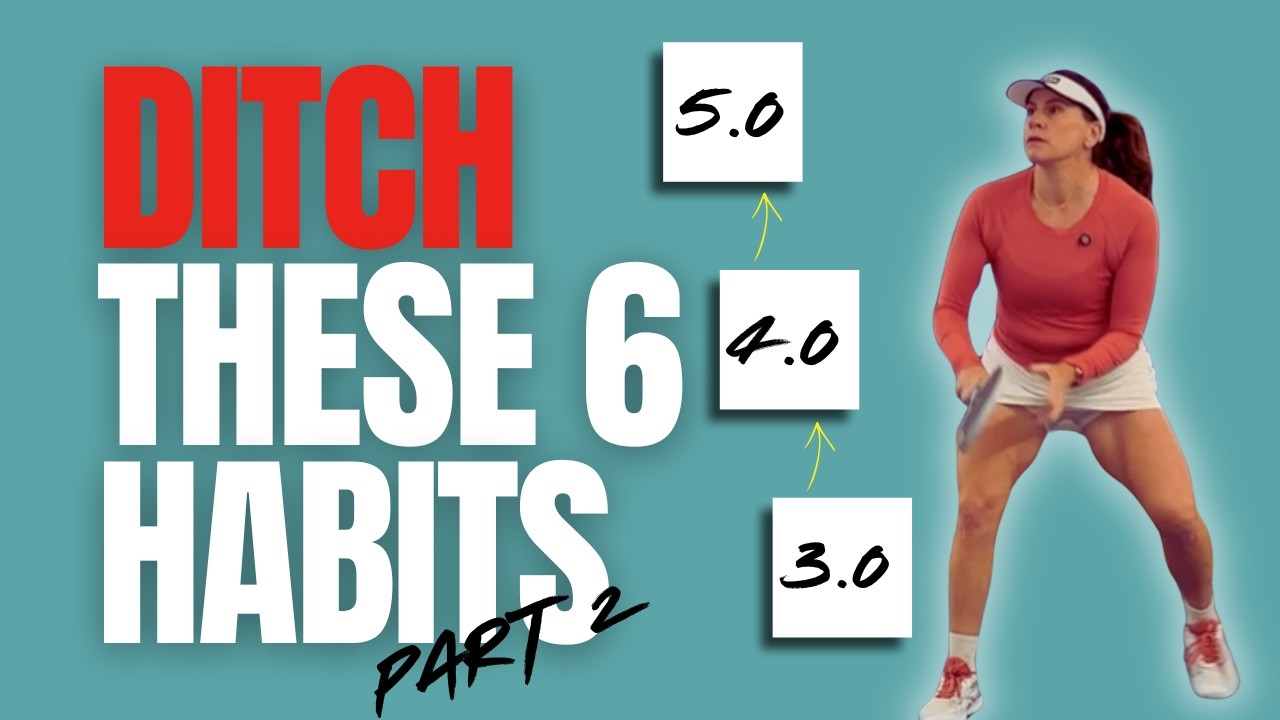
6 Stubborn Pickleball Habits Costing You Points
Pick one this week, work on it during your rec games, and let it become automatic. Rome wasn’t built in a day, and neither is a 5.0 game.
The Dink PickleballThe Dink Media Team
The Path Forward
If you clean up even a few of these pickleball mistakes, your game instantly becomes more reliable.
Once your foundation is solid, working as a team with your partner becomes the next difference-maker.
The goal isn't to become perfect. It's to become aware of what's holding you back and make small, intentional changes.💡
Heads up: hundreds of thousands of pickleballers read our free newsletter.
Subscribe herefor cutting edge strategy, insider news, pro analysis, the latest product innovations and more.
Frequently Asked Questions
What is the most common pickleball mistake beginners make?
Too much wrist movement on defensive shots is the most common pickleball mistake beginners make. When players get pulled wide or off balance, they instinctively try to save the shot with a wrist flick, which introduces too many variables and leads to pop-ups. Stabilizing your paddle and using your legs instead fixes this immediately.
How can I improve my pickleball serve?
The key to improving your serve is serving with intention. Pick a specific target before you serve, whether that's your opponent's backhand, the middle, or a wide position. Don't give away your target by moving in the service box. Keep your positioning neutral and focus on depth and placement rather than power.
Why is the middle of the court important in pickleball?
The middle of the court is important because the net is lower there, giving you more margin for error. It also forces your opponents to communicate and decide who's taking the ball, which creates confusion and hesitation. Using middle dinks disrupts your opponent's rhythm and rhythm is everything in pickleball.
How do I stop swinging at balls that are going out?
Reading trajectory early is the key. If the ball is rising and drifting away from the court, trust that it's going out and let it go. Understand the geometry of your court and recognize that crosscourt balls travel farther. Once you trust your read, you'll save energy and steal free points without even hitting them.
What should I focus on to improve fastest?
Focus on awareness and micro adjustments rather than learning new shots. Track how you're losing points, identify patterns, and make small changes. Talk with your partner after each point about what went wrong and what to try next. Consistency and intentional adjustments beat flashy new techniques every single time.
Anuncie Aqui / Advertise Here
Sua marca para o mundo Pickleball! / Your brand for the Pickleball world!





 English (US) ·
  Portuguese (BR) ·