
 English
  Spanish
  Portuguese
  German
  Italian
  Japanese
  French
  Polish
  Russian
  Netherlands
  Hungarian
  Turkish
  Videos
  Thedink Pickleball

Most players don't need to rebuild their game to get better fast. These 7 pickleball tips from a PPA pro will help you make fewer errors and win more points starting your next match.
Most players who want to improve their pickleball tips game think they need a total overhaul.
You don't. The real gains come from fixing small habits that are quietly costing you points every single match.These seven tips come from Ashley Griffith on YouTube, a professional player competing on the PPA Tour.
She has broken down exactly what separates players who improve fast from those who stay stuck.
Every tip here applies to your next session on the court. No rebuilding required.Love pickleball? Then you'll love our free newsletter. We send the latest news, tips, and highlights for free each week.
Tip 1: Stop Watching Your Shot
Hit the ball and immediately move. That's it.
The moment you stand and admire where your shot went, you've already lost the next one. Pickleball moves too fast for that pause.
If you're dinking at the kitchen line and watching your ball instead of resetting your position, you're going to get caught flat-footed on the very next exchange.
The fix is simple: treat every shot as the setup for the next one. Hit, recover, reset.Repeat that loop every rally and you'll feel more locked in at the net. It's the least glamorous of these pickleball tips and the one that pays off fastest.
Tip 2: Split Before They Hit
If the ball keeps catching you while you're still moving, your split step timing is off.
You need to be finishing your split and getting set before your opponent makes contact, not after.
This is one of the most overlooked fundamentals in the game.Players rush to the kitchen but skip the split, which means they're running through the ball instead of hitting from a stable base.
When you split early, you get low, you get balanced, and you stop reaching. That one change alone will clean up a huge number of errors on your transition balls.
For more on fixing your timing, this breakdown on split step timing goes deep on exactly when to land it.
💡
Need some new pickleball gear? Get 20% off select paddles, shoes, and more with code THEDINK at
Midwest Racquet SportsWhy Are You Still Missing Into the Net?
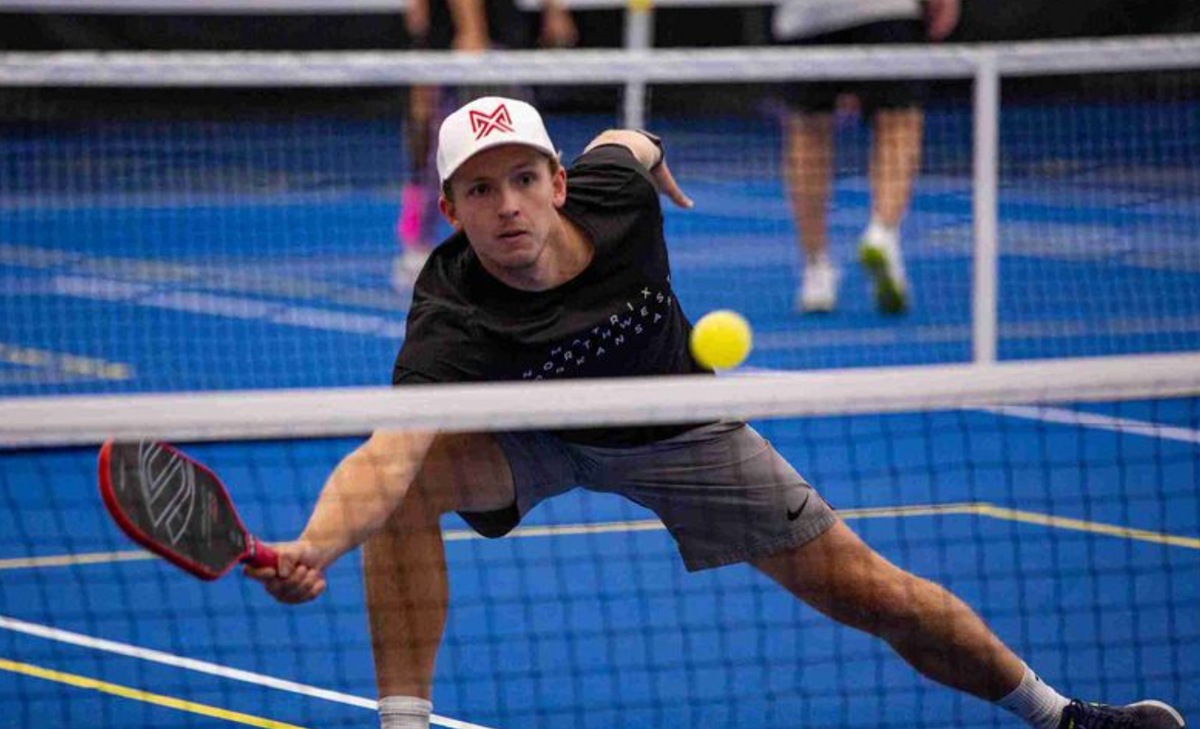
Tip 3 answers that question directly: you're giving yourself no margin over the net.Players obsess over keeping dinks low, and that's correct, but they take it too far.
They aim for an inch over the tape and then miss into the net on a ball they should make nine times out of ten.
Miss high, not low.
A dink that floats up slightly gives your opponent something to deal with. A ball that hits the net ends the point immediately and hands over a free one.
Griffith's rule here is simple: she would rather pop one up and stay in the point than drive it into the tape.Under the official USA Pickleball rules, a ball into the net is dead the instant it lands, so there's no upside to that miss.
Try going an entire match without a single unforced error into the net. You'll be shocked how many points that saves you.
If you're struggling with this specifically, here's why your dink fails in games and what to do about it.
Pickleball Net Height: Official Measurements Explained
Pickleball net height is 34 inches at the center and 36 inches at the sideline posts, and that 2-inch difference shapes every strategic decision you make on the court. Understanding the official measurements gives you an edge whether you’re setting up a court or rethinking your shot selection.
 The Dink PickleballThe Dink Media Team
Tip 4: Hit Your Returns Deeper
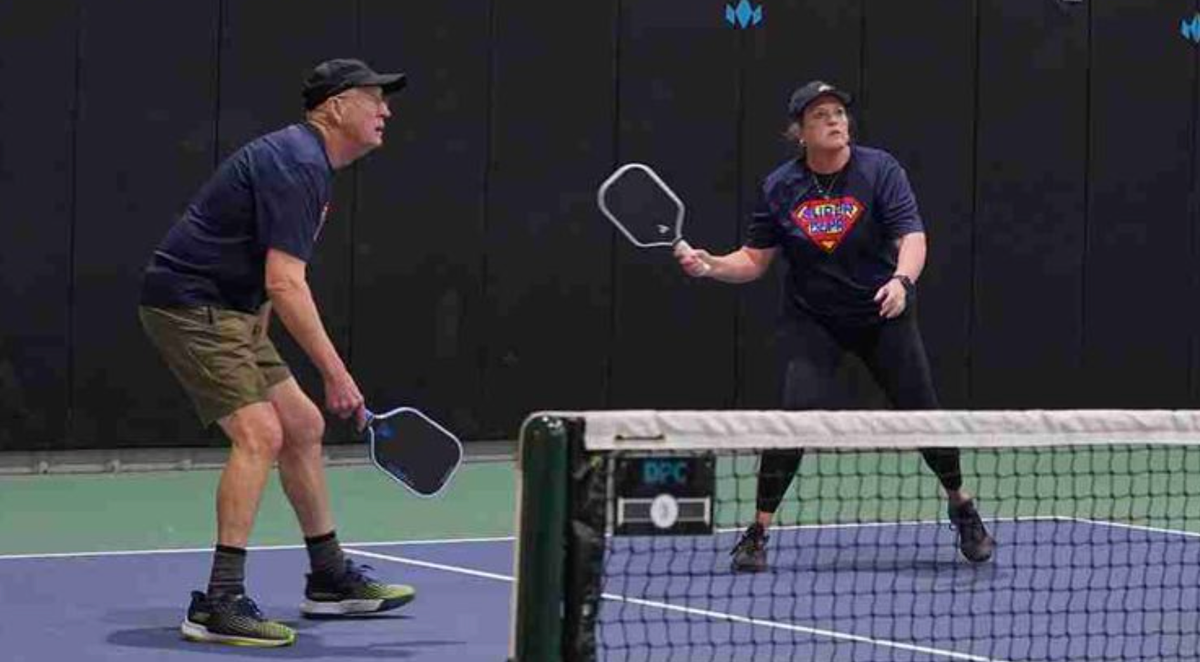
A short return is a gift. You're handing the serving team an easy third shot and starting the point already on defense.
Your job on the return is to make their third shot as hard as possible. That means deep, heavy contact that pushes them back and forces a weaker response.
A short floater gives them the time and angle to pick you apart.Three Pickleball Tips for Hitting Deeper Returns
- Build a solid ready position before the serve comes
- Swing through the ball with a full, committed stroke
- Stay low in your legs and avoid running through contact
This connects directly to what happens on the third shot. The data on whether deep returns win more rallies backs up why depth beats pace here.
Pickleball Return of Serve for Seniors: Save Your Legs
Suffer from heavy legs during late pickleball sets? Discover the simple return-of-serve footwork adjustment designed for players 50+. Eliminate heavy braking, protect your knees, and arrive at the kitchen line balanced and ready without outrunning younger opponents.
 The Dink PickleballThe Dink Media Team
Tip 5: Take More Balls Out of the Air
Backing up and letting dinks bounce is costing you more than you think. Every time you step back, you give your opponent extra time.
Taking balls out of the air does two things at once.
It removes time from your opponent, and it keeps you in an offensive position instead of scrambling off your back foot.
The difference in effort is real. Reaching in to intercept a ball is significantly easier than retreating and hitting from behind the baseline.Stay engaged, stay forward, and look to reach in whenever the ball gives you the chance.
This is one of the pickleball tips that changes your court position more than your technique.
When you're already forward and reading the ball, you'll spot attackable balls earlier and have the position to do something with them.
It ties straight into how ball height should drive your shot selection at the kitchen.
Taking the Ball Out of the Air: 3 Ways to Build Offense
Taking the ball out of the air is the quickest way to turn a passive dink rally into offense. Here is the Protect the Line drill that builds your effective range at the kitchen.
 The Dink PickleballThe Dink Media Team
Is Your Swing Too Big at the Kitchen?
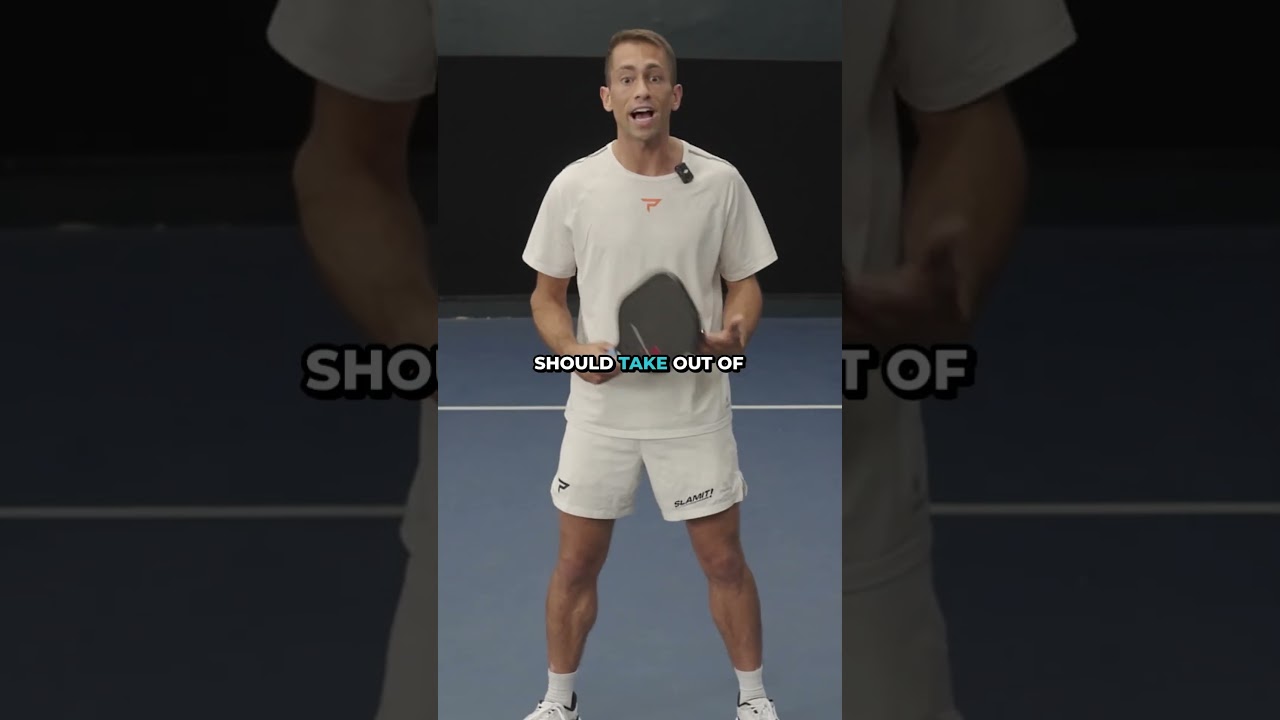
Yes, and it's killing your hand speed. Tip 6 is one of the most counterintuitive things in pickleball: smaller swings equal faster hands.
Players see a fast exchange and think they need to swing harder to compete. That logic gets them beat every time.
- Big backswings slow your reaction time and push you off balance.
- Compact swings kept out in front let you reset faster and get to the next ball.
Griffith makes this point clearly from her own experience on the PPA Tour.
She competes against players who are stronger and have more reach, but her compact, controlled stroke lets her hold her own in kitchen line hands battles because she's ready faster.
What These Pickleball Tips Look Like in Practice
- No big backswing, paddle stays out in front
- Contact made well ahead of the body
- Low base with active footwork between shots
- Short, punchy strokes rather than full swings
To sharpen this further, pro Kyle Koszuta breaks down one key secret for faster hands that pairs well with this concept.
Pickleball Dinking 101: Small Swings, Big Results
You’re not trying to hit winners from the kitchen. You’re trying to create situations where your opponent makes a mistake or gives you a ball you can attack
 The Dink PickleballThe Dink Media Team
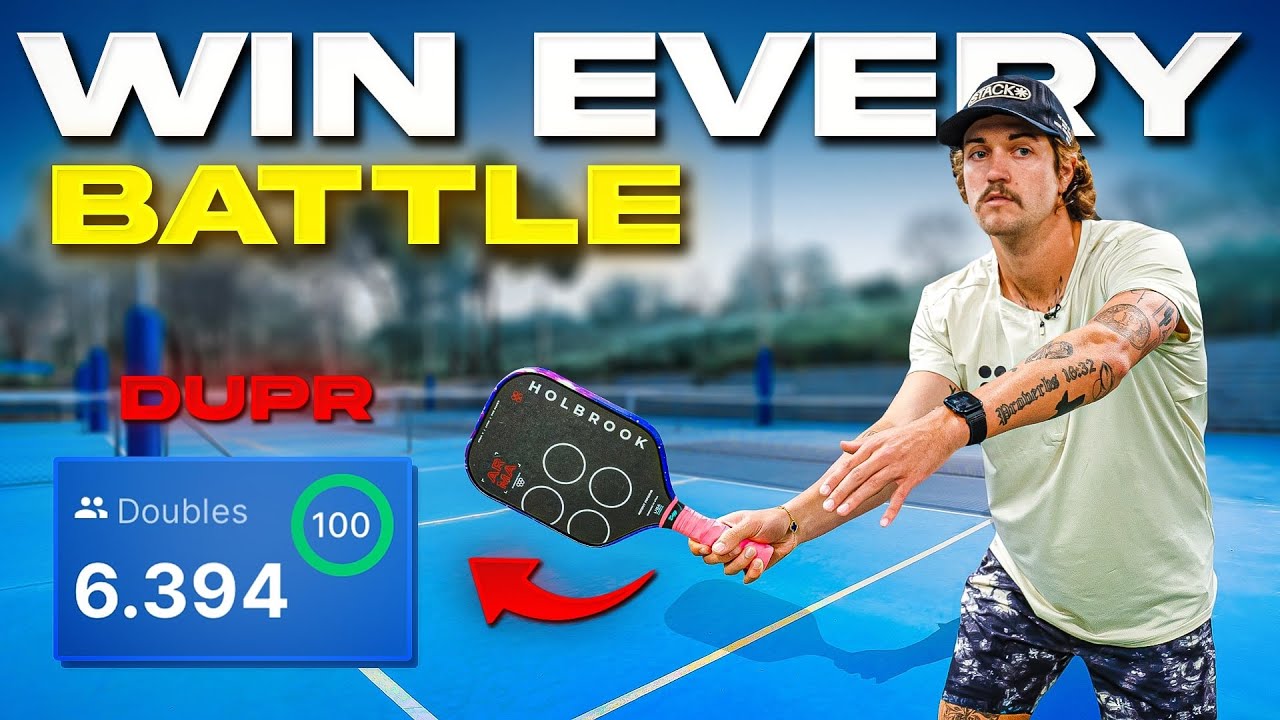
Tip 7: Stop Trying to Win Every Hands Battle
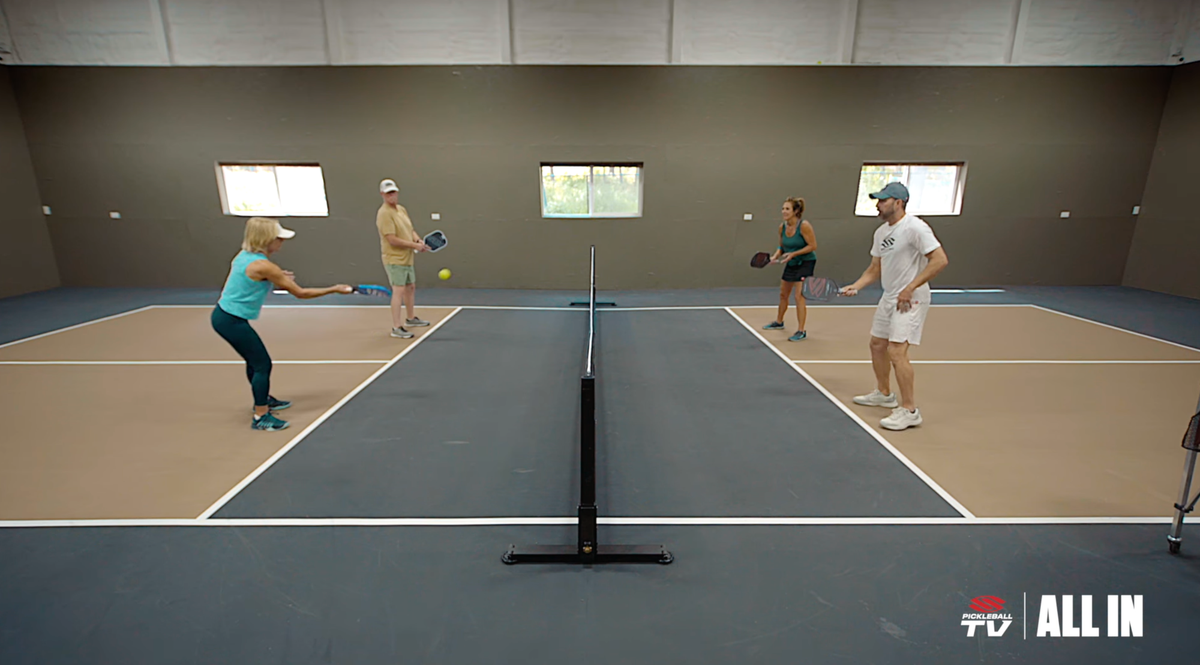
Not every ball that gets sped up at you requires a speed-up back. That mindset is what gets you picked apart.
The best players at the kitchen are making decisions on every single ball. Low ball? Reset it.
Waist height? Counter it. High and fluffy with time to load? Attack it.That read-and-respond process is what separates players who have intention at the net from those who just swing and hope.
Going full blast on every ball is a losing strategy. It's predictable, and a smart opponent will use your own pace against you.Resetting a fast ball is not passive play. It's smart play that keeps you in the point and forces your opponent to try again from a worse position.
When you mix resets, counters, and attacks based on what the ball actually gives you, your kitchen game becomes much harder to read.
For help knowing which shot fits which situation, this shot selection scale gives you a clear framework to use mid-point.
Hands Battle Pickleball: 9 Secrets to Win
Hand battles decide points at the highest levels of pickleball, and most players lose them because they react late or swing too big. Pro player Michael Loyd reveals 9 secrets to winning every hand battle pickleball exchange, from paddle positioning to reading your opponent’s tells.
 The Dink PickleballThe Dink Media Team
Putting It All Together
None of these tips require you to start over. They're adjustments you can make in your very next warm-up.
Here's the full list to keep in your back pocket:
- Hit and recover, don't watch your shot
- Split before your opponent makes contact
- Give yourself real margin over the net
- Drive your returns deep and with intention
- Take balls out of the air to control time
- Keep your hands compact and out in front
- Read each ball and choose the right response, not always the aggressive one
The players who improve fastest are not the ones making the biggest changes. They're the ones who fix the small things consistently.
Start with one tip per session if needed, then stack them as they become habit.
If you want to build on this work with structured drilling, this 90-minute drilling blueprint from a PPA pro gives you a full practice framework to take your game further.And if you want to understand the bigger picture of what separates skill levels, here are five things 6.0 players see that 4.0 players miss.
Small adjustments, applied consistently, are how real improvement happens. Pick one tip from this list and make it your focus today.
💡
Heads up: hundreds of thousands of pickleballers read our free newsletter.
Subscribe herefor cutting edge strategy, insider news, pro analysis, the latest product innovations and more.
Frequently Asked Questions
What does split step mean in pickleball?
A split step is a small hop or weight transfer you make right before your opponent hits the ball, landing with your feet shoulder-width apart in a balanced, ready position. It stops your momentum so you can move in any direction quickly. Most recreational players skip it or time it too late, which is why they feel like they're always one step behind.
Why do my dinks keep going into the net?
You're giving yourself too little margin over the tape. Aim a few inches higher than you think you need to, especially on cross-court dinks where the net is slightly lower at the center. A dink that floats up a bit keeps you in the point; one that hits the net ends it immediately.
How do I get faster hands at the pickleball kitchen?
Shorten your swing. Fast hands come from compact, controlled strokes kept out in front of your body, not from swinging harder. Learning to reset speed-ups is just as important as learning to attack them.
Should I always speed the ball up when I'm in a hands battle?
No. The ball height and position should tell you what to do. Low balls need a reset, mid-height balls can be countered, and high balls with time are your attack opportunities.
Swinging hard on every ball makes you predictable and easy to defend against.
How deep should my return of serve land in pickleball?
Aim for the back third of the court, ideally within a few feet of the baseline. A deep return forces the serving team to hit their third shot from further back, making a quality drop much harder. These serve and return fixes can help if you're struggling to hit with consistent depth.
Anuncie Aqui / Advertise Here
Sua marca para o mundo Pickleball! / Your brand for the Pickleball world!





 English (US) ·
  Portuguese (BR) ·