
 English
  Spanish
  Portuguese
  German
  Italian
  Japanese
  French
  Polish
  Russian
  Netherlands
  Hungarian
  Turkish
  Videos
  Thedink Pickleball

Ever wonder why pros look like they have so much time? It's not some secret technique. It's footwork, positioning, and the willingness to move their feet instead of extending their arm.
Tired of your dinks sailing up when you're stretched out at the kitchen line? Join the club.
Turns out, the issue isn't as much about your touch as it is about your feet.
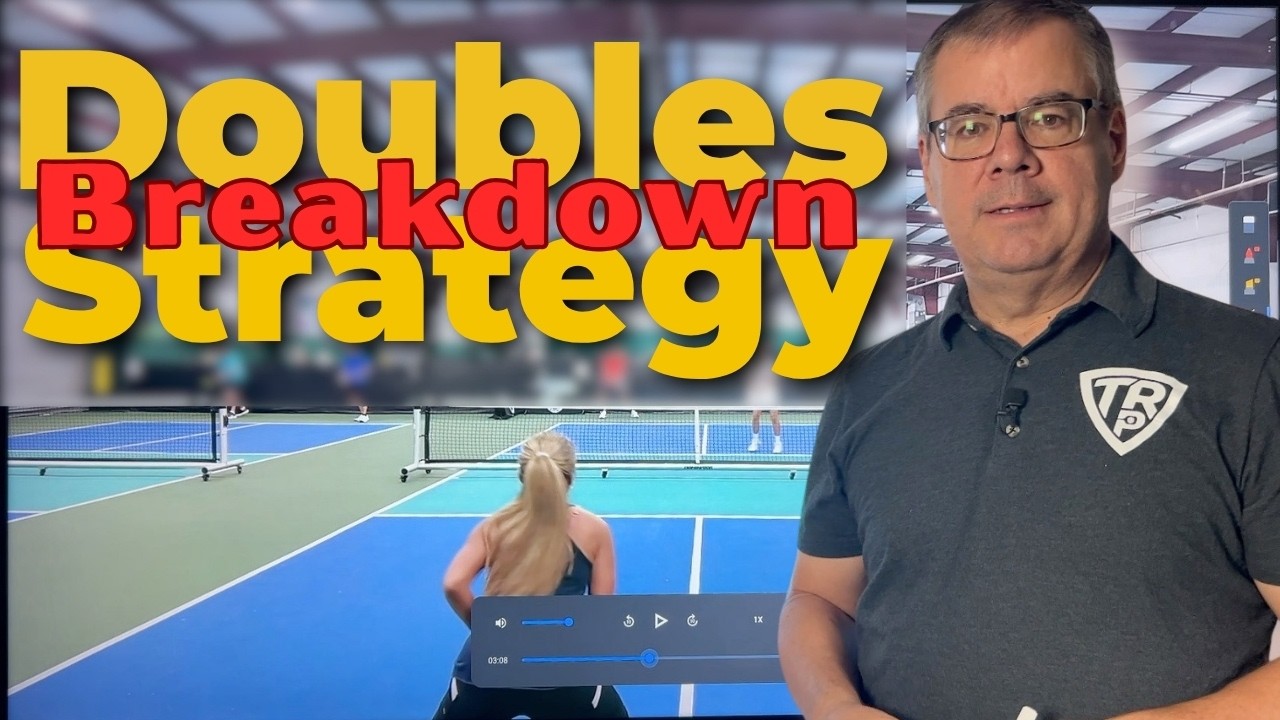
In a new video, APP pro Richard Livornese Jr. breaks down a concept he calls "cornering the ball," a footwork principle that separates players who consistently keep dinks low from those who are constantly fighting pop-ups.
Love pickleball? Then you'll love our free newsletter. We send the latest news, tips, and highlights for free each week.
The Stretch Dink Problem Nobody Talks About
Most players think pop-ups happen solely because they lack touch or finesse. Livornese argues that's only part of the story. The real culprit is hitting the ball outside your feet, what he calls the "stretch dink."
- When your arm extends beyond your body, you lose control over the small adjustments that keep errors at bay.
- You're forced to rely on wrist snaps or arm strength, which makes applying spin nearly impossible and makes the shot harder to control overall.
Think about it this way: when your paddle is six inches to a foot outside your chest, your shoulder feels uncomfortable, right? That same principle applies at the kitchen line. Hitting from that extended position puts you in a mechanically disadvantaged spot, and your body knows it.
So what's the solution? Cornering the ball.
This means getting your outside leg behind the ball before you make contact.
💡
Instead of reaching for a wide dink, you take an extra step, or a cross step if the ball is too far, to position yourself so the ball stays inside your leg when you hit it.
"Always trying to get that extra step," Livornese stresses.
This simple footwork adjustment:
- Gives you space behind the ball
- Keeps your arm in front of your body where you have maximum control
- And allows you to hit from a mechanically sound position
On the backhand side, the concept is straightforward. You get your outside leg behind the ball, and you're hitting from a comfortable zone. On the forehand, it gets slightly more nuanced because you're working with both slice and topspin options. But the principle remains the same: corner the ball, and suddenly you have options.
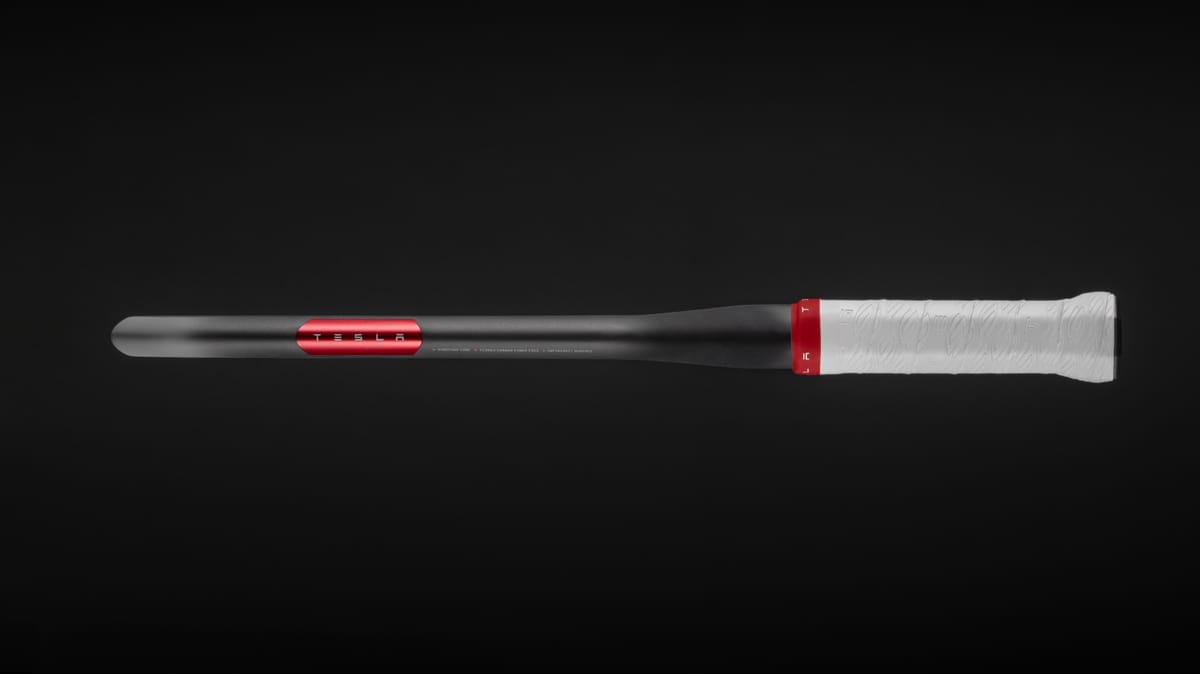
Tesla and Selkirk Made a Pickleball Paddle
Years in the making, the USAP-approved, limited-edition collab nobody saw coming drops today and comes packed with a slew of new tech and features
 The Dink PickleballAlex E. Weaver
Why This Matters More Than You Think
When you corner the ball properly, you can change direction, add deception, and apply aggression, all the things you actually want to do when you're dinking. But from that stretched-out position? Forget about it. You're just trying to get the ball in the court.
The difference is night and day. In his demonstrations, you can see how cornering the ball creates space and options, while the stretch dink leaves him looking reactive and limited.
It's the kind of thing that makes you wonder why more players aren't emphasizing this fundamental adjustment.
💡
Need some new pickleball gear? Get 20% off select paddles, shoes, and more with code THEDINK at Midwest Racquet Sports
Why Higher-Level Players Look Slow
One of Livornese's observations really stands out: people often comment that the game looks slow at higher levels. Players seem to have so much time. But here's the thing, they're not actually playing differently. They're just taking that extra step.
That extra step creates the illusion of time because the player is in a stable, controlled position.- They're not scrambling
- They're not reaching
- They're simply in the right spot.
This is a crucial insight for intermediate players trying to understand what separates them from the next level. It's not some secret technique or advanced spin variation. It's footwork. It's positioning. It's the willingness to move your feet instead of extending your arm.
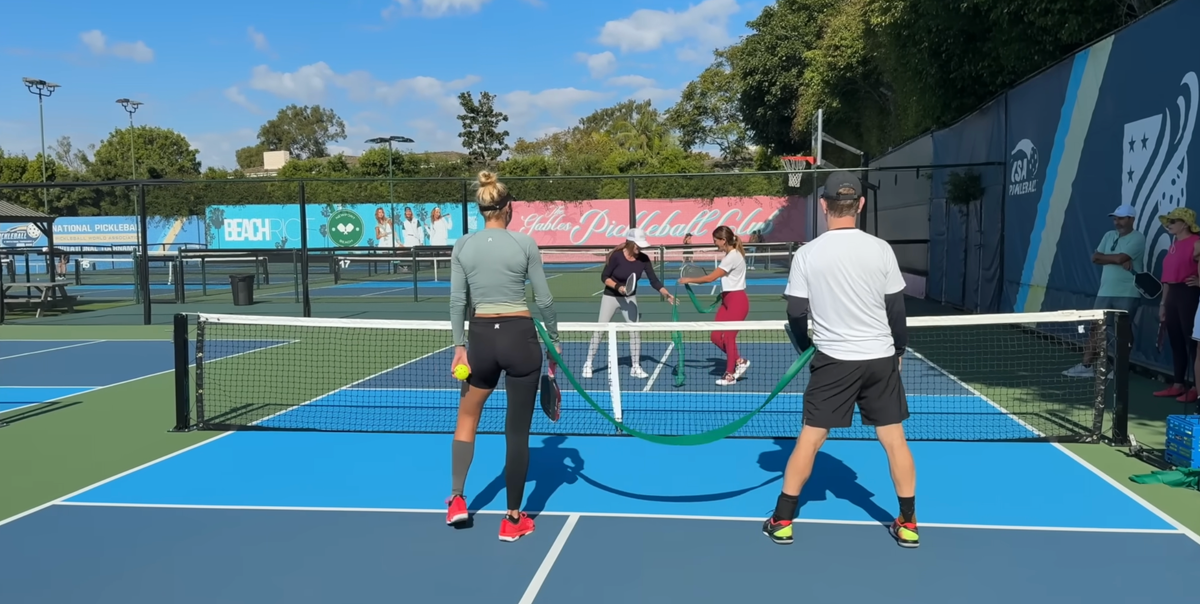
Want the Ball, Hunt the Ball: How to Control the Middle Court in Pickleball
The middle is the most valuable real estate on the court, and controlling it isn’t all about power — it’s about awareness, positioning, and the willingness to hunt.
 The Dink PickleballThe Dink Media Team
One Warning: Don't Jump Back Too Early
Livornese does offer a cautionary note. As players start implementing this concept, they sometimes overcompensate by jumping back immediately when their opponent approaches the dink. That's the opposite of what you want.
"First option is always out of the air," he emphasizes.
You stay up and ready to take the ball early. Only once you see it's going to bounce do you back up. The progression is always forward to back, never back to forward.
So if you're struggling with pop-ups, especially on wide dinks, this video is worth your time. Livornese's approach is refreshingly simple: corner the ball, stay balanced, and suddenly those dinks that were floating up become low, controlled, and unattackable.
Anuncie Aqui / Advertise Here
Sua marca para o mundo Pickleball! / Your brand for the Pickleball world!





 English (US) ·
  Portuguese (BR) ·