
 English
  Spanish
  Portuguese
  German
  Italian
  Japanese
  French
  Polish
  Russian
  Netherlands
  Hungarian
  Turkish
  Videos
  Thedink Pickleball

Most players treat the pickleball speed up as a point-ender. Jack Sock explains why that thinking is outdated and what to do instead.
The pickleball speed up is one of the most misused shots at the recreational level.
Players rip it whenever the ball sits up, the opponent reads it immediately, and the ball comes back even faster than it went over.
The problem is not your speed. The problem is your timing, your target, and your expectations for what the shot is supposed to do.Jack Sock, one of the top professional players on tour, laid out his entire approach to the speed up in a recent video from Selkirk TV on YouTube.
What he describes is not about hitting harder. It is about hitting smarter.
Love pickleball? Then you'll love our free newsletter. We send the latest news, tips, and highlights for free each week.
The Speed Up Is Not a Point-Ender Anymore
Here is the most important thing Jack Sock says in the entire video: the pickleball speed up used to win points outright. That era is over.
Hands at the kitchen line are faster now.
Players at the 4.5 and 5.0 level have trained specifically to counter hard contact.If you go in expecting one shot to end the rally, you are going to get burned.
Sock is direct about it. The speed up is now a setup shot, a first move in a two-shot combination. You are not hitting it to win the point.
You are hitting it to force a bad position and then finishing on the next ball.
This shift in thinking changes everything about how you approach it.
You stop swinging for the fences and start being deliberate about location and what you do immediately after contact.
Where Should You Actually Aim the Speed Up?
This is where most players get it wrong. They go high and center, which is basically a gift.
A ball at chest height in the middle gives a fast-handed opponent every option in the world.Jack Sock points to two specific targets that put opponents in genuinely uncomfortable positions:
- The hip: A ball fired into the hip jams the opponent. They cannot extend, cannot reset cleanly, and tend to pop it up short.
- The shoulder: This creates a similar problem. The swing is awkward, the angle is limited, and the return is almost always predictable.
The goal is not pace. The goal is placement that creates a weak, readable response you can attack on the next ball.
For more on how body shots work as a weapon, this breakdown on how to hit a body shot in pickleball covers the full technique in detail.
💡
Need some new pickleball gear? Get 20% off select paddles, shoes, and more with code THEDINK at
Midwest Racquet SportsWhy Disguise Is the Real Weapon
Sock spends real time on this point, and it deserves the same emphasis here. The disguise of the speed up is what makes it effective.
If your opponent sees it coming, none of the targeting advice above matters.
The way you build disguise is by making your speed up look exactly like a dink for as long as possible. Same stance. Same paddle preparation.Same body position. You make the decision late and you commit fast.
That is why mastering the fake dink speed up is such an important skill. The shot is the same contact.
The difference is the wrist snap and weight transfer at the last moment.If you are telegraphing the speed up by pulling your elbow back or changing your stance, your opponent has already started loading their counter.
You are done before you start.
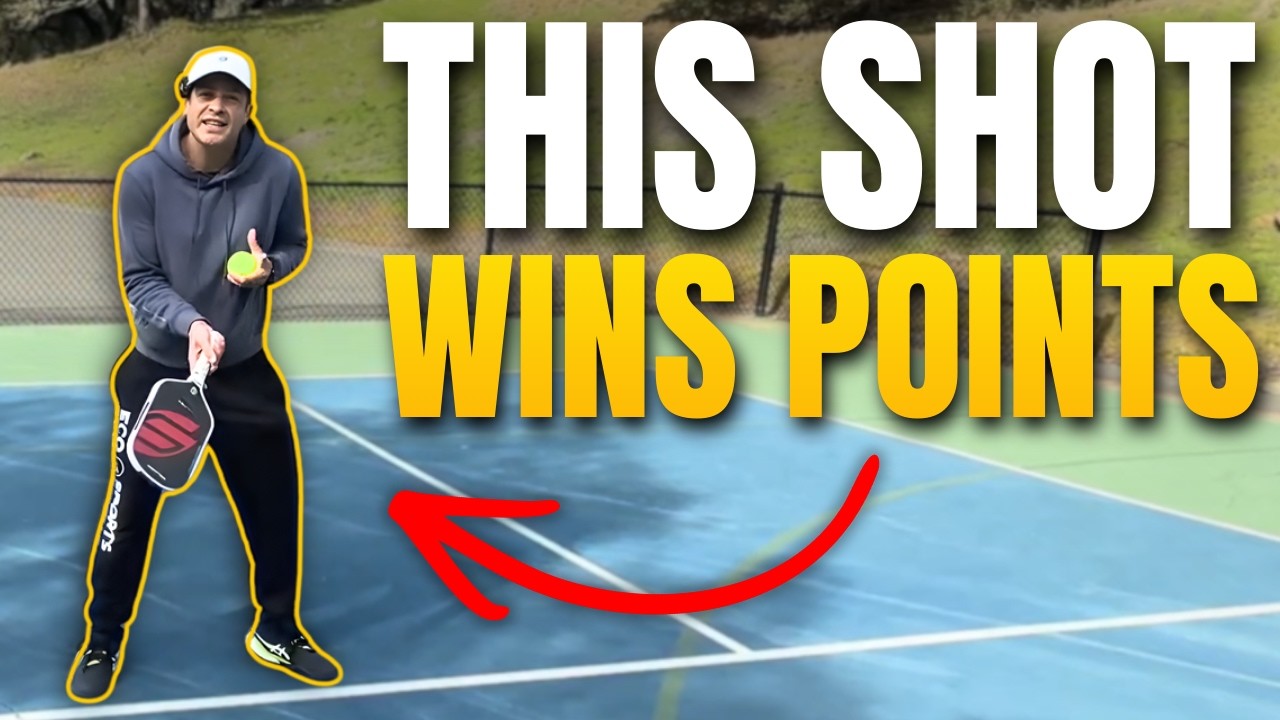
How to Disguise Your Speed-Up Shot in Pickleball
Your opponent relies on reading small changes in your movement, grip, and paddle position to anticipate your shots. Eliminate those tells and you’re in control.
 The Dink PickleballThe Dink Media Team
How Do You Know When to Pull the Trigger?
Timing the speed up correctly requires patience, which is the part that feels unnatural at first.
Sock talks about moving the dink around until he finds the ball he wants. He is not speeding up randomly or whenever he feels aggressive.
He is waiting for a specific setup: a ball that sits up, ideally one that floats a little above the tape and lands in his strike zone.Here is a simple checklist for deciding whether a speed up is worth attempting:
- Is the ball above net height when you make contact?
- Are you hitting it on your forehand side, where you have the most control?
- Is your opponent slightly out of position or leaning the wrong way?
- Do you have a specific target in mind before you swing?
- Are you ready for the ball to come back and already planning your next shot?
If the answer to any of those is no, keep dinking. The right ball will come.
Learning impulse control at the kitchen is what separates players who speed up well from players who just speed up a lot.
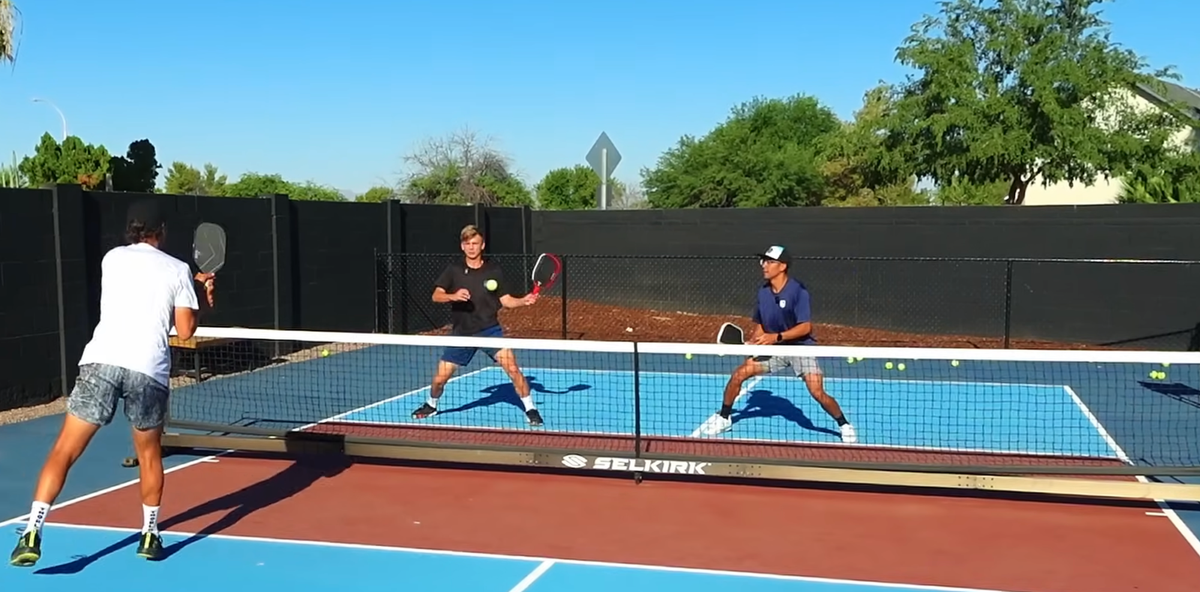
Pro Speed-Up Strategy: Master the Kitchen Line Attack Like a 5.0+ Player
Connor Garnett shows that winning kitchen battles isn’t about raw power, but about positioning, psychology, and reading opponents in real time
 The Dink PickleballThe Dink Media Team
The Forehand vs. Backhand Question
Jack Sock is honest about this. He speeds up on the forehand far more than the backhand. That is not a weakness.
That is smart shot selection.
The forehand speed up gives you more paddle face control, more wrist involvement, and a wider range of angles.
The backhand can work, but it requires significantly more training to disguise and place with the same precision.
This does not mean you should ignore your backhand.It means you should know which side you trust under pressure, and build your dinking patterns to get the ball there when you want to attack.
If you want to sharpen the backhand side of your kitchen game, these three backhand dink drills will build the consistency you need before you start speeding up from that side with confidence.
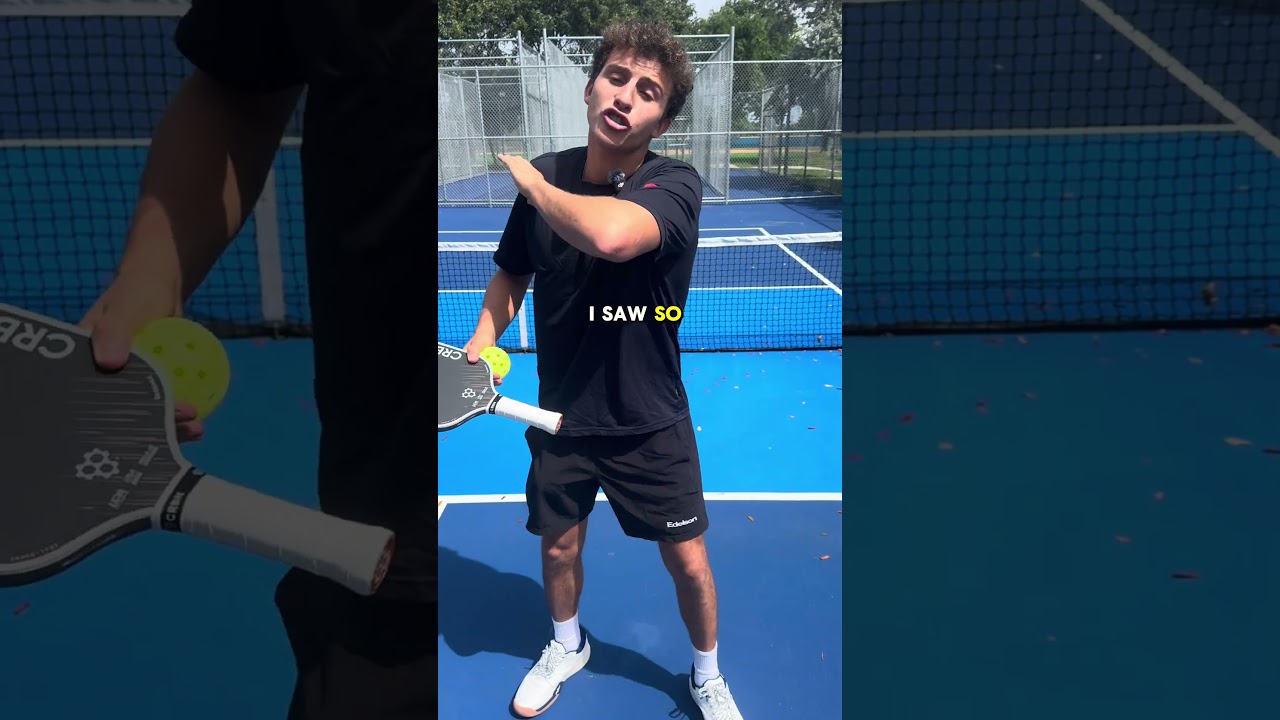
Fix Your Forehand Speedup: Stop the Wrist Mistake
Almost every amateur player makes the same critical error on their forehand speedup. A pro coach reveals the exact wrist technique that separates winners from the rest.
 The Dink PickleballThe Dink Media Team
What Happens After You Speed Up?
This is the part that almost nobody talks about, and it is the part that actually matters most.
After you send the speed up, your job is not to watch and hope. Your job is to move.You need to reset your paddle, read the return, and be in position to attack whatever comes back.
Sock's approach is built on the assumption that the ball is coming back. He is not surprised when the opponent counters. He anticipated it.He targeted the hip or shoulder specifically because those locations produce a narrow, predictable response.
That predictability is what lets him finish on the second ball.The two-shot combo is the framework you need to understand here. The speed up is move one.
The put-away is move two. You have to train both together or the first one becomes a liability.
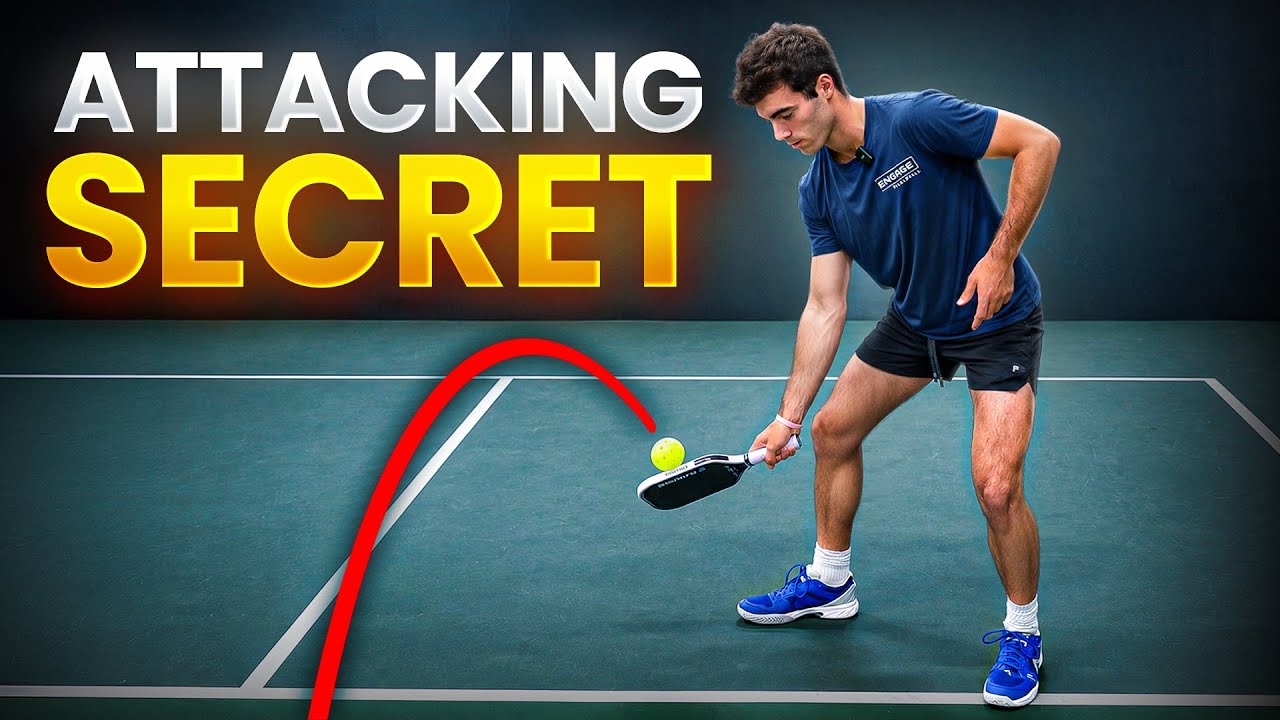
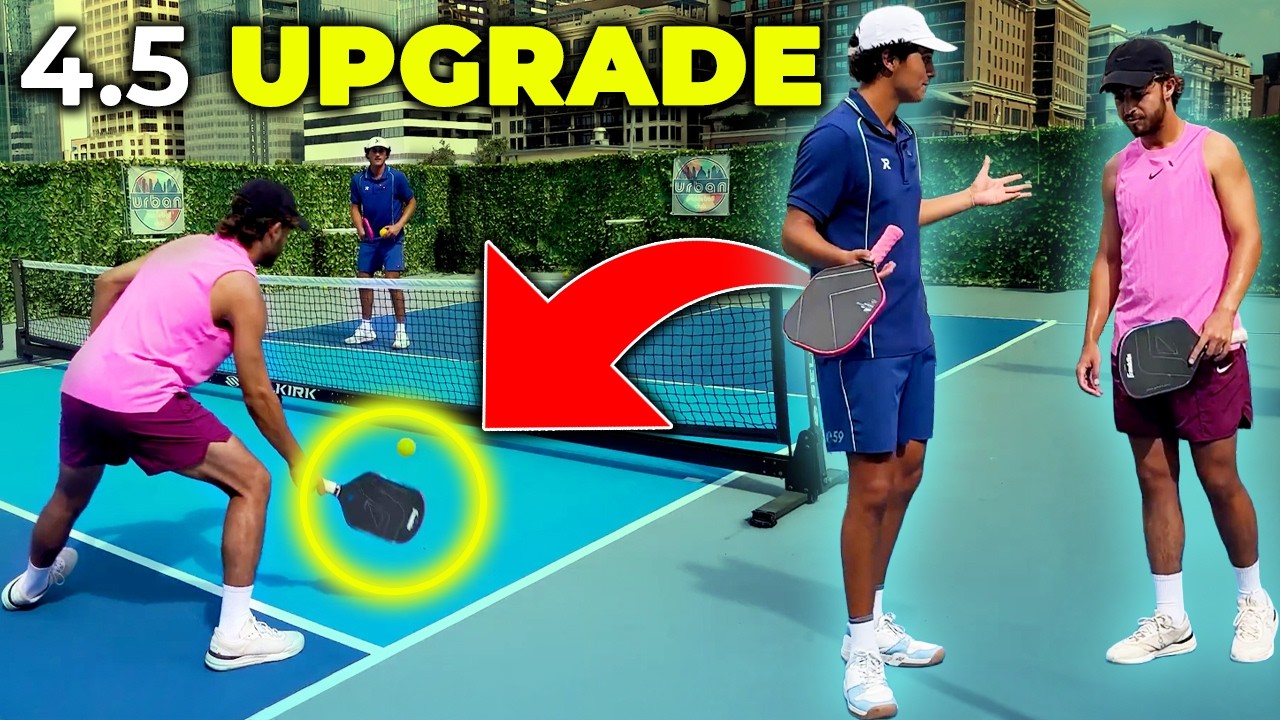
5 Pickleball Speed-Up Fixes for Instant Offense
The best pickleball speed up comes from hitting less of the ball, not swinging harder. Here are five fixes that put the ball down fast off the bounce.
 The Dink PickleballThe Dink Media Team
The Mistake That Kills Most Speed Ups Before They Start
Going too high and too center is the most common failure.
But there is a second mistake that sets up that first one: speeding up from a neutral or defensive position.If you are reaching, off-balance, or backed away from the kitchen line when you pull the trigger, your control drops dramatically.
You need to be in position at the line, weight forward, ready to follow the ball back.
Attacking from a compromised position is exactly what Sock warns against when he says the shot can "bite you in the butt."It is not the speed up itself that is the problem. It is using it at the wrong moment.
This is also why stopping the pop-up dink matters so much before you add speed ups to your game.
If your basic dinking is inconsistent, your speed up attempts will be even more erratic.
Why Your Pickleball Speedups Fail (and How to Fix Them Like a Pro)
Think of it like a jab in boxing: it’s quick, it’s deceptive, and it sets up the knockout blow
 The Dink PickleballThe Dink Media Team
How to Practice the Speed Up the Right Way
Random repetition does not build this shot. You need deliberate pattern practice that mirrors what happens in a real rally.
Here is a structured approach:
- Start with controlled feeding: Have a partner feed a soft, slightly elevated ball to your forehand. Practice speeding up to the hip, then the shoulder, alternating targets each rep.
- Add live dinking: Rally cross-court with a partner and agree that either player can speed up at any moment. This builds the patience to wait for the right ball.
- Train the combo: Have a partner block your speed up back softly every time. Your job is to finish on that second ball. This is the specific pattern Sock describes.
- Work in disguise reps: Start every rep in a full dinking stance and make the decision to speed up or continue dinking at the last possible second. Your partner should not know which is coming.
If you want to sharpen fast hands at the kitchen, drills that force quick decisions under pressure are the most direct path.
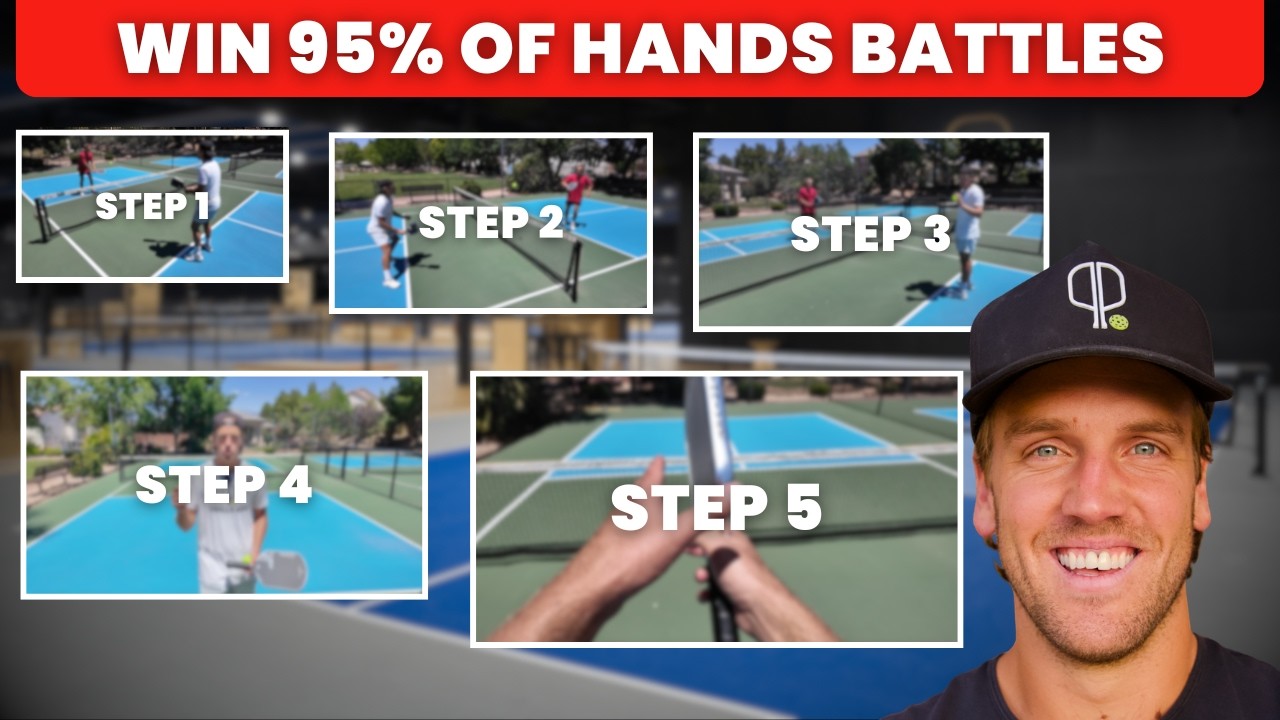
Hand Speed Drill: The 5-Step System to Win Net Battles
A hand speed drill isn’t just about moving your paddle faster—it’s about training your entire body to react with precision at the net.
 The Dink PickleballThe Dink Media Team
What This Means for Your Rating
If you are stuck around the 4.0 level, the speed up is almost certainly hurting you more than it is helping.
You are probably taking it too early, targeting the wrong spots, and not planning for the next ball.
Players who move toward 5.0 habits treat the speed up as part of a system, not a reflex.
They have a clear target, they disguise the shot, and they are already thinking about what comes next before they swing.
The pickleball speed up done right is one of the most effective weapons at the kitchen line.
Done wrong, it hands the point to your opponent and trains them to expect aggression from you at the worst possible moment.
Take what Jack Sock lays out here and build your approach around patience, disguise, and the two-shot combination.
That is the version of the speed up that actually wins points.
💡
Heads up: hundreds of thousands of pickleballers read our free newsletter.
Subscribe herefor cutting edge strategy, insider news, pro analysis, the latest product innovations and more.
Frequently Asked Questions
What is a pickleball speed up?
A pickleball speed up is when you accelerate a ball at the kitchen line with topspin or flat pace instead of continuing to dink softly. The goal is to force your opponent into a reactive, uncomfortable position. It is most effective when disguised to look like a dink until the last moment.
Where is the best place to target a speed up in pickleball?
The hip and the shoulder are the two best targets, as Jack Sock explains. Both locations jam the opponent and limit their return angle. Avoid going high and center because that gives fast-handed players an easy counter.
Why does my speed up keep coming back even harder?
You are most likely telegraphing the shot and hitting it too high in the strike zone. A ball directed at the center of the body at chest height is easy to read and return with power. Focus on disguise and target the hip or shoulder instead.
Should I speed up on the forehand or backhand side?
Start with the forehand. It gives you more control, more angle, and is easier to disguise within a normal dinking motion. The backhand speed up can work but requires more specific training before you use it reliably under pressure.
How do I know when to speed up during a dinking rally?
Wait for a ball that sits up above net height and lands in your forehand strike zone. You also want your opponent slightly off balance or leaning the wrong way. If the ball is low or you are reaching, keep dinking and wait for a better opportunity.
Anuncie Aqui / Advertise Here
Sua marca para o mundo Pickleball! / Your brand for the Pickleball world!






 English (US) ·
  Portuguese (BR) ·