
 English
  Spanish
  Portuguese
  German
  Italian
  Japanese
  French
  Polish
  Russian
  Netherlands
  Hungarian
  Turkish
  Videos
  Thedink Pickleball

Bangers don't stop attacking until you give them a reason to stop. The counterattack pickleball mindset shift in this article is exactly what forces that change.
The counterattack in pickleball is the shot most recreational players avoid, and it is exactly why bangers never stop attacking them.
You have played against this person. They stand at the baseline, wind up, and drive the ball as hard as they can every single chance they get. You try to reset.You try to dink your way out. And they just keep coming.
This article breaks down why that pattern keeps happening, what your ready position is actually communicating to your opponents, and how one specific mindset shift forces bangers to change their game.
The tip comes from More Briones Pickleball on YouTube, and it is one of the clearest explanations of counterattack strategy out there.
Love pickleball? Then you'll love our free newsletter. We send the latest news, tips, and highlights for free each week.
Why Bangers Don't Stop On Their Own
Bangers are not attacking because they are bad players. They are attacking because it is working.
When you back off, drop your paddle, and try to absorb pace, you are signaling that the speed is bothering you.
That is all the confirmation a banger needs to keep doing exactly what they are doing.
The only thing that makes a banger reconsider is when their attack comes back at their feet just as hard as they sent it.
Until that happens, there is zero reason for them to change. You are essentially rewarding aggressive play by responding with passivity.This is not about out-powering anyone.
It is about proving their speed-up does not produce the result they want, which is the whole reason bangers aren't going anywhere until you make them pay for it.
What Is a Counterattack in Pickleball?
A pickleball counterattack is when you take an incoming fast ball and redirect it back with pace, targeting your opponent's feet or body instead of trying to slow the ball down.
Most players default to a reset or a push block when pace comes at them.Those shots have their place, but against a committed banger they often just create another attackable ball.
The pickleball counterattack breaks that cycle because it puts the banger on defense instead.
If you want a deeper look at drive counter pickleball strategy, that breakdown of when to block versus when to counter is worth your time.Understanding which shot to choose in which situation is what separates reactive players from intentional ones.
It also helps to know exactly what a banger actually is before you build a plan around beating one.
💡
Need some new pickleball gear? Get 20% off select paddles, shoes, and more with code THEDINK at
Midwest Racquet SportsWhy Does Your Ready Position Matter So Much?
Your ready position is not neutral. It is a message.
When your paddle drops low and your weight shifts back, you are telling your opponent the pace is too much.
They read that signal without thinking about it. And they speed up again.
When your paddle stays up, your weight is forward, and your stance stays compact, you are sending the opposite message. You are saying, "go ahead, hit it hard."
The cue from More Briones Pickleball is simple and repeatable: every time you send the ball back, your ready position should be saying "I dare you to speed this up."That internal phrase keeps your paddle where it needs to be and your feet engaged.
For the mechanics behind it, this hard drive ready position fix covers the details, and it pairs well with understanding why your speed-ups fail when you are the one attacking.
Hard Drive in Pickleball: The Ready Position Fix That Works
A hard drive pickleball situation doesn’t have to end in an error. One ready position adjustment changes everything about how you handle pace at your body.
 The Dink PickleballThe Dink Media Team
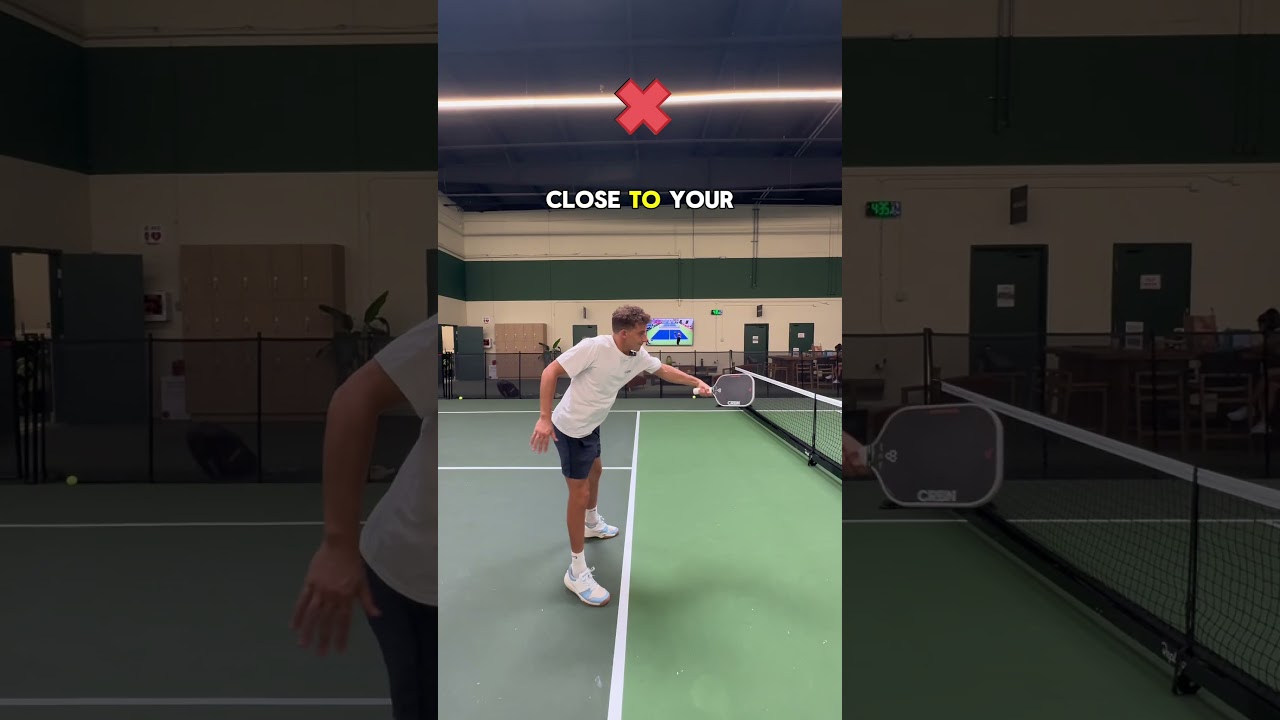
The 4 Keys to a Better Counterattack
Building a reliable counterattack comes down to a handful of specific habits. Here is what actually matters:
- Paddle position stays up after every shot. Do not let the paddle drift down to your hip between exchanges. Keep it in the contact zone so you are ready the moment the ball comes back fast. This is the same paddle discipline that shows up in the six essential shots to master for 2026.
- Weight stays forward. The instinct when pace comes at you is to lean back. Fight it. Players who lean back lose the ability to redirect the ball with any authority.
- Target the feet, not the body. A counterattack aimed at your opponent's chest gives them room to swing. A counterattack at their feet forces an uncomfortable low contact that is very hard to attack again.
- Expect the speed-up every single time. This is the core mindset shift. Stop hoping your dink or drive comes back slow. Assume it comes back fast and be ready for it. When it does come back hard, you are already in position. When it doesn't, you simply adjust.
That last point is where most recreational players fall apart. They hit a good shot and mentally relax.
That split second of relaxation is when the banger picks up the pace and catches you off guard.
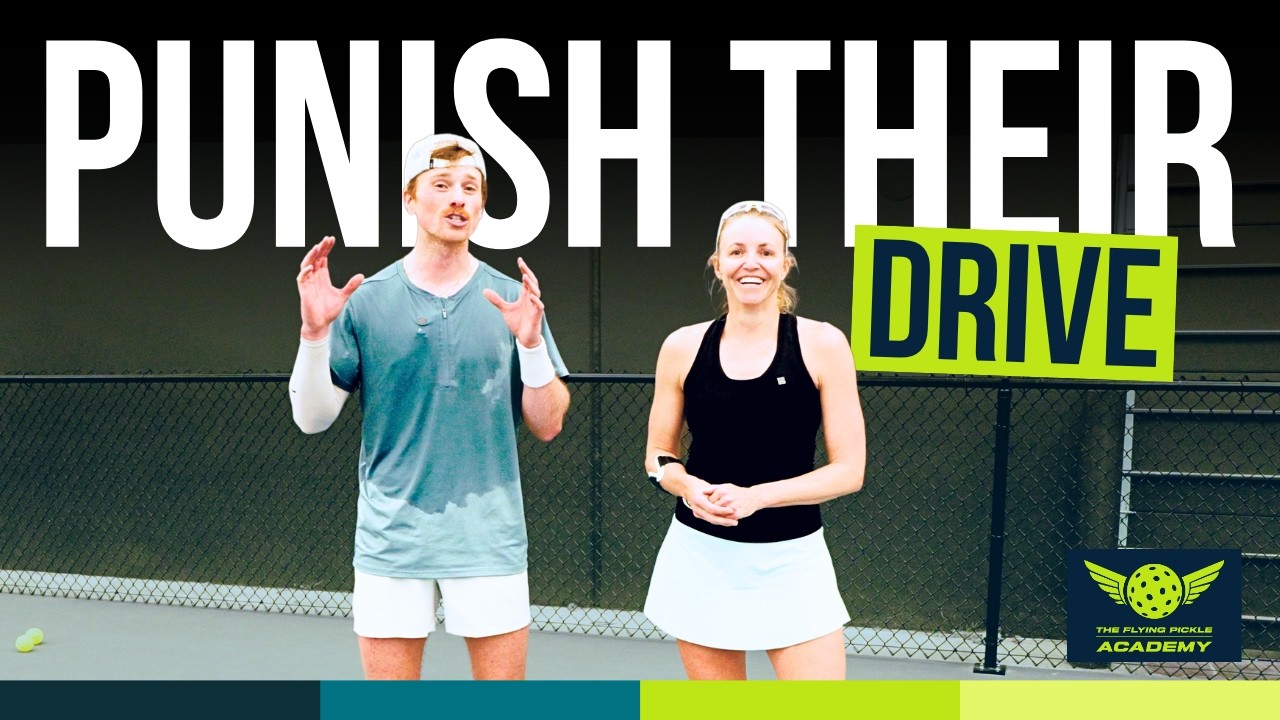
How to Counter a Pickleball Drive Instead of Blocking It
Blocking a banger’s drive keeps you passive and on defense. Learn how to counter a third shot drive by using their pace against them and placing your shot with purpose.
 The Dink PickleballThe Dink Media Team
Is It Scary to Counterattack at the Kitchen Line?
Yes, at first. And that is completely normal.
Standing at the kitchen line with a hard ball coming at your chest is not comfortable when you are used to trying to slow everything down.
Your instinct is to get out of the way or take pace off.
But here is the reality: the ball is coming at you whether you are ready or not. The only question is whether you meet it aggressively or passively.Passive responses at high pace often create worse outcomes because the ball catches you off balance.
An aggressive, compact counterattack keeps you in control of the exchange.
If hands battles at the kitchen feel like a weak spot in your game overall, this guide on how to win every hands battle is a smart place to spend time.
The footwork and paddle mechanics involved in counterattacking overlap heavily with winning those exchanges.
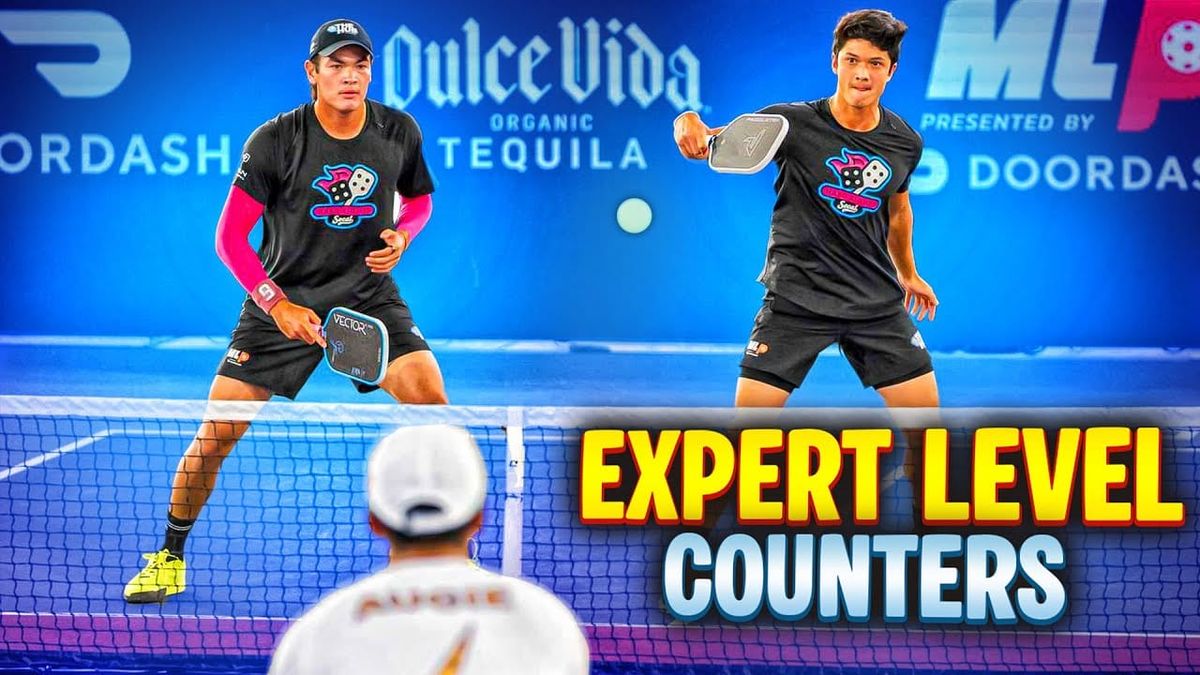
The 3-Zone Counter Technique for Winning Hands Battles at the Kitchen
Counters are point-winners. They’re aggressive shots that put your opponent on their heels. But they only work if you’re positioned correctly and thinking ahead.
 The Dink PickleballThe Dink Media Team
What Happens When the Counterattack Works?
The first time you send a counterattack back at a banger's feet, something shifts.
They do not expect it. They are used to getting a reset or a floater they can punish again.
When that ball lands at their feet instead, two things happen.
- First, they have to hit a difficult shot from a low contact point.
- Second, and more importantly, they now know that attacking you is no longer free.
That doubt starts to affect every decision they make for the rest of the match.
This is how you beat a banger in pickleball. You do not out-grind them. You make the attack feel risky for them instead of risky for you.
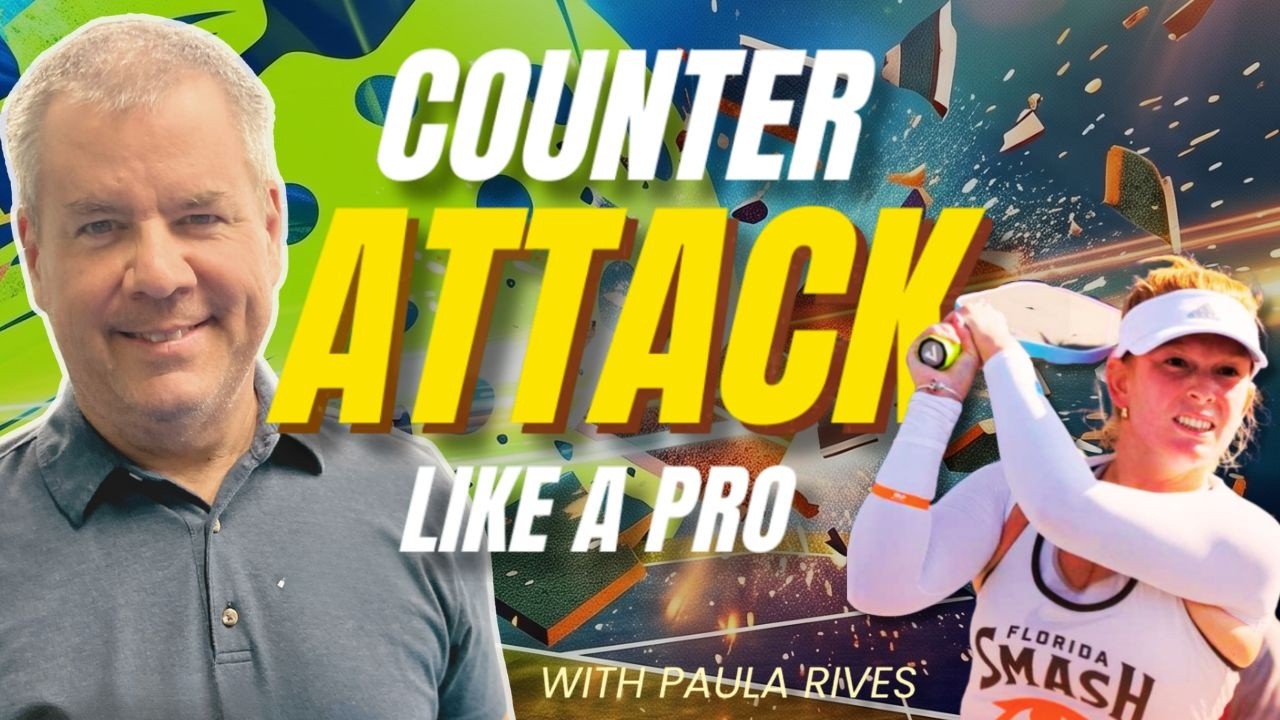
Pickleball Counterattack: Paula Rives’ Pro Technique
PPA pro Paula Rives breaks down the pickleball counterattack, the shot that turns defense into offense. Learn the footwork, positioning, and anticipation needed to neutralize aggressive bangers.
 The Dink PickleballThe Dink Media Team
Common Mistakes Players Make When Trying to Counterattack
Most players understand the concept but get tripped up in execution. Here are the most frequent errors:
- Swinging too big. A counterattack is compact and controlled. A big swing adds power you do not need and takes your paddle out of position for the next ball.
- Waiting too long to commit. If you hesitate between blocking and countering, you end up doing neither well. Make the decision early and commit to it, the same way Michael Loyd's two-thing rule frames consistent counters.
- Aiming at the chest or shoulder. High targets give your opponent time and room to reset or re-attack. Aim low, at the feet or just above the ankle.
- Dropping the paddle after the counterattack. After you send the ball back hard, get back into the "I dare you" ready position immediately. The rally is not over.
- Only counterattacking occasionally. The psychological effect builds when you do it consistently. One counterattack is a surprise. Consistent counterattacks are a pattern the banger has to account for.
These mistakes connect directly to a broader issue a lot of players have with errors they do not realize they are making.
This article on pickleball mistakes most players never stop making is a useful companion read.
6 Backhand Counter Fixes to Make You Unattackable
Your backhand counter is the shot that decides hands battles at the kitchen line. Here is how to fix the common mistakes and turn it into instant offense.
 The Dink PickleballThe Dink Media Team
How to Practice Your Counterattack
You cannot build this skill by thinking about it. You need repetition in a controlled setting before you can execute it live.
The drill is simple: have a partner feed you hard drives from the transition zone while you redirect the ball to a target at their feet.Start slow, confirm the mechanics are clean, then increase the pace gradually.
What you are training is the instinct to move forward into the ball rather than away from it. That rewiring takes intentional reps to stick.For structured work, these pickleball wall drills you can do without a partner build reaction speed and paddle compactness, and the 12 drills you need for 2026 give you a full session to plug them into.
You can also build the mental side in match play by committing to the "I dare you" mindset for one full game.
Focus entirely on keeping your paddle up and expecting pace every time.
3 Pickleball Speed Up Drills to Win Kitchen Battles
Most players warm up their hands and call it drilling. This pickleball speed up progression isolates the attack, the counter, and the dink that sets them up, so the skills hold under game pressure.
 The Dink PickleballThe Dink Media Team
Are You Prioritizing the Right Skills?
The pickleball counterattack is tip number six in a broader framework of what to prioritize. That ordering matters.
A lot of players grind on skills that are not moving the needle because they are working on the wrong things in the wrong sequence.
If your progress has stalled despite real court time, that is usually the problem.
These 4 pickleball problems holding back most rec players identify the gaps that keep players stuck, and if you are chasing a rating ceiling, this piece on why you're stuck below 4.5 is direct about what it takes.Want the full sequence?
Start with how to improve at pickleball in the right skill order, then layer in the five shots you must master before 2026 and the four key strategies to winning in 2026.
Start with the mindset shift first. Get your ready position right, expect the speed-up every time, and target the feet.
If you want to see it at the highest level, watch how the pros counterattack like a 5.0.
Everything else follows from those fundamentals.
💡
Heads up: hundreds of thousands of pickleballers read our free newsletter.
Subscribe herefor cutting edge strategy, insider news, pro analysis, the latest product innovations and more.
Frequently Asked Questions
What is a counterattack in pickleball?
A counterattack in pickleball is when you take an incoming hard drive and redirect it back with pace rather than trying to slow it down with a block or reset. The goal is to target your opponent's feet and force a difficult low contact instead of giving them another attackable ball. It is most effective against players who drive the ball aggressively from the baseline.
Why do bangers keep attacking even when I try to reset?
Bangers keep attacking because resetting confirms the speed is bothering you. Until you send the ball back at their feet just as hard, there is no consequence for their aggression. The counterattack changes that equation by making the attack feel risky for them instead of productive.
How do I keep my paddle up during fast exchanges?
Use a specific mental cue every time you hit the ball: tell yourself your ready position is saying "I dare you to speed this up." That phrase keeps your paddle in the right position and your weight forward. It is a simple habit that rewires your default response to pace over time.
Is the counterattack appropriate for beginner players?
The concept is appropriate at any level, but the execution requires some foundational paddle control first. Beginners should focus on keeping their paddle up and compact rather than worrying about pace on the counterattack. Even a neutral, firm redirect at the feet is more effective than a passive block against a committed banger.
Where should I aim a counterattack?
Aim at your opponent's feet or just above ankle height. A counterattack aimed at the chest or shoulder gives them too much room and time to respond. Targeting the feet forces a low, uncomfortable contact that is very hard to attack aggressively off of, which breaks the banger's rhythm effectively.
Anuncie Aqui / Advertise Here
Sua marca para o mundo Pickleball! / Your brand for the Pickleball world!


 English (US) ·
  Portuguese (BR) ·