
 English
  Spanish
  Portuguese
  German
  Italian
  Japanese
  French
  Polish
  Russian
  Netherlands
  Hungarian
  Turkish
  Videos
  Thedink Pickleball

No man's land pickleball is where most players panic and lose points unnecessarily. Learn how to survive the midcourt zone and reset your way to the kitchen.
Most pickleball players panic the moment they find themselves stuck in no man's land.
That awkward midcourt zone between the baseline and the kitchen line feels like a trap, and instinct tells you to attack.
But here's the thing: that instinct is exactly what's costing you points.
According to Cori Elliott, a pickleball instructor at The Dink Pickleball, the goal in no man's land isn't to win the point.
It's to survive it. The strategy is counterintuitive but proven: stay low, stay balanced, and prioritize resets until you can move forward safely.
Love pickleball? Then you'll love our free newsletter. We send the latest news, tips, and highlights for free each week.
What Is the No Man's Land in Pickleball?
No man's land is the midcourt area between the baseline and the kitchen line (the non-volley zone).
It's called "no man's land" because it's the worst place to be in pickleball.
You're too far back to attack aggressively, but too far forward to retreat safely, making it a vulnerable position where most players make costly errors.
Most players end up here after hitting a deep shot or when their opponent pushes them back with a drive.
10 Pickleball Strategies That Beat 99% of Players
Coach Austin Hardy breaks down the 10 pickleball strategies that separate elite players from the rest. These tactics focus on serve depth, dinking consistency, and smart court positioning rather than raw power.
 The Dink PickleballThe Dink Media Team
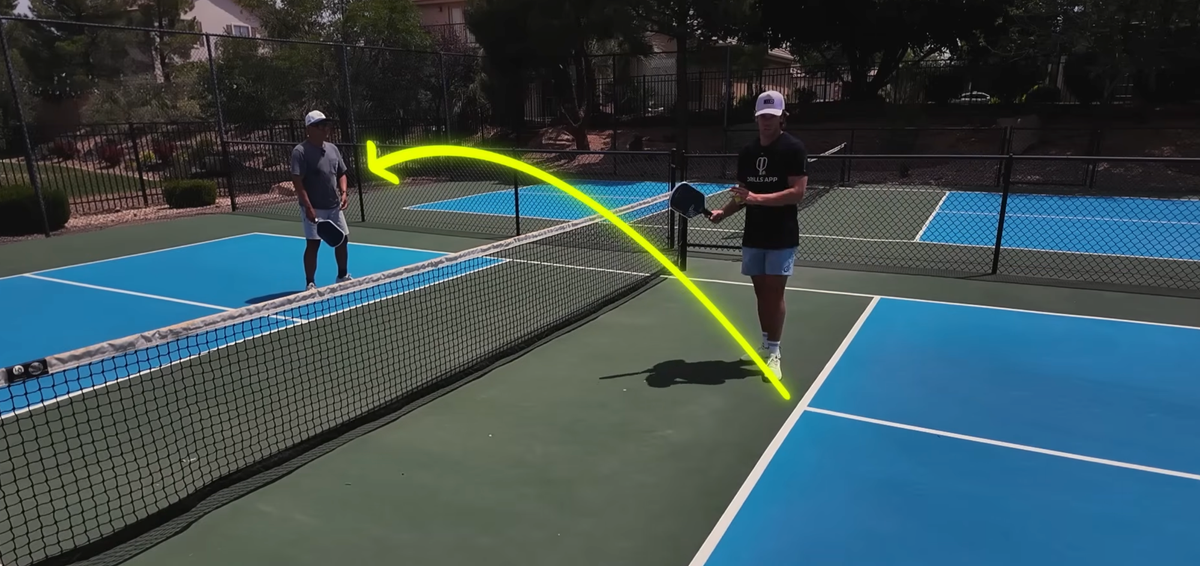
Understanding the pickleball transition zone is the first step toward making smarter decisions when you land there.
The problem is that many players treat no man's land pickleball situations like an emergency. They panic, rush forward, and try to force an offensive shot.
A rushed midcourt drive into the net is one of the most common unforced errors in pickleball, and it happens because players don't understand the real objective when they're stuck in this zone.
Why Does Panic Lose You Points?
When you're in no man's land, your brain is screaming at you to do something aggressive. But panic-driven offense is a losing strategy.
Elliott explains that most players make the same mistake: they see a ball that's slightly higher than a reset and immediately try to put it away.
The result? A midcourt drive that either goes into the net or gets crushed back at you even harder. You've just handed your opponent an easy put-away opportunity.
The real issue is that players don't understand the hierarchy of priorities in no man's land. Winning the point comes last. Surviving comes first.
If you've been struggling to stop popping the ball up from the midcourt, this is exactly why. The shot selection problem starts with a positioning problem.
💡
Need some new pickleball gear? Get 20% off select paddles, shoes, and more with code THEDINK at
Midwest Racquet SportsThe Three Pillars of No Man's Land Pickleball Survival
Escaping no man's land pickleball positioning requires three things working together: body position, shot selection, and patience.
#1: Stay Low and Balanced in the Transition Zone
Your first job in no man's land is to get your body into a defensive posture.
This means bending your knees, lowering your center of gravity, and staying on the balls of your feet.
A low, balanced stance gives you two advantages: it makes you harder to attack, and it positions you to hit resets.
When you're upright and flat-footed, you're vulnerable. Your opponent can hit a drive at your chest or shoulders, and you'll have no choice but to pop the ball up.
A low stance lets you absorb pace and redirect it downward.
Good footwork starts before the ball even arrives.
Players who master 2 tactics to escape trouble in the transition zone already know that preparation beats reaction every time.
#2: Prioritize Resets Over Offense in No Man's Land
A reset is a soft, arcing shot that lands in the kitchen and takes pace off the ball. It's the most important shot in no man's land pickleball.
Elliott emphasizes that you should reset as long as you need until you can move forward safely.
This is where patience becomes a weapon. Every reset you hit is a chance for your opponent to make a mistake.
They might hit a reset back, or they might get impatient and try to attack. Either way, you're buying time and improving your position.
The pickleball reset is the one skill that separates 3.5 players from 5.0 players, and nowhere is that gap more obvious than in the midcourt battle.
The players who win those battles aren't the ones hitting harder. They're the ones hitting smarter.
#3: Earn Your Way to the Kitchen
The kitchen is where you want to be.
It's the safest place on the court because you can hit volleys and put-aways without worrying about being attacked from the baseline.
But you can't just sprint to the kitchen from no man's land. You have to earn it with controlled shots.
This means hitting resets, moving forward incrementally, and only attacking when you have a high ball that you can put away cleanly.
If your reset is high and you rush forward, you're going to lose the point. That's the rule.Understanding essential non-volley zone rules removes the fear from the kitchen entirely. Once you stop dreading it, moving toward it becomes instinctual.
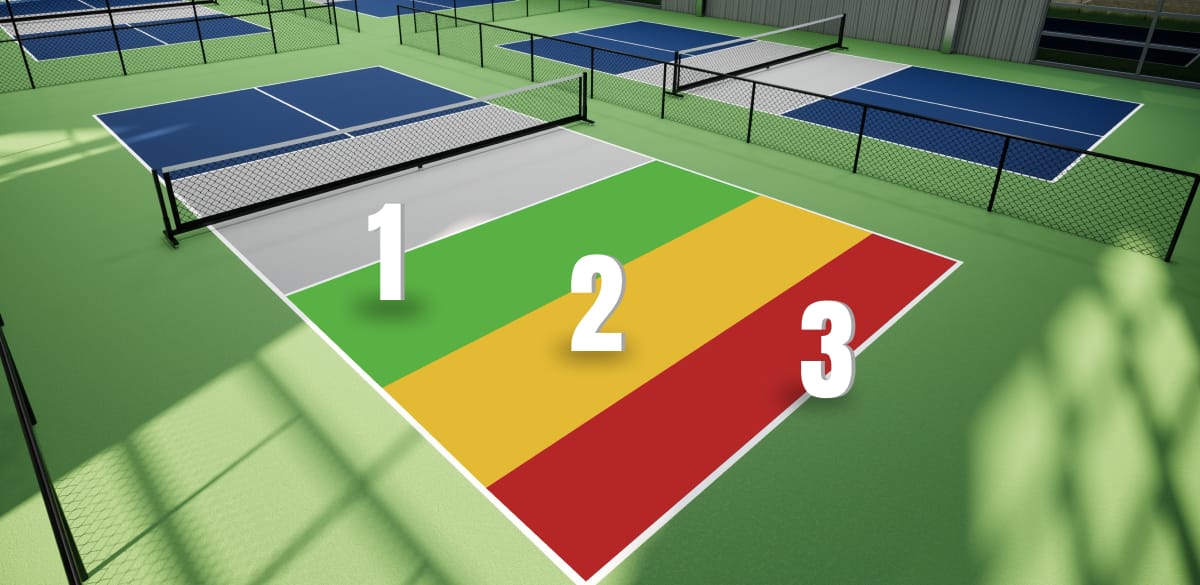
Pickleball Strategy for the Three Zones of the Court
Improve your pickleball court strategy by understanding the three court zones—baseline, transition zone, and kitchen—and when to attack or reset.
 The Dink PickleballEric Roddy
What Not to Do in No Man's Land Pickleball
Elliott is clear about what kills players in the midcourt: forced offense. This includes:
- Rushing forward on bad balls. If the ball is low or moving away from you, don't chase it aggressively. Reset it, then reset it again.
- Midcourt drives into the net. This is the signature mistake. You're in no man's land, the ball is at chest height, and you think you can drive it past your opponent. You can't. Not yet.
- Abandoning your low stance. The moment you stand up, you're vulnerable. Stay bent, stay ready, and stay patient.
- Trying to win the point before you've earned the right to attack. This is the hardest lesson for aggressive players to learn, but it's essential.
Modern pickleball rewards the patient player. The four key strategies to winning in 2026 all depend on understanding when to apply pressure and when to absorb it.
No man's land is where that judgment gets tested most.
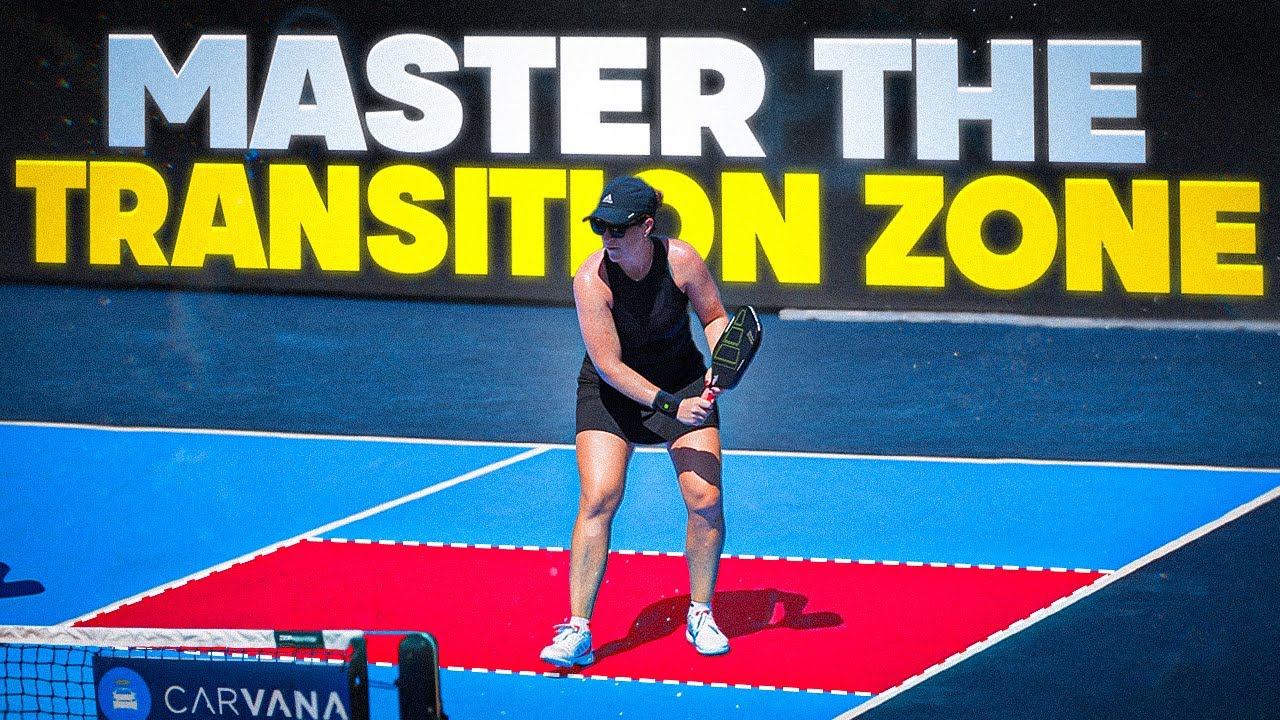
Why Most Pickleball Mistakes Come From the Transition Zone
Mari Humberg breaks down her complete transition zone drill sequence, featuring five essential drills that will transform how you move from baseline to kitchen. Master the transition zone drill and become a more complete pickleball player.
 The Dink PickleballThe Dink Media Team
The Mental Game: Reframing No Man's Land Pickleball
Here's where the psychology comes in. Most players see no man's land pickleball as a problem to escape as quickly as possible.
But Elliott reframes it as an opportunity. Every reset you hit is a chance to win the point without taking a risk.
Think about it this way: if you're in no man's land and your opponent is also in no man's land, you're in a reset battle.
Whoever stays patient and keeps the ball low wins. The player who panics and tries to attack loses.
This is why no man's land pickleball strategy is really about controlling your emotions.It's about trusting the process and understanding that survival comes before aggression.
Elite players know how to attack drives and beat bangers in pickleball precisely because they've mastered this mental framework first.
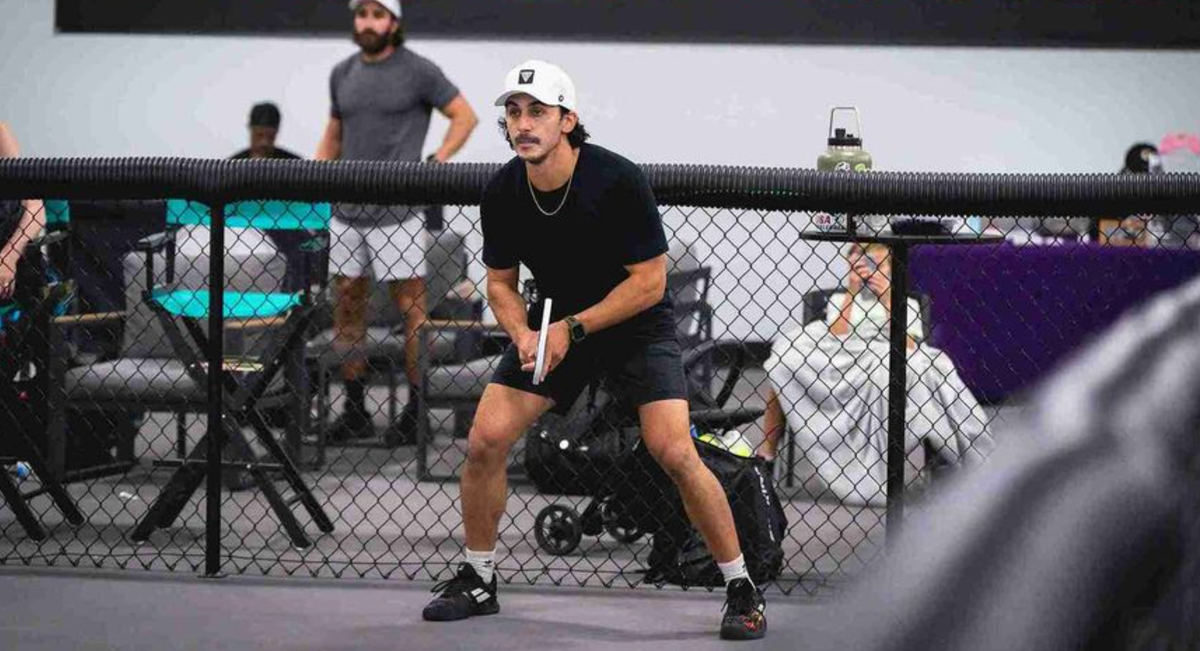
Pickleball Mental Game: Stay Calm Under Pressure and Win
The mental game competitive pickleball demands is just as important as your backhand or your third shot drop. Learn how top players stay calm under pressure, reset after errors, and build the focus that wins matches.
 The Dink PickleballThe Dink Media Team
How to Practice No Man's Land Positioning
The best way to get comfortable in no man's land pickleball is to practice reset drills.
Set up a scenario where you and a partner are both in the midcourt, and you hit resets back and forth until someone gets a high ball they can attack.
Pay attention to your body position. Are you staying low? Are you moving your feet? Are you resetting with control, or are you just poking at the ball?
The 12 drills you need to play your best pickleball in 2026 include midcourt reset work that will directly improve your no man's land survival rate.
Add those to your practice rotation now.
The goal is to build muscle memory so that when you're in a real match and you find yourself in no man's land, your body knows what to do.
You'll stay low, you'll reset, and you'll wait for your opportunity.
The 12 Pickleball Drills You Need for Your Best Game in 2026
You can’t just show up and hit balls – you need a plan, and that plan should build progressively from simple to complex
 The Dink PickleballThe Dink Media Team
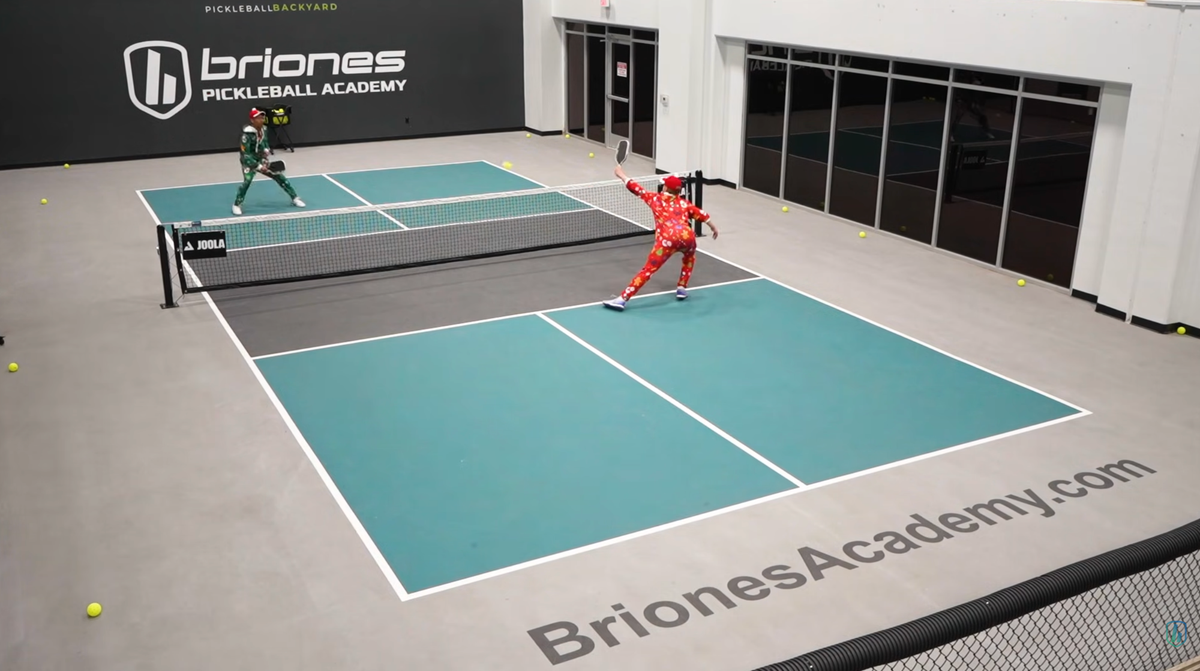
The Bigger Picture: No Man's Land Strategy in Match Play
Understanding no man's land pickleball strategy changes how you approach the entire game.
It means you're less likely to hit aggressive shots from the baseline because you know where they'll lead.
It means you're more patient with your third shot, because you understand that getting to the kitchen safely is more important than hitting a winner.
A simple 4-step system to win more pickleball games in 2026 builds directly on this principle.
The players who win more games aren't always the most athletic. They're the most disciplined about shot selection under pressure.
It also means you're more forgiving of yourself when you end up in no man's land. Instead of seeing it as a failure, you see it as a challenge.
Can you reset your way out? Can you stay patient? Can you survive?
This mindset shift is what separates good players from great ones.Pro-level players who've mastered kitchen line attacks got there by first mastering the midcourt battle, not by skipping it.
💡
Heads up: hundreds of thousands of pickleballers read our free newsletter.
Subscribe herefor cutting edge strategy, insider news, pro analysis, the latest product innovations and more.
Frequently Asked Questions
What Is No Man's Land in Pickleball?
No man's land is the midcourt area between the baseline and the kitchen line. It's called this because it's the worst place to be on the court. You're too far back to attack aggressively and too far forward to retreat safely, making it a vulnerable position where most players make mistakes.
Why Do Players Panic in No Man's Land Pickleball?
Players panic because they feel trapped and vulnerable in the midcourt transition zone. Their instinct is to attack and escape the zone quickly, but this usually leads to unforced errors like midcourt drives into the net. Understanding that survival comes before aggression helps players stay calm and make better decisions.
What's the Best Shot to Hit From No Man's Land?
The reset is the best shot from no man's land pickleball. It's a soft, arcing shot that lands in the kitchen and takes pace off the ball. Resets allow you to stay in the point, improve your position, and wait for a high ball you can attack safely.
How Do I Move Forward From No Man's Land?
You move forward by hitting controlled resets and moving incrementally toward the kitchen. Only attack when you have a high ball that you can put away cleanly. Rushing forward before you've earned the right to attack will result in losing the point.
How Can I Practice No Man's Land Strategy?
Practice reset drills with a partner where you both stay in the midcourt and hit resets back and forth. Focus on staying low, moving your feet, and resetting with control. This builds muscle memory so you can execute the no man's land pickleball strategy effectively in match play.
Anuncie Aqui / Advertise Here
Sua marca para o mundo Pickleball! / Your brand for the Pickleball world!






 English (US) ·
  Portuguese (BR) ·