
 English
  Spanish
  Portuguese
  German
  Italian
  Japanese
  French
  Polish
  Russian
  Netherlands
  Hungarian
  Turkish
  Videos
  Thedink Pickleball

The erne in pickleball is one of the most explosive shots at the kitchen line, but most players get the setup completely wrong. Jack Sock breaks down exactly how to time it, jump it, and land it cleanly every time.
The erne in pickleball is one of those shots that looks impossible until you understand exactly what triggers it.
Most players either never attempt it or try it at the wrong moment and end up looking completely out of position.The truth is, this shot is not about athleticism alone.
It is about reading patterns, timing your jump, and knowing where your feet need to land after you clear the corner.
This breakdown comes directly from Selkirk TV on YouTube, where former ATP pro and current PPA standout Jack Sock walks through how he has built the erne into one of his most dangerous weapons at the kitchen line.
Love pickleball? Then you'll love our free newsletter. We send the latest news, tips, and highlights for free each week.
What Is the Erne and Why Should You Hit It?
The erne in pickleball is a shot where you jump around or over the corner of the kitchen, landing outside the non-volley zone to intercept a dink that would otherwise travel down the sideline.
It is a fully legal move as long as your feet clear the kitchen line before you make contact.
The reason this shot is so effective is simple: it cuts off an angle your opponent thinks is safe.They are dinking toward the line with confidence, and suddenly you are already there waiting for them.
Jack Sock puts it directly:
When you attempt an erne, the point is usually going to end on that shot, win or lose.That tells you everything about the commitment level this shot requires.
If you want to understand how to hit the erne in pickleball the right way, the first thing to accept is that hesitation kills it. You either go or you do not.
What Patterns Should Trigger Your Erne Attempt?
Sock identifies two main situations where the erne becomes available.
Once you recognize them in your own game, you will start seeing opportunities you previously missed.
- Situation 1: Your partner is dinking well cross-court and the opponent changes direction toward the line. If your partner has been controlling the dink exchange to the player in front of them, that player will eventually want to redirect down the line. That redirect is your signal. You read it, push off, and jump the corner before the ball even arrives.
- Situation 2: The opponent on the left is trying to cut the angle off a high dink from the middle. When dinks are landing in the middle of the court, the left-side player often steps toward the sideline to take an aggressive angle. You can intercept that as a poach by jumping the corner at the same moment.
Both situations require pattern recognition, not reaction. By the time you see the ball heading toward the sideline, it is too late to start moving.
You have to anticipate it.Learning to read what higher-level players see before the ball is even hit is exactly what separates an erne attempt that works from one that leaves you scrambling.
💡
Need some new pickleball gear? Get 20% off select paddles, shoes, and more with code THEDINK at
Midwest Racquet SportsThis is the mechanical part most players skip, and it is where the shot falls apart.
Sock is specific about this: he wants to take off on his left foot and land outside the court on his right side.Here is why that matters.
Pushing off the left foot gives you lateral momentum toward the corner while keeping your body balanced enough to control the paddle through contact.
If you push off the wrong foot, you end up awkwardly lunging rather than cleanly jumping around the corner.The landing spot is just as important as the takeoff.
Sock aims to land in a position where, if he does not finish the point on the erne, he can still recover back into play. That is not something most players think about.
A clean erne attempt follows this sequence:
- Read the opponent's body language and dink direction early
- Begin your movement toward the corner before the ball is struck
- Push off your left foot to generate lateral momentum
- Clear the kitchen sideline completely before contact
- Contact the ball with a flick or punch volley as you pass the corner
- Land outside the court in a controlled position
- Recover back into your spot if the rally continues
Step four is non-negotiable from a rules standpoint.
If any part of your body touches the kitchen or the sideline before you hit the ball, the point goes to your opponents.
Sock jokes about this himself, saying you need to make sure you clear the line so "Don Stanley doesn't get you," a reference to on-court officiating that every competitive player understands.Worth knowing the 7 new USAP pickleball rules for 2026 before you start jumping corners in sanctioned play, and the earlier pickleball rule changes for the 2025 USA Pickleball rule book still govern most of the non-volley zone language.
Practice landing in a controlled spot just outside the sideline, not flying six feet past the court. Keep your weight balanced so your first step back is already loaded.
The erne that does not finish the point cleanly should still leave you in the rally, not watching from the sideline.The same principles that help you master the transition zone apply here: stay low, stay ready, and do not assume the point is over before it actually is.
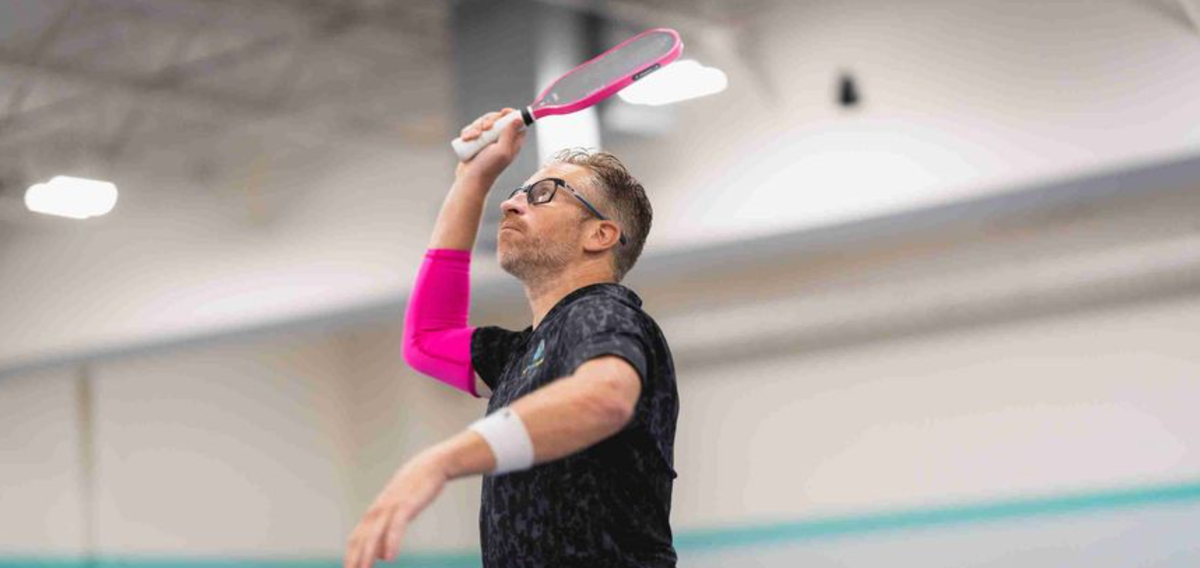
Overhead Smash Pickleball Technique: The Complete Guide
The overhead smash pickleball technique is one of the most decisive shots in the game, when it’s dialed in, it ends rallies on the spot. This guide breaks down the footwork, trophy position, and finish mechanics you need to hit it with power and precision every time.
 The Dink PickleballThe Dink Media Team
What Shot Do You Actually Hit During the Erne?
The simplest and most reliable contact on an erne is a flick volley. You are not trying to set up, wind up, or generate power with a full swing.
You are redirecting the ball as you pass through the air, and a quick wrist flick is what gets it done cleanly.That said, Sock notes two other options depending on how the ball comes to you.
- Overhead erne: If the dink is high enough and your timing is right, you can take it like an overhead as you jump. This requires the ball to be both high and slow, which is not always the case.
- Forehand volley erne: On a ball that sits up slightly but not high enough for an overhead, a compact forehand volley works well. You want to stay controlled rather than swinging aggressively.
The flick is your default because it works on more ball heights, requires less setup, and gives you the best chance of landing cleanly.
Getting comfortable with a quick wrist snap at contact is important, and the tip position fix that adds real snap to your pickleball flick is worth studying before you practice this shot.
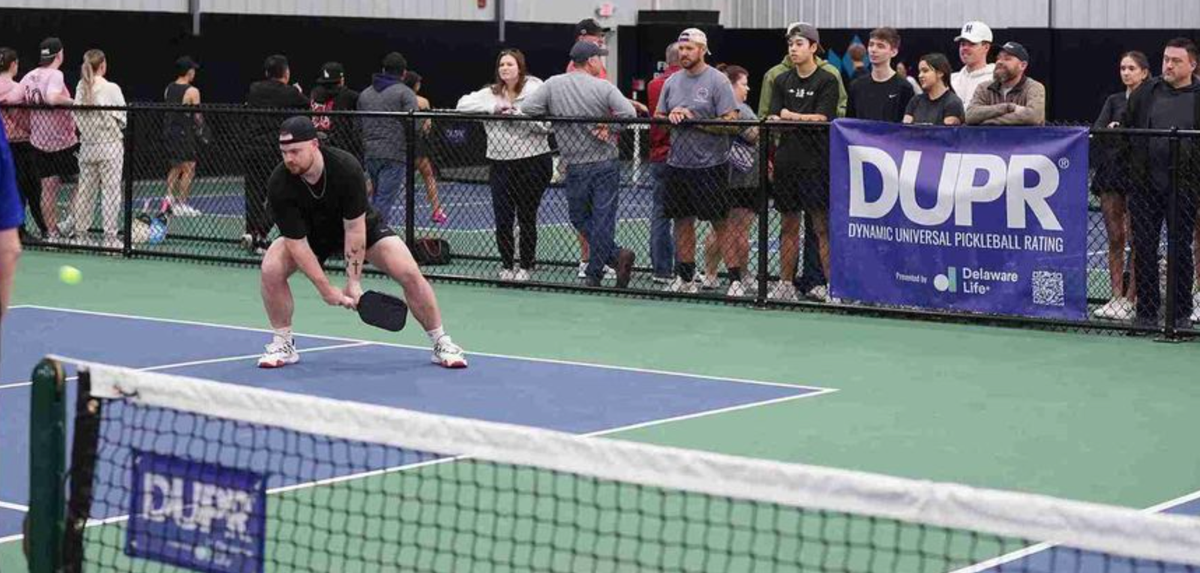
Erne Pickleball: Setup, Jump & Legal Landing Explained
The Erne pickleball shot is one of the most disruptive weapons at the net, letting you volley the ball outside the kitchen line while your opponent has nowhere to go. Here’s exactly how to set it up, execute the jump, and land legally every time.
 The Dink PickleballThe Dink Media Team
Is the Erne Only for Athletic Players?
Sock makes a point of mentioning that longer legs and a strong jump make the erne easier, especially on the left side.
That part is true. But it does not mean shorter or less explosive players cannot hit this shot at all.The erne becomes more accessible for every player when the setup is right.
A high, slow dink gives you more time to get into position. A predictable pattern from your opponent means you start moving earlier.The better you read the game, the less you need pure athleticism to pull this off.
Sock specifically says he hits the erne more now because he reads patterns better, not because he is jumping higher than he used to.
That framing is important. This is a pickleball IQ shot, not just an athletic one.If you want to sharpen that pattern recognition, studying the IQ decisions pros make every single point will give you a real framework to apply.
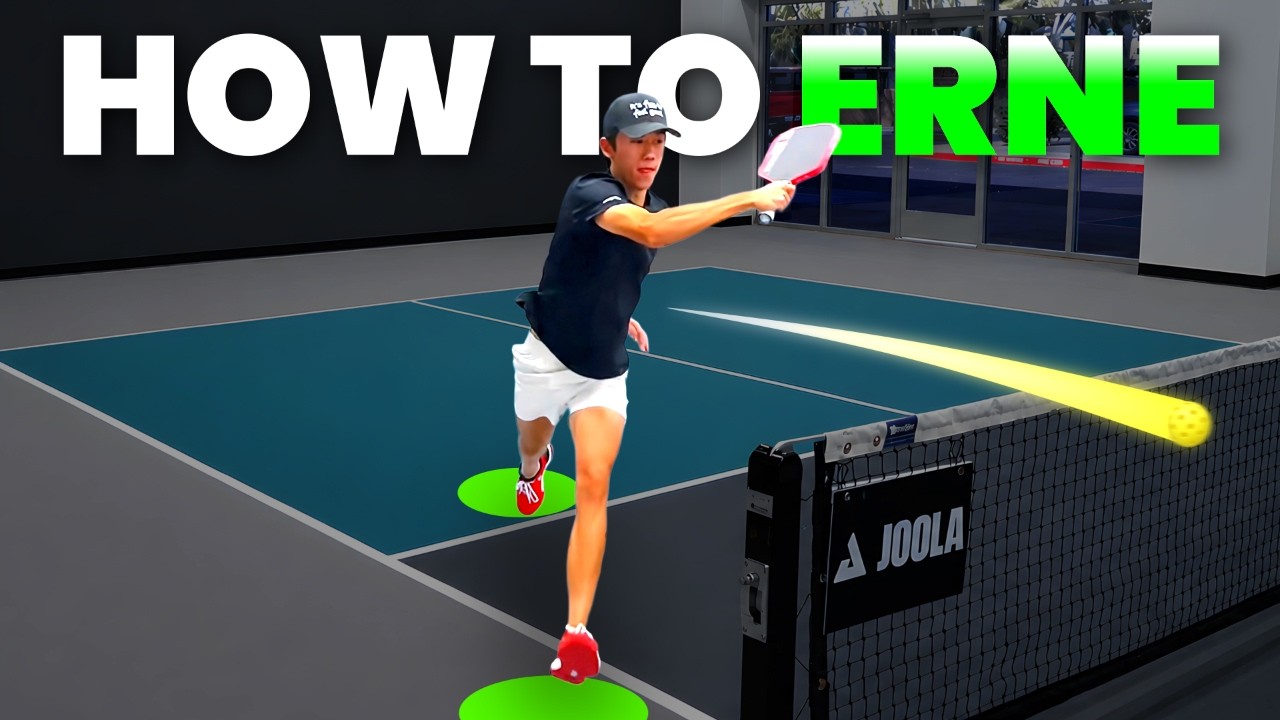
How to Hit the Erne in Pickleball the Right Way
The Erne in pickleball is one of the most aggressive shots at the kitchen line, but most players either never go for it or botch the timing. Here is exactly how to fix that.
 The Dink PickleballThe Dink Media Team
The Left Side Advantage
Sock emphasizes the left side of the court as the primary position from which he runs his erne.
A right-handed player standing on the left side has their forehand facing toward the sideline, which is exactly where the erne contact happens.If your partner is dinking cross-court from the right side and drawing the opponent toward the left sideline, you are the player positioned to exploit that opening.
Understanding the offensive moves that work from the left side will help you see how the erne fits into a broader attacking strategy.The opponent's response to a successful erne is also worth knowing.
Sock points out that after seeing one erne, the other team will often shift their positioning toward the middle, which leaves the sideline more open on the next rally.
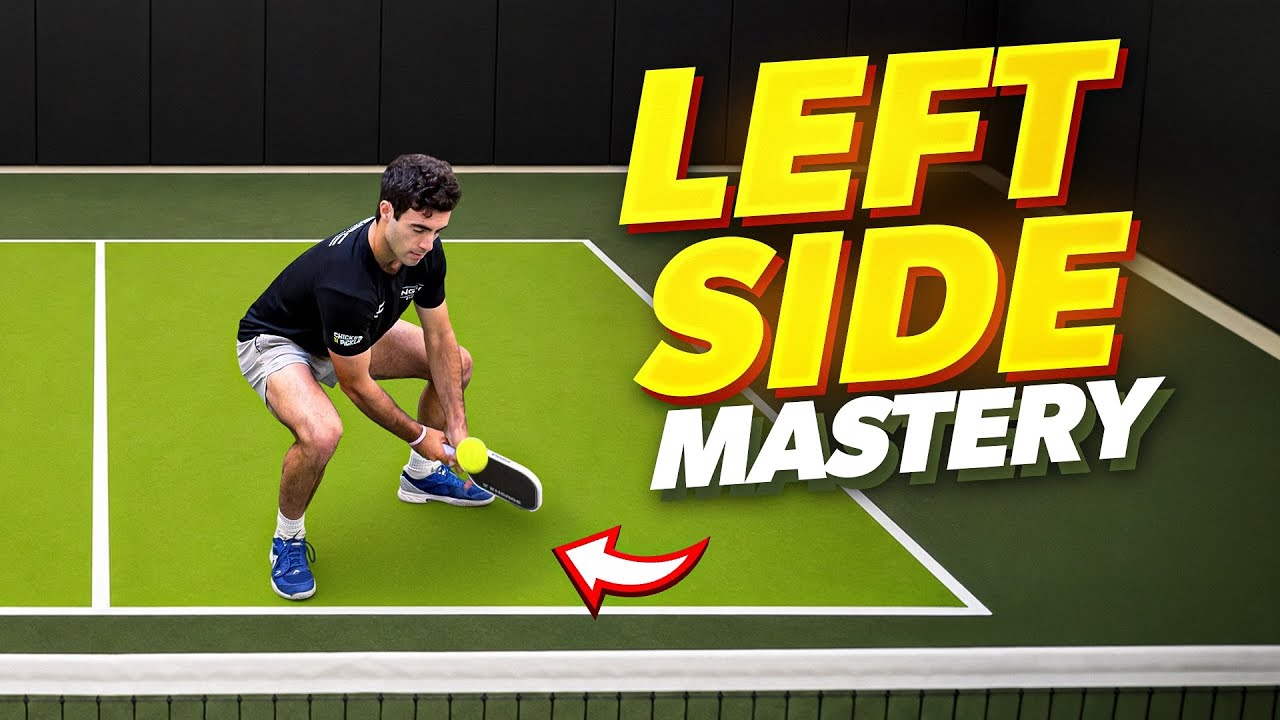
The Complete Guide to Left Side Dinking in Pickleball
Left side dinking isn’t just about taking more balls—it’s about positioning, footwork, and court control.
 The Dink PickleballThe Dink Media Team
What Happens After the Erne?
Most erne instruction focuses entirely on the jump and the contact. Almost none of it covers what to do immediately after.
Sock is clear: your goal is to land in a position that lets you recover back to the kitchen line if the rally continues. Yes, most erne attempts end the point.But "most" is not "all," and if you land completely outside the court with no way to recover, you have given your opponents a free opening down the middle.
Practice landing in a controlled spot just outside the sideline, not flying six feet past the court.
Keep your weight balanced so your first step back is already loaded.
The erne that does not finish the point cleanly should still leave you in the rally, not watching from the sideline.
Solid footwork and court awareness are fundamental to making this work under pressure.
The same principles that help you master the transition zone apply here: stay low, stay ready, and do not assume the point is over before it actually is.How to Recover After Being Pushed Back From the Kitchen
Getting pushed back from the kitchen line is one of the most disorienting moments in a pickleball rally. Here’s exactly how to recover pushed back from the kitchen in pickleball and reclaim your position before the point slips away.
 The Dink PickleballThe Dink Media Team
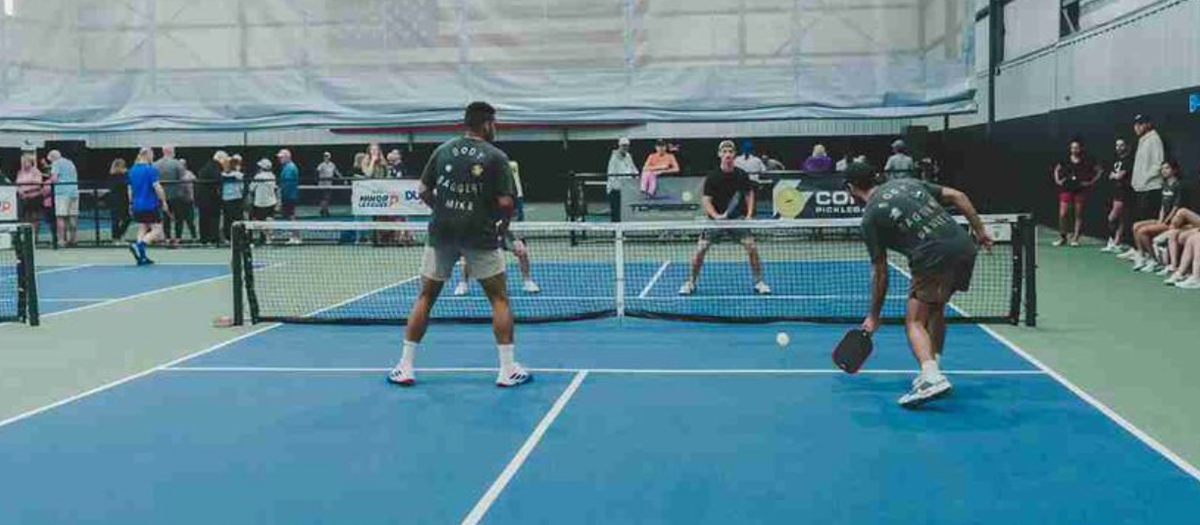
How to Practice the Erne Without a Match
You do not need live games to start building this shot.
Here is a simple drill sequence to get the mechanics in place before you try it under pressure.
- Set up at the kitchen line with a partner feeding dinks to the sideline area
- Practice the footwork pattern without hitting: push off left, clear the corner, land outside
- Add a stationary flick volley at contact height to feel the wrist action
- Combine the jump and the flick at slow speed, no live feed yet
- Have your partner feed predictable dinks toward the line while you read and go
- Graduate to rally situations where the erne is your response to a specific pattern
The goal is to make the footwork automatic.
Once your body knows the movement, you can focus your attention on reading the opponent instead of thinking about where your feet go.
Consistent dink control from your partner is what creates the conditions for an erne to work in a real game.Reviewing why your dink fails in games and how to fix it will help you and your partner build the rally quality that sets up this shot.
The erne is worth the work.
When it lands, it is one of the most decisive shots in pickleball. Jack Sock says it himself: once you start reading patterns and using this shot with intention, it becomes one of your top weapons at the kitchen line.
The jump is the fun part. The reading is the skill.💡
Heads up: hundreds of thousands of pickleballers read our free newsletter.
Subscribe herefor cutting edge strategy, insider news, pro analysis, the latest product innovations and more.
Frequently Asked Questions
What is the erne in pickleball?
The erne is a shot where you jump around the corner of the kitchen to hit a volley from outside the non-volley zone. It is legal as long as your feet fully clear the kitchen line before you make contact with the ball. It is typically used to cut off a sideline dink and is considered one of the most aggressive shots at the kitchen.
Do you have to jump to hit an erne?
Most players jump to clear the kitchen corner quickly, but technically you can also walk or step around the corner as long as you do not touch the kitchen or sideline before contact. In fast-paced games, the jump is the most reliable way to get there in time. Jack Sock specifically pushes off his left foot to generate lateral momentum toward the corner.
When is the best time to attempt an erne?
The best opportunity comes when your partner has been dinking cross-court and the opponent redirects toward the sideline, or when a high dink from the middle invites an angled put-away. You need to start moving before the ball is struck, not after. Pattern recognition is what makes the shot available.
What shot should you hit during the erne?
A quick flick volley is the most consistent option because it requires minimal setup and works across a range of ball heights. If the ball is sitting very high, you can take it like an overhead. For balls that are elevated but not overhead-level, a compact forehand volley works well.
Is the erne legal in pickleball?
Yes, the erne is completely legal as long as your feet clear the non-volley zone and the sideline before you contact the ball. If any part of your body touches the kitchen or the line during the shot, you lose the point. Clearing the line cleanly is the one rule you cannot compromise on.
Anuncie Aqui / Advertise Here
Sua marca para o mundo Pickleball! / Your brand for the Pickleball world!




 English (US) ·
  Portuguese (BR) ·