
 English
  Spanish
  Portuguese
  German
  Italian
  Japanese
  French
  Polish
  Russian
  Netherlands
  Hungarian
  Turkish
  Videos
  Thedink Pickleball

Most players waste their court time on drills that don't move the needle. Here's how to practice pickleball with limited court time and get real, measurable improvement out of every single rep.
If you want to know how to practice pickleball with limited court time, stop thinking about minutes and start thinking about reps that matter.
That's the whole game.
Most rec players treat court access like a luxury. Get an hour, feel lucky, hit some balls, go home.
Meanwhile the player who beat you 11-3 last week booked the exact same 60 minutes you did.
The difference isn't access. It's what you do with it, something The Dink breaks down in the real reason you aren't improving.
Here's the thing: courts are getting harder to book.
Participation in pickleball has kept climbing according to the Sports & Fitness Industry Association, and that growth means more names on the waitlist at your local facility.
You're not imagining the squeeze. So the question isn't "how do I get more court time." It's how to get the most out of your court time you already have, and that starts with how to practice pickleball with limited court time in a way that actually shows up in your next match.
Love pickleball? Then you'll love our free newsletter. We send the latest news, tips, and highlights for free each week.
Why "More Court Time" Isn't the Answer to How to Practice Pickleball With Limited Court Time
What actually moves your rating isn't hours logged. It's the specificity of what you're repeating.
A focused 30 minutes on one shot pattern outpaces two hours of loose, low-intent rec play.
That gap between players who level up fast and those who plateau often traces back to good shot selection versus bad positioning.
Unstructured play burns time without building skill. Deliberate practice research backs this up too.
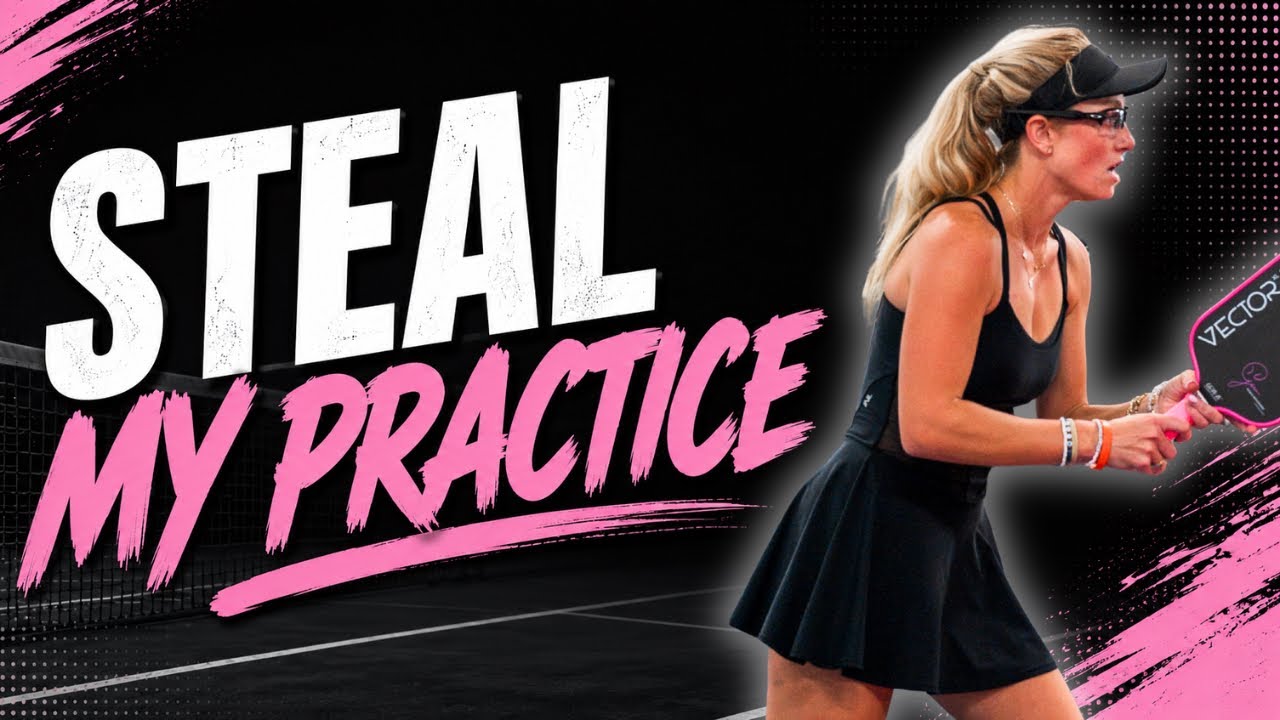
5 Pickleball Drills a PPA Pro Still Uses Every Practice
Most players waste practice time on the wrong pickleball drill. These five drills from a PPA pro build the exact skills that win real matches.
 The Dink PickleballThe Dink Media Team
A 2025 review in the Journal of Sports Sciences found that structured, feedback-driven repetition produces faster skill acquisition in racket sports than unstructured match play, even when total training time is identical.
So when court time is scarce, the fix isn't scheduling more of it.
It's making every session look less like a scrimmage and more like the kind of focused work covered in back off on backspin, where one specific mechanical fix gets isolated and drilled instead of buried inside a full match.
What Should You Actually Practice With Limited Court Time?
Direct answer: prioritize the dink, the third shot drop or reset, and your serve-return combo. Those three shots decide more rallies than anything else in doubles.
Dinking is the soft, controlled shot hit from the kitchen line, meant to keep the ball low and unattackable.
Control over power, low over high, that's the whole definition. It sounds simple. It isn't.
The Dink's piece on pickleball's hardest dinking drill is a good gut check on how much technique lives inside that "simple" shot.
Here's the catch. Most players practice dinking by just dinking back and forth aimlessly. That's rec play in disguise, not practice.
Real dink training has a target, a pattern, and a miss count you're tracking.
Third shot work deserves equal billing.
Whether you're hitting a drop or a reset, the goal is the same: neutralize the point and get to the kitchen line.
The Dink's guide on how to make your third shot spicy covers pace and spin variations worth stealing for your own reps, and the companion piece on how to reset better is the one to run if your third shot keeps floating up for a smash.
💡
Need some new pickleball gear? Get 20% off select paddles, shoes, and more with code THEDINK at
Midwest Racquet SportsHow to Practice Pickleball With Limited Court Time in Just 30 Minutes
Block your session into three 8 to 10 minute segments, one shot per segment, with a target and a miss count. No freelancing.
How to Practice Pickleball With Limited Court Time When You're Solo
Yes, and it's an efficient way to practice pickleball with limited court time. Solo reps remove the social pressure to rally and force you to isolate one movement.
The Dink's solo pickleball drills you can run by yourself are a legitimate starting point if you can only book a single court and nobody to hit with.
Two drills worth stealing for solo sessions: the figure-8 drill, which trains footwork and paddle angle changes in tight spaces, and a genuinely odd but effective household version covered in the fridge and toaster drill.
Both take almost no court space, which matters when your booking window is small.
The figure-8 drill breakdown walks through the exact footwork pattern step by step.
If you've got a partner but only 30 minutes, structure beats volume every time.
Best on your team practice sessions, as The Dink lays out here, work because they assign roles: one player feeds, one player executes, then you swap.
Nobody's guessing what the point of the rep is.
Honestly, the players who improve fastest with tight schedules aren't the ones grinding out marathon sessions.
They're the ones who show up with a plan already written before they ever step on the court.
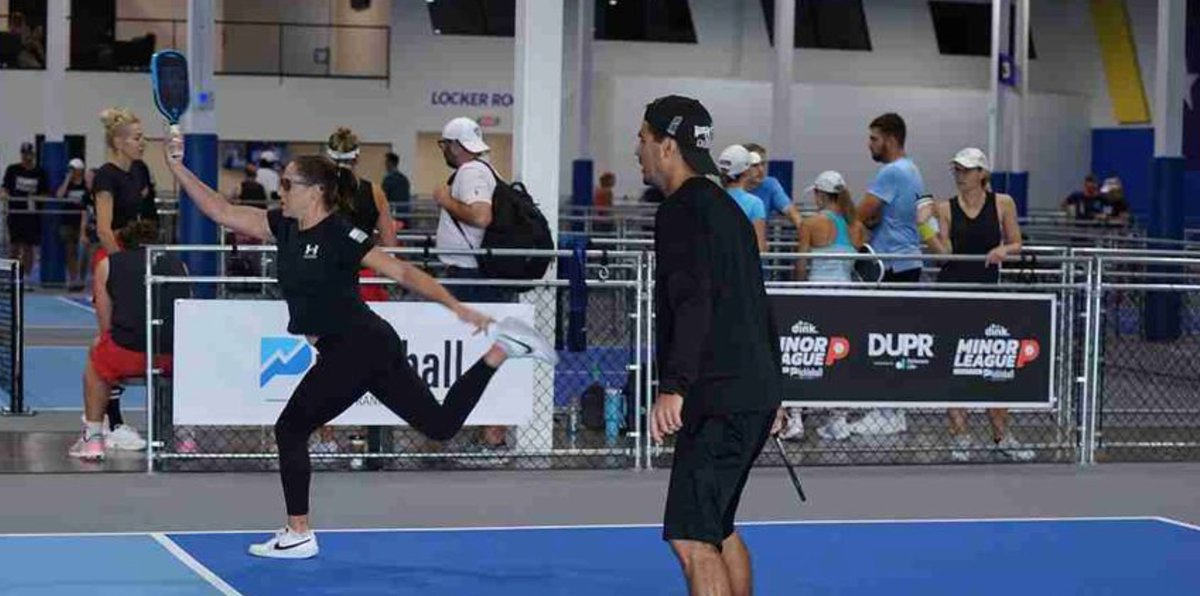
The Complete Pickleball Practice Routine for 3 Hours Per Week
A practice routine for limited time pickleball players doesn’t have to be complicated, it has to be smart. Here’s how to get the most out of just 3 hours a week on the court.
 The Dink PickleballThe Dink Media Team
Building a Weekly Plan When Courts Are Scarce
If you can only book two or three sessions a week, don't split your attention evenly across every skill.
Pick one shot as your anchor for the week and build every session around it.
That's the core of how to practice pickleball with limited court time without spreading yourself thin.
The Dink's piece on three skill investments that actually elevate your game is a solid framework for choosing which one deserves your limited reps.
Rotate the anchor skill every one to two weeks depending on where your matches are exposing weaknesses.
💡
Heads up: hundreds of thousands of pickleballers read our free newsletter. Subscribe here for cutting edge strategy, insider news, pro analysis, the latest product innovations and more.
If you're getting attacked at the kitchen line every match, that's your signal.
If your third shot keeps landing short, that's a different signal, and it points you to a different anchor.
This full training breakdown is worth bookmarking as a reference when you're deciding what to prioritize next.
Shot selection matters too. Advanced players don't just hit harder, they choose better.
The Dink's advanced drill on shot selection and creation is worth working into your rotation once fundamentals are solid.
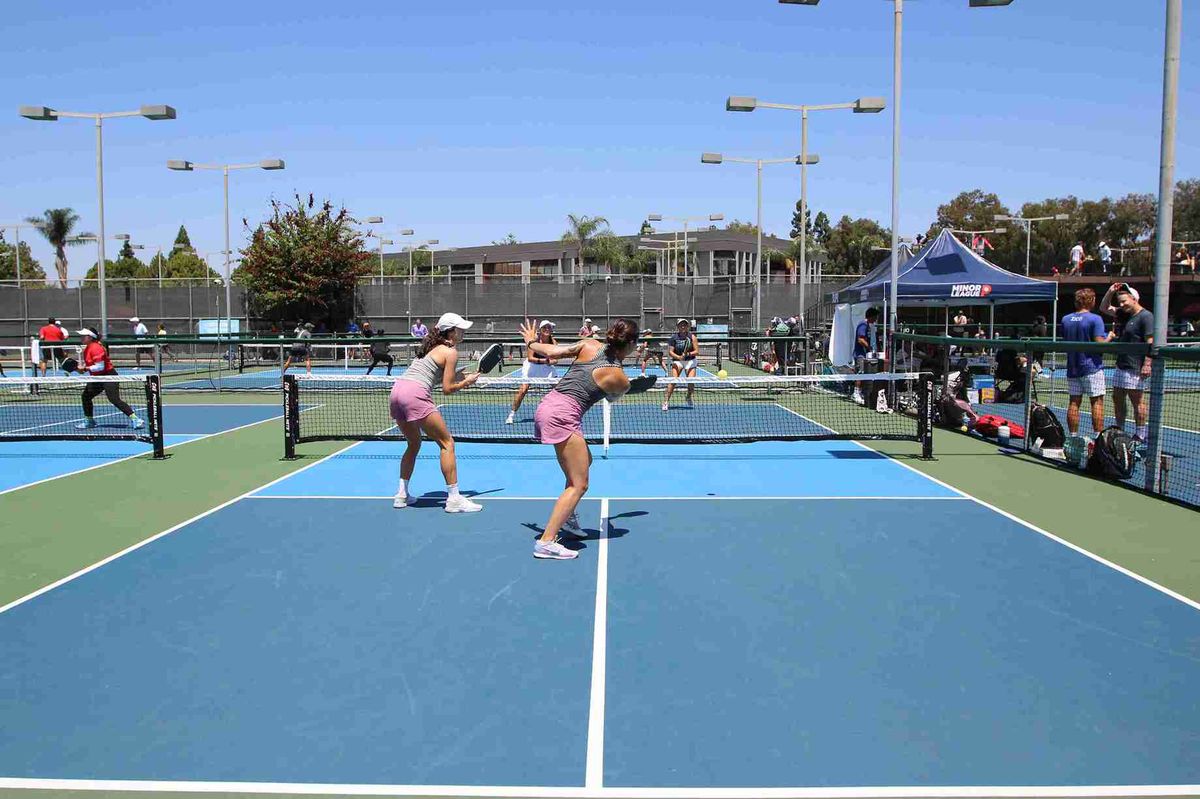
Pickleball Training Plan for Competitive Players
Whether you’re pushing from 3.5 to 4.0 or grinding toward 4.5, this week-by-week system gives you the structure to get there.
 The Dink PickleballThe Dink Media Team
Track Progress Without Wasting Reps
Track one number per skill, whether that's dink error count, third shot success rate, or serve depth, and review it weekly instead of guessing.
This is the habit that separates players who know how to practice pickleball with limited court time from players who just hope the reps add up.
DUPR has become the default scoreboard for a lot of rec and competitive players, and DUPR's rating updates are worth understanding if you're using match results as your feedback loop.
According to DUPR's own methodology notes, ratings adjust based on opponent strength and margin, not just wins and losses, which is exactly why isolated skill tracking matters more than watching your rating alone.
If you're newer to the sport and still building fundamentals, these beginner tips pair well with a tracking habit.
You don't need to be advanced to benefit from measuring your own miss rate.
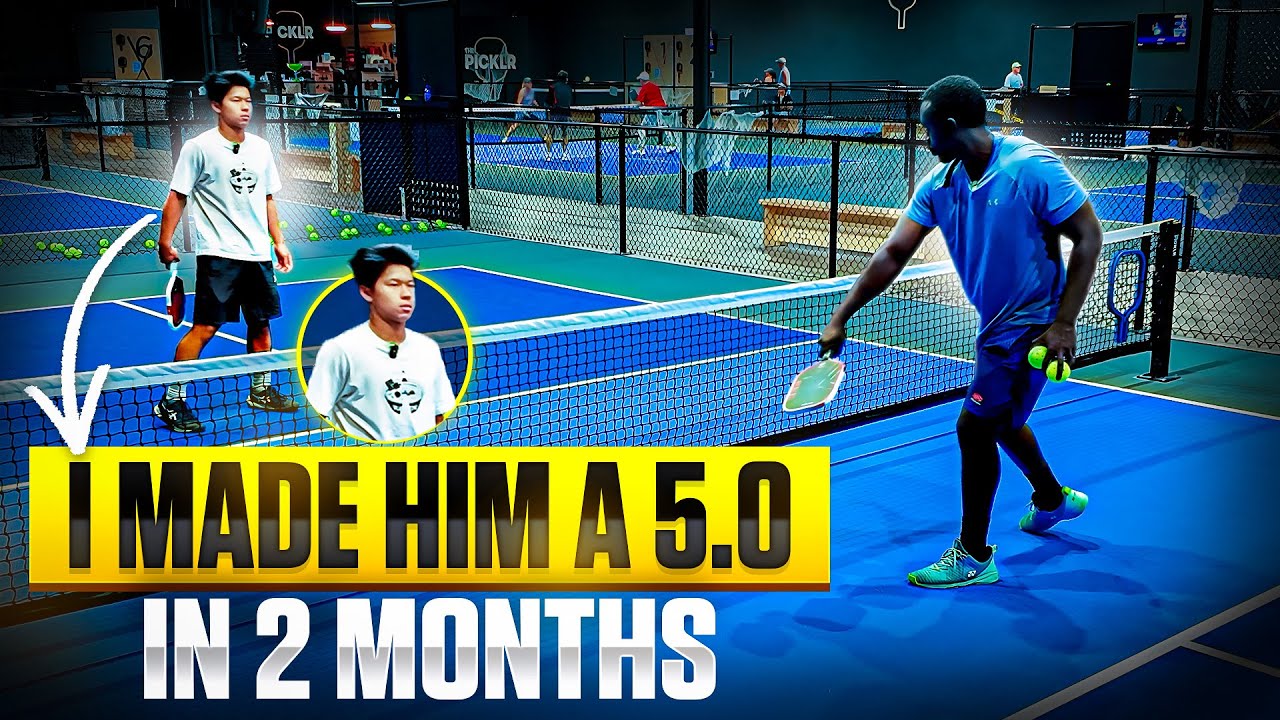
The Skills Progression That Transformed This Tennis Player into a Pickleball 5.0
Some skills definitely translate, but a tennis background can be a liability without proper training and techniques
 The Dink PickleballThe Dink Media Team
Positioning and Strategy Work You Can Squeeze In
You don't need a full doubles game to drill positioning.
Kitchen line footwork, transition zone timing, and fourth shot coverage can all be rehearsed with a partner in 15 minutes.
Start with how to position yourself at the kitchen, which is foundational enough to run every single session without it getting stale.
Pair that with fourth shot tips for court coverage in doubles if your team keeps leaving the middle exposed.
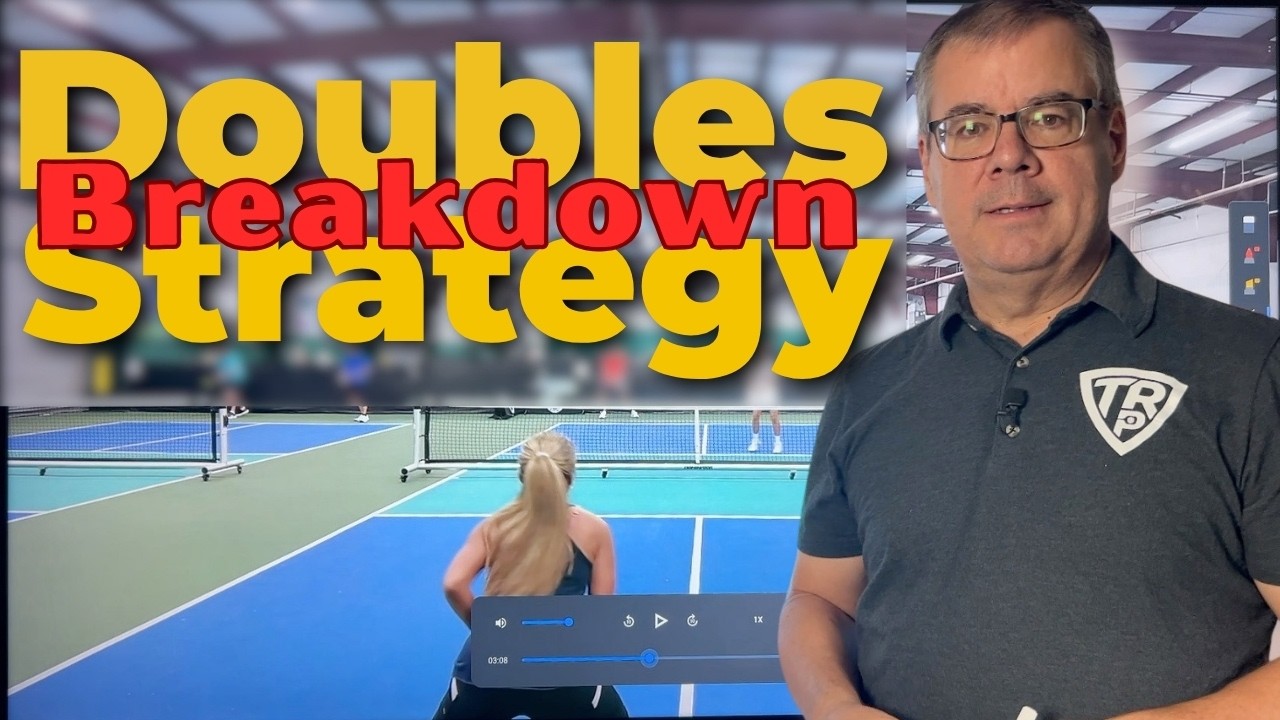
For anyone playing regularly with the same partner, doubles strategy around the T and sideline placement is worth walking through together off the court, then testing live for just a few reps.
And if your dinks are technically fine but not doing damage, turning mediocre dinks into winners is the missing piece most players skip.
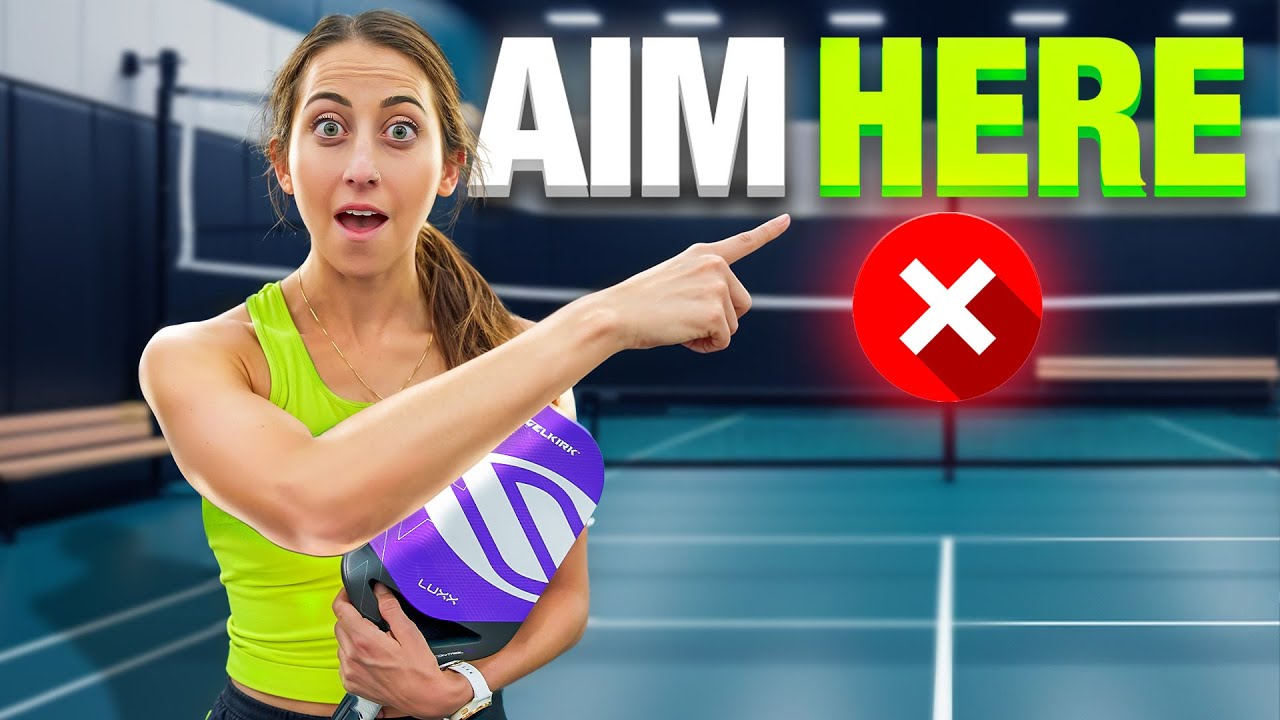
Pickleball Shot Placement: Complete Winning Guide
Whether you’re serving, returning, dinking, or driving, knowing where to aim gives you control over the rally and keeps your opponent reacting instead of attacking.
 The Dink PickleballThe Dink Media Team
Key Takeaways
- Court access is getting tighter as participation grows, so the real lever is what you do with the time you get, not how much of it you get.
- Prioritize the dink, third shot drop or reset, and serve-return combo. Those decide the most points in doubles and train well in short sessions, especially once you stop getting pulled wide at the net.
- Solo practice is a legitimate way to practice pickleball with limited court time when you can't find a partner or an open court.
- Structure beats volume: block sessions into segments with a single target and a tracked miss count, the same approach covered in mid-court pickleball tips.
- Pick one anchor skill per week instead of splitting attention across everything, and revisit changing the way you think about doubles pickleball if your anchor keeps landing on team-based shots.
💡
Heads up: hundreds of thousands of pickleballers read our free newsletter.
Subscribe herefor cutting edge strategy, insider news, pro analysis, the latest product innovations and more.
Frequently Asked Questions
How much court time do I actually need to improve?
Thirty focused minutes with a clear plan will outperform two unstructured hours almost every time. The key variable is specificity, not duration. If you're squeezing sessions in between work and everything else going on, pair this approach with keeping fit while on the go, since 20 to 30 minutes is genuinely enough progress if you isolate one shot per block.
How to Practice Pickleball With Limited Court Time When You Don't Have a Partner
Solo drills targeting footwork, wall reps, and paddle control work well here, especially anything built around watching the ball coming and going. The figure-8 drill and household drills like the fridge and toaster version require almost no space and no second player, making them ideal when courts are booked solid.
Should I focus on drills or just play more matches?
Both matter, but if your court time is genuinely limited, drills win. Matches test skills you already have. Drills build skills you don't have yet, the same lesson behind the 7 tips that took one player from a 3.0 to a 3.5. When time is the scarce resource, spend it building rather than testing.
How do I know which shot to prioritize when I only get one or two sessions a week?
Look at your last three matches. Whatever shot broke down most often, whether that's your third shot floating up or your dinks sitting high, is your anchor skill for the week. If the breakdown is really about your partner coordination, pair it with simple tips to improve teamwork. Rotate once that specific weakness improves.
Can beginners use the same limited-time practice approach as advanced players?
Yes, with a simpler target list. Beginners should anchor on paddle control and the dink before layering in shot selection work, the same fundamentals covered in always makes the routine shots. The framework of segmenting time and tracking one metric per session applies at every level.
Anuncie Aqui / Advertise Here
Sua marca para o mundo Pickleball! / Your brand for the Pickleball world!




 English (US) ·
  Portuguese (BR) ·