
 English
  Spanish
  Portuguese
  German
  Italian
  Japanese
  French
  Polish
  Russian
  Netherlands
  Hungarian
  Turkish
  Videos
  Thedink Pickleball

Pickleball takes minutes to pick up and a lifetime to master. This guide covers everything you need: the right gear, the core rules, how scoring works, and the first shots to practice.
If you want to know how to start playing pickleball, here's the honest answer: you can play your first real point within an hour of picking up a paddle.
That's not marketing copy. That's just the reality of why millions of Americans are already hooked.
The rules are simple. The court is small.
And the learning curve is flat enough that you won't spend your first session watching the ball bounce past you in total confusion.
That said, there's a version of pickleball most beginners never find, the tactical, skilled, genuinely competitive version.
This guide gets you playing fast, and it plants the seeds for that next level, too.
Love pickleball? Then you'll love our free newsletter. We send the latest news, tips, and highlights for free each week.
How to Start Playing Pickleball: What You Actually Need
You need three things to start playing pickleball: a paddle, a ball, and a court. That's the whole list.
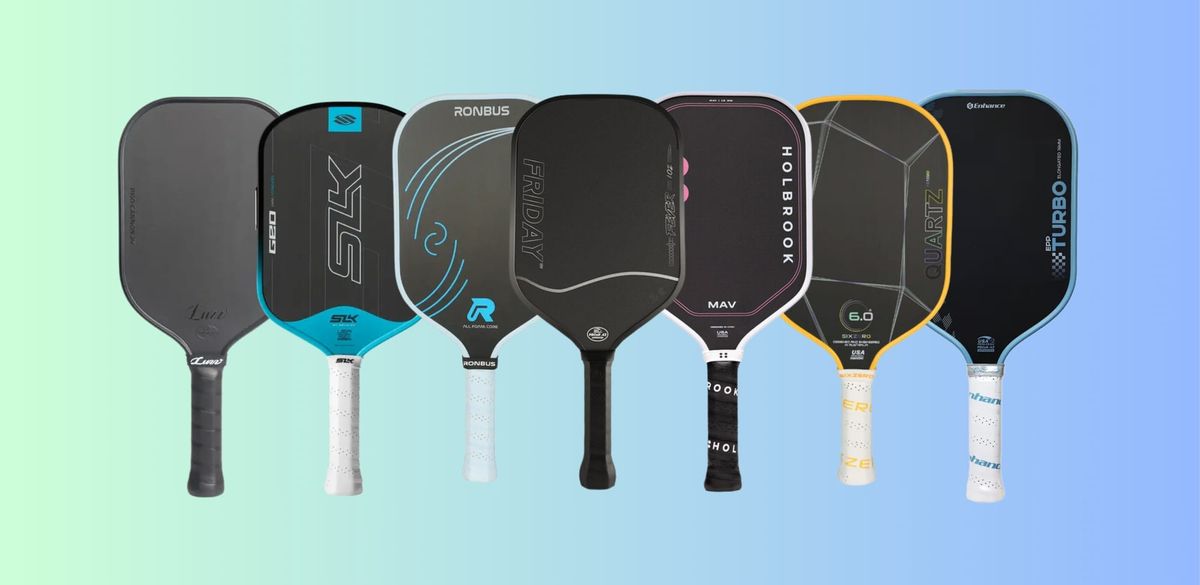
A paddle is your primary equipment investment. For first-timers, a mid-range option in the $60–$100 range is plenty.
You don't need the $200 carbon fiber paddle your playing partner just bought.
Cheap Pickleball Paddles: 7 Best Under $100
Reputable brands like Selkirk, Holbrook, Enhance, Six Zero, and more now offer high-tech paddles under the $100 mark.
 The Dink PickleballAlex E. Weaver
Grip size matters more than face material at this stage, if the grip feels too thick or thin, the paddle will fight you on every shot.
Standard grip circumference runs 4 to 4.5 inches; most adults land in the 4.25 range. Check out some paddle reviews on The Dink once you're ready to upgrade.
The ball is a hard, perforated plastic sphere, different from a Wiffle ball, more rigid, with 26–40+ holes depending on whether you're playing indoors or outdoors.
Outdoor balls are denser and handle wind. Indoor balls are lighter and bounce truer. If you're starting at a rec center, they'll usually have balls available.
The court is 44 feet long by 20 feet wide, much smaller than a tennis court. That compact footprint is part of what makes pickleball so accessible.
Most community courts are free during open play hours.
What Is the Kitchen, and Why Should You Care From Day One?
The kitchen, officially called the non-volley zone (NVZ), is the 7-foot rectangular area on each side of the net.
You cannot volley the ball (hit it before it bounces) while standing inside it. Step in, hit a volley, lose the point. That's the rule.
Here's why this matters on day one: the kitchen is the central tactical concept of the entire sport.
Almost every strategic decision in pickleball revolves around the NVZ.
Pro Pickleball Rulebook: Line Calls, Paddle Throws, Ball Blowing
The UPA-A released a 71-page document detailing everything from a new card system governing on-court behavior to paddle challenges, line calls, and yes – blowing the ball over the net
The Dink PickleballAlex E. Weaver
Advanced players fight to establish position at the kitchen line, then use soft, controlled shots called dinks to neutralize opponents.
Understanding the kitchen early changes how you think about the game. The goal isn't to blast every ball.
It's to get yourself to the NVZ line while keeping your opponent back. Mid-court tips from The Dink cover this transition beautifully once you're a few sessions in.
💡
Need some new pickleball gear? Get 20% off select paddles, shoes, and more with code THEDINK at
Midwest Racquet SportsHow Does Pickleball Scoring Actually Work?
Pickleball scoring trips up beginners more than any other rule. Let's be direct: you can only score a point when your team or you are serving.
If the receiving side wins a rally, they don't get a point, they get the serve.
Singles scoring works like this: each player has one serve, and the score is announced as two numbers (server score, receiver score).
Doubles adds a third number, the server number, either 1 or 2, so a full score call sounds like "4-3-2." Standard games are played to 11, win by 2.
One more quirk: in doubles, each team gets two serves per side-out (one per player), except at the very start of the game when the first serving team only gets one serve.
USA Pickleball's official rulebook spells it all out if you want the full breakdown, but most of it clicks naturally after a few games.
Pickleball Scoring Explained: How to Keep Score
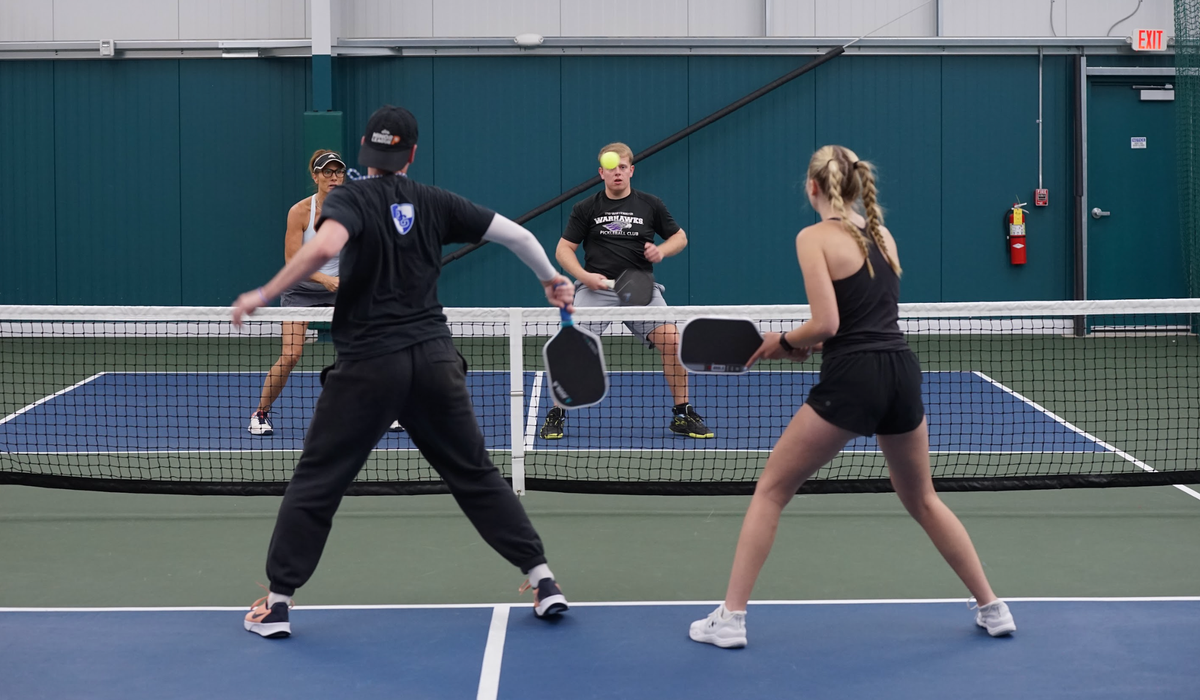
Pickleball scoring can trip up even experienced players, especially with rally scoring changing the game at the pro level. Here’s everything you need to know about how pickleball scoring works in every format, recreational doubles all the way to Major League Pickleball.
The Dink PickleballThe Dink Media Team
How to Start Playing Pickleball the Right Way: The Serve and Rally Basics
The serve must be hit underhand, below the waist, with the paddle below your wrist.
It travels diagonally cross-court into the opponent's service box. Unlike tennis, there's only one serve attempt, no second serve.
Once the ball is in play, here's the rule that confuses almost everyone: the double bounce rule. The serve must bounce once before the receiving team hits it.
Their return must also bounce before the serving team hits it. After those two bounces happen, both sides can volley freely.
Think of it as two bounces to start, then open season.
The third shot drop is the first "advanced" concept worth knowing before you're even considered advanced.
After the serve and return, the serving team is stuck at the baseline while the returning team is already rushing the net.
The third shot drop is a soft, arcing shot that lands in the kitchen, it neutralizes the net advantage and gives the serving team time to advance.
Here's a full breakdown of how to make your third shot work.
The Pickleball Serve Basics: Rules, Technique & Pro Tips from Michael Loyd
Fix your serve, and your entire game gets easier. You start points on offense instead of defense. Your opponent’s return is weaker. Your third shot is simpler. It all flows from that one shot you control completely.
The Dink PickleballThe Dink Media Team

What's the Best Way to Improve When You're First Starting Out?
The fastest way to improve as a new player: play open play, not just with your friends.
Open play sessions at public courts or rec centers drop you into rotating games with players of mixed skill levels. You'll lose plenty.
You'll also absorb tactics you couldn't learn otherwise.
The social dynamic is part of what makes pickleball addictive, it's genuinely one of the friendliest sporting communities out there.
Beyond open play, a few first-session fundamentals:
- Keep the ball low over the net. High shots get attacked. Low shots force opponents into defensive positions.
- Get to the kitchen line. Don't camp at the baseline. The advantage belongs to the team at the net.
- Control before power. Consistent placement beats hard hitting at every skill level below 4.0.
Solo drills on The Dink are solid if you want to put in reps between open play sessions.
10 Pickleball Tips That Transform Your Game
A 5.0 pickleball player shares 10 game-changing pickleball tips that took years to learn. From grip fundamentals to wrist strength, these insights will transform your game.
The Dink PickleballThe Dink Media Team

How to Start Playing Pickleball and Actually Get Fit Doing It
Here's a bonus: pickleball delivers a legitimate workout.
Research published on PubMed found that recreational pickleball players met moderate-intensity exercise thresholds during play, the kind associated with cardiovascular benefit.
The Dink's own breakdown of pickleball calorie burn shows players can burn 350–475 calories per hour depending on intensity.
The court's compact size means you're moving constantly without the long-distance running that deters many people from racket sports.
Lateral movement, short sprints, and split-step reactions engage fast-twitch muscle groups that slow-jogging never touches.
For players coming from tennis specifically, the adjustment is mostly mental, this piece on trading a racquet for a paddle captures that transition well.
Pickleball Fitness for Seniors: Train Safe, Play Better
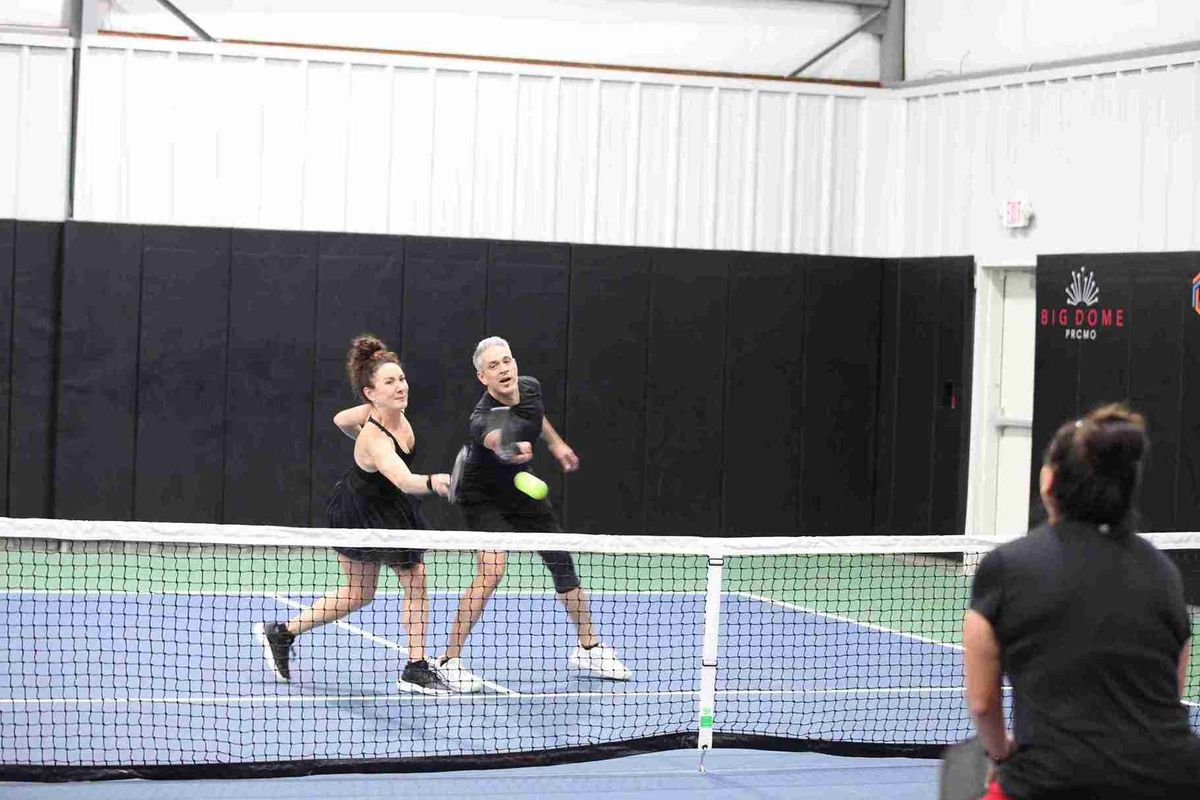
Pickleball fitness for seniors is the difference between playing twice a week and playing every day without breaking down. This guide breaks down the exact training approach that lets older players compete harder and recover faster.
The Dink PickleballThe Dink Media Team
The One Thing That Separates Beginners Who Improve from Beginners Who Plateau
It's patience at the kitchen. Full stop.
Most new players want to attack every ball. Hit hard. End the point.
The problem is that hard-hit balls from mid-court go out or get attacked right back, and you lose.
The players who improve fastest are the ones who embrace the dink rally, soft shots into the kitchen, waiting for a pop-up, then attacking when the opportunity is real.
Doubles strategy guides cover this in depth, but the core lesson transfers to every format: make your opponent make the mistake, don't make it for them.
Understanding the Pickleball Plateau and How to Break Through It
You can work hard all day, but without the right guidance to take you from where you are to where you want to be, you’ll keep spinning your wheels.
The Dink PickleballThe Dink Media Team

Key Takeaways
- How to start playing pickleball takes less than an hour to learn at a basic level
- You need a paddle ($60–$100 range is fine), a ball, and a court, nothing else
- The kitchen (non-volley zone) is the central tactical concept; understand it from day one
- Scoring only happens when you're serving; doubles uses a three-number score call
- The double bounce rule governs the first two shots of every rally
- The third shot drop is the most important tactical concept to learn early
- Open play is the fastest path to improvement
💡
Heads up: hundreds of thousands of pickleballers read our free newsletter.
Subscribe herefor cutting edge strategy, insider news, pro analysis, the latest product innovations and more.
Frequently Asked Questions
How to start playing pickleball as a complete beginner?
Start with a mid-range paddle, find a local open play session at a community court, and focus on learning the kitchen rule and the double bounce rule first. Most beginners can play real points within 30 minutes. Join the rotating games, lose a lot, and watch how better players position themselves at the net.
What equipment do I need to start playing pickleball?
The bare minimum is a paddle and a pickleball. Paddle prices range from $30 to $250+, but a $60–$100 graphite or fiberglass paddle is more than enough for a beginner. Wear court shoes with lateral support, running shoes technically work but aren't built for the quick side-to-side movement pickleball demands.
How does pickleball scoring work for beginners?
Points can only be scored by the serving team. Standard games go to 11, win by 2. In doubles, the score is called as three numbers: serving team score, receiving team score, server number (1 or 2). The confusing part, only the serving team scores, clicks quickly once you've played a few points.
What is the non-volley zone (kitchen) in pickleball?
The non-volley zone, nicknamed the kitchen, is the 7-foot area on both sides of the net. You cannot hit the ball out of the air (volley) while your feet are inside it. You can enter the kitchen to hit a ball that has already bounced. Stepping into the kitchen and volleying, even by accident, is an immediate fault.
How long does it take to get good at pickleball?
Most beginners can hold their own in casual open play within a few weeks of regular practice. Reaching a 3.0 skill level (a recognized recreational benchmark in USA Pickleball's rating system) typically takes a few months of consistent play. The ceiling is high, reaching 4.0+ requires dedicated practice, drilling, and strategic understanding, but the early progress curve is fast and satisfying.
Anuncie Aqui / Advertise Here
Sua marca para o mundo Pickleball! / Your brand for the Pickleball world!




 English (US) ·
  Portuguese (BR) ·