
 English
  Spanish
  Portuguese
  German
  Italian
  Japanese
  French
  Polish
  Russian
  Netherlands
  Hungarian
  Turkish
  Videos
  Thedink Pickleball

Popping the ball up in pickleball is the fastest way to hand your opponent a free point at the kitchen. These 3 fixes for dinking, resetting, and countering will change how you play the net.
Popping the ball up in pickleball is one of the most frustrating patterns to break, especially when you can feel it happening and still can't stop it.
You get to the kitchen, things speed up, and suddenly every ball you hit floats right into your opponent's strike zone.
They attack, you scramble, and the rally ends badly.The good news is that this problem almost always comes down to three fixable things: your dink mechanics, your reset, and your counter.
Coach Cliff Pickleball walked a 4.5-level player named Anna through exactly this on the court, and the session reveals a clear path forward for anyone stuck in the same loop.
Love pickleball? Then you'll love our free newsletter. We send the latest news, tips, and highlights for free each week.
The Real Reason You Keep Floating Balls at the Net
Most players think popping the ball up is a mechanics problem. It is, but it starts one layer earlier: you're not confident with your basic kitchen shots.
Anna is a strong athlete who hits harder than most 4.5 players. But the moment she reached the kitchen line, everything broke down.
Her dinks were inconsistent, her resets had too much swing, and her counters kept going up instead of down.
When the basics aren't stable, everything else falls apart under pressure.Fix the foundation and the pop-ups disappear. That's the whole framework, and it starts with the essential pickleball shots you use most at the net.
Fix 1: Stop Slicing Your Backhand Dink
The first thing Cliff noticed was a heavy slice on Anna's backhand dink.
This is extremely common with tennis players carrying a two-handed backhand into pickleball.The slice creates inconsistency because the ball behaves differently depending on how much cut you apply.
Some balls go into the net, others pop up, and very few land where you want them.There's a reason pros have quietly abandoned the slice shot in so many kitchen situations.
The fix is straightforward. Use two hands on any ball that bounces out in front of you or doesn't pull you wide.
Save the one-handed backhand for when you're reaching or being pushed off the line.
Here's how to think about the backhand dink split:
- Two hands: ball bounces in front of you, you're in position, you have time to set
- One hand: ball pulls you wide, you're reaching, or you're being moved off the line
The two-handed backhand gives you more control and keeps the ball lower because you're not relying on a spinning motion to create direction.
You're guiding with both hands.For more work on this shot, this breakdown of the pro-level backhand dink is worth running through.
And if you're still seeing pop-ups, cornering the ball explains the real reason your dinks float.
💡
Need some new pickleball gear? Get 20% off select paddles, shoes, and more with code THEDINK at
Midwest Racquet SportsWhy Does a Loose Grip Change Everything?
Grip pressure affects dinking and resetting equally, which is why it comes before Fix 2.
A tight grip creates swing. When you're nervous or reacting quickly, you squeeze the paddle, your arm tenses, and you add speed to the ball.
That speed is what sends it up.
Cliff told Anna repeatedly to stay relaxed. That's not a mental cue. It's a physical instruction.A loose grip lets the paddle absorb pace instead of adding to it.
This matters most when someone speeds up at you, because your instinct is to grip harder and swing back. That's exactly the wrong move.
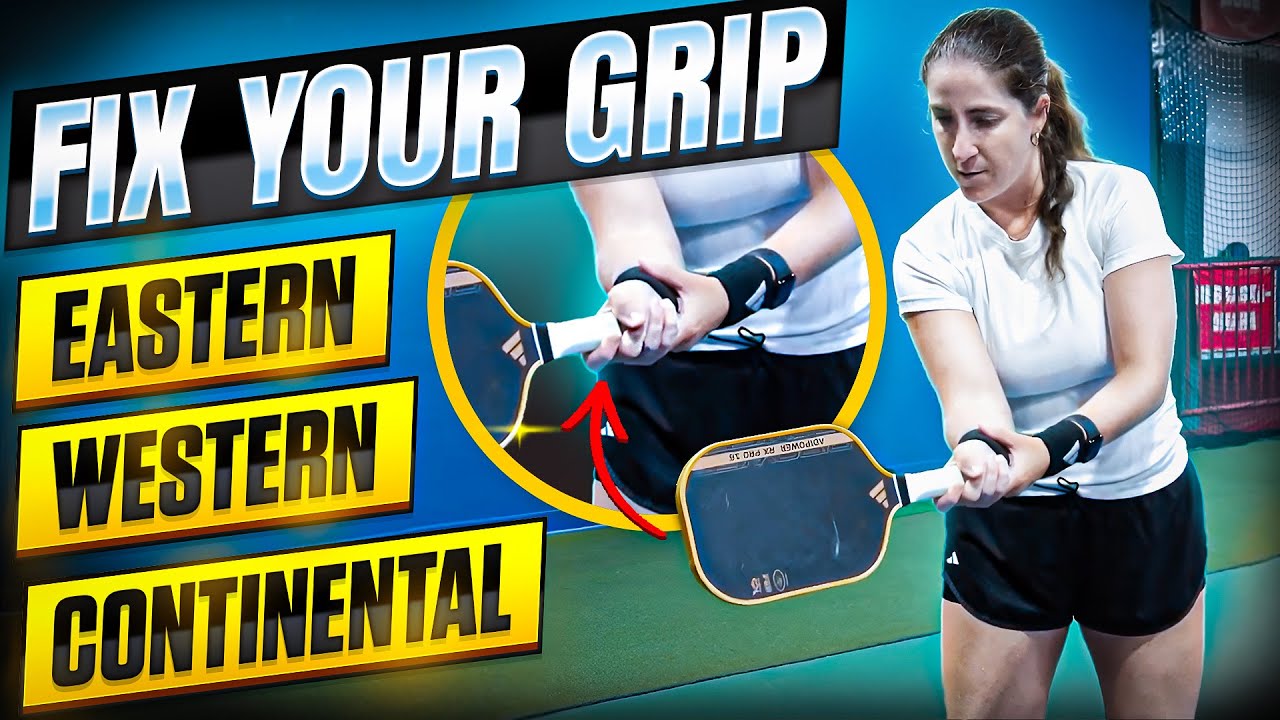
The Three Pickleball Grips (& When to Use Them): Continental, Eastern & Western
Whether you’re crushing forehands from the baseline or executing delicate volleys at the kitchen line, your grip determines what’s possible.
 The Dink PickleballThe Dink Media Team
Fix 2: The Reset Is a Block, Not a Shot
When you pop a ball up and your opponent attacks it, you have two options: reset or counter.
Most players try to do something in between and end up doing neither well.The reset is simple in concept but hard in execution. Your only job is to get your paddle in the path of the ball and let it hit you.
No swing. No wrist flick. No extra motion.Cliff threw speed-ups directly at Anna and kept repeating the same thing: no swing, stay athletic, just connect.
The first few attempts were messy because she kept trying to hit the ball instead of absorb it.
Here's the reset checklist:
- Get into an athletic, slightly crouched position before the ball arrives
- Keep your grip loose and your wrist neutral
- Hold your paddle in front of you and let the ball contact it
- Do not jerk, punch, or swing through the ball
- Aim to land the reset softly in the kitchen
The reset is not a passive shot. You're making a deliberate choice to absorb pace and take away your opponent's advantage.
If your reset keeps failing, these three fixes explain what's going wrong mechanically.Anna's biggest reset mistake was standing too tall.
When you're upright, your paddle position is wrong, your reaction time is slower, and you're more likely to pop the ball up because the angle is off. Get low.
Stay ready.
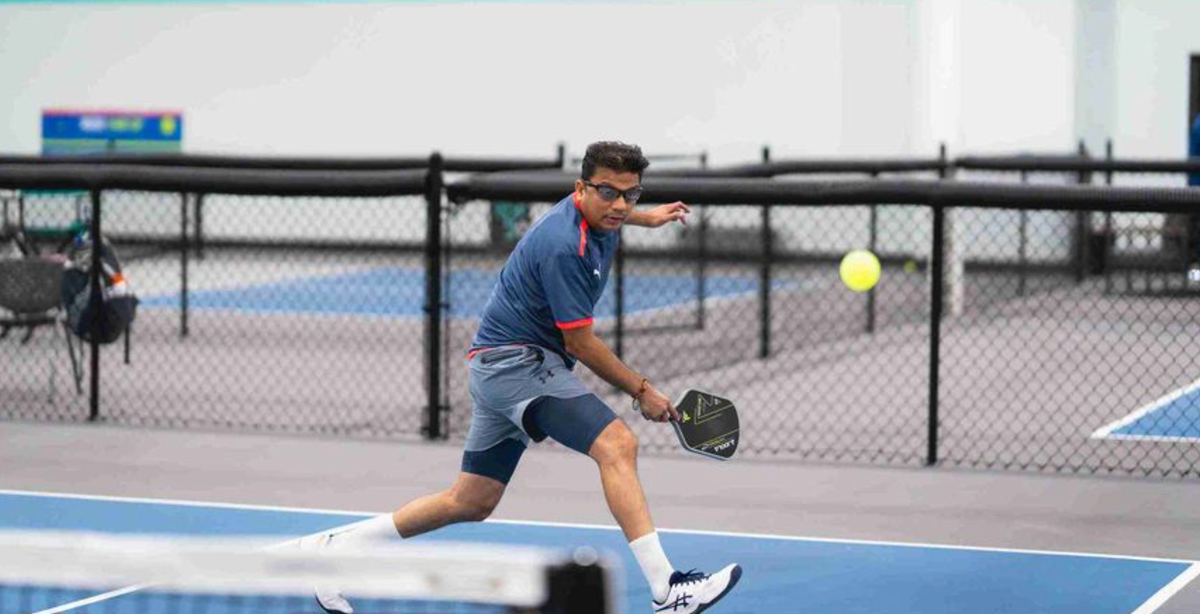
Block Volley Pickleball: Absorb Pace and Reset the Point
The block volley in pickleball is one of the most effective defensive tools you can add to your game, allowing you to absorb pace and neutralize hard attackers at the kitchen line. Learn the exact technique, grip adjustments, and drills to make the block volley a reliable reset weapon.
 The Dink PickleballThe Dink Media Team
Fix 3: How to Counter When the Ball Comes Straight at You
The counter is what you use when you can see the speed-up coming and you choose to punch it back instead of resetting.
Done right, it ends the rally in your favor. Done wrong, it's just another pop-up.The key insight from Cliff's session is about hand selection. When the ball is coming straight at your body, use one hand.
Two hands are too wide to swing comfortably when the ball is aimed at your chest or midsection.
Cliff demonstrated this clearly. With one hand, he was able to punch the ball directly at his opponent's feet in a compact motion.When he tried the same shot with two hands, his body got in the way and the ball went up.
Here's the counter decision framework:
- Ball coming straight at you: One-handed punch, aim at opponent's feet
- Ball going to your backhand side: Two-handed counter or one-handed depending on your reach
- Ball going to your forehand: Forehand counter with a compact punch motion
The goal of the counter is not to win the rally outright. The goal is to make the ball go down toward your opponent's feet so they're forced to pop it up.
Then you can finish.
Anna struggled here because she kept swinging fully through the ball instead of punching it.A full swing on a counter gives your opponent time to read the ball and set up. A short, directed punch does the opposite.
For more on countering speed-ups specifically, these three fixes to reset every speed-up will sharpen your decision-making in real rallies.
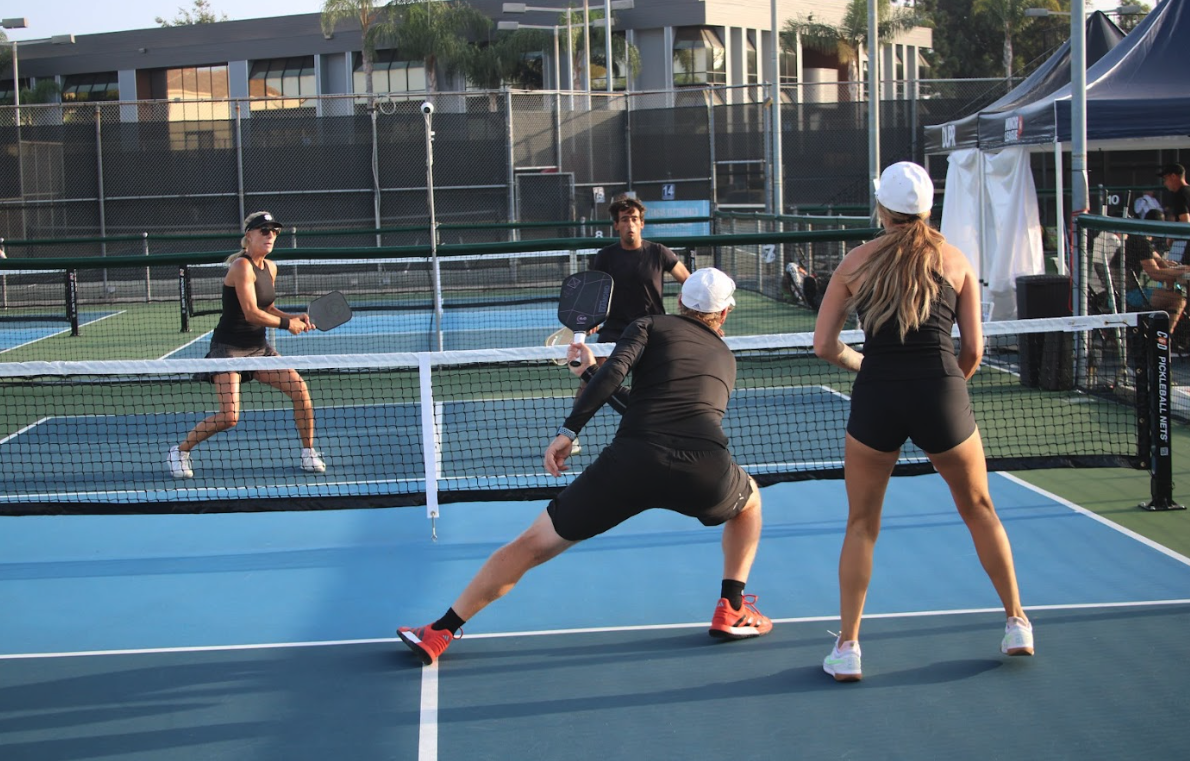
How to Counter a Speed Up at the Kitchen in Pickleball
Learning how to counter a speed up at the kitchen in pickleball is one of the fastest ways to stop giving free points at the net. This guide breaks down the Block, Reset, Reload system so you can neutralize attackers and take back control of the rally.
 The Dink PickleballThe Dink Media Team
How Do You Know Whether to Reset or Counter?
This is the question that trips players up the most. The answer is about anticipation, not reaction.
If you see the speed-up coming and you have time to prepare, counter it. If the speed-up catches you off guard or you're out of position, reset it.
That's the whole framework.
Trying to counter when you're out of position is why balls keep going up. You're swinging from a bad spot and the angle works against you.
Reset first, get stable, then go back on offense.
Cliff had Anna practice the two shots in sequence: first ball reset, second ball counter.This forces you to make a clear decision on each shot instead of guessing in the middle.
Fixing your shot selection habits at the kitchen will make this decision faster and more automatic over time.
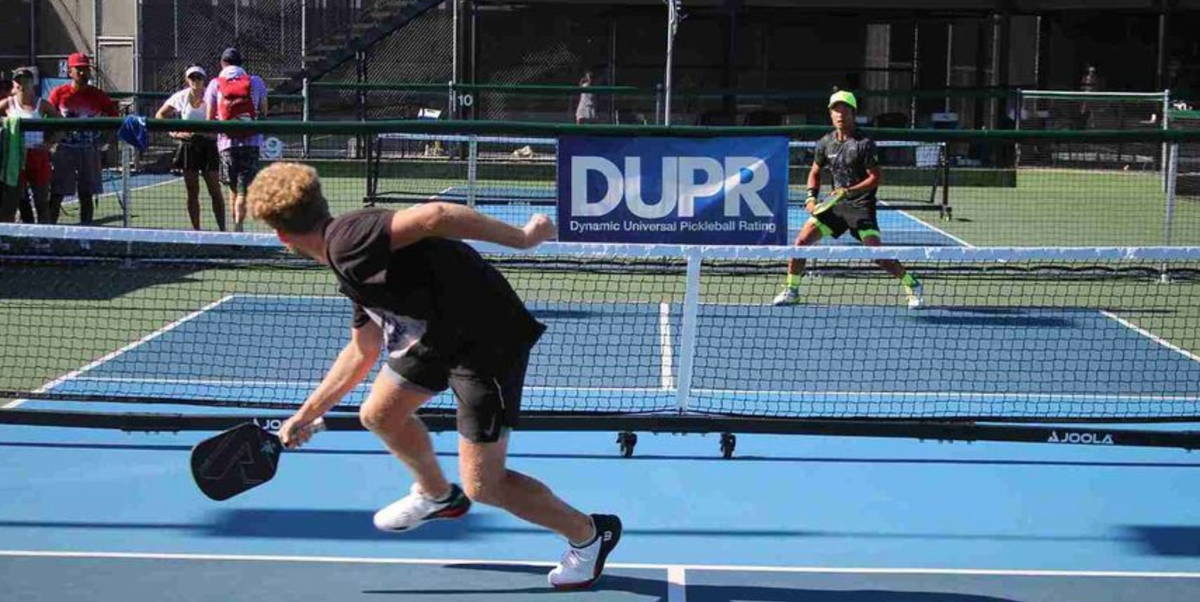
How to Reset When Attacked at the Kitchen in Pickleball
Knowing how to reset when attacked kitchen pickleball firefights erupt is what separates 4.0 players from 4.5s. Master these techniques and you’ll stop giving away free points under pressure.
 The Dink PickleballThe Dink Media Team
Putting All Three Fixes Together
These three adjustments work as a system. The dink fix keeps you from creating problems for yourself.
The reset fix keeps you in the rally when your opponent attacks.
The counter fix lets you go back on offense when you're ready.
If your dink mechanics are off, you'll create pop-up opportunities for your opponent constantly.If your reset is too aggressive, you'll send the ball back up even when you're trying to defend.
If you can't counter a ball coming at your body, you'll always be playing from behind.
Cliff closed the session with a clear prescription for Anna: practice crosscourt dinking with the backhand until you can hit ten in a row without a mistake.Build consistency first. Strategy comes second.
That advice applies to anyone reading this too.
Once your dinking is stable, you can start thinking about how to move your opponent and create pop-ups on purpose rather than by accident.This breakdown of why your dink fails in real games is a useful next step.
If you want to understand how popping the ball up connects to broader kitchen positioning, your kitchen arrival percentage is the stat that tells you how much this is costing you in actual matches.
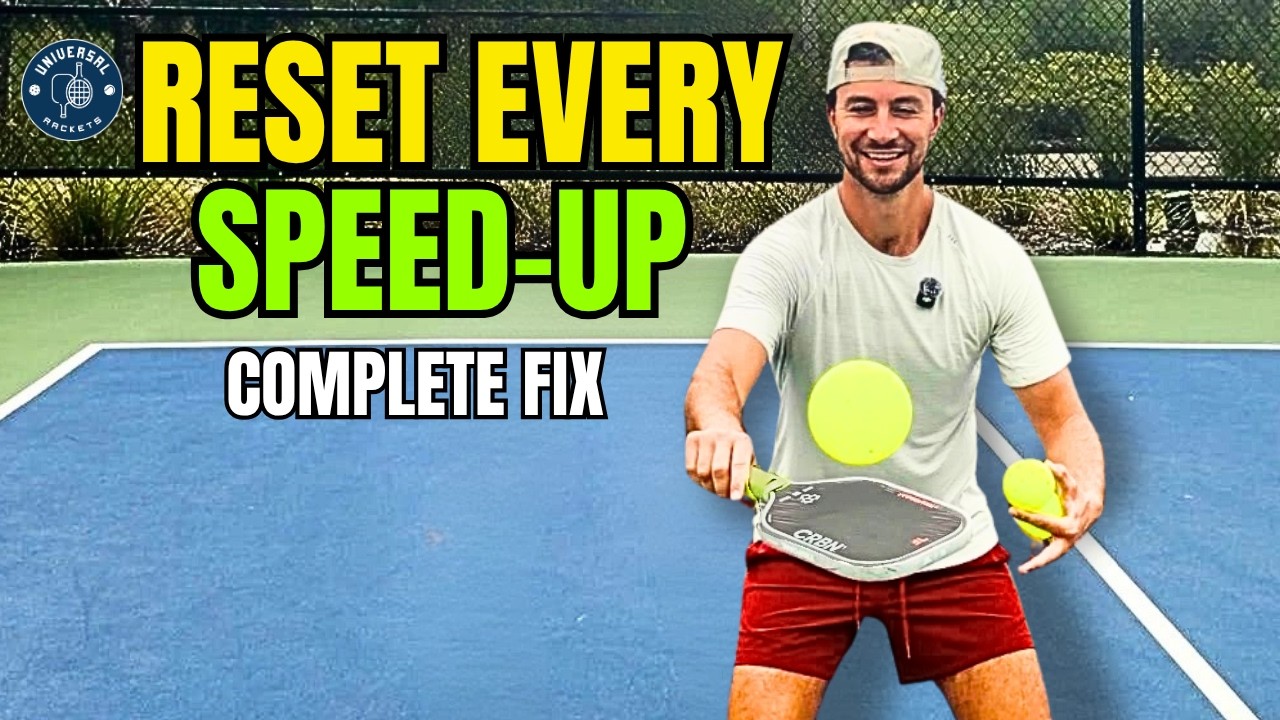
3 Fixes to Reset Every Pickleball Speed-Up
The pickleball speed-up reset is the skill that separates players who win from players who panic at the kitchen. These 3 fixes will help you absorb, redirect, and counter every speed-up thrown at you.
 The Dink PickleballThe Dink Media Team
The Habit That Ties Everything Together
The single habit that makes all three fixes stick is staying calm when things go wrong at the net.
Panic is what causes the swing. The swing is what causes the pop-up. The pop-up is what gets you attacked.
When you pop the ball up, your job is not to panic.
Your job is to watch your opponent's paddle face and body, decide whether to reset or counter, and execute a simple, compact shot.
Anna's session showed that even strong, athletic players can struggle with this because the instinct to do more is hard to override.
The kitchen rewards players who do less. Stay low, stay loose, and let the paddle do the work.For players who want to see how these kitchen fundamentals connect to winning full points, this guide on fixing your dink, drop, and reset together ties it all into one framework.
And if you're dealing with a specific issue where your forehand dink keeps getting attacked, here's why that's happening and how to stop it.
💡
Heads up: hundreds of thousands of pickleballers read our free newsletter.
Subscribe herefor cutting edge strategy, insider news, pro analysis, the latest product innovations and more.
Frequently Asked Questions
Why do I keep popping the ball up at the kitchen even when I'm trying not to?
Popping the ball up usually comes from too much grip pressure and too much swing. When you tighten your grip under pressure, your arm adds speed to the ball and the angle goes up instead of down. Focus on a loose grip and a compact motion instead of trying to control the ball with force.
What is the difference between a reset and a counter in pickleball?
A reset is a soft, absorbing block that takes pace off the ball and lands it in the kitchen. A counter is a directed punch shot that redirects the ball back at your opponent's feet with speed. Use the reset when you're out of position or caught by surprise, and the counter when you can see the attack coming.
Should I use one hand or two hands on my backhand dink?
Use two hands when the ball bounces in front of you and you're in a comfortable position. Switch to one hand when you're reaching wide or being pulled off the kitchen line. The two-handed backhand gives you more control and keeps the ball lower on routine dinks.
How do I counter a ball that is coming straight at my body?
Use one hand for any speed-up aimed directly at your midsection or chest. Two hands require too wide a swing when the ball is that close to your body, and the shot ends up going up. A compact one-handed punch aimed at your opponent's feet is the right move.
How much should I practice dinking before focusing on strategy?
You need to be able to hit ten crosscourt dinks in a row consistently before strategy matters. If your basic dink breaks down under light pressure, adding strategic complexity will only create more errors. Build the foundation first and the tactical options will open up naturally.
Anuncie Aqui / Advertise Here
Sua marca para o mundo Pickleball! / Your brand for the Pickleball world!






 English (US) ·
  Portuguese (BR) ·