
 English
  Spanish
  Portuguese
  German
  Italian
  Japanese
  French
  Polish
  Russian
  Netherlands
  Hungarian
  Turkish
  Videos
  Thedink Pickleball

If you keep sailing balls long or smashing easy put-aways into the fence, you need a real plan for how to stop overhitting pickleball. Here's the control-first approach that fixes the habit for good.
If you've typed "how to stop overhitting in pickleball" into Google after another blown put-away, welcome to the club.
It's the most common power leak in the sport, and it shows up at every level from rec night to pro brackets.
Here's the uncomfortable truth. Overhitting isn't a power problem. It's a decision-making problem.
You're choosing max effort when the situation calls for something smarter, and your arm is cashing checks your strategy can't cover.
This piece breaks down why the habit forms, what the numbers on power shot selection actually say, and the specific drills that retrain your hands to know the difference between "swing hard" and "swing smart."
Love pickleball? Then you'll love our free newsletter. We send the latest news, tips, and highlights for free each week.
The Real Reason You Need to Learn How to Stop Overhitting Pickleball Shots
The direct answer: you overhit because your body defaults to the highest-effort option under pressure, and nobody's ever trained you to default to reading the shot correctly instead.
Think about it. Every rally has a moment where the shot gets there fast, the angle looks open, and your brain screams put it away.
That's the exact moment control disappears and pure paddle speed takes over.
The problem is that most players never build a true second gear on their drive. It's either a dink or a haymaker, with nothing calibrated in between.
That gap is where rallies die. A rushed swing path turns a winnable point into a gift for your opponent, often a mistake you didn't even know you were making.
And once a player earns a reputation for overhitting pickleball shots at the first sign of opportunity, smart opponents just feed you pace and let your own arm beat you.
Recreational and tournament data collected by USA Pickleball's rules and instructional resources consistently point to unforced errors, not opponent winners, as the deciding factor in most amateur matches.
That's exactly why a strong backhand volley foundation matters so much.
Shaky mechanics push players toward compensating with extra force instead of trusting the shot.
What Counts as "Overhitting" Anyway?
Quick definition, because the term gets thrown around loosely.
Overhitting means applying more paddle speed or swing force than the shot situation requires, usually resulting in the ball sailing long, hitting the tape, or getting blocked right back at you for a clean counter.
It's not about hitting hard. It's about hitting hard when the smarter shot was available and you didn't take it.
💡
Need some new pickleball gear? Get 20% off select paddles, shoes, and more with code THEDINK at
Midwest Racquet SportsWhy Your Soft Game Is the Answer to Pickleball's Power Problem
Direct answer up front. The fix for overhitting isn't hitting softer across the board.
It's building a soft game good enough that you're not forced into low-percentage power just to survive a rally.
Players who overhit are usually the same players who can't reset under pressure.
When a fast exchange gets uncomfortable, their only tool is to swing harder and hope.
Compare that to a player who can absorb pace and drop the ball dead in the kitchen whenever a rally speeds up past their comfort zone.
That player never feels forced into a low-percentage swing. They just reset, reset again, and wait for a ball worth attacking.
Here's the catch. Building that reset takes reps most players skip because it's boring.
Nobody wants to practice absorbing pace when smashing winners feels better.
But a different kind of reset drill, one built around soft hands instead of big swings, is the single fastest way to lower your unforced error count.
How Do You Actually Slow Your Hands Down?
Start with grip pressure. A death grip transfers every ounce of tension straight into the ball.
Loosen it, especially at the kitchen line, and you'll find the touch shots and slice dinks that used to sail long suddenly start dropping soft and short.
Next, isolate the habit with target practice.
One of the toughest dinking drills out there forces you to control pace under fatigue, which is exactly when overhitting habits sneak back in.
Do it enough and your hands learn a new default setting.
Master Your Pickleball Soft Game Like a Pro
Your pickleball soft game might be sabotaging you without you even knowing it. Here’s how to fix it and start winning more points immediately.
 The Dink PickleballThe Dink Media Team
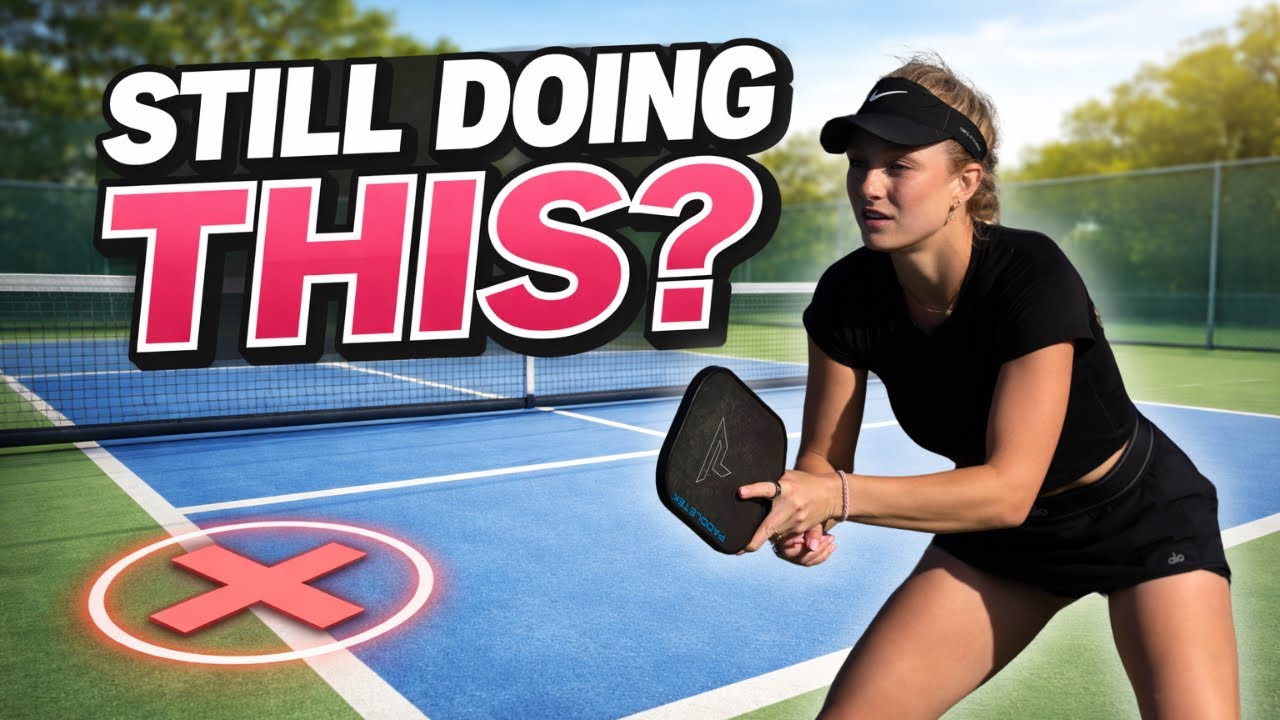
How to Stop Overhitting Pickleball on the Return and at the Net
This is where the habit costs the most points, so let's get specific.
How to Stop Overhitting Pickleball Returns Without Losing Depth
Direct answer: take something off the return and aim for depth over pace. Where you return the serve matters, but a deep, moderate-speed return pins your opponent back and buys your team time to get into position. Smashing the return with max pace usually just speeds up your own trip into a bad court position.
Good fourth shot and court coverage habits start with a return that doesn't rush your feet. If your return forces you to sprint forward off balance, you've already set yourself up to overhit the next ball just to recover. Pair that with solid T and sideline placement and you'll stop handing your opponents free pace to attack.
How to Stop Overhitting Pickleball Put-Aways at the Net
Direct answer: pick your spot before you swing, not during the swing. The put-away error almost always comes from a player who saw an open court and reacted with max effort instead of picking a specific target first.
Elite players are proof this works. Watch how the top pros dink with unusual control and patience before they ever go for the finish. They're not waiting because they're scared of power. They're waiting because a controlled, well-placed put-away wins the point far more often than a max-effort smash that sails.
The same logic applies to turning a mediocre dink into an actual finishing shot instead of forcing something that isn't there yet.
Patience at the net isn't passive. It's a strategy.
Why Hitting the Pickleball Out of Bounds Keeps Happening
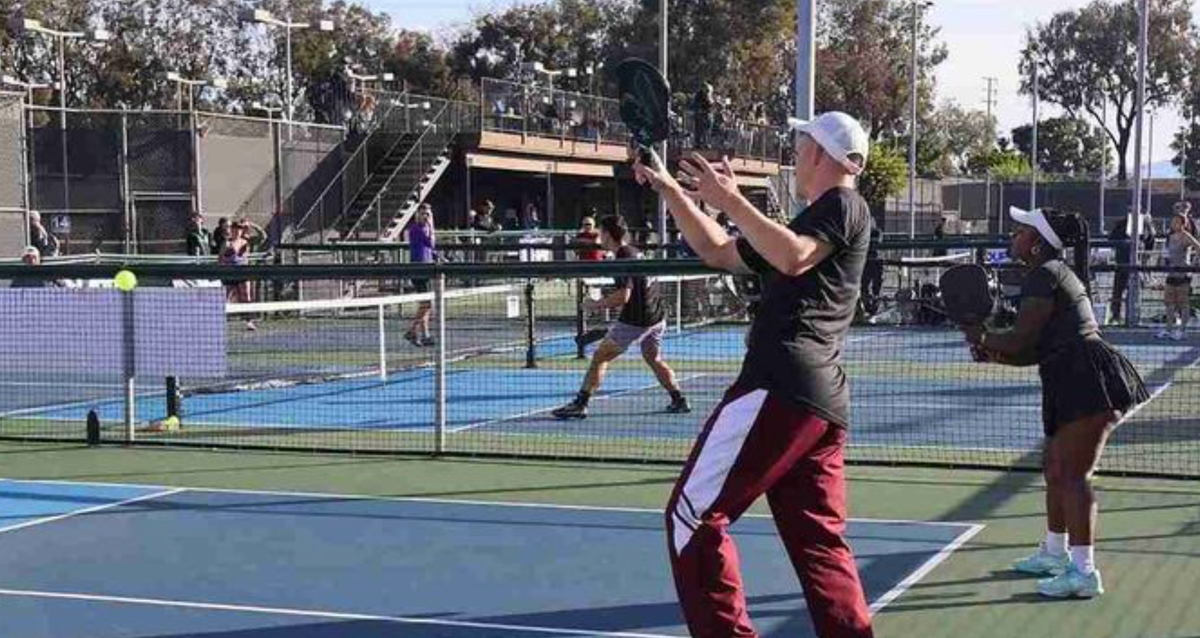
If you keep asking why hitting pickleball out of bounds happens to you specifically, the answer usually lives in your paddle face, not your luck. Here’s what’s actually going wrong and how to stop it shot by shot.
 The Dink PickleballThe Dink Media Team
Three Drills That Retrain Your Hands for Good
You don't fix overhitting by thinking about it mid-rally. You fix it in practice, with drills built specifically to punish the habit.
- The Third Shot Ladder. Drop, drive, drop again, on command from a partner. Adding some variety to your third shot reps forces you to switch gears instead of defaulting to one speed every time.
- Drive vs. Drop Decision Drill. A feeder alternates fast and slow balls, and you have to choose whether the situation calls for a drive or a drop in real time. This is the exact decision-making skill that breaks the overhitting habit.
- The Fridge and Toaster Drill. It sounds silly, but this footwork and touch drill builds the balance you need to hit a controlled shot instead of a rushed, off-balance power swing.
Don't sleep on your mechanics either. Simone's backhand clinic is proof that clean fundamentals remove the temptation to overcompensate with extra force.
And if you play doubles, remember this isn't a solo fix.
Simple teamwork habits like calling shots and covering for a partner who's mid-reset take a ton of pressure off individual players to bail out a rally with one big swing.
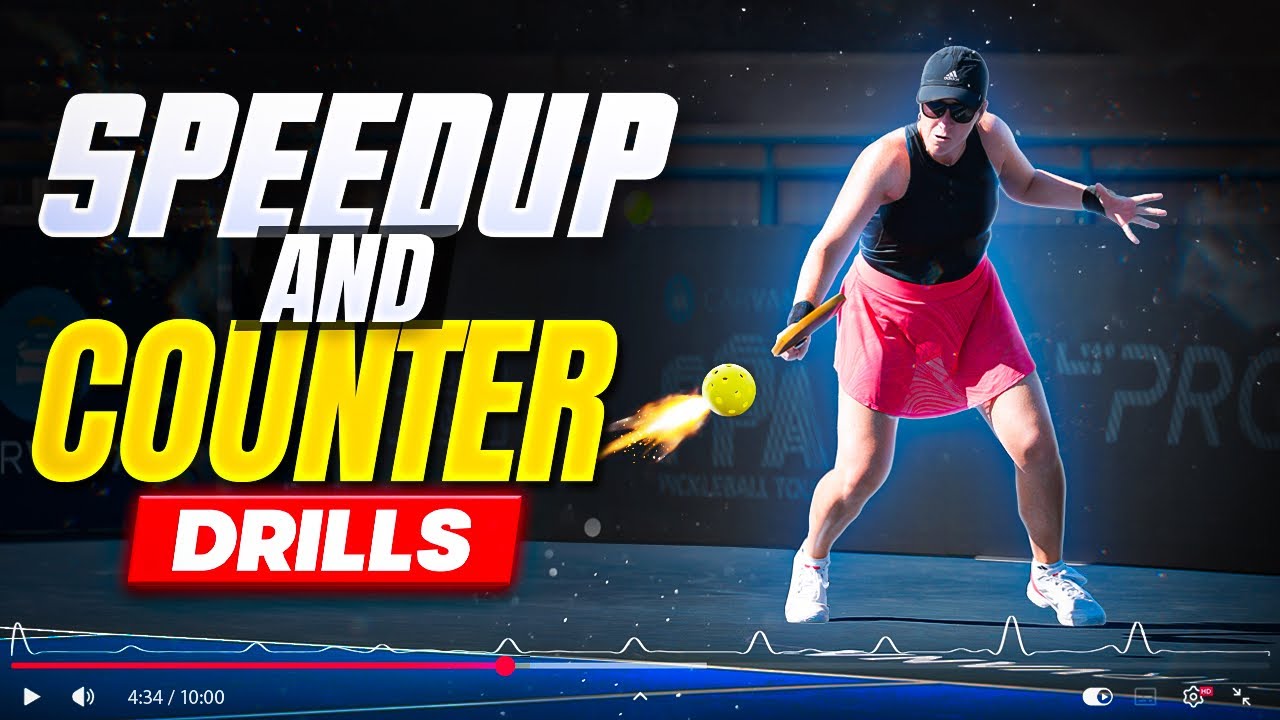
3 Pickleball Speed Up Drills to Win Kitchen Battles
Most players warm up their hands and call it drilling. This pickleball speed up progression isolates the attack, the counter, and the dink that sets them up, so the skills hold under game pressure.
 The Dink PickleballThe Dink Media Team
Key Takeaways
- Overhitting is a decision-making error, not a power problem. Fix the decision, not the swing.
- A stronger soft game removes the pressure that forces low-percentage power swings.
- Loosen your grip and slow your hands with targeted reset and dinking drills.
- Pick your target before you swing on put-aways instead of reacting to open court.
- Drill decision-making directly with drive-vs-drop reps, and lean on good teamwork habits so one player isn't forced to bail out every rally alone.
💡
Heads up: hundreds of thousands of pickleballers read our free newsletter.
Subscribe herefor cutting edge strategy, insider news, pro analysis, the latest product innovations and more.
Frequently Asked Questions
Why do I keep overhitting in pickleball even when I know better?
Most players overhit because their body defaults to maximum effort under pressure, not because they lack power control. Understanding your pressure zone helps you recognize the exact moments your decision-making breaks down. The fix is building a reliable soft game so you're never forced into a rushed, high-effort swing just to survive a fast exchange.
Is overhitting more about technique or strategy?
It's mostly strategy. Plenty of players have clean mechanics but still overhit because they choose the wrong shot for the situation. Working on shot selection through structured drills solves more overhitting than a swing overhaul ever will.
What's the fastest way to fix overhitting on my return of serve?
Aim for depth instead of pace. Making the most of your return of serve means a deep return with moderate speed that keeps your opponent pinned and gives you time to get into position, while a max-effort return usually just rushes your own recovery and sets up your next mistake.
Does a slower paddle help with overhitting?
A control-oriented paddle can help, but it won't fix the underlying habit on its own. Grip pressure, shot selection, and reset drills matter far more than equipment when it comes to learning how to stop overhitting pickleball shots for good.
How long does it take to break an overhitting habit?
Most players see real change in two to three weeks of focused drilling, provided they're doing decision-based drills like drive-vs-drop reps rather than just hitting the same shot on repeat. If you're serious about how to stop overhitting pickleball shots for the long haul, remember that even the hardest swing volley still needs a purpose behind it. The habit is mental as much as physical, so game-speed reps matter more than raw volume.
Anuncie Aqui / Advertise Here
Sua marca para o mundo Pickleball! / Your brand for the Pickleball world!





 English (US) ·
  Portuguese (BR) ·