
 English
  Spanish
  Portuguese
  German
  Italian
  Japanese
  French
  Polish
  Russian
  Netherlands
  Hungarian
  Turkish
  Videos
  Thedink Pickleball

This guide breaks down the spin, placement, and pace tactics that disrupt your opponent's return game and set up your third shot.
The fastest way to gain a competitive edge without touching your third shot?
Learn to vary your pickleball serve to keep opponents off balance before the rally even starts.
Most recreational players serve the same ball every single time: medium pace, medium depth, aimed somewhere safe in the middle.
Predictable. Comfortable. And completely free for your opponent to time up and crush.That changes today.
Love pickleball? Then you'll love our free newsletter. We send the latest news, tips, and highlights for free each week.
Why Varying Your Pickleball Serve Is a Competitive Weapon
Varying your serve keeps opponents off balance by disrupting their pre-programmed return patterns.
The return of serve is one of the few moments in pickleball where the receiver gets to fully set their feet, read the ball, and commit to a swing.
If your serve is identical every time, you're handing them a free pass.
Research published in the Journal of Sports Sciences has consistently shown that anticipatory cognitive load increases significantly when athletes face unpredictable stimulus patterns.
Translation: when your opponent can't read what's coming, their reaction slows and errors go up. That principle applies directly to serve variation in pickleball.
Think of it like pickleball deception: the goal isn't always to hit an outright winner.
It's to make the receiver uncomfortable so that every ball they send back is a half-second late, a half-inch off, and easier to attack.
The serve is the only shot you fully control. Use it.
The Three Variables You Can Control on Every Serve
Before you can vary your pickleball serve, you need to understand the three levers you're working with: spin, pace, and placement.
Mix those three and you have an essentially endless serve menu. Ignore them and you're stuck with one dish.
Spin: The Most Underused Serve Weapon
Most club players can hit topspin and slice serves, but almost nobody practices them with real intention. Topspin serves bounce high and push the receiver deep, creating a longer return path. Slice serves stay low, skid off the court, and pull returners into awkward body positions.
Backspin (or "chop") serves are the sneakiest in the bag. A well-executed backspin serve bounces unpredictably short and can jam a receiver who's camped at the baseline. If you haven't experimented with these, the guide on backing off backspin is a solid starting point. The key is to develop a proper serve grip that allows easy transitions between spin types without overhauling your entire motion.
One rule: your spin variation is only effective if your motion looks the same on every serve. If your topspin serve has a completely different arm swing than your slice, better returners will read it early and punish it.
Pace: When Slowing Down Is the Move
Here's something counterintuitive. Hitting a soft, floaty serve to a hard-hitting opponent can actually be more disruptive than going after them with pace. Power shots generate their own rhythm. A slow serve forces the receiver to generate all the pace themselves, which often leads to timing errors.
Mix a hard, deep drive serve with a soft, short-angled serve in the same game. Watch how quickly your opponent's return game falls apart when they can't lock in a tempo. That's the value of serve pace variation: it doesn't require elite ball-striking, just deliberate planning.
Placement: Stop Serving to the Middle
The Zane Navratil serve study highlighted something that still holds: targeting the opponent's backhand consistently creates measurable return quality differences compared to serving to a comfortable forehand. That's not surprising. What is surprising is how few players actually do it.
Vary between the T (center service line), the body, and wide angles near the sideline. Mix depth too: a deep serve pushes receivers off the baseline, while a shorter, angled serve can pull them into no-man's land. Exploring advanced placement targets like serving near the kitchen sideline adds another dimension entirely to your serving game.
💡
Need some new pickleball gear? Get 20% off select paddles, shoes, and more with code THEDINK at
Midwest Racquet SportsHow to Build a Serve Repertoire (Not Just One "Go-To")
Here's the thing: most players practice their serve for 10 minutes before a recreational session and call it a day.
That's not how you build a multi-dimensional serve game.
You need at least three distinct serves you can deploy in a match, and they need to look similar enough from the receiver's perspective that they can't read which one is coming.
This is where deliberate repetition becomes non-negotiable.
Think of your serve repertoire like this:
- Your high-percentage serve (the reliable baseline, used 50-60% of the time)
- Your disruption serve (heavy spin or unusual pace, used to change rhythms)
- Your "heat check" serve (power, placement, or both pushed to the edge, used situationally)
Weaponizing the pickleball serve isn't about replacing your first serve with a risky bomb.
It's about expanding your menu so that no returner can fully commit to a single read before the ball lands.
To build that menu, practice each serve type in isolation first. Spend 15 minutes drilling your topspin serve with a specific depth target.
Then do the same for your slice.
Five shots you need to know in pickleball covers the foundational shot vocabulary that makes this kind of deliberate practice easier to structure and track.
5 Pickleball Serves That Win More Points
Adding even one of these serves into your game can transform your effectiveness instantly.
 The Dink PickleballThe Dink Media Team

What the Pros Actually Do Differently
Watching pros like Zane Navratil, Tyson McGuffin, or Ben Johns on serve tells you something most instructional content misses: they vary serve speed and spin within the same point sequence, not just between matches or opponents.
The variation is baked into every game plan.
Navratil's famous serve experimentation has made him one of the most studied servers in pickleball.
His serves look functionally identical at release but land with different spin, pace, and angle depending on the situation.
That kind of disguise comes from hundreds of repetitions with intentional variation, not from switching paddle brands.
A 2025 analysis from USA Pickleball's officiating and competition division noted that top-level competitors change serve direction and spin type at significantly higher rates than recreational players, creating measurable disruption in return placement across all skill brackets.
The takeaway: vary your pickleball serve to keep opponents off balance not just strategically, but systematically. Track your own tendencies.
If you've served to the backhand corner three times in a row, a fourth serve there stops being a surprise and starts being a pattern your opponent owns.
Pro Breakdown: Strategic Pickleball Advice for 3.0-3.5 Players
Pro Eric Roddy breaks down a 3.0 pickleball match, sharing strategy tips on returns, drops, positioning, and smarter shot selection.
 The Dink PickleballEric Roddy
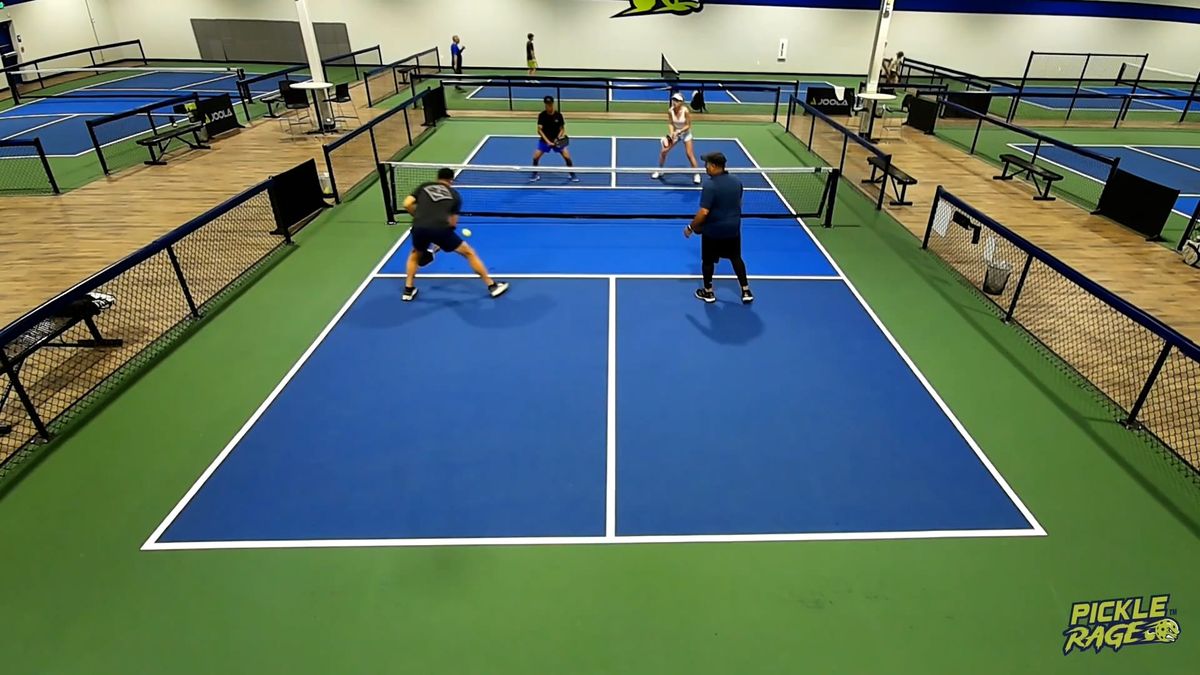
How Vary Your Pickleball Serve Opponents Sets Up Your Third Shot
This is where it all connects. Your serve isn't just about winning the point on the serve itself.
It's about engineering the return you want so your third shot is easier to execute.
A deep topspin serve forces the receiver deep, giving you a longer ball to work with on your third shot drop.
A wide, slice serve that jams the backhand creates a weak, floated return that sets up a spicy third shot drive.
A body serve at medium pace often generates a chest-high pop that begs for an aggressive response.
Think of the serve as the first move in a chess sequence, not an isolated shot.
Where your opponents return the serve is partially determined by what you serve them.
Your return of serve strategy is directly influenced by the pace and spin you see coming. When you control the serve, you influence the entire rally.
Understand the cause and effect. Then engineer it.
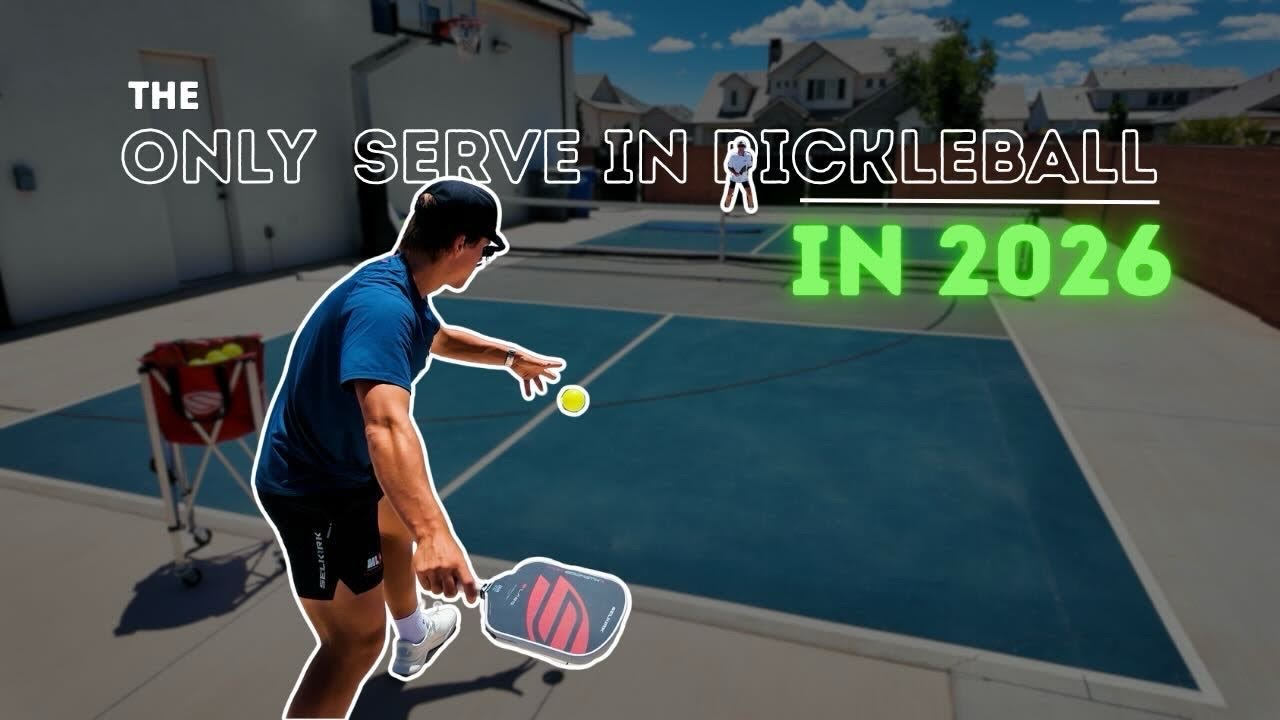
The Only Pickleball Serve You Need in 2026
The pickleball serve has evolved dramatically over the past decade, and 2026 demands a modern approach that combines power, consistency, and strategy. Learn the exact technique, grip, and drills you need to master the only pickleball serve that matters.
 The Dink PickleballThe Dink Media Team
Does Serve Variation Work in Doubles Too?
Absolutely. In doubles, you're not just disrupting the receiver. You're disrupting a unit.
A serve that pulls the receiver wide also pulls their partner out of position and creates a T-sideline coverage gap your team can attack on the third shot.
Serving with return-slice awareness matters here too: if you know your opponent loves to slice wide returns, a deep body serve limits their angle and forces a more neutral ball.
That's not accidental. That's serve variation used as a scouting tool.
Coordinate with your partner. Let them know which serve you're hitting so they can anticipate the likely return direction and position accordingly.
Varied serving in doubles is as much a communication tool as it is a technical one. Done well, it turns the serve into a two-player weapon.
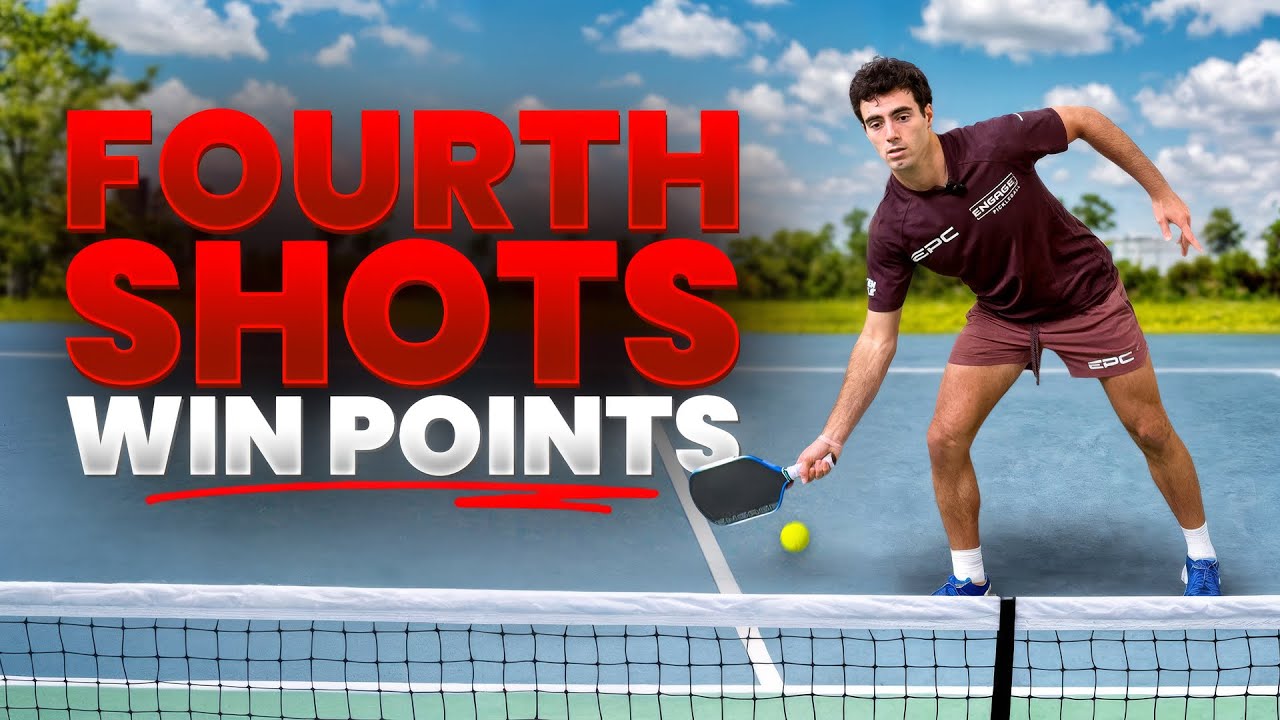
The Fourth Shot in Pickleball: 3 Variations That Win Points
The fourth shot in pickleball is where rallies get decided. Most players obsess over the serve, return, and third shot, but if your fourth shot is weak, everything falls apart.
 The Dink PickleballThe Dink Media Team
Key Takeaways
- Vary your pickleball serve to keep opponents off balance across three variables: spin, pace, and placement.
- A predictable serve hands your opponent a free rhythm. Unpredictability forces errors and weak returns.
- Build at least three distinct serves that look similar from the receiver's perspective.
- Pros vary serves within point sequences, not just between matches. Bake variation into your game plan.
- Serve variation sets up your third shot by engineering the return you want before it happens.
- In doubles, varied serves disrupt the returning team's positioning, not just the individual receiver.
💡
Heads up: hundreds of thousands of pickleballers read our free newsletter.
Subscribe herefor cutting edge strategy, insider news, pro analysis, the latest product innovations and more.
Frequently Asked Questions
How do I vary my pickleball serve to keep opponents off balance?
Varying your pickleball serve to keep opponents off balance means mixing spin type (topspin, slice, backspin), pace (hard and soft), and placement (wide, body, T, deep, short) across consecutive points. The key is keeping your serve motion consistent so your opponent can't read the variation early. Start with two distinct serves and master them before adding a third to your repertoire.
Is a spin serve legal in pickleball?
As of the 2023 USA Pickleball rule update, the chainsaw serve (using the non-paddle hand to spin the ball before contact) is illegal. However, imparting spin through your paddle swing at contact is fully legal. Topspin, slice, and sidespin serves generated through your stroke are permitted under USA Pickleball's current rules. Always check the annual rulebook for any serve rule updates before your next tournament.
What is the most effective serve in pickleball?
The most effective pickleball serve is the one your opponent is least prepared for in that moment. That said, a deep topspin serve to the backhand corner is the highest-percentage disruption serve for most recreational and competitive players. It creates a difficult return angle, pushes the receiver off the baseline, and opens up third-shot opportunities. The specific serve type always depends on who you're playing and what pattern you've established.
How often should I change my serve in a match?
Change your serve frequently enough that your opponent can't lock in a read, but not so often that you sacrifice consistency for variety. A solid baseline: if you've served the same ball to the same location twice in a row, change something on the third serve. Whether that's spin, pace, or placement, any variation resets your opponent's anticipatory pattern and puts the advantage back in your hands.
Does serve variation matter at the beginner level?
Yes, even beginners benefit from intentional serve variation. You don't need a Tour-level topspin serve to be unpredictable. Simply alternating between a deep serve and a shallower serve to different zones creates meaningful disruption at 3.0-3.5 level play. Start with placement variation (wide vs. T vs. body) before layering in spin or heavy pace changes. Small variations compound quickly when your opponents aren't used to reading them.
Anuncie Aqui / Advertise Here
Sua marca para o mundo Pickleball! / Your brand for the Pickleball world!





 English (US) ·
  Portuguese (BR) ·