
 English
  Spanish
  Portuguese
  German
  Italian
  Japanese
  French
  Polish
  Russian
  Netherlands
  Hungarian
  Turkish
  Videos
  Thedink Pickleball

The pickleball power threshold is the point where extra pace costs you accuracy and points. Learn two simple rules that tell you exactly when to hit hard and when to back off.
The pickleball power threshold is the reason you keep losing rallies you feel like you should be winning.
You get a decent ball, you rip it, and it either flies long or catches the tape. It feels like a mechanics problem. It is not. It is a decision problem.This breakdown covers exactly where your power ceiling is, two rhymes that tell you what shot to hit based on ball height, and why keeping the ball in play is a more reliable strategy than most players think.
The concepts come from ThatPickleballGuy Daily on YouTube, and they are the kind of simple rules that actually stick when you are in the middle of a fast point.
Love pickleball? Then you'll love our free newsletter. We send the latest news, tips, and highlights for free each week.
What Is the Pickleball Power Threshold?
Your pickleball power threshold is the exact point where adding more pace starts costing you accuracy and control.
Below it, you can place the ball almost anywhere on the court with consistency. Above it, things go wrong in ways that feel random but are completely predictable.
This is not about playing passive. It is about knowing when pace helps you and when it works against you.
Here's the catch: hitting hard feels good.There is a real dopamine hit when you blast a ball, and that feeling tricks players into thinking aggression is always the right call.
Smart shot decisions beat power at every level above 3.5, and the sooner you accept that, the faster you climb.
Why Do Players Blow Past the Pickleball Power Threshold?
Adrenaline and habit. When a ball comes to you in a rally, the instinct is to attack it.
That instinct is not wrong, but it needs a filter.
Without one, you hit hard on balls at your feet, hard on balls below the net, and hard on balls where you are off balance.
All three punish aggression. Learning to stop being a pickleball banger is the single fastest fix for most intermediate players.Frustration is the other culprit. When a point drags on, players force the action and swing harder out of impatience, not because the ball earned it.
💡
Need some new pickleball gear? Get 20% off select paddles, shoes, and more with code THEDINK at
Midwest Racquet SportsThe Two Rhymes You Need to Know
Here are the two rules that give you a fast, reliable filter for shot selection based on ball height.
Rhyme 1: Above the face, hit it with pace.
The contact point is high, your paddle has leverage, and you can generate power without sacrificing control. This is your green light. If you want to sharpen what you do with that green light, the pickleball drive crash course covers the mechanics.
Rhyme 2: Below the chin, hit it with spin.
When the ball drops below your chin, pace becomes your enemy.
The contact point is low, you are likely reaching or bending, and driving from that position sends the ball into the net or pops it up as a gift. Spin is the answer.
A well-placed dink or a spinny drop gives you time to recover position and forces the other team to deal with a difficult bounce instead of a free putaway.
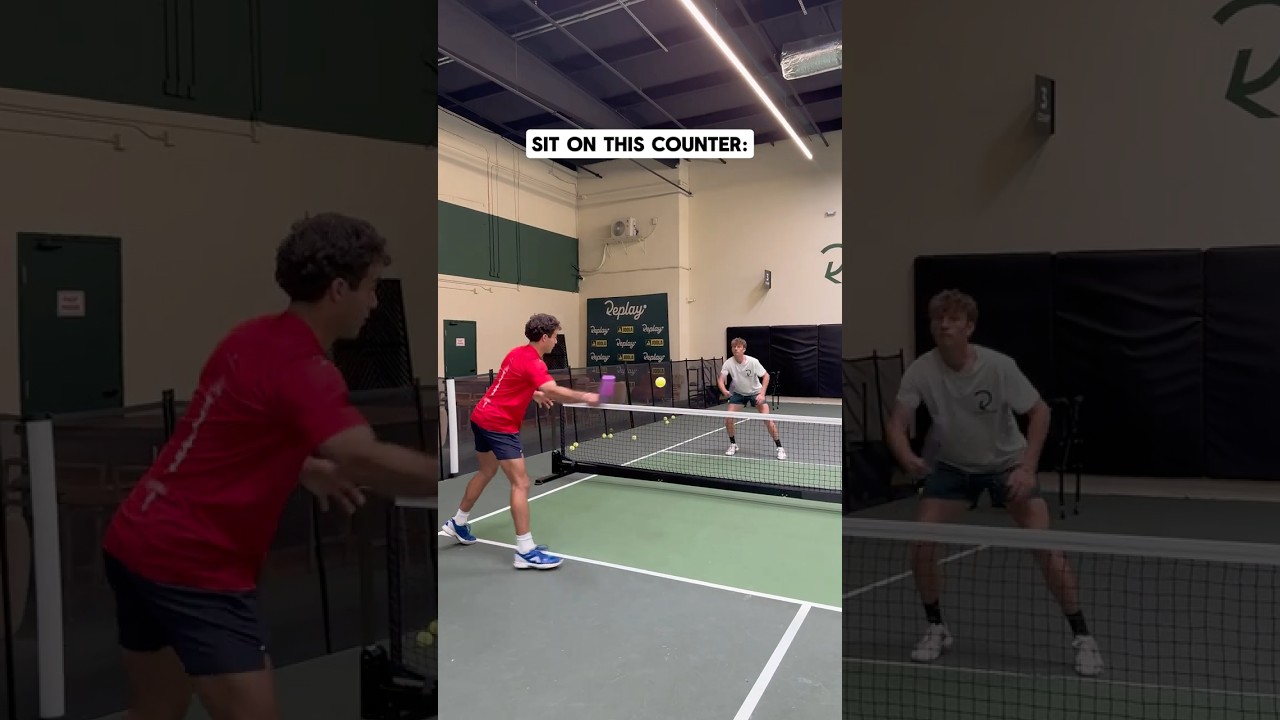
Pickleball Shot Selection: Low Forehand, High Backhand Rule
Pickleball shot selection doesn’t have to be complicated. One rule covers most situations: slide forehand when the ball is low, sit backhand when the ball is high.
 The Dink PickleballThe Dink Media Team
How Do You Apply This During a Real Match?
The application is straightforward once you accept that not every ball is yours to attack.
Here is a quick checklist you can run through when the ball is coming at you:
- Is the ball above my face? Go ahead and drive with pace.
- Is the ball between my chin and face? Use judgment, leaning toward controlled pace over maximum power.
- Is the ball below my chin? Spin it, drop it, or reset it. Do not drive it.
- Am I off balance? Drop the pace regardless of height. Balance comes first.
- Am I frustrated or impatient? That is not a reason to swing harder. It is a reason to slow down.
If you want to understand how ball height shapes every shot decision, that breakdown gives you even more detail on the same concept.
The common failure is skipping the checklist entirely and just reacting.The better players pause for a fraction of a second and pick the right shot, not just the powerful one.
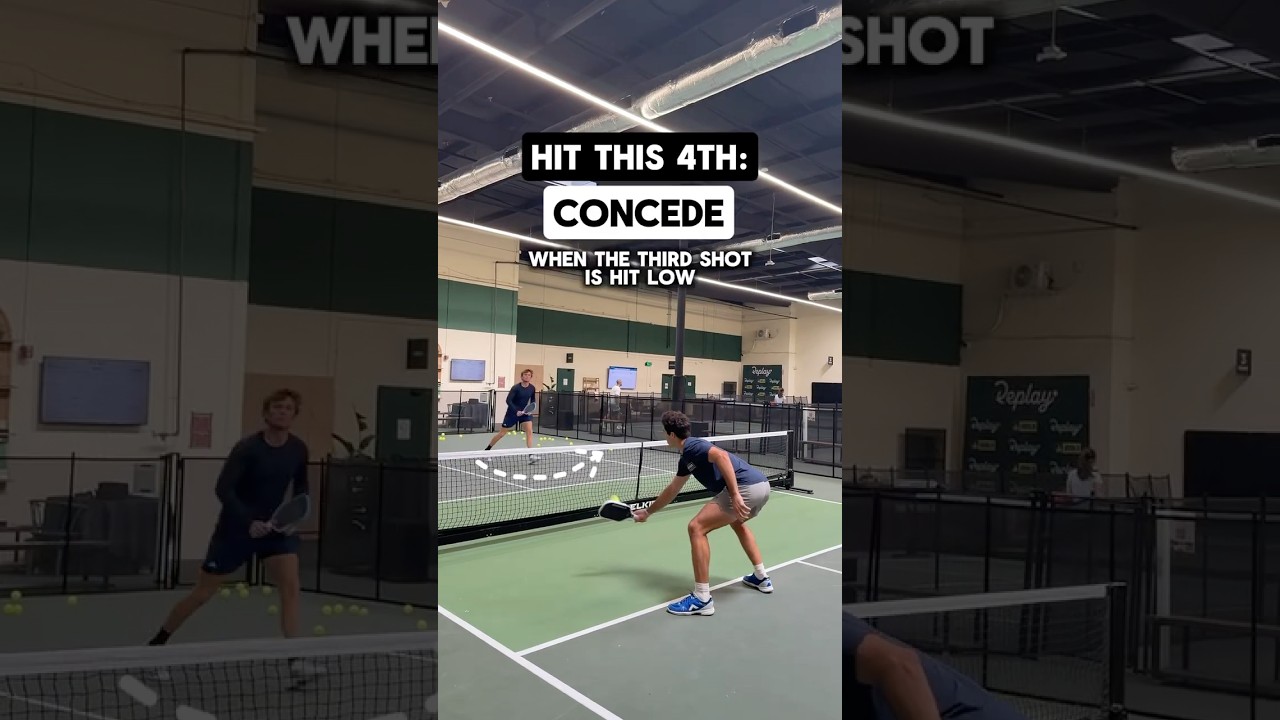
Pickleball Shot Selection: 3 Ball Height Rules That Work
Most players lose points not because they hit bad shots, but because they hit the wrong shot at the wrong height. These three pickleball shot selection rules fix that instantly.
 The Dink PickleballThe Dink Media Team
What Happens When You Ignore Your Power Ceiling?
Three things happen, in sequence.
- First, your errors go up. Balls sail long, clip the net, or pop up for easy put-aways.
- Second, your opponent's confidence goes up, because they know you will hand them a shot eventually if they just keep the ball in play.
- Third, your frustration compounds the problem. You swing harder to make up for it, which makes everything worse.
This shows up most in the transition zone, where players get a low ball around shin height and try to drive through it.
If you keep rushing the kitchen and forcing shots from bad spots, that is the mistake driving your errors.
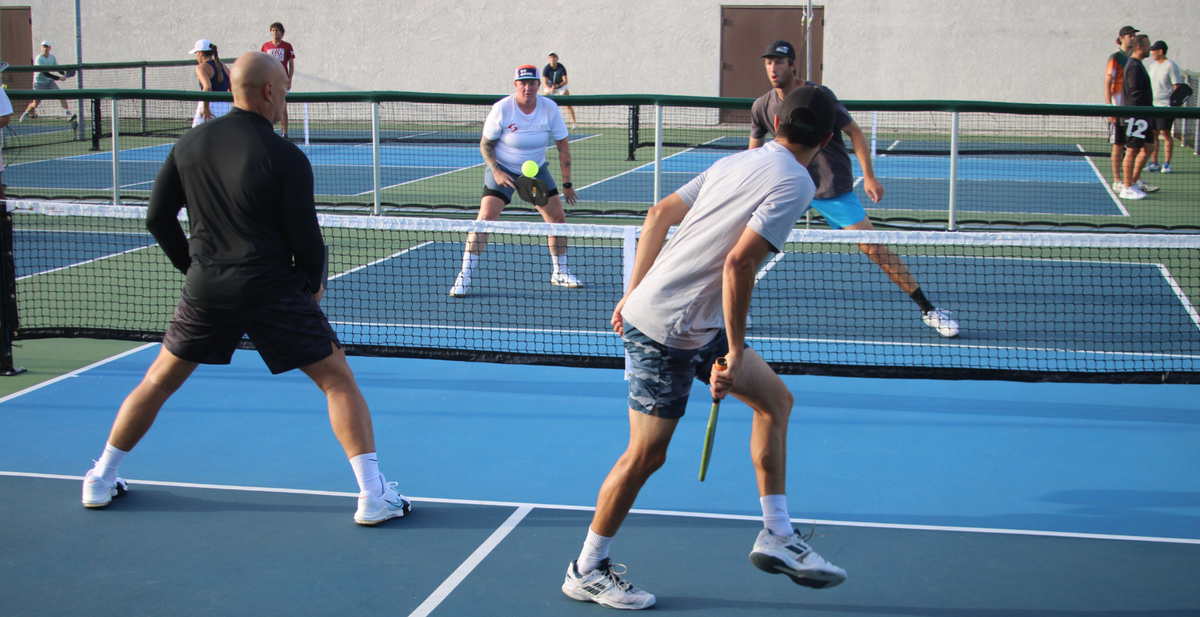
How to Break the 4.0 Ceiling in Pickleball
Breaking the 4.0 ceiling in pickleball is the sport’s most common plateau, most players hit it and never figure out why. Here’s what’s actually holding you back and how to move past it for good.
 The Dink PickleballThe Dink Media Team
Is This Just About Keeping the Ball In?
Not exactly. Keeping the ball in is the mechanism, but the outcome is that you force your opponent to beat themselves.
Here is the second rule worth remembering: keep it in and you'll win.It sounds like an oversimplification, but it holds up in most recreational and even competitive play.
When you stop overswinging, the other team will start making mistakes. They will go for crazy shots, hit things off balance, and get frustrated on their own timeline.
You do not have to manufacture errors. You just have to stop manufacturing your own.This is the same mindset behind the mindset shift that fixes multiple problems at once. Patience is not passive. It is strategic.
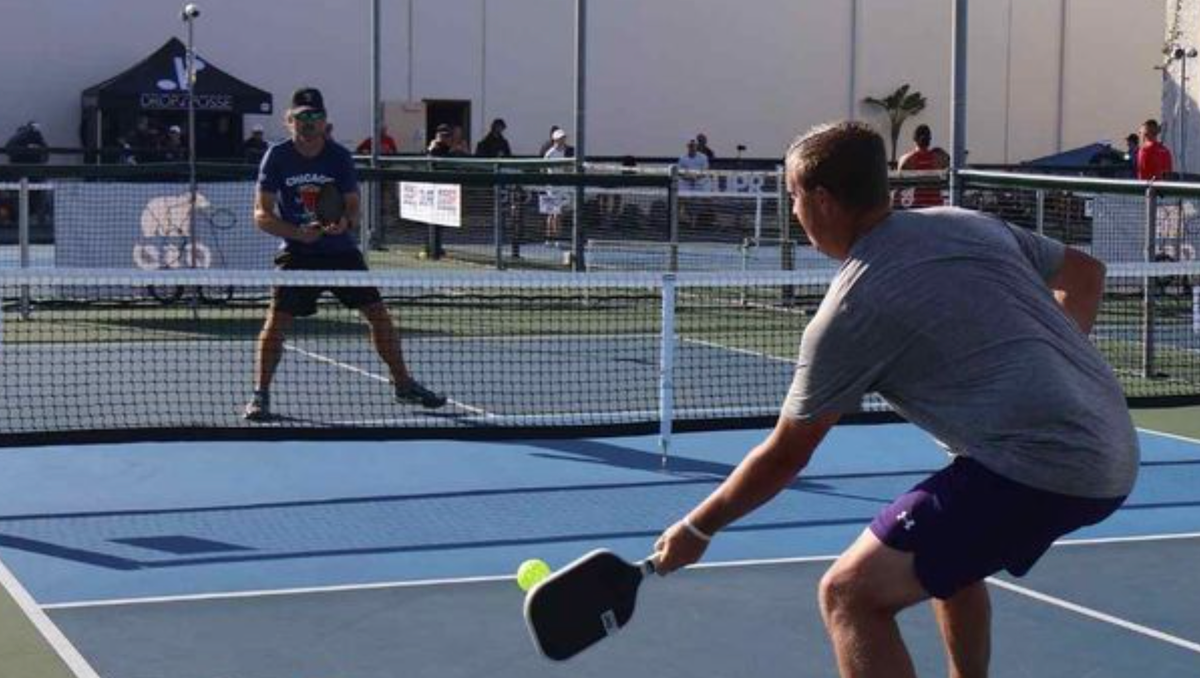
How to Beat a Higher Rated Pickleball Player
Beating a higher rated pickleball player isn’t about matching their power shot for shot, it’s about playing a smarter, more disciplined game than they expect. This guide breaks down the proven strategies that give you the best chance of pulling off the upset.
 The Dink PickleballThe Dink Media Team
What About Serve and Return Strategy?
The power threshold applies across your entire point structure, not just at the kitchen line.
Here is how it shows up in each phase of the point:
- Serve (first shot): Do not max out your serve trying to blast an ace. A reliable, deep serve puts the game in a good position. A missed serve gives the point away before it starts.
- Return (second shot): A hard return feels aggressive, but if it goes wide or short, you have handed the serving team a free third shot drop opportunity. Deep and controlled beats hard and erratic every time.
- Third shot (third shot): This is where players routinely violate the threshold rule by driving balls they should be dropping. If you struggle here, these third shot drop fixes address the most common errors directly.
- Fourth shot (fourth shot): The returning team's job is to neutralize your third shot. Driving too hard here often leads to the pop-up problem. If your fourth shot keeps popping up, pace is likely the culprit.
Each phase has its own version of the threshold. The height rule tells you what to do. The sequence tells you when caution is especially important.
6 Fixes for Your Pickleball Serve and Return
Your pickleball serve and return are the two most important shots in the game, yet most players make the same fixable mistakes every time. Here are six corrections that will help you stop giving away free points.
 The Dink PickleballThe Dink Media Team
Can You Practice This Without a Partner?
Yes, and drilling it deliberately beats trying to absorb it through rec play.
Slow everything down and focus on contact point awareness. Above the face, let it rip. Below the chin, keep the pace off and add spin instead.The best drill is intentionally hitting low balls into the net until you stop trying to drive them.
It retrains the instinct faster than any verbal reminder, and simple wall drills let you rep it solo.
5 Pickleball Drills to Go From 3.0 to Pro Fast
These five pickleball drills cover every part of your game, from footwork to fast hands. Top 10 pro Connor Garnett breaks down exactly how to practice smarter and improve faster.
 The Dink PickleballThe Dink Media Team
What Does Good Shot Selection Actually Look Like?
Good shot selection is not complicated. It is disciplined.
It means resisting the urge to swing hard when you have not earned the ball position to justify it.
It means trusting spin and placement when pace would hurt you.And it means accepting that a neutral rally, where neither team has an advantage, is not a failure. It is an opportunity to wait for a better ball.
The players who go from 3.5 to 4.5 are rarely the ones hitting harder.
They are the ones who stopped hitting past their threshold, made fewer errors, and let their opponents unravel.
Mastering the reset is often the skill that unlocks the whole jump.
If you want to understand more about how to rate every shot on a scale before you hit it, that framework pairs perfectly with the height-based rules covered here.The power threshold rule is not about playing soft. It is about playing smart.
Know your ceiling, apply the two rhymes, and trust that keeping the ball in play is a winning strategy all on its own.
💡
Heads up: hundreds of thousands of pickleballers read our free newsletter.
Subscribe herefor cutting edge strategy, insider news, pro analysis, the latest product innovations and more.
Frequently Asked Questions
What is the pickleball power threshold?
The pickleball power threshold is the level of pace at which your accuracy and control begin to break down. Every player has one, and hitting past it consistently causes unforced errors. The goal is to stay just below that ceiling on most shots and only exceed it when ball height earns it.
When should I hit hard in pickleball?
You should hit hard when the ball is above your face, giving you a high contact point with leverage. That is the "above the face, hit it with pace" rule. Any ball below your chin is a signal to use spin and placement instead of power.
Why do I keep hitting the ball too hard in pickleball?
Most players hit too hard because of adrenaline, habit, or frustration during long rallies. The instinct to attack is not wrong, but it needs a height-based filter to be effective. Without that filter, you end up driving balls from positions where pace works against you.
What does "below the chin, hit it with spin" mean in pickleball?
"Below the chin, hit it with spin" means that when the ball drops below chin level, you should use spin, a dink, or a drop instead of trying to drive it hard. Low contact points reduce your leverage and make pace unreliable. Spin keeps the ball low and buys you time to reset your position.
Does keeping the ball in play actually win pickleball points?
Yes, consistently keeping the ball in play forces your opponents to generate their own winners rather than feeding off your errors. Most points at the recreational level are lost, not won, meaning unforced errors decide more rallies than clean putaways. Reducing your error rate is one of the fastest ways to win more points without changing anything else about your game.
Anuncie Aqui / Advertise Here
Sua marca para o mundo Pickleball! / Your brand for the Pickleball world!


 English (US) ·
  Portuguese (BR) ·