
 English
  Spanish
  Portuguese
  German
  Italian
  Japanese
  French
  Polish
  Russian
  Netherlands
  Hungarian
  Turkish
  Videos
  Thedink Pickleball

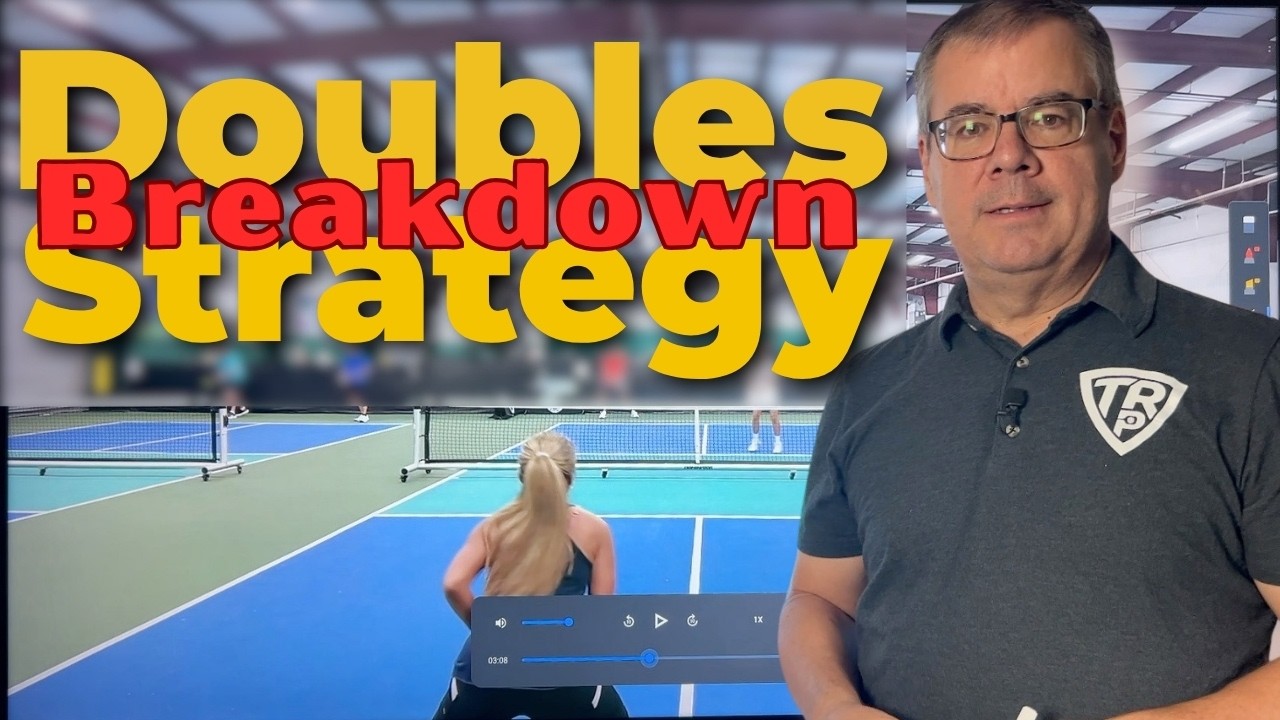
When you're at the kitchen line, your goal is simple: make your opponents uncomfortable
Pickleball's kitchen line is where matches are won and lost. It's where you transition from defense to offense, where patience meets aggression, and where one smart shot choice can completely shift momentum.
But most players treat dinking like a mindless back-and-forth rally. They don't think strategically about where the ball goes. According to Briones Pickleball Academy, that's exactly where you're leaving points on the table.
Love pickleball? Then you'll love our free newsletter. We send the latest news, tips, and highlights for free each week.
The Middle of the Court Is Your Best Friend
When you're at the kitchen line, your goal is simple: make your opponents uncomfortable. You want to be on offense while they're scrambling on defense. The easiest way to do that? Move the ball around, mixing wide dinks with shots down the middle.
But here's why the middle matters more than you think. When the ball sits in the middle of the court, two things happen at once.
- First, the net is at its lowest point, so your actual shot becomes easier to execute.
- Second, your court coverage improves dramatically.
Think about it this way: when you hit wide, you leave your opponents tons of angles to attack. They've got the whole court to work with. But when you dink down the middle, their attacking opportunities shrink. The angles close up. They can't hit as many winners.
Wide vs. Middle: When to Use Each
So should you always go middle? Not quite. The real skill is knowing when to use each shot.
- Hit middle when you need court coverage and want to limit your opponent's angles
- Hit wide when you're setting up a specific attack or trying to move your opponent out of position
- Mix them constantly so your opponents can't predict what's coming next
The key is variety. If you're predictable, even a good dink down the middle becomes a liability. Your opponent knows it's coming and can position themselves to punish it.
The Critical Kitchen Line Skill Most Rec Pickleball Players Are Missing
By attacking the ball in the air, you’re stealing time from your opponents and shifting the dynamic of the rally in your favor
 The Dink PickleballThe Dink Media Team
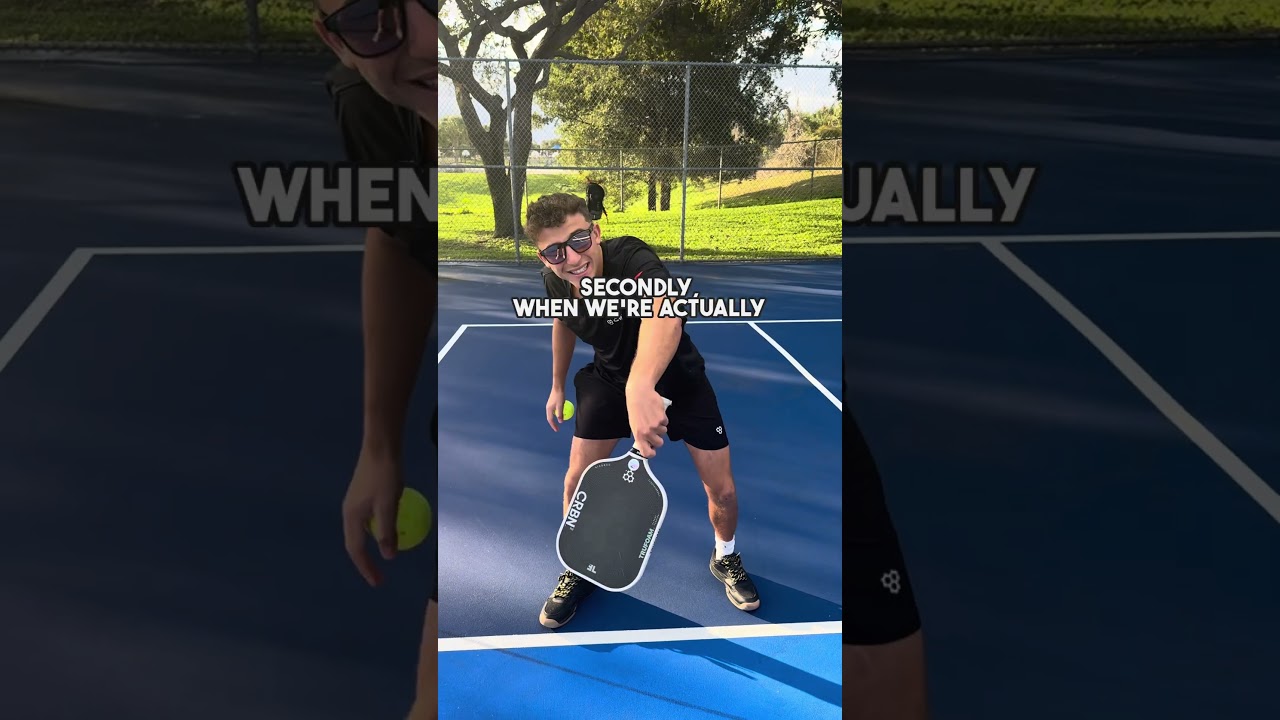
What Happens When You Get Pulled Out Wide
Here's a common mistake Briones sees all the time. Your opponent pulls you way out wide with a great dink. You're stretched, out of position, and panicking. So what do you do? You pull it back crosscourt, right back to where it came from.
Wrong move. That's when you get put away.
Instead, when you're pulled out of position, work the ball back to the middle. You don't have to travel as far to get back into defensive position. You're not scrambling anymore. You're back in the rally, ready to counter.
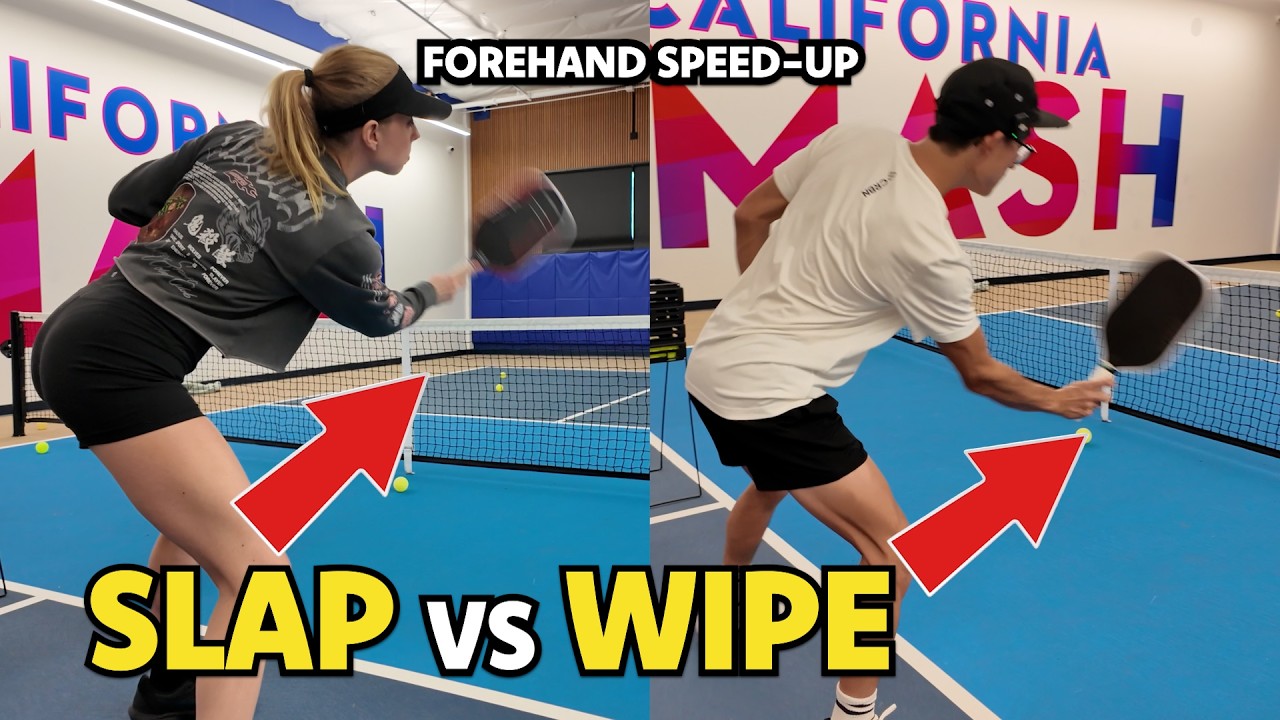
For a Better Forehand Flick, Ditch the Windshield-Wiper Technique
A simple wrist adjustment will transform your forehand speed-up into a point-scoring weapon
 The Dink PickleballThe Dink Media Team
Topspin vs. Slice: Reading the Moment
Now let's talk about spin. Should you hit topspin or slice? The answer depends on one thing: your feet.
If the ball is sitting in front of you and you're balanced, go topspin. You can be aggressive. You can move your opponents around. You're in control.
But if the ball is behind you or you're moving backward, switch to slice. Slice buys you time. It's more defensive. It keeps the ball in play when you're not in an attacking position.
The real lesson here is adaptation. Your first instinct should always be to take the ball out of the air and do something with it. But the moment you realize you can't reach it cleanly, adjust. Don't poke at garbage. Switch to slice and reset the point.
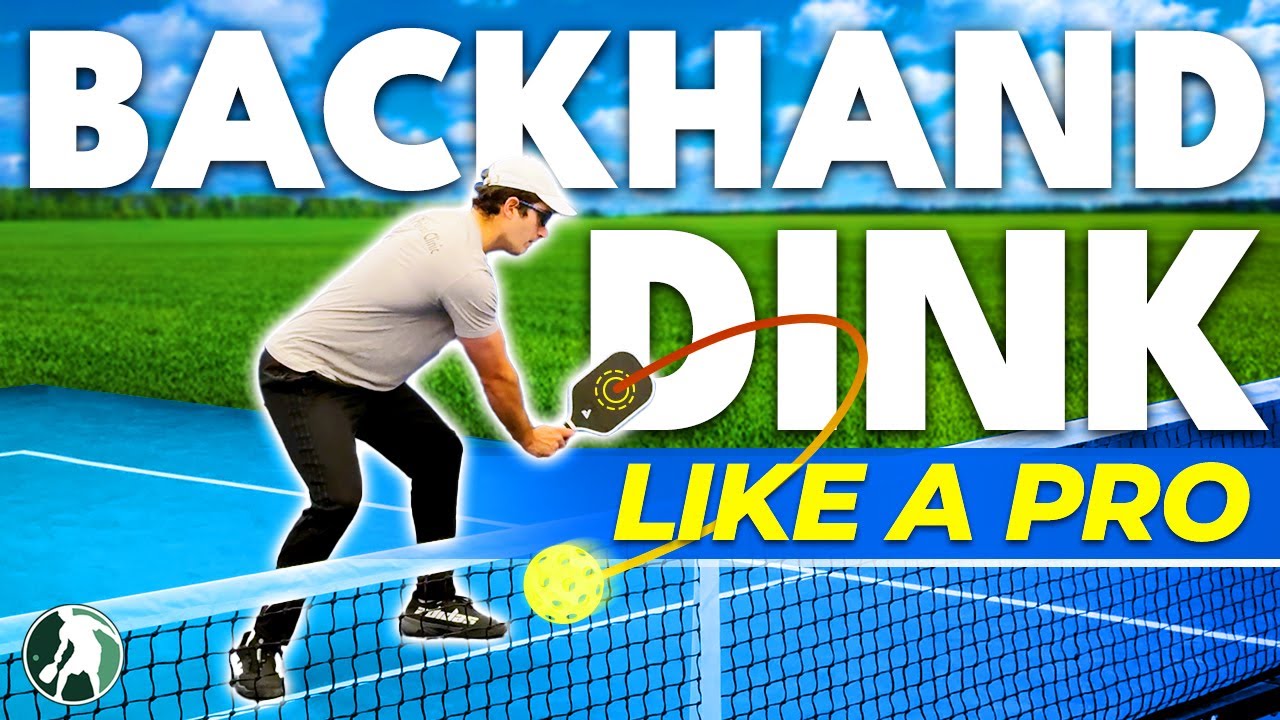
Perfect the Backhand Slice Dink with These 3 Essential Tips
When you’re locked in a tight dinking battle, this shot is your insurance policy
 The Dink PickleballThe Dink Media Team
The Paddle Lever: A Small Detail That Matters
Here's something subtle that separates good players from great ones.
- When your opponent hits a high ball, your paddle should drop lower
- When they hit a low ball, your paddle rises. Think of it like a lever
This isn't just about mechanics. It's about pressure. By adjusting your paddle height, you're controlling the net and making it harder for your opponent to attack. It's a small move, but it compounds over a match.
Heads up: hundreds of thousands of pickleballers read our free newsletter. Subscribe here for cutting edge strategy, insider news, pro analysis, the latest product innovations and more.
Putting It All Together
Dinking isn't boring. It's chess at the kitchen line. Every shot has a purpose. Every placement matters.
The next time you're at the net, remember this: mix your middle and wide dinks, stay balanced, adjust your spin based on your position, and always think about court coverage. Your opponents won't know what's coming. And that's when you start winning more points.
Anuncie Aqui / Advertise Here
Sua marca para o mundo Pickleball! / Your brand for the Pickleball world!






 English (US) ·
  Portuguese (BR) ·