
 English
  Spanish
  Portuguese
  German
  Italian
  Japanese
  French
  Polish
  Russian
  Netherlands
  Hungarian
  Turkish
  Videos
  Thedink Pickleball

It's not about hitting harder, faster, or flashier. It's about understanding the rhythm of the rally and executing the fundamentals at each stage.
The serve, return, third shot, and fourth shot.
These four moments define pickleball more than anything else. Get them right, and you're already ahead of most players. Get them wrong, and you're fighting uphill from the jump.
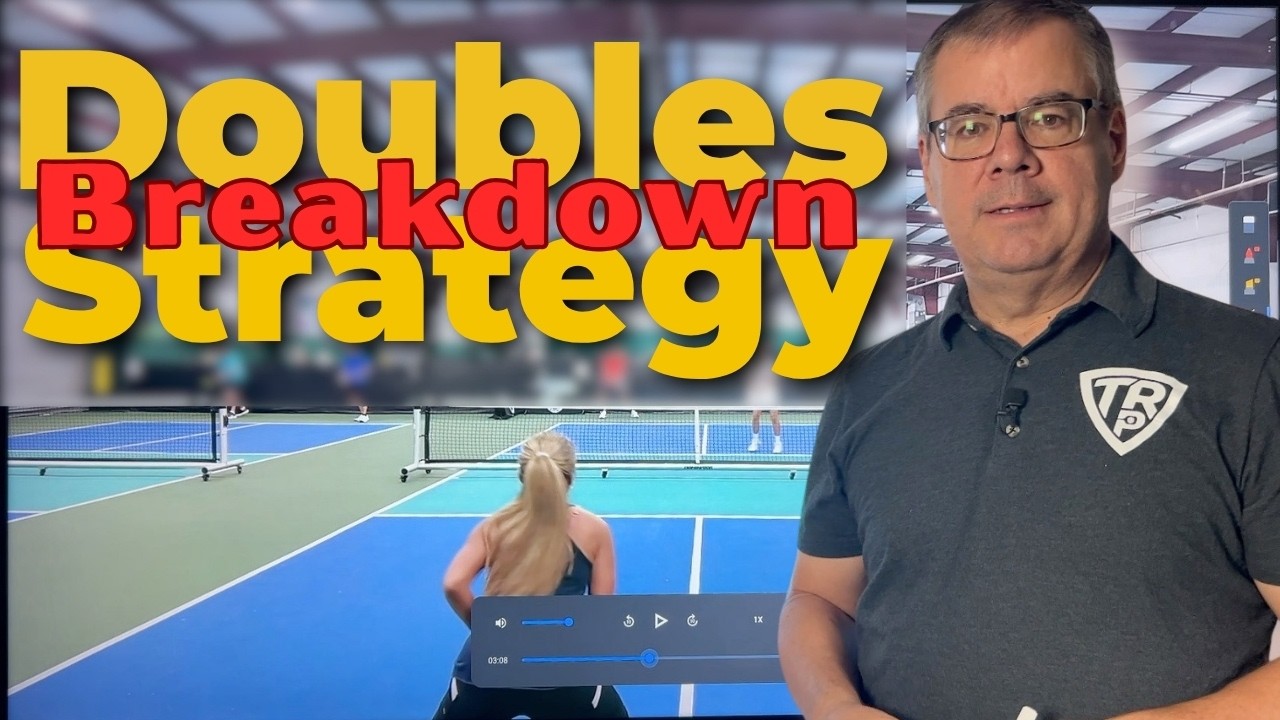
In his latest video, top coach Jordan Briones breaks down exactly what you need to do with each of these critical shots. Think of it as a framework for success, a blueprint for consistent improvement.
If the name of the game is getting to the kitchen line, mastering the first four shots of every point will put you way ahead of the competition.
Love pickleball? Then you'll love our free newsletter. We send the latest news, tips, and highlights each Monday, Wednesday, and Friday.
Why These Four Shots Matter More Than You Think
Pickleball is fundamentally about positioning and momentum.
The first four shots of any rally determine whether you're in an offensive or defensive position. Miss the mark on any of them, and you're essentially handing your opponent the advantage before the real battle even begins.
Briones emphasizes that most players focus on flashy shots like putaways and aggressive drives, but they neglect the foundation. The serve, return, third shot, and fourth shot are where matches are won or lost. They're not glamorous, but they're everything.
1. The Serve: Setting the Tone
Your serve is your only uncontested shot in pickleball. Nobody's hitting it back at you. So why do so many players treat it like an afterthought?
According to Briones, your serve should accomplish one primary goal: get it in play and move forward. That's it.
- You're not trying to ace anyone
- You're not trying to hit a winner
- You're establishing position and forcing your opponent to react to you rather than the other way around
The best serves in pickleball are consistent, deep, and placed with purpose.
Briones recommends focusing on placement over power. A well-placed serve that lands deep in the service box puts your opponent in a tougher spot than a hard serve that lands short or wide. You want them scrambling, not comfortable.
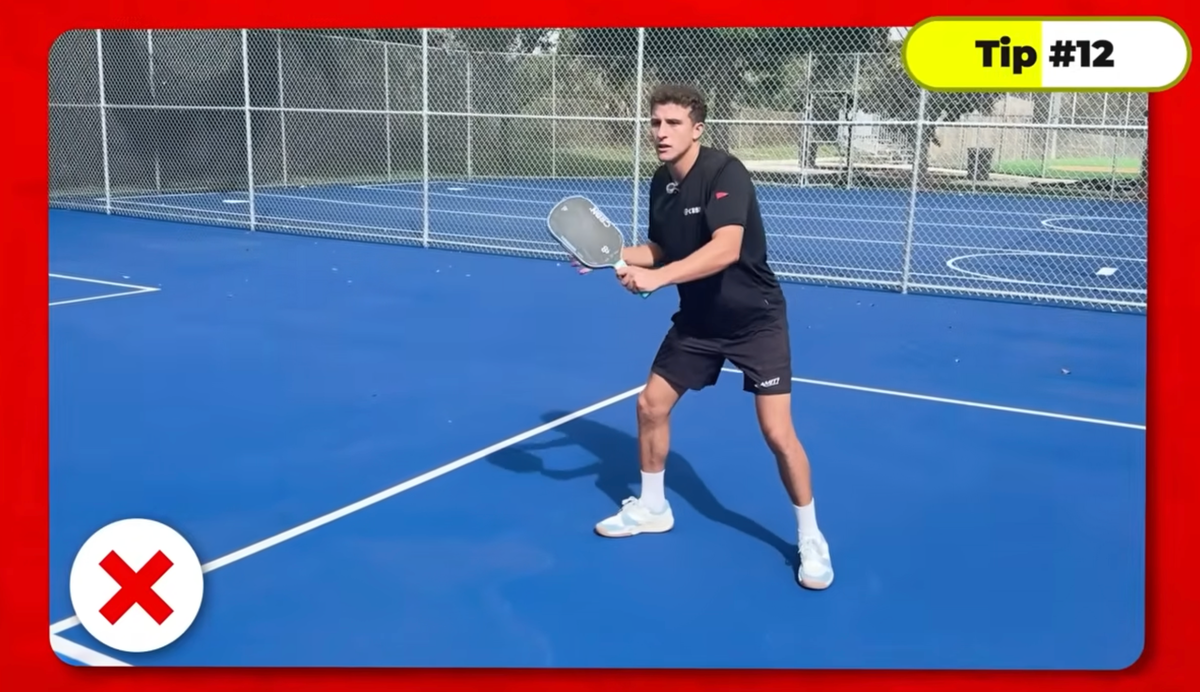
15 Quick Pickleball Tips to See Immediate Improvement: Expert Strategies for Every Skill Level
If you’re looking to level up without completely overhauling your game, these 15 tips are a solid starting point.
 The Dink PickleballThe Dink Media Team
2. The Return: Neutralizing the Advantage
Your opponent just served. Now it's your turn to respond, and this is where many players panic. They either crush the return (which often goes out) or they hit it too soft (which gives the server an easy third shot).
Briones' approach to the return is refreshingly simple: get it deep and get to the net.
The return of serve is your chance to neutralize the server's advantage. You're not trying to win the point outright. You're trying to set yourself up for the third shot battle.A deep return forces the server to hit their third shot from further back, which means they have less court to work with and less time to set up their attack. It's a subtle advantage, but it compounds over time. Consistency on the return is what separates 3.5 players from 4.0 players.
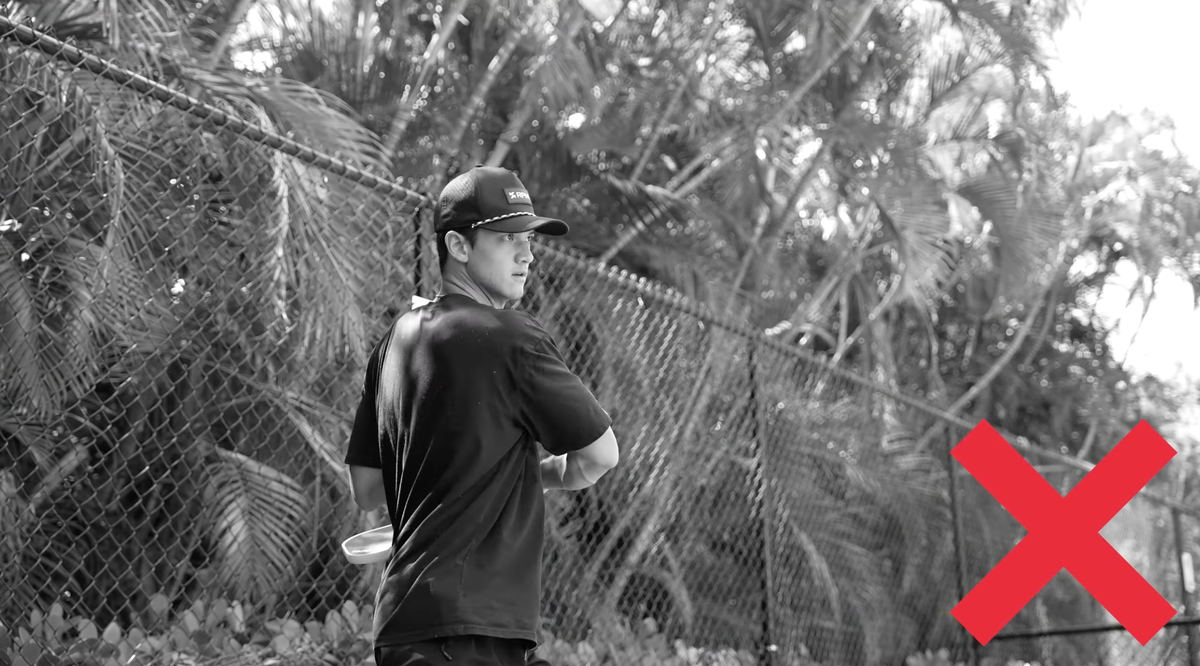
The Return Plus One: Mastering the Transition from Baseline to Kitchen Line
The return and fourth shots aren’t glamorous; they’re the shots that determine whether you’re winning matches or wondering why you keep losing to players you think you should beat.
 The Dink PickleballThe Dink Media Team
3. The Third Shot: The Transition Point
This is where things get interesting. The third shot is the first shot hit by the serving team after the return. It's also the most critical transition point in any rally.
Here's why: if you hit a weak third shot, your opponents are going to attack you. If you hit an aggressive third shot that doesn't land, you've just handed them the point.
The third shot is the tightrope walk between aggression and caution.Briones advocates for the third shot drop in most situations.
A well-executed drop lands softly in the kitchen and forces your opponents to hit up on the fourth shot. This gives you time to advance to the net and take control of the point. The drop isn't flashy, but it's effective because it puts your opponents in a reactive position.
That said, Briones notes that you need to read the return. If your opponent hits a weak return, you might have an opportunity for a third shot drive or attack. But the default should be the drop. Master the drop, and you've mastered the third shot.
4. The Fourth Shot: Finishing the Transition
By the time you're hitting the fourth shot, you and your teammate should be established at the kitchen line.
The fourth shot is where you capitalize on superior court positioning and do everything you can to dictate play.
Look to take balls out of the air and keep your opponents as far back as possible for as long as possible. And don't be afraid to attack here; remember, your opponent is on their heels, fighting to join you at the kitchen line.
That said, conceding the kitchen is always better than an unforced error. Read the situation, play aggressively when you can, but play smart always.
Heads up: hundreds of thousands of pickleballers read our free newsletter. Subscribe here for cutting edge strategy, insider news, pro analysis, the latest product innovations and more.
The Bigger Picture: It's All Connected
Playing within a smart framework like this is what separates good players from great ones. It's not about hitting harder or faster. It's about understanding the rhythm of the rally and executing the fundamentals at each stage.
Most players get caught up in trying to hit winners. They want the highlight-reel shot. But Briones reminds us that pickleball is a game of positioning and patience. The first four shots are your foundation. Build it right, and everything else falls into place.
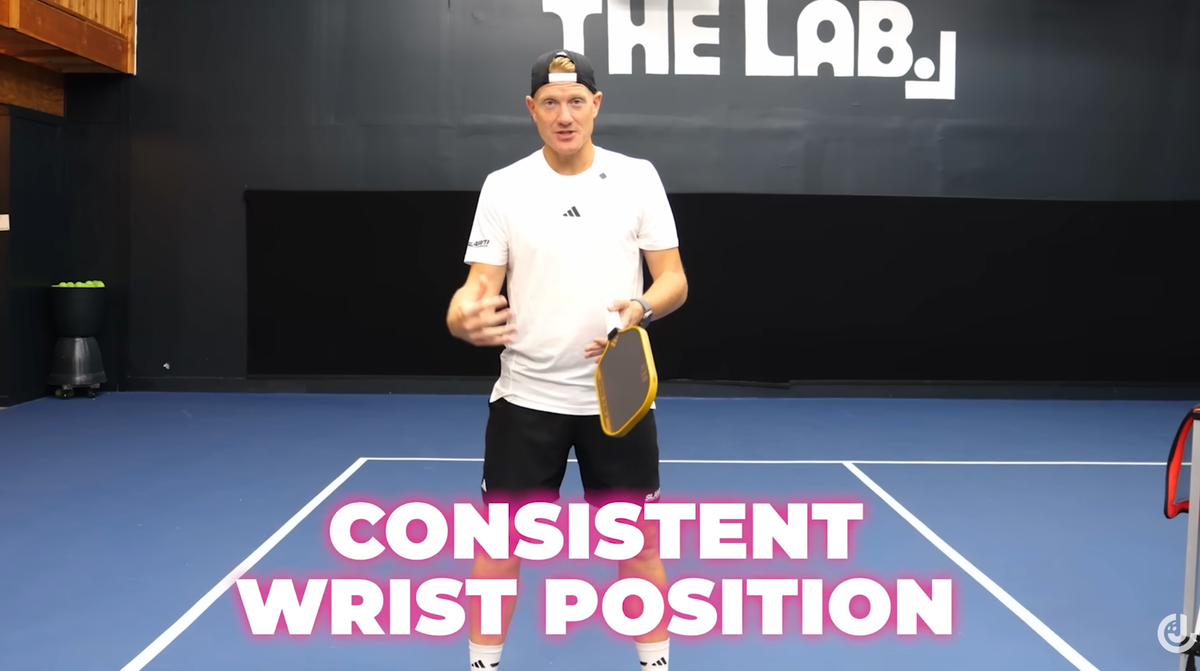
5 Simple Pickleball Tips That Actually Work (No Drilling Required)
You don’t need to spend eight hours a week on the court to see improvement. Sometimes a mindset shift or a focus on one specific element is enough to move the needle.
 The Dink PickleballThe Dink Media Team
Anuncie Aqui / Advertise Here
Sua marca para o mundo Pickleball! / Your brand for the Pickleball world!





 English (US) ·
  Portuguese (BR) ·