
 English
  Spanish
  Portuguese
  German
  Italian
  Japanese
  French
  Polish
  Russian
  Netherlands
  Hungarian
  Turkish
  Videos
  Thedink Pickleball

A pickleball drill session doesn't have to be random hitting. The Walker Sisters break down a proven 7-step framework that transforms practice into measurable improvement, covering everything from warm-ups to competitive games.
Most players show up to the court, hit some balls, and call it practice.
But a structured pickleball drill session is what separates players who improve from those who plateau.
Angie and Alex Walker, the coaches behind Walker Sisters Pickleball, have built a comprehensive framework that takes the guesswork out of practice and delivers real results in just two hours.
A pickleball drill session doesn't have to be random hitting.
Angie and Alex Walker break down a proven 7-step framework that transforms practice into measurable improvement, covering everything from warm-ups to competitive games.
Love pickleball? Then you'll love our free newsletter. We send the latest news, tips, and highlights for free each week.
Why Structure Matters in Your Pickleball Drill Session
Here's the thing: most players waste time on the court because they don't have a plan.
They'll spend 20 minutes hitting dinks, then jump to aggressive shots, then back to dinking again.
There's no progression, no intention, and no measurable improvement.
A pickleball drill session with structure changes everything. When you know exactly what you're working on and why, your brain stays engaged.
Your body adapts faster.
And after two hours, you've actually improved instead of just gotten tired.
If you want a complementary roadmap, the 12 drills you need to play your best pickleball in 2026 lays out additional targeted exercises that pair perfectly with this framework.
The Walker Sisters' approach isn't complicated.
It's methodical. It's repeatable.And it works because it mirrors how points actually play out in real matches.
1. Warm Up Your Body (Not Just Your Arm)
Before you touch a paddle, warm up your entire body. This isn't about hitting a few casual shots.
Angie and Alex start with dynamic movement: jogging around the court, side shuffles, and lateral movements that get your cardiovascular system ready for the work ahead.
Why does this matter?
Because when your body is warm, your mind is ready too.You're setting an intention for the session instead of just going through the motions.
💡
Need some new pickleball gear? Get 20% off select paddles, shoes, and more with code THEDINK at
Midwest Racquet Sports2. Master Dinking as Your Pickleball Drill Session Foundation
After your body is warm, you move to the net for dinking. This is where most players get impatient. They want to hit hard. They want to attack.
But the Walker Sisters spend the majority of their two-hour pickleball drill session right here at the kitchen line, and there's a reason.
Dinking is the foundation of modern pickleball. It's not flashy, but it's essential.If your forehand dink needs work, this 5-minute fix from a pickleball pro is worth bookmarking before your next session.
The coaches recommend starting with cooperative dinking, where both players hit to each other without pressure.
USA Pickleball Quietly Delists Several Paddle Models
Hundreds of paddles receive USAP certification every year. What you don’t hear about is the ones that don’t make the cut.
 The Dink PickleballAlex E. Weaver

You're getting your feet moving, your body warm, and your mind focused.
Then you progress. You move each other side to side. You add counting drills where you have to hit 50 dinks in a row, then 100.
You practice down the line, then crosscourt, then on your backhand side.
The goal is consistency and confidence.
There are also 2 essential pickleball techniques you might be missing at the kitchen line that can sharpen your net game even further.
Why count to 100? Because in tight match moments, knowing you can hit 50 dinks in a row without error gives you mental strength.
You trust your shot. You trust your positioning. You trust yourself.Pickleball Dinking Technique: The Complete Beginner’s Guide
This guide breaks down everything you need to know about proper dinking form, grip, stance, and drills to dominate at the kitchen line.
 The Dink PickleballThe Dink Media Team
3. Warm Up Your Hands at the Kitchen Line
Once your dinking is solid, you take a step inside the kitchen. This is a subtle but crucial shift.
By stepping inside the kitchen, you're reducing the time the ball travels to you, which means it arrives faster.
Your hands have to work harder. Your reflexes sharpen. This part of your pickleball drill session is still cooperative, but it's more intense.
You're not trying to blow your partner off the court, but you are getting your hands ready for the speed-up games that come next.Developing faster hands is one of the biggest levers in your game, and this framework to develop faster hands in pickleball breaks down exactly how to train them systematically.
Pre-Game Drill: Transform Your Rec Game in 15 Minutes
An intentional pre-game drill focused on one skill can transform your performance and help you win more points.
 The Dink PickleballThe Dink Media Team
4. How to Run Kitchen Games with Purpose in a Pickleball Drill Session
Now things get competitive. This is where your pickleball drill session starts to feel like real pickleball.
The Walker Sisters play games to 11 points, but with a twist: only one player is allowed to speed up at a time.
Here's how it works. Let's say Angie is the designated speed-up player.
Alex has to dink. As soon as Angie attacks, Alex gets the green light to counter-attack.
They play to 11, then switch roles. Then they play a game where both players can speed up whenever they want.
This structure forces you to practice specific skills.
The speed-up player focuses on attacking good quality shots. The other player focuses on countering and defending.
You're not just playing; you're training.To understand which shots to attack and when, check out 6 essential pickleball shots to master for 2026.
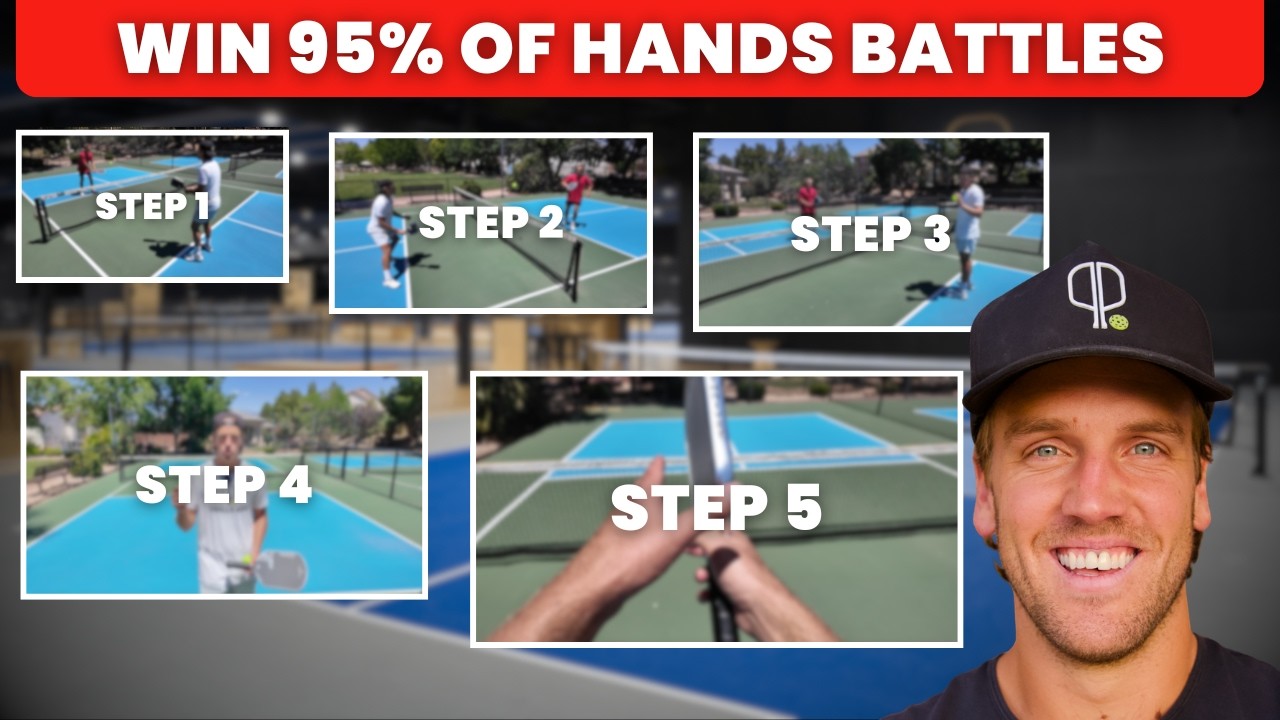
Hand Speed Drill: The 5-Step System to Win Net Battles
A hand speed drill isn’t just about moving your paddle faster—it’s about training your entire body to react with precision at the net.
 The Dink PickleballThe Dink Media Team
5. Work on Resets in the Transition Zone
After kitchen games, you move back to the transition zone to work on resets. This is the fourth shot in a rally, and it's underrated.
One player stays at the net and tries to keep the ball low to your feet. Your job is to block it back into the kitchen.
Why does this matter? Because after you hit a third shot drop, you have to move forward through this zone.
If you're uncomfortable here, you'll never establish your offensive position at the net.Resets are how you survive the transition and take control of the point.
Understanding the pickleball transition zone and when to play safe vs. when to attack is a game-changer for players trying to stop giving away free points in no-man's land.
And if you want to go deeper on this skill specifically, the pickleball reset: the one skill that takes you from 3.5 to 5.0 is essential reading.
The Walker Sisters recommend setting a realistic number of consecutive resets and pushing yourself to hit that target.
Maybe it's 10. Maybe it's 20. The number doesn't matter as much as the intention.
You're not just hitting; you're building confidence in a specific zone.
The Pickleball Reset: The One Skill That Takes You Beyond 3.5
By softening pace, controlling trajectory, and stabilizing through transition, players can use the reset to regain the kitchen and compete with stronger opponents
 The Dink PickleballThe Dink Media Team
6. Practice Drops and Drives from the Baseline
Now you're at the back of the court working on third shot options. You start cooperatively, trying to hit drop shots that land in the kitchen.
You count your consecutive successful drops, just like you did with dinking.
Then you switch sides. You practice crosscourt. You work on your backhand. You add drives to the mix, focusing on low trajectory and aggressive intent.
This part of your pickleball drill session is about building consistency with your most important offensive shots.
For technique details on the drop, 5 drop shot techniques to elevate your pickleball game covers exactly what your drop needs at each stage of development.
The third shot drop is the gateway to controlling the point. If you can't hit it reliably, you'll never get to the net.
Drives are equally worth drilling, and the pickleball drive crash course with pro tips for powerful shots is the best companion resource to this step.
Third Shot Drop vs Drive in Pickleball: Make the Right Call
The third shot drop vs drive pickleball debate isn’t about picking a favorite, it’s about reading the rally and choosing the shot that actually works. This guide breaks down when to drop, when to drive, and how to stop guessing on ball three.
 The Dink PickleballThe Dink Media Team
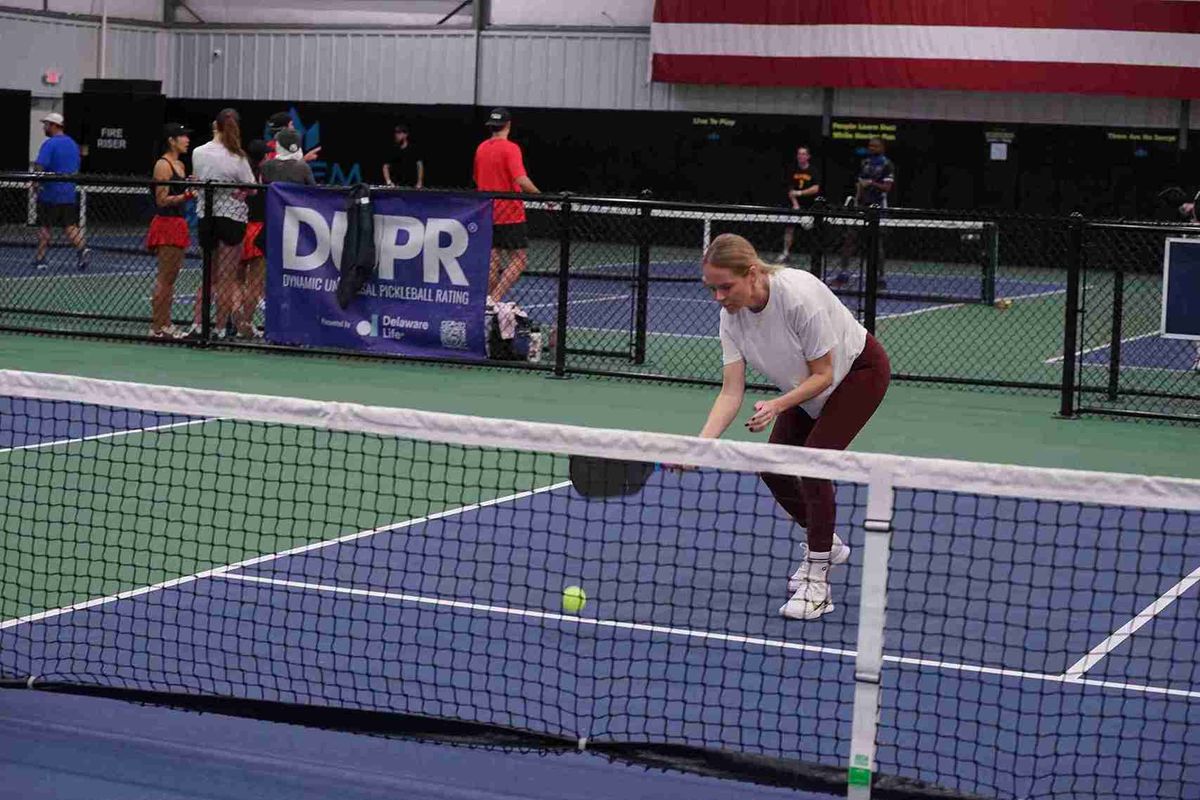
7. Finish Your Pickleball Drill Session with Competitive Games
After all that drilling, you finish with actual games.
The Walker Sisters mention games like skinny singles and 7-Eleven, which incorporate everything you've worked on.
You're not just hitting; you're applying every skill you've practiced in a competitive context.
This is where you see if your practice actually translates to performance.
Can you hit those dinks under pressure? Can you execute that third shot drop when it matters? Can you speed up at the right moment?For a broader look at what modern competitive play demands, modern pickleball: the four key strategies to winning in 2026 is worth reading alongside this framework.
5 Pickleball Drills That Will Transform Your Game in 2026
Five simple yet powerful pickleball drills can completely reshape how you play. These mechanics focus on consistency, footwork, and positioning to help you see immediate results on the court.
 The Dink PickleballThe Dink Media Team
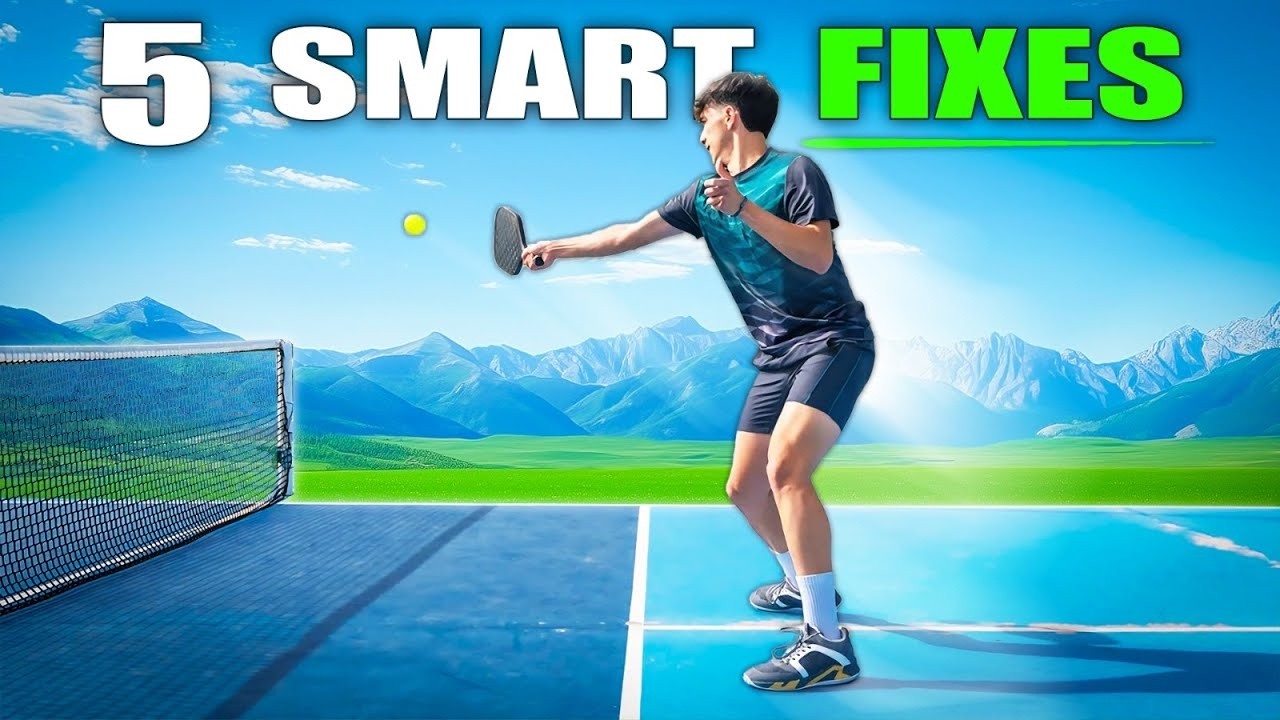
Why Two Hours Is the Sweet Spot for a Pickleball Practice Session
The Walker Sisters structure their pickleball drill session to last about two hours.
That's long enough to work through all seven steps without rushing, but short enough that you stay mentally sharp and physically fresh.
Most players either don't practice long enough to see real improvement, or they practice so long that fatigue takes over and they start developing bad habits.
Two hours hits the balance.You're tired at the end, but you've accomplished something meaningful.
If you find yourself hitting a ceiling no matter how much you practice, understanding the pickleball plateau and how to break through it explains exactly what's going wrong and how to fix it.
The Complete Pickleball Practice Routine for 3 Hours Per Week
A practice routine for limited time pickleball players doesn’t have to be complicated, it has to be smart. Here’s how to get the most out of just 3 hours a week on the court.
 The Dink PickleballThe Dink Media Team
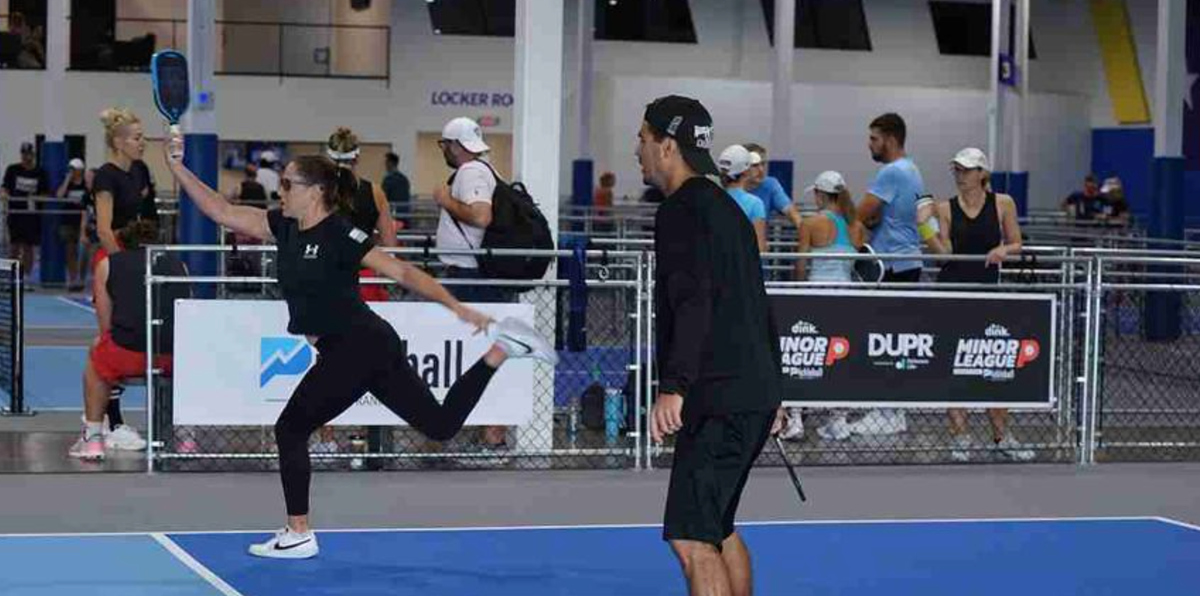
The Real Lesson: Intention Over Volume in Every Pickleball Drill Session
Here's what makes this pickleball drill session framework special: it's not about hitting thousands of balls.
It's about hitting the right balls with the right intention.
When you're working on dinking, you're not just counting to 100 for fun.
You're building the neural pathways that let you execute under pressure.When you're playing kitchen games with one designated speed-up player, you're not just playing; you're training specific decision-making skills.
Every step has a purpose. Every drill builds on the previous one.
By the time you finish with competitive games, you've covered every aspect of modern pickleball in a logical, progressive sequence.
If you want to pair this structured pickleball practice routine with the shots that matter most at the next level, how to break 5.0 with the 5 pickleball shots you must master before 2026 is a direct complement to everything covered here.
💡
Heads up: hundreds of thousands of pickleballers read our free newsletter.
Subscribe herefor cutting edge strategy, insider news, pro analysis, the latest product innovations and more.
Frequently Asked Questions
How long should each step of a pickleball drill session take?
The Walker Sisters don't prescribe exact time limits, but they spend the majority of their two-hour session at the kitchen line working on dinking and speed-up games. The exact breakdown depends on your skill level and what you need to work on. If consistency is your weakness, spend more time on dinking. If you struggle with transitions, spend more time on resets.
Can I do this pickleball drill session alone?
No, this framework requires a partner. Every step involves cooperative or competitive play with another person. If you're practicing alone, you'll need to modify the drills significantly, which defeats the purpose of the structured progression.
What if I'm a beginner? Should I still follow all seven steps?
Yes, but you might spend more time on the early steps. Beginners should especially focus on dinking and kitchen games because those are the foundation of pickleball. Don't rush to the baseline work until you're comfortable at the net.
How often should I do this pickleball drill session?
The Walker Sisters recommend doing this type of structured pickleball practice session regularly, ideally 2 to 3 times per week. Consistency matters more than intensity. Two focused hours twice a week will improve your game faster than random hitting five times a week.
What's the difference between a pickleball drill session and just playing matches?
Matches are competitive, but they don't isolate specific skills. In a match, you might hit one dink and then immediately have to speed up. In a structured pickleball drill session, you spend dedicated time on each skill, building confidence and consistency before moving to the next challenge. That focused practice is what drives improvement.
Anuncie Aqui / Advertise Here
Sua marca para o mundo Pickleball! / Your brand for the Pickleball world!





 English (US) ·
  Portuguese (BR) ·