
 English
  Spanish
  Portuguese
  German
  Italian
  Japanese
  French
  Polish
  Russian
  Netherlands
  Hungarian
  Turkish
  Videos
  Thedink Pickleball

The best pickleball tips for seniors have little to do with getting quicker and everything to do with buying time. Preparation, position, and a dependable reset will keep you competitive against players half your age.
The most useful pickleball tips for seniors right now have almost nothing to do with getting faster.
That sounds backwards, because the game absolutely did speed up.
Paddles got hotter, the 30-year-olds showed up in rec play, and hands battles that used to be a novelty are now the third act of every point.Plenty of general tips will transform your game, but pace needs its own answer.
So here's the thing. You don't beat speed with speed. You beat it with time. Every one of the pickleball tips for seniors below is built on that.Love pickleball? Then you'll love our free newsletter. We send the latest news, tips, and highlights for free each week.
Why Do These Pickleball Tips for Seniors Start With Your Feet?
Because most points you lose at high pace are lost before contact, not during it. You arrive late, you reach, you're off balance, and the ball pops up.
Nothing about your hands caused that, which is why the safe three-part scoring strategy starts with movement.
The fix is early preparation. Get your paddle set and your feet stopped before your opponent hits the ball, not after.Early preparation buys time and slows the felt pace of play, which is why it beats any speed drill you could run.
A split step timed to their contact does more for you than another 10 pounds on the leg press.Then there's the part nobody wants to hear. Most pickleball tips for seniors skip footwork technique entirely, and it's the single most trainable thing on this list.
Small steps, wide base, never crossing your feet at the net.Senior-specific work on grip, footwork, and net play pays off faster than shot mechanics because it's a habit, not a skill.
One 2025 dataset found that over half of older adults who play report falling during play. That's not a reason to play scared. It's a reason to stop backpedaling.
Turn your hips toward the sideline and drop-step with the back foot, then shuffle or run sideways.
Never walk backward with your chest facing the net. That's the position that turns a routine lob into a spill.There's a list of things senior players should actually avoid, and backpedaling sits at the top for good reason.
One dataset on emergency department visits found adults aged 60 to 79 account for roughly three quarters of pickleball-related visits, with falls driving a large share.
That reflects total injury burden rather than risk per hour played, so read it as a nudge toward better movement patterns.
Practical version: if you have to move backward, move sideways instead. That one habit outranks most pickleball tips for seniors you'll read anywhere.More guidance on moving safely while still playing better covers the same ground.
And posture is the quiet foundation under all of it, because a tall, stiff stance kills your first step.
💡
Need some new pickleball gear? Get 20% off select paddles, shoes, and more with code THEDINK at
Midwest Racquet SportsHow Position Beats Speed in Pickleball
Shrink the court you're responsible for and you no longer need to cover it fast.
This is the whole game for experienced players, and it's why a well-positioned 68-year-old regularly beats a 28-year-old who runs everywhere.
Start with stacking. If your backhand is the weaker wing, stacking keeps your forehand in the middle every point. You're covering the same court with your better side. That's free.Second, pick your defaults and stop improvising. These strategies for senior players are a good template.
Honestly, the best pickleball tips for seniors come down to deciding in advance who takes the middle so neither of you has to think about it at 60 miles an hour.
Third, serve and return with intent.
The one serve senior players need to nail is deep and boring, because it keeps them back and buys you the transition. Same logic on the return.
Anticipate, Position, Prep: How Paddle Preparation Improves Your Pickleball Game
Early paddle preparation is key to consistent, powerful shots in pickleball. It allows you to position your body and paddle well before the ball arrives, just like the pros.
 The Dink PickleballJason Flamm
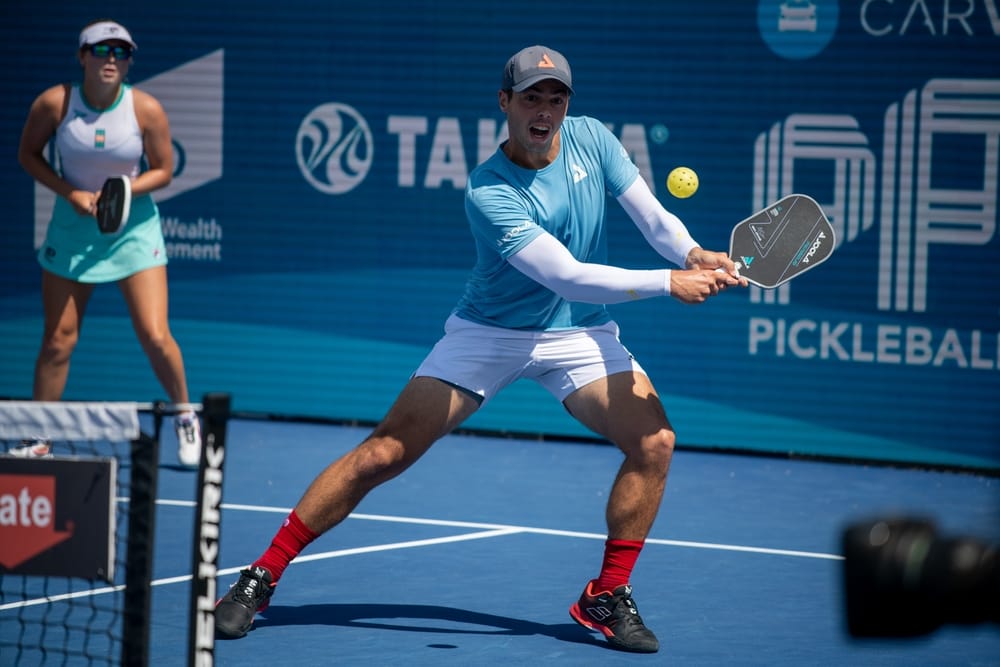
Best Pickleball Tips for Seniors on Handling Bangers
Stop swinging at hard drives and start blocking them. Paddle up, contact out in front, loose grip, no backswing.
The pace they gave you is the pace you give back, minus whatever you absorb.
Bangers are a solved problem, which is why pickleball tips for seniors so often start here.
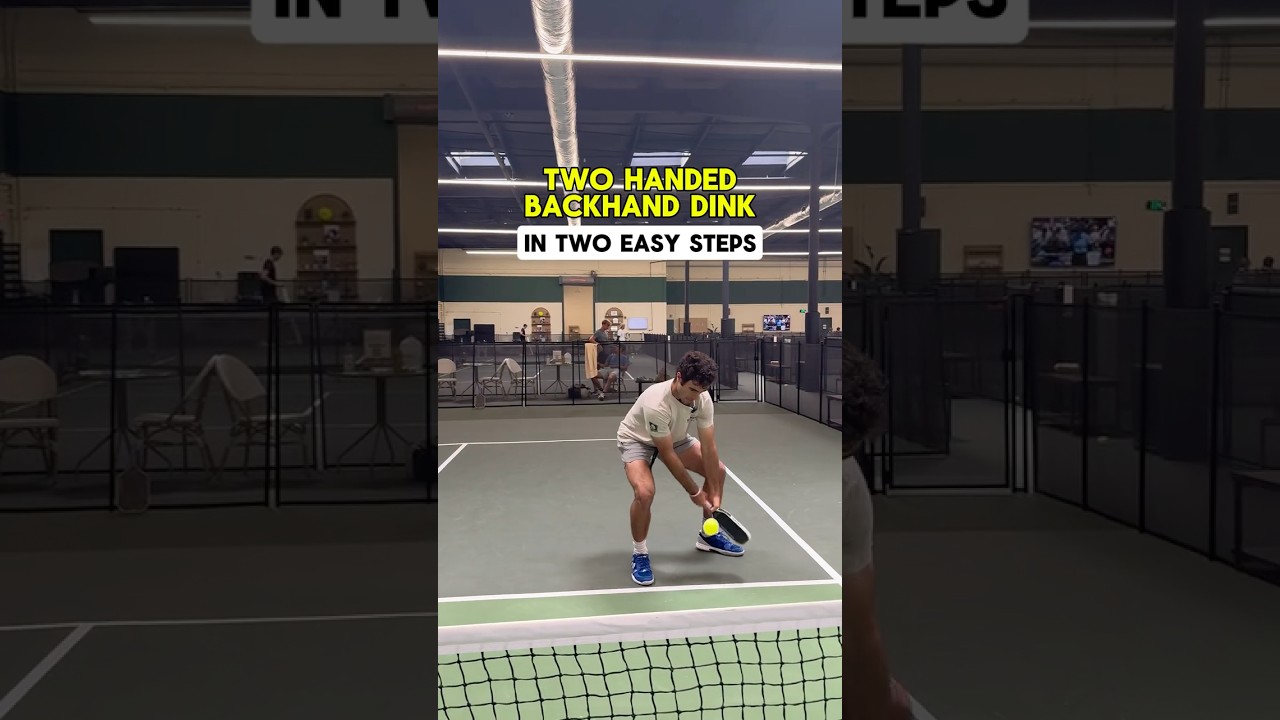
There's a seven-part system for beating them, and the short version: they lose patience before you lose points.The push block at the kitchen line is the shot that makes it work, and learning to defend with two hands like the pros covers the backhand side when the ball comes at your hip.
How to Beat Bangers in Pickleball: 7-Strategy System
This guide breaks down seven proven tactics to neutralize hard-driving opponents and win more matches.
 The Dink PickleballThe Dink Media Team
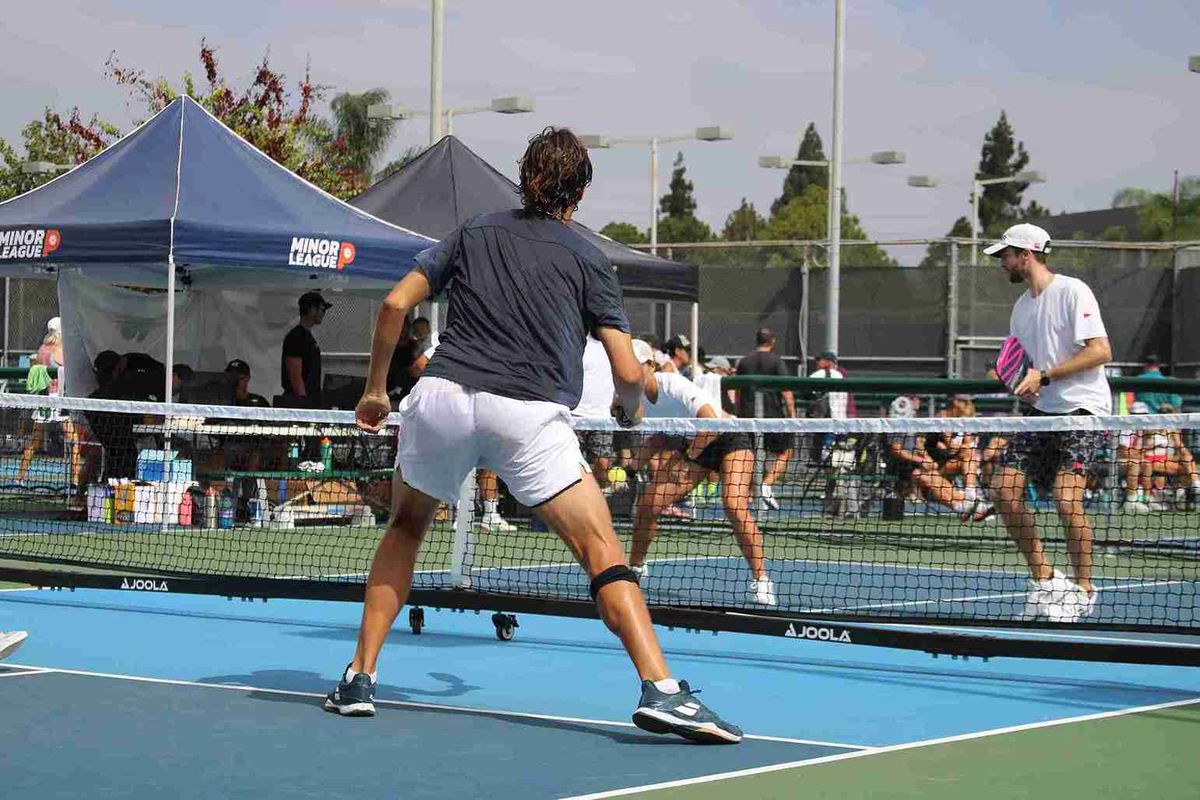
What Is a Reset in Pickleball?
A reset is a soft, low shot hit from a defensive position that lands in your opponents' kitchen and takes the pace out of the point.
It's the most valuable shot in any list of pickleball tips for seniors, because it turns an attack into a neutral rally instead of a winner.
Think of it this way: a drive answers speed with speed, a race you may not win. A reset changes the question.The reset shot is pickleball's most overlooked defensive weapon, and knowing when to attack versus when to reset separates 3.5 players from 4.5 players more than any other decision.
Three things make it repeatable:
- Get low and stop moving. Contact happens with your feet planted, not mid-stride.
- Loose grip, quiet paddle. Let the paddle face absorb the ball. No punch, no follow-through.
- Aim for their feet, not the net. A reset that lands at the kitchen line ankles is unattackable.
If it's still popping up, five keys to a clean midcourt reset will diagnose it.
Master the Reset Shot: Pickleball’s Most Overlooked Defensive Weapon
The reset lets you survive the transition phase without giving your opponents an easy put-away. It’s the shot that turns defense into offense.
 The Dink PickleballThe Dink Media Team
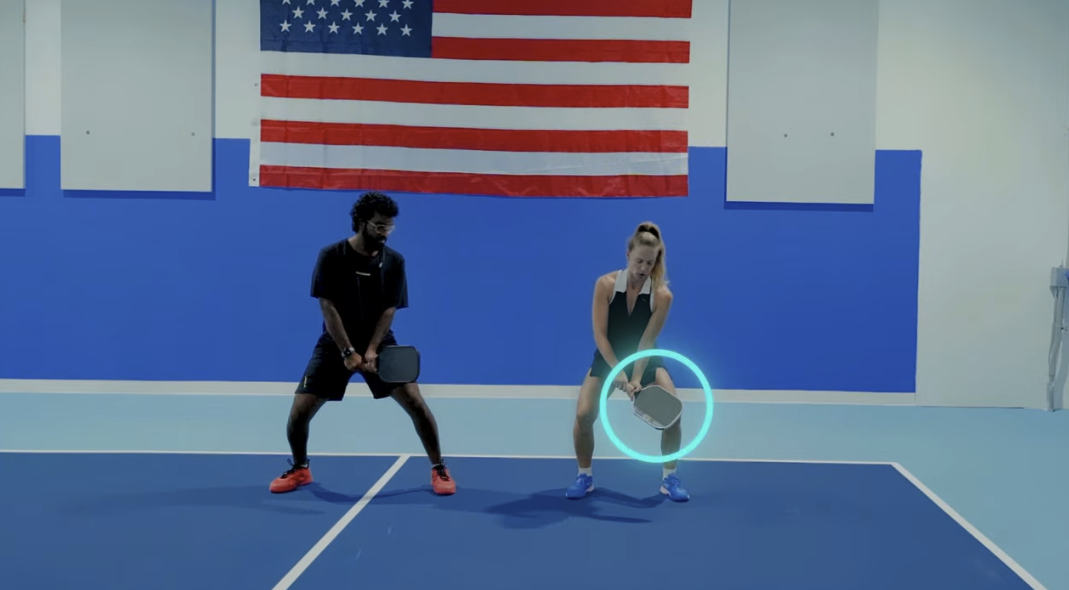
Pickleball Tips for Seniors Who Keep Getting Lobbed
Turn sideways and track the ball over your shoulder instead of reaching back for it.
If you can't get there in a sideways run, let it bounce and reset from the baseline. A lob you chase badly costs more than a lob you concede.There's a defensive technique for players over 50 who are tired of getting lobbed worth drilling until it's automatic.
Then flip it, because two offensive lob strategies work even better against young legs that crowd the line.
Over 50 and Tired of Getting Lobbed? This Pickleball Defensive Technique Is for You
Lob defense starts with footwork, and with a little practice, you’ll quickly transform lobs from a source of anxiety into just another shot to manage – or capitalize on
 The Dink PickleballThe Dink Media Team
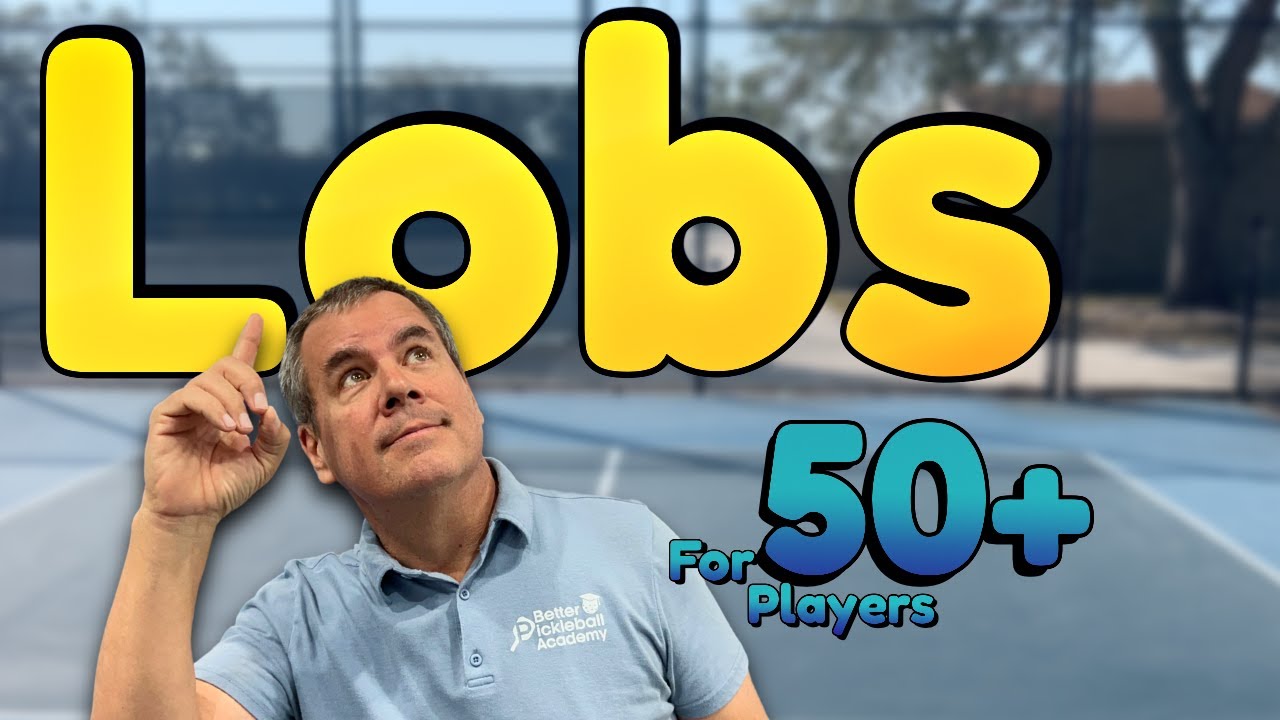
Are These Pickleball Tips for Seniors Enough Without Off-Court Work?
No, and pretending otherwise is how people end up hurt. Tactics reduce how much you have to move.
They don't build the balance and lateral strength that lets you move well when you do, so pickleball tips for seniors that stop at tactics leave money on the table.
Research in active older players suggests lower-body function like walking speed and balance holds up reasonably well with continued play, while upper-body strength declines more.That points toward strength work alongside play, not instead of it.
A structured approach to training safely is the place to start, and lower-body exercises that need no gym cover the lateral and push-off demands the court actually makes.
Pickleball Fitness for Seniors: Train Safe, Play Better
Pickleball fitness for seniors is the difference between playing twice a week and playing every day without breaking down. This guide breaks down the exact training approach that lets older players compete harder and recover faster.
 The Dink PickleballThe Dink Media Team
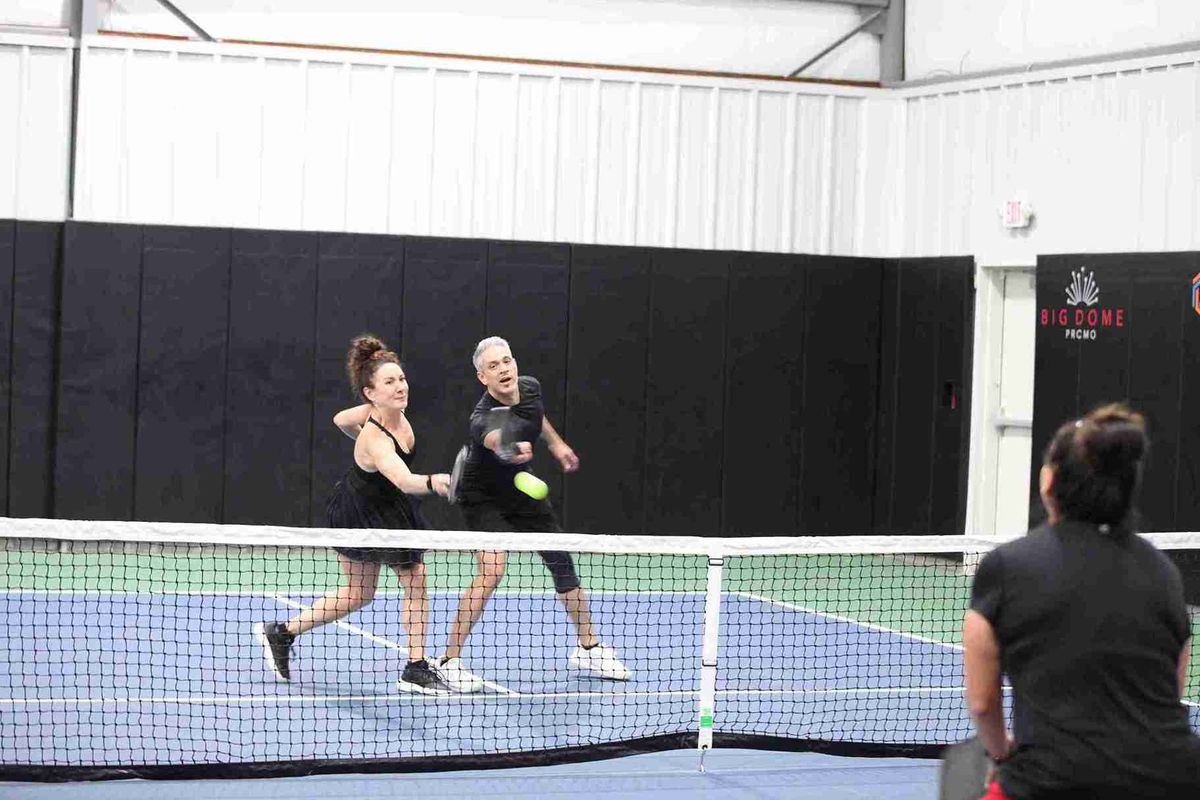
Two Drills That Sharpen Reaction Time Without the Risk
Train hand speed and decision speed while standing still.
That's the trick. The drills that improve reaction time in pickleball don't require the lunges and sprints that cause most of the trouble.
- Drill one: wall drills. Stand eight feet from a wall and punch-volley continuously, alternating wings, feet planted. Two minutes on, one off. Add a dedicated fast-hands drill once that feels easy.
- Drill two: dink with a partner and have them call "up" or "down" as they hit, so you're reading a cue instead of guessing. The four pillars of fast hands explains why paddle position matters more than raw twitch, and learning to anticipate shots like a pro narrows your options before the ball is even struck. It helps to understand how speed-ups actually work, so you see them coming. That's how you get faster without getting faster.
Pickleball Reaction Time Drills for Seniors: 5 Fast Fixes
Here are five controlled drills that build hand speed at the line while keeping the sudden lunges and backpedals that cause most senior injuries out of the equation.
 The Dink PickleballThe Dink Media Team
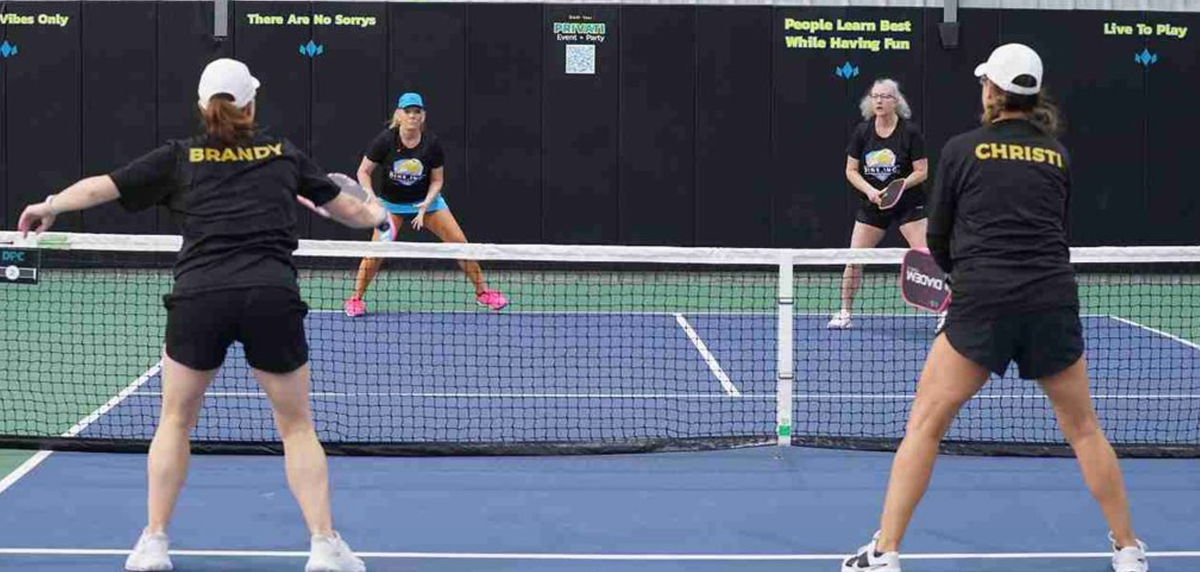
Key Takeaways
- Preparation beats foot speed. Split step on their contact and get planted early.
- Never backpedal. Drop-step, turn your hips, shuffle sideways.
- Stack to protect your weaker wing and decide in advance who takes the middle.
- The reset is your best shot. Low, planted, loose grip, aimed at their feet.
- Strength work is not optional if you want the tactics to hold up.
💡
Heads up: hundreds of thousands of pickleballers read our free newsletter.
Subscribe herefor cutting edge strategy, insider news, pro analysis, the latest product innovations and more.
Frequently Asked Questions
What are the best pickleball tips for seniors playing against younger opponents?
Keep the ball low and slow. Younger players usually beat you in a fast exchange, so resets, deep serves, and patient dinking take away their advantage. Add offensive lobs, since players who crowd the kitchen line struggle to recover.
How can seniors improve reaction time in pickleball?
Train it standing still. Wall punch-volley work and partner dinking with a called cue build hand speed and decision speed without the sudden lunges and backpedals that cause most trouble. Reading your opponent's paddle position narrows what's coming, which does more than raw reflex training.
Is stacking worth learning as a senior player?
Yes, and it's one of the highest-return items on this list. Stacking keeps your stronger side in the middle every point, so you cover the same court with a better shot. It takes about two sessions to stop feeling awkward.
How do you stop getting lobbed in senior pickleball?
Turn your hips toward the sideline, drop-step, and track the ball over your shoulder as you move sideways. If you can't reach it safely, let it bounce and reset from the back. Conceding a lob costs one point; a bad chase can cost your season.
How often should seniors play to stay competitive?
Two to three sessions a week with one dedicated drilling session is a reasonable rhythm. Drilling is where footwork and resets actually improve, since rec games rarely give you enough repetitions of the same shot. Build volume gradually rather than jumping to daily play.
Anuncie Aqui / Advertise Here
Sua marca para o mundo Pickleball! / Your brand for the Pickleball world!




 English (US) ·
  Portuguese (BR) ·