
 English
  Spanish
  Portuguese
  German
  Italian
  Japanese
  French
  Polish
  Russian
  Netherlands
  Hungarian
  Turkish
  Videos
  Thedink Pickleball

From multi-million dollar deals to players losing money event in and event out, here's exactly what the economics of professional pickleball look like.
When you think about professional athletes, you probably imagine guaranteed contracts, team salaries, and predictable paychecks. Professional pickleball doesn't work that way.
Pro pickleball salaries are a wild mix of league contracts, sponsorship deals, prize money, and teaching income that looks completely different depending on which tier you're in.
The sport has exploded in popularity over the last few years, but the financial reality for players remains largely hidden behind confidentiality clauses and vague social media posts.
That's why Zane Navratil, a professional pickleball player and former CPA, decided to break down exactly how much money pros actually make, tier by tier, and what it costs to chase the dream.
I even helped with some background research and pro player interviews.
Love pickleball? Then you'll love our free newsletter. We send the latest news, tips, and highlights for free each week.
The S-Tier Elite: Where the Real Money Lives
At the very top of professional pickleball, you have Anna Leigh Waters and Ben Johns. These two aren't just the best players in the sport; they're the faces of it. And their earnings reflect that status.
According to Zane's analysis, Anna Leigh Waters takes home nearly $4 million per year after taxes. Ben Johns pulls in close to $3 million. These numbers come from a combination of league contracts (around $1.5 million each from the UPA), massive sponsorship deals, and appearance fees.
Waters' recent deals with Franklin and Nike are particularly significant. Zane estimates her Franklin paddle deal alone is worth $10 million over three years. Johns has a lifetime deal with JOOLA worth approximately $1 million annually, plus another $500,000 in royalties from paddle sales.
The A-Tier Tier: Still Incredibly Lucrative
Below the S-tier elite sits the A-tier group: the next 10 most marketable men and women. This includes players like Gabe Tardio, Christian Alshon, Anna Bright, Tyson McGuffin, and Katherine Parenteau.
A-tier players earn an average of $1.35 million in gross income before taxes. After expenses and taxes, they take home nearly $750,000 per year. That's more than the average salary in Major League Soccer, which sits around $630,000 gross.
Their income comes from a combination of league contracts, prize money, paddle sponsorships, other sponsorships (clothing, shoes, hydration, etc.), and teaching clinics and corporate events. These players have signature paddles, equity opportunities with sponsors, and regular tournament appearances.
The difference between A-tier and S-tier is massive, but A-tier players are still living very comfortably off professional pickleball alone.
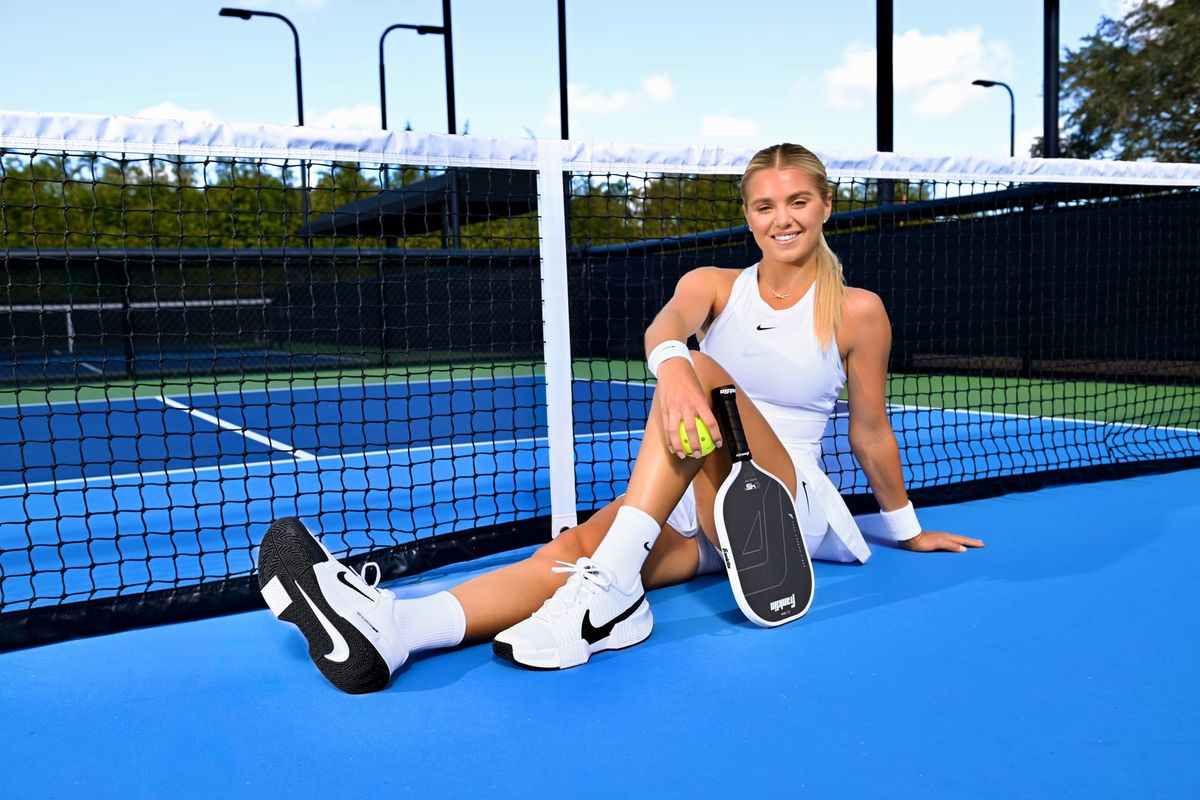
Nike Signs First-Ever Pickleball Pro, Anna Leigh Waters
“This agreement establishes Anna Leigh as the first-ever pickleball athlete to join Nike’s elite global roster.”
 The Dink PickleballAlex E. Weaver
The D-Tier Nightmare: Losing Money to Chase Your Dreams
We know we skipped a few tiers; they're in the video, which you should watch to get the full picture.
But it's worth calling out the D-tier, which consists of non-contracted players trying to make it through qualifiers. These are amazing up-and-coming players, but they're either not signed with the tour yet or don't have stellar results.
D-tier players earn an average of just $11,000 in gross income, mostly from prize money. After expenses, they're actually losing money. Zane estimates that D-tier players who play a full schedule spend over $30,000 per year just to compete.
- They're paying $15,625 in tournament registration and entry fees.
- Travel costs run around $25,000 per year (sharing rooms, sharing cars, eating cheap).
- They're buying their own paddles, which can cost $4,000 per year if they're using premium equipment like Selkirk or JOOLA paddles.
These players are weekend warriors with day jobs, or they're burning through savings to chase their dreams. It's the harsh reality of professional pickleball for players who haven't yet made it to the contracted tier.
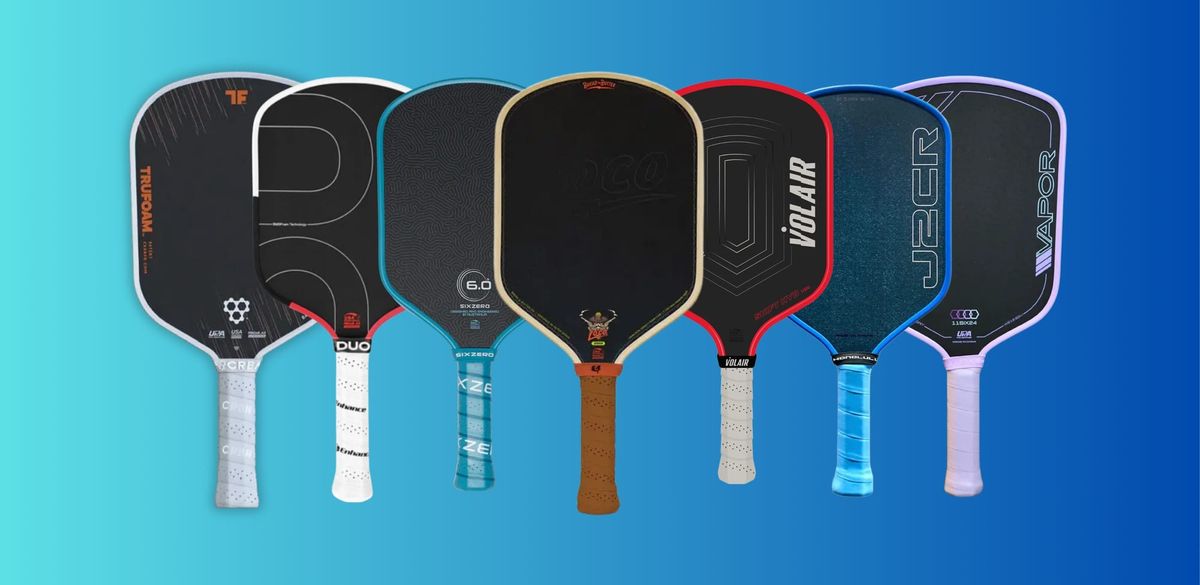
7 Hybrid Pickleball Paddles that Blend Power and Control
None of these are lacking in the oomph department. But their foam cores and hybrid shapes combine to offer more stability, control, and feel when it matters most.
The Dink PickleballAlex E. Weaver
How Did We Get Here? The Tour Wars Changed Everything
Understanding modern pro pickleball salaries requires understanding the Tour Wars of 2023. Back then, the PPA and MLP were set to merge, but negotiations fell apart. Instead, both leagues went into an all-out bidding war for the best players.
For about 10 days, both sides were rolling out signed graphics, trying to convince players to join their side. Players were cashing out for three to four times what they'd been making in previous years. When the dust settled and the leagues merged into the UPA, the newly formed organization landed at approximately $33 million in annual compensation to their players.
That $33 million gets distributed across all contracted players, which is why the difference between S-tier and C-tier is so dramatic. The players who were most marketable on August 24th, 2023 (the start date of the Tour Wars) locked in the best deals. Everyone else got whatever was left.
Pro Pickleball Shake-Up: Insights & Implications for New Player Contract Extensions
If all goes according to plan for the UPA, players will shift from guaranteed contracts to an incentive-based model.
The Dink PickleballZane Navratil
League contracts are just the beginning. Sponsorships are where the real money lives for top-tier players, and paddle sponsorships are the biggest piece of that pie.
At the S-tier level, companies make these players the face of their brands. Ben Johns has his lifetime deal with JOOLA. Anna Leigh Waters has her massive deal with Franklin. These aren't just endorsement deals; they're partnerships that include royalties on paddle sales.
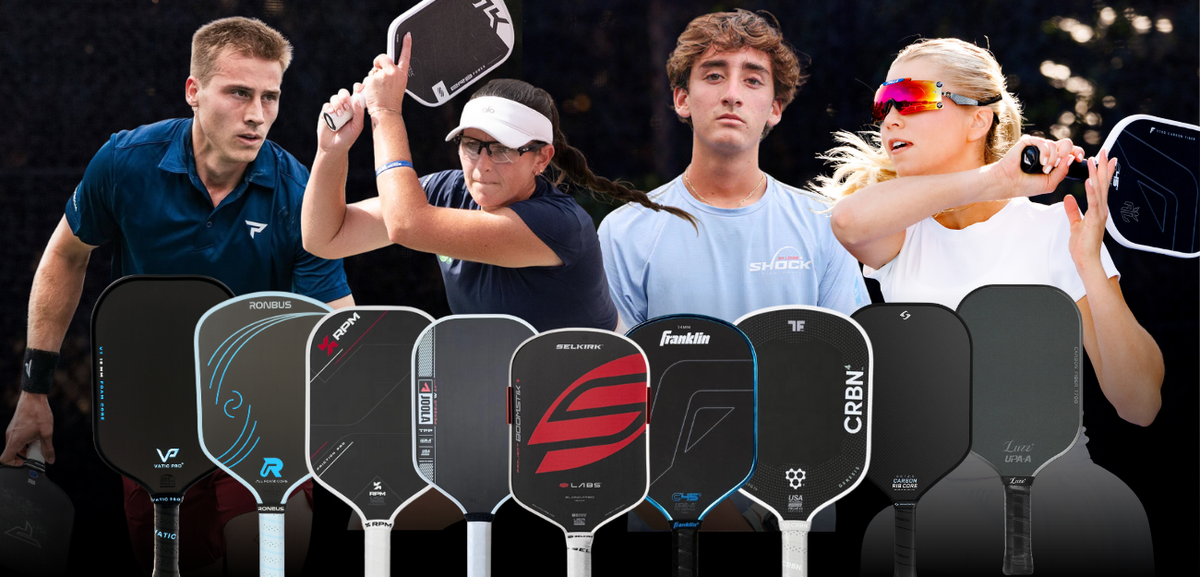
Tracking All the New Pro Paddle Deals in 2026
A new year means a ton of top pros are signing fresh paddle sponsorship deals – here’s what we know so far
The Dink PickleballAlex E. Weaver
As you move down the tiers, sponsorship opportunities shrink dramatically. A-tier players might have signature paddles and equity opportunities. B-tier players get straight sponsorship deals without royalties. C-tier players might be getting $1,000 per month and some travel stipends. D-tier players are lucky to get free paddles.
Other sponsorship categories (clothing, shoes, hydration, ball machines) add up nicely across all tiers, but they pale in comparison to paddle deals. Even for S-tier players like Anna Leigh Waters, who has deals with Nike, Ulta, and Pillow Eyewear, the paddle deal is the anchor.
Frequently Asked Questions
How much does the average pro pickleball player make?
There's no true "average" because the earnings vary so dramatically by tier. S-tier players make $3-4 million. A-tier makes around $1.35 million gross. B-tier makes around $430,000 gross. C-tier makes around $95,000 gross. D-tier actually loses money. The median is probably somewhere in the B-tier range, around $200,000-$250,000 after taxes.
Do pro pickleball players get paid by team owners?
No, that's one of the biggest differences between pickleball and traditional sports. Players don't get paid by team owners. Instead, they earn money from league contracts (which come from the UPA), sponsorships, prize money, and teaching income. When you see that a player was drafted to an MLP team for $700,000, that money goes to the league, not the player.
What's the biggest source of income for pro pickleball players?
League contracts are the biggest source for most players. For S-tier players, sponsorships (especially paddle deals) are equally important or sometimes larger. Prize money is relatively small compared to other professional sports. Teaching and corporate events round out the income for most players.
How much does it cost to be a pro pickleball player?
It depends on your tier. D-tier players spend over $30,000 per year just to compete. C-tier players spend around $40,000 on travel alone. B-tier players spend around $50,000. A-tier players spend around $100,000. S-tier players spend around $250,000 on travel, plus another $100,000 on coaches and physios. These numbers don't include agent fees, professional fees, or taxes.
Can you make a living playing pro pickleball?
Yes, but only if you're in the B-tier or higher. B-tier players take home around $200,000 per year after taxes and expenses. That's a solid living. C-tier players take home around $15,000 per year, which is barely minimum wage. D-tier players actually lose money. So the answer is: yes, if you're good enough to get a league contract and build a sponsorship portfolio.
Anuncie Aqui / Advertise Here
Sua marca para o mundo Pickleball! / Your brand for the Pickleball world!






 English (US) ·
  Portuguese (BR) ·