
 English
  Spanish
  Portuguese
  German
  Italian
  Japanese
  French
  Polish
  Russian
  Netherlands
  Hungarian
  Turkish
  Videos
  Thedink Pickleball

A simple pickleball defensive tip can transform how you handle aggressive smashes from your opponents. Using two hands instead of one gives you the stability needed to defend baseline attacks effectively.
When your opponents are firing smashes at you from the net, your instinct might be to react quickly with whatever grip feels natural.
But the best pickleball defensive tip isn't about speed or athleticism. It's about stability.
According to Tanner from tanner.pickleball, one fundamental adjustment can transform how you defend baseline attacks: use two hands instead of one.
This might sound simple, but it's a game-changer for players at every level who struggle with defensive consistency.
Love pickleball? Then you'll love our free newsletter. We send the latest news, tips, and highlights for free each week.
Why One Hand Fails You on Defense
Here's the thing: when a ball is coming at you fast, your paddle needs to stay locked in place.
If you're defending with only one hand, the paddle becomes a lever with a single point of control.
The moment that ball hits anywhere except dead center on the paddle face, the paddle twists in your hand.
Tanner explains the physics simply: "Since the ball is coming really fast, there's no stability with one hand. So, if the ball hits anywhere but directly in the center of the paddle, it's going to feel flimsy and adjust in your hand."That adjustment is the problem. Your paddle moves, your shot goes wild, and suddenly you're scrambling to recover.
You've lost control of the rally before you even had a chance to reset.
Understanding how to recognize your court position is the first step toward making smarter defensive reads on every ball coming your way.
The Two-Hand Solution: Your Pickleball Defensive Tip That Changes Everything
The pickleball defensive tip that changes everything is deceptively straightforward: grip your paddle with both hands whenever the ball is coming in fast and you're on defense.
Two hands create what you might think of as a stability triangle. Your hands, wrists, and forearms work together as a single unit.
When that smash hits your paddle, it doesn't twist or adjust. The paddle stays true, your contact point remains consistent, and you maintain control of the shot.
This two-hand grip gives you much more stability so the paddle won't move, according to Tanner's demonstration.It's not about strength. It's about geometry and physics working in your favor.
Players who already know how to master faster hands in pickleball will find this grip clicks into their game almost immediately.
💡
Need some new pickleball gear? Get 20% off select paddles, shoes, and more with code THEDINK at
Midwest Racquet SportsWhen to Deploy This Defensive Technique
The two-hand grip isn't something you need for every shot. You're not going to use it for soft dinking at the net or for casual baseline rallies.
This pickleball defensive tip is specifically for high-speed situations where your opponent is attacking.
Think of it as your defensive emergency response.
When you see a smash coming, when the ball is traveling fast, when you're at the baseline trying to neutralize an aggressive shot, that's when you switch to two hands.
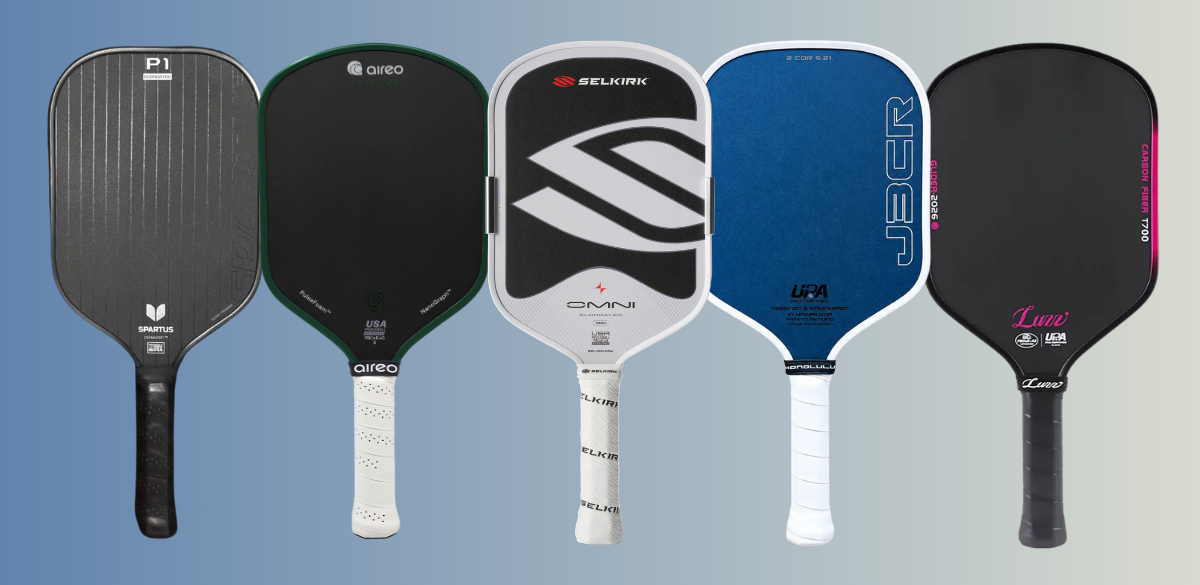
5 Poppy New Paddles That Will Prevail in Any Firefight
Power is great for heavy serves and baseline drives. But for those lightning-fast kitchen firefights, it’s pop you seek. These new paddles do it best.
 The Dink PickleballAlex E. Weaver
It's a tactical adjustment that takes maybe half a second to execute but can save an entire rally.
The beauty of this approach is that it works regardless of your paddle choice, your skill level, or your physical strength.
A beginner with a two-hand grip will defend smashes more effectively than an advanced player trying to one-hand it.
If you want to pair this with other high-percentage shots, check out 6 essential pickleball shots to master for 2026.
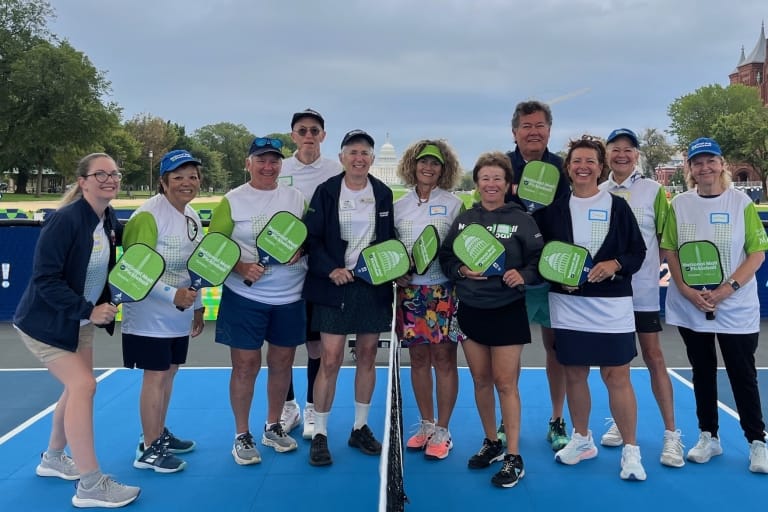
US Senior Pickleball: The Only Tour Built by Seniors for Seniors
Everything you need to know about US Senior Pickleball, how to get involved, and why this year’s National Championship will be their biggest one yet
 The Dink PickleballAlex E. Weaver
Why This Pickleball Defensive Tip Works for Every Skill Level
Here's what most players miss: defensive technique isn't reserved for advanced players. It's often the thing separating a 3.5 from a 4.0.
The two-hand stabilization method is one of those rare pickleball defensive tips that scales with your game instead of becoming obsolete the better you get.
Whether you're a newer player still building your fundamentals or a seasoned competitor looking to tighten your baseline defense, this grip delivers.
Pair it with a simple 4-step system to win more pickleball games in 2026 and you'll notice how your defensive floor rises immediately.
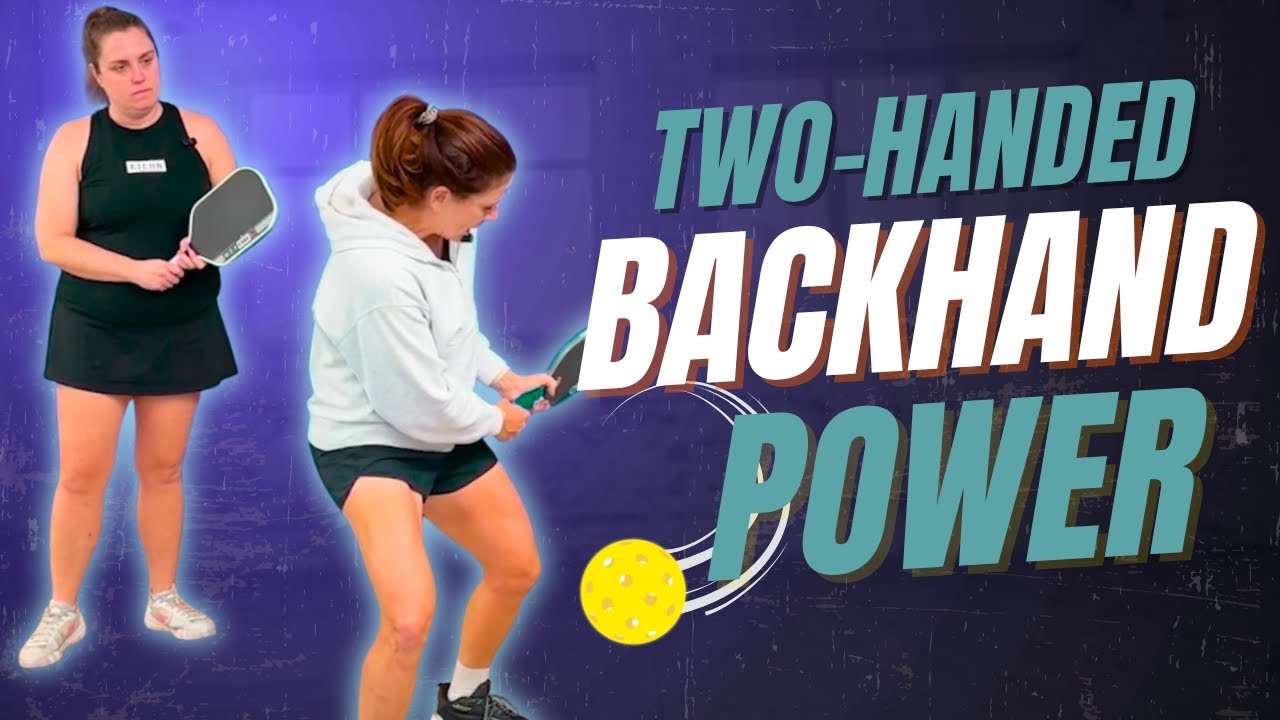
From Weak to Weapon: How to Wreck a Two-Handed Backhand Drive in Pickleball
Many players think the two-handed backhand is all about arm strength and paddle speed. But that’s backwards. The real power comes from the ground up.
 The Dink PickleballThe Dink Media Team
Building the Habit: Turning This Pickleball Defensive Tip Into Muscle Memory
Like any technique in pickleball, this only works if it becomes automatic. You can't think about it mid-rally.
The two-hand grip needs to be your default response to incoming speed.
Start by practicing it in drills. Have a partner hit smashes at you from the net while you're at the baseline.
Focus on nothing but getting both hands on the paddle and keeping it stable. Once you've done this fifty times, a hundred times, it becomes muscle memory.
The 12 drills you need to play your best pickleball in 2026 include baseline pressure scenarios that pair perfectly with this two-hand training approach.
Then bring it into matches. You'll notice immediately that your defensive shots feel more solid. Your returns will land deeper in the court.
Your opponent will have a harder time putting you away because you're actually defending instead of just reacting.The 3 Habits of Elite-Level Dinkers in Pickleball
The dink isn’t just a defensive shot. It’s the foundation of offensive pickleball. Master these three habits, and you’ll start controlling rallies instead of just surviving them.
 The Dink PickleballThe Dink Media Team
Drills That Reinforce Your Two-Hand Defense
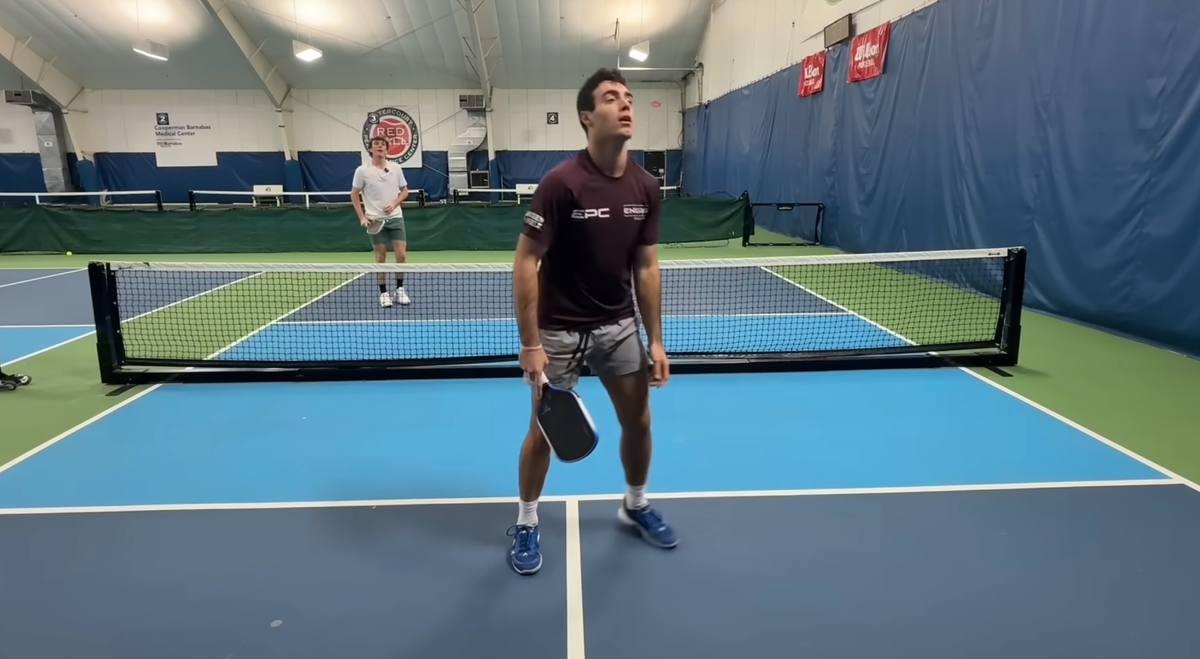
Repetition is the only path to automaticity. Set up a dedicated smash-defense drill three times a week.
Your partner fires overhead smashes from just inside the NVZ line while you work the two-hand block return from the baseline.
Don't try to do too much with the return. The goal is stability, not power.
A neutral, controlled return that lands deep is far more valuable than an attempted counter-attack that sails wide.
As you get comfortable, simple wall drills can also reinforce the muscle memory between partner sessions.
The 12 Pickleball Drills You Need for Your Best Game in 2026
You can’t just show up and hit balls – you need a plan, and that plan should build progressively from simple to complex
 The Dink PickleballThe Dink Media Team
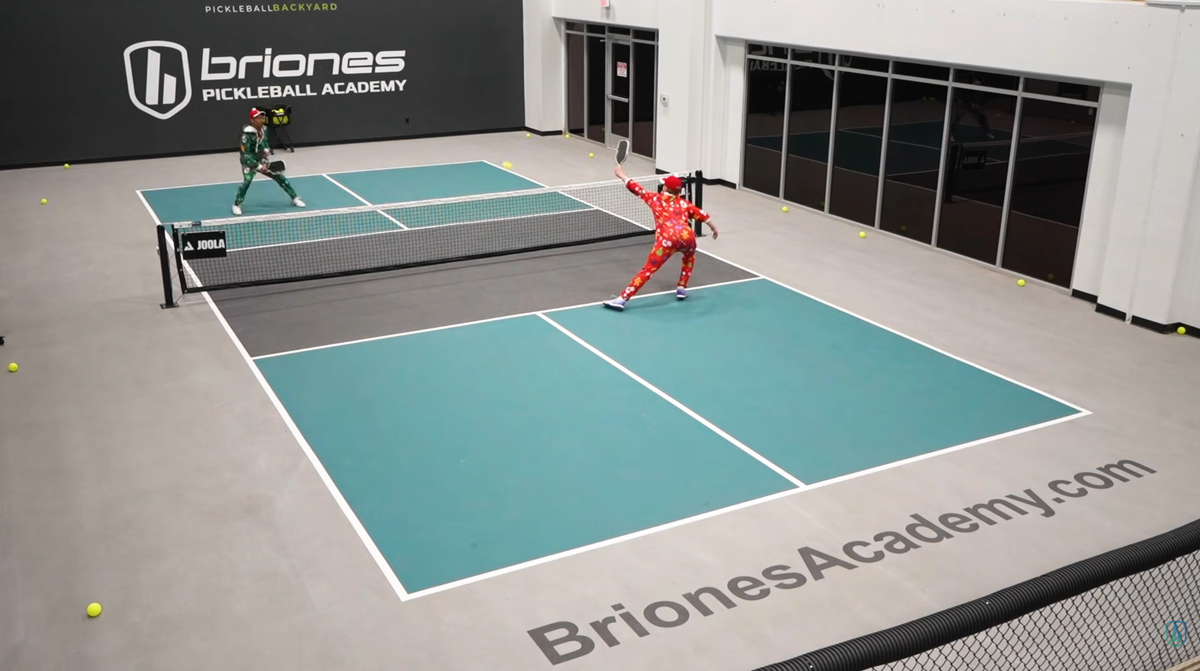
The Bigger Picture: Why Pickleball Defense Wins Rallies
Pickleball is a game where defensive consistency often determines who wins.
You can have the best offensive shots in the world, but if you can't defend, you'll lose to players who can neutralize your attacks and turn defense into offense.
This pickleball defensive tip is part of a larger philosophy: make your opponent work for every point.
When you're defending smashes with stability and control, you're not just surviving the attack. You're setting yourself up to counter-attack.
Research on elite-level patterns shows that the best defensive players in the game aren't passive; they're actively hunting the next opportunity.
According to CBS Sports' coverage of professional racket sport defense, the ability to reset under pressure is consistently one of the most undervalued skills in fast-paced net sports.
The two-hand grip is one tool in your defensive toolkit. It pairs well with other fundamentals like proper footwork, court positioning, and anticipation.
But if you're struggling with smash defense specifically, this is where to start.
Why professional pickleball players abandoned the slice shot in 2025 is a great companion read that shows how the pro game is shifting toward more controlled, high-percentage defensive patterns.
How to Win Dinking Rallies in Pickleball
Knowing how to win dinking rallies in pickleball separates reactive players from players who actually control the point. This guide breaks down the placement targets, patience principles, and attack triggers that make dinking a genuine weapon.
 The Dink PickleballThe Dink Media Team
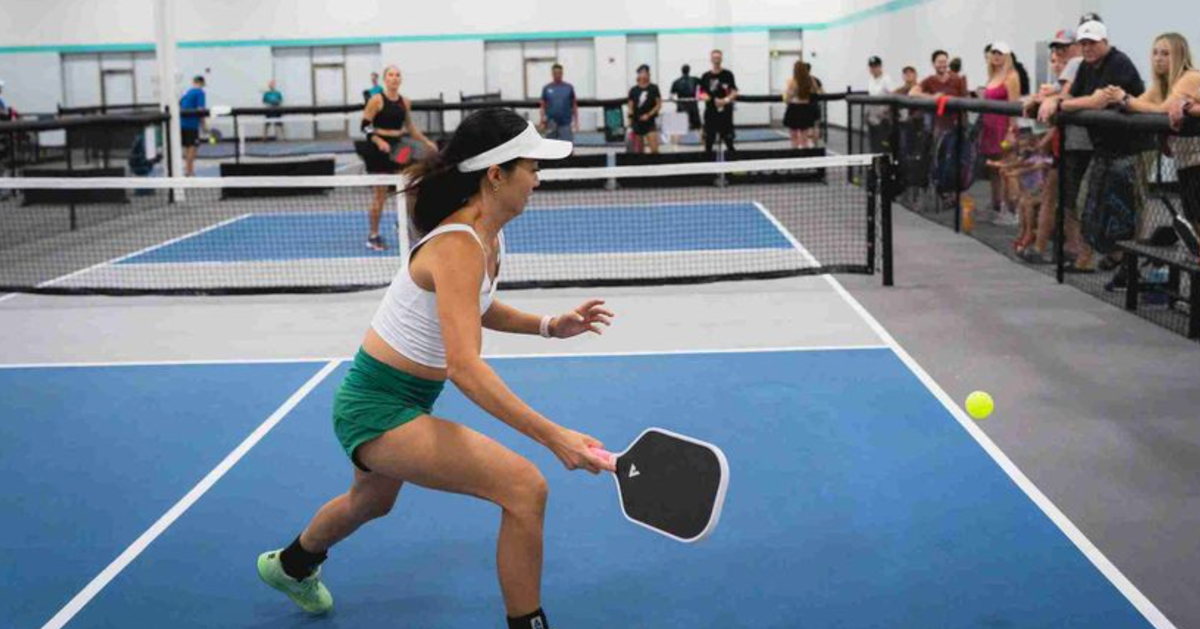
Turn Defense Into a Weapon
Here's the real unlock: when your smash defense becomes reliable, your opponents stop attacking you with smashes.
They know it won't work. That shifts the entire tactical flow of a match in your favor.
You don't need the flashiest backhand volley or a cannon of a drive to dominate rallies.
You need opponents to feel like nothing they throw at you is putting you away.
For a deeper look at how to apply that pressure on the other side of the net, see six spots to attack your opponents in pickleball.
Understanding their attack zones makes it easier to anticipate where smashes are coming and pre-load your two-hand response.
According to NBC Sports' reporting on pickleball's fastest-growing player cohort, players who prioritize defensive fundamentals early in their development show significantly faster rating progression than those who chase offensive power.
Pair your new defensive grip with the 4 essential pickleball return targets to play like a pro and you'll start seeing how defense and offense are really just two sides of the same tactical coin.
💡
Heads up: hundreds of thousands of pickleballers read our free newsletter.
Subscribe herefor cutting edge strategy, insider news, pro analysis, the latest product innovations and more.
Frequently Asked Questions
Should I Always Use Two Hands on Defense?
No. Use two hands specifically when the ball is coming in fast and you're defending from the baseline. For soft dinking exchanges at the net or slower rallies, one hand is fine. The key is recognizing when speed requires stability.
Does the Two-Hand Grip Work for All Paddle Types?
Yes. This technique works regardless of paddle weight, shape, or material. It's about physics and control, not equipment. Any paddle will feel more stable in your hands when you're using both hands to grip it.
Can I Use This Pickleball Defensive Tip for Offensive Shots Too?
You can, but it's not necessary. The two-hand grip is optimized for defense and stability. For offensive shots, you typically want more wrist mobility and reach, which a one-hand grip provides. Use two hands for defense, one hand for offense.
How Long Does It Take to Make This a Habit?
Most players see improvement within a few practice sessions. To make it truly automatic, something you do without thinking, plan on a few weeks of consistent practice. The more you drill it, the faster it becomes second nature.
What If I'm Left-Handed?
The technique works exactly the same way. Your dominant hand placement might differ slightly, but the principle of two-hand stability remains identical. Experiment with what feels most natural for your grip.
Anuncie Aqui / Advertise Here
Sua marca para o mundo Pickleball! / Your brand for the Pickleball world!





 English (US) ·
  Portuguese (BR) ·