
 English
  Spanish
  Portuguese
  German
  Italian
  Japanese
  French
  Polish
  Russian
  Netherlands
  Hungarian
  Turkish
  Videos
  Thedink Pickleball

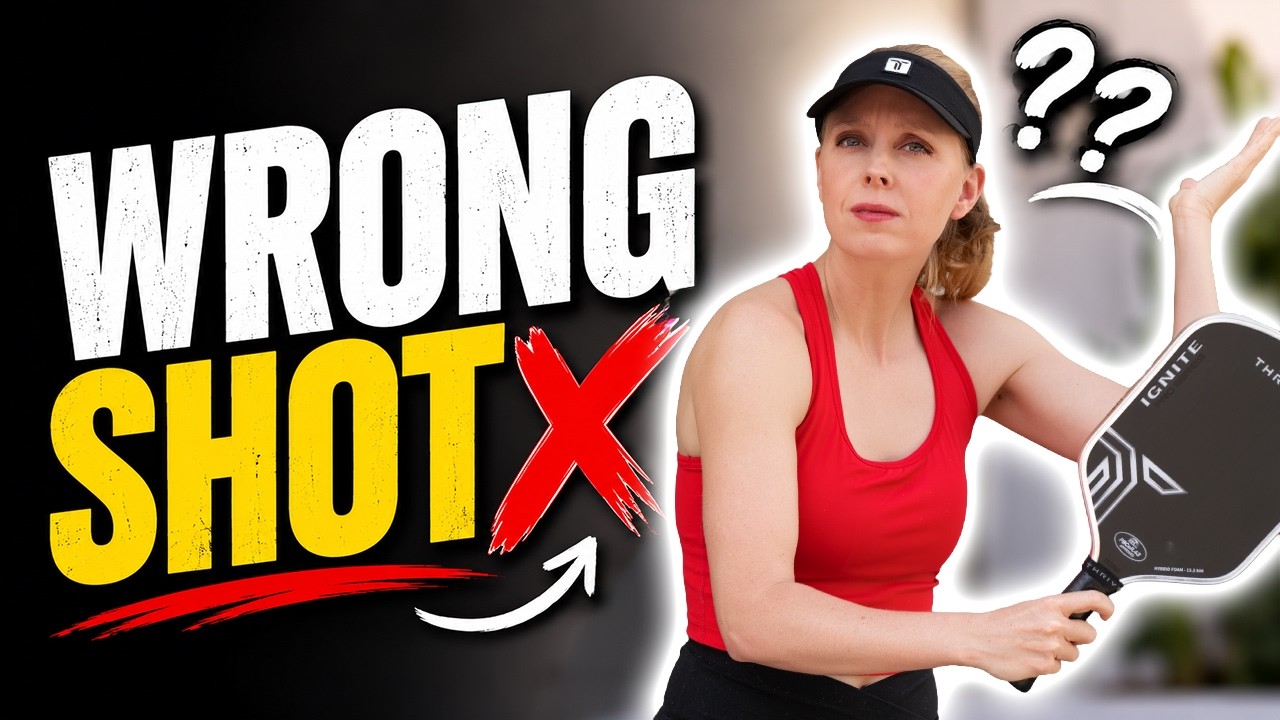
Most players instinctively reach for their forehand when they pop the ball up during a dink rally. That instinct is costing you points every single game. This pickleball defense move from the 5.0 level fixes it fast.
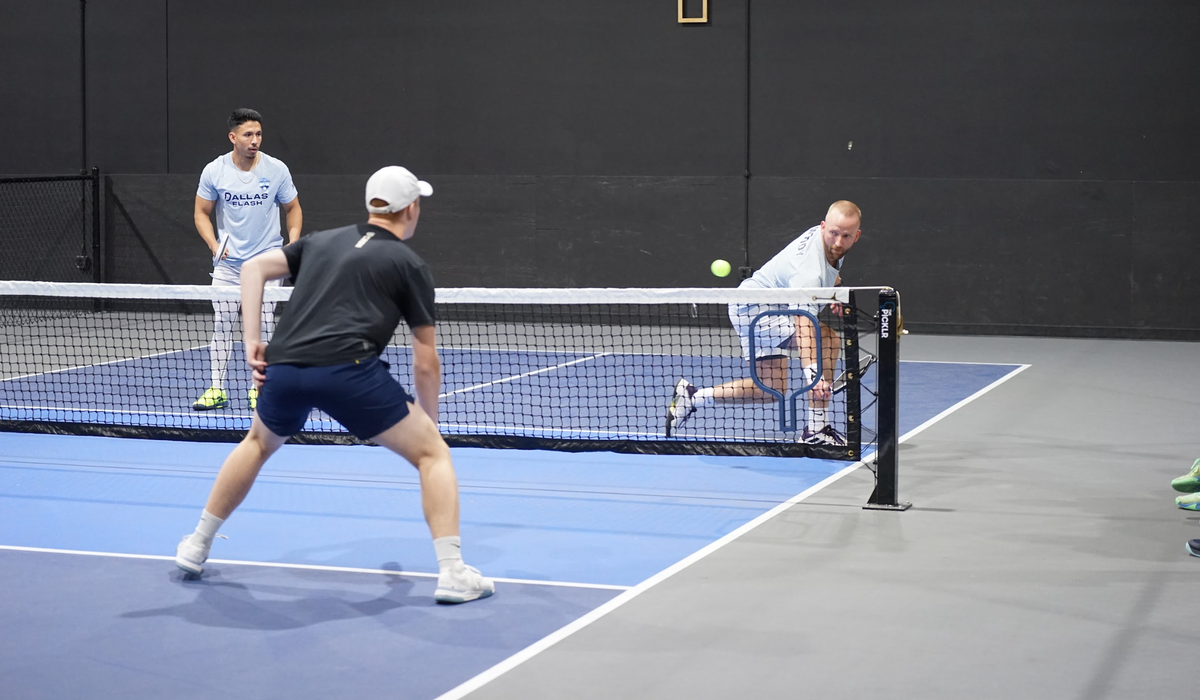
The moment you pop a dink too high during a cross-court rally, most players make the same panicked mistake: they reach toward the middle with their forehand and get drilled in the chest.
This is not a reaction-speed problem.It is a positioning pickleball defense problem, and it has a very specific fix that players at the 5.0 level use every time they give away a high ball.
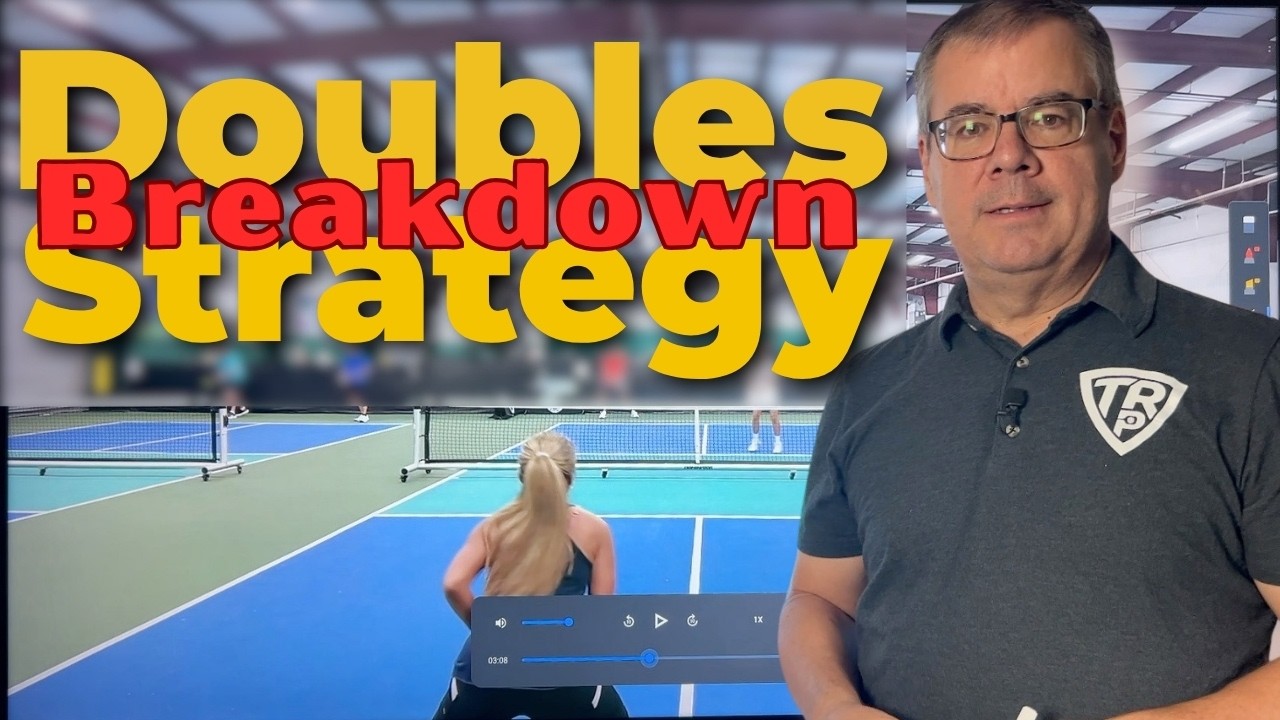
This tip comes straight from tanner.pickleball – AKA Tanner Tomassi – on YouTube, where he breaks down exactly why your forehand instinct is working against you and what to do instead.
Love pickleball? Then you'll love our free newsletter. We send the latest news, tips, and highlights for free each week.
The Problem With Your Forehand Instinct
When the ball floats up and you know your opponent is going to attack, your brain tells you to cover the middle with your forehand.
It feels natural. It feels like you are protecting yourself.But here is what actually happens: your forehand opens up your body, leaves your elbow tucked in, and gives your opponent a clear chest shot that you physically cannot get your paddle to in time.
You end up jamming yourself. The ball hits you before your swing has anywhere to go.
This is one of the most common errors you will find explained in 5 Keys to Pickleball Defense Mastery, and it shows up at every skill level below 5.0.
What You Should Do Instead: The Backhand Slide to the Middle
The fix is simple: slide your body toward the middle of the court and present your backhand when the ball is obviously high enough to be attacked.
Instead of reaching with your forehand, you step laterally toward center and get your backhand paddle face in front of your body.This does two important things at once.
- First, it protects your chest and your dominant shoulder.
- Second, it clogs the entire attackable court so your opponent has no clean angle to pick from.
Think of it as a wall. You are not trying to hit a winner here. You are eliminating every spot your opponent wants to go.
💡
Need some new pickleball gear? Get 20% off select paddles, shoes, and more with code THEDINK at
Midwest Racquet SportsWhy Does the Backhand Work Better Than the Forehand Here?
Your backhand naturally sits in front of your body when your arm is extended toward the middle.
Your forehand, by contrast, requires you to rotate across your own torso and creates a gap right at the chest.
When you slide to the middle with your backhand, anything hit toward the sideline on the far side is going out of bounds anyway. You do not need to cover it.You are only responsible for the middle and your body. The backhand slide handles both at once.
This is the same court-coverage logic that elite dinking strategy is built on: remove options from your opponent before they even swing.
Backhand Counter Pickleball: Punch vs Counter Fixes
Most players botch the backhand counter pickleball moment by using too much wrist and swinging too big. Here is exactly how to fix your punch and counter mechanics at the kitchen line.
 The Dink PickleballThe Dink Media Team
How to Actually Execute the Slide
Here is the step-by-step breakdown of what this movement looks like in real time:
- Read the height early. The moment your dink floats up past the net height and you see your opponent loading up, your feet need to move immediately. Do not wait for the swing.
- Step laterally toward the center of the court. This is not a big movement. One deliberate step in the direction of the middle is usually enough to shift your coverage zone.
- Get your backhand paddle face up and in front of your body. Keep it compact. You are not winding up for a counter. You are creating a barrier.
- Let the sideline work for you. Anything your opponent tries to push wide on the far side is likely going out. Do not chase it. Trust the line.
- Stay ready for the next ball. If you block it back, reset the point and return to a neutral position at the kitchen.
This is the kind of small adjustment with a massive payoff that separates recreational players from competitors.
Recovery Position After a Pickleball Attack: Full Guide
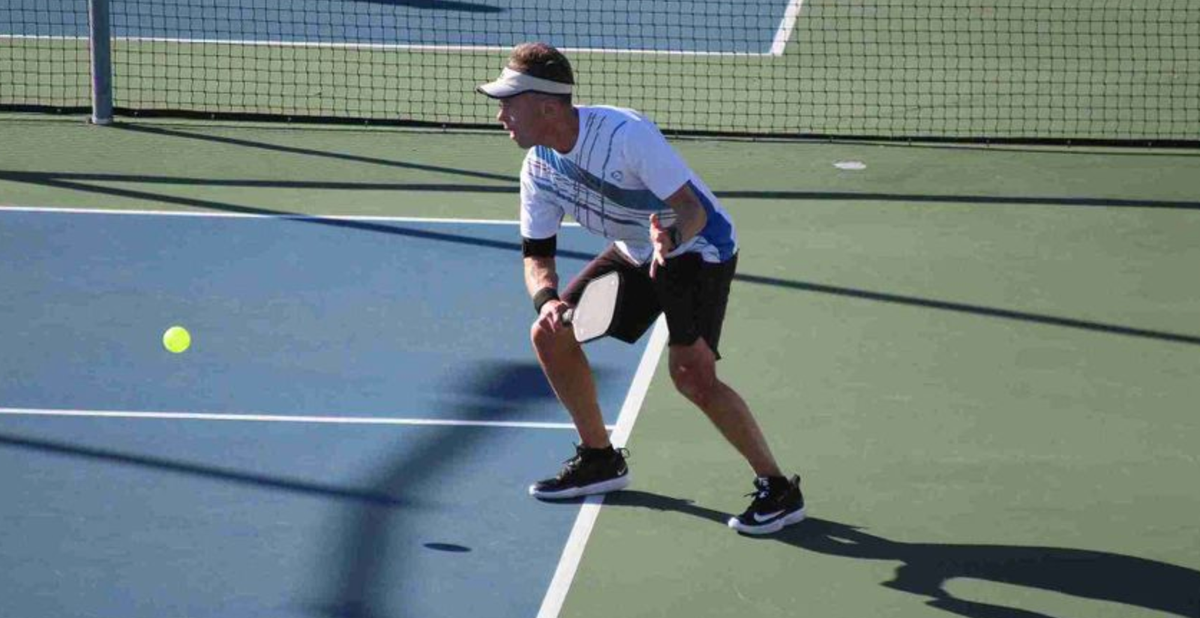
Recovery position after attack pickleball strategy is what separates players who win one rally from players who win the whole game. Here’s exactly how to get back in position after you pull the trigger, stay balanced, and keep the pressure on.
 The Dink PickleballThe Dink Media Team
What Does This Look Like During a Real Rally?
Picture a cross-court dink battle.
You are working the ball back and forth, keeping it low, until one of your dinks catches too much of the paddle face and floats up six inches above the net.
Your opponent sees it, steps in, and loads up to speed it up at you.Instead of freezing or grabbing with your forehand, you take one step to the center and drop your backhand paddle in front of your chest.
The attack comes right into your paddle. You absorb it, redirect it back soft, and the rally resets.
That single positioning decision is the difference between getting tagged and staying in the point.Understanding why you keep popping the ball up in the first place will help you get to this situation less often. But when it does happen, you need this move ready.
Pickleball Scoring Rules: Complete Guide (2026)
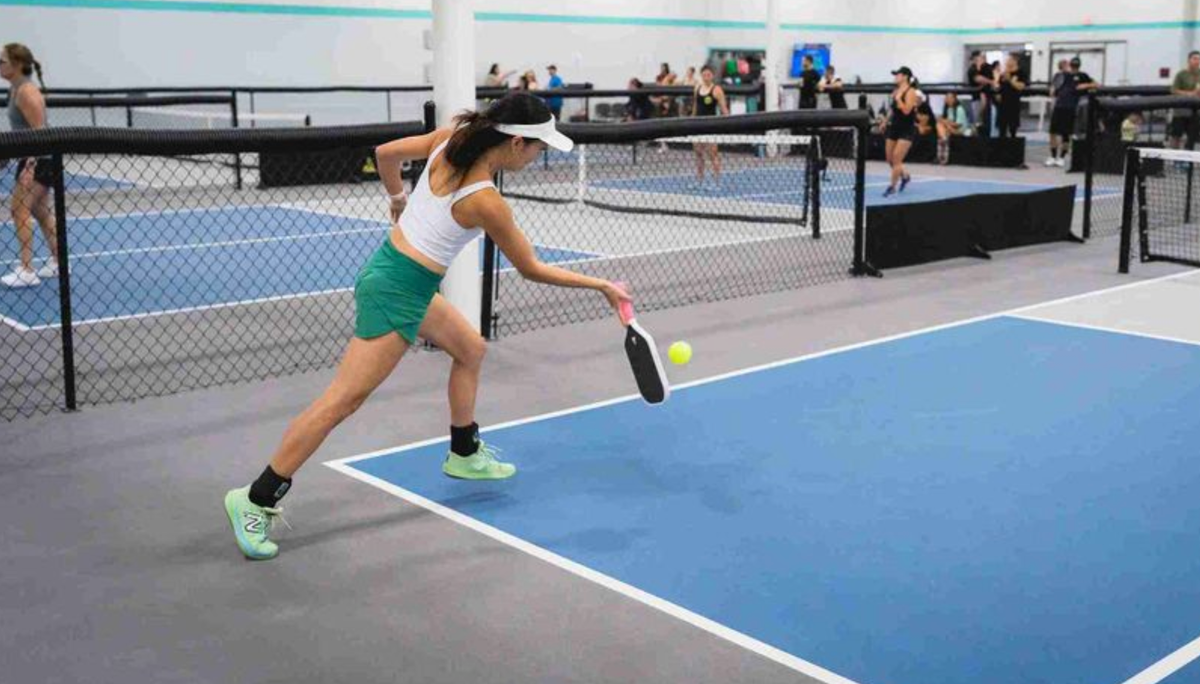
Pickleball scoring rules aren’t complicated, but they trip up new and experienced players alike. This guide breaks down side-out and rally scoring so you can step on the court knowing exactly what’s happening.
 The Dink PickleballThe Dink Media Team
Is This Only for 5.0 Players?
No. The concept is advanced, but the execution is available to any player who understands it.
The reason it is labeled a 5.0 tip is not because it is physically difficult.It is because most players below that level have never been taught to read the situation early enough to move their feet before the attack comes.
If you are already working on reset mechanics and staying low at the kitchen, adding this backhand slide is a natural next step in your defensive toolkit.
How to Break 5.0: The 5 Pickleball Shots You Must Master Before 2026
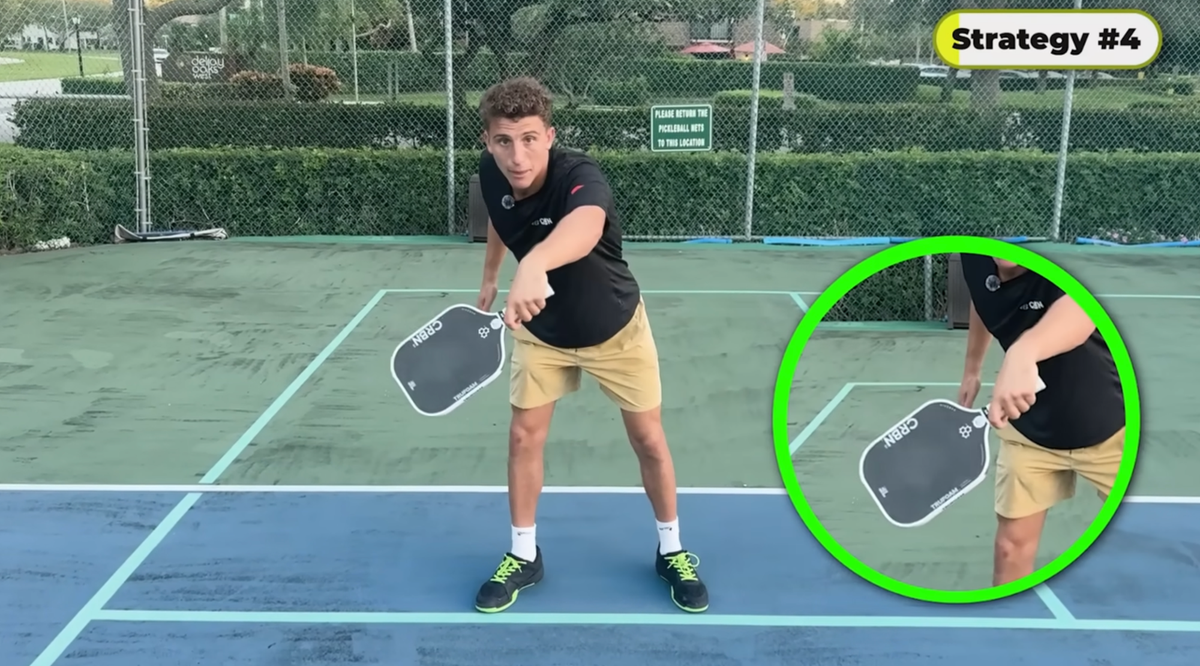
The game is faster, more aggressive, and more competitive than it was even a year ago. If you’re looking to level up in 2026, these five shots are non-negotiable.
 The Dink PickleballThe Dink Media Team
Common Mistakes Players Make With This Move
Even once you understand the concept, a few errors tend to creep in when players first try this in live play.
- Moving too late. If you wait until the ball is already off your opponent's paddle, you will not have time to step. The trigger is reading their loading motion, not their contact point.
- Sliding too far. You only need to cover the middle and your body. If you over-slide, you open up the line behind you.
- Keeping a loose wrist on the backhand. Your paddle face needs to be firm. A soft wrist on a speed-up will pop the ball right back up and restart the problem.
- Trying to counter instead of block. When you are in a defensive position after a pop-up, your goal is to survive the ball, not win the point. A controlled redirect is the smart play.
- Forgetting to reset your feet afterward. After the block, immediately return to a balanced position. Do not stand frozen in the middle of the court.
The players who use this move cleanly are the ones who have trained themselves to read the height of the ball in the first half-second after it leaves their paddle.
If you are working on reading attacks faster, these three methods for handling hard shots will accelerate that skill significantly.
How to Stop Popping the Ball Up at the Kitchen
If you want to stop popping the ball up at the kitchen, the problem almost always starts before you even swing. This guide breaks down the root causes and gives you the exact mechanical fixes to keep your dinks low and your opponents off-balance.
 The Dink PickleballThe Dink Media Team
How Does This Connect to Overall Court IQ?
This move is really about removing choices from your opponent before they even decide where to hit.
The best defensive players in the game, including Ben Johns when covering the middle, do not react to where the ball goes.They position themselves so that the opponent's best options are already covered before the swing happens.
That is what the backhand slide does. It makes your opponent's attack less threatening by clogging the most dangerous zone on the court.
Pair this with a strong understanding of backhand dink mechanics and you will start to feel genuinely hard to attack during long rallies.
It also connects directly to positioning mistakes that cost players at every level. Most of the time, getting hit in the chest is not about slow hands.It is about being in the wrong spot before the ball even arrives.
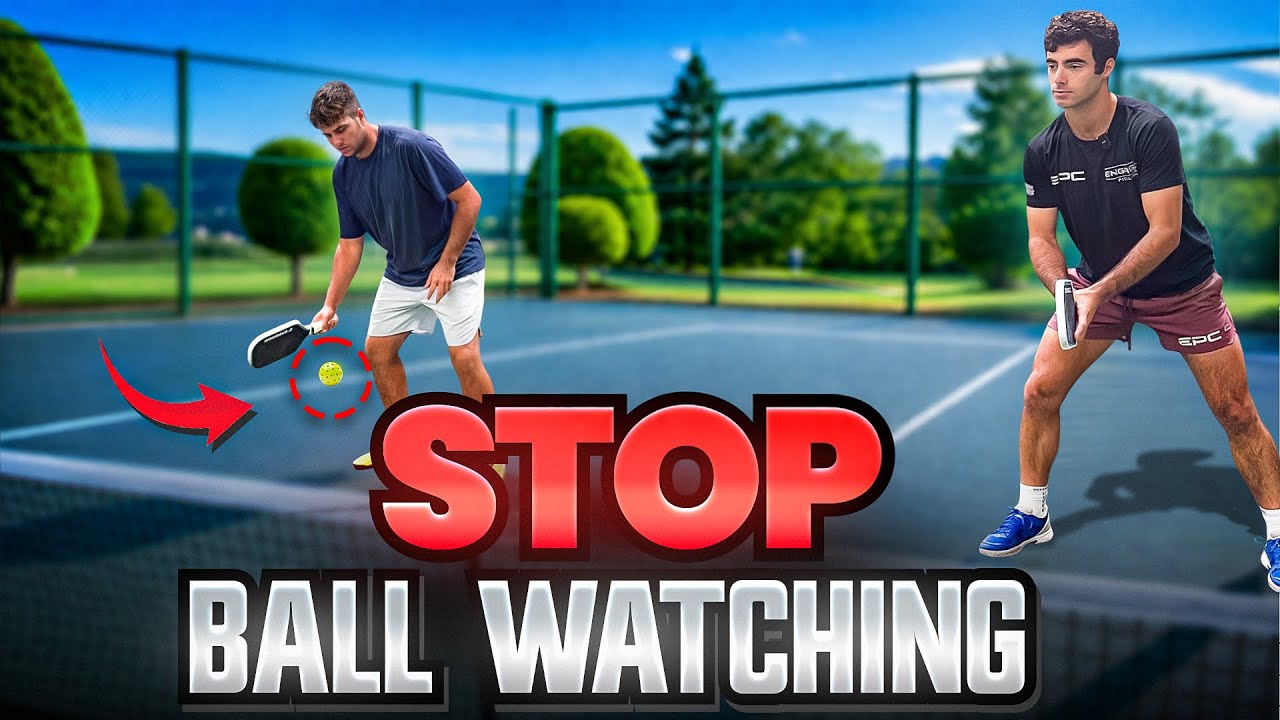
Off-Ball Positioning in Pickleball: Stop Ball Watching
Most pickleball players think the point is decided by whoever hits the ball, but at higher levels, off-ball positioning is what actually controls the court. Master this skill and you’ll transform how you play at the net.
 The Dink PickleballThe Dink Media Team
Drills to Build This Into Your Game
You cannot wait for a live game to practice this. Build it into your drilling routine so the movement becomes automatic.
- Feed and slide drill. Have a partner feed you dinks, then intentionally float one high every fifth ball. Your job is to slide your backhand to the center every time you see the float coming. Focus only on the footwork, not the result of the block.
- Speed-up recognition drill. Stand at the kitchen while your partner works speed-ups from the transition zone. Every time they load up, practice stepping center with your backhand before the ball arrives. This trains the read, not just the slide.
- Live rally trigger practice. During casual rally sessions, tell your partner to randomly pop one ball up per rally. Treat every pop-up as a trigger to execute the backhand slide immediately. Over time, your body learns to read the height and move without thinking.
If you want a more structured approach to drilling at an advanced level, these drills for advanced players are a solid starting point.
Pro Pickleball Drilling Routine: Train Like a 6.0 DUPR
This advanced pickleball drilling routine focuses on building consistency, cleaner attacks, and faster hands under pressure.
 The Dink PickleballThe Dink Media Team
Why Most Players Never Learn This
Most recreational players are never taught to think about their position before the attack. They are taught to react faster, swing quicker, or get a better paddle.
None of that fixes a positioning problem. Faster hands do not help when your body is standing in the wrong spot.
The 5.0 mindset is about removing the problem before it becomes a problem.
That means reading the height of your dink, acknowledging the mistake immediately, and sliding before your opponent even decides where to send the ball.
That is the real gap between a 4.0 and a 5.0 player. It is not raw athleticism.
It is court awareness and the habits that come from understanding what every 5.0 player actually does differently.
Add the backhand slide to the middle to your defensive habits now.
It is one of those moves that will make your opponents feel like they cannot find a clean angle on you, even when you hand them a free opportunity.
And when you combine it with smarter dinking patterns overall, like the ones covered in these dink pop-up fixes, you will start giving away far fewer free looks in the first place.
💡
Heads up: hundreds of thousands of pickleballers read our free newsletter.
Subscribe herefor cutting edge strategy, insider news, pro analysis, the latest product innovations and more.
Frequently Asked Questions
What is the backhand slide to the middle in pickleball?
The backhand slide to the middle is a defensive positioning move where you step toward the center of the court and present your backhand paddle face when you have popped the ball up and your opponent is about to attack. It closes off the most dangerous attack angles and protects your chest. Instead of reaching with your forehand, you use your backhand to clog the middle before the speed-up arrives.
Why does covering the middle with a forehand get you jammed?
When you use your forehand to cover the middle, your arm crosses your own body and leaves your elbow pinned against your torso. Your opponent can send the ball right at your chest where your paddle has no room to swing. The backhand naturally extends in front of your body and gives you a much cleaner blocking surface in that same zone.
When should I use this move during a rally?
Use it the moment you recognize that your dink has floated up high enough to be attacked. The trigger is reading the height of your own shot, not waiting to see where your opponent aims. The earlier you read the pop-up, the more time you have to slide and get set.
Does anything hit wide count as out when I slide to the middle?
Yes, and that is a key part of why this move works. When you shift to the center, any attack your opponent sends toward the far sideline is going wide of the court and will land out of bounds. You only need to protect the middle and your body.
Trusting the out ball is a critical part of executing this correctly.
Can beginners or intermediate players use this move?
Absolutely. The movement itself is simple, just one lateral step with a backhand paddle position. The challenge for lower-level players is reading the situation early enough to move before the attack comes.
Practicing the read in drilling environments will make the move feel natural much faster than trying to learn it in live match play.
Anuncie Aqui / Advertise Here
Sua marca para o mundo Pickleball! / Your brand for the Pickleball world!






 English (US) ·
  Portuguese (BR) ·