
 English
  Spanish
  Portuguese
  German
  Italian
  Japanese
  French
  Polish
  Russian
  Netherlands
  Hungarian
  Turkish
  Videos
  Thedink Pickleball

The best drills for beginners build fast hands, steady dinks, and a reliable third shot drop, all in one simple weekly routine. This guide breaks down exactly which drills to run, in what order, and how long each one should take.
The best drills for beginners all share one thing in common: they turn shaky, random contact into something repeatable.
Most new players spend their first six months bouncing between open play sessions, picking up bad habits nobody corrects.That's not a training routine. That's just hitting a ball around and hoping something sticks.
Here's the thing. A real drill routine fixes that in weeks, not years.
Every beginner needs a handful of specific reps, not a vague plan to "get better."This guide gives you a full week's worth of structure, the exact drills that matter most, and the order to run them in.
Love pickleball? Then you'll love our free newsletter. We send the latest news, tips, and highlights for free each week.
Why Bother Drilling When You Could Just Play?
Short answer: open play rewards what you already do well and ignores everything you don't.
If your dink is shaky, nobody at 3.0 open play is going to feed you forty dinks in a row until it's fixed. A drill session will.According to USA Pickleball's coaching resources, structured, repetition-based practice builds motor patterns faster than match play alone, especially for players still building their first year of muscle memory.
That's how skill acquisition actually works.
Most of the best drills for beginners fail for one simple reason: nobody warms up first.
Warming up matters too, and it's the step most beginners skip entirely.A few minutes with something like mini paddles before a session wakes up your hands before you ever pick up a full-sized paddle.
Skip the warmup and your first fifteen minutes get wasted on rust.
What Actually Counts as a "Drill" Anyway?
Drills for new players work differently than drills for anyone else on the court. A drill is any repeated action, done with intention, aimed at one specific skill.
That's the definition. It's not a scrimmage.
It's not "just playing points." It's isolating one movement, like a dink or a split step, and repeating it enough times that your body stops thinking about it.There are three flavors that matter for new players: hand speed drills, dinking drills, and shot selection drills.
The best drills for beginners usually blend all three across a single week, because a player who's fast but can't dink is just fast in the wrong direction.
Struggling to tell a drill from a warmup? A true dinking drill isolates one shot and repeats it until it's boring. That boredom is the point.
Boring reps build the muscle memory that flashy point play never will, and it's exactly why beginner pickleball drills should feel repetitive before they start feeling fun.
💡
Need some new pickleball gear? Get 20% off select paddles, shoes, and more with code THEDINK at
Midwest Racquet SportsThe Best Drills for Beginners for Building Lightning-Fast Hands
Fast hands aren't a genetic gift. They're built through reaction work, done in short, sharp bursts.
This is the single most trainable skill in pickleball, and it's also the one beginners neglect most.
Of everything on this list, these are the best drills for beginners to start with, because they pay off the fastest.
The Best Pickleball Players Aren’t Following the Rules Anymore
Modern pickleball isn’t won by coloring inside the lines. More and more, the most successful players are also the most creative.
 The Dink PickleballZoey Weil
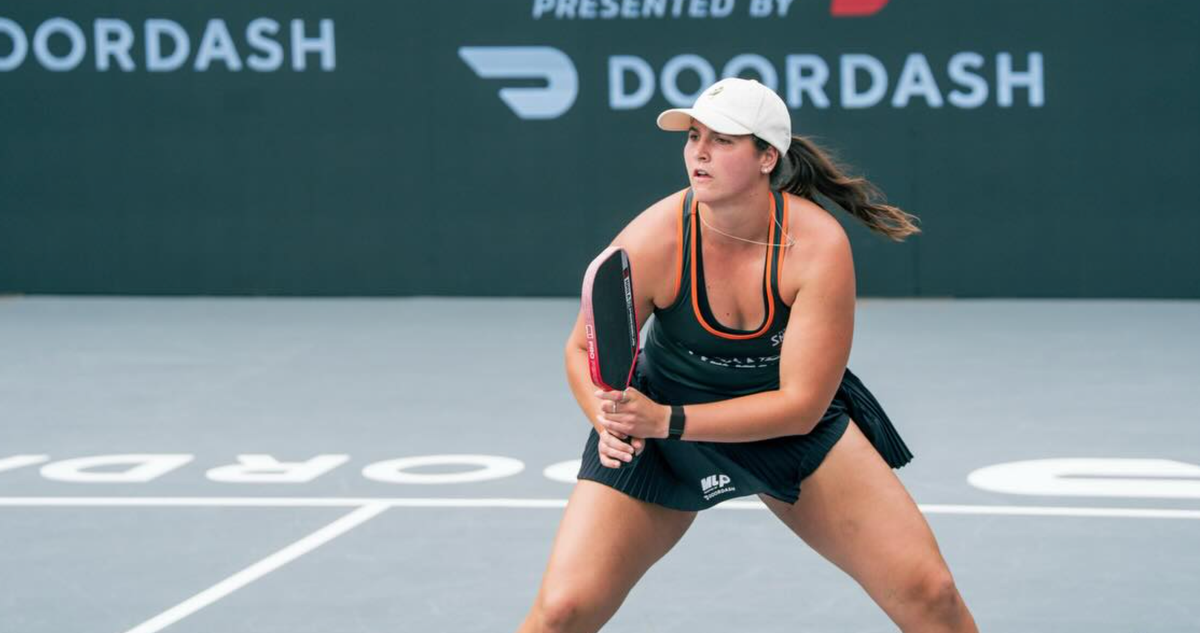
The Best Drills for Beginners You Can Run Solo
You don't need a partner for this part. The figure-8 drill builds paddle control and footwork at the same time, tracing a continuous path around cones or shoes set up at the kitchen line. Run it for three sets of sixty seconds before you touch a real rally.
Then there's the fridge and toaster drill, which sounds like a joke until you try it. It trains your hands to react to close-range resets without your feet bailing you out. Ten minutes of this, three times a week, and you'll notice the difference at the net within a month.
Working entirely alone? A full library of solo pickleball drills exists for exactly this problem. No partner, no excuse. These drills for new players don't require a court partner, a coach, or even a real ball. Just a wall and ten minutes.
Why the Third-Shot Drive Matters More Than Ever
The drive isn’t replacing the drop. It’s setting it up. In today’s ultra-fast-paced game, that matters more than ever.
 The Dink PickleballAndrei Daescu
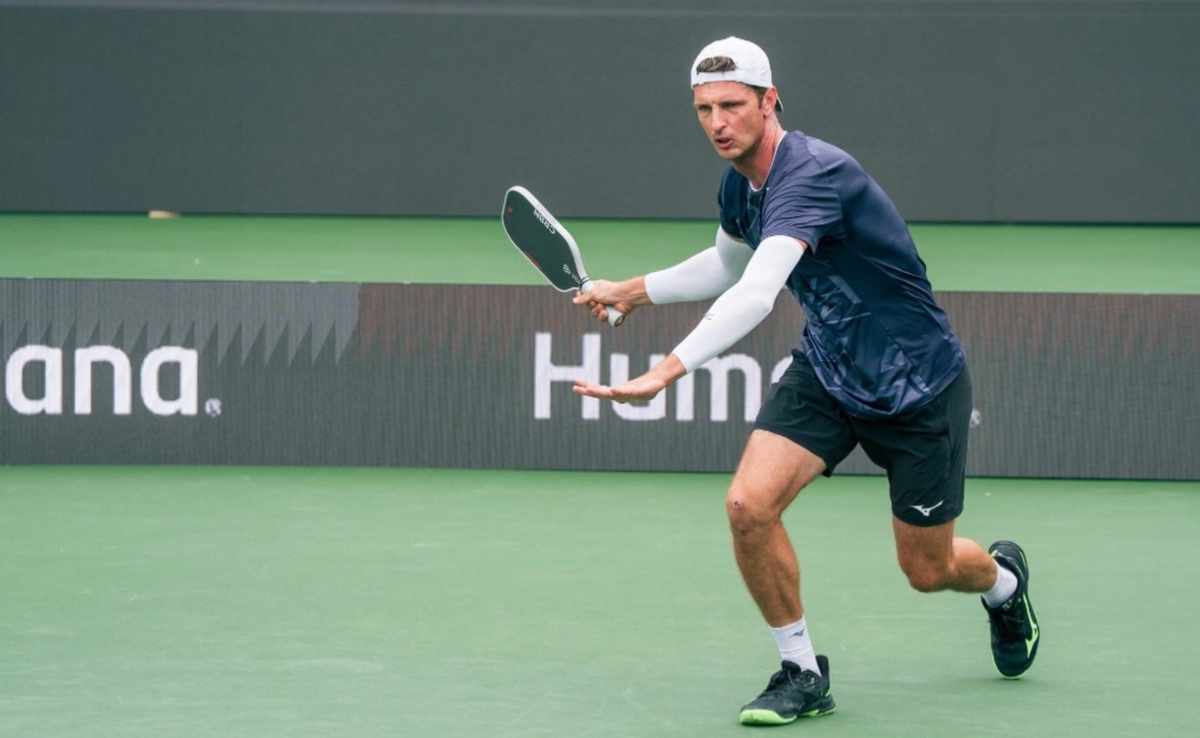
Bring in a Partner and Turn Up the Speed
Once your hands can move without thinking, add a person across the net. Ask them to feed you fast, random resets from three feet away. Your only job is to block, not swing. Research on reaction training and neuromuscular adaptation backs this up: short, unpredictable stimuli train faster reflexive responses than slow, predictable repetition ever will.
Grip matters here more than most beginners realize. If your hands are sweating through every rep, that's not just annoying, it's costing you control. A few practical fixes for sweaty hands will save you more points than any fancy paddle upgrade.
Don't sleep on your non-dominant hand either. Drilling backhand volleys and resets on your weak side closes the single biggest gap between a 3.0 and a 3.5 player. The benefits of working your non-dominant hand show up fastest when you isolate it on purpose, not when you just hope it catches up naturally. Pay attention to your backhand volley indicator too. It tells you exactly when you're bailing out to your forehand instead of trusting the shot.
Pickleball Open Play: A Beginner’s Complete Guide
Walking into pickleball open play for the first time can feel intimidating, but it doesn’t have to be. Here’s exactly what you need to know to show up confident and fit right in.
 The Dink PickleballThe Dink Media Team
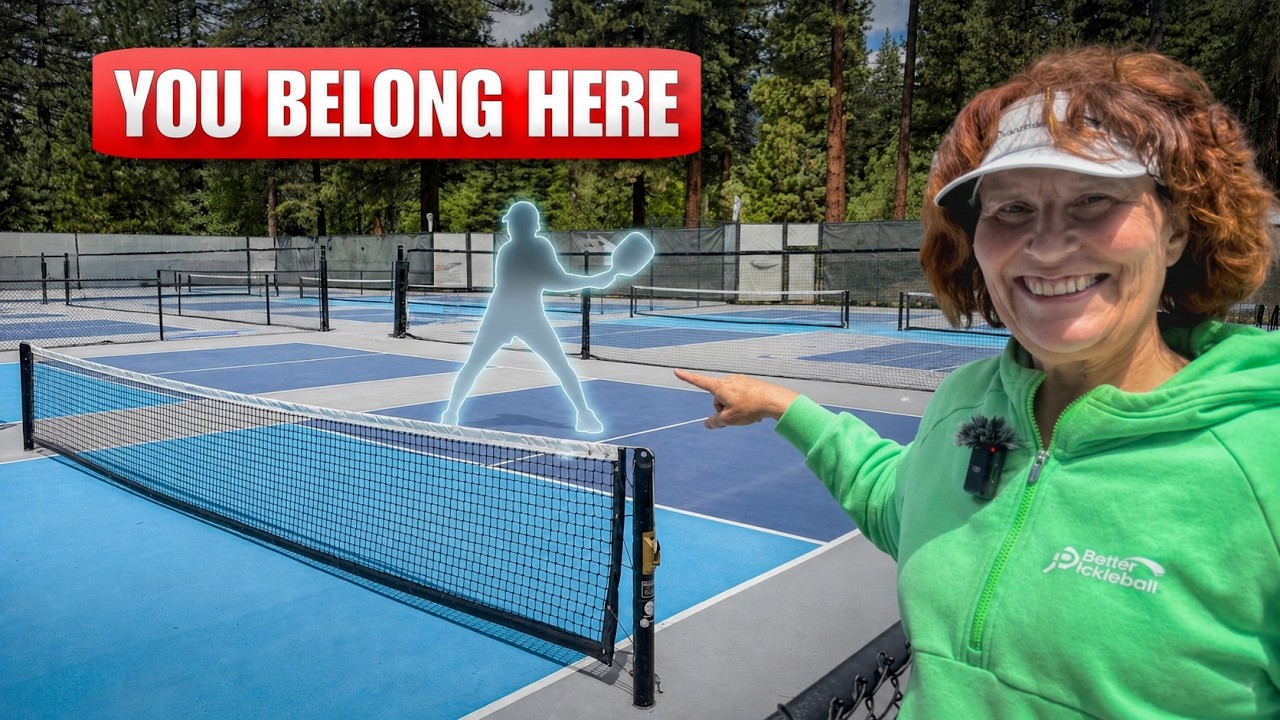
The Best Drills for Beginners Who Want to Own the Kitchen
Here's a claim that'll ruffle a few feathers: the kitchen line decides more matches than the serve ever will.
If you can't hold your ground in a dink rally, nothing else in your game matters much.
This is where beginner-friendly drills earn their keep, since the kitchen punishes bad habits faster than any other part of the court.
Fix Your Dink Before It Becomes a Habit
Most beginners dink with their arm instead of their paddle face, which is why the ball keeps popping up. Start with a slice dink instead of a flat one. The slight spin keeps the ball low and controlled, even when your technique isn't perfect yet.
Once that's steady, work on positioning. Standing too far back from the kitchen line forces you into defensive dinks all day. A few mid-court positioning tips will fix that fast, and honestly, most players never fix it at all.
Feeling stuck in dink rallies that go nowhere? Turning mediocre dinks into actual winners comes down to patience and target selection, not raw power. Beginners who try to muscle a dink usually just hand the point back.
The Best Drills for Beginners to Groove the Third Shot Drop
The third shot drop is the shot that separates players who've drilled from players who haven't. It's not glamorous. It's just necessary, and it's where the best drills for beginners tend to pay off slowest but matter the most. Spicing up a boring third shot routine means hitting drop after drop from the baseline until the arc becomes automatic, not something you have to think about mid-point.
Feed yourself twenty balls from the baseline and count how many land soft in the kitchen. According to the SFIA's participant data, pickleball is one of the fastest-growing sports in the country, which means more new players are showing up to leagues with a weak third shot than ever before. Drilling this one shot alone will put you ahead of most of your bracket.
Don't forget the fourth shot either. Court coverage on the fourth shot and knowing which baseline option to pick and when both round out a drop that actually holds up under pressure.
5 Pickleball Drills That Will Transform Your Game in 2026
Five simple yet powerful pickleball drills can completely reshape how you play. These mechanics focus on consistency, footwork, and positioning to help you see immediate results on the court.
 The Dink PickleballThe Dink Media Team
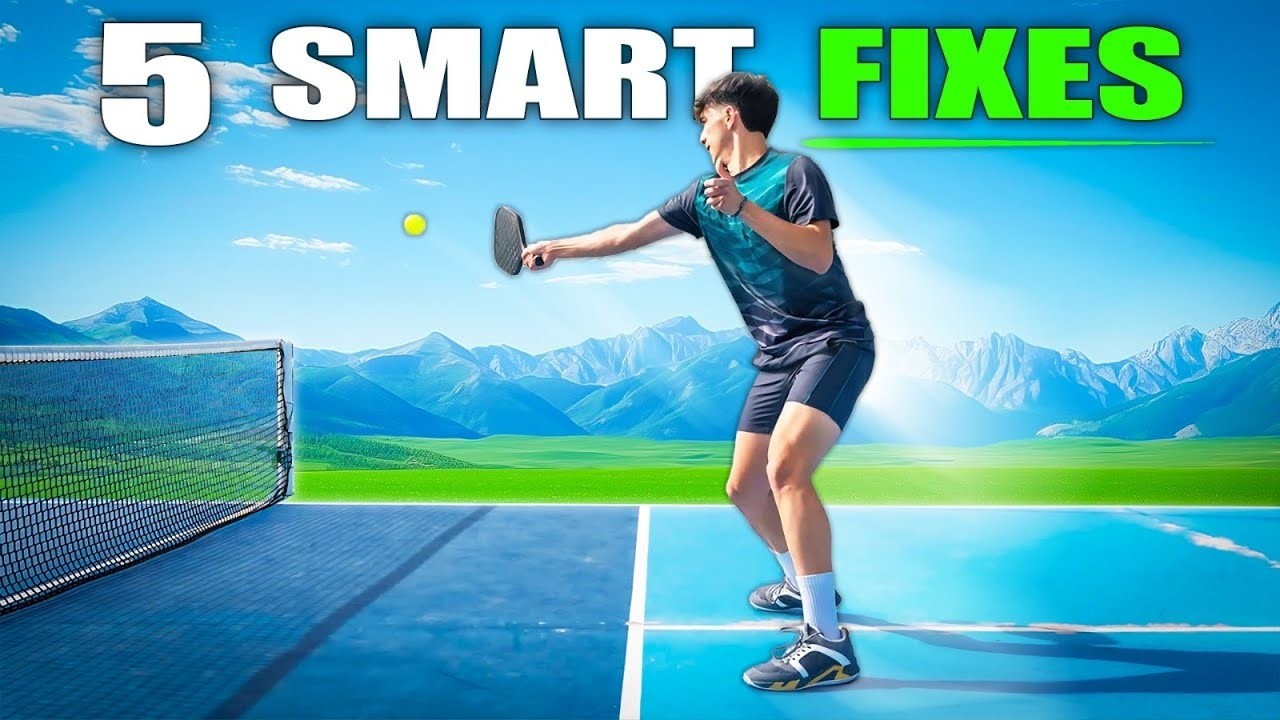
How Should Beginners Actually Structure a Practice Session?
Direct answer first: fifteen minutes of warmup, thirty minutes of isolated drills, fifteen minutes of drill-into-point play.
That's it. That's the whole formula, and most beginners overcomplicate it.These beginner-friendly drills only work if the structure around them holds up week after week.
Serve work deserves its own slot too, even though it's often an afterthought.
Check your serve grip before anything else, since a broken grip undoes every other serve drill you run.
Then work on where you're actually returning serve, because most beginners return without any real plan.
If you're serious about consistency, a documented training routine keeps you honest about what you actually drilled that week versus what you meant to.
And when you get access to a court, make the most of that time instead of drifting into casual rallying.
Playing doubles? Drilling with a partner changes the math entirely.
Rethinking how you approach doubles from the start builds better habits than trying to unlearn bad positioning two years in.
Positioning drills matter just as much as shot drills.
Working the T and sideline positioning with a partner turns two beginners guessing at coverage into a team that actually communicates.
And if you're not sure your reps are translating to real points, getting honest feedback from whoever you practice with will tell you fast.
None of the best drills for beginners matter if nobody's checking whether they're actually working.
How to Practice Pickleball With Limited Court Time
Most players waste their court time on drills that don’t move the needle. Here’s how to practice pickleball with limited court time and get real, measurable improvement out of every single rep.
 The Dink PickleballThe Dink Media Team
Key Takeaways
- The best drills for beginners isolate one skill at a time, not a whole point.
- Hand speed, dinking, and third shot drops make up the core of any beginner routine.
- Once the basics click, shot selection drills are the natural next step.
- Warm up before drilling. Cold hands waste your best reps.
- Structure beats volume. Fifteen minutes of focused drilling outperforms an hour of aimless hitting.
- Drilling your non-dominant hand closes skill gaps faster than any other single adjustment.
💡
Heads up: hundreds of thousands of pickleballers read our free newsletter.
Subscribe herefor cutting edge strategy, insider news, pro analysis, the latest product innovations and more.
Frequently Asked Questions
What are the best drills for beginners to start with?
Start with the figure-8 drill and the fridge and toaster drill for hand speed, then move into slice dinks for control. Both build foundational skills you'll use in every match, and neither requires advanced technique to begin. Round it out with a few reps on making the most of your return of serve, since that shot gets ignored by almost every beginner pickleball drills routine out there.
How often should a beginner drill each week?
Three to four short sessions a week beats one long session. Twenty to thirty minutes of focused reps, done consistently, builds faster than a single two-hour marathon on a Saturday.
Do beginners need a partner to drill effectively?
No. Solo drills like the figure-8 and wall-based reps build real skill without one. A partner speeds up reaction-based work, but it's not required to start seeing results.
What's the single most important drill for a new player?
The third shot drop, without much competition. It shows up in nearly every rally, and beginners who drill it consistently win more points against players who've only ever practiced power shots. Pair it with basic court positioning work and the best drills for beginners start compounding fast.
How long until beginner drills start showing results?
Most players notice a difference within three to four weeks of consistent practice, especially in hand speed and dink control. Full third shot drop consistency usually takes a bit longer, closer to two to three months of regular reps.
Anuncie Aqui / Advertise Here
Sua marca para o mundo Pickleball! / Your brand for the Pickleball world!





 English (US) ·
  Portuguese (BR) ·