
 English
  Spanish
  Portuguese
  German
  Italian
  Japanese
  French
  Polish
  Russian
  Netherlands
  Hungarian
  Turkish
  Videos
  Thedink Pickleball

It's not about hitting hard or painting the corner, per se; it's about moving your opponent away from the kitchen line first
Your serve in pickleball sets the tone for the entire point. It's your chance to take control before your opponent even steps on the court.
Most players focus on power or spin when they should be thinking about one simple goal. It's less about where you specifically place the ball, says Tanner Tomassi, and more about what your opponent needs to do to get to it.
The real key to a successful serve is forcing your opponent to work harder just to reach the kitchen line.
Love pickleball? Then you'll love our free newsletter. We send the latest news, tips, and highlights for free each week.
The Real Goal of Your Serve
Forget everything you thought you knew about serving in pickleball. It's not about hitting it hard or making it spin. Your number one focus should be making it take your opponent longer to get up to the kitchen line.
Why does this matter? Because the longer they take, the more time you have to position yourself and control the net. It's a simple concept that changes everything about how you approach your serve.
The Sideways Step Matters More Than You Think
Here's the specific strategy:
💡
Your serve should land in a spot where your opponent has to step sideways first, then move forward to the net.
This two-step approach eats up time and disrupts their momentum.
The worst thing you can do is serve where they can take their first step directly toward the net. If they can step right into the ball and use that forward momentum, they're already winning the point before you've even hit your next shot.
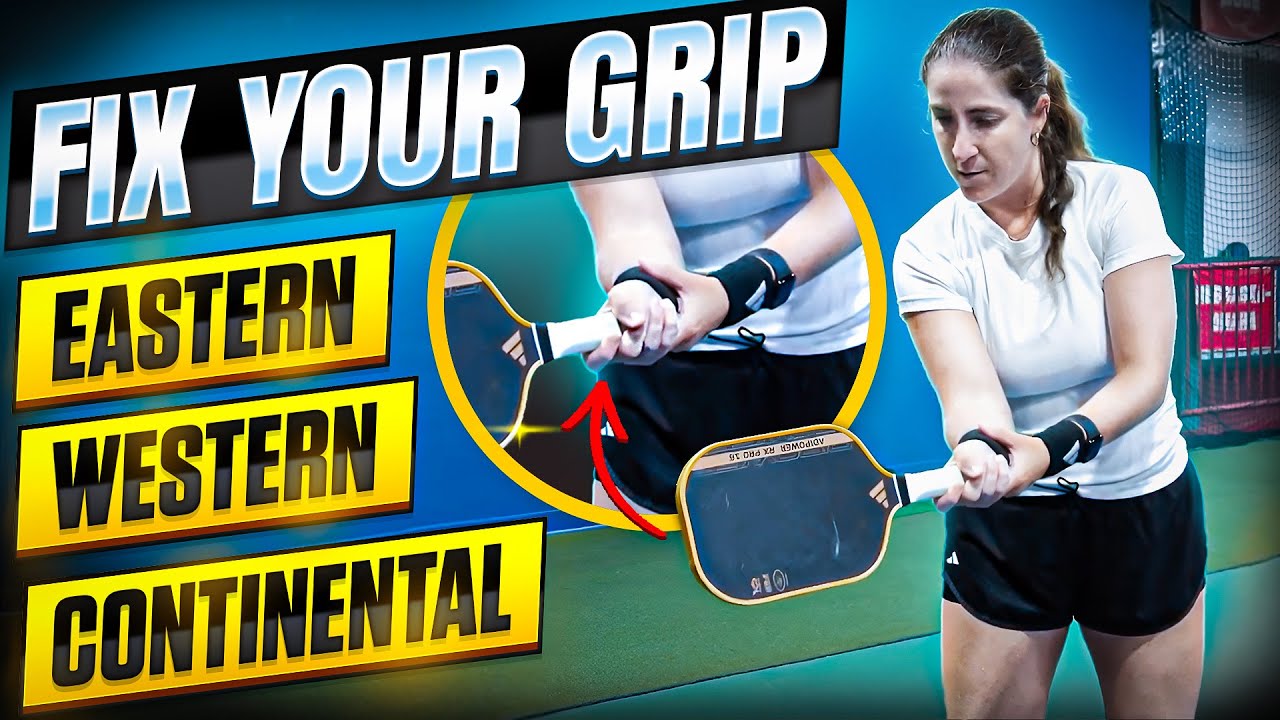
The Three Pickleball Grips (& When to Use Them): Continental, Eastern & Western
Whether you’re crushing forehands from the baseline or executing delicate volleys at the kitchen line, your grip determines what’s possible.
 The Dink PickleballThe Dink Media Team
Why This Changes Your Serve Strategy
Most players think about serve placement in terms of court position. But Tanner's approach flips that on its head. Instead of aiming for a specific spot, you're aiming for a specific movement pattern from your opponent.
When you force that sideways step first, you're:
- Slowing down their approach to the net
- Breaking their rhythm and forward momentum
- Giving yourself more time to get into position
- Creating an opportunity to take control at the net
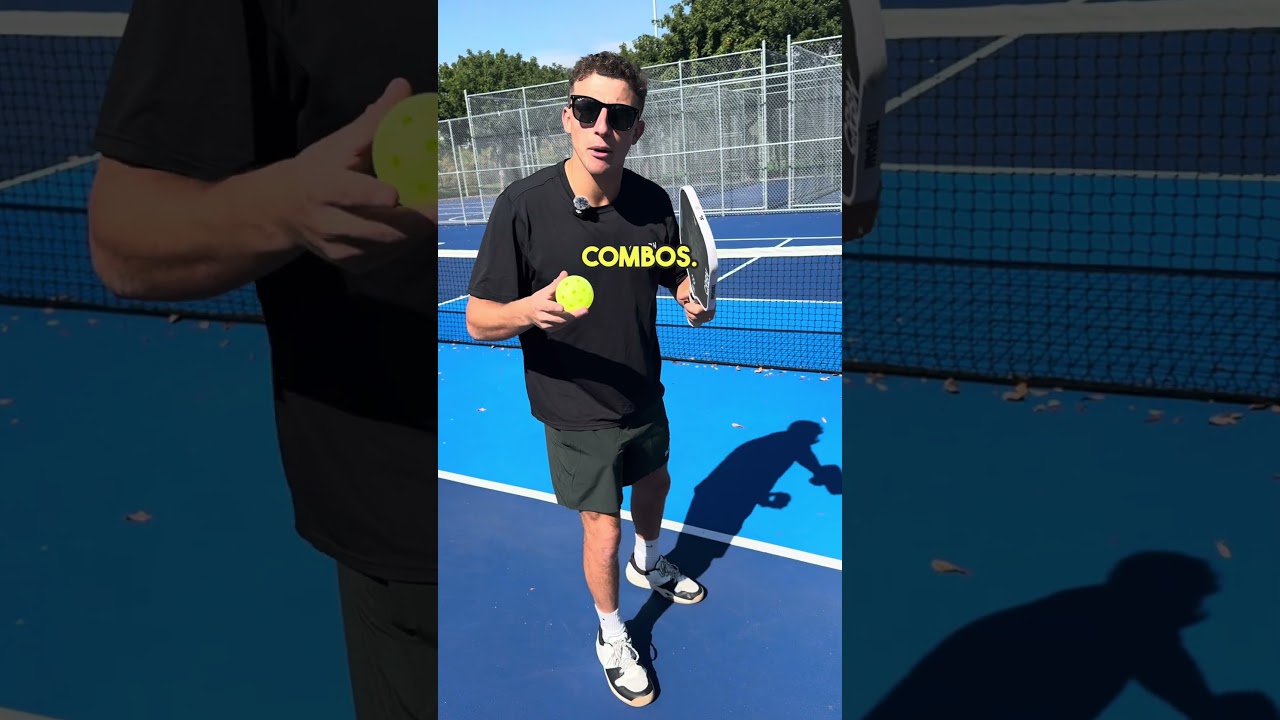
The Simple Drill to get Lightning-Fast Hands in Pickleball
You’re not just getting quicker hands. You’re getting smarter hands. And in pickleball, that’s the real difference.
 The Dink PickleballThe Dink Media Team
The Bigger Picture
This is the kind of small adjustment that separates casual players from competitive ones. It's not flashy. It won't win you points with a spectacular ace. But it'll win you points by making your opponent work harder on every single serve.
Next time you're on the court, think about where your opponent's feet need to go, not just where the ball needs to land. That shift in perspective could be the game-changer you've been looking for.
Heads up: hundreds of thousands of pickleballers read our free newsletter. Subscribe here for cutting edge strategy, insider news, pro analysis, the latest product innovations and more.
Anuncie Aqui / Advertise Here
Sua marca para o mundo Pickleball! / Your brand for the Pickleball world!





 English (US) ·
  Portuguese (BR) ·