
 English
  Spanish
  Portuguese
  German
  Italian
  Japanese
  French
  Polish
  Russian
  Netherlands
  Hungarian
  Turkish
  Videos
  Thedink Pickleball

The pickleball load step is the foundation of modern footwork that separates high-level players from amateurs. Master this essential movement and transform your positioning, balance, and shot execution.
If you've been grinding pickleball for a while, you've probably heard coaches talk about the pickleball load step. But here's the thing: most players don't actually understand what it is or why it matters so much.
They see pros doing it and assume it's some advanced move reserved for tournament players. It's not. The load step is foundational. It's the difference between looking like you know what you're doing and actually knowing what you're doing.
Love pickleball? Then you'll love our free newsletter. We send the latest news, tips, and highlights for free each week.
What Exactly Is the Pickleball Load Step?
Let's start with the basics. The pickleball load step is the movement where you shift your weight onto your hitting side as the ball approaches.
For a forehand, that means most of your weight moves to your right side (for righties). Sounds simple, right? The catch is that simplicity is deceiving.
The real power of the load step comes from how you execute it. A lot of players lean passively toward the ball. They shift their weight, sure, but there's no intention behind it. That's not a load step.
A true load step requires an active, intentional weight transfer that creates balance and readiness before you even swing.The load step is what allows players to position their body efficiently for every shot. When executed correctly, it's the foundation for everything that comes next.
The Two-Part Engine: Weight Transfer and Body Rotation
Here's where most players get it wrong. They think the load step is just about moving weight. It's not. It's about two things working together:
- Weight transfer
- Body rotation
The Active Weight Transfer
The first component is how you move your weight. Instead of leaning toward the ball, you push off your non-hitting leg.
Think of it like starting a sprint.Your weight rolls toward the inside of your non-hitting foot, and then that foot creates a strong push that drives your body's weight quickly onto the hitting side.
This push-based approach is significantly more efficient than passive leaning. You arrive in position earlier, with better balance, and more control. The difference might seem small, but it compounds across hundreds of shots in a match.
💡
Need some new pickleball gear? Get 20% off select paddles, shoes, and more with code THEDINK at Midwest Racquet Sports
The Body Rotation
Once your weight is loaded, the next piece is adding a slight body turn. This rotation is essential because it aligns your paddle with the shot without forcing your arm to compensate. If you only shift weight without rotating, your paddle has to move independently across your body to reach the ball. That creates inefficiency and kills your control.
The rotation starts with your non-hitting foot. As you push, that foot rotates slightly inward, which turns your knee. This movement carries into your hips, causing your entire body to rotate. As your hips turn, your upper body and paddle follow naturally. By the time the ball arrives, your paddle is already positioned correctly.
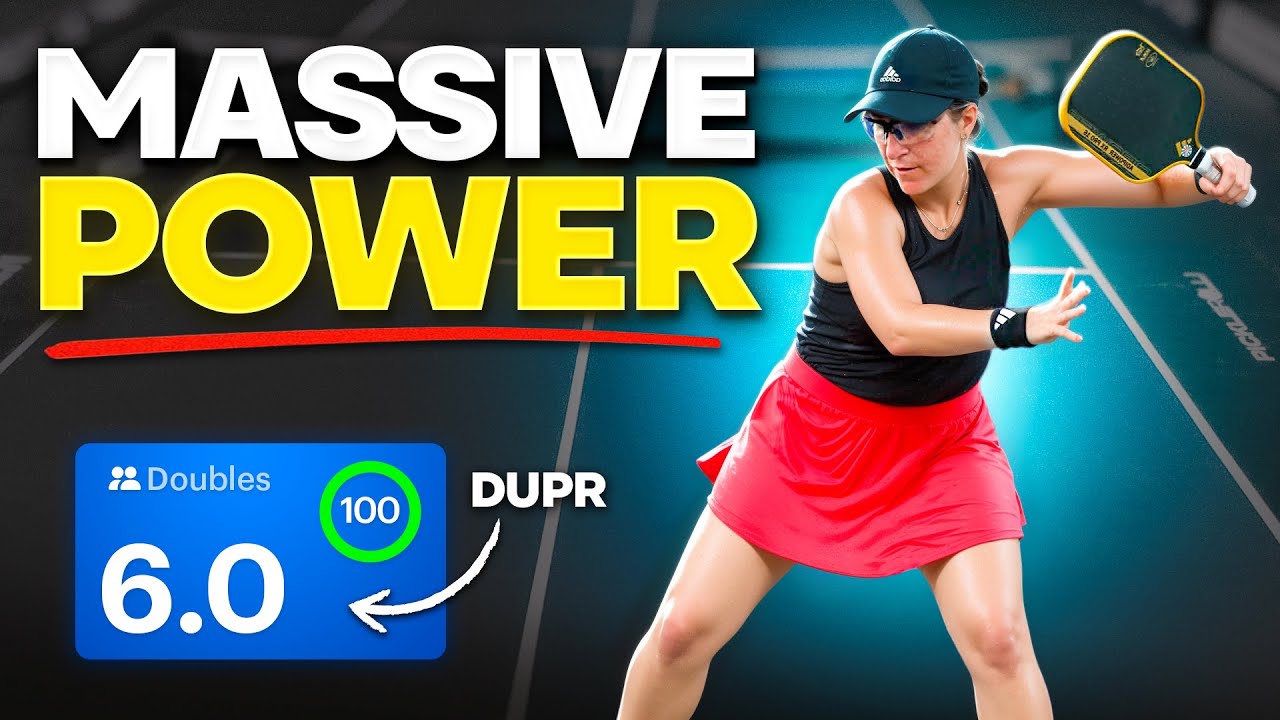
Generate Effortless Power in Pickleball Through Proper Body Rotation
The unit turn is simple in concept but transformative in practice – it means rotating your hips, shoulders, and non-dominant arm together as one unit, rather than isolating your arm for power
 The Dink PickleballThe Dink Media Team
Why Does Stance Choice Matter After the Load Step?
Here's something that trips up intermediate players: the load step is just the beginning. After you load, you have to decide how to finish the shot. That decision depends on time and space.
When You Have Limited Time
If the ball arrives quickly and there's limited space, you stay in an open stance. You execute the shot directly from the loaded position without additional steps. This is common in fast exchanges like dinking or transition zone play, where simplicity and quick reactions are everything.
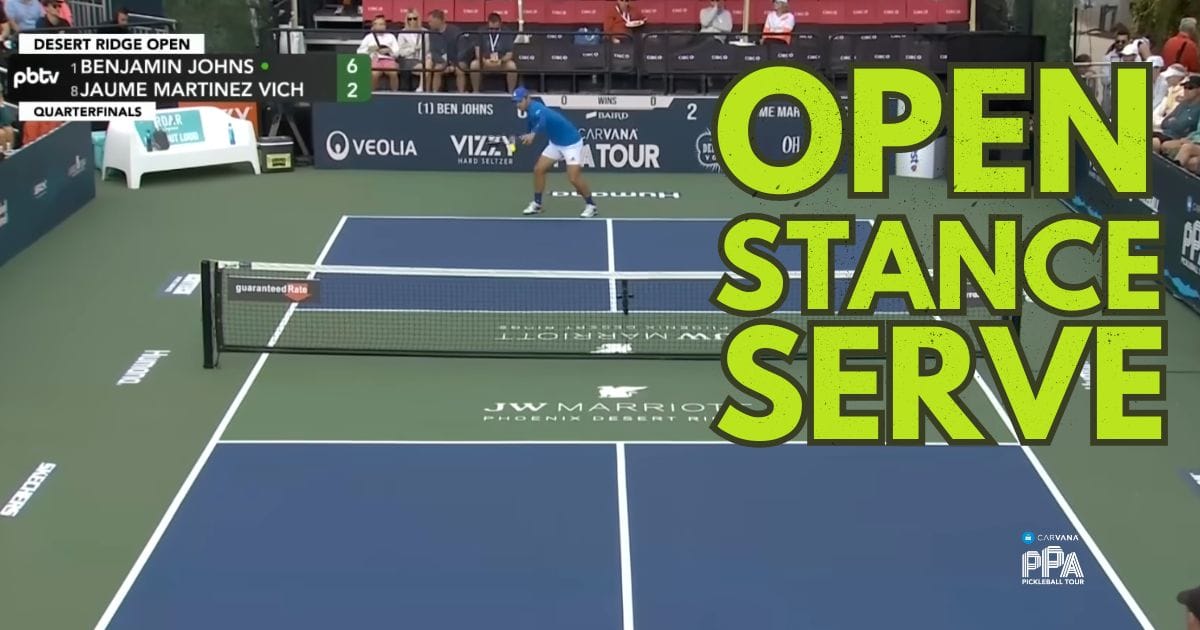
Adopting the Open Stance Pickleball Serve
More and more pros are adopting the open stance serve. The serve differs from the traditional closed stance serve that you’re probably used to seeing.
 The Dink PickleballThe Dink Media Team
When You Have More Time
When there's more time and space available, you can transition into a closed stance. After the load step, your non-hitting foot steps forward, allowing you to move into the ball. This adds body weight and momentum to your shot, increasing power. You'll see this often from the baseline or in situations where you can step into the ball.
The key insight here is that the initial load step remains the same in both cases. The decision between open and closed stance happens only after the load is completed. This consistency ensures you're always prepared before choosing how to finish.
💡
Heads up: hundreds of thousands of pickleballers read our free newsletter. Subscribe here for cutting edge strategy, insider news, pro analysis, the latest product innovations and more.
When the Load Step Works (and When It Doesn't)
The pickleball load step is most commonly used when moving toward your hitting side. Anytime you move laterally to reach a ball, this movement pattern provides the foundation for proper positioning. Whether the shot is a dink, volley, drive, or drop, the same principle applies.
But here's the exception that catches a lot of players off guard: when a ball comes directly at your body, loading toward the hitting side can actually create problems. In these cases, you might need to move in the opposite direction to create space. If the ball is approaching your body and you shift toward your hitting side, you can become jammed. Instead, moving away from the ball creates the room you need to execute effectively.
This is where awareness matters. The load step is foundational, but it has to be applied with situational intelligence. Understanding when to use it and when to adjust is part of advanced footwork.
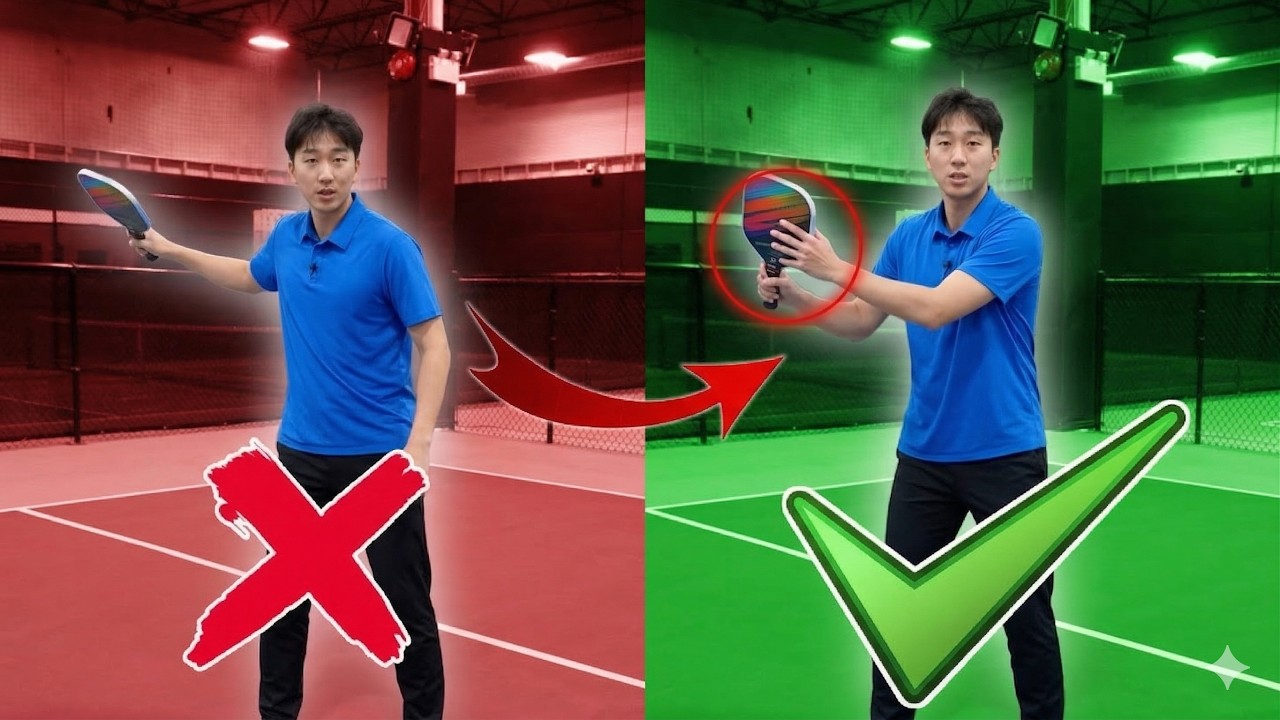
How to Hit a Pickleball Drive Harder and Smarter
Most pickleball players focus on hitting hard, but the real edge comes from combining power with strategy. Here’s how to master the pickleball drive in five proven steps.
 The Dink PickleballThe Dink Media Team
If you've ever watched a pro match and wondered why the best players make everything look so easy, footwork is a huge part of the answer.
The pickleball load step is one of the foundational movements that shapes how players position themselves for every shot. By actively shifting weight, adding controlled rotation, and maintaining consistency in preparation, players create a stable and efficient foundation for execution.
When applied correctly, the load step improves balance, timing, and overall shot quality. It's not flashy. It won't win you a point on its own. But it's the invisible infrastructure that makes everything else work.
The difference between a 3.5 and a 4.5 player often comes down to these kinds of details. The higher-level player has better footwork fundamentals. They're in better position before they swing. They have more options because their body is already set up correctly. That's the load step at work.
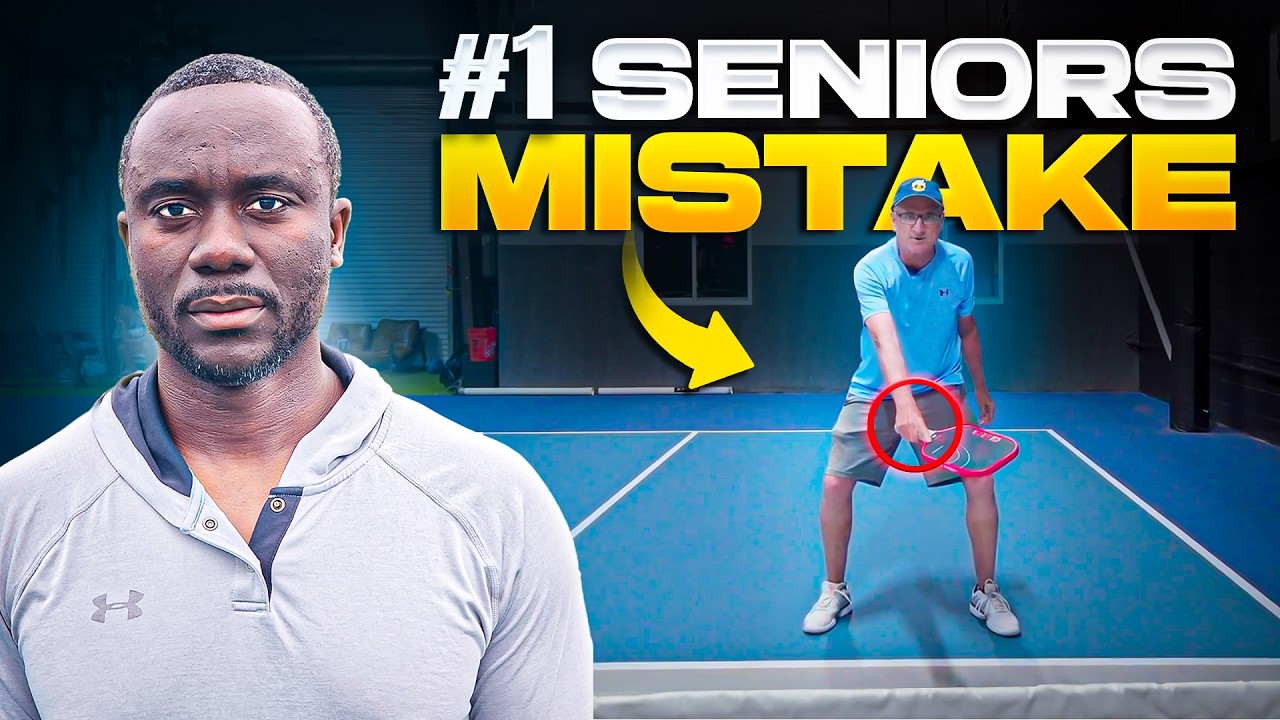
4 Essential Footwork Tips Every Senior Pickleball Player Must Master
Smarter positioning and simple footwork adjustments can help senior pickleball players improve performance without relying on speed
 The Dink PickleballThe Dink Media Team
Frequently Asked Questions
What's the difference between the load step and a split step?
The split step is the small hop you take as the ball approaches your opponent. The load step happens after the split step, when you shift your weight onto your hitting side in preparation for your shot. They work together but serve different purposes.
Can I use the load step for backhand shots?
Absolutely. The same principles apply to backhand shots. You'll load onto your left side (for righties) instead of your right, but the weight transfer and body rotation mechanics are identical.
How long does it take to develop a good load step?
Most players can feel the difference within a few practice sessions once they understand the concept. Consistency and muscle memory take longer, but the fundamental movement is learnable quickly.
Should I use the load step on every shot?
The load step is most useful when you're moving laterally to reach a ball. On balls that come directly at you, you might need to adjust. The key is developing the awareness to know when to apply it and when to modify.
Does the load step work for all skill levels?
Yes. Whether you're a beginner or an advanced player, proper weight transfer and body rotation improve your shot execution. The load step is scalable to your current level and will help you progress.
Anuncie Aqui / Advertise Here
Sua marca para o mundo Pickleball! / Your brand for the Pickleball world!







 English (US) ·
  Portuguese (BR) ·