
 English
  Spanish
  Portuguese
  German
  Italian
  Japanese
  French
  Polish
  Russian
  Netherlands
  Hungarian
  Turkish
  Videos
  Thedink Pickleball

Fix your serve, and your entire game gets easier. You start points on offense instead of defense. Your opponent's return is weaker. Your third shot is simpler. It all flows from that one shot you control completely.
Your serve is the only shot in pickleball you control completely. No one's rushing you. No one's attacking you mid-swing. Yet most recreational players rush it, muscle it, or just hope it lands in.
That's a missed opportunity.
According to pro pickleball player Michael Loyd, a solid serve doesn't need to be a cannon blast. It needs to be reliable, deep, and smart. Here's how to build one.
Love pickleball? Then you'll love our free newsletter. We send the latest news, tips, and highlights for free each week.
The Serve Rules You're Probably Breaking
Before you can make your serve dangerous, you need to make sure it's legal. Loyd breaks down the three rules that trip up most beginners.
- Underhand motion. Your paddle must move upward at contact. Think bowling motion, not tennis serve. A smooth low-to-high swing is required. No slaps, no chops, no high-to-low motion disguised as a serve.
- Contact below the navel. At the moment you hit the ball, your wrist, the ball, and the highest part of your paddle must all be below your belly button. All of it. If any part creeps above that line, it's a fault.
- Foot position. At least one foot must be behind the baseline and not touching it. Your foot also has to be on the ground when you make contact. You can jump after you hit the ball, but not before or during contact.
The Drop Serve Cheat Code
Struggling to hit the ball out of the air? There's a legal workaround. You can drop the ball from any height and let it bounce. Once it bounces, you can swing with any motion you want. No navel rule. No low-to-high requirement. Just hit it.
Loyd recommends dropping it at about head height, letting it fall, and swinging on the first bounce. It's a great way to dial in your contact point and build consistency before you worry about hitting it out of the air.
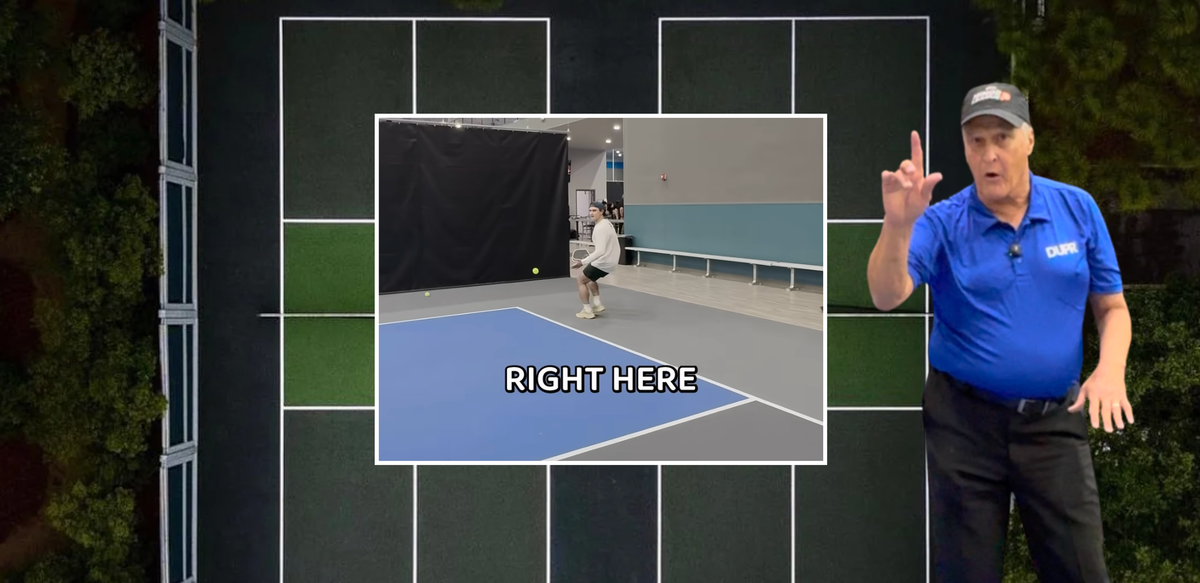
The Lob Serve Loophole: Pickleball’s New Psychological Warfare?
A server can legally cross the plane of the net onto the opponents’ side of the court immediately after striking a serve? But should they? Well that all depends.
 The Dink PickleballThe Dink Media Team
Stance, Grip, and Ball Position Matter More Than Power
Most serve problems start before the swing even begins. Here's what a solid setup looks like:
- Closed stance: Feet staggered, non-dominant foot forward, shoulders slightly sideways. You're coiled, not squared to the net.
- Weight on your back foot: This lets you transfer weight into the court as you swing, generating power from your body instead of just your arm.
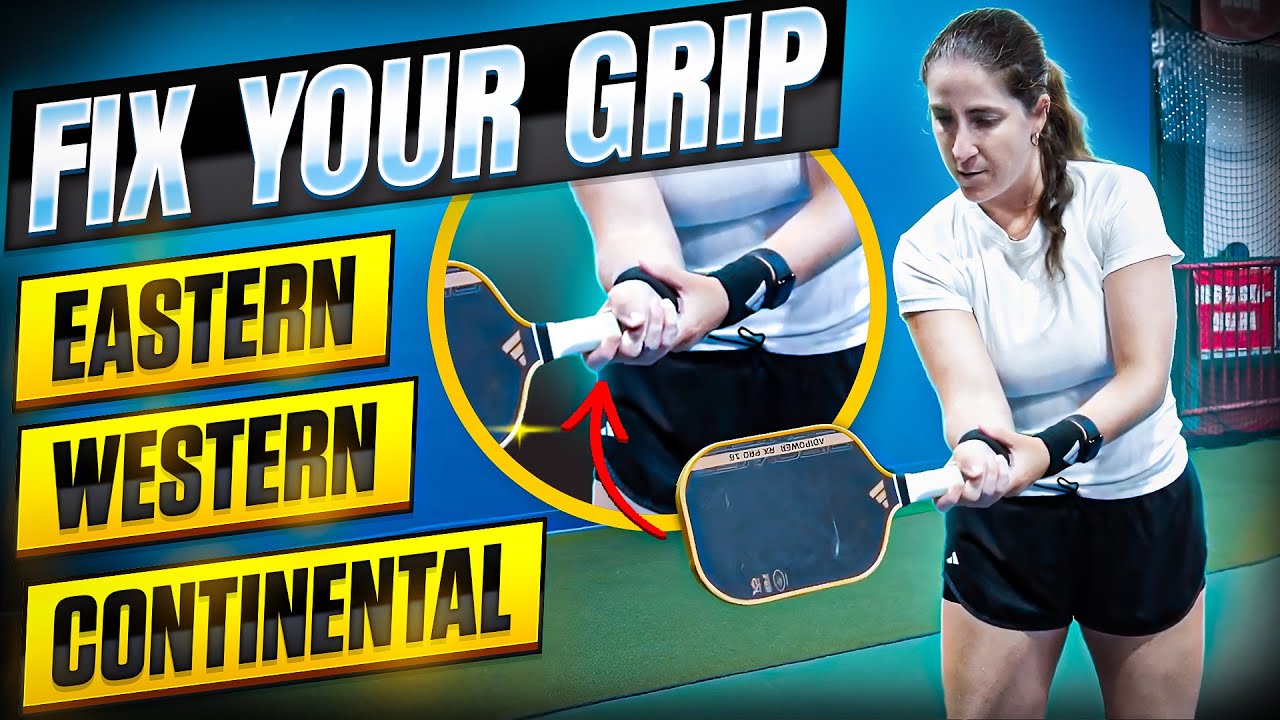
- Continental grip: Shake hands with the paddle. Not too tight, not too loose. Relaxed grip means better feel and free power.
- Ball out in front: Hold it out in front of your body and toss it near your front foot. Everything stays in front of you, so you can have a full, flowing swing.
The Three Pickleball Grips (& When to Use Them): Continental, Eastern & Western
Whether you’re crushing forehands from the baseline or executing delicate volleys at the kitchen line, your grip determines what’s possible.
 The Dink PickleballThe Dink Media Team
The Pro Serve Motion Is Simpler Than You Think
Forget the myth that you need a huge, flashy serve. Loyd's approach is built on five key elements:
- smooth backswing
- Nice toss
- Low-to-high swing
- Contact point out in front
- Finish toward your target
That's it. Repeatable. Consistent.
Once you've nailed the motion, you can add power through weight transfer and coil, not by swinging harder.The arm stays relaxed. The body does the work.
A pre-serve routine helps too. Bounce the ball a few times. Take a deep breath. Get in the zone. It sounds simple, but it builds the mental consistency that leads to physical consistency.
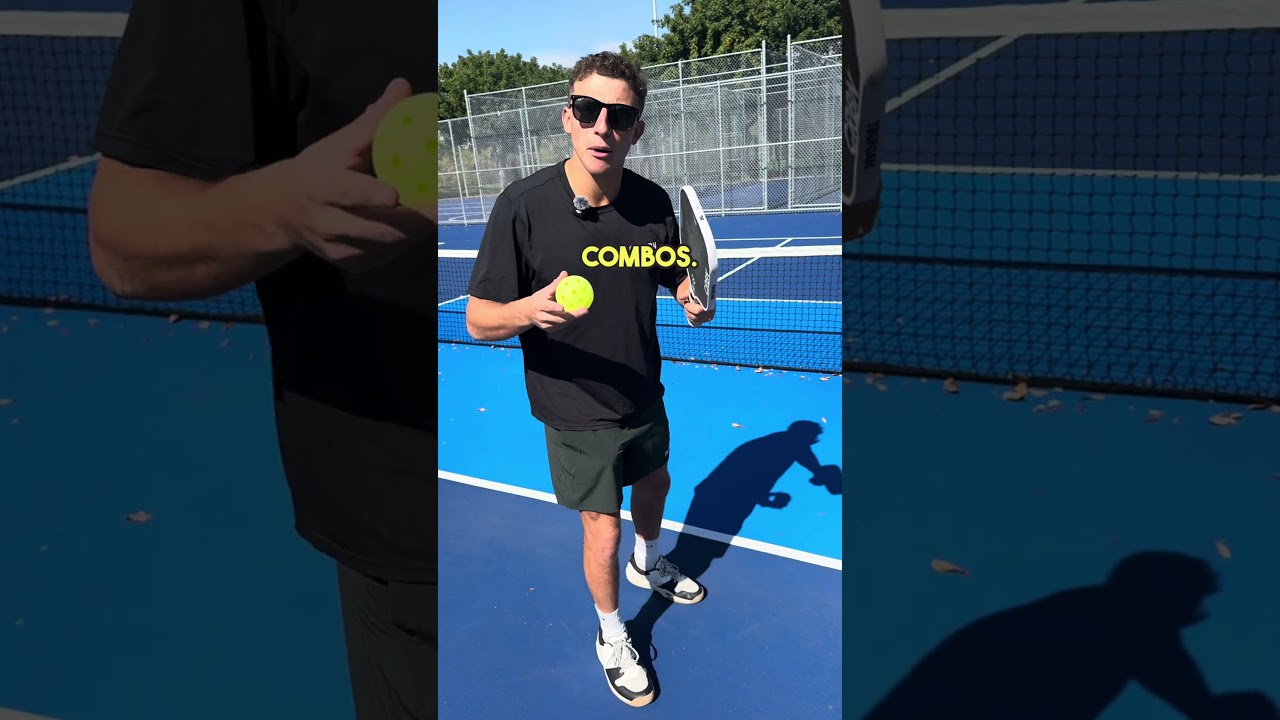
The Simple Drill to get Lightning-Fast Hands in Pickleball
You’re not just getting quicker hands. You’re getting smarter hands. And in pickleball, that’s the real difference.
 The Dink PickleballThe Dink Media Team
Depth Wins. Short Serves Lose.
The number one goal of your serve should be depth. Aim for the ball to land within 2 to 3 feet of the baseline.
Why? Because deep serves push your opponent back, make them retreat instead of step into the return, and delay their progress toward the kitchen line.
A weaker return often follows a deep serve. Maybe it's shorter. Maybe it's slower. Either way, you're set up for an easier third shot.
Short serves do the opposite. They invite your opponent all the way up to the kitchen line and give them an easy opportunity to attack. Unless you're mixing in a short serve as a change of pace after several deep ones, avoid it.
💡
Need some new pickleball gear? Get 20% off select paddles, shoes, and more with code THEDINK at Midwest Racquet Sports
Mix It Up: Spin, Placement, and Rhythm
Once you've got depth dialed in, start thinking like a pitcher. A good pitcher has multiple pitches. A good server has multiple serves.
- Target the backhand: Most players have a weaker backhand wing. Serve there consistently.
- Serve out wide: Opens up the court and is especially effective if your opponent is trying to stack.
- Add topspin: The ball dips quicker into the court and gives you more margin over the net. If you're missing long, add topspin before taking away pace.
- Throw in a slice serve: Harder to read. Comes from a slightly higher paddle position and wraps around the ball for sidespin.
- Mix depths: After several deep serves, throw in a short one to disrupt rhythm. Your opponent won't see it coming.
The old chainsaw serve (spinning the ball on the toss before hitting it) is illegal now. But any spin you add through your swing motion is totally legal.
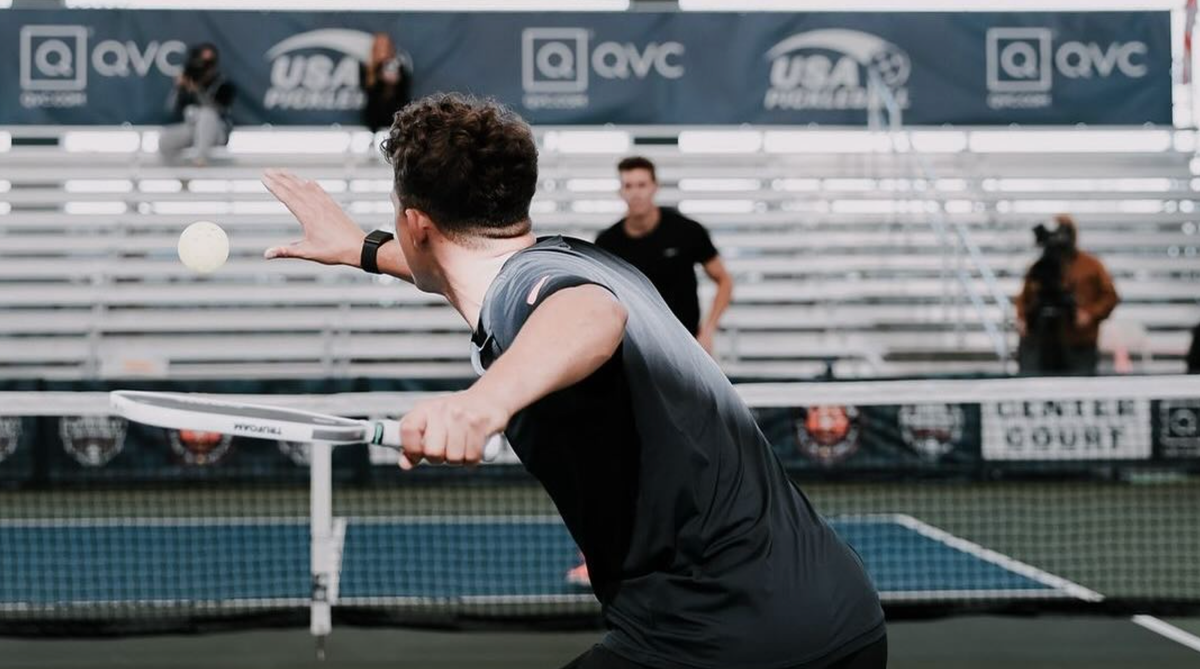
The Most Important Aspect of Your Pickleball Serve Probably Isn’t What You Think
It’s not about hitting hard or painting the corner, per se; it’s about moving your opponent away from the kitchen line
 The Dink PickleballThe Dink Media Team
The Biggest Beginner Mistakes to Avoid
Loyd sees the same errors over and over. Here's what's holding you back:
- Rushing the serve: Develop a routine. Bounce the ball. Take a breath. Slow down.
- Standing straight up: You lose all your power. Get into that staggered stance with knee bend so your legs can help.
- Overswinging: Trying to hit the hardest serve ever leads to tension, inconsistency, and injuries. Relax and let your body do the work.
- Serving too short: You're not even thinking about placement. Pick a target. Aim for depth. Practice it.
- Aiming for winners: You're not trying to ace your opponent on the serve. You're trying to set up an easy third shot. Think big, hula-hoop-sized targets, not tight sidelines.
Heads up: hundreds of thousands of pickleballers read our free newsletter. Subscribe here for cutting edge strategy, insider news, pro analysis, the latest product innovations and more.
The Serve Sets Up Everything Else
Fix your serve, and your entire game gets easier. You start points on offense instead of defense. Your opponent's return is weaker. Your third shot is simpler.
It all flows from that one shot you control completely.You don't need power. You need consistency, depth, and a little bit of strategy. That's how pros use the serve as a weapon.
Anuncie Aqui / Advertise Here
Sua marca para o mundo Pickleball! / Your brand for the Pickleball world!



 English (US) ·
  Portuguese (BR) ·