
 English
  Spanish
  Portuguese
  German
  Italian
  Japanese
  French
  Polish
  Russian
  Netherlands
  Hungarian
  Turkish
  Videos
  The Pickler

Youth pickleball is quickly becoming one of the fastest-growing segments in the sport. Schools are adding pickleball to PE programs, parents are signing their kids up for camps and clinics, and junior players are showing up in open play at record levels. For clubs and organizers, this surge presents a major opportunity: build strong youth programming now, and you’re not just filling courts today, you’re creating the next generation of lifelong members.
Here’s why kids are flocking to pickleball, and how your club can build youth programs that feel structured, safe, engaging, and worth returning to week after week.
Youth Momentum Is Real — and the 2025 US Open Proved It
If you need proof that youth pickleball is exploding, look no further than this year’s US Open Pickleball Championships. The event launched with a major expansion: the largest junior tournament in the country.
The JOOLA Junior Championships, held April 26–27, brought talented young athletes from across the U.S., many competing at a level that would’ve been unheard of just a few years ago. The highlight? Indigo Dagnall’s triple crown, earning gold in Singles, Doubles, and Mixed Doubles. Achievements like this demonstrate skill, and also signal a new generation of players who are training earlier, learning faster, and shaping the future of the sport.
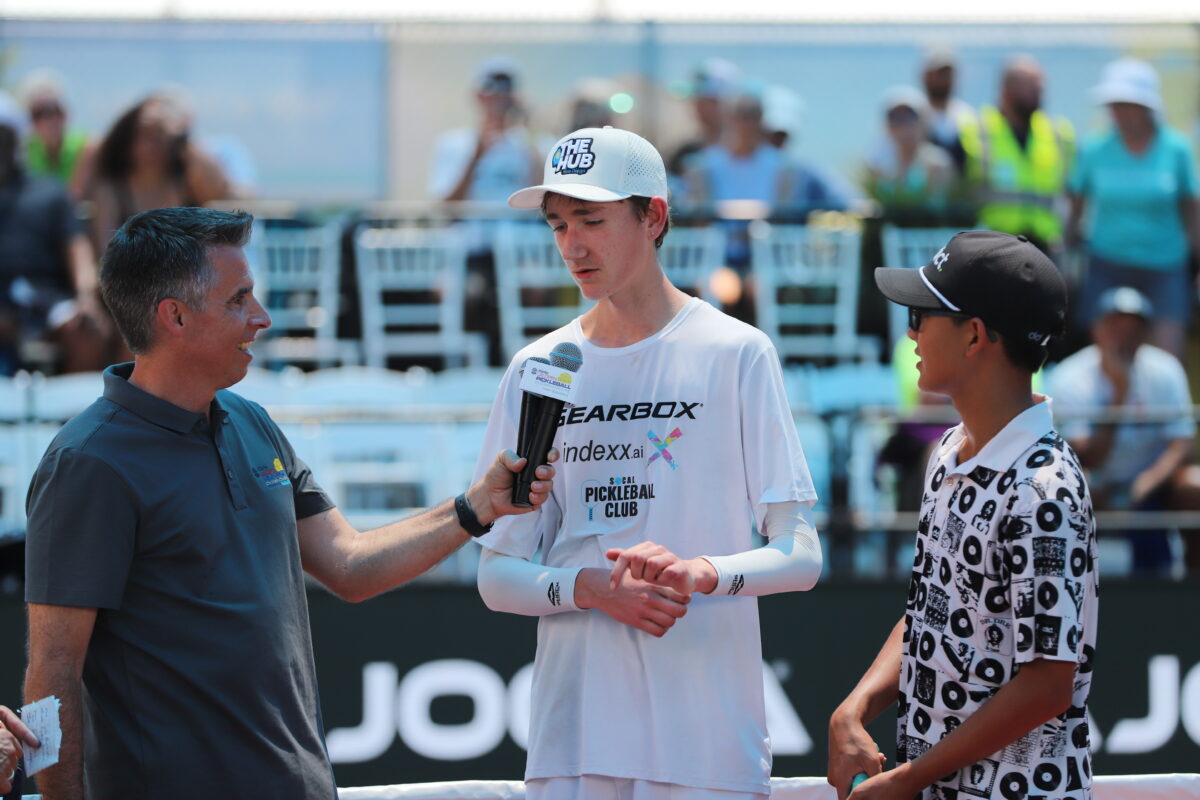
For clubs and organizers, events like the Junior Championships show just how high the demand for youth programming is. Families want opportunities for their kids to learn, play, and compete, and
Why Kids Are Joining Pickleball in Record Numbers
1. Pickleball Is One of the Most Accessible Sports for Kids
The biggest driver behind youth growth? Accessibility. Pickleball is uniquely easy to start. Kids can rally, learn the basics, and have fun within minutes. The low barrier to entry means kids stay engaged and find success early on.
As a result, pickleball often attracts children who may not thrive in more traditional, competitive, or physically demanding youth sports — giving clubs a chance to reach entirely new segments of the community.
2. Most Kids Start Playing Because Their Parents Do (The Family Effect)
Pickleball isn’t just a sport; it’s a family activity, and that’s often how young players get their start. Parents are looking for safe, inclusive ways to stay active and spend quality time together, and pickleball checks every box.
3. It’s Social, and Kids Love That
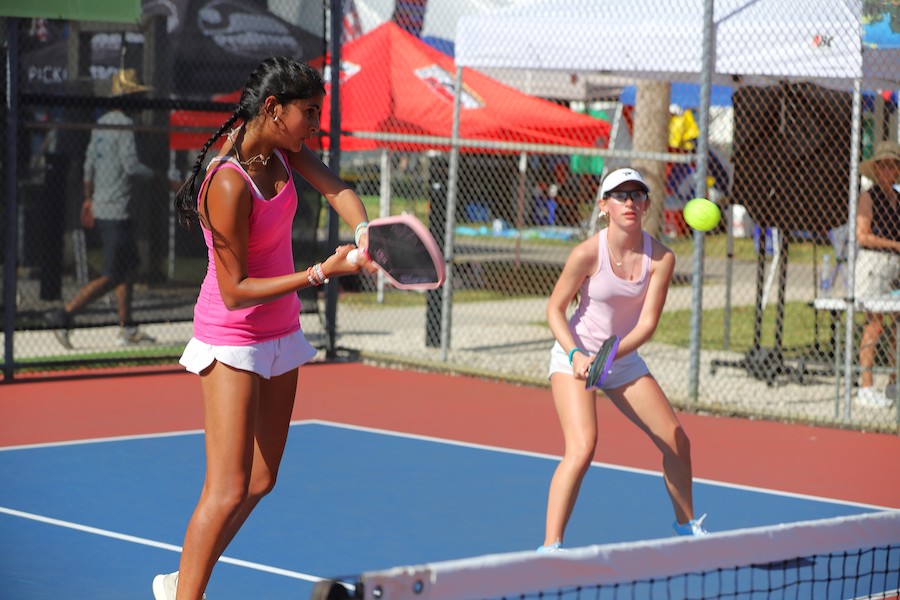
Pickleball is inherently interactive. Kids rotate through courts, switch partners often, and collaborate during drills and challenges. The sport naturally creates friendships and encourages teamwork, which is why youth sessions feel energetic and inclusive.
Clubs that intentionally incorporate social elements, such as partner drills and team rotations, see higher retention and stronger turnout because kids view pickleball as both a sport and a community.
4. Kids Are Seeing Pickleball Everywhere
From neighborhood courts to parks, PE programs at school, and social media clips, pickleball is increasingly visible. When kids see friends or family playing, curiosity grows. Clubs become the natural next step, offering structure, coaching, and community that broaden a child’s experience with the sport.
What Club Organizers Can Do to Build Strong Youth Programming
1. Design Programs by Age, Skill, and Developmental Readiness
The strongest youth programs consider age, skill development, and overall readiness when placing kids into groups. This blended approach helps coaches tailor instruction, ensures kids stay appropriately challenged, and gives parents clarity about where their child fits.
Instead of relying on strict age brackets, consider offering development-based groups with recommended age ranges:
- Beginner Foundations: Movement skills, paddle control, simple rallies, introductory footwork
- Beginner/Intermediate Development: Fundamentals, consistency, basic point structure, teamwork
- Intermediate/Advanced Play: Competitive drills, strategy, match play, court awareness
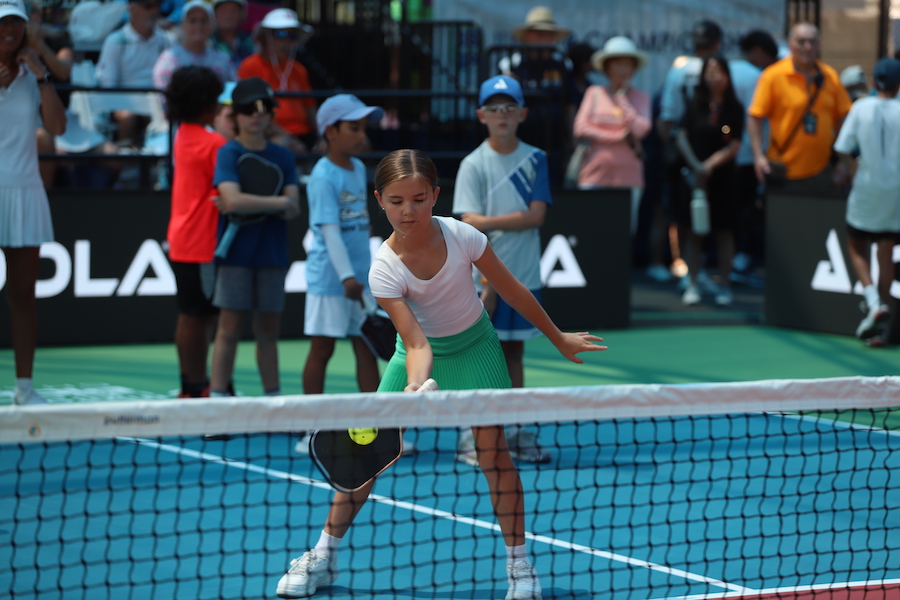
Staying flexible is key. As your youth population grows or shifts, adjust groupings to reflect who’s actually showing up. In communities with young families, some clubs even offer pre-pickleball or toddler movement sessions focused on basic movement, coordination, and fun, all inspired by pickleball. These early experiences help kids feel comfortable around the sport and build excitement for what comes next.
2. Add Youth Ladders & Leagues
Kids love a sense of progression. For clubs, building structured pathways can turn casual interest into long-term participation. Youth ladders, seasonal leagues, or even parent–child events add the “next step” kids (and parents) crave.
If your club uses Pickleball Den, these formats become simple to run. Den automatically groups kids by skill, manages check-ins, tracks standings, and provides easy communication with parents — reducing admin load while delivering a polished experience families notice and appreciate.
3. Schedule Programs Around Real Family Availability
Even the best program won’t succeed if families can’t attend. Clubs that lead in youth participation design schedules around school and family life, not just court availability.
High-performing youth programs often include:
- After-school clinics or leagues that begin shortly after dismissal
- Short weekday sessions that fit into busy evenings
- Holiday and school-break offerings when kids are home and parents want structured activity
- Summer camps or weekly programs that provide consistency without daily commitment
These time blocks make participation easier for families and also help clubs activate courts during off-peak hours.
4. Train Your Coaches to Teach the Way Kids Learn
Coaching youth requires a different approach than coaching adults. Kids respond best to games-based learning, quick rotations, visual cues, and positive encouragement. Sessions should feel fast, fun, and varied — with a mix of movement stations, partner activities, team challenges, and targets or agility tools. When coaches create an upbeat, confidence-building environment, kids are far more likely to stick with the sport.
5. Design Programming for Families
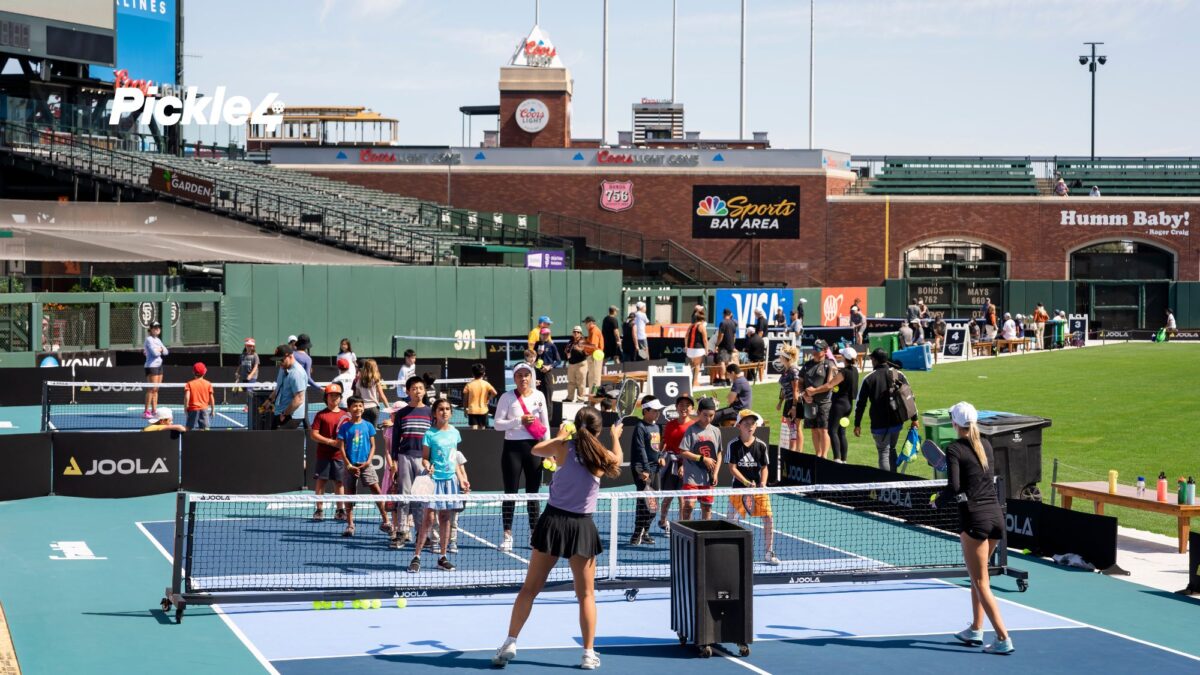
Encourage re-enrollment by making parents part of the experience. When families feel included, supported, and informed, they’re far more likely to keep their kids, and often themselves, engaged.
Consider offering:
- Family Pickleball Hour on weekends
- Parent–child lessons or mini-clinics
- Beginner-friendly mixers designed for all ages
- Intro programs for families who want to learn the basics together
These offerings can broaden your audience and create built-in retention. When kids and parents play together, they come back together.
6. Prioritize Safety, Education, and Court Etiquette
Clear guidance builds trust. Clubs can help families by sharing best practices around appropriate footwear, age-appropriate paddles, court awareness, hydration, warm-ups, and sportsmanship. This can reduce injuries and improve behavior on court, while also reassuring parents that their children are in a structured, professional environment.
7. Build Pathways for Kids Who Want More
Not all kids have the same goals. Some love recreational play; others want to compete. Offering multiple pathways from beginner “fun play” and after-school sessions to advanced clinics, or junior travel teams, helps families see a long-term future at your club. Clear progression keeps kids motivated and coming back as their skills grow.
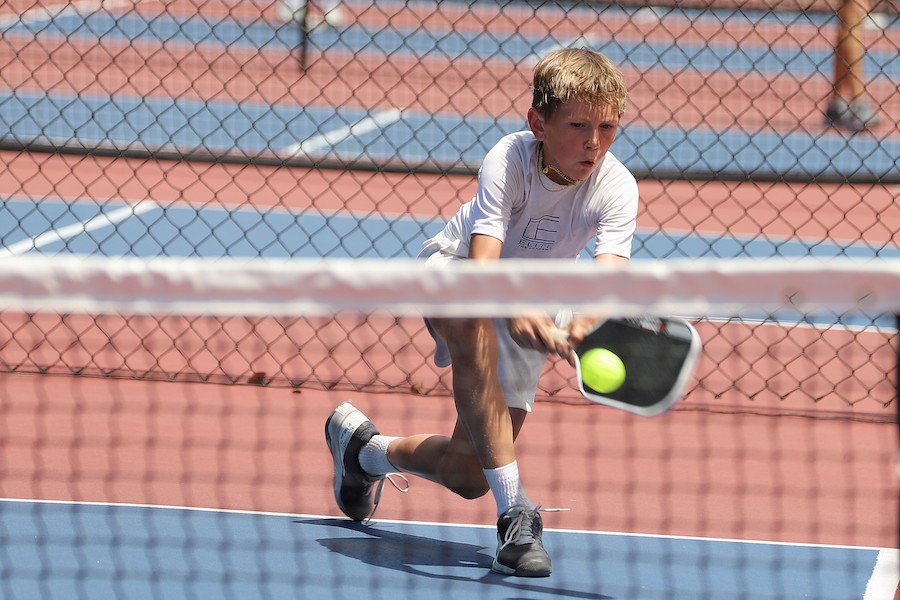
How Pickleball Den Supports High-Quality Youth Programming
Pickleball Den gives clubs the structure they need to run smooth, scalable youth programs with features like:
- Streamlined online registration for parents
- Automated ladders, leagues, and weekly schedules
- Attendance and check-in management
- Built-in communication tools for parents
- Skill-based grouping and progression tracking
- Integrated scoring, match results, and player stats
Families appreciate transparency, organization, and consistent communication — and Den makes it easy to deliver exactly that.
Final Takeaway
Youth pickleball is booming, and clubs that lean into this growth today will build engaged families, stronger communities, and long-term membership pipelines. Kids want a fun, social environment. Parents want structure, safety, and great coaching. Deliver all three, and your club becomes the destination for the next generation of pickleball players.
Source: The PicklerAnuncie Aqui / Advertise Here
Sua marca para o mundo Pickleball! / Your brand for the Pickleball world!




 English (US) ·
  Portuguese (BR) ·