
 English
  Spanish
  Portuguese
  German
  Italian
  Japanese
  French
  Polish
  Russian
  Netherlands
  Hungarian
  Turkish
  Videos
  Thedink Pickleball

The rubber band drill is one of the most effective ways to train pickleball resets across every area of the court. If you want to play like a 5.0, this is where you start.
If your pickleball reset breaks down the moment you're caught in the transition zone, you are not alone.
Most players can reset from the kitchen line. The real problem shows up when you're stuck in no man's land and the ball is coming fast.
The fix is not just to practice resets. It's to practice resets from every single position on the court, which is exactly what the rubber band drill is designed to do.This drill and the concept behind it come from tanner.pickleball on YouTube, and it is one of the most practical short-form training tips you will find for players serious about reaching 5.0.
Love pickleball? Then you'll love our free newsletter. We send the latest news, tips, and highlights for free each week.
What Is the Rubber Band Drill?
The rubber band drill is a reset training exercise where one player feeds hard shots and the resetting player backs up one step every time they successfully neutralize the ball.
It forces you to practice drops and resets from multiple court positions in a single session.The name comes from the movement pattern.
You get pushed back by hard shots, then you work your way forward again, just like a rubber band stretching and snapping back.
Most players only practice resets from static positions.This drill removes that comfort and forces you to calibrate your touch from wherever you happen to be standing when the ball arrives.
Why the Transition Zone Is Where Most Players Fall Apart
The transition zone is the area between the baseline and the kitchen line. It is the most uncomfortable place to be in pickleball, and it is also where most points are decided at the 4.0 level and above.
When you are in the transition zone, you are facing two problems at once.The ball is coming faster than it does at the kitchen, and you have less time to set your feet and absorb pace.
If you only train your reset shot from the kitchen line, you are preparing for the easiest possible version of that shot.The rubber band drill closes that gap by making the hard version your new normal.
Check out why your pickleball reset keeps popping up if you are struggling with the fundamentals before adding movement into the mix.
💡
Need some new pickleball gear? Get 20% off select paddles, shoes, and more with code THEDINK at
Midwest Racquet SportsHow to Run the Rubber Band Drill Correctly
Set this up with a partner who can feed with pace and consistency. Here is the step-by-step breakdown:
The Step-by-Step Pickleball Reset Drill Breakdown
- Start at the kitchen line. Your partner feeds a hard, driven ball. You reset it softly back into the kitchen.
- Back up one step after each successful reset. This is the core mechanic. Each rep pushes you deeper into the court.
- Focus on absorbing pace, not blocking. You want the ball to die when it crosses the net, not pop up.
- If you pop the ball up, hold your position. You only earn the step back when your reset is genuinely unattackable.
- Continue until you reach the baseline. Then work your way forward using the same reset mechanics.
The drill calibrates your drop shot and reset across every position on the court.
By the time you finish a full set, you will have hit quality resets from six or seven different spots you rarely practice from.
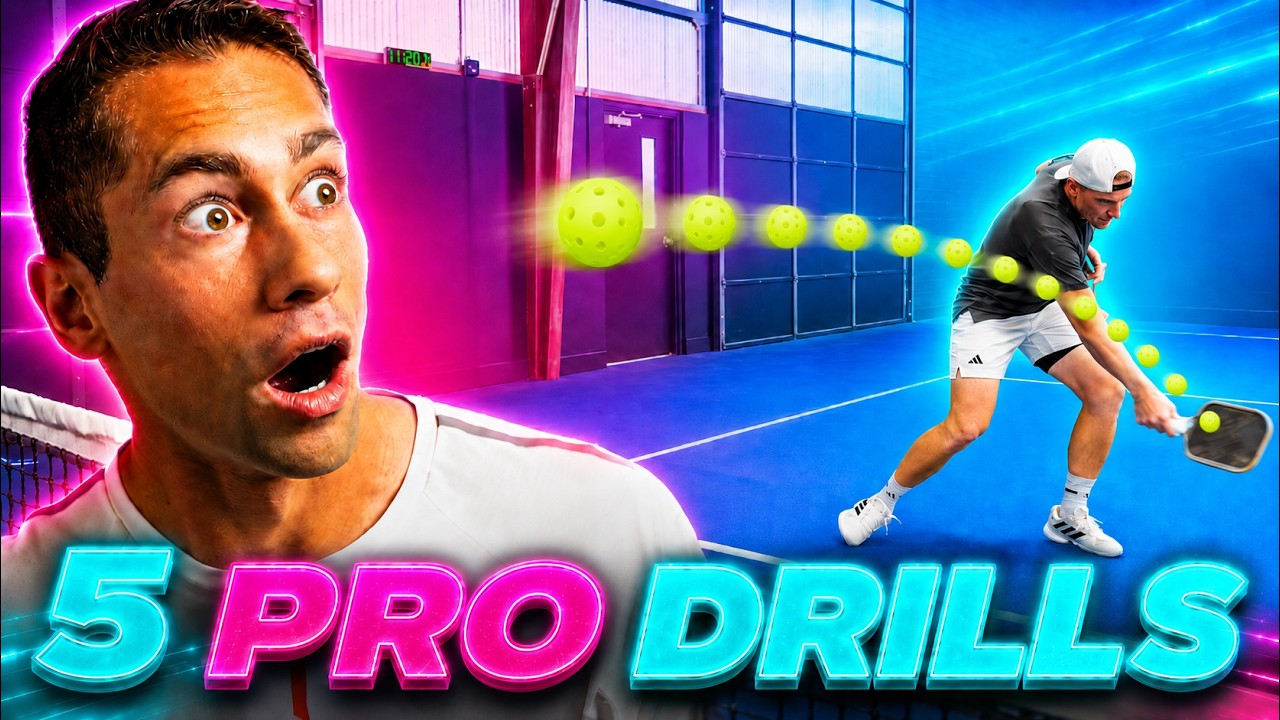
5 Pickleball Drills That Turn Weak Shots Into Weapons
Pros Zane Navratil and John Cincola built five pickleball drills that attack the exact shots most players avoid. Steal all five and turn your weak spots into weapons.
 The Dink PickleballThe Dink Media Team
What Does a Good Reset Actually Feel Like?
A proper reset shot is not a block. It is not a punch.
It is a soft absorption where your grip pressure drops at contact and your paddle face angles slightly upward to push the ball just over the net with minimal pace.
Think of it like catching an egg. If you try to stop the ball with a stiff arm, the energy transfers back and the ball floats up.If your hand gives a little, the ball dies.
This is the feel you are training with the rubber band drill, and it becomes more difficult as you back up because the pace of the incoming ball increases relative to your court position.
For players who want to go deeper on this skill, stopping shots at your feet is a related skill that becomes critical once you are working through the transition zone regularly.
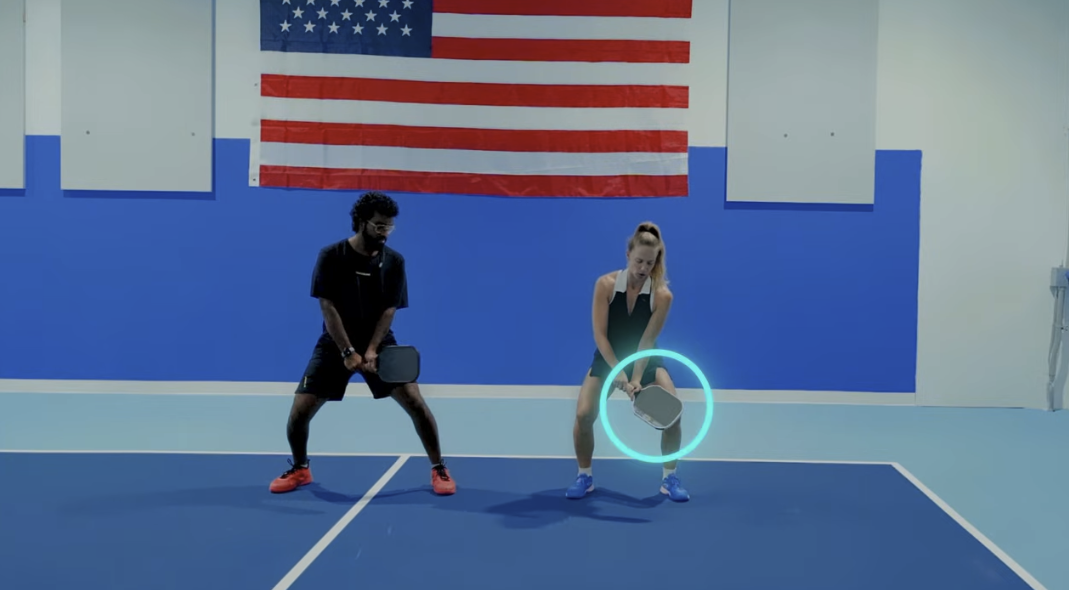
Master the Reset Shot: Pickleball’s Most Overlooked Defensive Weapon
The reset lets you survive the transition phase without giving your opponents an easy put-away. It’s the shot that turns defense into offense.
 The Dink PickleballThe Dink Media Team
What Makes This Drill Different From Basic Reset Practice?
Standard reset practice puts you in one place and feeds to you repeatedly. That builds a habit for a single position.
The rubber band drill builds a habit for the entire court.The movement component also mirrors what happens in real games. You rarely get to reset from a perfectly comfortable, rehearsed position.
You get caught mid-transition, feet not set, and you have to handle whatever comes at you.
Training for that chaos is what separates 4.0 players from 5.0 players.Understanding what actually separates 4.0 from 5.0 starts with recognizing that the reset is one of the most important shots in the game at higher levels.
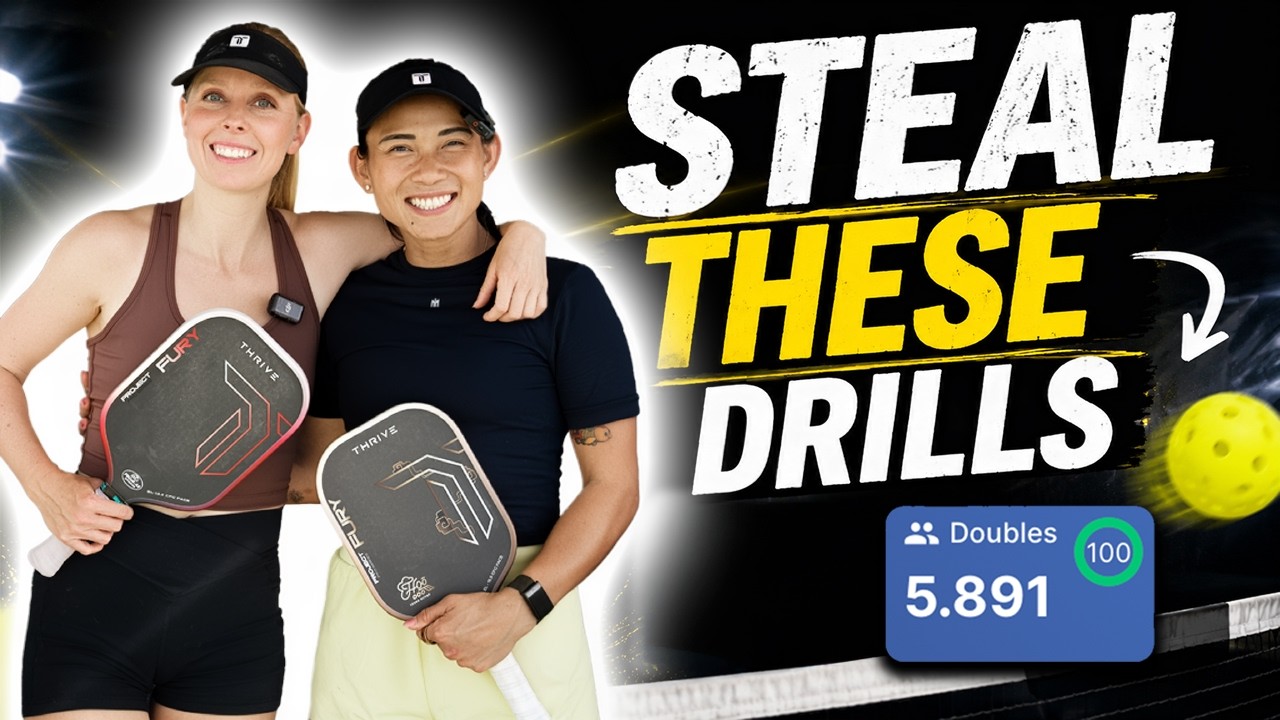
Pro Pickleball Drilling Routine: Train Like a 6.0 DUPR
This advanced pickleball drilling routine focuses on building consistency, cleaner attacks, and faster hands under pressure.
 The Dink PickleballThe Dink Media Team
Why Are 5.0 Players So Comfortable Resetting?
At the 5.0 level, reset comfort is assumed. Every player at that rating has put in enough reps that resetting from a difficult position is not a moment of panic. It is just the next shot.
That comfort does not come from playing more games. It comes from deliberate drilling.
The rubber band drill is one of the most efficient ways to build it because it stacks many different court positions into a single training session.Look at players like Ben Johns and Anna Leigh Waters. Their ability to neutralize hard-driven balls from any position on the court is not accidental.
It is the product of thousands of deliberate reps where they trained the uncomfortable positions, not just the easy ones.
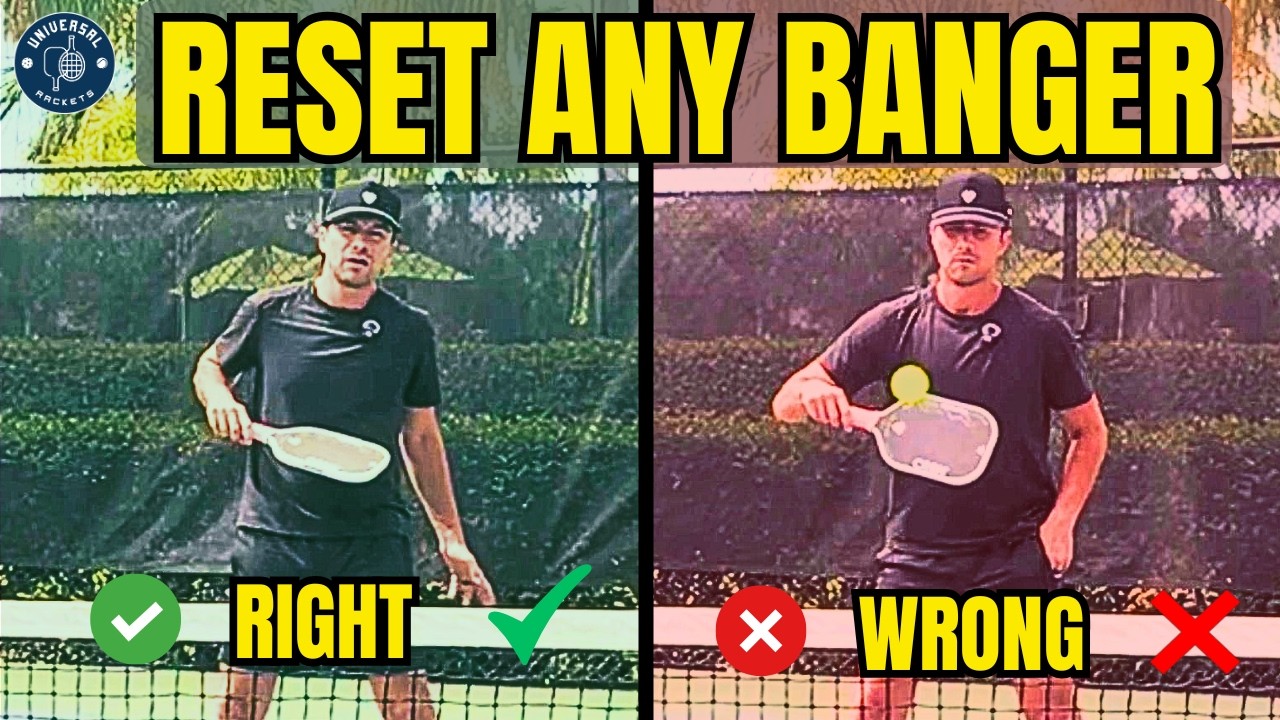
How to Master the Reset Shot in Pickleball
The reset shot is one of the most critical defensive skills in pickleball, yet most players struggle with it. Universal Rackets breaks down the exact mechanics and drills you need to stop popping up hard shots and start controlling the rally.
 The Dink PickleballThe Dink Media Team
Common Mistakes to Avoid During the Rubber Band Drill
Players new to this drill make predictable errors. Here are the ones to watch for:
- Using too much arm. Your shoulder and elbow should be relatively quiet. The reset comes from your wrist angle and grip softness, not a swing.
- Rushing the step back. Only take a step when your reset is genuinely unattackable. Do not reward yourself for a shot that floats up.
- Letting the ball get too close to your body. You want to meet the ball out in front. The moment you let it jam you, your reset angle disappears.
- Feeding partner hits inconsistently. The drill only works if the feed is firm and predictable. Soft feeds train the wrong skill entirely.
- Quitting after a few reps. The drill requires you to reach the baseline and then work back. Half reps produce half results.
If you are fighting the urge to hit back hard, that is actually a good sign.
The drill is forcing you to resist your instincts, and that resistance is exactly what builds reset discipline.You can also pair this work with three methods for handling hard shots in pickleball to give yourself more tools when the ball is coming fast.
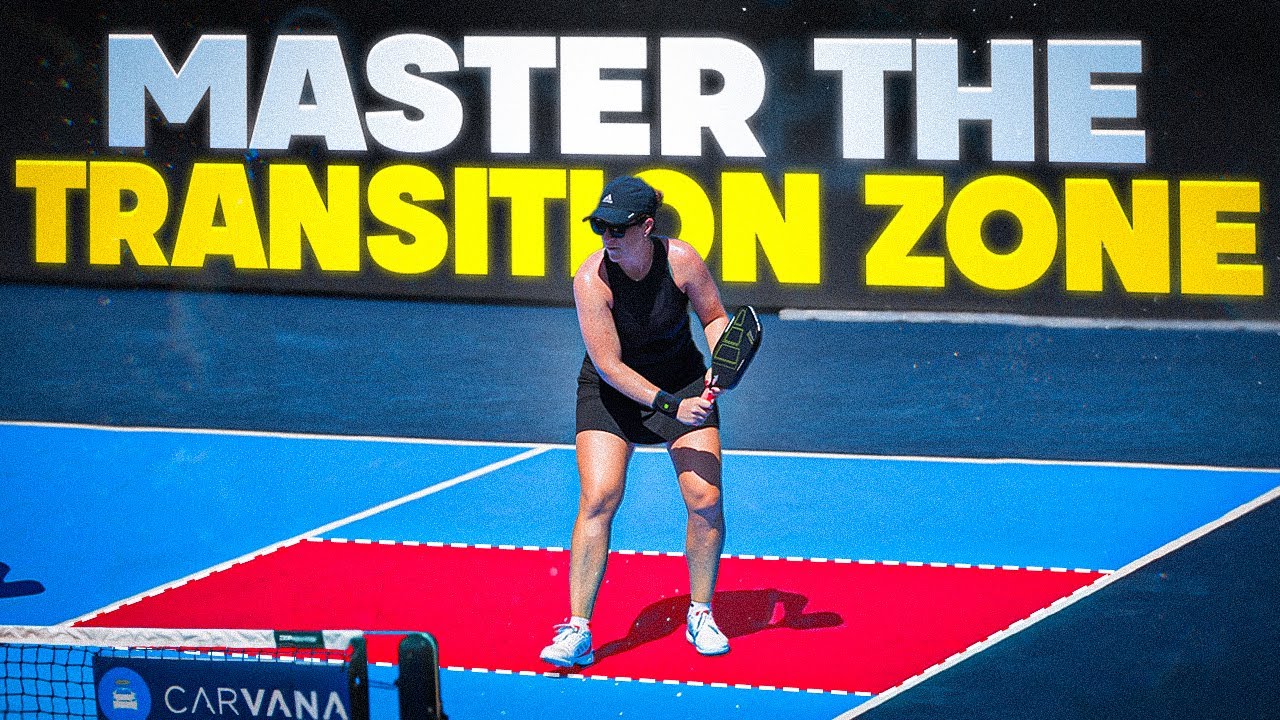
Why Most Pickleball Mistakes Come From the Transition Zone
Mari Humberg breaks down her complete transition zone drill sequence, featuring five essential drills that will transform how you move from baseline to kitchen. Master the transition zone drill and become a more complete pickleball player.
 The Dink PickleballThe Dink Media Team
How Does This Drill Connect to the Third Shot Drop?
The third shot drop and the reset are essentially the same shot from different court positions. Both require you to take pace off a ball and land it softly in the kitchen.
The mechanics overlap significantly.
When you build reset competence through the rubber band drill, your third shot drop improves as a side effect.
The touch you develop from the baseline during this pickleball reset drill is the same touch that makes your drop unattackable.
If your drop is inconsistent, read up on the apex fix that changes your third shot drop alongside running this drill. The two concepts reinforce each other.
How to Improve Third Shot Drop Consistency
If you want to improve third shot drop consistency, the answer isn’t more court time, it’s structured, intentional repetition. This guide breaks down the exact drill protocol that builds a reliable drop you can trust under pressure.
 The Dink PickleballThe Dink Media Team
How Often Should You Run This Drill?
Run the rubber band drill at the start of every practice session, before you play any points.
Ten to fifteen minutes of focused reps is enough to see improvement within two to three weeks.
The goal is not to make the drill harder over time. The goal is to make it feel easier.When reaching the baseline and coming back feels routine, your reset is ready for real match pressure.
Combine this with drills that PPA pros still use every practice to build a complete training routine that covers all the positions on the court.
How to Practice the Third Shot Drop Alone: Solo Drill Guide
The third shot drop is the single most important shot in pickleball, and you don’t need a partner to get reps in. This guide walks you through the best solo drills to practice the third shot drop alone and build real, transferable court feel.
 The Dink PickleballThe Dink Media Team
What Shots Should Your Partner Feed?
Your partner should feed primarily flat, driven balls aimed at your body and feet.
Body shots are the hardest to reset because they eliminate your paddle angle options.
Once you are comfortable with body shots, add feeds wide to your backhand side.
The backhand reset is the shot most players neglect, and it shows up constantly in real games.For players who want to build reset skill on the backhand specifically, block volley fixes that stop bangers is worth reading alongside this drill work.
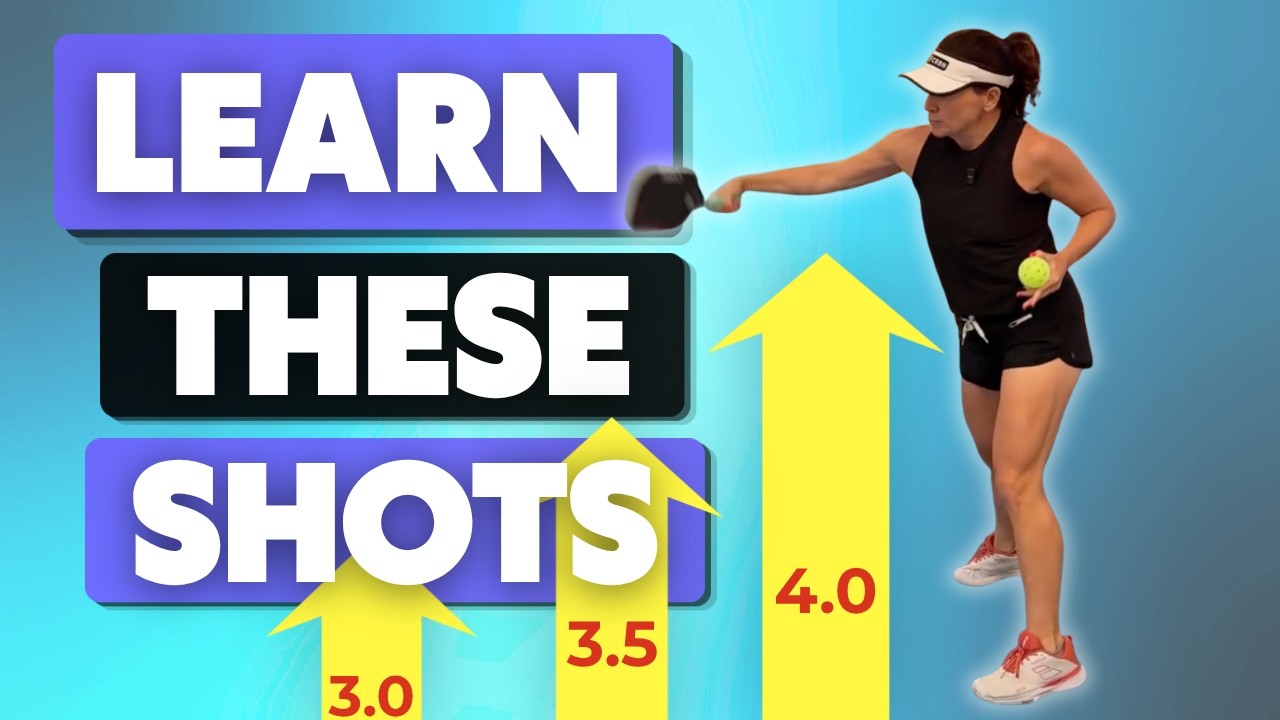
4 Shots That Help You Reach 4.0 in Pickleball Faster
Reaching 4.0 in pickleball is not about flashy winners. It comes down to four unglamorous shots that quietly fix the holes in your game.
 The Dink PickleballThe Dink Media Team
Building Long-Term Reset Confidence
The rubber band drill is not a one-time fix. It is a maintenance practice that keeps your reset sharp as you face better and faster opponents over time.
The players who reach 5.0 and stay there are the ones who never stop drilling the fundamentals.
They understand that the habits of every 5.0 player include consistent, focused practice on the shots that matter most under pressure.
Your reset is one of those shots. Train it from every position on the court, not just the comfortable ones, and the transition zone stops being a liability.
It becomes a place where you can hold your own against anyone.For players also working on their drops from the forehand side, three forehand drop techniques will give you more ways to approach that shot as your court position changes.
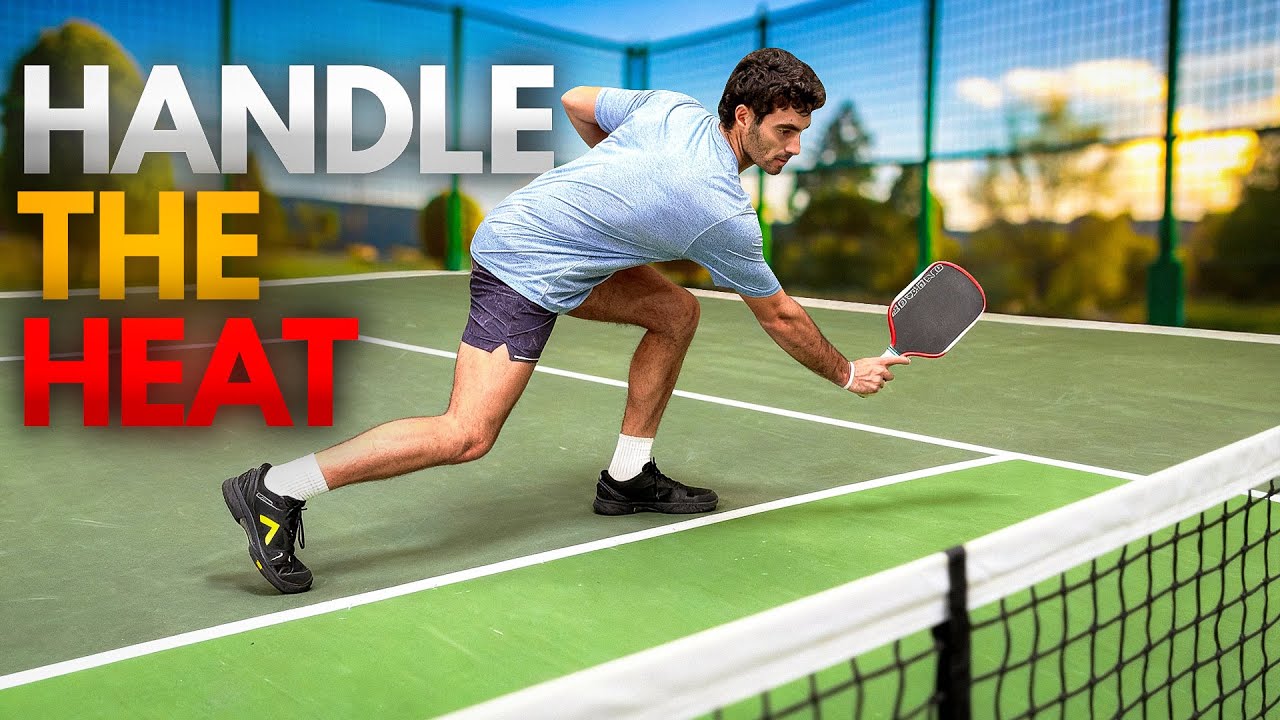
How to Handle an Aggressive Dink in Pickleball
An aggressive dink can rattle even experienced players, but the right techniques turn pressure into opportunity. Learn how to neutralize aggressive dinks and regain control of the rally.
 The Dink PickleballThe Dink Media Team
Frequently Asked Questions
What is the rubber band drill in pickleball?
The rubber band drill is a reset training exercise where you back up one step each time you successfully neutralize a hard-driven ball. It forces you to practice drops and resets from multiple court positions in a single session. The name reflects the stretching and snapping motion of moving back toward the baseline and then returning forward.
Why is the transition zone so hard to reset from?
The transition zone sits between the baseline and kitchen line, and balls arrive faster there than at the net. You also have less time to set your feet and adjust your paddle angle. Most players struggle there because they only practice resets from the kitchen line, not from the middle of the court.
How is a reset different from a block in pickleball?
A reset absorbs the incoming pace by softening your grip at contact, while a block uses a stiffer arm that often sends the ball back up into an attackable position. The goal of a reset is to make the ball die just over the net with no pace left on it. If the ball pops up after you touch it, you blocked it instead of resetting it.
How long does it take to improve your pickleball reset with this drill?
Most players notice a difference within two to three weeks of running the drill at the start of each practice session. Fifteen minutes of focused reps per session is enough to build real court feel. Consistency matters more than volume on any single day.
Can beginners use the rubber band drill?
The drill is most effective for players at the 3.5 level and above who already understand the basic mechanics of a reset. Beginners should first build basic reset technique from a static position before adding the movement component. Once your reset holds up consistently from the kitchen line, the rubber band drill becomes the right next step.
Anuncie Aqui / Advertise Here
Sua marca para o mundo Pickleball! / Your brand for the Pickleball world!







 English (US) ·
  Portuguese (BR) ·