
 English
  Spanish
  Portuguese
  German
  Italian
  Japanese
  French
  Polish
  Russian
  Netherlands
  Hungarian
  Turkish
  Videos
  Thedink Pickleball

The screwball serve is one of the most effective ways to drag your opponent off the court before the point even starts. Learn the grip, the wrist move, and exactly when to throw it in a match.
The screwball serve is one of the most underused weapons in recreational pickleball, and most players have never even heard of it.
If you hit the same serve every single point, your opponent settles in.Their timing locks in, their return gets comfortable, and you lose the one advantage you had before the rally even started.
This article breaks down exactly how to hit the screwball serve, why it works, and when to pull it out for maximum damage.
The breakdown comes from Tanner Tomassi on YouTube, where he keeps his instruction tight and practical.
Love pickleball? Then you'll love our free newsletter. We send the latest news, tips, and highlights for free each week.
What Is the Screwball Serve?
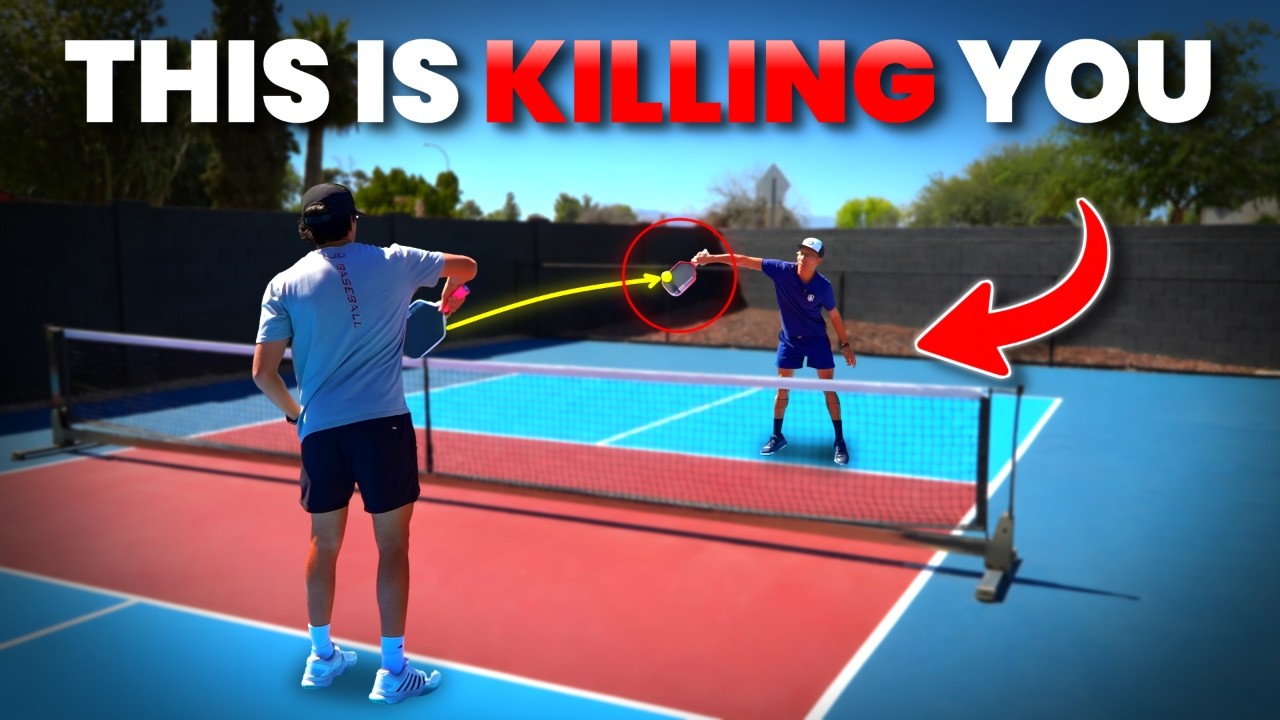
The screwball serve is a spin serve that curves the ball away from your opponent, pulling them wide off the court before they can get into position.
Unlike a topspin or flat serve, the screwball produces sidespin that bends the ball's trajectory in a direction most returners are not prepared for.
If you have already worked on hitting topspin in pickleball, this is the lateral cousin of that same skill.The result is a return that either pulls the opponent off balance or forces a weak, short ball you can attack.
It is not the hardest serve you will ever hit. That is actually the point. The screwball works because of variety and placement, not raw pace.Why Mixing Up Your Serve Actually Matters
Most amateur players hit the same serve every single point. Same toss, same contact point, same speed, same direction.
When you do that, you are training your opponent to return your serve.
You are handing them free reps on a consistent ball before the real point starts, and that is not a serve strategy at all.
Adding variety, even one different serve per game, changes the returner's timing.A player who has been reading your flat serve for four straight points suddenly faces something that breaks in an unexpected direction.
The mental disruption alone is worth it.It is the same logic behind three deceptive pickleball shots that paralyze opponents, where unpredictability does more damage than power.
The serve is simply the cheapest place to buy it.
💡
Need some new pickleball gear? Get 20% off select paddles, shoes, and more with code THEDINK at
Midwest Racquet SportsHow Do You Grip the Paddle for a Screwball Serve?
The grip change is the first step and it is simple. Place your thumb on top of the paddle grip. That is the key adjustment that sets everything else up.
This is different from your standard continental or eastern grip where the thumb wraps around the handle.Moving the thumb on top positions your wrist and forearm to rotate inward through contact, which is exactly what generates the screwball spin.
Think of it this way: you are not changing your entire swing mechanics.
You are making one small grip modification that changes what the paddle face does at the moment of contact, and better shot control almost always starts there.
Pickleball Return of Serve Fixes That Stop Unforced Errors
Unforced errors on the return of serve almost always trace back to the same two problems: grip pressure and a missing load. Fix those two things and your return gets cleaner fast.
 The Dink PickleballThe Dink Media Team
The Wrist Twist: Where the Spin Actually Comes From
Once you have the grip, the motion that creates the spin is an inward wrist rotation at contact.
Picture a bowling motion. You swing the ball forward naturally, and at the moment of release you rotate your hand inward.
In pickleball, the same concept applies.
You are swinging toward the ball and then twisting the wrist inward as you make contact, which is the same wrist lag mechanic pros use for power, spin, and control.Here is what that inward rotation does to the ball:
- It imparts sidespin that curves the ball away from a right-handed returner's forehand.
- It pushes the ball wide toward the sideline, forcing the opponent to stretch or move laterally.
- It creates a bounce that continues moving in the same direction after it lands, making the return even harder to control.
The spin itself is not complicated to generate.
What takes practice is making the screwball serve look identical to your regular serve until that final wrist rotation happens.
That principle of late differentiation is also why pros can anticipate almost every shot except the ones disguised until the last moment.
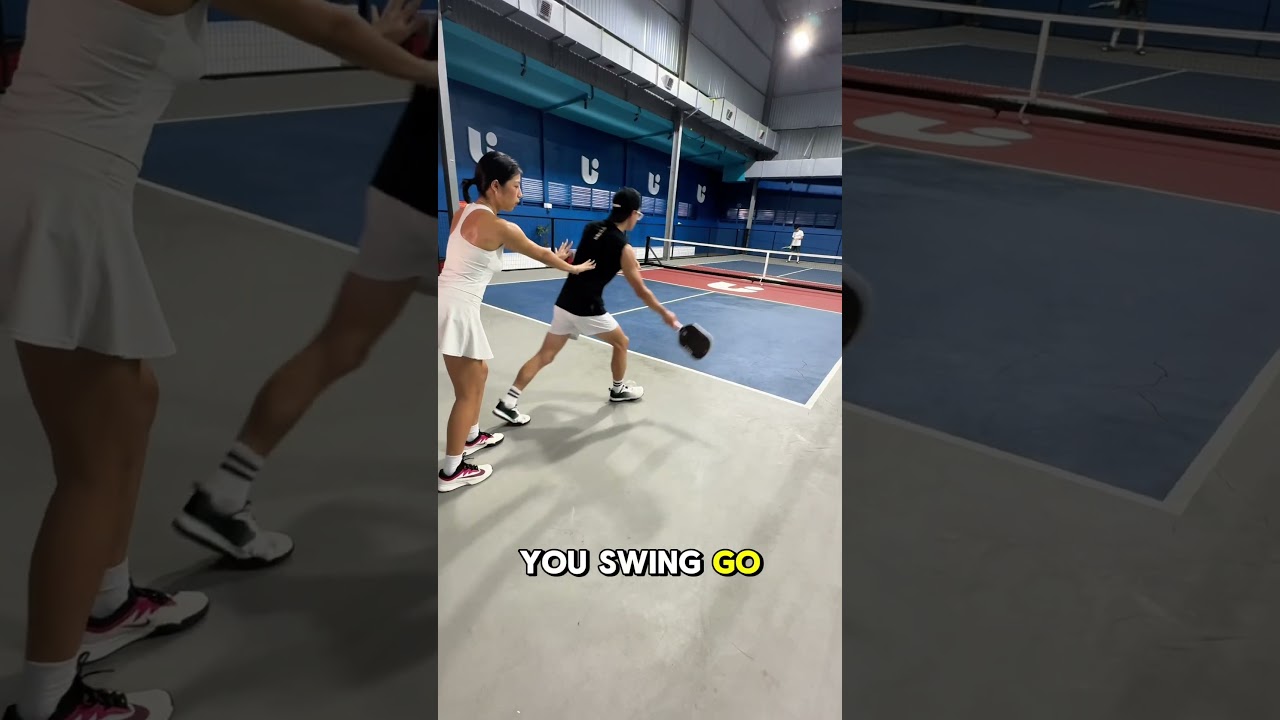
The Wrist Fix That Makes Your Pickleball Drop Better
Most players miss their pickleball drop because of one wrist mistake they don’t even notice. Fix this one thing and your drops become dramatically more consistent.
 The Dink PickleballThe Dink Media Team
Step-by-Step: How to Practice the Screwball Serve
Follow this sequence when you first work on the screwball serve:
- Set the grip first. Before you even think about the motion, place your thumb on top of the handle. Do this before each practice rep until it becomes automatic.
- Slow the swing down. In early practice, focus on the wrist rotation rather than power. A slow, deliberate inward twist will teach you where the spin comes from.
- Use a bowling visualization. Swing forward like you are rolling a bowling ball, and rotate the wrist inward at the exact moment you would release the ball.
- Watch where the ball goes. If the spin is working, the ball should curve wide toward the sideline. If it goes straight, the wrist rotation happened too late or too early.
- Add pace gradually. Once you can produce the spin consistently at slow speed, increase the swing pace. The grip and wrist action remain the same.
This is not a serve that requires hours of rebuilding your mechanics.
Most players can produce a recognizable version of the screwball serve in one practice session, and it slots easily into the drills you need to play your best pickleball.If you want to fix serve mistakes that are costing you power and depth, working on spin variety helps overall serve quality and consistency too.
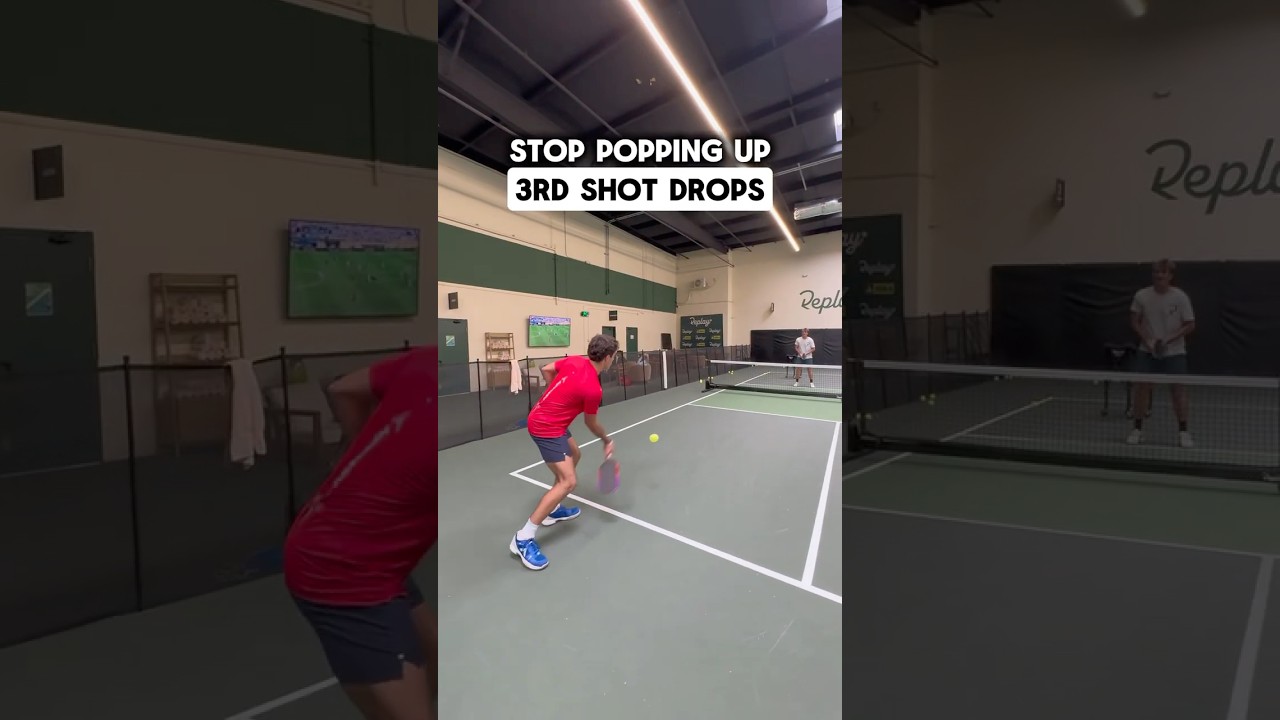
How to Fix an Inconsistent Pickleball Serve Fast
If you want to know how to fix inconsistent pickleball serve mechanics, the fix usually lives in your toss, your contact point, and your follow through, not your talent. One focused practice session and three targeted drills can turn a shaky serve into your most reliable shot.
 The Dink PickleballThe Dink Media Team
Why the Screwball Pulls Opponents Way Off the Court
The geometry of sidespin is what makes this serve so effective.
A flat serve travels in a straight line from your paddle to the return zone. Your opponent reads that line easily and sets up in a good position.
A screwball serve starts on one trajectory and then curves, which means the ball lands in a different spot than the returner predicted.When the ball also bounces and continues moving wide, your opponent is now chasing it away from the court.
Their return comes from a stretched, off-balance position, which means:
- The return is usually short and floaty.
- The return lacks pace, giving you more time for your third shot.
- The opponent is pulled out of position before the rally even develops.
That wide positioning creates real opportunities.
Look at the stubborn habits losing you pickleball points and you will see that a weak return from a stretched position sets up your third shot far better than a return hit from a centered stance.It also explains why returners who understand the four essential return targets hate this serve so much.
You are taking their best option away before they even move.
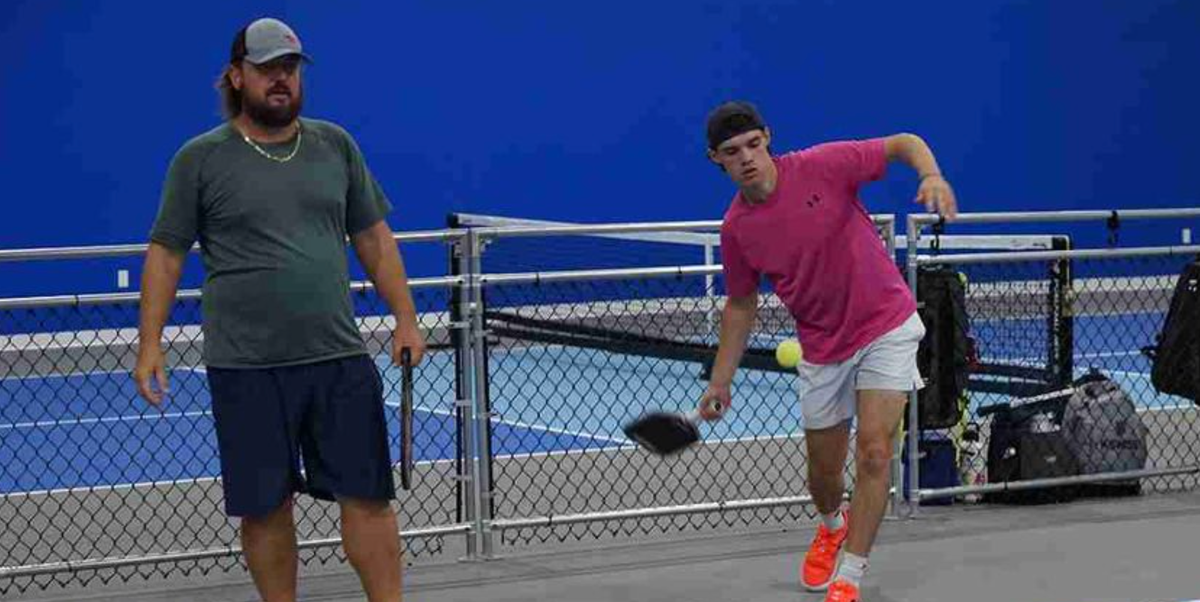
How to Vary Your Pickleball Serve to Keep Opponents Off Balance
This guide breaks down the spin, placement, and pace tactics that disrupt your opponent’s return game and set up your third shot.
 The Dink PickleballThe Dink Media Team
When Should You Actually Use the Screwball Serve?
Tanner uses this serve once per game, specifically in a big moment.
That is smart. Overusing any spin serve removes the element of surprise that makes it effective.
If you throw a screwball serve every three points, the returner starts reading it, adjusting their positioning, and neutralizing the wide pull.The highest-value moments to use it are:
- At a score where you need a point badly. The returner is already under pressure, and a ball that behaves unexpectedly multiplies that pressure. This is also where gamepoint behavior costs players close matches.
- When your opponent has gotten comfortable with your serve. If they have returned three straight serves cleanly from the same spot, disrupt that comfort.
- After a long rally that you just lost. The opponent's confidence is up, and a screwball serve immediately resets the dynamic.
Think of the screwball serve as a card you keep in your hand and play at the right moment, not a shot you force into every situation.
Understanding the four key strategies to winning in 2026 will help you see how it fits into a broader match plan rather than sitting in isolation.
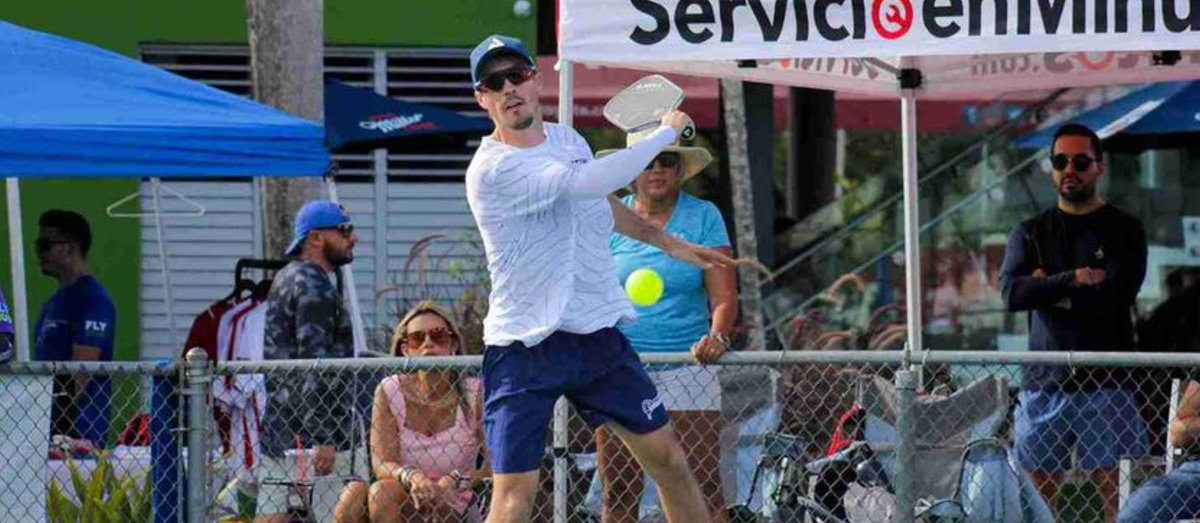
5 Pickleball Serves That Win More Points
Adding even one of these serves into your game can transform your effectiveness instantly.
 The Dink PickleballThe Dink Media Team

Common Mistakes When Learning the Screwball Serve
The three most common errors are related to timing, grip, and overswinging.
- Rotating the wrist too early means the spin is already done before contact, and the ball goes straight without any curve. The rotation needs to happen at the exact moment the paddle meets the ball.
- Forgetting the thumb placement is the most frequent issue. Without the thumb on top, your wrist has limited range of motion inward and the spin will be weak or absent entirely.
- Swinging too hard before the spin motion is locked in causes you to lose control over the contact point. Build the habit at slow speeds first.
These are the same principles that apply whenever you are learning a new pickleball shot. Speed comes after mechanics, not before.
7 Pickleball Practice Mistakes Ruining Your Game
Jordan Briones breaks down the 7 pickleball practice mistakes that are sabotaging your improvement and shows you exactly how to train with purpose instead.
 The Dink PickleballThe Dink Media Team
How the Screwball Fits Into a Complete Serve Strategy
One serve type is not a strategy. A complete serve game means your opponent cannot predict what is coming.
Your primary serve should be deep and consistent, which is exactly why the most important aspect of your serve probably isn't what you think.
Then you layer in the screwball serve occasionally to keep the returner guessing.
You can also read more about hitting the perfect serve every time, a critical skill for making the screwball look identical to your regular serve until the last possible moment.When you can go deep, flat, and wide-spinning from the same motion, you own the serve box.
Pair that with two pro tips that eliminate common serve mistakes and returning your serve becomes genuinely difficult.
The screwball serve is a low-cost, high-reward addition to your game.
One grip adjustment, one wrist movement, and suddenly you have a serve that pulls opponents way off the court at the moments that matter most.
Start slow, build the spin, and save it for when the match is on the line.💡
Heads up: hundreds of thousands of pickleballers read our free newsletter.
Subscribe herefor cutting edge strategy, insider news, pro analysis, the latest product innovations and more.
Frequently Asked Questions
What is a screwball serve in pickleball?
The screwball serve is a sidespin serve that curves the ball wide, pulling the opponent off the court before they can set up for a clean return. It is hit by placing the thumb on top of the grip and rotating the wrist inward at contact. The spin causes the ball to bend in flight and continue moving wide after the bounce.
How do you grip the paddle for a screwball serve?
Place your thumb on top of the handle instead of wrapping it around the grip. This position gives your wrist the range of motion needed to rotate inward through contact and generate sidespin. Without that thumb placement, the spin will be weak and the ball will travel mostly straight.
Is the screwball serve legal in pickleball?
Yes, spin serves are legal in pickleball as long as the serve follows the standard rules for an underhand motion and contact below the waist. The screwball serve stays within those boundaries. Always check current rulebook updates if you are playing in a sanctioned tournament.
How often should you use the screwball serve in a match?
Once per game is enough for most players, specifically in a high-pressure moment where your opponent needs to be disrupted. Overusing it removes the surprise factor and gives the returner time to adjust their positioning. Save it, and it stays effective.
Can beginners learn the screwball serve?
Yes, the screwball serve is actually one of the more accessible spin serves because the mechanics are simple. The thumb grip and inward wrist rotation can be practiced at very slow speeds before adding pace. Most players can produce a functional version of it within a single practice session.
Anuncie Aqui / Advertise Here
Sua marca para o mundo Pickleball! / Your brand for the Pickleball world!




 English (US) ·
  Portuguese (BR) ·