
 English
  Spanish
  Portuguese
  German
  Italian
  Japanese
  French
  Polish
  Russian
  Netherlands
  Hungarian
  Turkish
  Videos
  Thedink Pickleball

The pickleball flick is one of the most sought-after weapons at the kitchen line. But if you haven't built your volley dink first, you're skipping a step that will cost you every time.
Everyone wants the pickleball flick.
It's the shot that ends rallies, surprises opponents, and makes you look like you know exactly what you're doing at the kitchen line.
But most players are trying to learn it in the wrong order.
They want to go from A to C and skip B entirely. That's exactly why the flick never sticks.This breakdown comes from Jilly B Pickleball on YouTube, who coaches the flick as a progression, not a standalone trick.
Here's the full sequence you actually need to follow.
Love pickleball? Then you'll love our free newsletter. We send the latest news, tips, and highlights for free each week.
The Flick Lives Inside the Volley Dink
The foundation of the pickleball flick is the volley dink.
If you are not comfortable taking the ball out of the air in a dinking exchange, you will never have a reliable flick.
This is the step most players skip.
They practice the flick motion in isolation, but when they try it in a real rally, they either mishit the ball or get completely exposed on the return.The volley dink and the flick are the same move until the last moment. That's the whole point.
Your opponent should not be able to read what's coming.Why Does the Volley Dink Come First?
The pickleball flick only works because it looks exactly like a volley dink.
If your opponent can tell a flick is coming, you've already lost the point before you've hit the ball.
When you're comfortable volleying dinks, your setup position becomes natural and consistent.
The small, compact movement required for the flick doesn't feel foreign because you're already used to keeping the paddle in front of you.
Think of it this way: the flick is just a volley dink that accelerates at the last second. You can't fake something you don't already own.If you want to sharpen your volley dink before adding the flick, this guide on how to hit the forehand volley in pickleball is a strong starting point.
💡
Need some new pickleball gear? Get 20% off select paddles, shoes, and more with code THEDINK at
Midwest Racquet SportsThe Cone of Power: Where Your Paddle Has to Stay
One of the most important concepts here is what Jilly B calls the cone of power. Every shot you hit should emanate from a central position in front of your body.
As you move side to side at the kitchen line, your paddle stays in that zone. You don't let it drift wide or drop low between shots.When your paddle wanders, two things go wrong. You lose the ability to flick because you're out of position.
And you get hit in the face on the counter because you never got back to the cone in time.Most players get hit at the kitchen not because they're slow, but because their default paddle position is too passive.
The cone keeps you ready for whatever comes next, and it's the same positional discipline behind the 7 new USAP pickleball rules for 2026 governing the non-volley zone.
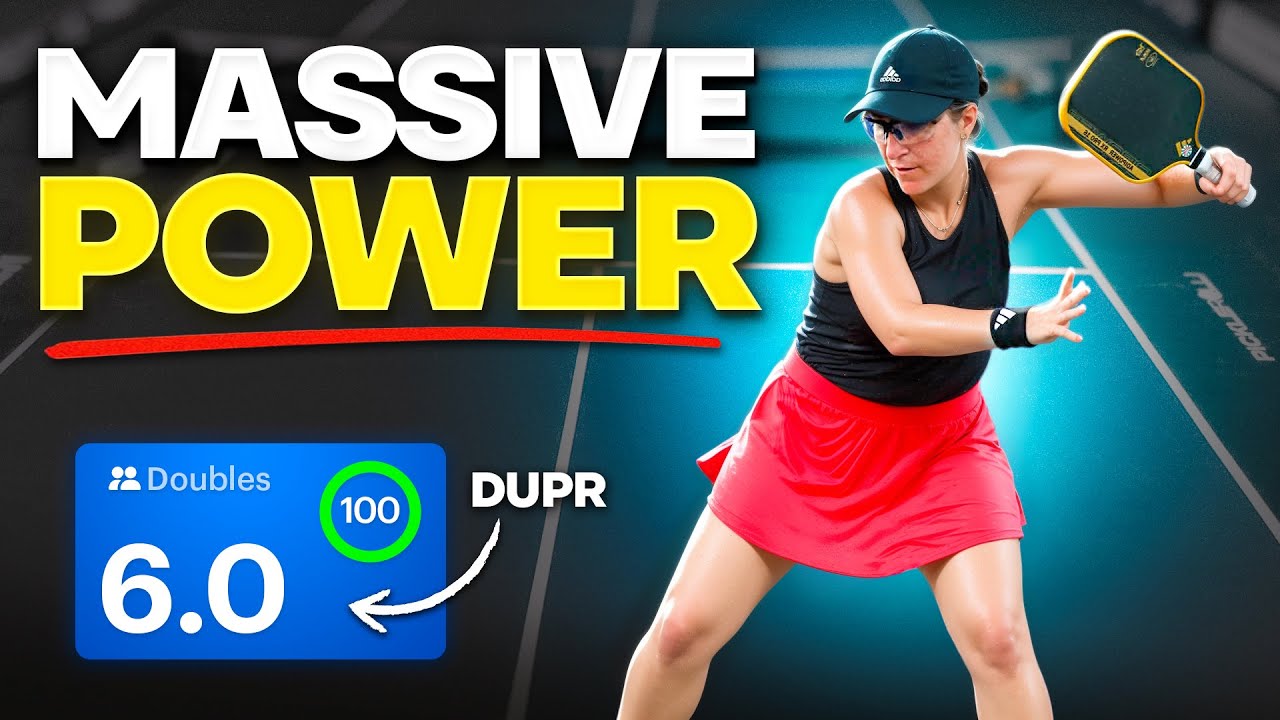
Generate Effortless Power in Pickleball Through Proper Body Rotation
The unit turn is simple in concept but transformative in practice – it means rotating your hips, shoulders, and non-dominant arm together as one unit, rather than isolating your arm for power
 The Dink PickleballThe Dink Media Team
What Happens After You Flick?
This is the part nobody talks about. Most players can hit a pickleball flick. The problem is what they do immediately after.
They finish the swing, let the paddle drop or drift wide, and then when the ball comes screaming back, they have no chance.The flick without a recovery position is just a setup for getting hit.
The flick is a small move. Your paddle should not travel far. The motion is compact, the wrist snaps, and the paddle returns to the cone immediately.
That's how you stay in the point.Understanding how to handle the ball coming back hard is just as important as generating the attack.
Take a look at how 5.0 players defend against speed-ups to see what good counter positioning actually looks like.
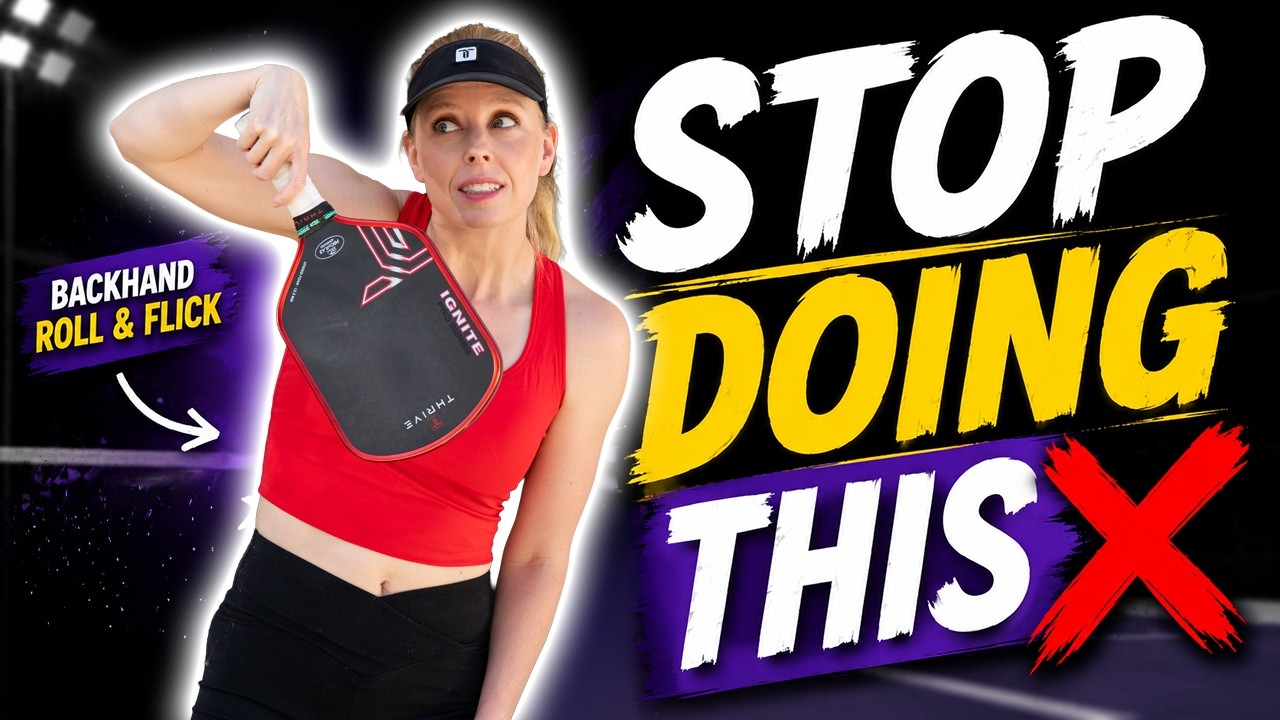
Backhand Flick Pickleball: Flick vs. Roll Explained
Stop blending your backhand shots into one confused motion. Discover how to execute a clean backhand flick pickleball shot, adjust your body mechanics, and confidently choose the right attack to win more points.
 The Dink PickleballThe Dink Media Team
Assume Speed-Up, Not Dink
Here's the mindset shift that changes everything at the kitchen line: treat every ball as a potential speed-up first, a dink second.
If you go into each rally thinking "this is probably a dink," your feet stop moving and your paddle drops. When a high ball comes, you're already behind.But if you go in hunting, your feet are active and your paddle is ready. If the ball bounces, your paddle is still in the right place.
There is no downside to that approach.This hunting mindset is also what makes the pickleball flick so hard to read.
When everyone on both sides of the net is expecting pace, the point becomes a reaction game and the person who moves first wins.
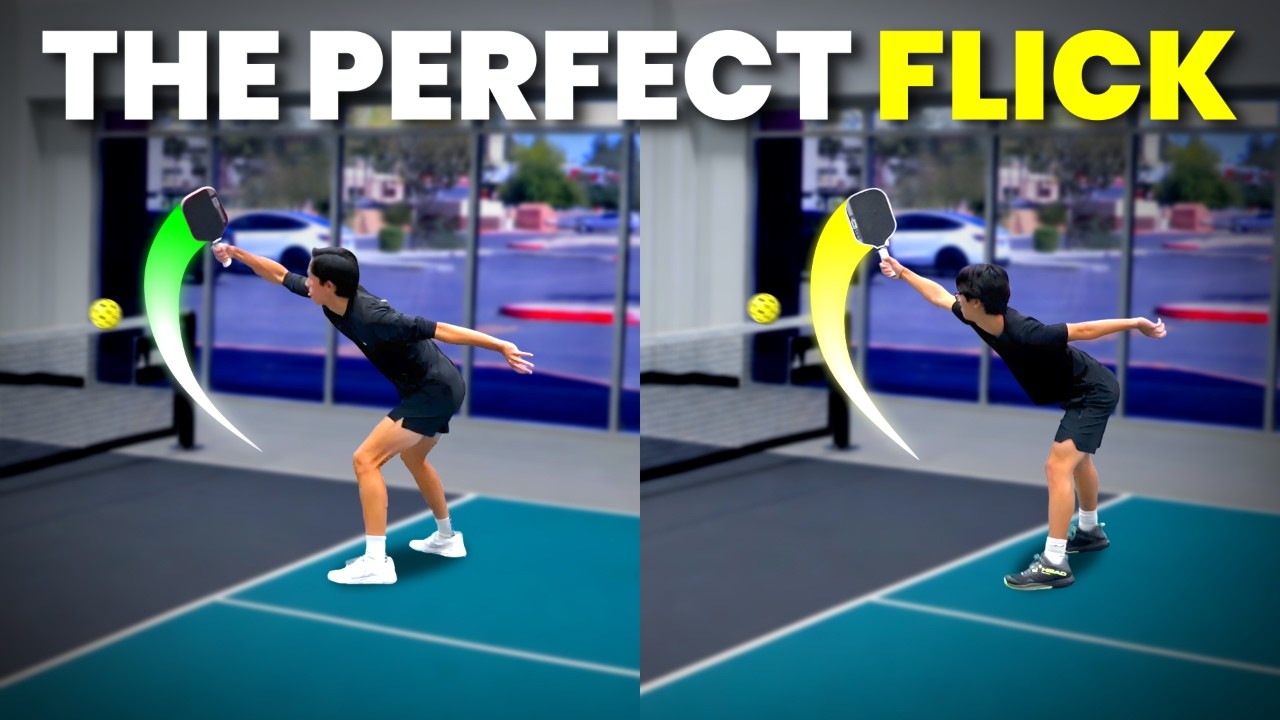
Master the Pickleball Flick: Complete Technique Guide
The pickleball flick is one of the most effective attacking shots in the game, allowing you to generate topspin and catch opponents off guard. Master both backhand and forehand variations with this comprehensive technique breakdown.
 The Dink PickleballThe Dink Media Team
Flick vs. Poke vs. Roll: What's the Difference?
These three shots are often lumped together, but they each have a specific use depending on where the ball is when it reaches you.
The flick uses wrist snap. The ball is in a position where you can accelerate through it with a quick wrist move.
It's deceptive because the backswing is nearly invisible.The poke is a shoulder move. You push the paddle forward without much wrist involvement. It's lower risk and still surprises opponents, especially cross court.
If you have limited wrist strength, the poke may actually be your better weapon.
The roll also comes from the shoulder, but it's used when the ball is lower. You lift through contact and create topspin to bring the ball down.
The roll is about trajectory management when you can't attack flat.
Knowing which one to use in the moment comes from reading ball height and position. When the ball is at mid height or higher, a flick or poke is usually on.
When the ball is below the net, a roll can still create pressure without going into the net.For more on reading when to attack versus reset, this breakdown of 3 speed-up patterns every 5.0 player uses is worth your time.
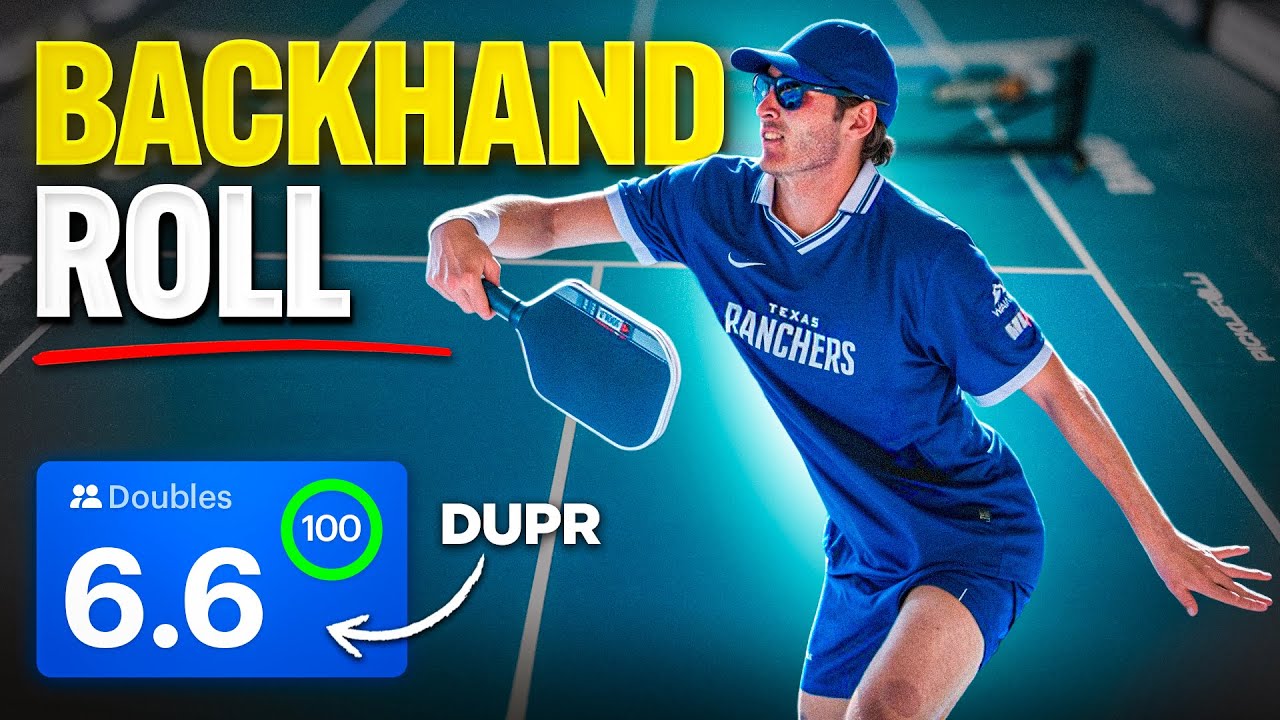
Master the Backhand Roll in Pickleball
This guide covers the exact form, positioning, and deceptive variations that make the backhand roll one of the most effective kitchen line attacks in modern pickleball.
 The Dink PickleballThe Dink Media Team
The Grip Pressure Rule That Ties It All Together
Every one of these shots, the pickleball flick, the poke, the roll, and the volley dink underneath them all, requires the right grip pressure.
The analogy that makes this click: you're holding a baby bird. It can fly. You don't want it to escape, but you also cannot crush it.That's your grip pressure on every single shot.
When you grip too tight, you lose the whip.
The wrist can't snap freely and the poke turns into a block. The whole point of these shots is that pickleball is a whip effect.You can't whip anything with a locked hand.
Loosening your grip also improves your counters. When a hard ball comes at you, a tight grip magnifies the pace and sends it out.
A relaxed grip absorbs and redirects.
This is closely related to why players pop the ball up at the kitchen.
Read about why you keep popping the ball up in pickleball to see how grip pressure plays into unforced errors.
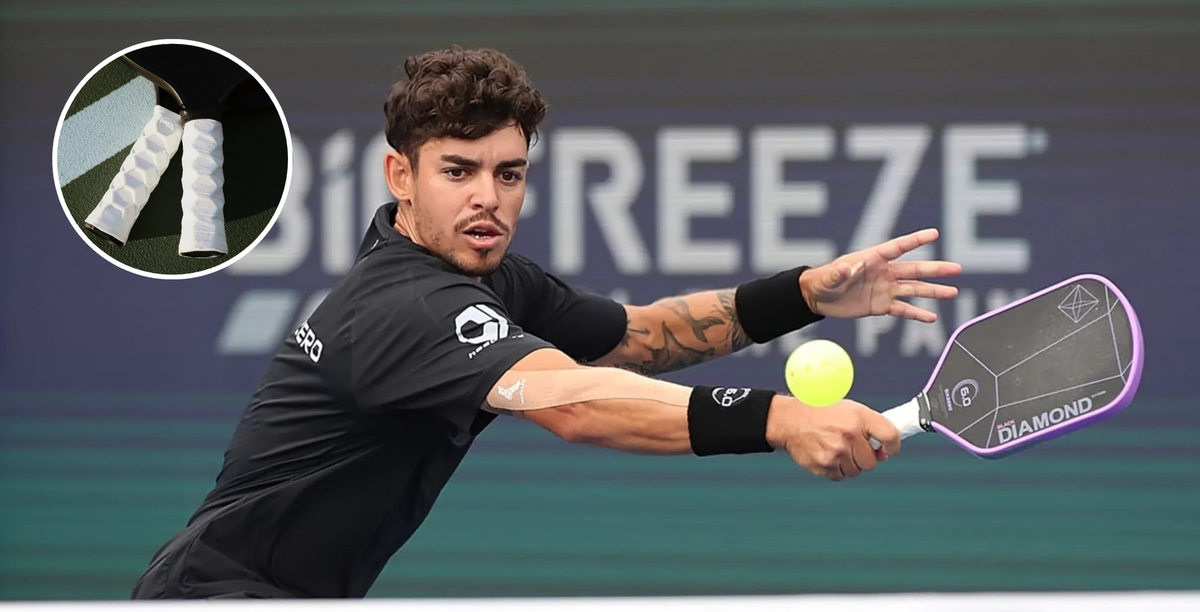
This Pickleball Grip Is Changing the Game (and the Pros Agree)
A growing group of players are realizing it’s not just about what you wrap over your handle. It’s about what you place under it.
 The Dink PickleballLuke Burton
A Simple Progression to Build the Flick the Right Way
Here's the order to follow. Don't skip ahead.
- Build the volley dink first. Get comfortable taking balls out of the air in dinking rallies. Make it automatic. Your setup position should feel natural and consistent before you add any variation.
- Practice the compact finish. After every volley, reset the paddle back to the cone of power. Don't let it drift. Do this until the reset is as automatic as the shot itself.
- Add the flick from the same setup. The only thing changing is the last moment of contact. Same stance, same arm, same position. Just a wrist snap at the end. Keep the swing small.
- Drill the counter position simultaneously. Every time you flick in practice, your partner fires the ball back. You have to be ready. This forces you to keep the paddle recovery tight.
- Shift your mindset to hunt mode. In live play, go into every rally assuming you're going to speed up. Let your feet and paddle stay active. Dink when you have to, attack when you can.
If you want to see how this fits into the broader context of your kitchen game, these 5 keys to pickleball defense mastery cover what happens when the flick comes back at you.
And if your forehand is lagging behind your backhand at the kitchen, look at why your forehand dink keeps getting attacked for specific fixes.
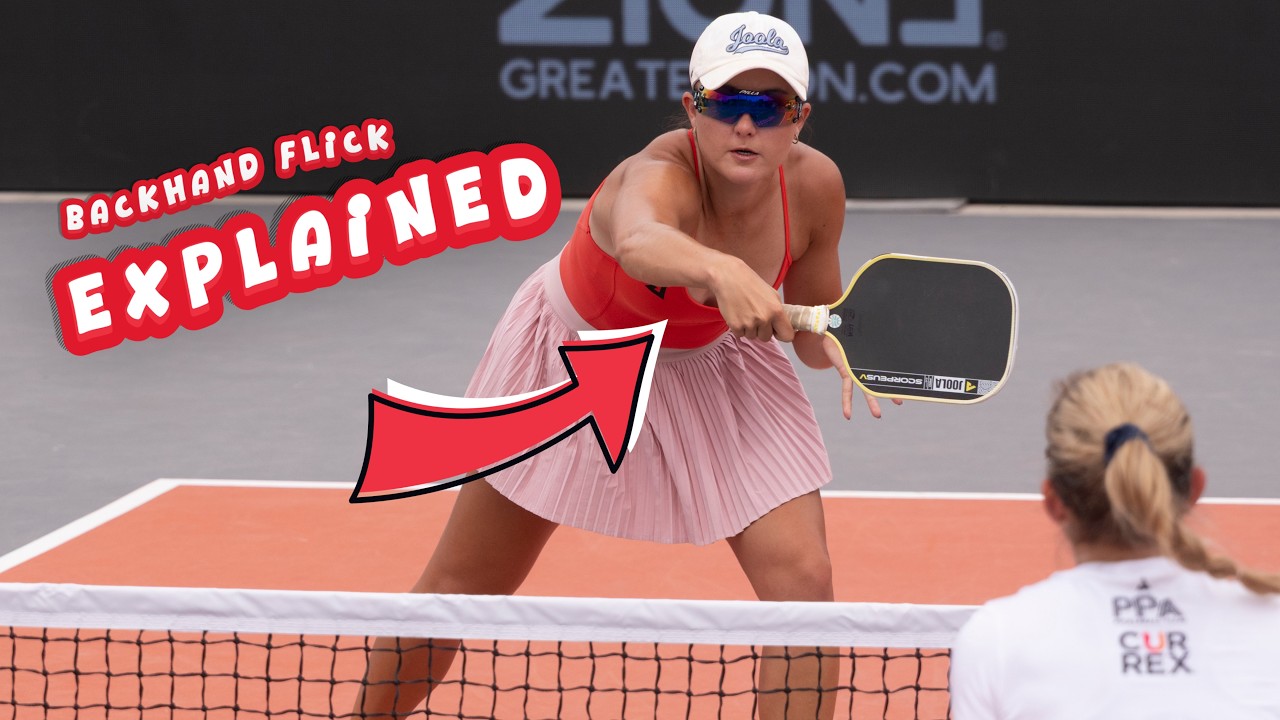
How to Develop a Backhand Flick in Pickleball
Anna Bright went from zero one-handed ability to developing one of the best backhand flicks in women’s pickleball. Here’s exactly how she did it and how you can too.
 The Dink PickleballThe Dink Media Team
The Cross Court Misdirect
One of the most effective versions of the poke is the cross court misdirect.
When you're in a cross court dinking pattern and your opponent expects the next ball to go back the same direction, a quick poke up the line or into the middle creates instant confusion.It works because the setup looks identical to your standard dink. There's no backswing to telegraph it.
The shoulder initiates and the ball goes somewhere unexpected.For more on winning the cross court battle, this breakdown of one cross court dinking tip that stops opponents cold goes deeper into the angles and timing involved.
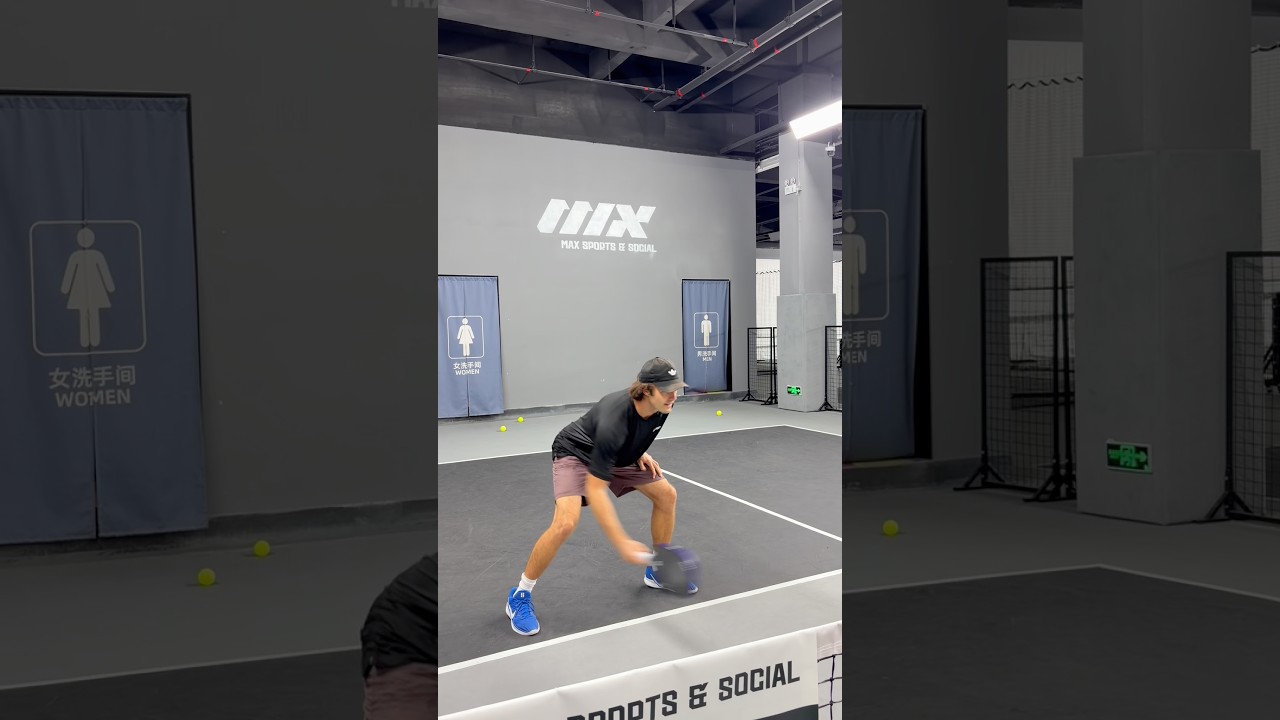
How to Hit a Crosscourt Dink in Pickleball
The crosscourt dink is one of pickleball’s most versatile shots, and mastering it requires understanding paddle positioning and footwork fundamentals. Learn the exact technique used by top players to control the net and dominate rallies.
 The Dink PickleballThe Dink Media Team
What Happens When You Skip the Foundation
Players who try to learn the flick without the volley dink foundation tend to over swing.
They take a big backswing to generate power, and the motion becomes readable from three feet away.They also leave the paddle in the wrong place after contact. The flick ends wide or low, and when the return comes, they take it to the chest or the face.
The volley dink teaches you the small, controlled movement that makes everything else possible. You cannot get there any other way. Build the base first.The flick will come.
If you want to understand how habits at the kitchen line signal your level to every opponent, this look at 7 pickleball habits that show your level instantly is worth reading alongside this progression.
💡
Heads up: hundreds of thousands of pickleballers read our free newsletter.
Subscribe herefor cutting edge strategy, insider news, pro analysis, the latest product innovations and more.
Frequently Asked Questions
What is a pickleball flick and when should I use it?
The pickleball flick is a quick wrist-driven speed-up from the kitchen line, used to attack a ball that is at or above net height during a dinking exchange. It works because the setup looks identical to a standard volley dink until the moment of contact. Use it when your opponent gives you a ball that sits up and you want to change the pace before they can reset.
Why can't I just learn the flick without practicing the volley dink?
The flick and the volley dink share the same setup position, and the deception of the flick depends entirely on that shared setup. Without a consistent volley dink, your body doesn't know where to be, and the flick becomes a big telegraphed swing instead of a subtle acceleration. You have to own A before you can get to C.
What is the difference between a flick, a poke, and a roll in pickleball?
The flick is wrist-driven and works best when the ball is at a attackable height. The poke is a shoulder-driven push that redirects the ball with less wrist involvement, making it a reliable option for players with limited wrist strength. The roll is also shoulder-driven but creates topspin lift, used when the ball is lower and you need to bring a flatter trajectory down into the court.
How do I stop getting hit in the face when my flick comes back?
The fix is keeping your swing compact and resetting your paddle back to the cone of power immediately after contact. Most players get hit because they finish the flick wide or low and never recover before the counter arrives. Practice the flick in drills where your partner fires the ball straight back so you're forced to develop the reset habit.
What grip pressure should I use when hitting a flick?
Your grip should be relaxed enough to generate a whip effect through the wrist snap but firm enough to control the paddle face at contact. The baby bird analogy holds: tight enough that it doesn't fly away, loose enough that you're not crushing it. A tight grip kills the wrist speed that makes the flick effective.
Anuncie Aqui / Advertise Here
Sua marca para o mundo Pickleball! / Your brand for the Pickleball world!





 English (US) ·
  Portuguese (BR) ·