
 English
  Spanish
  Portuguese
  German
  Italian
  Japanese
  French
  Polish
  Russian
  Netherlands
  Hungarian
  Turkish
  Videos
  Thedink Pickleball

The 3rd shot pickleball play is the most important shot you'll hit on every single rally. This step-by-step guide breaks down the mechanics, common mistakes, and drills to help 3.0 to 4.0 players master it fast.
The 3rd shot pickleball is the single shot separating recreational players from competitive ones.
It's not the flashiest thing on the court. But ask any 4.5+ player what unlocked their game, and the third shot drop comes up almost every time.
Here's the thing: most 3.0 to 4.0 players know they need a better drop. They just don't know why theirs keeps floating into a killshot. That's what this guide fixes.
Love pickleball? Then you'll love our free newsletter. We send the latest news, tips, and highlights for free each week.
What Is the Third Shot Drop in Pickleball?
The third shot drop is a soft, arcing shot hit from the baseline, usually by the serving team, that lands in or just past the kitchen (the non-volley zone).
The goal isn't a winner. The goal is neutralization. You're taking pace off the rally and buying time to advance to the kitchen line.
The name comes from shot sequencing:
- Serve is 1.
- Return is 2.
- The drop is 3.
Simple enough. But executing it is a different story.
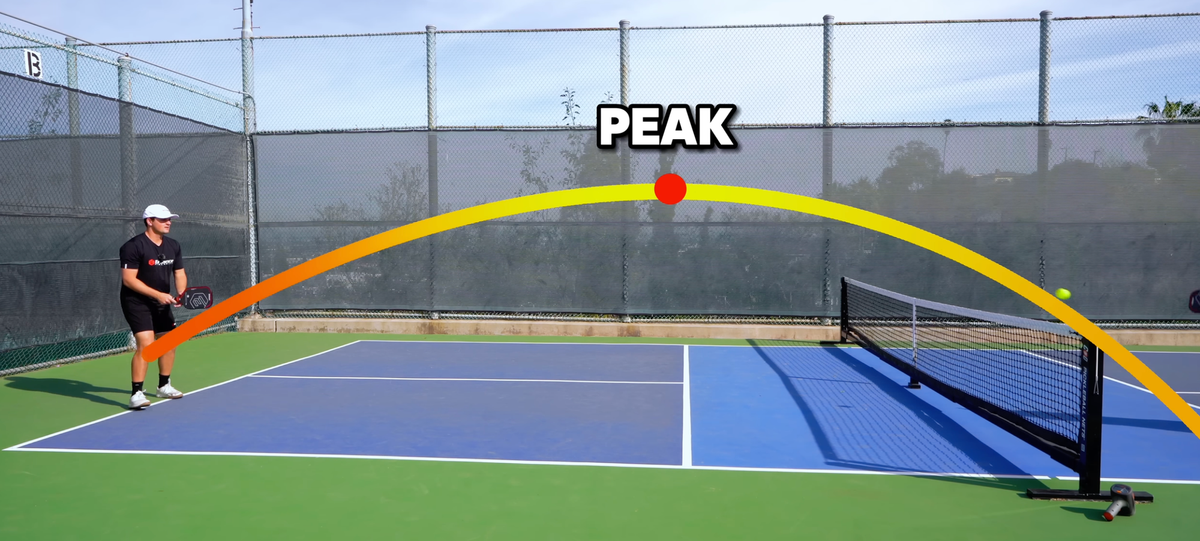
A proper third shot drop should peak above the net on your side and land in a trajectory that forces your opponent to hit upward, removing their ability to attack.
When the ball dips below net level on their side, they have no angle to drive. That's the kill switch on their offense.
Understanding this geometry is the first step.
USA Pickleball's official rulebook defines the non-volley zone as the 7-foot area on each side of the net, your target zone on nearly every 3rd shot.
Why Does the 3rd Shot Pickleball Drop Matter So Much?
The serving team starts the rally at a major disadvantage. They're pinned at the baseline.
The returning team gets to camp at the kitchen line, where the best pickleball positioning gives them full offensive range.
Without a quality drop, your options from the baseline are bad. You can drive the ball and hope your opponent pops it up, but at 3.5 and above, that's not a good bet.
Research from the Journal of Sports Sciences consistently shows that in net-dominant racquet sports, the team controlling the net wins the exchange at a significantly higher rate.
The 3rd shot drop is your reset button. Hit it well and you're walking forward.
Miss it and you're stuck at the baseline, playing defense, watching your opponent set up an attack.
Every doubles pickleball strategy worth its salt starts with the third shot.
Science-Backed Method to Hit the Perfect Third Shot Drop
The third shot drop isn’t magic; it’s mechanics. Get the science right, and suddenly that impossible shot becomes far more manageable.
 The Dink PickleballThe Dink Media Team
The Step-by-Step Mechanics of a Third Shot Drop
Step 1: Start with the Right Grip
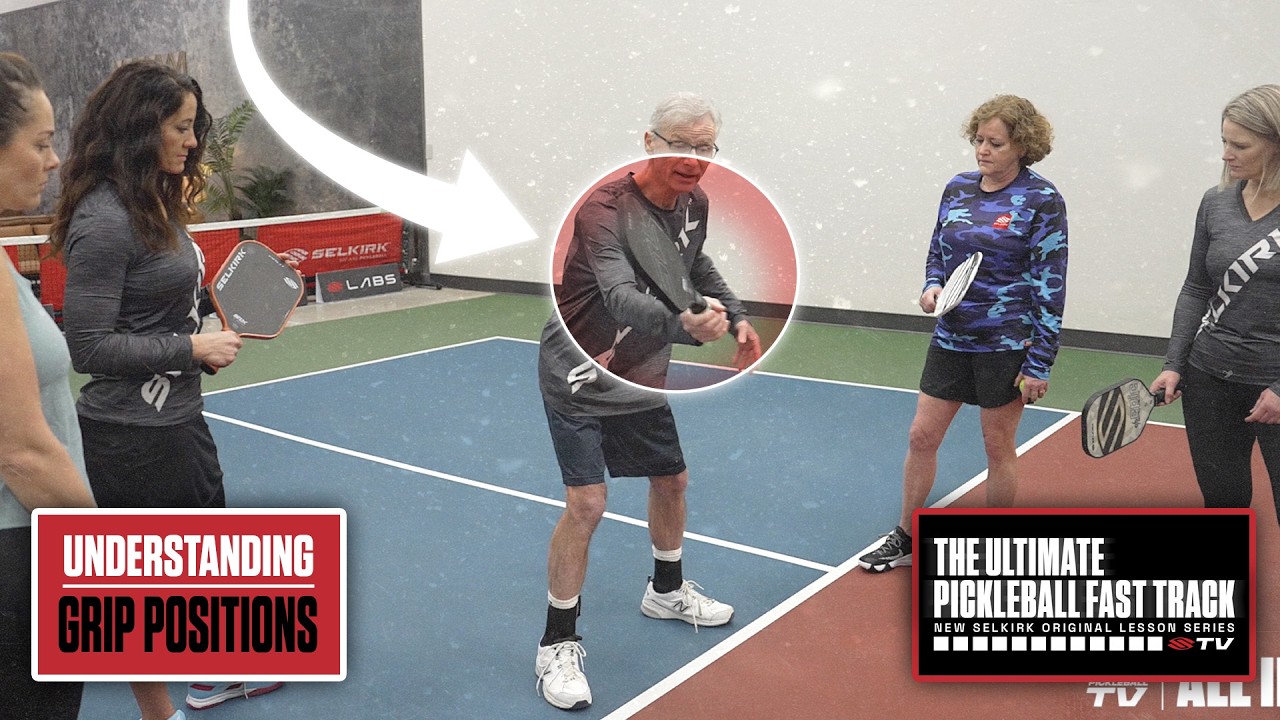
Use a continental or relaxed eastern grip, not a full western or heavy topspin grip. You want feel, not power. Grip pressure should be around a 3 out of 10.
Squeezing the paddle kills touch. A relaxed grip lets the ball settle into the face and come off soft.
Paddle grip pressure is one of the most overlooked fundamentals in pickleball, and it shows up first in the drop.
Pickleball Grip: The Foundation of Faster Hands
Your pickleball grip is the foundation of everything that happens on the court. Get it right, and you’ll move faster, hit harder, and control the ball with confidence.
The Dink PickleballThe Dink Media Team
Step 2: Get Your Feet Set Early
Good drops start before you swing. Catch yourself out of position and you're swinging on the run, which means inconsistency.
Split step when the return comes off your opponent's paddle. Establish a wide base, slight knee bend, weight forward.
Pickleball footwork isn't glamorous content, but it's load-bearing. You can't hit a drop from your heels.
💡
Need some new pickleball gear? Get 20% off select paddles, shoes, and more with code THEDINK at
Midwest Racquet SportsStep 3: Use a Compact, Low-to-High Swing
The classic mistake is the big backswing. You're not trying to drive the ball.
Take the paddle low, below the ball, and swing through it with a smooth upward motion.
The trajectory is everything: low to high, soft contact, the ball arcs and falls into the kitchen.
Think of it like tossing a tennis ball underhanded into a trash can 20 feet away. You don't muscle it. You float it.
Heads up: hundreds of thousands of pickleballers read our free newsletter. Subscribe here for cutting edge strategy, insider news, pro analysis, the latest product innovations and more.
Step 4: Contact Point and Follow-Through
Contact should happen out in front of your body, with the paddle face slightly open (angled toward the sky). A closed face drives; an open face drops.
Follow through toward your target. Don't pull the paddle back early, that's what causes the ball to die into the net.
Step 5: Move Forward Immediately
This is where the shot lives or dies. Hit the drop and go. Don't watch the ball, move. The third shot is only useful if it buys you time to advance to the kitchen.
If you're standing flat-footed at the baseline admiring your drop, you've wasted the shot.
Kitchen line transition is the other half of the equation.
Simplifying the Third Shot Drop: Fix These 5 Common Mistakes
The third shot drop becomes consistent when players stop overthinking mechanics and focus on smart positioning and progression
The Dink PickleballThe Dink Media Team
The Biggest 3rd Shot Pickleball Mistakes (And How to Fix Them)
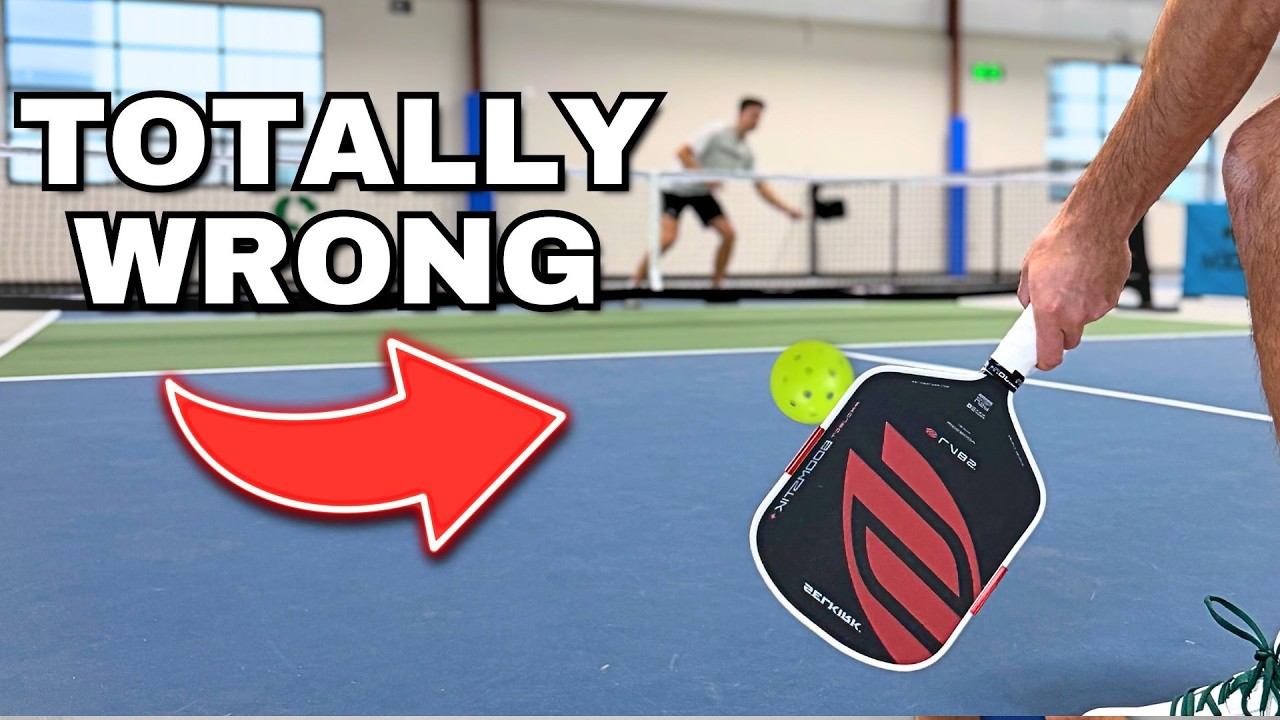
Floating too high. The ball lands in the transition zone instead of the kitchen. Fix: think kitchen line as your target, not the kitchen itself.
Aim deeper into the NVZ.
Dropping into the net. Usually a grip pressure issue or early pull-back. Fix: softer grip, full follow-through.
Not moving forward after the drop. The most tactical mistake at 3.5 and below. Fix: build the habit in drilling.
Every drop = take two steps forward. Every time.Trying to drop from a bad position. If the return lands at your feet or you're moving backward, a drive may be smarter.
The drive vs. drop decision is a real tactical conversation, don't drop for the sake of dropping.
Simplifying the Third Shot Drop: Fix These 5 Common Mistakes
The third shot drop becomes consistent when players stop overthinking mechanics and focus on smart positioning and progression
The Dink PickleballThe Dink Media Team
How to Practice Your 3rd Shot Drop: Drills That Work
The Solo Feed Drill
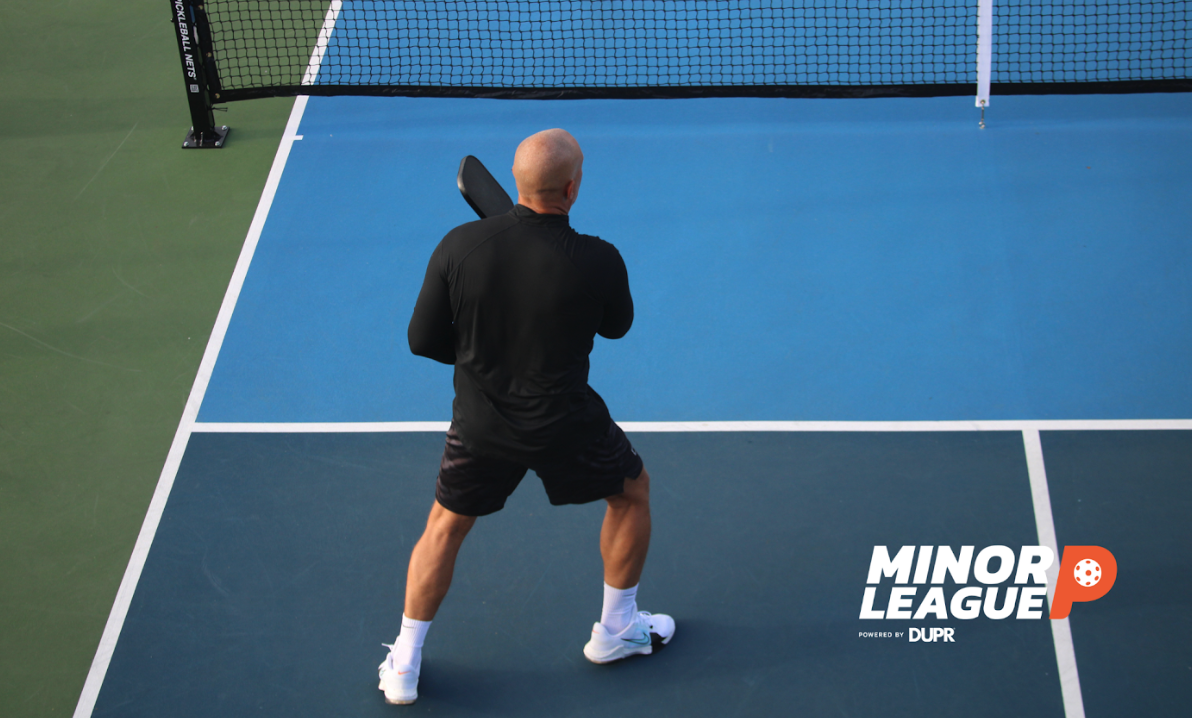
Stand at the baseline. Feed yourself a ball from a basket, let it bounce, and drop it into the kitchen. No partner needed.
Do 50 reps focused entirely on arc and landing zone, not placement left or right. Just get it in the kitchen consistently.
This is the foundational solo pickleball drill that pros still use for warmup.
How to Practice Pickleball Alone: 7 Solo Drills
Learning how to practice pickleball alone is one of the fastest ways to close the gap between where your game is and where you want it to be. These 7 solo drills target the shots and movement patterns that actually matter during live play.
The Dink PickleballThe Dink Media Team
The Live Drop + Advance Drill
Have a partner stand at the kitchen and feed returns to you at the baseline. You drop, they let it bounce, and give you real-time feedback on height and depth.
The key metric is: could they have attacked that ball? If no, it was a good drop.
Add the transition, drop and advance, find your kitchen position, start a dink rally. This is the full pattern in live game form.
The Target Drop Drill
Place a cone or small target in the middle of the kitchen. Hit 10 drops, count how many land within paddle-length of the target.
Work to get 6 out of 10, then 8. Precision beats power every time with the third shot drop.
New to Pickleball Drilling? Try This Simple 45-Minute Practice Plan
Before you start drilling, decide which skills matter most to you right now. Intentionality is what separates productive practice from just hitting balls around.
The Dink PickleballThe Dink Media Team

When to Use a Drive Instead of a 3rd Shot Drop
Not every third shot should be a drop. Knowing when to drive is part of becoming a complete player.
Drive when:
- The return lands short and you're inside the baseline
- Your opponent is out of position at the kitchen
- You're tired and the drop mechanics aren't there
- You need to mix it up and prevent predictability
The third shot drive can be a legitimate weapon, especially against weaker blockers. But it should be a decision, not a default.
The default for a 3.0 to 4.0 player grinding for improvement? Drop first. Get to the kitchen. Then attack.
3 Tips to Stop Missing Your Third Shot Drop
When you can switch between different types of drops, you keep your opponent off balance and force them to stay honest at the net. Advantage: you.
The Dink PickleballThe Dink Media Team

Key Takeaways
- The 3rd shot pickleball drop is the serving team's primary neutralization tool, it resets the advantage the returning team earns from the baseline
- Correct mechanics: relaxed grip, low-to-high swing, open paddle face, contact out front, full follow-through
- The most common mistakes are floating too high, dropping into the net, and not advancing after the shot
- Drilling 50+ drops per session builds the muscle memory needed for match consistency
- The third shot drop pairs with kitchen line movement, it's useless without the transition
- Choose to drive when the return sets you up offensively; otherwise, default to the drop
💡
Heads up: hundreds of thousands of pickleballers read our free newsletter.
Subscribe herefor cutting edge strategy, insider news, pro analysis, the latest product innovations and more.
Frequently Asked Questions
What is the 3rd shot in pickleball?
The 3rd shot in pickleball is the shot hit by the serving team after the serve (shot 1) and the return (shot 2). It's typically a third shot drop, a soft, arcing shot aimed at the non-volley zone, designed to neutralize the returning team's net advantage and allow the serving team to advance to the kitchen line. USA Pickleball's rules govern the NVZ, the target area for this shot.
Why do I keep hitting my 3rd shot pickleball drop into the net?
Two main culprits: too much grip pressure and an early pull-back on the follow-through. Tighten either of those and the ball clips the net. Focus on a relaxed 3-out-of-10 grip and a full, upward follow-through that stays on the ball through contact. If it keeps going into the net, you're also probably swinging level instead of low-to-high.
When should I drive instead of doing a third shot drop?
Drive when the return lands short (inside the baseline), when your opponent is off the kitchen line, or when your drop mechanics are breaking down under pressure. The drive vs. drop decision should be tactical, not random. If you're between 3.0 and 4.0, your default should still be the drop while you build consistency.
How long does it take to develop a consistent 3rd shot drop?
Most players see meaningful improvement in 4 to 6 weeks of dedicated practice, meaning at least 50 drops per session, multiple times a week. According to sports skill acquisition research, deliberate repetition of a specific motor pattern is the fastest path to consistency. The drop is a motor skill. It requires repetition, not just understanding.
Does the third shot drop work the same in singles pickleball?
The same mechanics apply, but the tactical context shifts. In singles pickleball, court coverage is your responsibility alone, so a failed drop leaves more court exposed than in doubles. Some singles players favor the drive more because the angles to exploit are different. But a quality drop still neutralizes the opponent's net position, the physics don't change.
Anuncie Aqui / Advertise Here
Sua marca para o mundo Pickleball! / Your brand for the Pickleball world!





 English (US) ·
  Portuguese (BR) ·