
 English
  Spanish
  Portuguese
  German
  Italian
  Japanese
  French
  Polish
  Russian
  Netherlands
  Hungarian
  Turkish
  Videos
  The Pickler

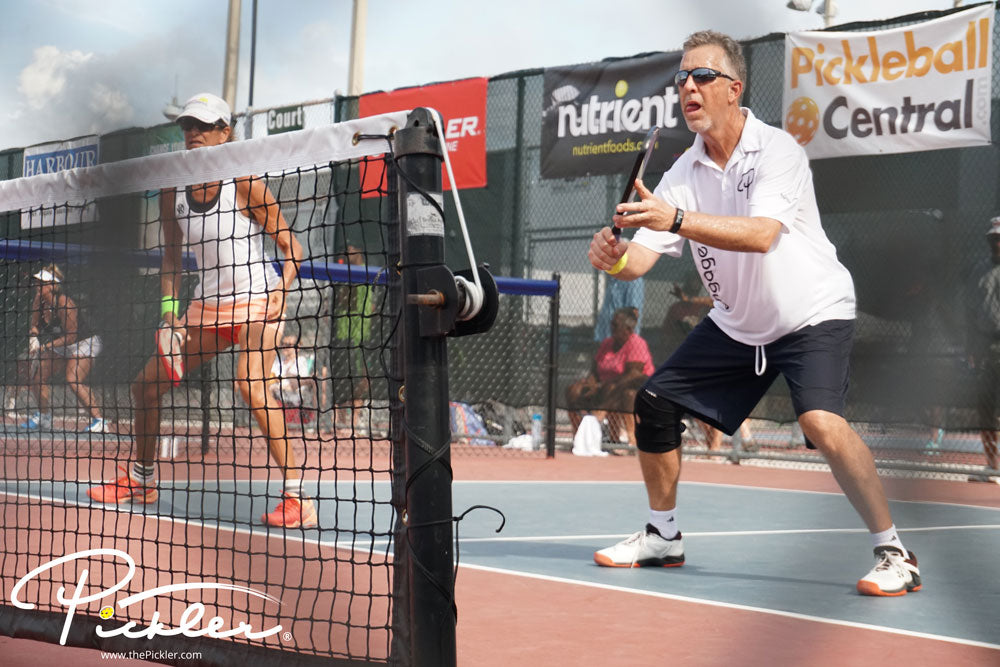
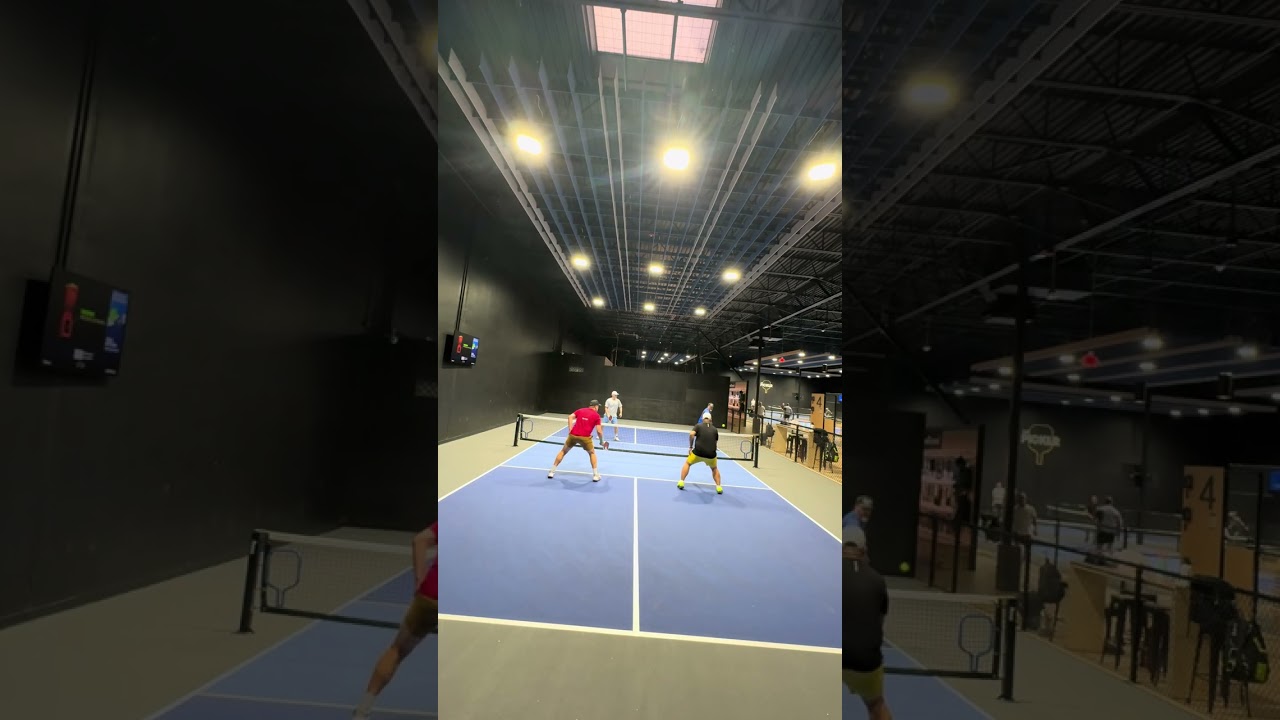
Doubles pickleball isn’t just singles with a partner standing nearby. It’s a game of positioning, teamwork, patterns, and shared decision-making. While most players understand the fundamentals, there are a few strategic habits that can prevent doubles teams from reaching their full potential.
The good news? Small adjustments often lead to big improvements. By recognizing a few common pitfalls and making intentional changes, teams can become more consistent, confident, and effective on the court.
Let’s look at some of the habits that set strong doubles teams apart.
1. They Play as a Team, Not Two Individuals
One of the most common challenges in doubles is when partners begin operating as two individuals rather than a unit. This can show up as both players chasing the same ball, forcing aggressive shots from difficult positions, or hesitating on balls down the middle.
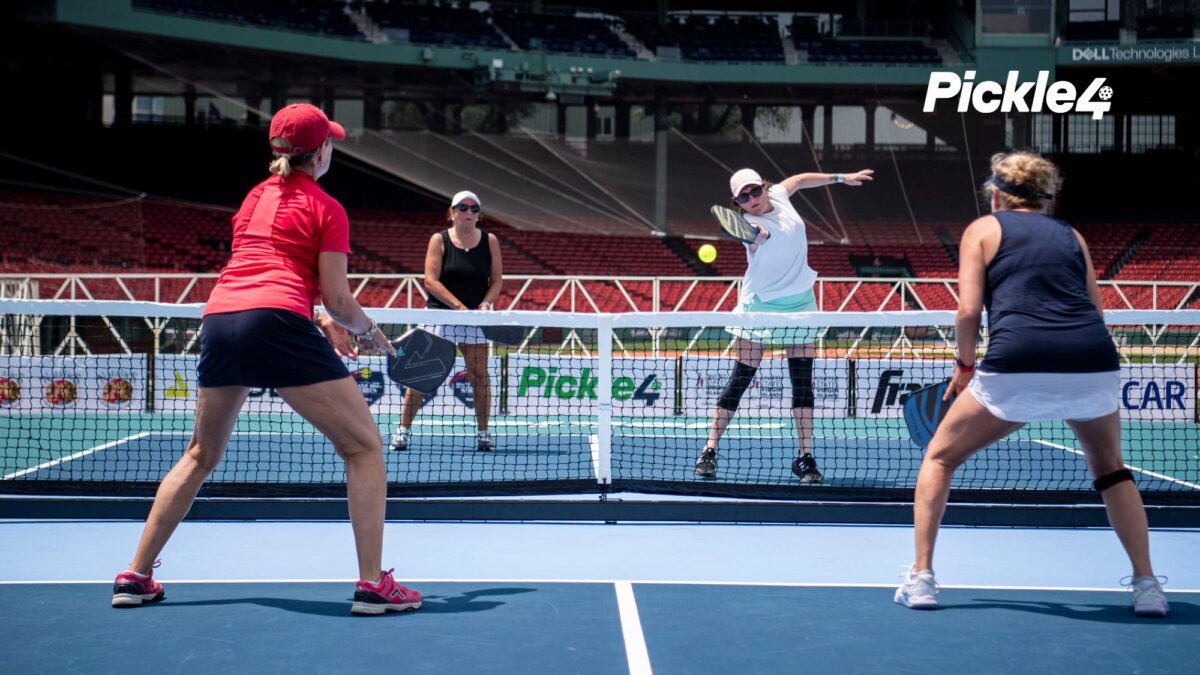
Strong doubles teams establish clear responsibilities, trust each other to cover their areas, and communicate expectations before problems arise. When poaching, switching, or taking a middle ball, those decisions are intentional, not reactive.
Discuss responsibilities between points and develop simple guidelines for middle balls, speedups, and poaches. The more clarity you create, the more confidently both players can play.
2. They Move to the Kitchen Together
Few positioning mistakes create more opportunities for opponents than having one player at the non-volley zone line while their partner remains several steps behind.
Successful doubles teams move as a unit. When one player advances, the other advances as well. Staying connected limits open space, improves court coverage, and helps both players defend attacks more effectively.
Players often feel safer lingering in the transition zone, but that extra space frequently gives opponents greater control of the point.
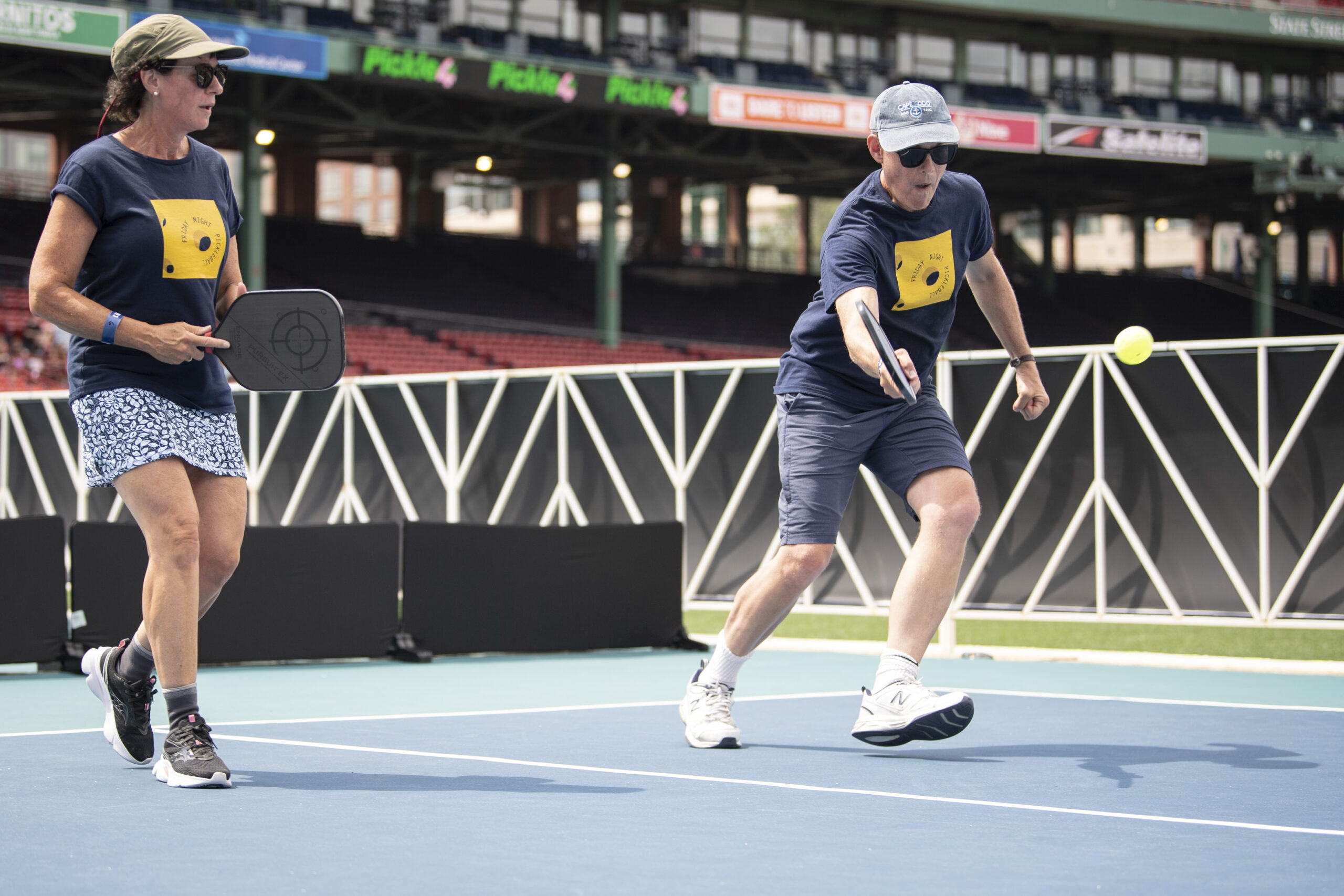
Treat the transition zone as a temporary stop. Work your way forward together and prioritize establishing a strong, connected position at the kitchen line.
3. They Choose the Right Balls to Attack
Aggressive play is important, but not every ball is designed to be attacked.
Strong doubles teams look for the right opportunities, balls that are high enough, slow enough, and comfortably in front of them. Their goal is not always to hit a winner. Often, they are applying pressure and creating a weaker return that sets up the next shot.
Be patient. If a ball doesn’t clearly give you an advantage, reset the point and continue building toward a better opportunity.
4. They Dink With Purpose
Dinking is much more than simply keeping the ball in play. The best teams use dinks strategically to move opponents, create openings, and set up future attacks.
Crosscourt dinks create margin and stretch the court. Direction changes can force uncomfortable reaches or pull opponents out of position. Every dink should contribute to a larger objective.
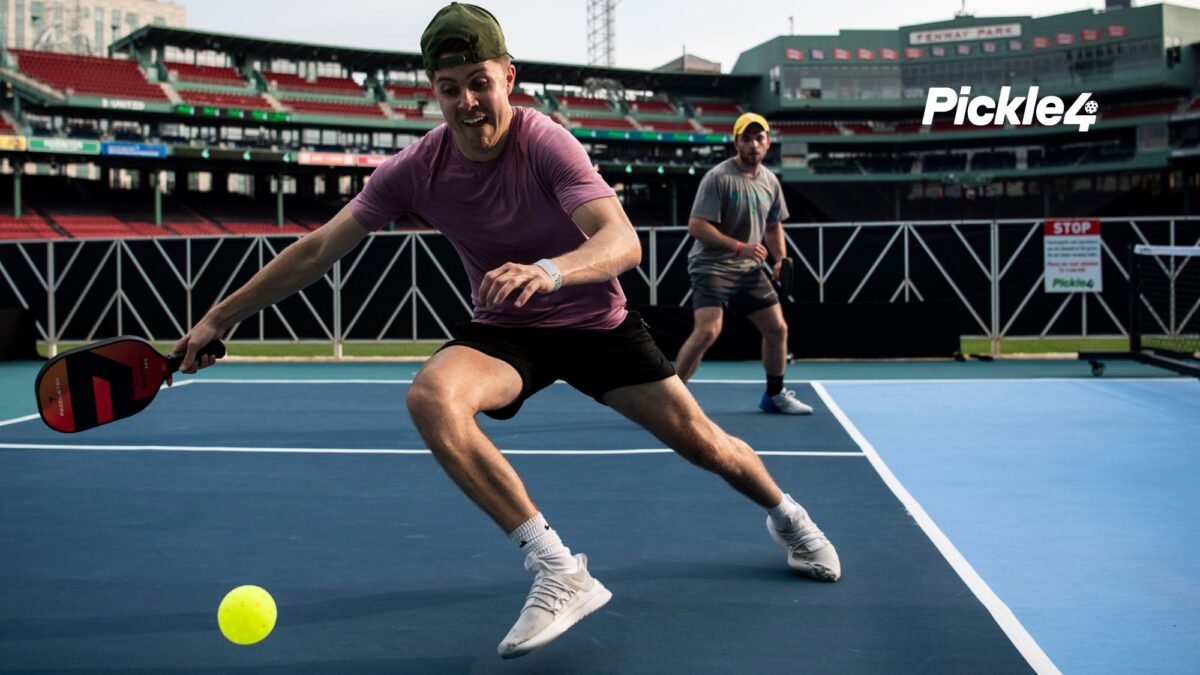
Start paying attention to your patterns. Ask yourself not only where you’re hitting the ball, but what you’re trying to accomplish with it.
5. They Defend as a Team
Defense in doubles is a partnership skill.
When teams face pressure, it’s easy to focus solely on surviving the next shot. However, the most effective defensive teams stay connected, reset together, and recognize when they’ve neutralized the attack and can regain court position.
When one player is scrambling while the other remains stationary, opponents often find another opportunity to attack.
Under pressure, focus first on returning the rally to neutral. Stay connected to your partner and work together to regain control of the point.
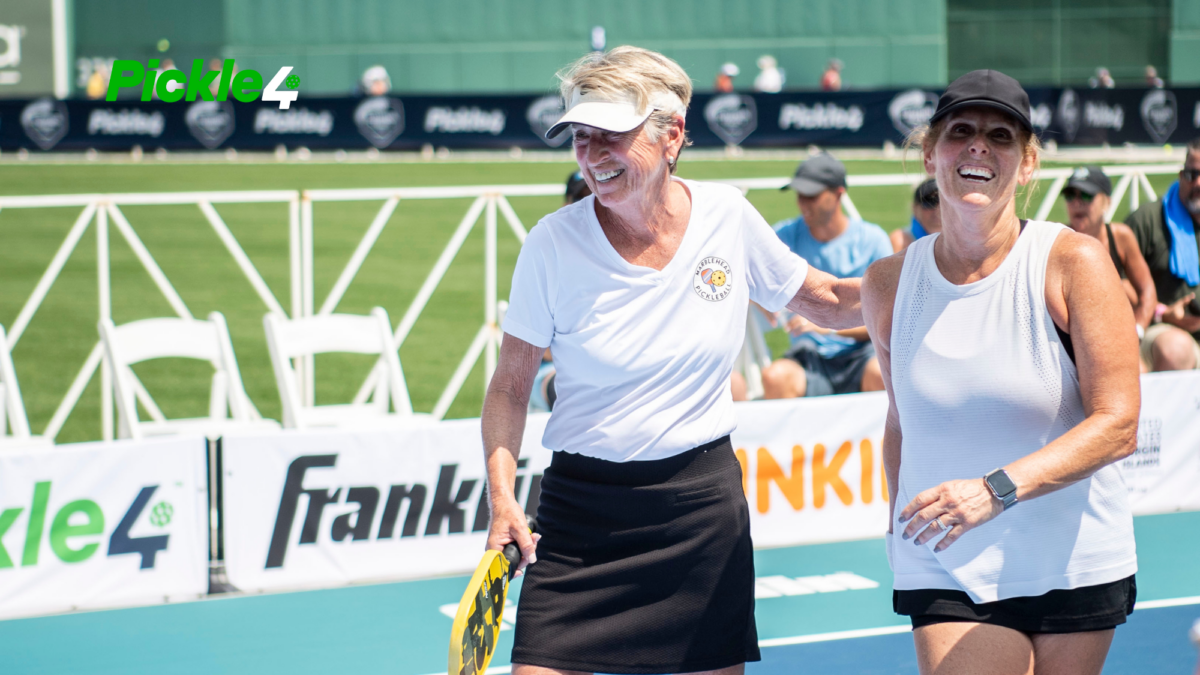
6. They Make Adjustments Throughout the Match
One of the biggest differences between good doubles teams and highly successful teams is their ability to adapt.
Successful teams constantly gather information. Which opponent is being targeted? What patterns are creating opportunities? Which shots are producing errors? Small observations often lead to meaningful changes.
Take a moment between games, or even between points, to identify one adjustment you can make. Sometimes a simple change in serving location, return depth, or shot selection is enough to shift momentum.
The Doubles Team Takeaway
Great doubles pickleball isn’t built on highlight-reel winners. It’s built on positioning, teamwork, patience, and smart decisions made together.
The strongest teams stay connected, communicate clearly, and make consistent choices throughout a match. Those habits create opportunities to play with more confidence and control.
WANT MORE PICKLEBALL TIPS AND STRATEGIES?
Want to sharpen your decision-making skills on the pickleball court? Learn When to Drive or Drop Your Third Shot on the Pickleball Court.
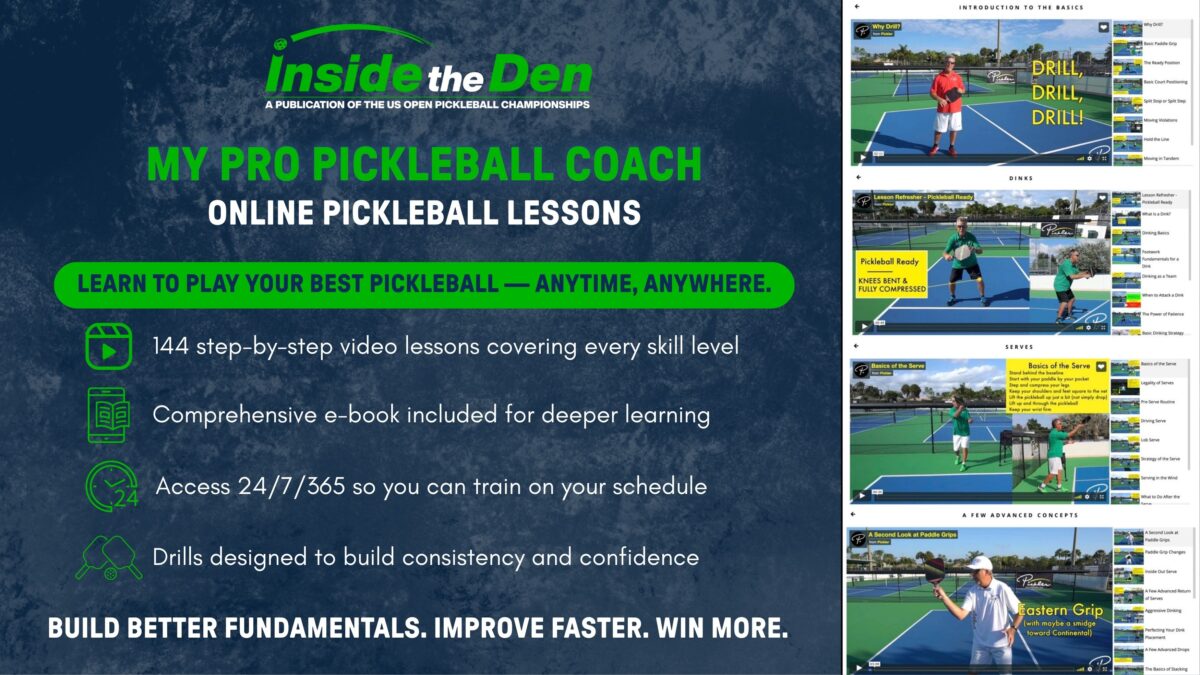
If you want more pickleball tips and strategies on every aspect of your pickleball game, check out Inside the Den’s online video lesson collection called My Pro Pickleball Coach. My Pro Pickleball Coach is a fraction of the price of one clinic or even one lesson, and features over 140 video lessons (over 7 hours of instruction!), as well as a corresponding e-book. These online video lessons are available on demand 24/7 and breakdown every aspect of the sport of pickleball, including pickleball drills, strategy, and advanced concepts, so you will play your best pickleball.
Anuncie Aqui / Advertise Here
Sua marca para o mundo Pickleball! / Your brand for the Pickleball world!






 English (US) ·
  Portuguese (BR) ·