
 English
  Spanish
  Portuguese
  German
  Italian
  Japanese
  French
  Polish
  Russian
  Netherlands
  Hungarian
  Turkish
  Videos
  Thedink Pickleball

Pickleball lob defense for seniors starts with the right footwork and body positioning, not speed. These five fixes will help you track down deep lobs and get the ball back every time.
A good lob lands and the point is over before you even start moving.
That is the reality for most senior players who have not built the right response habits for pickleball lob defense.The problem is almost never your speed. It is your read, your turn, and what you do with your body in the first two steps after the ball goes up.
This breakdown pulls from Cliff Pickleball on YouTube, covering the exact footwork patterns and positioning cues that help senior players chase down lobs without losing their balance or their point.
Love pickleball? Then you'll love our free newsletter. We send the latest news, tips, and highlights for free each week.
The Real Reason Lobs Beat Senior Players
It is not that older players are too slow. It is that they react to the ball instead of reading the shot before it happens.
By the time a pickleball lob clears your shoulder, you are already behind.
The players who defend well are reading the situation at the moment of contact, not after the ball is sailing over their head.
Speed matters less than positioning. And positioning starts with anticipation.How Do You Read a Lob Before It Happens?
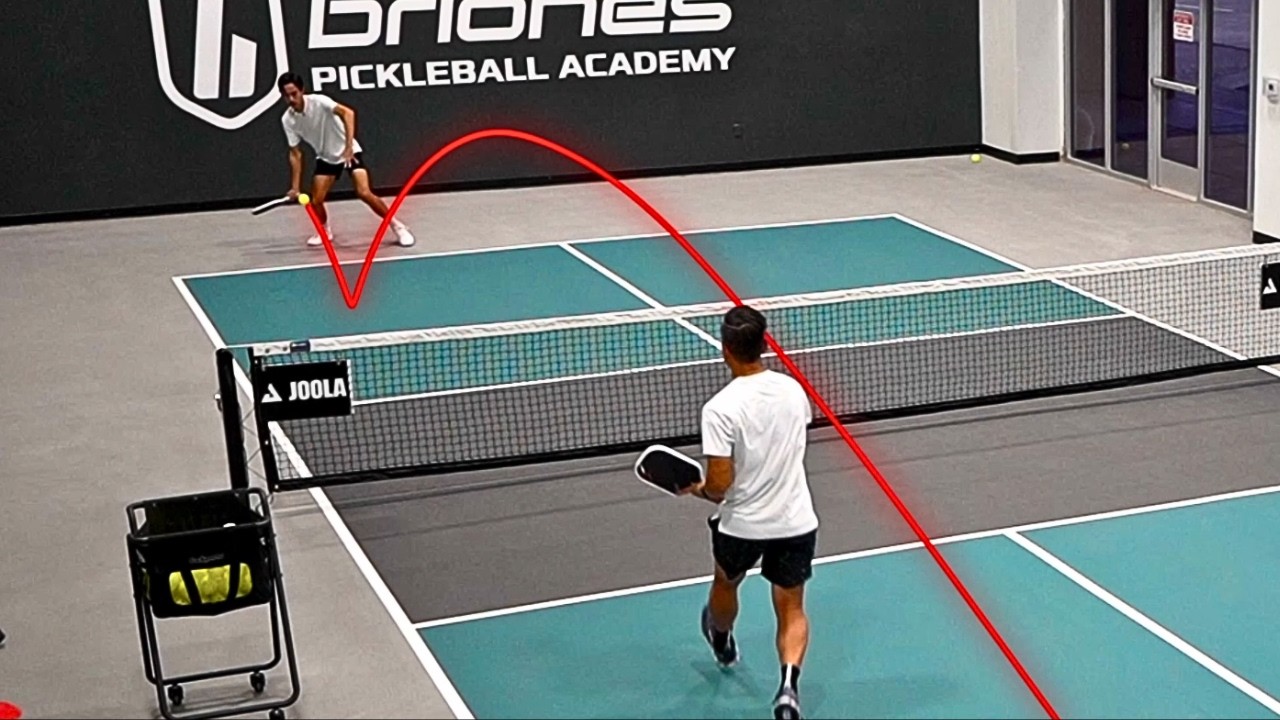
Watch the paddle face and point of contact. That is your clearest signal.
If your opponent is making contact underneath the ball with a lifting motion in front of their body, a lob is very likely coming.
A flatter, waist-height swing is a much stronger sign of a drive or a drop, which is why paddle preparation is such a reliable tell.This is the same anticipation that separates players stuck at one level from those who move up.
You can read more about those 4 signs a lob is coming in pickleball to sharpen the skill before you step on the court.
Half a second of early recognition is the whole game here.
It is the difference between reaching the ball comfortably and scrambling into a trip hazard.
💡
Need some new pickleball gear? Get 20% off select paddles, shoes, and more with code THEDINK at
Midwest Racquet SportsThe First Move Most Players Get Wrong
When the ball goes high, most players instinctively backpedal. That is exactly the wrong move.
Backpedaling is dangerous for any player, and especially for seniors. You cannot see the ball clearly when your chest is facing the kitchen.You also put yourself at serious risk of catching a heel and going down hard.
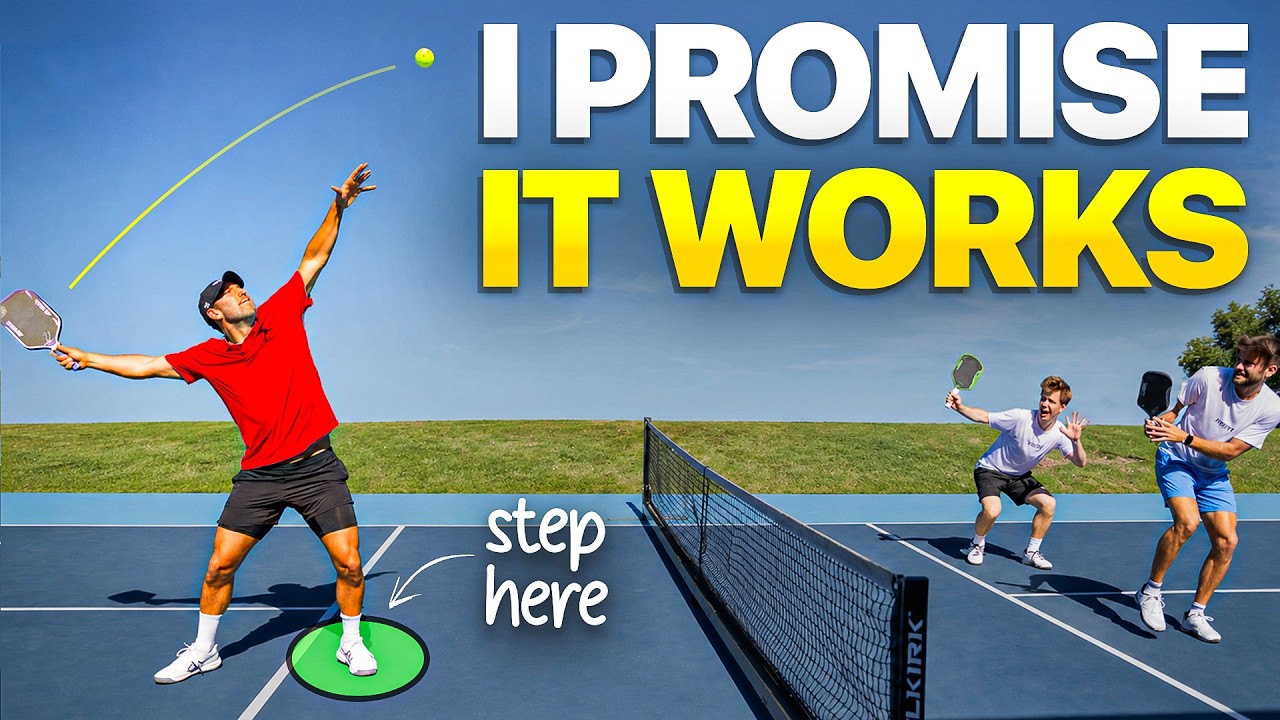
The correct first move is a 90-degree body turn. As soon as you recognize the lob, turn sideways so your shoulder is pointing toward the back fence.
Then run in a straight line toward where the ball is dropping.
Here is the simple sequence to drill into your muscle memory:
- Identify the lob early by watching the paddle and contact point.
- Turn your body sideways, 90 degrees to the court, immediately.
- Run laterally toward the ball while keeping your eyes on it the whole time.
- Let the ball bounce unless you have a clean overhead opportunity.
- Make contact under the ball at roughly knee height and lob it back.
That sequence is the foundation. Everything else builds on it.
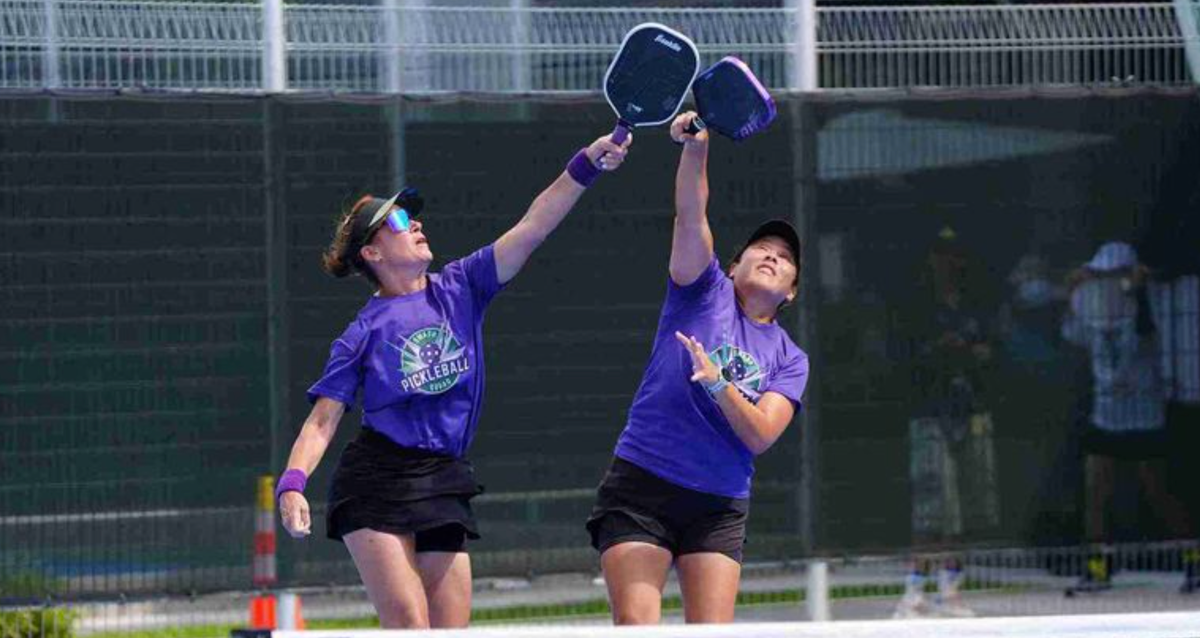
Lob Pickleball Technique: 7 Mistakes Killing Your Lob
Most players think they have a decent lob pickleball technique until they watch the replay. Here are the most common mistakes destroying your lob game and how to stop making them.
 The Dink PickleballThe Dink Media Team
Why the Sideways Turn Changes Everything
Running sideways lets you track the ball the entire time it is in the air.
Your head stays up, your eyes stay on the ball, and you keep the option of taking the overhead or letting it bounce.
That decision point is critical. If the ball is short enough and slow enough, take the overhead and put it away, and keep your chin up when you swing, not down.Tucking your chin on an overhead is one of the most common reasons players hit it long or into the net.
If the ball is carrying deep toward the fence, let it bounce instead. That is the smarter play in almost every senior match situation.For more on 3 pickleball overhead shots that cover every situation, and on how to defend and return pickleball overheads, both are worth a read alongside this one.
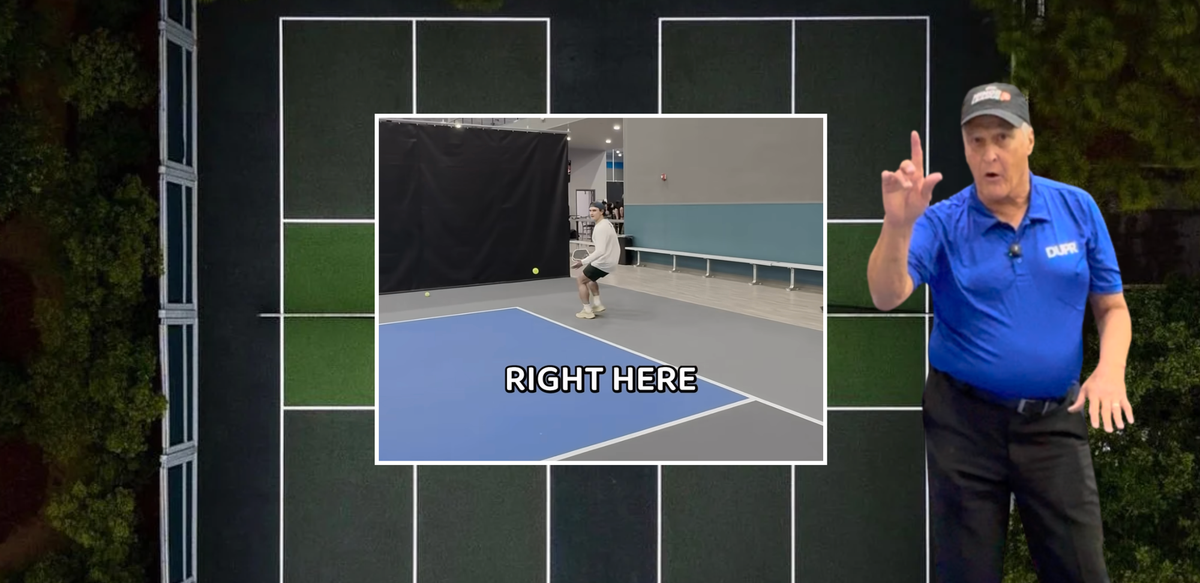
The Lob Serve Loophole: Pickleball’s New Psychological Warfare?
A server can legally cross the plane of the net onto the opponents’ side of the court immediately after striking a serve? But should they? Well that all depends.
 The Dink PickleballThe Dink Media Team
What Should You Do After the Ball Bounces?
Once the ball bounces, your job is simple: get under it and send it back.
Contact at knee height or lower is ideal when you are chasing.
You are not trying to drive the ball from back there, you are lifting it back deep and buying time to recover toward the kitchen.
This is where a lot of seniors make a second error. They try to do too much with the return. A clean, deep lob back to your opponent is a win in that situation.Reset the point and get moving forward.
Good senior pickleball strategy is about playing smarter and moving less whenever possible.
Knowing how to return a lob in pickleball from a deep, off-balance position gives you time to recover.
Trying to rip a drive from back there just hands the point over.
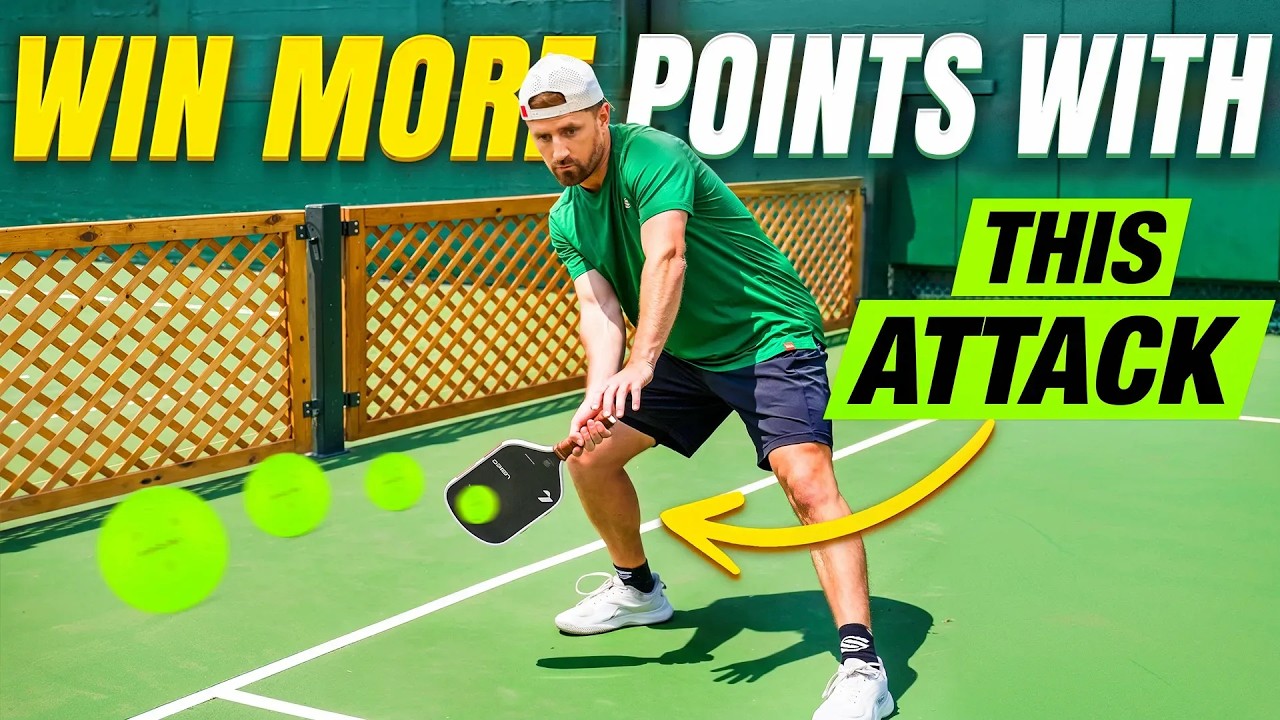
When, How, and Why to Hit a Speed-Up Off the Bounce in Pickleball
Most players pull the trigger on a speed up off the bounce at the worst possible moment. Here is the full breakdown of when to go, how to prep, and how to disguise it like the pros.
 The Dink PickleballThe Dink Media Team
The Back-to-Court Mistake That Costs Points
There is one other error that shows up constantly, even in players who already know the sideways turn.
They start sideways, then rotate until their back is fully facing the net.
Never turn your back to the court.
The moment your back faces the net you lose the ball visually, you lose the ability to cut to an overhead, and the return gets significantly harder to execute cleanly.
Stay sideways throughout the entire run. Your chest should stay perpendicular to the sideline, not parallel to the baseline.That one adjustment will change how many balls you track down.
It also keeps your balance and posture intact, which matters more than anything else in how to defend a lob in pickleball at speed.
If your footwork has been an issue in general, the pickleball footwork drill that fixes lateral movement fast is worth adding to your practice routine, and so is knowing when to move safely versus when to chase.
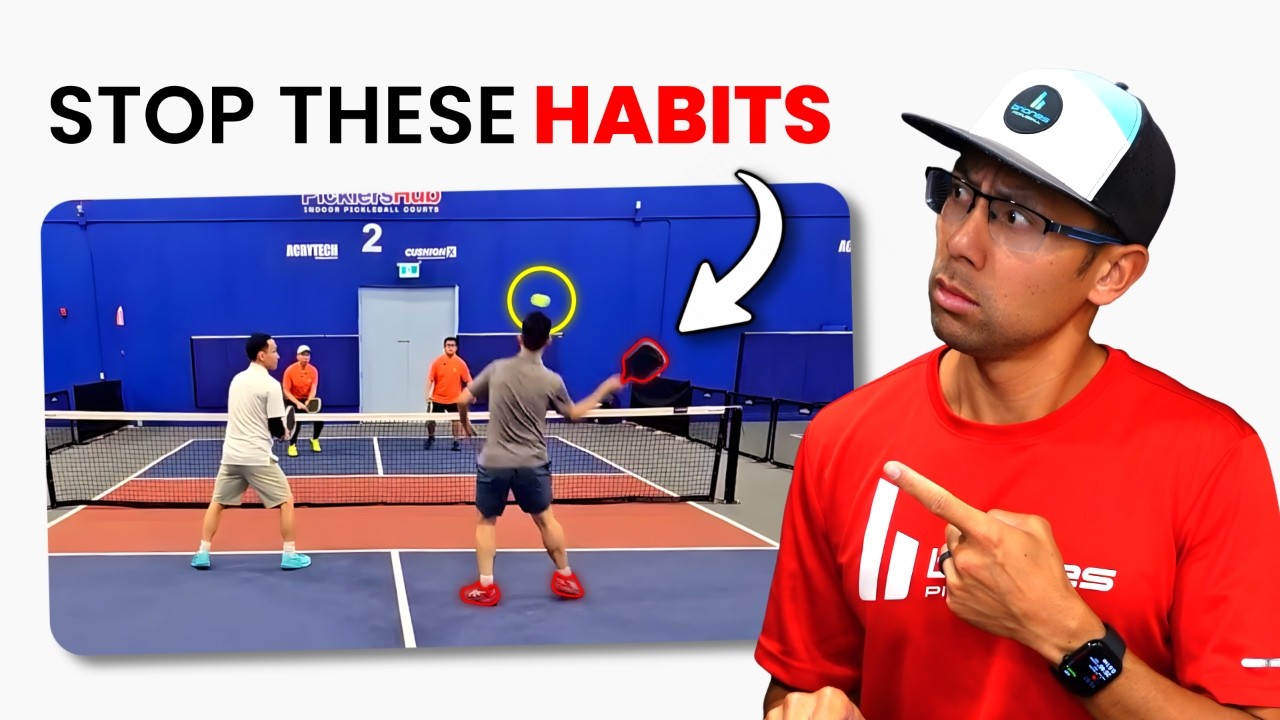
7 Bad Pickleball Habits Costing You Points at 4.0
Bad pickleball habits don’t disappear when you reach 4.0. Here are seven specific mistakes coaches spot in competitive matches and exactly how to fix each one.
 The Dink PickleballThe Dink Media Team
Can You Practice This Without a Full Court?
Yes, and you should. The footwork pattern itself, the turn and the sideways run, can be drilled anywhere you have open space.
Here is a simple solo practice progression:
- Stand at the kitchen line and practice the 90-degree turn on command, either a verbal cue from a partner or your own count.
- Add five to six quick lateral steps after the turn, simulating the run to the ball.
- Practice finishing in a low athletic stance with your paddle up, as if you are about to make contact underneath the ball.
- Then add a partner hitting actual lobs so you can read the paddle cue in real time.
Repetition builds the automatic response.
Right now, your brain is thinking through the steps. After enough reps, the turn happens before you have consciously decided to do it.Pairing this with court awareness work compounds the results.
The 3 pickleball footwork drills that make the game feel slower are a strong complement, and learning to recognize your court position tells you when chasing is even worth it.
How to Practice Pickleball With Limited Court Time
Most players waste their court time on drills that don’t move the needle. Here’s how to practice pickleball with limited court time and get real, measurable improvement out of every single rep.
 The Dink PickleballThe Dink Media Team
Is Your Body Ready to Chase Lobs?
Footwork technique only works if your body is not fighting you at the same time.
Shoulder stiffness and elbow soreness both change how confidently you move and swing, and injuries affecting players over 50 are common enough to plan around.
If shoulder discomfort has crept into your game, protecting your shoulder as you age is worth reading, and so is this guide to what pickleball elbow is and 4 exercises that fix it.Physical readiness and technique work together. You can have perfect form and still struggle if you are compensating on every swing.
3 Pickleball Overhead Shots That Turn Lobs Into Easy Points
The pickleball overhead does not have to be a scramble. Learn the three-shot system that handles any lob safely and turns it into offense.
 The Dink PickleballThe Dink Media Team
How to Defend a Lob in Pickleball When the Match Is On the Line
Defending a lob in a real match compresses all of this into about two seconds.
Your read has to be fast, your turn has to be instant, and your feet have to carry you without thought.
The good news is the mechanics are not complicated. It is a turn, a run, a bounce, and a return lob, which is exactly why a simple 4-step system beats improvising every time.The difficulty is making those basic things automatic under pressure.
One more thing worth noting: after you get the ball back, do not stop.Every step you recover toward the kitchen is a step toward controlling the point again, which is the core of modern pickleball strategy.
If your partner is helping cover, communication and pickleball lob coverage with 3 steps to help your partner make a real difference in doubles.
And once you stop defending the lob passively, you can start turning those balls into offensive lob strategies of your own.
Players who master how to defend a lob in pickleball at the senior level are not faster than everyone else.
They are earlier. They see it sooner, they turn sooner, and they arrive with enough composure left to make a good shot. That is the standard to aim for.
💡
Heads up: hundreds of thousands of pickleballers read our free newsletter.
Subscribe herefor cutting edge strategy, insider news, pro analysis, the latest product innovations and more.
Frequently Asked Questions
What is the biggest mistake seniors make when defending a lob in pickleball?
The biggest mistake is backpedaling instead of turning sideways. Backpedaling blocks your view of the ball and dramatically increases the risk of tripping, especially for senior players. A 90-degree sideways turn as soon as you see the lob is the correct first move every time.
Should seniors try to hit an overhead on a lob or let it bounce?
If the ball is short enough and slow enough that you can take it comfortably in the air, go for the overhead. If the ball is carrying deep, let it bounce and return with a lob from knee height. Playing a bounce return from the baseline is almost always smarter than rushing an awkward overhead.
How can seniors get better at reading a lob before it happens?
Watch your opponent's paddle face and where they make contact with the ball. A lifting motion under the ball in front of their body signals a lob. A flatter, waist-height swing is more likely to produce a drive or a drop.
What is the correct contact height when returning a lob after a bounce?
Knee height or even slightly lower is ideal when you are running down a lob. That low contact point naturally produces the lifting trajectory you need to send the ball back deep. Do not try to reach it early or swing at waist height while still moving at full speed.
Why do senior pickleball players struggle more with lobs than younger players?
The gap is mostly about reaction time and early recognition, not raw speed. Senior players who practice reading lob cues and drilling the sideways turn consistently close most of that gap. Technique and anticipation can compensate for a lot of what age takes away in terms of quickness.
Anuncie Aqui / Advertise Here
Sua marca para o mundo Pickleball! / Your brand for the Pickleball world!





 English (US) ·
  Portuguese (BR) ·