
 English
  Spanish
  Portuguese
  German
  Italian
  Japanese
  French
  Polish
  Russian
  Netherlands
  Hungarian
  Turkish
  Videos
  Thedink Pickleball

The shoestring volley is one of the most dangerous positions in pickleball, and Jack Sock explains exactly why. Learn how to avoid getting caught in no-man's land and improve your transition speed.
A shoestring volley is exactly what it sounds like: a volley hit from near ground level, typically around ankle or shin height.
It's called a shoestring volley because you're hitting the ball so low it's practically at the level of your shoelaces.
In pickleball, this happens most often when a player fails to advance to the kitchen line quickly enough after their opponent hits a soft shot that bounces near the net.
The problem isn't just that the shot is awkward to execute.
It's that hitting from this position means you're stuck in no-man's land, that dangerous middle zone between the baseline and the kitchen line where you can't hit with power and you can't defend effectively.
You're vulnerable, your opponent is aggressive, and the odds are heavily stacked against you.
Love pickleball? Then you'll love our free newsletter. We send the latest news, tips, and highlights for free each week.
Why Letting the Ball Bounce Should Be Avoided
Here's where Jack Sock's analysis gets to the heart of the matter. The shoestring volley doesn't happen by accident.
It happens because of a decision made one or two shots earlier: the decision to let the ball bounce.
In the point Sock analyzes, Eric Lange hits a perfect lob that forces his opponents back. But instead of immediately moving forward to capitalize on that advantage,
Lange hesitates. When the ball comes back over the net, it bounces near the kitchen line.
Now Lange is forced to hit that low volley from a terrible position, and Munro is ready to crash and finish the point.
"Once you see your opponent lets the ball bounce, you got to get up to the kitchen quicker,"Sock explains.
The moment you recognize that your opponent can't take the ball out of the air, that's your signal to move forward aggressively.
Every fraction of a second you wait is a fraction of a second your opponent gains in positioning.
The Transition Speed Problem
This is where transition speed becomes the real differentiator between players who win and players who lose.
Transition speed isn't just about how fast you can run. It's about how quickly you recognize the opportunity and commit to moving forward.
In professional pickleball, the best players don't wait to see where the ball is going. They're already moving based on what they anticipate will happen.
When a lob goes up, they're already thinking about their next position.
Mastering the transition from baseline to kitchen line is what separates reactionary players from decisive ones.
Lange had the right idea with his lob, but his execution on the transition was slow.
By the time he moved forward, the ball had already bounced, and he was stuck hitting that shoestring volley.
Against a player like Munro, who is ready to crash and poach, that's a losing position every single time.
That's not bad luck. That's a decision made too late.💡
Need some new pickleball gear? Get 20% off select paddles, shoes, and more with code THEDINK at
Midwest Racquet SportsHow Professional Players Avoid the Shoestring Volley
The solution is straightforward, though it requires discipline and anticipation.
When you hit a shot that forces your opponent to let the ball bounce, you need to move forward immediately. Don't wait. Don't hesitate. Move.
This is especially critical in doubles, where your partner is also moving and you need to maintain court positioning together.
If one player moves forward and the other doesn't, you create gaps that your opponents will exploit.
The best doubles teams move as a unit, and they move with purpose.
Sock's analysis shows that Munro does this perfectly. He's positioned at the net, ready to attack.
When Lange finally moves forward, it's too late. Munro is already in position to crash and finish the point with an offensive volley.
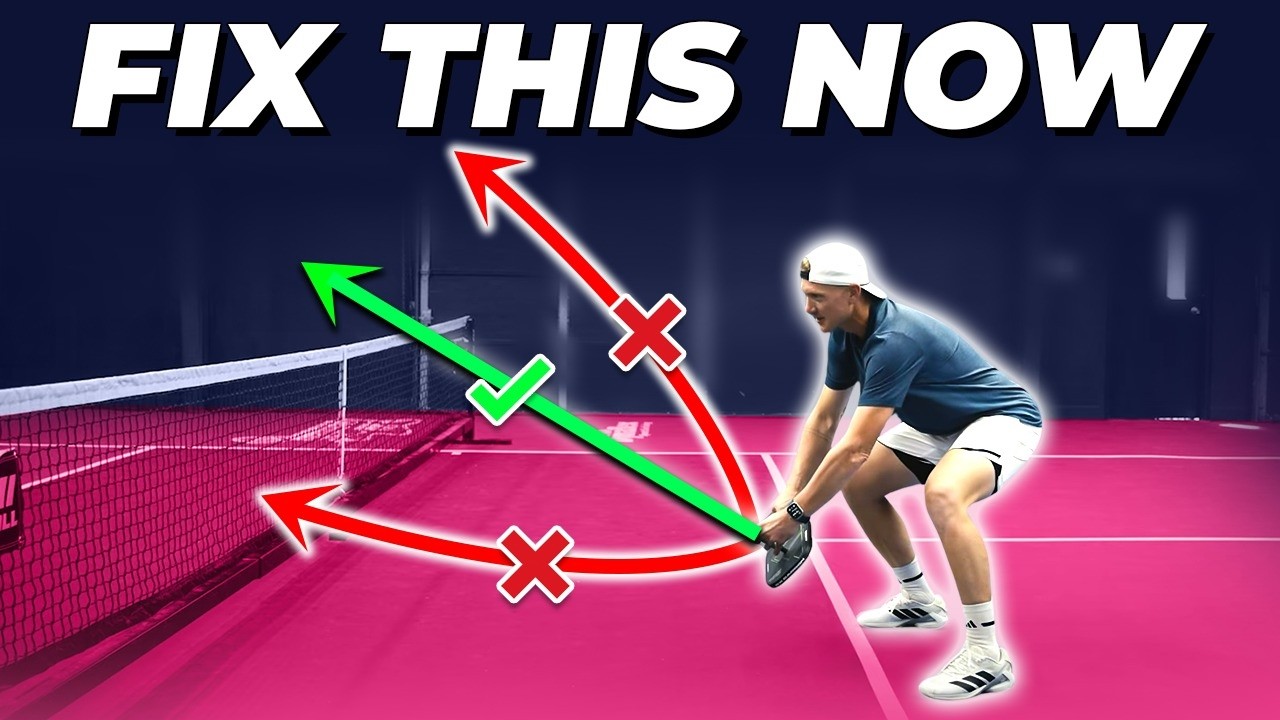
Understand Pickleball Volley Control: Physics & Technique
Pickleball volley control isn’t about luck or natural talent—it’s about understanding two fundamental principles: paddle angle and energy.
 The Dink PickleballThe Dink Media Team
The Kitchen Line Is Your Real Estate
Understanding the importance of the kitchen line is fundamental to avoiding the shoestring volley.
The kitchen line (also called the no-volley zone line) is the 7-foot area on each side of the net where you can't hit a volley.
But being at the kitchen line, ready to hit a volley the moment the ball bounces, is exactly where you want to be.
When you're at the kitchen line, you control the point. You can hit offensive volleys, you can block returns, and you can dictate the pace of play.
The 5 kitchen line secrets that separate recreational players from elite ones almost always come back to this: own the line or lose the point.
When you're stuck in no-man's land hitting a shoestring volley, your opponent controls the point.
The transition from the baseline to the kitchen line is where most recreational players lose points.
They hit a good shot, but then they don't move forward aggressively enough.
They end up somewhere in the middle of the court, unable to hit with power and unable to defend effectively.
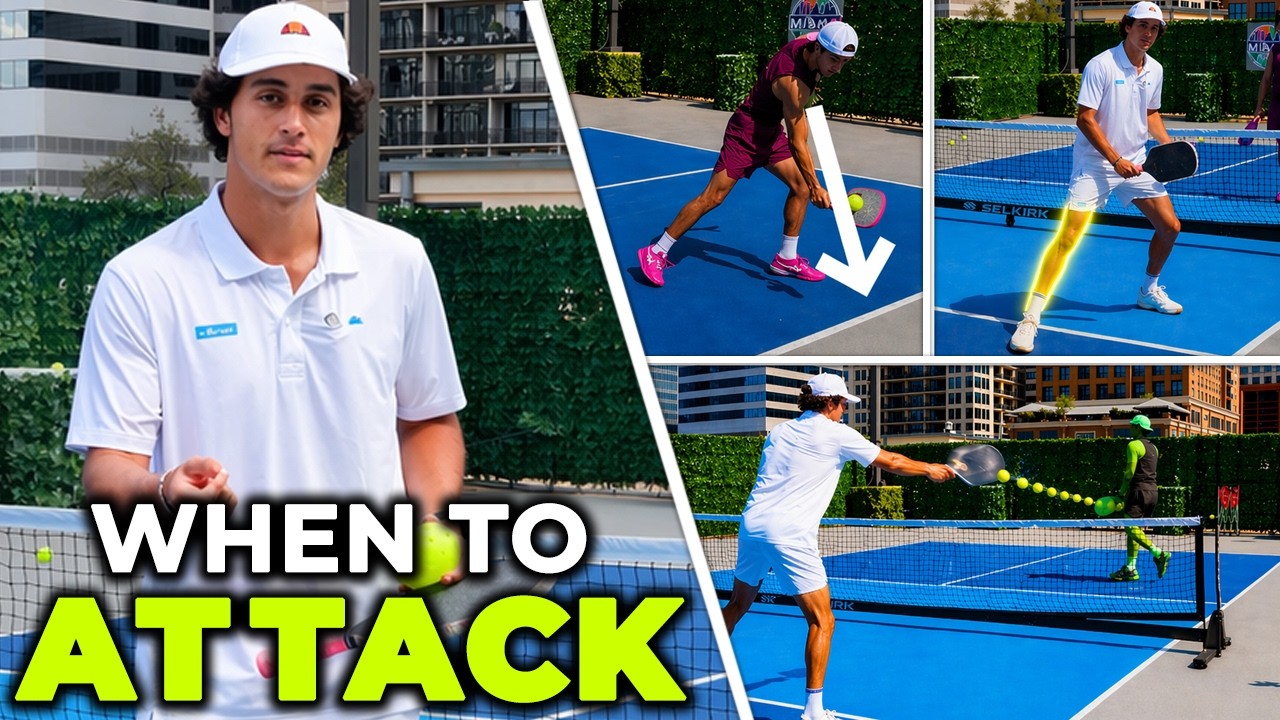
Kitchen Line Aggression: When to Attack in Pickleball
Jack Munro, the #1 player on the APP tour in mixed and men’s doubles, breaks down the exact signals that tell you when your opponent is vulnerable and ready to be attacked.
 The Dink PickleballThe Dink Media Team
Why This Matters in Competitive Play
In recreational pickleball, you might get away with slow transitions. Your opponents might not be aggressive enough to punish you.
But in competitive play, especially at the professional level, every mistake gets exploited.
Sock's point analysis shows a men's doubles match where both teams are skilled. Munro doesn't just wait for Lange to make a mistake.
He's actively looking for opportunities to attack. When he sees that Lange is stuck in no-man's land, he crashes the net and finishes the point with an offensive volley.
This is the difference between winning and losing at higher levels of play. It's not about hitting harder or spinning the ball more.
It's about positioning, anticipation, and transition speed.
It's about understanding that once your opponent lets the ball bounce, you have a window of opportunity to take control of the point. If you don't move forward immediately, that window closes.
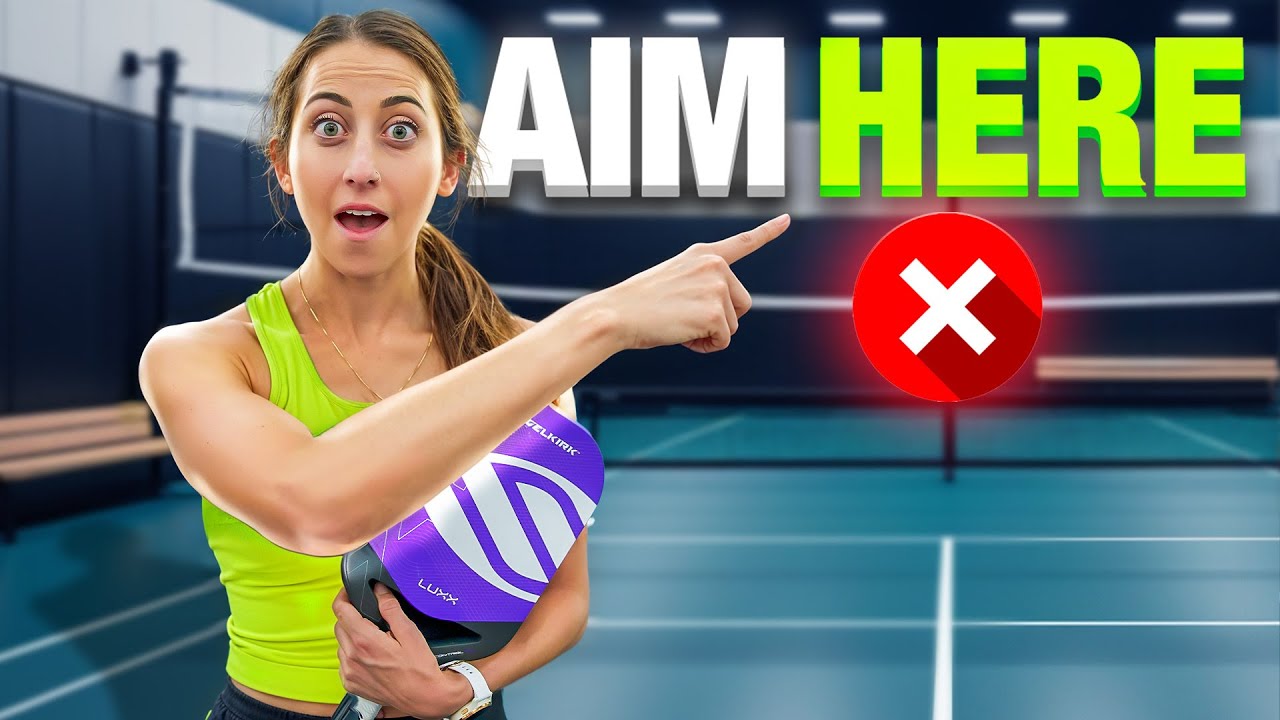
Understanding 6 essential pickleball shots before you practice positioning will also sharpen how you read these moments in real time.Pickleball Shot Placement: Complete Winning Guide
Whether you’re serving, returning, dinking, or driving, knowing where to aim gives you control over the rally and keeps your opponent reacting instead of attacking.
 The Dink PickleballThe Dink Media Team
The Bigger Picture: Court Awareness and Shoestring Volley Prevention
The shoestring volley is really a symptom of a larger problem: poor court awareness and slow decision-making.
When you're playing pickleball, you need to be thinking two or three shots ahead. You need to anticipate where the ball is going and where you need to be.
This is what separates good players from great players. Great players don't just react to what's happening.
They anticipate what's about to happen and position themselves accordingly.
They understand that letting the ball bounce is a vulnerability, and they exploit it immediately.
In the point Sock analyzes, Lange hits a great lob, but then he doesn't follow through with aggressive forward positioning.
That's the mistake. The lob was good, but the transition was slow. Against a player like Munro, that's a losing combination.
Pair this awareness with the 12 drills you need for your best pickleball in 2026 and you'll start closing that gap between knowing and doing.You also can't just practice the physical movement.
You have to train the mindset. Jack Sock demonstrates this exact principle in other breakdowns, too: every great shot is only half the equation.
What happens next is what decides the point.
Want breakdowns like this delivered straight to your inbox? Sign up for The Dink Newsletter and get the game's best analysis sent to you daily.💡
Heads up: hundreds of thousands of pickleballers read our free newsletter.
Subscribe herefor cutting edge strategy, insider news, pro analysis, the latest product innovations and more.
Frequently Asked Questions
What is a shoestring volley in pickleball?
A shoestring volley is a volley hit from very low to the ground, typically at ankle or shin height. It happens when a player fails to advance to the kitchen line quickly enough and is forced to hit a ball that has bounced near the net. The term comes from the fact that you're hitting the ball at approximately the level of your shoelaces.
Why is the shoestring volley so dangerous in competitive pickleball?
The shoestring volley is dangerous because it puts you in no-man's land, where you can't hit with power and you can't defend effectively. Your opponent is in an aggressive position and can finish the point with an offensive volley, and it signals that you've already lost the positional advantage in the rally.
How can I avoid hitting low volleys from no-man's land?
The key is transition speed and anticipation: when your opponent lets the ball bounce, move forward immediately to the kitchen line. The faster you move forward, the higher you can take the ball out of the air, and the more control you have over the point.
What's the difference between transition speed and court positioning?
Transition speed is how quickly you move from one position to another, while court positioning is where you are at any given moment. Both matter, but transition speed is what allows you to reach the right position at the right time. If you're slow to transition, you'll end up in no-man's land hitting shoestring volleys.
How do professional pickleball players use transition speed to their advantage?
Professional players anticipate what's about to happen and move accordingly, rather than waiting to react. When they hit a shot that forces their opponent to let the ball bounce, they're already moving toward the kitchen line, giving them a significant advantage in positioning and court control.
Anuncie Aqui / Advertise Here
Sua marca para o mundo Pickleball! / Your brand for the Pickleball world!







 English (US) ·
  Portuguese (BR) ·