
 English
  Spanish
  Portuguese
  German
  Italian
  Japanese
  French
  Polish
  Russian
  Netherlands
  Hungarian
  Turkish
  Videos
  Thedink Pickleball

Facing an intimidating pickleball opponent shuts down your decision-making before the point even starts. These three kitchen-focused strategies will change that immediately.
You step onto the court, see your intimidating pickleball opponent warming up with heavy spin and fast hands, and your game plan evaporates before the first serve.
That feeling is more common than most players admit.
The problem is not your athleticism or your paddle. It is your strategy. You are making decisions that hand the advantage to someone who already has you in your head.This breakdown covers three specific concepts that fix that problem at the source, straight from tanner.pickleball on YouTube.
Love pickleball? Then you'll love our free newsletter. We send the latest news, tips, and highlights for free each week.
Why Intimidating Players Keep Beating You
Most players lose to an intimidating pickleball opponent before they make a single tactical mistake.
The psychological pressure causes them to rush, attack out of turn, or abandon the soft game entirely.
When someone has elite hands and sits on every speed up, your instinct is to out-attack them.
That instinct is exactly what they want. You are feeding the beast rather than starving it.The real answer is simpler than you think. You do not need to out-speed an athletic opponent. You need to out-think them.
Fix 1: Stop Trying to Attack Through Them
This is the biggest mistake players make against a strong defender.
If your opponent is sitting on every speed up, attacking directly into their hands is not brave. It is predictable.
When you speed up against someone who reads pace well, you are giving them the exact situation they trained for. They are not guessing. They are waiting.The fix is to use your dinks to manufacture the opportunity instead of forcing one that is not there.
Earn your attacks by moving the ball around the kitchen until your opponent pops one up. Then attack down to their feet, not straight at their paddle.
Here is why attacking to the feet works so well against elite defenders:
- A ball at the feet forces a low contact point, which produces a weak return
- It removes their ability to reset comfortably from a neutral position
- It creates the pop up you actually want, rather than a hands battle at their best height
- It rewards patience rather than aggression
This is not passive play. This is the difference between playing safe and playing scared. Patient dinking with a plan is aggressive strategy.
💡
Need some new pickleball gear? Get 20% off select paddles, shoes, and more with code THEDINK at
Midwest Racquet SportsFix 2: Use the Third Shot Drop to Slow the Game Down
The kitchen is the great equalizer. A ball that bounces inside the kitchen removes a huge percentage of your opponent's weapons immediately.
When your intimidating pickleball opponent is at the net with a heavy forehand and aggressive posture, your third shot drop is your reset button.Hit one that lands in the kitchen and their options shrink dramatically. They cannot attack a low bouncing ball cleanly.
They have to reset or lift, which gives you time to close to the net.
That time is what you are after. More time means better decisions, and better decisions mean fewer errors. Fewer errors mean more points.The push drop is one of the most reliable ways to land a consistent third shot in the kitchen.
If your drops keep popping up, check out why your third shot drop pops up and how to fix it before your next session.
Here is a quick checklist for an effective third shot drop against a strong net player:
- Contact the ball slightly in front of your body, not beside you
- Aim for a spot that bounces at or behind the kitchen line, not on it
- Use a soft, upward swing path rather than a flat or downward stroke
- Move toward the kitchen immediately after contact, do not stand and watch
That last point matters more than most players realize. Getting to the kitchen faster after your drop is what closes the gap between you and a stronger opponent.
Third Shot Drop Pickleball: 3rd Shot Guide
The 3rd shot pickleball play is the most important shot you’ll hit on every single rally. This step-by-step guide breaks down the mechanics, common mistakes, and drills to help 3.0 to 4.0 players master it fast.
 The Dink PickleballThe Dink Media Team
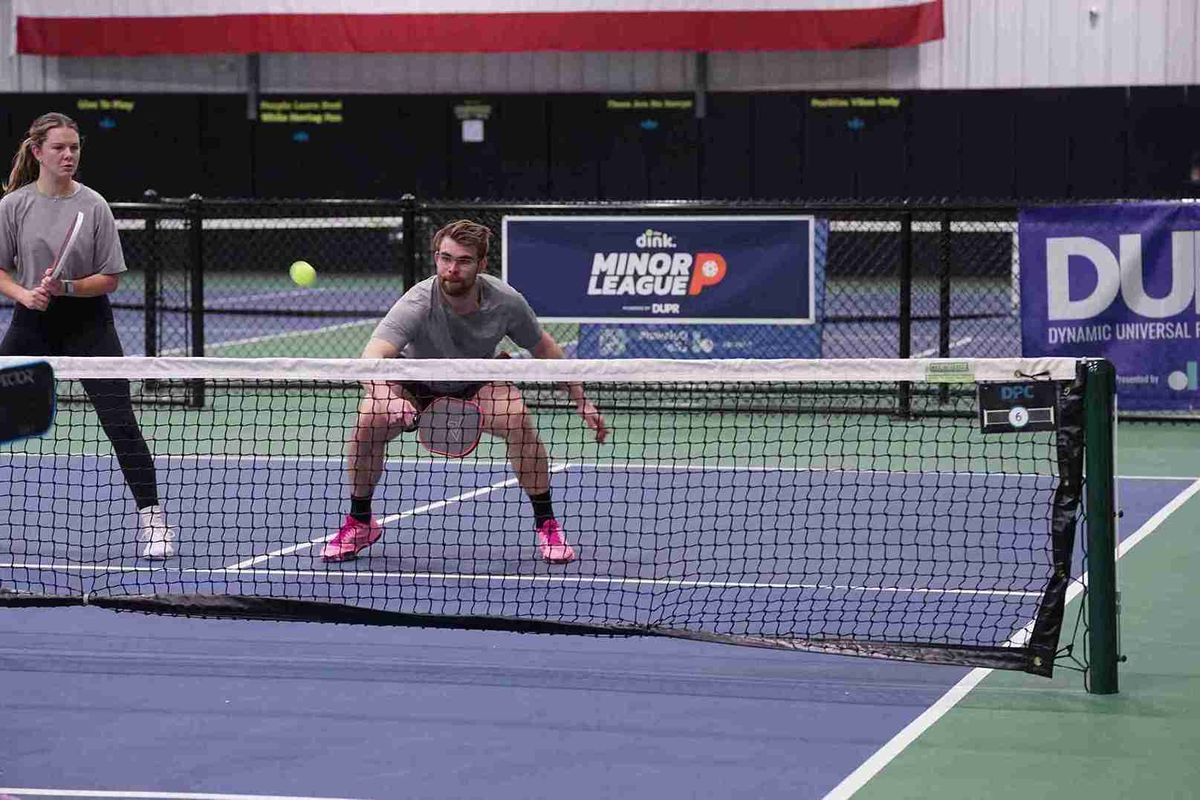
Fix 3: Prioritize the Middle of the Kitchen in Long Dink Rallies
If you are in a sustained dinking rally against an intimidating pickleball opponent with heavy spin, where you place your dinks is everything.
The middle of the kitchen is your safest and most strategic target.
Here is why wide dinks hurt you against this type of player. When you push the ball out wide, you are opening the angle for them to redirect sharply.
An opponent with strong topspin or sidespin can take a wide dink and send it back at a severe angle you cannot cover.The middle dink takes those angles away. It compresses their options, forcing a flatter, more neutral ball back.
That is exactly what you want when you are trying to outlast them in a rally.This concept connects directly to owning the middle dink, which covers the reads that come after you have established middle control.
Master Middle Coverage: 3 Pro Tips for Pickleball
Tanner Tomassi explains why mastering footwork, paddle control, and anticipation are the keys to dominating the middle in pickleball
 The Dink PickleballThe Dink Media Team
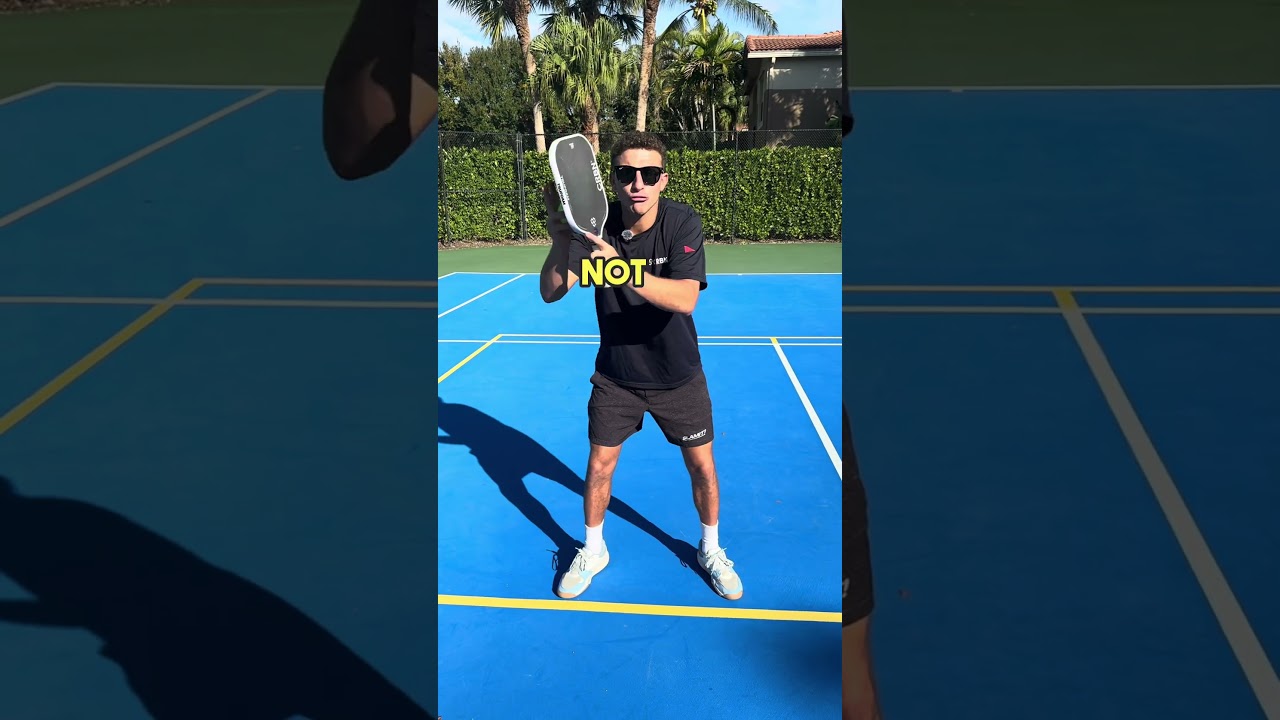
Why Does the Wide Dink Feel So Tempting?
Because it feels like offense. Pushing the ball wide feels like you are being aggressive and moving your opponent. Against a weaker player, it works.
Against an intimidating opponent with spin, it is a trap.
The spin player loves a wide ball. It gives them room to work and a big target to redirect. You are handing them a canvas to paint on.The middle dink forces them to hit straight, which limits creativity and makes their game more predictable for you.
Learn to win a cross court dink battle by controlling where the exchange happens, not just how hard you hit.
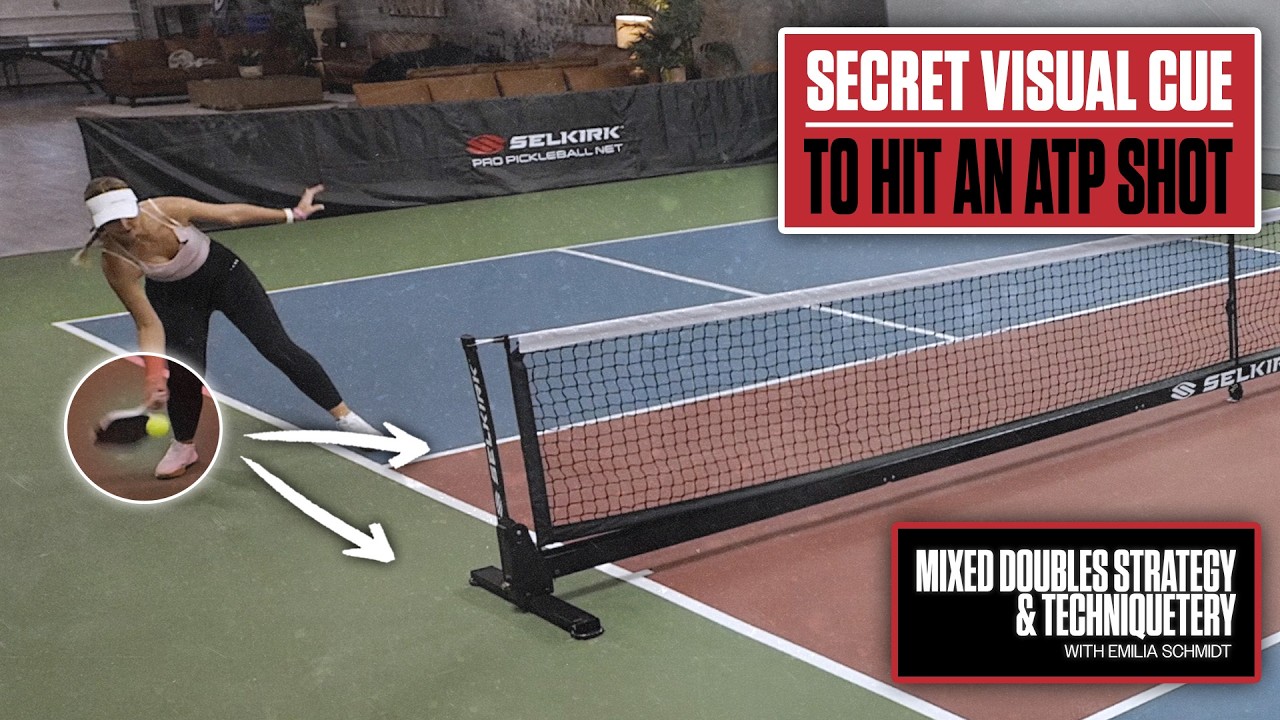
How to Hit an Around the Post Shot in Pickleball
The around the post shot turns a ball pulled wide into one of the most satisfying winners in pickleball. Here is how to set it up, time it, and recover after you hit it.
 The Dink PickleballThe Dink Media Team
How These Three Concepts Work Together
These fixes are not isolated tactics. They form a system. Here is how the chain works in a real point.
You hit a third shot drop that lands in the kitchen. Your opponent is forced into a neutral return.You advance to the net and start a dinking rally, keeping the ball in the middle.
After several exchanges, they pop one up. You attack to their feet, not into their hands. They lift a weak return.You finish.
That is the sequence. Drop to neutralize, dink to the middle to limit angles, wait for the pop up, then attack down.Every piece of this depends on patience. The moment you rush any step, the chain breaks.
If you want to understand when to flip from reset mode to offense mode during this chain, read more about when to switch from defense to offense in pickleball.
That decision point is where most players get it wrong.
Third Shot Drop vs Drive in Pickleball: Make the Right Call
The third shot drop vs drive pickleball debate isn’t about picking a favorite, it’s about reading the rally and choosing the shot that actually works. This guide breaks down when to drop, when to drive, and how to stop guessing on ball three.
 The Dink PickleballThe Dink Media Team
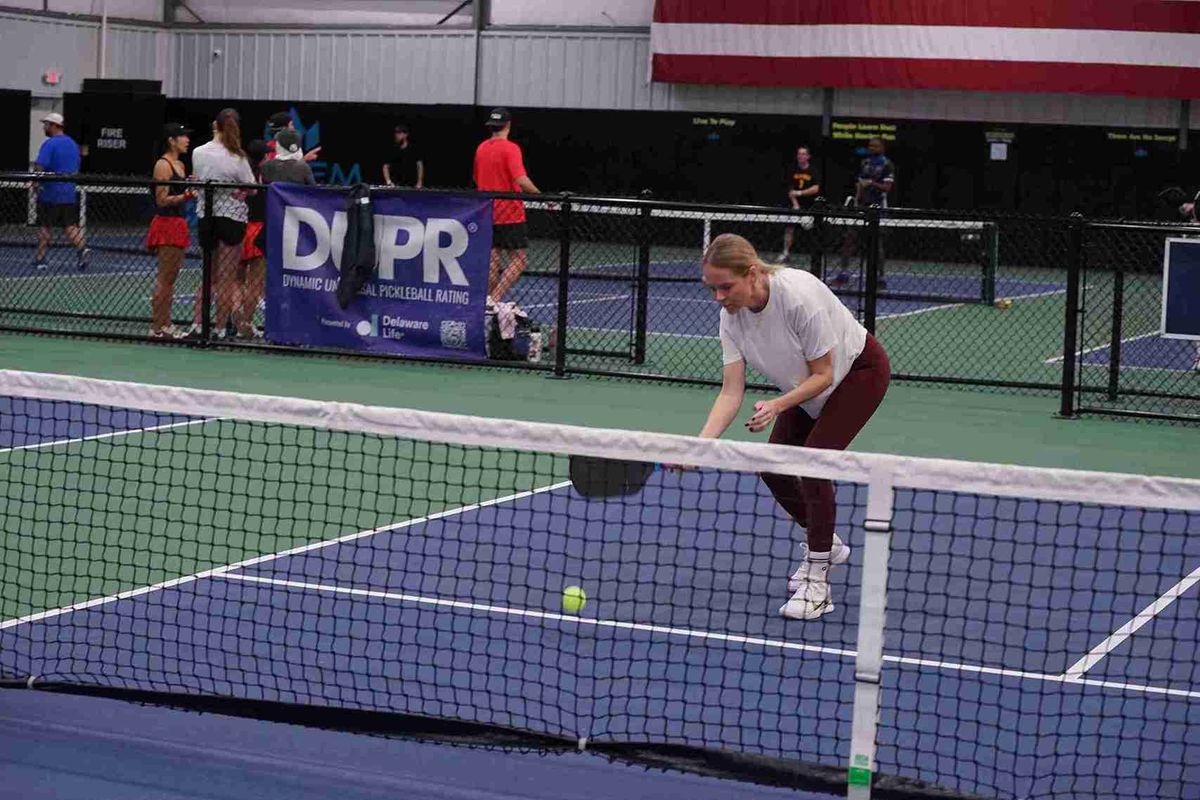
What About an Intimidating Pickleball Opponent Who Overpowers Everything?
Not every intimidating pickleball opponent is a spin specialist. Some are pure power players, the kind who drive everything with pace and dare you to handle it.
The same principles apply, but the emphasis shifts.
Against a power player, your third shot drop becomes even more important. You cannot match their pace off the bounce, so you need to take pace away entirely.
A low bouncing kitchen ball forces them to slow down whether they like it or not.You also need to understand what pros check before every speed up, because knowing when not to attack is just as important as knowing when to go.
Most rec players panic and swing. Do not swing until you have the right ball.
How to Beat Every Pickleball Player Type: 5 Strategies
Every pickleball player type requires a different counter-strategy. Here are 5 specific breakdowns so you know exactly what to do against bangers, lobbers, dinkers, spinners, and walls.
 The Dink PickleballThe Dink Media Team
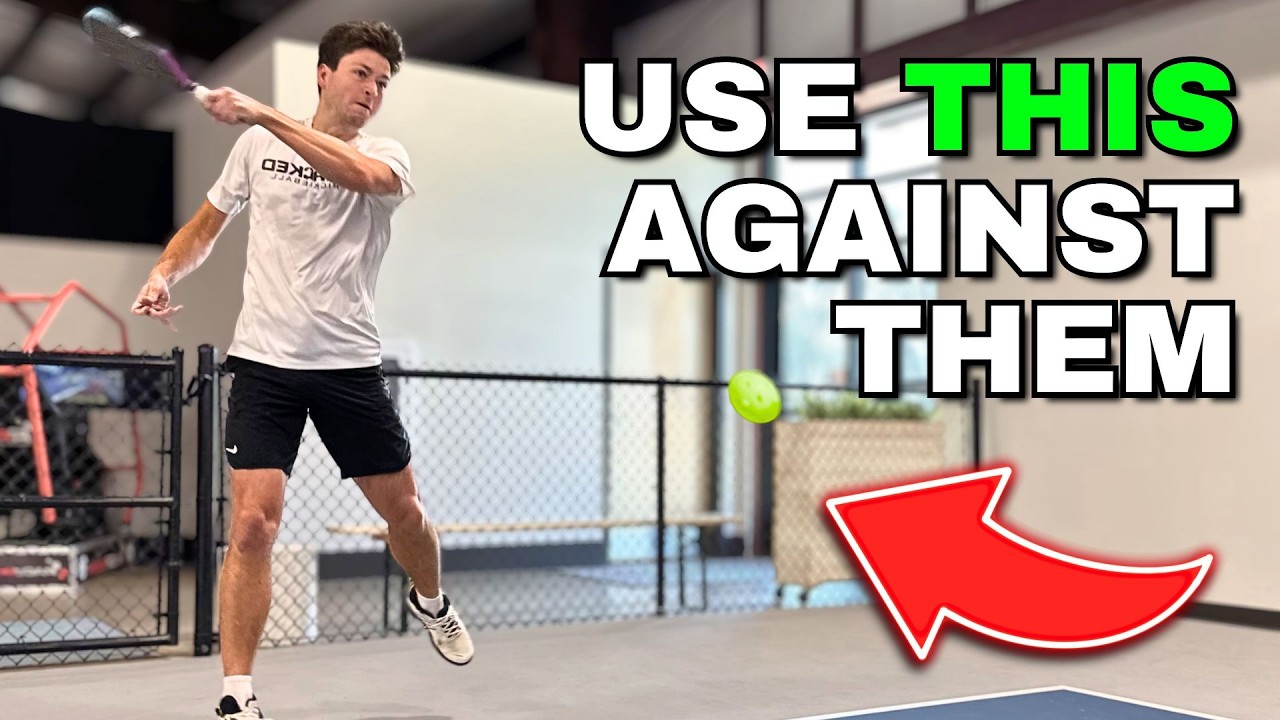
The Mental Side of Facing a Better Opponent
None of these tactics work if your mental game falls apart between points.
An intimidating pickleball opponent often wins because they create doubt, not just because they play well.
When you have a clear system, the mental side gets easier. You are not reacting. You are executing.If your focus slips when things get tight, it is worth reading about how to rebuild pickleball confidence after a rough game.
You can also look at how to handle playing a better team in pickleball for a broader view of punching up against stronger competition.
How to Manage Pickleball Tournament Nerves: Pre-Match Prep
Pickleball tournament nerves are one of the most common performance killers for amateur players. This guide breaks down the exact pre-match mental prep system that helps you stay calm and compete at your best.
 The Dink PickleballThe Dink Media Team
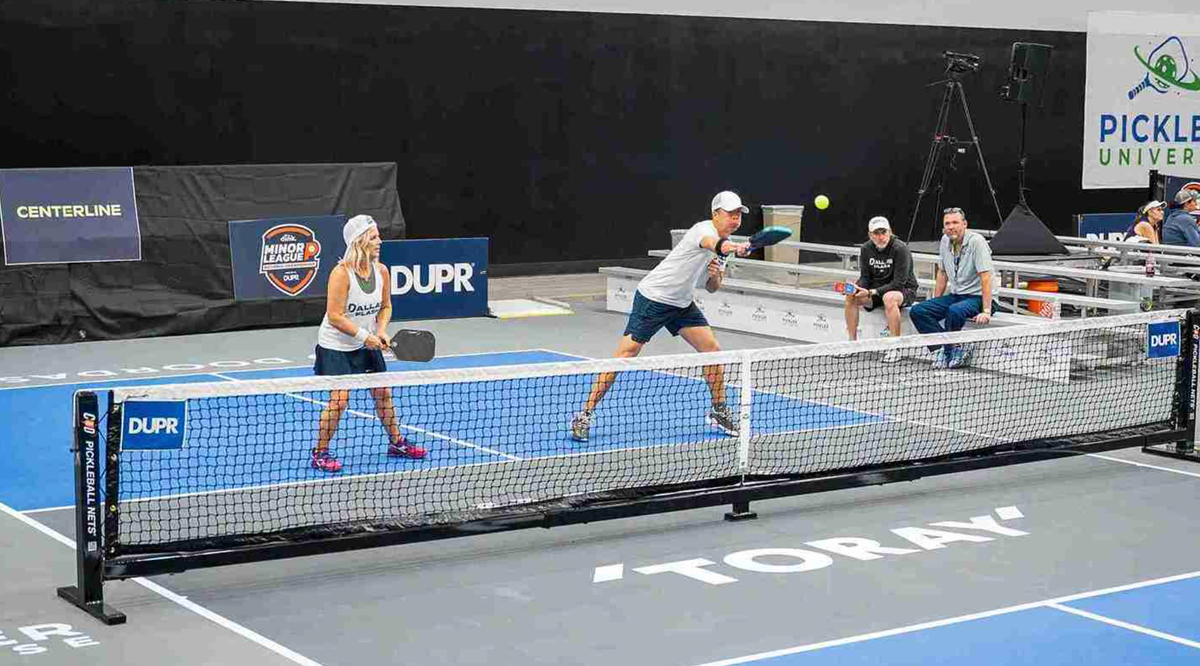
Three Concepts, One Clear Direction
Stop trying to out-attack someone who is ready for it. Start dropping, dinking to the middle, and waiting for the ball that earns your attack.
The kitchen is the equalizer. Use it.Every time you put a ball in the kitchen against an intimidating opponent, you are reducing their advantage and buying yourself time.
Time is the resource you need most when the game speeds up around you.
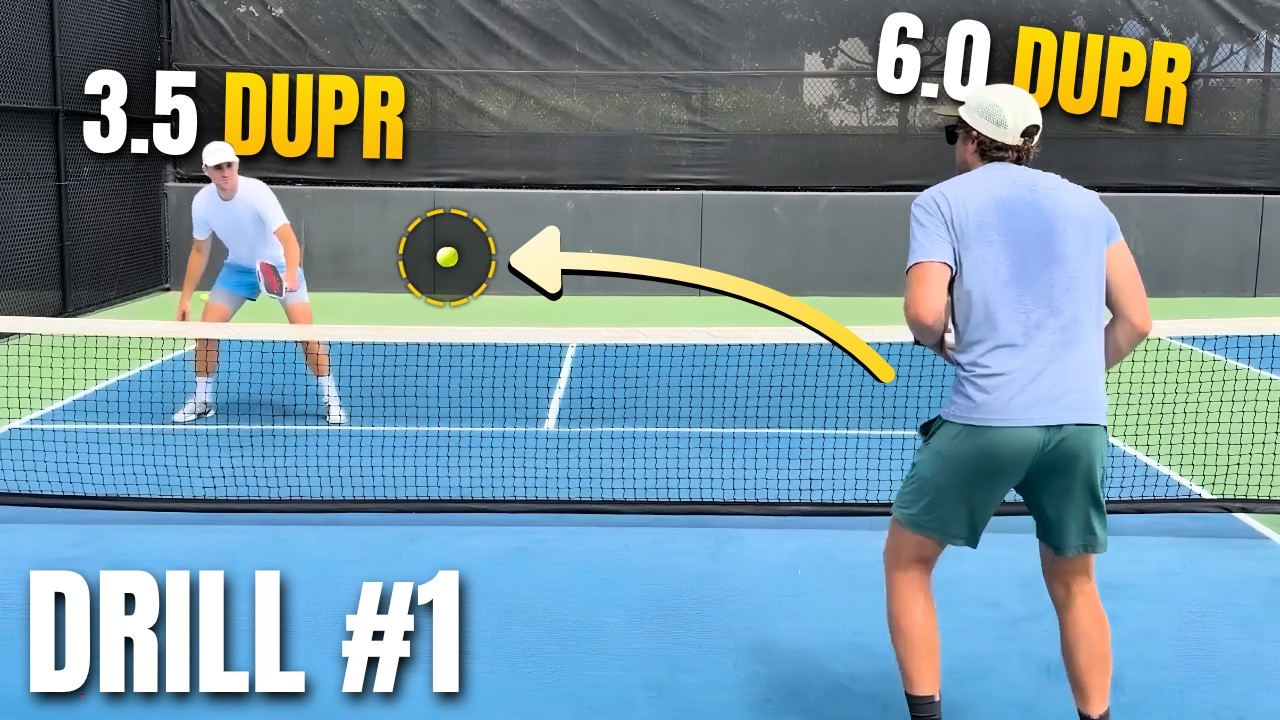
These three concepts will raise your DUPR and your confidence at the same time. Master them and you will stop dreading the big names on the court.
You will start welcoming the match.
💡
Heads up: hundreds of thousands of pickleballers read our free newsletter.
Subscribe herefor cutting edge strategy, insider news, pro analysis, the latest product innovations and more.
Frequently Asked Questions
Why do I keep losing to players who seem to sit on every speed up?
They are losing to you because you are attacking predictably and making their job easy. Stop going to their hands and start moving your dinks around the kitchen until they produce a pop up you can attack to their feet.
What is the best shot to use against an intimidating net player?
The third shot drop is your most effective reset against a strong net presence because a ball that bounces in the kitchen dramatically limits their attacking options. It also buys you time to reach the kitchen and compete at an equal position.
Why should I dink to the middle instead of out wide?
Dinking wide against a spin player opens the angle for them to redirect aggressively using topspin or sidespin. The middle of the kitchen removes those angles and forces them to hit a flat, neutral ball that is much easier for you to manage.
How do I earn an attack instead of forcing one?
An earned attack comes from moving your dinks with purpose until your opponent is forced to lift the ball above net height. Once you get that pop up, attack down to their feet rather than at their chest or paddle where they can reset comfortably.
What is DUPR and why does this strategy help improve it?
DUPR (Dynamic Universal Pickleball Rating) is a global rating system that tracks your match results and adjusts your score based on wins and losses relative to opponent strength. Consistently applying these three concepts reduces unforced errors and increases your win percentage against higher-rated players, which directly improves your DUPR score.
Anuncie Aqui / Advertise Here
Sua marca para o mundo Pickleball! / Your brand for the Pickleball world!




 English (US) ·
  Portuguese (BR) ·