
 English
  Spanish
  Portuguese
  German
  Italian
  Japanese
  French
  Polish
  Russian
  Netherlands
  Hungarian
  Turkish
  Videos
  Thedink Pickleball

The pickleball drip shot is one of the nastiest weapons in the game, but most players miss it for the same reason. Here is exactly how to fix your technique and start landing it consistently.
The pickleball drip shot is one of the nastiest weapons you can add to your game.
It dips fast, it creates chaos at the kitchen, and it is extremely hard to reset when it is executed well.
The problem is that most players miss it for the same reason every single time.
They are not getting enough topspin on the ball, and the fix is more specific than just "swing harder."This breakdown comes from All Things Pickleball on YouTube, and it covers exactly why the drip breaks down and what you need to change to start landing it consistently.
Love pickleball? Then you'll love our free newsletter. We send the latest news, tips, and highlights for free each week.
What Is the Pickleball Drip Shot?
The drip shot is a topspin-heavy attack that causes the ball to drop sharply after crossing the net.
Think of it as a hybrid between a speed-up and a drop.
It travels fast enough to put pressure on your opponent, but the topspin pulls it down into the kitchen before they can react.When it works, it is almost impossible to handle cleanly. When it does not work, it usually goes sailing out or crashes into the tape.
The shot is not about raw power. It is about the quality of spin you put on the ball, and that distinction matters a lot once you start working on your mechanics.
Why Does the Drip Shot Keep Failing?
The number one reason players miss the drip is simple: the paddle tip never gets low enough.If your paddle face is roughly parallel to the ground at contact, you are going to hit a flat ball. Flat balls do not drip.
They float, and then they either go long or sit up for your opponent to attack.
You need an aggressive low-to-high swing path, and that swing path has to start much lower than most players think.This is where the shot feels awkward at first. You have to exaggerate the drop of the paddle tip before you swing.
Most players also contact the ball in the middle or even slightly on top.
That produces backspin or no spin at all. Neither of those outcomes gets you anywhere near a drip.
💡
Need some new pickleball gear? Get 20% off select paddles, shoes, and more with code THEDINK at
Midwest Racquet SportsHow Low Does the Paddle Tip Actually Need to Go?
Lower than feels natural. The goal is to get the paddle tip pointing sharply downward before you initiate the swing.
Many players think they are getting under the ball when they are actually only dropping the tip a few inches. That is not enough.
Think about exaggerating the motion in practice. Get the tip so low that it feels almost silly.When you start doing it correctly, the brushing sensation on the ball will feel completely different from a standard volley or drive.
This is similar to what Tyson McGuffin emphasizes in his dinking technique.
If you want to see how tip position changes shot quality across multiple strokes, the tip-down dinking technique breakdown is worth your time.
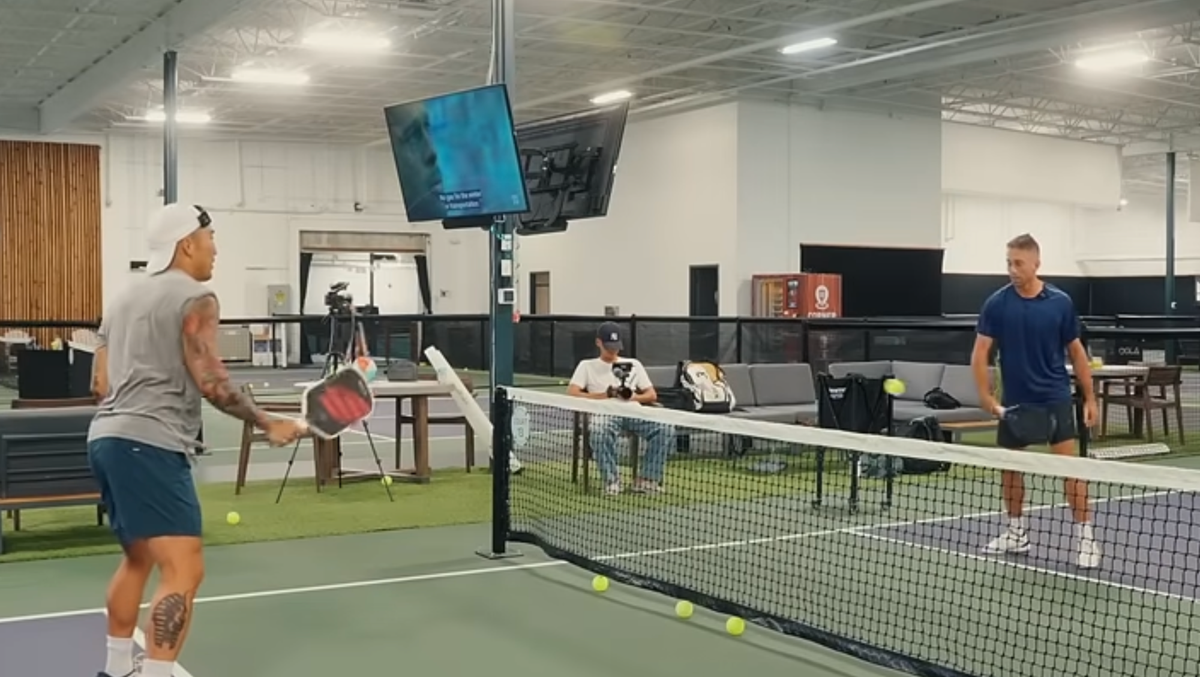
Stop Popping the Ball Up: Modern Pickleball Hand Speed and Paddle Positioning
Winning the kitchen today isn’t about swinging harder—it’s about creating space with your coil and controlling contact with smarter paddle positioning
 The Dink PickleballThe Dink Media Team
The Equator Concept: Where Exactly Are You Hitting the Ball?
Here is the contact point cue that makes the biggest difference.
Imagine a horizontal line running around the middle of the pickleball. That is the equator.
Your goal is to hit the bottom half of that equator and then come around the side of the ball as you follow through.
This is not just brushing upward. You are brushing upward AND around, and that combination is what generates the heavy topspin that makes the pickleball drip shot actually drip.The "around the side" component means your paddle face slightly wraps around the outside of the ball at contact.
You are not just lifting the ball over the net. You are adding a sidespin component that combines with the topspin to create an especially aggressive, diving trajectory.
This is the same mechanical principle behind heavy topspin in forehand drives with real power and spin. More brush, more grip on the ball, more spin rate.
Here is a simple breakdown of the full contact sequence:
- Drop the paddle tip low, lower than feels comfortable, before the swing starts.
- Target the bottom half of the ball's equator as your contact point.
- Brush upward and around the side of the ball through the entire follow-through.
- Accelerate through contact rather than slowing down as you hit the ball.
- Finish with the paddle tip high and slightly across your body to complete the topspin arc.
Each step builds on the last. If you skip step one, none of the others can save you.
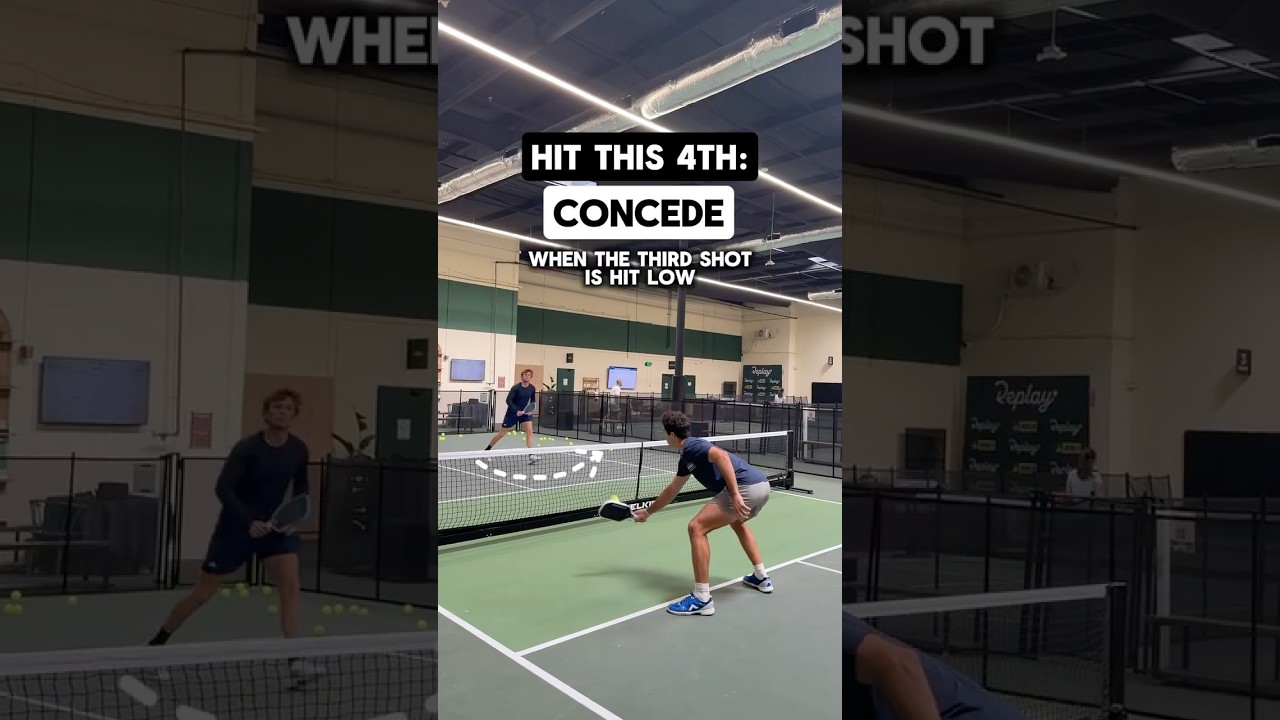
Pickleball Shot Selection: 3 Ball Height Rules That Work
Most players lose points not because they hit bad shots, but because they hit the wrong shot at the wrong height. These three pickleball shot selection rules fix that instantly.
 The Dink PickleballThe Dink Media Team
What Does "Coming Around the Side" Actually Mean?
This is the part that confuses players the most. When you hear "low to high," you might picture a straight vertical swing. That is close but not quite right for the drip.
The "around the side" component means your paddle face slightly wraps around the outside of the ball at contact.
You are not just lifting the ball over the net.
You are imparting a sidespin component that combines with the topspin to create an especially aggressive, diving trajectory.
This is the same mechanical principle behind heavy topspin in forehand drives with real power and spin.
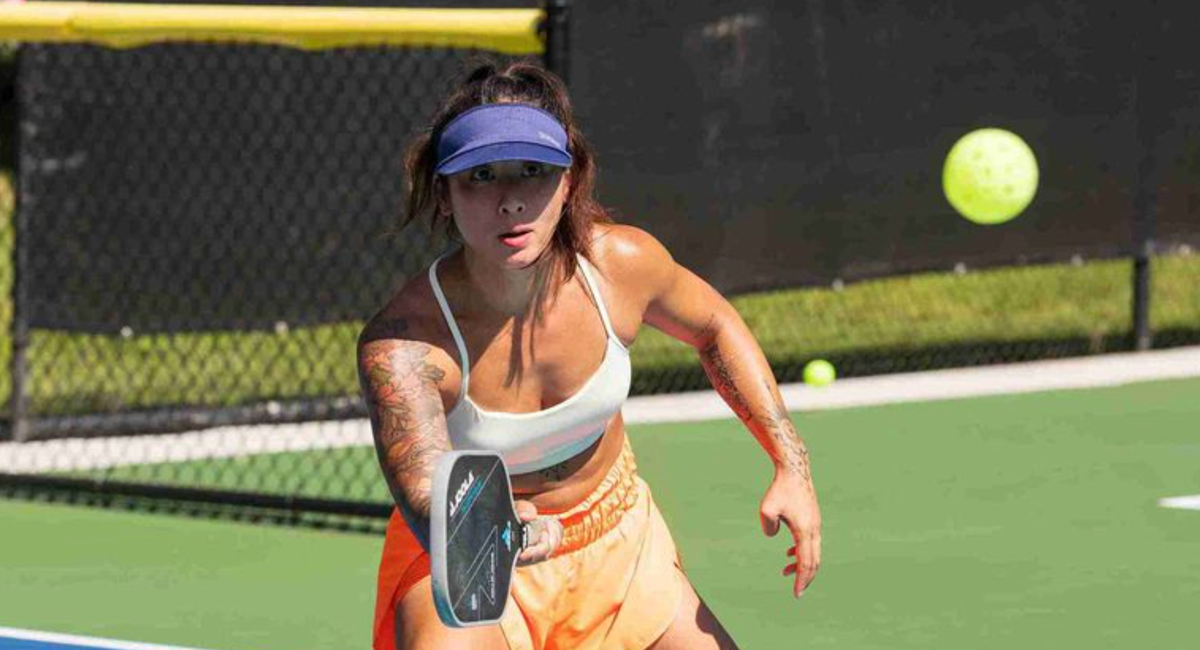
The physics work the same way. More brush, more grip on the ball, more spin rate.Pickleball Terms Every Beginner Should Know
Knowing the pickleball terms every beginner should know is the fastest shortcut to playing smarter and talking the talk on court. This complete glossary covers every essential word, shot name, and rule concept you’ll hear in your first few months of play.
 The Dink PickleballThe Dink Media Team
Is the Drip Shot Only for the Third Shot?
No. The drip shot is commonly associated with the third shot because that is where you often have time to set up and generate topspin from a low position.
But the mechanics apply anywhere on the court where you have a ball sitting below net height and a little time to swing.
You can use it from the transition zone. You can use it as a surprise attack from a dink rally when your opponent expects a soft reset.The third shot drip breakdown covers the specific positioning for that scenario in more detail.
The key is reading when you have the time and space to load up the swing.
Using it when you are rushed or jammed will produce errors. It is a patient shot that rewards good positioning.
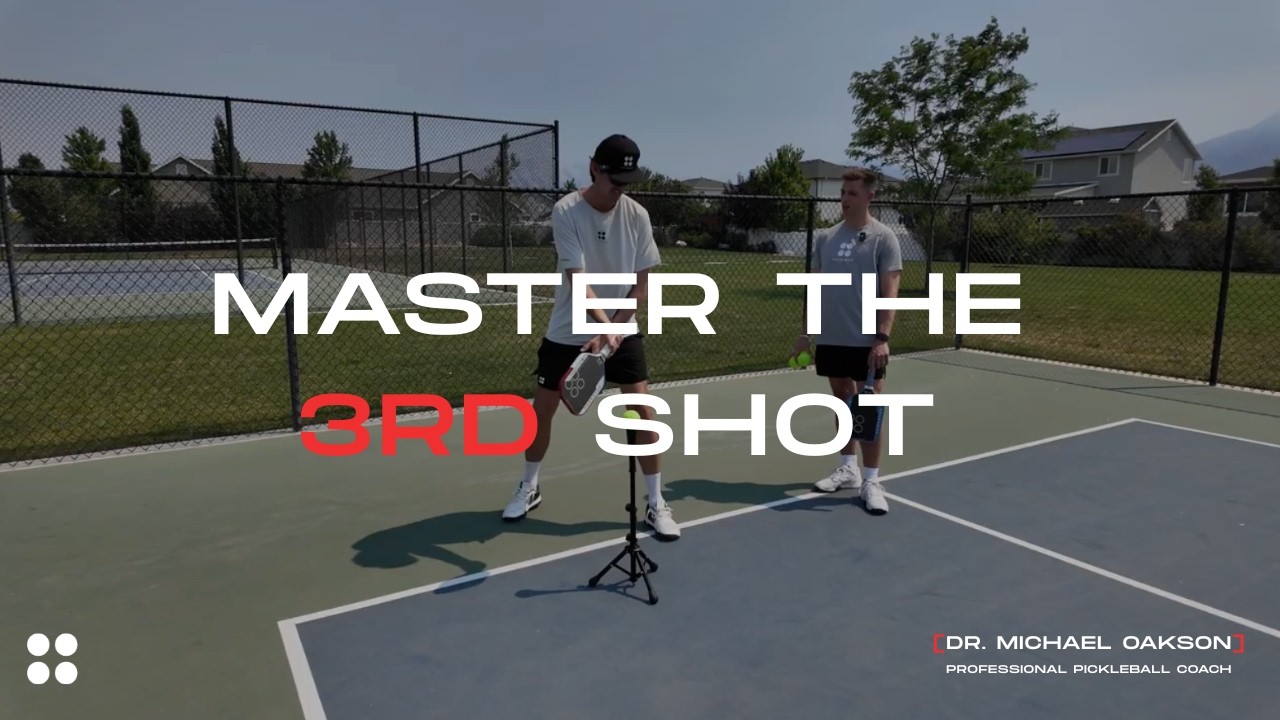
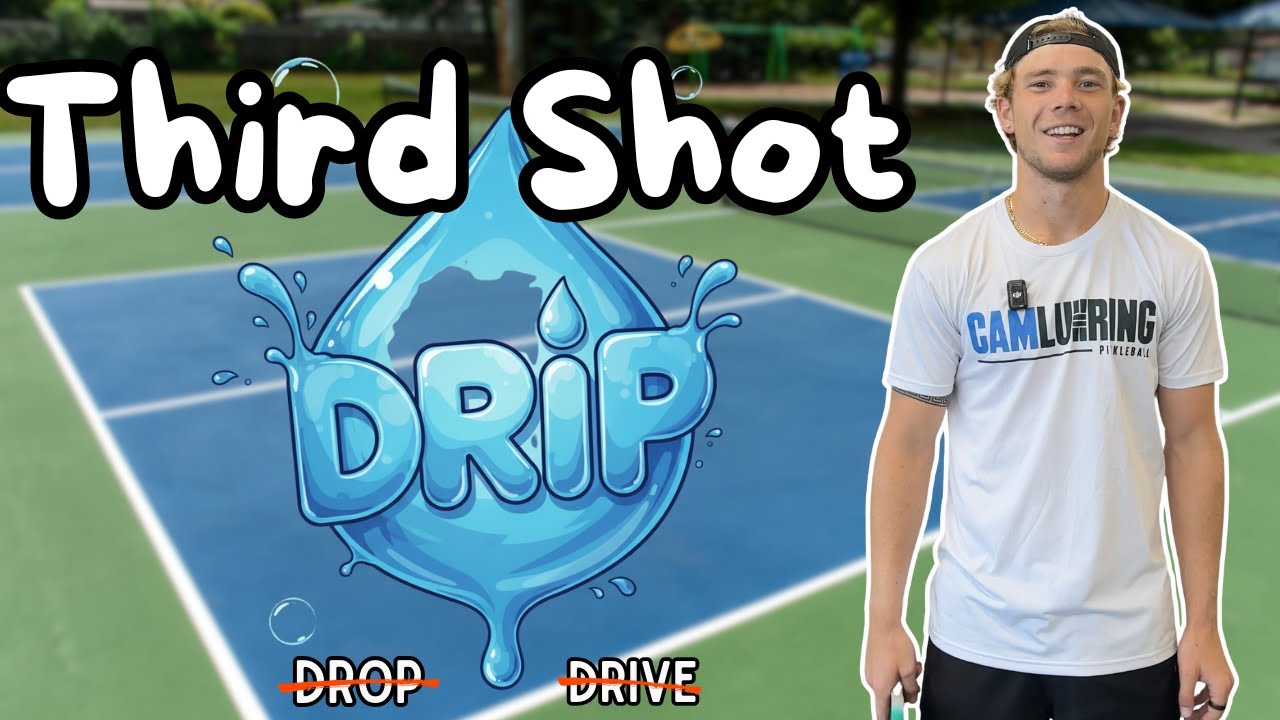
Third Shot Drip: 3 Steps to Master It in Pickleball
The third shot drip is a hybrid shot blending a drop and a drive, and top players are using it to take control of rallies early. Here are the 3 steps to hit it consistently.
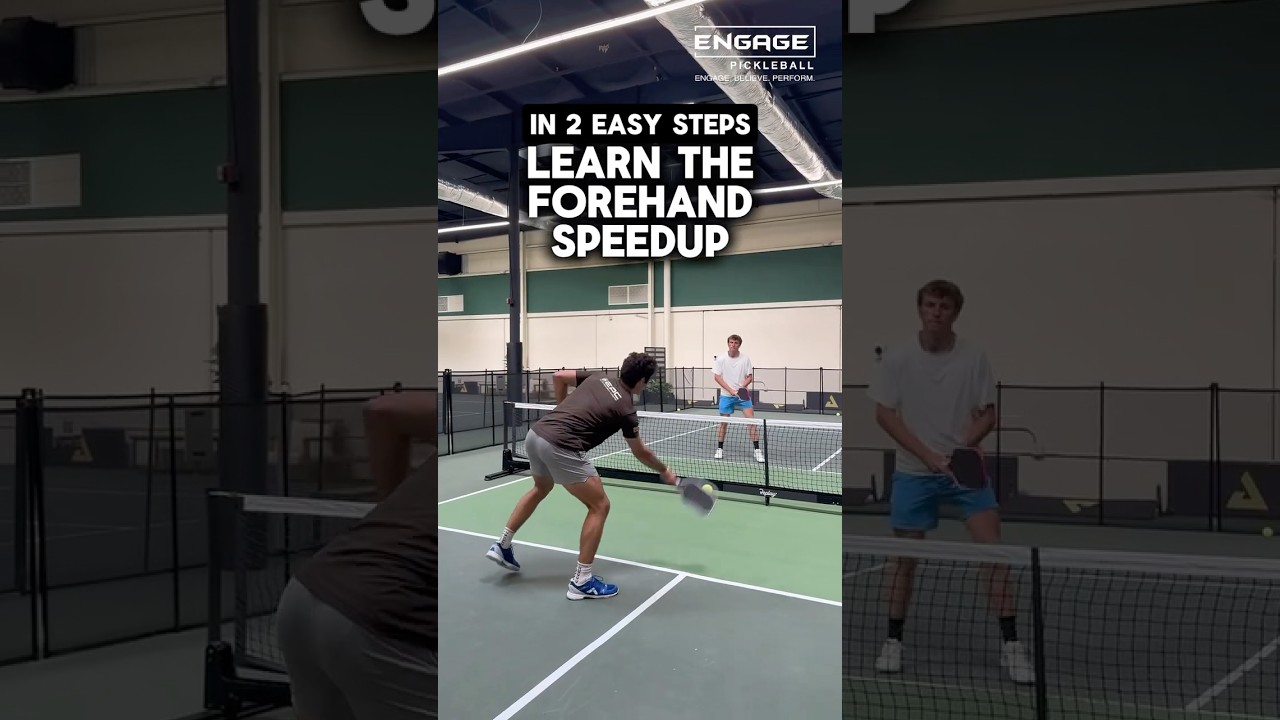
 The Dink PickleballThe Dink Media Team
Common Mistakes That Kill the Drip Shot
Even players who understand the concept still make the same mechanical errors. Here are the most common ones:
- Paddle tip too high at setup: If you are starting with the paddle face square or upright, you have already lost the low-to-high advantage before the swing begins.
- Contacting the top half of the ball: This produces topspin that is too weak to create a sharp drip, and you will get a floaty drive instead.
- Decelerating at contact: You have to accelerate through the ball. Slowing down kills spin rate instantly.
- Swinging flat instead of around: A purely vertical swing gives you topspin but not the aggressive combined spin that makes the drip so hard to read.
- Using it when rushed: The drip needs time and space. If you are jammed or off-balance, go to a reset instead.
Fixing even one of these mistakes will show up immediately in your results.
Start with paddle tip position because that one change affects every other part of the swing.
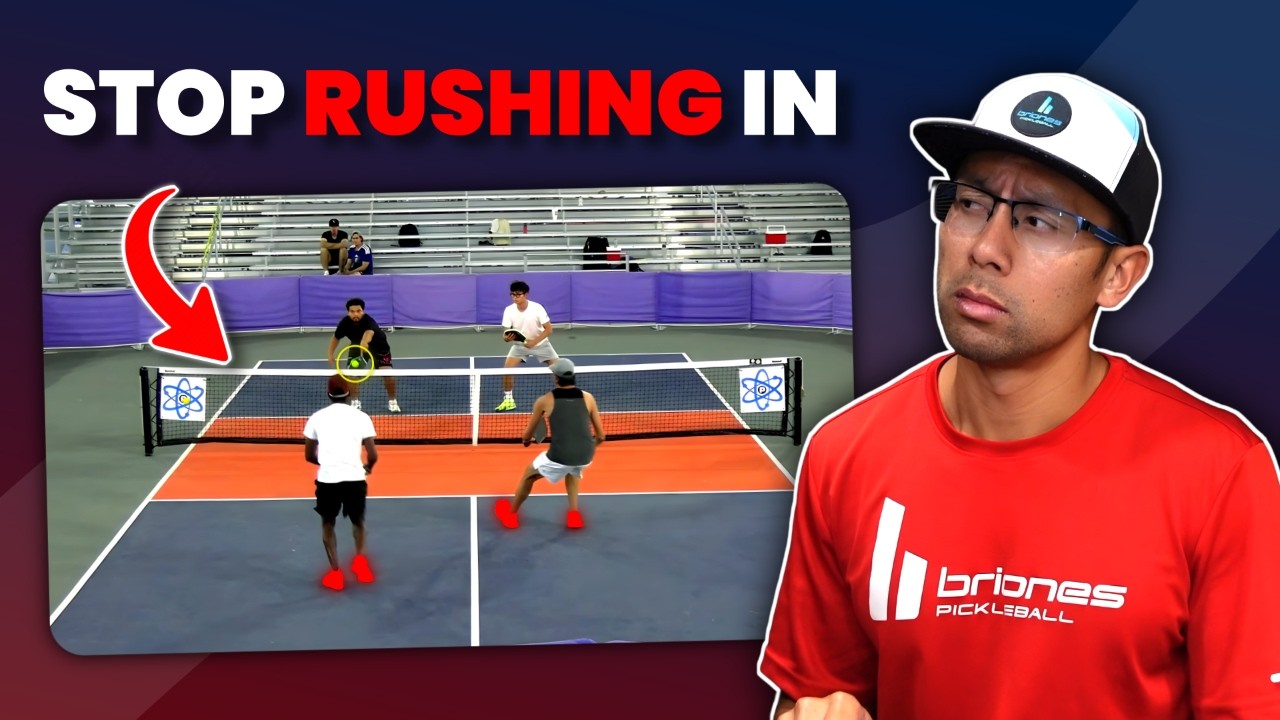
5 Shots That Fix 3.0 Pickleball Mistakes Fast
Most 3.0 pickleball mistakes happen in the first five shots of every rally. Fix these five specific problems and you will win more matches at your next tournament.
 The Dink PickleballThe Dink Media Team
How Should You Practice the Drip Shot?
The best way to build this shot is in isolation before you try it in rallies.
Have a partner feed you slow, low balls from the kitchen and focus only on the paddle tip drop and the contact point. Do not worry about pace at first.Once the contact feels right and you can see the ball kicking down after it crosses the net, start adding pace.
Then practice it from the third shot position with a live feed.
Understanding the three types of drilling will help you build this shot faster and lock it in before live play.
Wall practice also works well for this. You can rep the swing path over and over without needing a partner.
The five wall drills that actually build game skills include options that translate directly to topspin development.
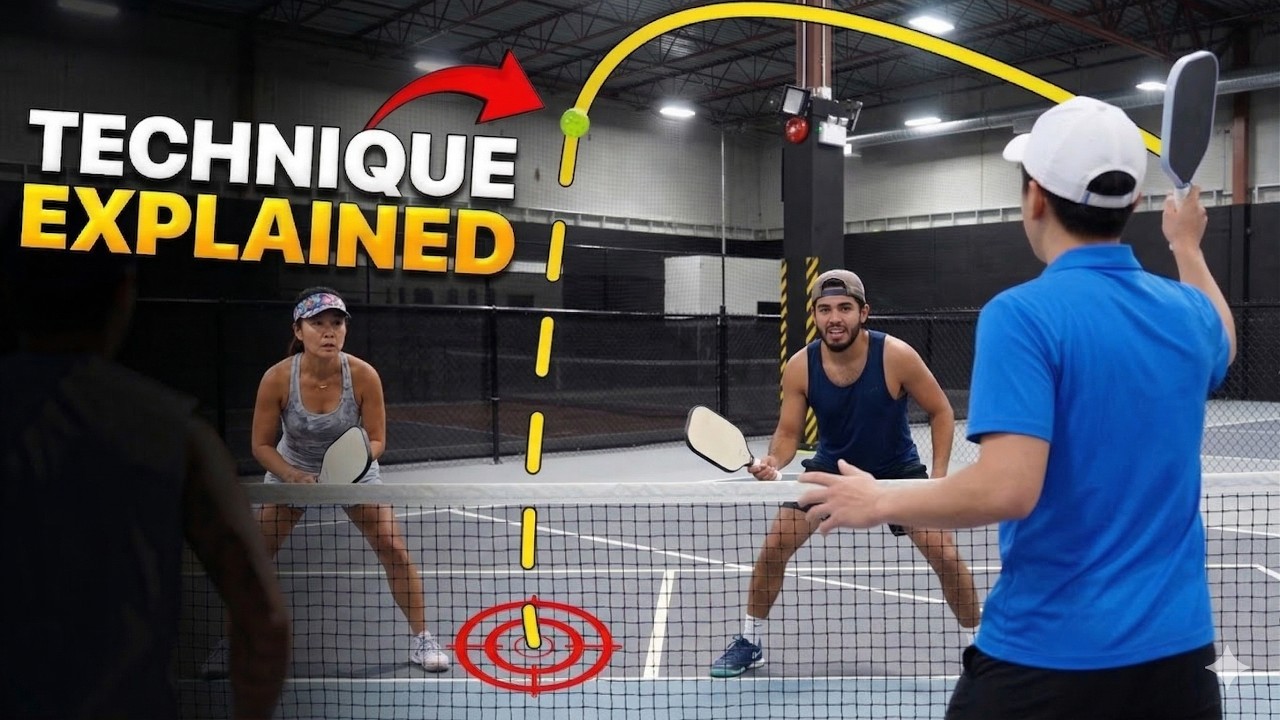
Master the Drip Shot in Pickleball: A Complete Guide
The drip shot is a hybrid between a drop and a drive that gives you the best of both worlds on the court. Master this versatile third shot with step-by-step mechanics and proven drills.
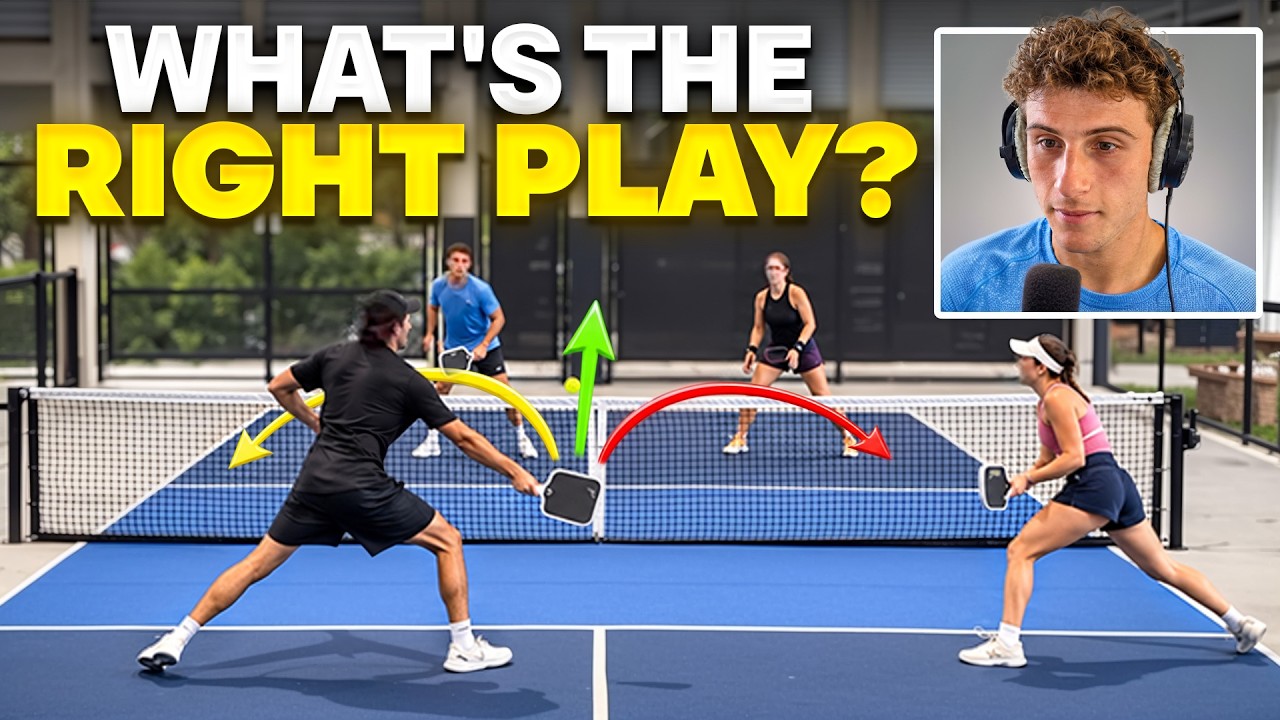
 The Dink PickleballThe Dink Media Team
When Should You Use the Drip Instead of a Drop?
The third shot drop and the drip shot are related but serve different purposes.
The drop is about neutralizing, getting the ball into the kitchen so you can advance safely.
The drip is about attacking, putting pressure on the opponent with spin and pace. Use the drop when you are defensive or uncertain about the exchange.
Use the drip when you read a ball that is sitting up at a comfortable height and you have time to generate spin.
Knowing which third shot situation calls for which shot is a decision that separates 3.5 players from 4.5 players.
The drip is an offensive weapon. Treat it that way and pick your spots carefully.
5 Common Drop Shot Mistakes in Pickleball
From not getting behind the ball to using too much arm, these are the mistakes most rec players make when hitting a drop shot in pickleball.
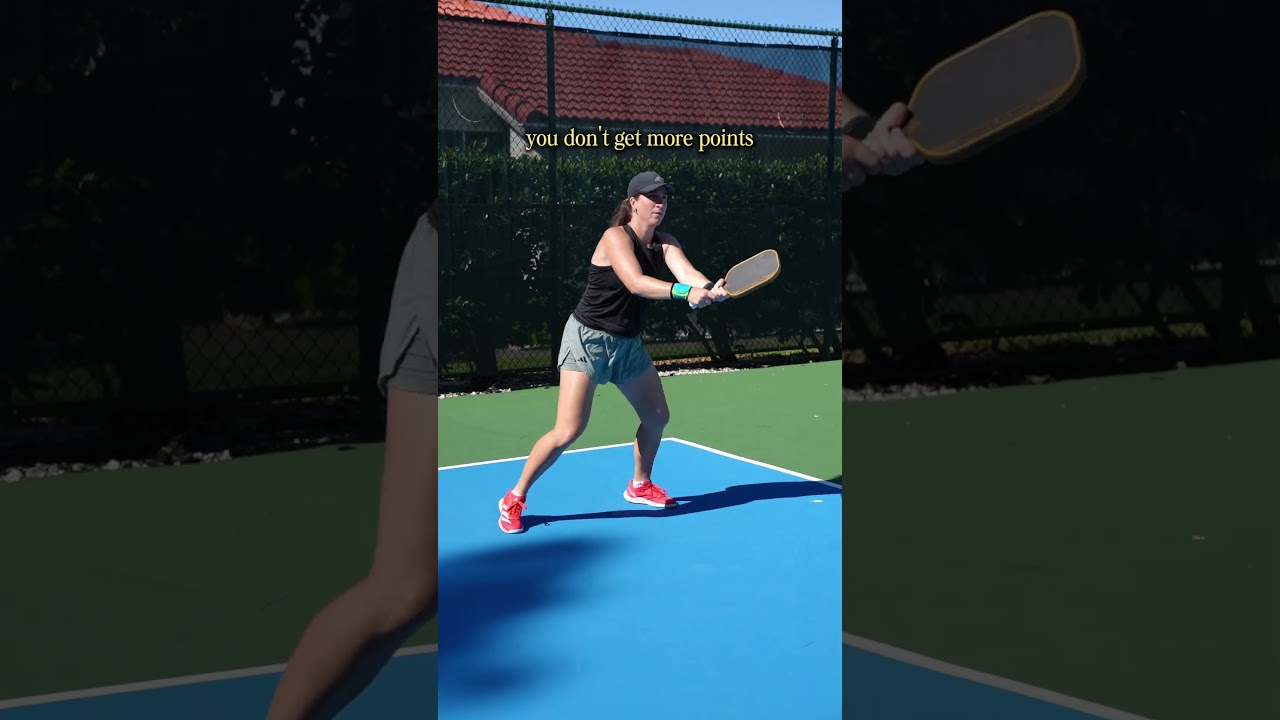
 The Dink PickleballThe Dink Media Team
Can the Pickleball Drip Shot Fix Other Problems in Your Game?
Yes, and this is an underrated benefit. Learning to generate real topspin improves your dink consistency, your drive control, and your ability to attack short balls anywhere on the court.
If you have been struggling with dinking technique that keeps producing popups, the same low-to-high contact principles apply. Topspin is a foundational skill, not a specialty trick.The drip is a great entry point because the feedback is immediate. Either the ball drips or it does not, and that clarity makes it easier to self-correct.
Pair the work with a smarter practice plan to accelerate how fast the shot becomes reliable under pressure.
Share this with your partner and work on it together next time you are on the court.
💡
Heads up: hundreds of thousands of pickleballers read our free newsletter.
Subscribe herefor cutting edge strategy, insider news, pro analysis, the latest product innovations and more.
Frequently Asked Questions
What is the pickleball drip shot?
The pickleball drip shot is a topspin-heavy attack that causes the ball to drop sharply after crossing the net, making it very difficult for opponents to reset cleanly. It combines upward and sidespin brush contact to generate an aggressive, diving trajectory. It is different from a standard drive because the spin, not pace, is what makes it effective.
Why does my drip shot keep going long or into the net?
If your drip goes long, your paddle tip is probably not low enough at setup and you are making contact too high on the ball. If it goes into the net, you may be decelerating at contact or not brushing around the side enough to generate lift alongside spin. Fix your contact point first by targeting the bottom half of the ball's equator.
How much topspin do you need for the drip shot to work?
You need significantly more topspin than a standard drive. The spin has to be aggressive enough to pull the ball down into the kitchen after it clears the net at pace. A light brush will not create that sharp dipping trajectory.
Exaggerate your paddle drop and follow-through until the ball behavior is clearly different from a flat hit.
Is the drip shot legal in pickleball?
Yes, the drip shot is completely legal. It is a topspin attack like any other shot in the game. There are no restrictions on spin type or swing path in pickleball, so you can use it anywhere on the court as long as you follow standard serving and kitchen rules.
How long does it take to learn the pickleball drip shot?
Most players start feeling the correct contact within a few focused practice sessions once they understand the paddle tip position and equator contact point. Consistency under pressure takes longer, usually several weeks of drilling before you can rely on it in live play. Isolated feeding drills are the fastest path to ingraining the mechanics.
Anuncie Aqui / Advertise Here
Sua marca para o mundo Pickleball! / Your brand for the Pickleball world!




 English (US) ·
  Portuguese (BR) ·