
 English
  Spanish
  Portuguese
  German
  Italian
  Japanese
  French
  Polish
  Russian
  Netherlands
  Hungarian
  Turkish
  Videos
  Thedink Pickleball

Your third shot pickleball problems are costing you more points than you realize. Fix your thirds and fourths with these six specific tips and stop the bleeding today.
Your third shot pickleball problems are not about technique alone. Most of the time, the real issue is that you have no preset plan before the ball even reaches you.
The fourth shot gets it even worse. Almost nobody talks about it, nobody practices it, and yet it decides points constantly.This breakdown covers six specific tips across both shots, pulled directly from Mari Humberg Pickleball on YouTube. If you have been losing rallies in the first four shots, this is where to start.
Love pickleball? Then you'll love our free newsletter. We send the latest news, tips, and highlights for free each week.
The Third Shot Problem Nobody Admits
Here is a question most players cannot answer: when do you drop, and when do you drive?
If you are making that decision as the ball is arriving, you are already too late. The hesitation alone causes more errors than bad technique ever will.The fix is to have predetermined rules based on ball position.
Not rules you borrow from someone else, but rules you commit to before you step on the court.
Here is a framework that works for a lot of players at intermediate levels and above:
- Ball contact in the lighter zone near the baseline: drive it.
- Ball contact inside the deeper zone, above hip height: drive it.
- Ball contact inside the deeper zone, below hip height: drop it.
- Sliced return that sits low: drive it regardless of depth, since the pace is already off the ball.
These are not universal laws. They are a starting point.
The point is that you pick your rules, write them down if you have to, and stop improvising under pressure.
If you want to go deeper on the drop versus drive decision, this breakdown of the five third shots every player needs lays out the full decision tree, and the guide to the drive drop combo shot covers what to do when the choice isn't obvious.Court awareness is the other half of this.
Learning to recognize your court position is what turns those rules into something automatic, and if you're still below a 4.0, there may be two shots worth prioritizing before the drop entirely.
Are You Hitting to the Wrong Person Every Time?
There are always two players on the other side. One just hit the return and is running in.
The other is already parked at the kitchen line, perfectly balanced, waiting. Take a guess at which one is harder to beat.
The person standing still is ready for anything you throw at them. The person moving has to manage their footwork while they hit.
Stop targeting the stationary player. Hit your third to the person coming in.This is one of the most repeated mistakes at every level from 3.5 to 4.5, and it costs points that should never be lost.
According to USA Pickleball's official player skill rating definitions, shot selection and court positioning are exactly what separate those tiers, not raw power.
If the returner is already deep and comfortable, know which return targets pros actually use so you can predict where the ball is going before it arrives.
💡
Need some new pickleball gear? Get 20% off select paddles, shoes, and more with code THEDINK at
Midwest Racquet SportsWhy Pace Is Hurting Your Thirds
The fix most players resist hearing: you are hitting too hard.
When you drive, stay at 50 to 60 percent pace. That is not a suggestion.
Driving at full pace increases spin loss, reduces margin over the net, and makes it almost impossible to recover if the shot comes back fast.
If you want more power without losing that margin, these five tips to instantly improve your drive are the place to start.
When you hit a third shot drop, stop trying to land it perfectly inside the kitchen. Height is the priority, not placement.A ball that dips below the attackable zone but lands slightly short is still a good drop. A ball that hits the tape because you were obsessed with placement is a rally ender.
Think about what your opponent actually needs to attack you. They need the ball at a height they can drive down.Keep it low and you take that away, whether it lands eight inches inside the kitchen or two.
The science-backed method for hitting perfect drops explains why that trajectory matters more than the landing spot, and these quick fixes to two common third shot drop mistakes address how swing mechanics feed into height control.Want the simplest version of this shot? The push drop is what a lot of pros fall back on under pressure.
6 Third Shot Drop Techniques for Pickleball Players
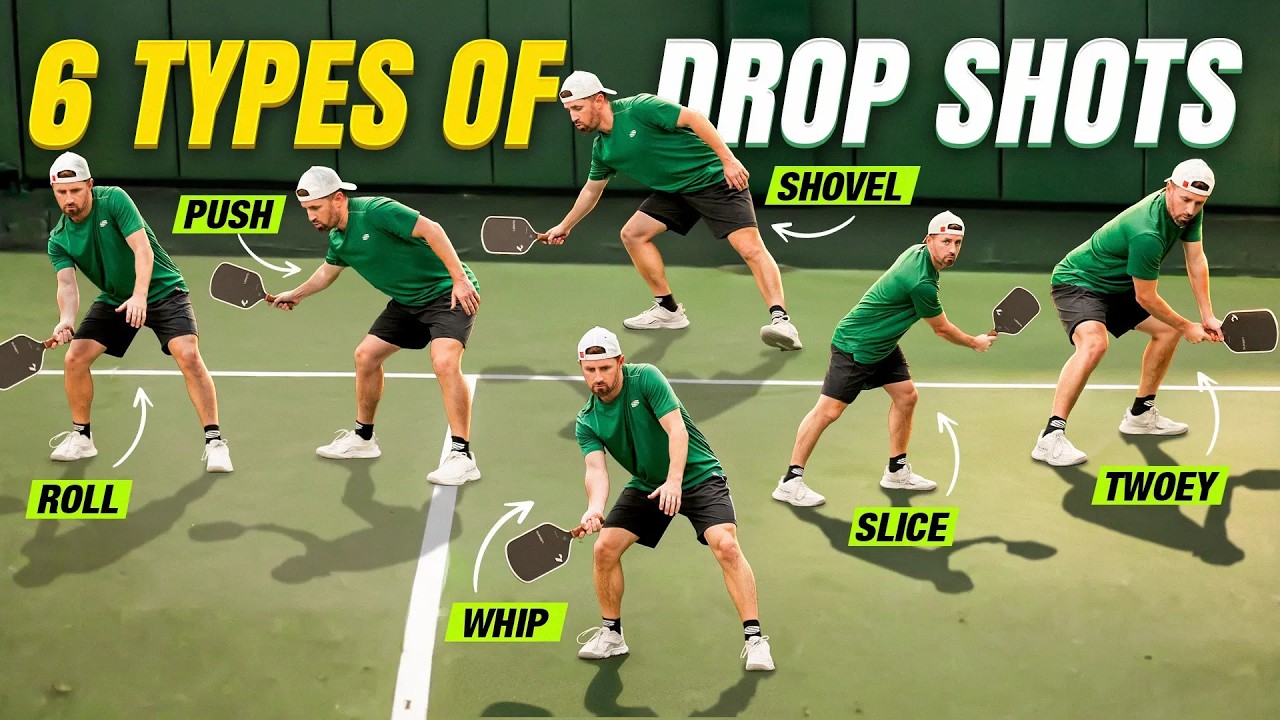
The third shot drop is the shot that separates developing players from competitive ones. Here are 6 specific techniques to hit it better in every situation.
 The Dink PickleballThe Dink Media Team
What Even Is a Fourth Shot?
The fourth shot is the shot hit by the returning team after the serving team hits their third.
Most players treat it as an afterthought, even though it directly determines whether the serving team reaches the kitchen or loses the point early.
Quick sequence recap: serve is one, return is two, third is three, fourth is four.You almost certainly spend practice time on your third shot drop. You probably spend zero time on your fourth.
That is a problem. This guide to the fourth shot and its three point-winning variations explains exactly what it keeps costing you.
Master the Fourth Shot in Pickleball to Win More Points
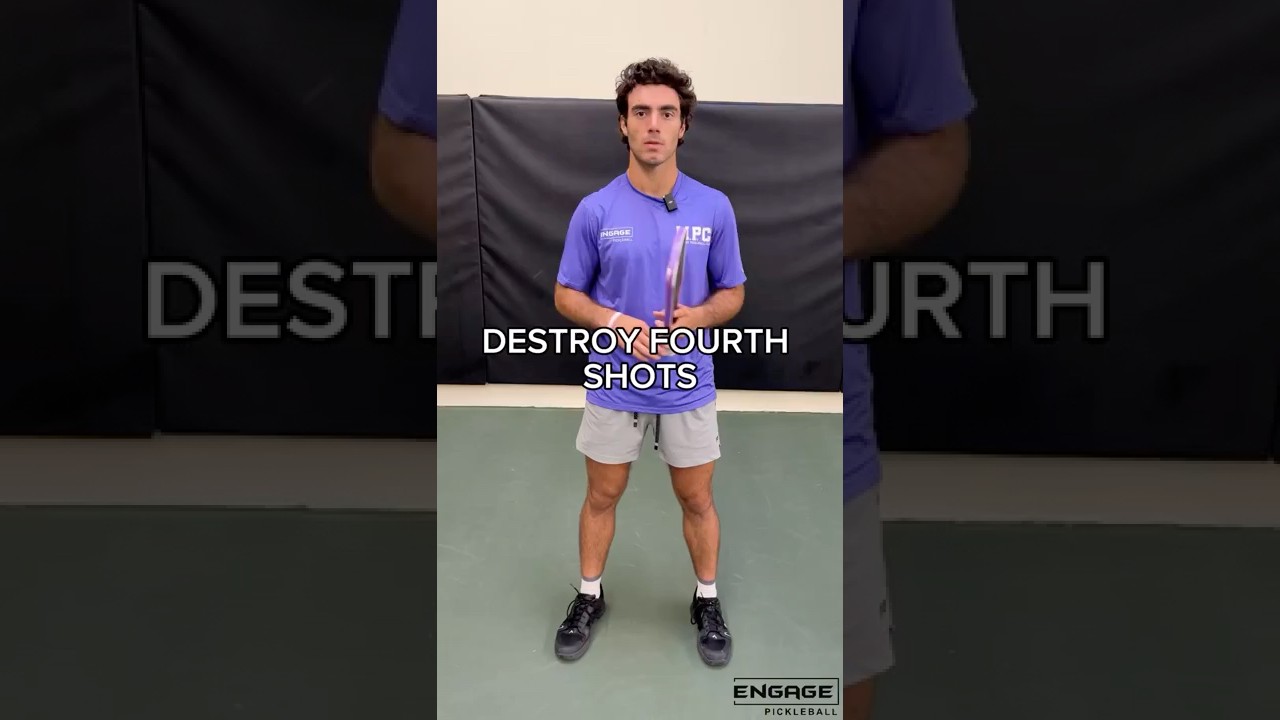
The fourth shot in pickleball is your chance to seize control of the rally. By engaging your body and legs with a longer swing, you can generate maximum power and spin that forces errors from your opponents.
 The Dink PickleballThe Dink Media Team
Fix 1: Split step before contact.
You cannot hit a controlled shot while your body is moving.
When you see the third shot leave your opponent's paddle, that is your cue to split step and get balanced.
Hitting on the run is one of the fastest ways to pop the ball up and hand over a free attack.
If that's a pattern for you, these four fixes to stop popping the ball up go straight at the cause.
Fix 2: Go to the ball, do not wait for it.
There is a huge difference between contacting the ball out in front of your body versus letting it travel back toward you.
Contact it early and out front, and you control the angle. Let it get deep on you and your only option is to lift it, which is exactly what attackers want.This connects directly to a broader footwork issue.
Adding simple wall drills to your week is the fastest way to stop being passive with your feet, and early preparation buys you the time to do it.
Fix 3: Decide early, before the bounce.
Are you taking the ball out of the air or letting it bounce? That decision has to be made the moment the third shot leaves your opponent's paddle.
Not after the bounce. Not as it approaches. Right away.Wait too long and you end up caught in between, and that in-between position produces more errors than almost anything else in this game.
Commit to the air or the bounce and move accordingly.
For the volley side of this decision, the shot trifecta of return, drop, and fourth shot volley covers the mechanics of finishing cleanly.
Roll Volley vs Punch Volley: Which Pickleball Shot to Hit
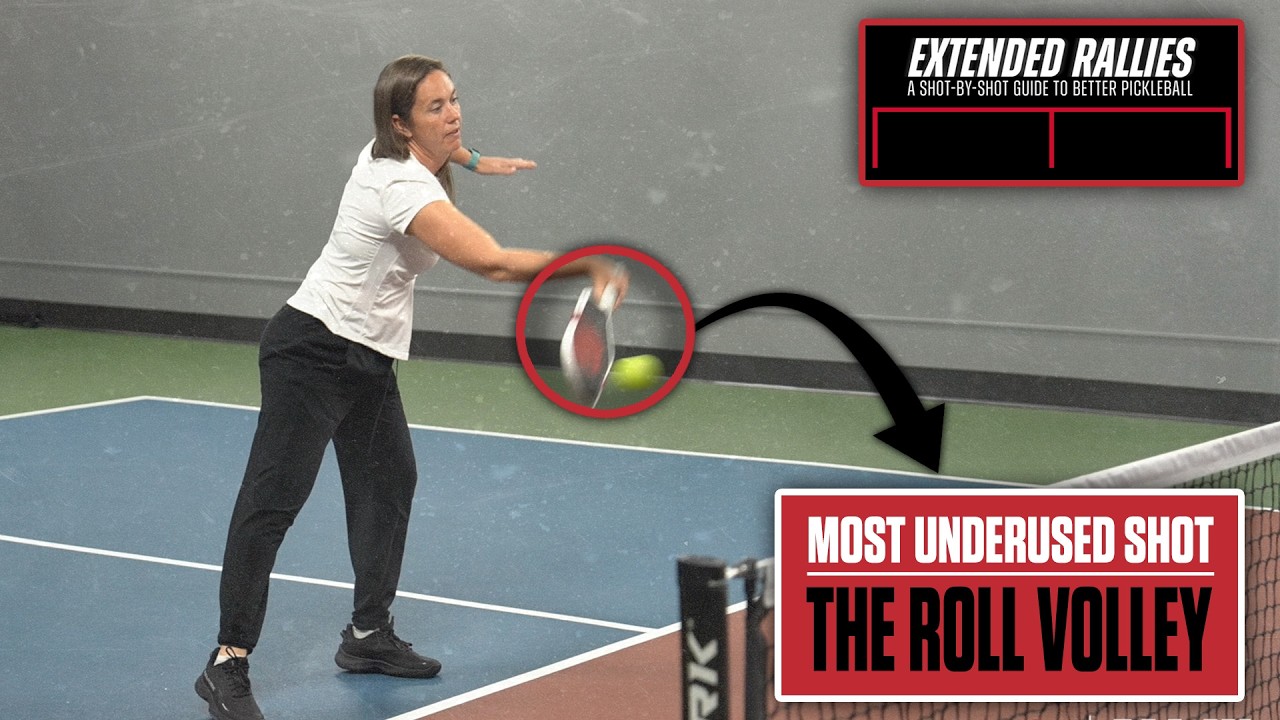
Knowing when to hit a roll volley instead of a punch volley can extend your rallies and put real pressure on your opponent’s feet. Here’s exactly how to execute it.
 The Dink PickleballThe Dink Media Team
What to Do When Your Fourth Shot Is Not There
Not every fourth shot is hittable aggressively. Sometimes the third shot drop is genuinely good and you are stuck.
When you are in that position, the answer is simple: concede the kitchen. Let them come in, reset, and play the next ball.Trying to force an attack from a compromised position is how you hand over easy points.
Building the reset that takes players from 3.5 to 5.0 is what makes that concession survivable instead of terminal.
When the fourth shot is there, the approach flips entirely. If you can hit it hard and down, do it.
Do not try to dink a ball that is sitting up. Take it out of the air, drive it down, and make them scramble.If the incoming ball is a full-speed drive, knowing how to attack drives and beat bangers turns their pace into your advantage.
That decision, hard attack or full concede, is one of the separators between players who plateau at 3.5 and players who push to 4.0 and beyond.There is rarely a middle path that works, which is the same theme running through the three pro patterns that finally get you past 4.0.
Fourth Ball Pressure: The Shot Changing Pickleball in 2026
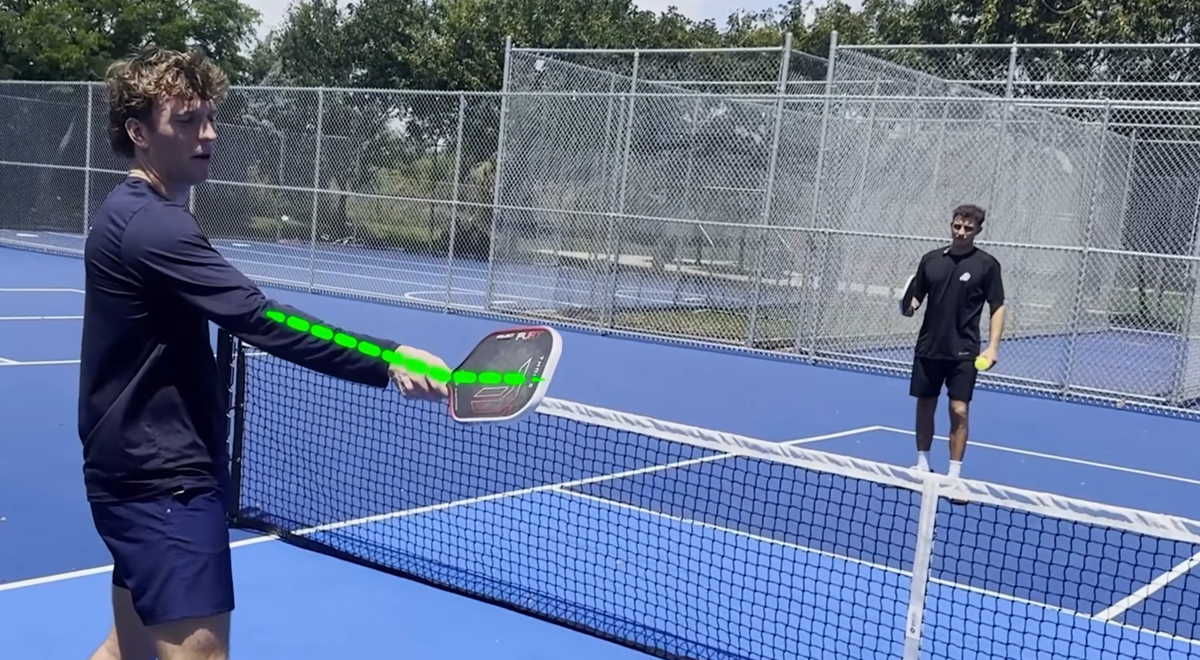
Fourth ball pressure is the shot that separates elite players from the rest. This aggressive midcourt technique applies relentless pressure on opponents and makes it nearly impossible to establish net control.
 The Dink PickleballThe Dink Media Team
Putting It Together: A Simple Checklist
Here are the six fixes in one place so you can run through them before your next session:
- Have preset rules for when you drop and when you drive on your third.
- Target the player coming in, not the one standing still at the kitchen line.
- Cap your drive pace at 50 to 60 percent and prioritize low height over kitchen placement on every third shot drop.
- Split step before your fourth shot so you are balanced at contact.
- Move to the ball and contact it out front, not deep in your stance.
- Decide immediately whether you are taking the fourth out of the air or off the bounce.
These are not advanced concepts reserved for players with a coach. These are the basics most recreational players never actually address in a focused way.
Participation data compiled by the Sports & Fitness Industry Association shows pickleball's growth is still concentrated in recreational play, which is exactly where these first-four-shot habits go uncorrected for years.Players who understand the five shots you must master to break 5.0 are the ones who stop losing rallies in the first four exchanges.
That is where most points are actually decided.
To sharpen the drop specifically, these three tips to stop missing your third shot drops identify the exact mechanics behind the most common misses.
And if the transition zone is where you bleed points after your third, two tactics to escape trouble in the transition zone give you a clear path forward.The deeper breakdown of when to play safe versus when to attack covers the judgment call itself.
Start with one fix per session. Pick the first one, run it until it becomes automatic, then add the next.
That is how you build a real game, not by trying to change everything at once.
💡
Heads up: hundreds of thousands of pickleballers read our free newsletter.
Subscribe herefor cutting edge strategy, insider news, pro analysis, the latest product innovations and more.
Frequently Asked Questions
When should I drop versus drive on my third shot in pickleball?
The answer depends on where you are making contact and how high the ball is sitting. A general rule: drive from the baseline or when the ball is above your hip, and drop when you are deeper in the court and the ball is below your hip. The most important thing is to make that decision before the ball reaches you, not as it arrives.
Why do I keep popping up my fourth shot in pickleball?
The most common cause is waiting too long to decide whether to take the ball out of the air or off the bounce. That hesitation puts you in an awkward in between position where lifting the ball is your only option. Decide early and move to the ball instead of letting it come to you.
What is a fourth shot in pickleball?
The fourth shot is the shot hit by the returning team in response to the serving team's third shot, which is usually a drop or drive. It is the shot immediately after the third, and it is one of the most overlooked shots in recreational pickleball. Hitting it well, either by attacking aggressively or by resetting and conceding the kitchen, can completely change the shape of a rally.
Should I always hit my third shot drop to the kitchen?
Placement matters less than height. A drop that stays low and is not attackable is a good drop even if it lands a bit short of the kitchen line. The mistake is prioritizing exact kitchen placement over keeping the ball below the attackable zone, which leads to harder swings and more net errors.
Why should I hit my third shot to the player who is moving?
Hitting to the player at the kitchen who is already set gives them maximum time and balance to attack your shot. The player running in from the return has to manage footwork while hitting, which significantly reduces their offensive options. Targeting the moving player is one of the fastest ways to get easier fourth shots or force errors without changing anything about your own mechanics.
Anuncie Aqui / Advertise Here
Sua marca para o mundo Pickleball! / Your brand for the Pickleball world!


 English (US) ·
  Portuguese (BR) ·