
 English
  Spanish
  Portuguese
  German
  Italian
  Japanese
  French
  Polish
  Russian
  Netherlands
  Hungarian
  Turkish
  Videos
  Thedink Pickleball

Reaching 4.5 pickleball isn't about hitting harder. It's about mastering the specific skills most players overlook, from dink quality to transition reads.
If you've been grinding toward 4.5 pickleball and wondering why you keep stalling out, the answer probably isn't your athleticism or your power.
It's a specific set of skills that players at that level own, and that players below it consistently skip over or execute poorly.This breakdown pulls from real match footage analyzed by Briones Pickleball Breakdown on YouTube, featuring players competing in the 4.5 to 5.0 range.
What you're about to read is what actually separates those players from everyone else.
Love pickleball? Then you'll love our free newsletter. We send the latest news, tips, and highlights for free each week.
What Does 4.5 Pickleball Actually Look Like?
The very first point in this footage was a 15 to 20 ball rally.
Both teams executed quality drops, got to the kitchen, and stayed in long dink exchanges without breaking down.
That's not luck. That's a baseline standard at this level.
The players you're watching aren't just getting the ball over the net.They're constructing points, reading situations early, and hitting with purpose on almost every single shot. Here's what makes that possible.
Skill 1: The Deep Serve and Aggressive Return
At 4.5, the serve is a weapon used to create pressure before the point even starts.
These players consistently hit deep, heavy serves that push returners back and make third shot drops harder to execute.
But the return matters just as much. The best returners at this level don't just clear the net and survive.
They return deep and immediately move forward to establish position at the kitchen line.That combination, a deep return plus fast transition forward, forces the serving team into a more difficult third shot.
If your returns are landing short or you're slow getting to the non-volley zone, you're giving up a huge positional advantage before the rally really begins.
For more on pickleball return of serve placement, there are three specific targets that put you in control of the point from ball one.
💡
Need some new pickleball gear? Get 20% off select paddles, shoes, and more with code THEDINK at
Midwest Racquet SportsSkill 2: A Consistent, Balanced Third Shot Drop
This is the skill that gatekeeps 4.5 pickleball more than almost anything else.
In the footage, one player executes a picture perfect third shot drop.
When you watch it frame by frame, the thing that stands out isn't the swing. It's the body control.
He's not leaning back, not falling to one side. His feet are set and his balance is neutral.
Good players make third shots look effortless because they set up properly before the swing.Most players below 4.5 rush it and try to create the shot with their arm instead of their body.
The drop lands right at the non-volley zone line, forcing the net player to step back off the kitchen.
That's the goal. Not just to get it in, but to land it deep enough to take away the attack.If your third shot drop keeps failing, the root cause is almost always balance and setup, not technique.
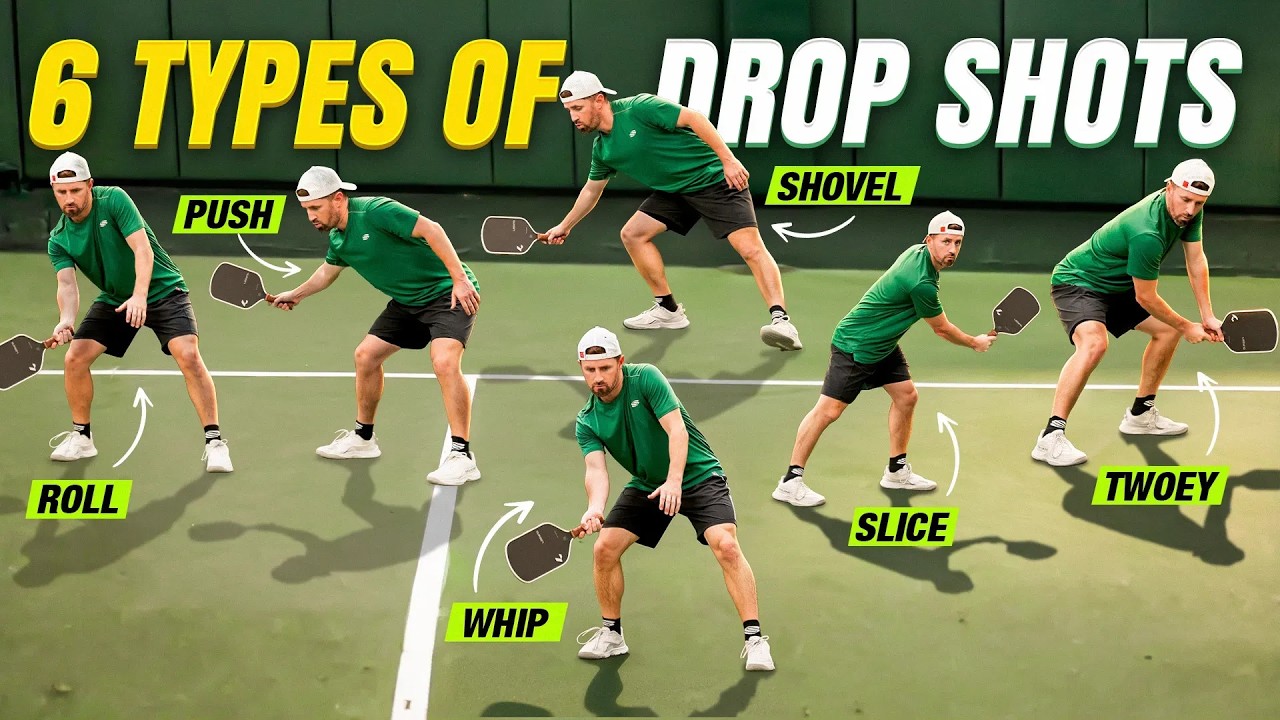
6 Third Shot Drop Techniques for Pickleball Players
The third shot drop is the shot that separates developing players from competitive ones. Here are 6 specific techniques to hit it better in every situation.
 The Dink PickleballThe Dink Media Team
Skill 3: Dink Quality That Actually Creates Pressure
Here's what most players get wrong about dinking. They think good dinking means keeping the ball low and in.
That's the floor, not the ceiling.
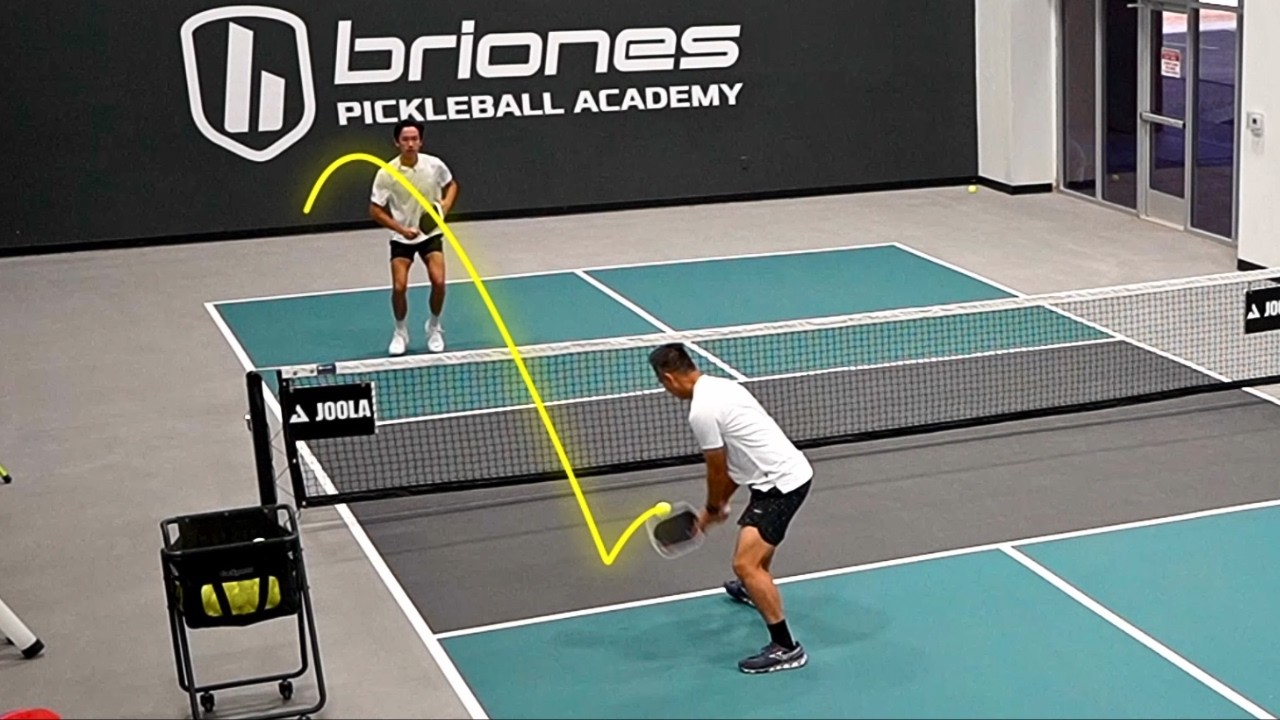
A 4.5 pickleball player isn't dinking softly into the kitchen. They're hitting with spin and depth, landing the ball right at or just past the non-volley zone line.That combination forces opponents into uncomfortable contact points.
Watch where these players aim: the dinks are penetrating the kitchen, not floating short.
They also mix targets. Crosscourt one ball, then middle, then back crosscourt to open the angle.
That's not random. That's owning the middle dink and using it as a setup shot.
Here's what separates a 3.5 dink from a 4.5 dink:
- Landing zone: Short kitchen vs. deep kitchen near the line
- Spin: Little or none vs. topspin or heavy sidespin that moves the ball
- Target variety: Always crosscourt vs. crosscourt, middle, and inside foot
- Intent: Keeping it in vs. forcing a pop-up or opening an attack
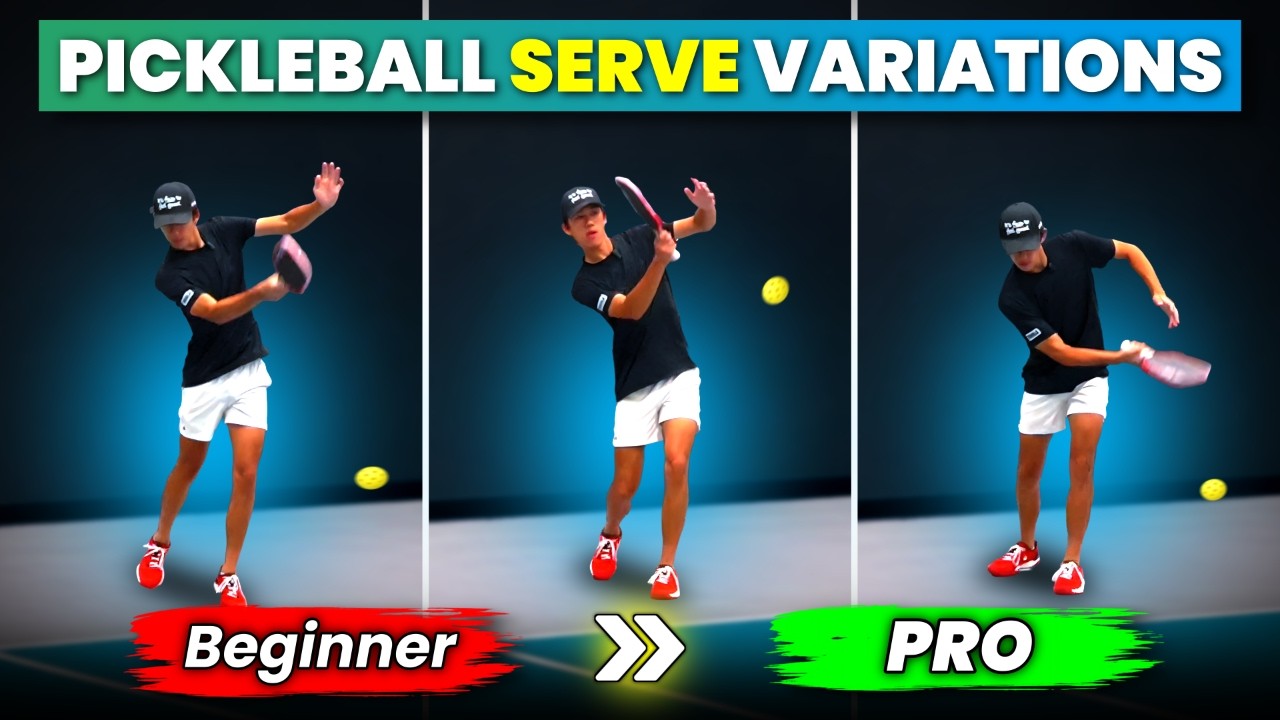
3 Pickleball Serves That Create Instant Pressure
Most players hit the same flat pickleball serve every point. These three serves add power, height, and spin so you win the first ball more often.
 The Dink PickleballThe Dink Media Team
Skill 4: Middle Coverage and Court Awareness
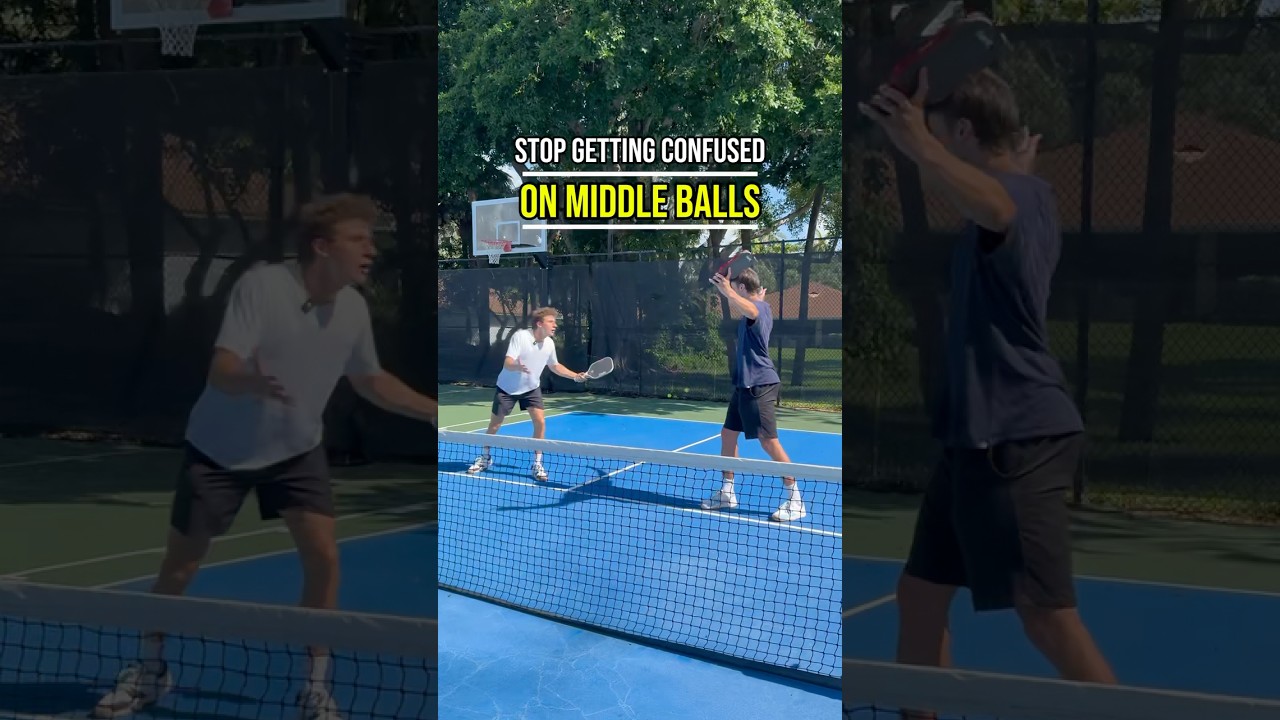
Covering the middle isn't just about poaching. It's about reading the situation before the ball gets there.
In one exchange, a player hits a crosscourt roll dink. The moment he sees his partner leaning in to flick, his first instinct is to cover the middle.And that's exactly what happens. His partner attacks, the opponent counters back through the middle, and he's already there with a forehand.
This is a trained read, not a reflex.
Lower level players are still processing where the ball went. A 4.5 pickleball player is already moving to where the ball is going.
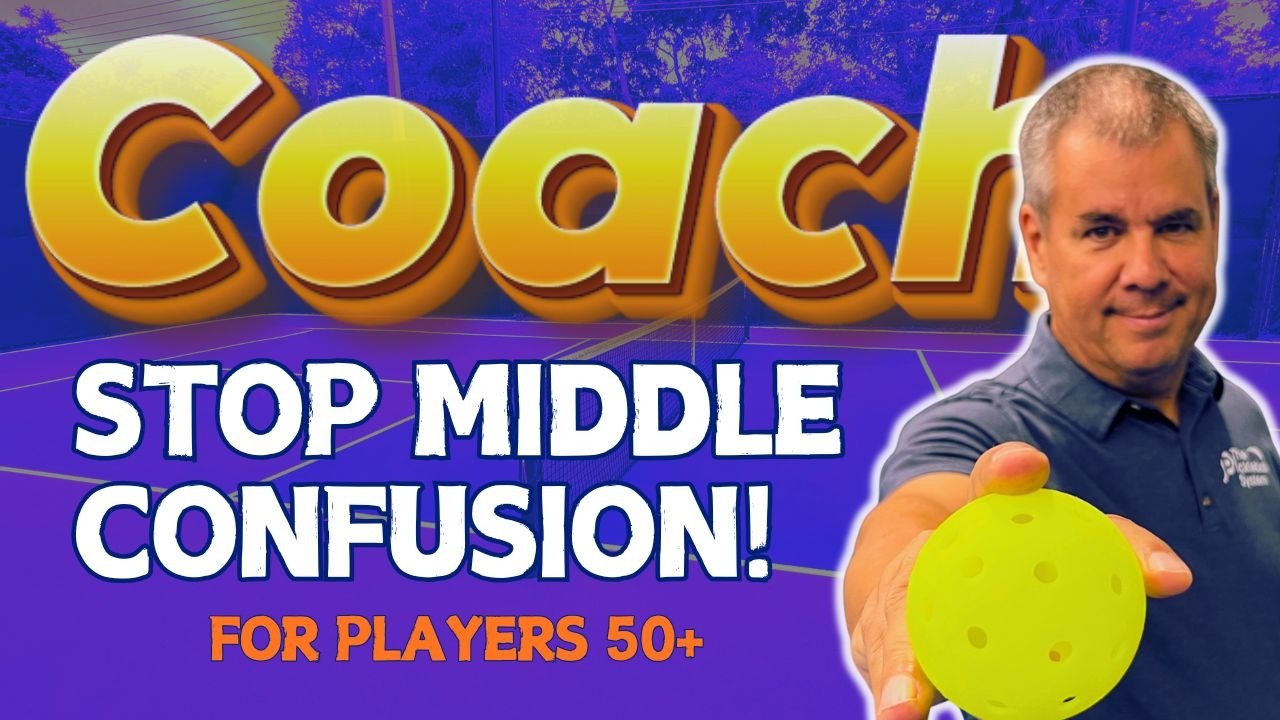
Middle Coverage Pickleball: The 4th Shot Rule
The player already at the non-volley zone line should always take the middle 4th shot, not the returner moving forward from the baseline.
 The Dink PickleballThe Dink Media Team
What Does Good Transition Look Like at This Level?
Good transition isn't sprinting to the kitchen on every ball. It's reading the situation and moving at the right speed.
In the footage, one player hits a drive and simply holds their position instead of rushing forward. They're planning for the next shot, not reacting to the last one.
When a ball does land low near the kitchen, experienced players don't force a volley. They recognize it early, step back off the line to create space, and reset.That recognition, knowing when to come in and when to give ground, is a skill that takes real court time to develop.
Here's what smart transition at 4.5 actually looks like step by step:
- After your third shot, move forward but read the contact point at the net
- If the opponent is sitting on a high ball, be ready to stop and defend
- If your drop was quality, close calmly and split step before they swing
- If the ball is coming back low, create space by stepping back before hitting
- Always be planning two shots ahead, not just reacting to the current ball
For a deeper look, the transition zone three drop strategy gives you a repeatable framework for surviving the middle of the court.
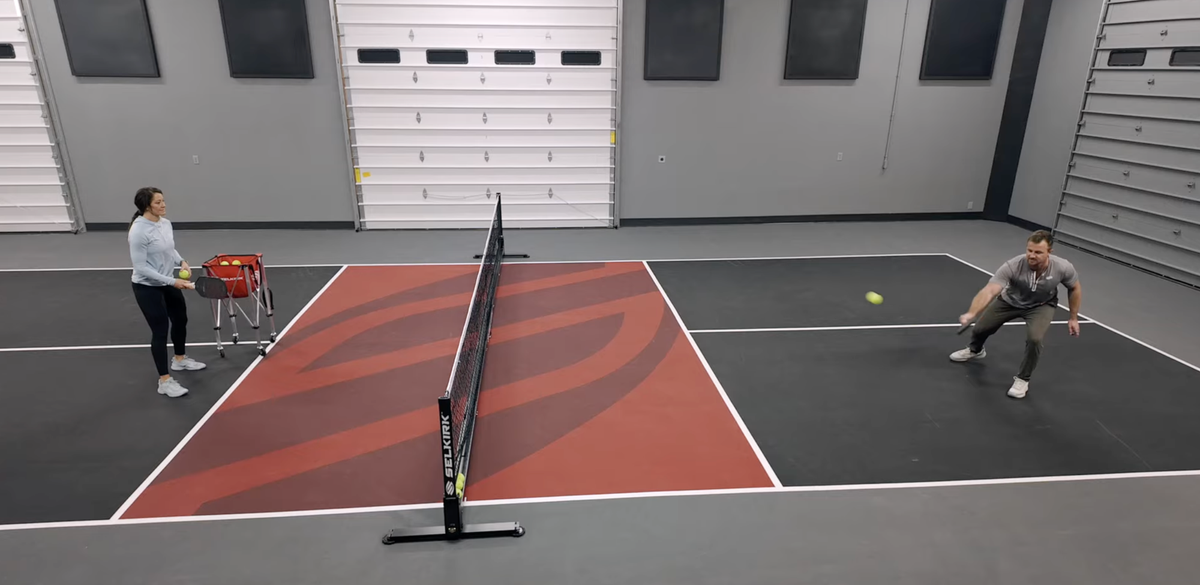
Master the Pickleball Transition Zone: Attack or Reset
The best players in the world aren’t just comfortable in the transition zone – they actively use it to their advantage
 The Dink PickleballThe Dink Media Team
This is one of the clearest separators between 3.5 and 4.5 play. At higher levels, the two-handed backhand isn't a defensive shot. It's an attack vehicle.
In the footage, one player uses a two-handed backhand to roll an opponent completely off the court. That's a winner disguised as a dink.The left hand is doing real work there, driving rotation and generating topspin that dips sharply after clearing the net.
If your two-handed backhand is just a push to keep the ball in, you're leaving offense on the table.Common mistakes on the two-handed backhand dink cost players the ability to use it as anything other than a safety shot.
How to Fix a Late Two-Handed Backhand in Pickleball
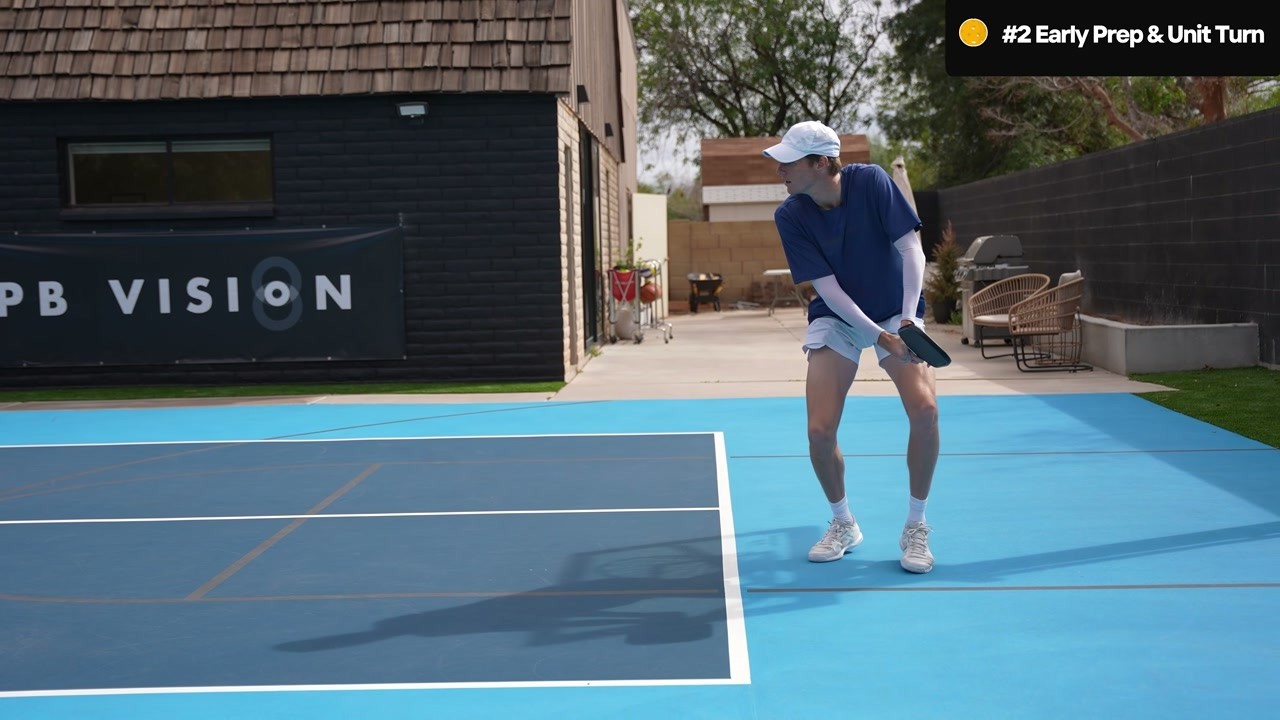
Being late on your two-handed backhand is almost always a preparation problem, not a swing problem. Fix the unit turn and early paddle set, and the rest of the shot gets a lot simpler.
 The Dink PickleballThe Dink Media Team
Skill 6: Defensive Reads and Digging Hard Balls
At 4.5, you will get attacked. A lot.
The question isn't whether you'll be on defense. It's how quickly you recover from it.
These players split step at exactly the right moment so they're balanced and ready to block. When a ball pops up in transition, they don't panic.
They split, they read, and they block with minimal swing.
Watch how little movement one player uses to redirect a hard attack back into the kitchen. There's almost no backswing. The paddle face does the work.That's not natural. That's hundreds of hours of deliberate defensive practice.
Lower level players get beaten because they're still moving when contact happens. A 4.5 pickleball player stops first, then responds.
Check out how these patterns can break you through 4.0 by targeting defensive stability and reaction timing.
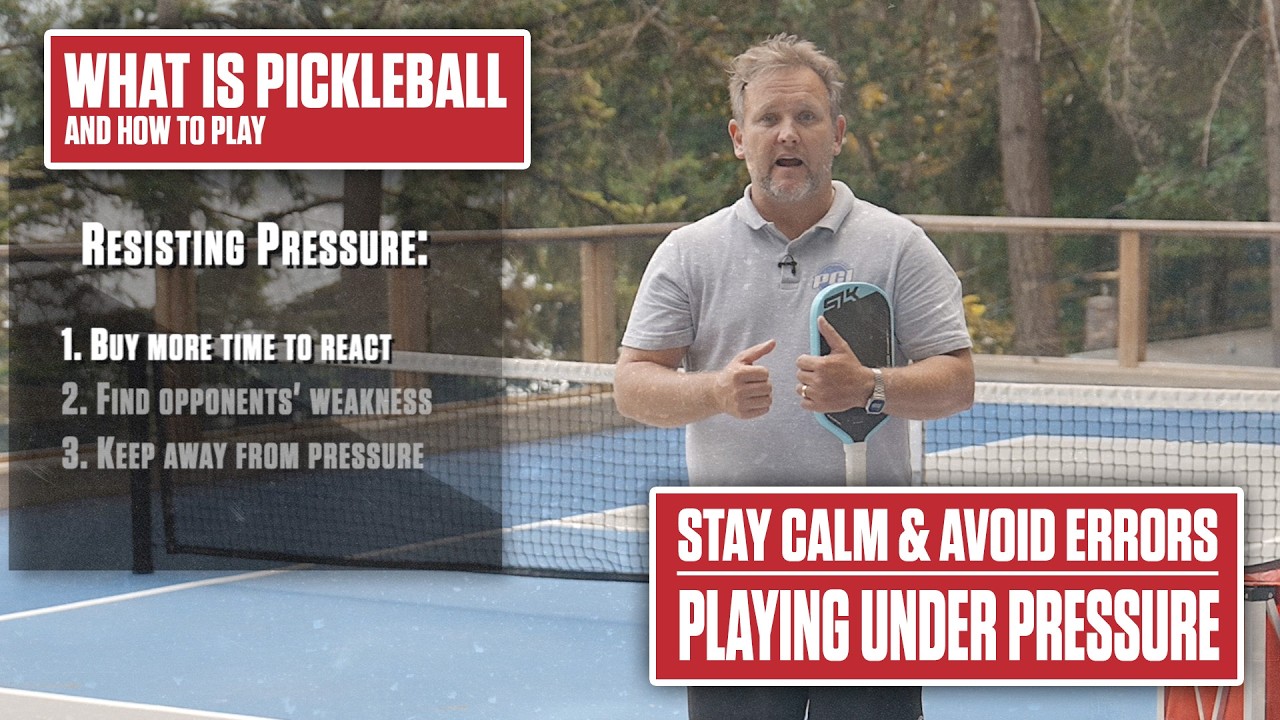
Defensive Pickleball: 3 Proven Strategies to Stay Calm Under Pressure
Effective pickleball strategy isn’t always about hitting winners or executing perfect shots. Sometimes it’s about making smart decisions that put your opponents in uncomfortable situations.
 The Dink PickleballThe Dink Media Team
Skill 7: Deception and Paddle Manipulation
This is the one most 3.5 and 4.0 players aren't even thinking about.
A 4.5 pickleball player is actively trying to sell shots they're not hitting.
One player in the footage shows a big exaggerated backswing repeatedly. Sometimes he dinks softly.
Sometimes he speeds it up. Then he goes for a lob to the backhand.The opponent can't read him because the setup looks identical every time. That's paddle manipulation, and it requires you to already own your fundamentals.
You can't fake out an opponent if you're still thinking about where to put your feet.
Once your drops, dinks, and resets are automatic, you can layer in deception.
Understanding shot selection through the stoplight rule helps you figure out which moments call for aggression versus a soft reset.
The Deceptively Simple Strategy That Beat Anna Leigh Waters
If you can’t beat her, just don’t let her play.
 The Dink PickleballAlex E. Weaver
Are You Missing Any of These?
Most players stuck below 4.5 aren't missing all seven. They're missing two or three, and those gaps show up as errors at the worst possible moments.
Be honest about which ones apply to you. Is your dink quality truly penetrating, or are you landing short? Is your third shot balanced, or are you leaning and muscling it?Are you covering middle by instinct, or always a step late?
Identifying the specific gap is the fastest path forward. This pro breakdown of 4.5 match strategy can help you cross-check where your game actually stands.
Pick one skill, drill it intentionally for two weeks, then move to the next. That's how you close the gap.
💡
Heads up: hundreds of thousands of pickleballers read our free newsletter.
Subscribe herefor cutting edge strategy, insider news, pro analysis, the latest product innovations and more.
Frequently Asked Questions
What is the biggest skill difference between 4.0 and 4.5 pickleball?
Dink quality and transition reads are the most consistent separators. At 4.0, players get the ball over the net in the kitchen. At 4.5, players are landing dinks deep with spin near the non-volley zone line and reading when to step back versus stay forward during transition.
How long does it take to go from 4.0 to 4.5 pickleball?
There's no fixed timeline, but players who drill specific weaknesses intentionally rather than just playing casual games tend to move faster. Focused drilling on drops, dink placement, and defensive resets over several months produces measurable improvement for most players.
Why does my third shot drop keep landing too high?
The most common cause is poor balance at contact. If you're leaning back or rushing through the shot, your paddle face opens up and the ball floats. Set your feet before you swing and keep your weight neutral over your base.
Should I use a two-handed backhand in pickleball?
At 4.5 and above, a strong two-handed backhand gives you the ability to roll opponents off the court from the dink position, which is a major offensive advantage. It's worth developing if you want to add a reliable attacking option from your backhand side.
What does splitting step in pickleball mean?
A split step is a small hop that lands you with both feet planted and knees slightly bent right as your opponent is about to make contact with the ball. It stops your momentum and puts you in a balanced, ready position so you can move quickly in any direction to respond.
Anuncie Aqui / Advertise Here
Sua marca para o mundo Pickleball! / Your brand for the Pickleball world!





 English (US) ·
  Portuguese (BR) ·