
 English
  Spanish
  Portuguese
  German
  Italian
  Japanese
  French
  Polish
  Russian
  Netherlands
  Hungarian
  Turkish
  Videos
  Thedink Pickleball

Most players think the backhand flick is all wrist. A 6.02 DUPR pro says that's exactly why it fails. Here's what actually creates power and spin on the shot.
If your backhand flick keeps popping up or sailing long, you are probably relying on the wrong part of your arm to generate power.
Most recreational players default to a wrist snap, and that one habit limits both speed and consistency at the same time.The fix is not what you expect.
It starts at your shoulder, runs through your foot position, and changes how far you can actually reach into the kitchen without foot faulting.
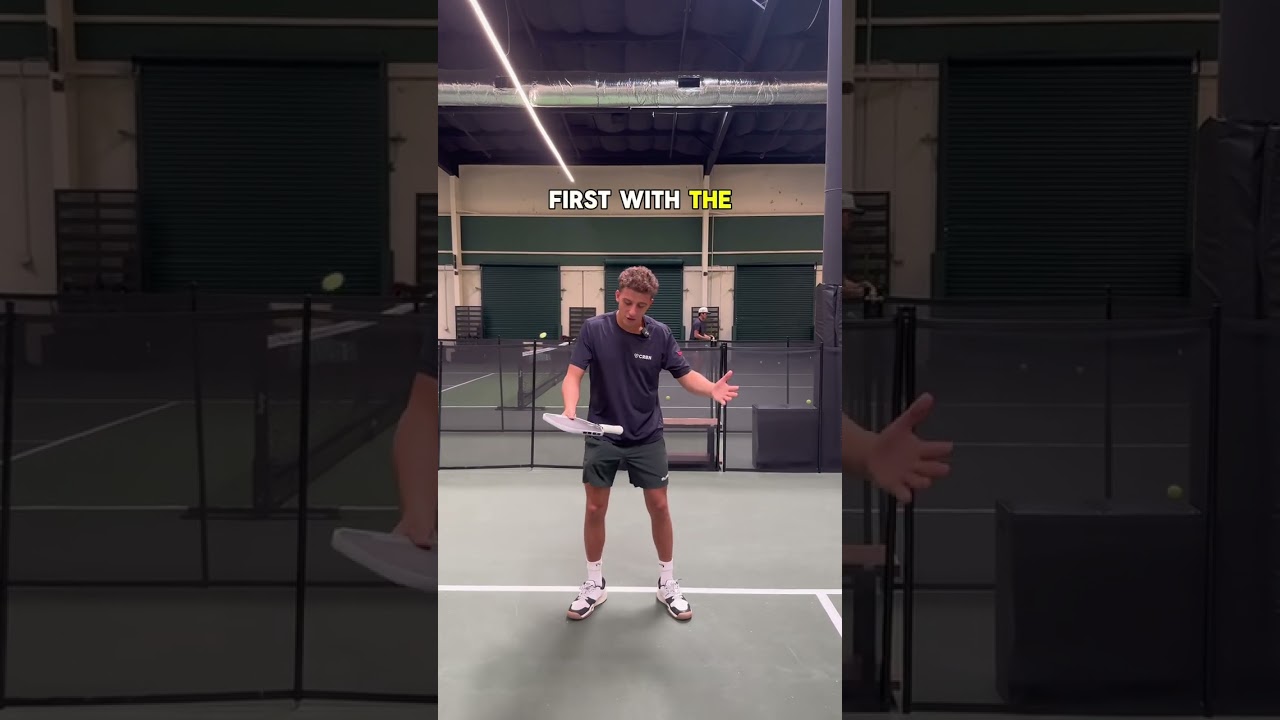
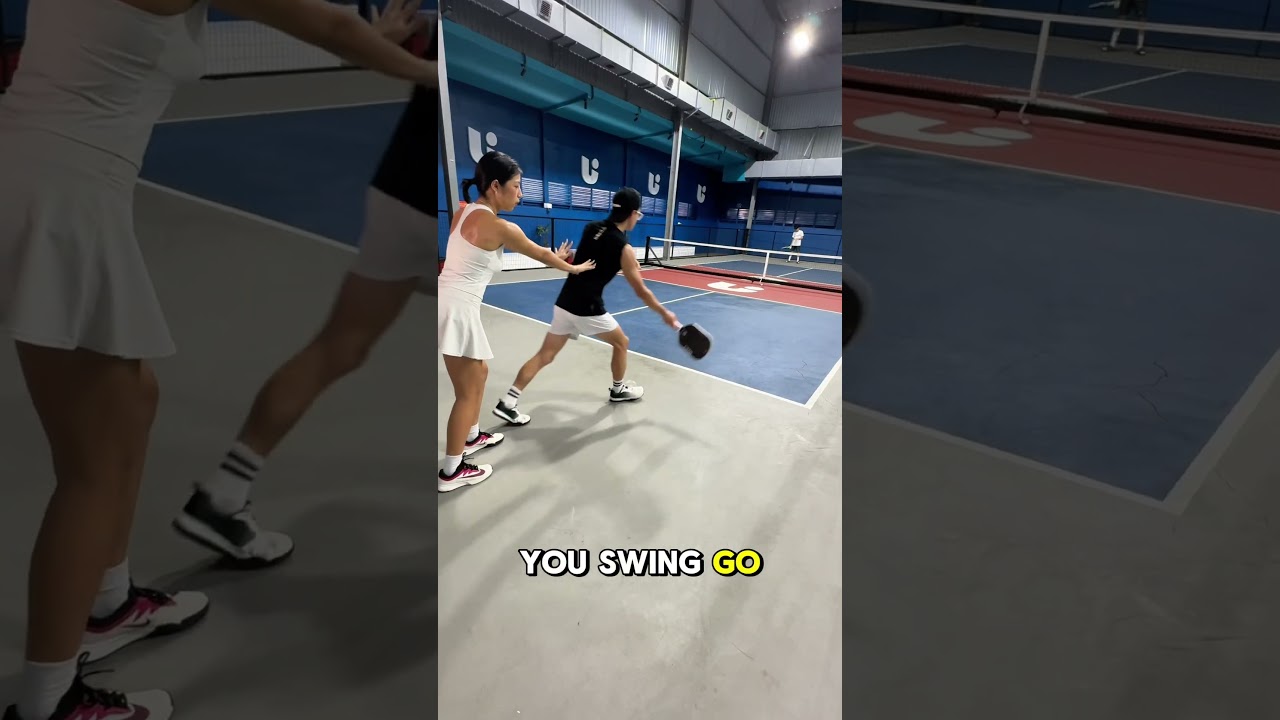
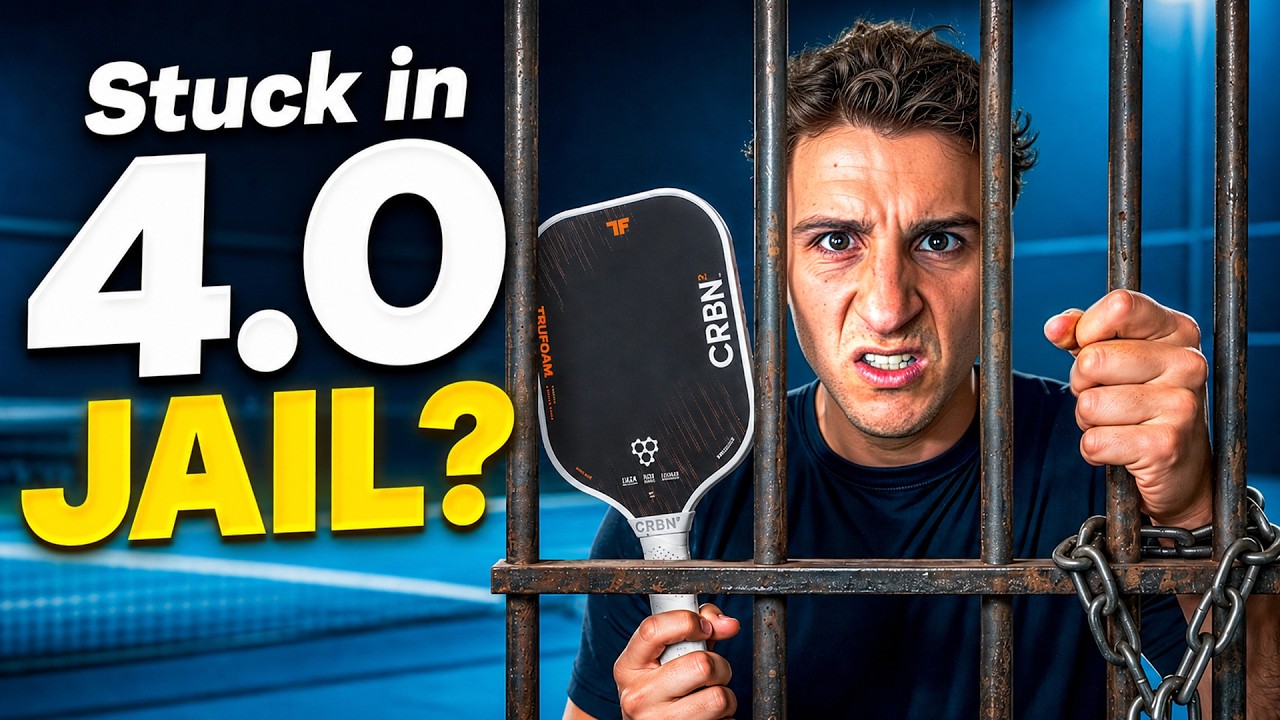
This breakdown comes from Ed Ju on YouTube, who drilled alongside Danni-Elle Townsend, a former professional table tennis player now competing at a 6.02 DUPR rating on the PPA Tour and MLP.
What she showed him rewired the way he thinks about the shot entirely.
Love pickleball? Then you'll love our free newsletter. We send the latest news, tips, and highlights for free each week.
The Real Problem With How Most Players Hit the Backhand Flick
Your wrist is a small, weak joint. Townsend makes this point plainly: if you want real power, you use the biggest muscles first.
Most players attack the flick by releasing or snapping the wrist at contact.That gives you some speed, but you lose control fast, especially when the ball is below net height.
The margin shrinks and the error rate climbs. Townsend does not use her wrist much at all on this shot.
She keeps it locked in the same position and drives everything through shoulder rotation.The result is power at full arm extension, which is something a pure wrist flick cannot produce.
That principle shows up across every modern pickleball strategy worth winning with in 2026, not just this one shot.
What Does Shoulder Rotation Actually Mean on This Shot?
Think about what happens when your arm is fully extended and the ball is low.
A wrist snap from that position produces almost nothing. The angle is wrong, the joint has no leverage, and the contact is sloppy.
Townsend rotates from the shoulder socket itself, not from the elbow or wrist.
She describes it as the arm moving from the cuff of the shoulder, which lets her generate force even when her arm is completely straight.Once you have that base, you can add layers. Here is how she stacks the power sources on this shot:
- Shoulder rotation as the primary driver, rotating the joint inward through the swing
- A slight elbow extension added on top for extra reach and pace
- Minimal wrist acceleration at the very end if you want to add snap for finishing power
You do not need all three on every shot. The shoulder alone is enough to make the ball do something dangerous. That is the foundation.
If you want more context on how wrist mechanics specifically affect your swing, this breakdown on wrist lag in pickleball explains what that joint is actually doing during contact.
💡
Need some new pickleball gear? Get 20% off select paddles, shoes, and more with code THEDINK at
Midwest Racquet SportsShould You Keep the Paddle Tip Down on the Flick?
Here is something Townsend pushed back on directly. Many coaches tell you to drop the paddle tip low to get under the ball.
Townsend says that creates inconsistency. When the paddle tip rotates down too aggressively, the face angle becomes unpredictable and you start sailing balls.
The more consistent approach is to keep the paddle more vertical through the swing and brush the ball with a lifting motion rather than a scooping one.Townsend calls it reducing the "twerk down."
Less tip rotation means tighter height control over the net, which is exactly what you need when you are flicking from below it.This principle connects directly to the three-step backhand flick framework, which covers paddle angle as one of the most commonly ignored variables at the kitchen line.
It is also part of why pros have quietly changed their spin priorities.
The same face-control logic explains why professional pickleball players abandoned the slice shot in 2025.
Stop Popping the Ball Up: Modern Pickleball Hand Speed and Paddle Positioning
Winning the kitchen today isn’t about swinging harder—it’s about creating space with your coil and controlling contact with smarter paddle positioning
 The Dink PickleballThe Dink Media Team
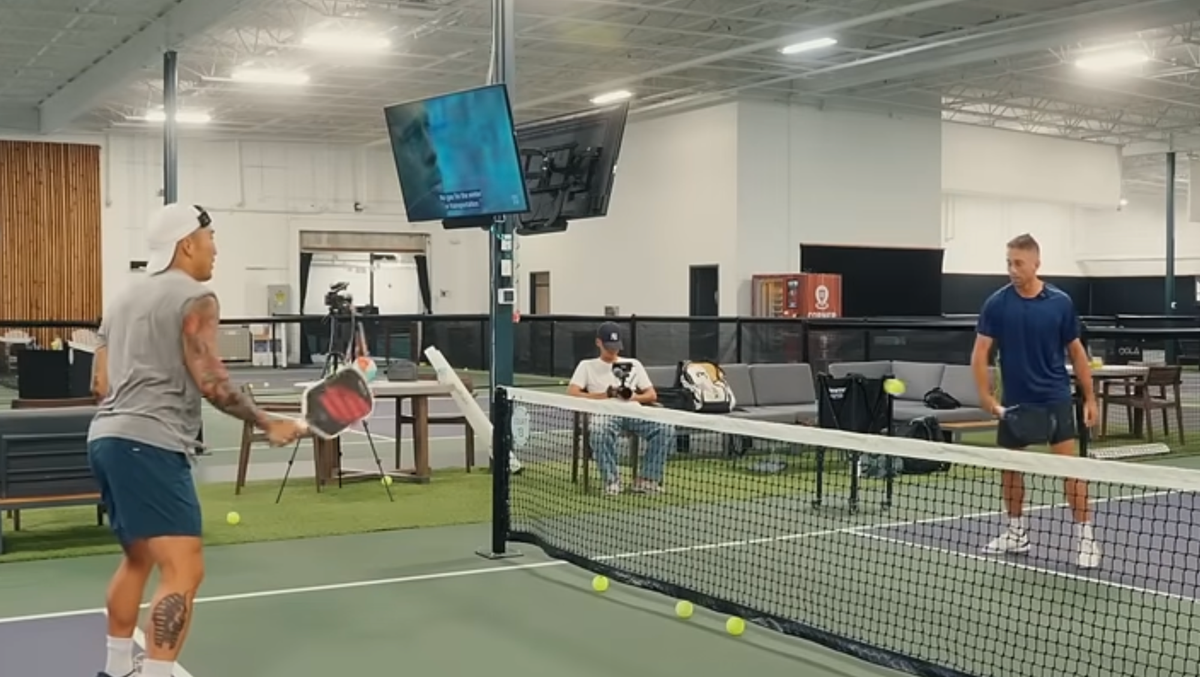
This is the part that surprised Ed Ju most, and it will probably surprise you too. Turn your front foot out.
When you square your foot forward at the kitchen line and reach for a backhand flick, your hip blocks the extension. You can only get so far.
But when you rotate your toe outward, your hip opens, your weight shifts forward naturally, and you can extend your whole body into the kitchen without losing balance.Here is exactly what changes when you point that toe out:
- Your hip clears and stops blocking arm extension
- Your weight loads onto the front leg, not the back one
- Your chest comes over the kitchen line, which adds reach and disguise
- You can get your paddle to balls that were previously unreachable without lunging wildly
Townsend notes that this is part of why she almost never foot faults despite getting extremely close to the kitchen line. The body position is controlled, not desperate.
Worth knowing before you push that boundary: the 7 new USAP pickleball rules for 2026 include changes that affect how the non-volley zone gets called.Ben Johns uses a similar principle when he extends into the kitchen, and it is one reason who Ben Johns plays men's doubles with keeps mattering at the top of the game.
His weight is loaded and his hips hinge forward, which is what lets him reach further than opponents expect without losing stability.
That reach is a mechanics story, not a wingspan story.
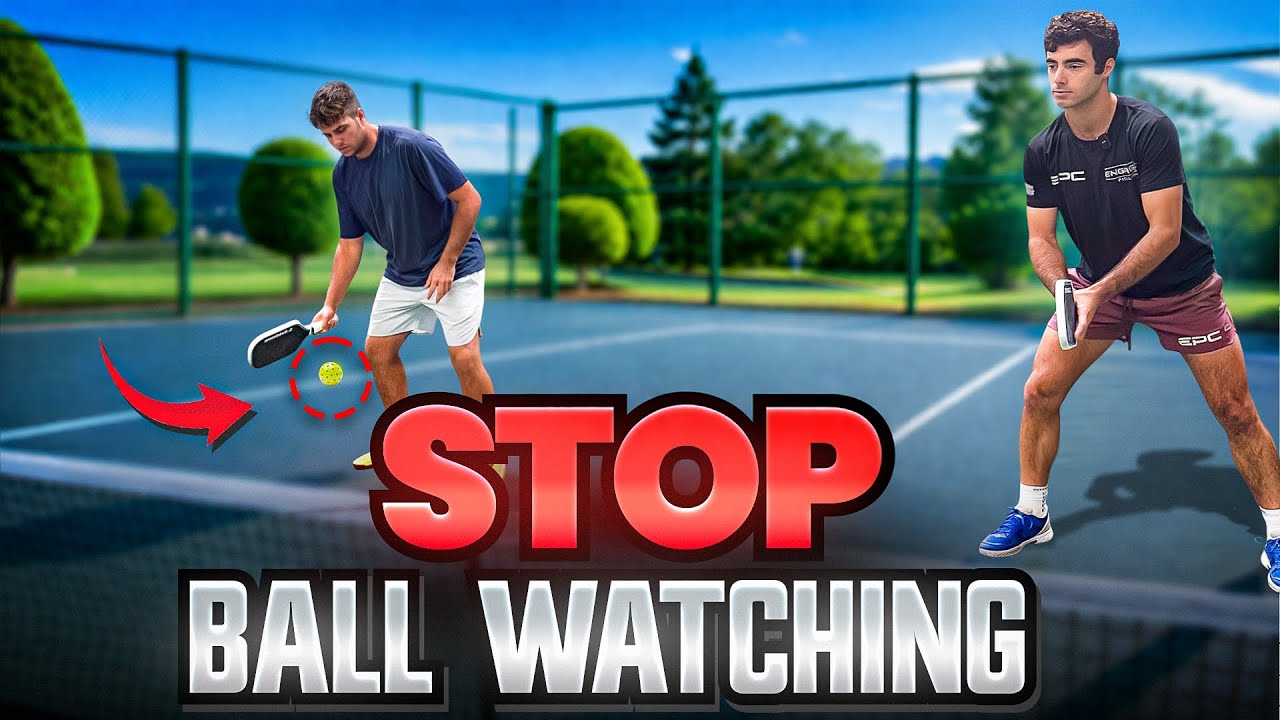
Off-Ball Positioning in Pickleball: Stop Ball Watching
Most pickleball players think the point is decided by whoever hits the ball, but at higher levels, off-ball positioning is what actually controls the court. Master this skill and you’ll transform how you play at the net.
 The Dink PickleballThe Dink Media Team
Wait Longer Than You Think You Should
One of the most repeatable cues Townsend gives is this: you are almost certainly hitting the ball too early.When you contact the ball at the furthest point your arm can reach, you are hitting it thin and without control.
But if you wait and let the ball travel slightly deeper before you fire, two things happen.The contact point moves into the core of the paddle, and you can accelerate through the ball instead of at it.
Townsend describes wanting to keep the ball on the paddle as long as possible.That feeling of carrying the ball through contact is what produces heavy spin without wild power.
Players who rush the pickleball backhand flick are usually the ones who spray it long.
This is not about slowing down your swing. The swing itself should be fast.
You are just changing when that swing starts.If timing is your weak point across the board, these 12 drills you need to play your best pickleball in 2026 will build the rhythm this shot depends on.
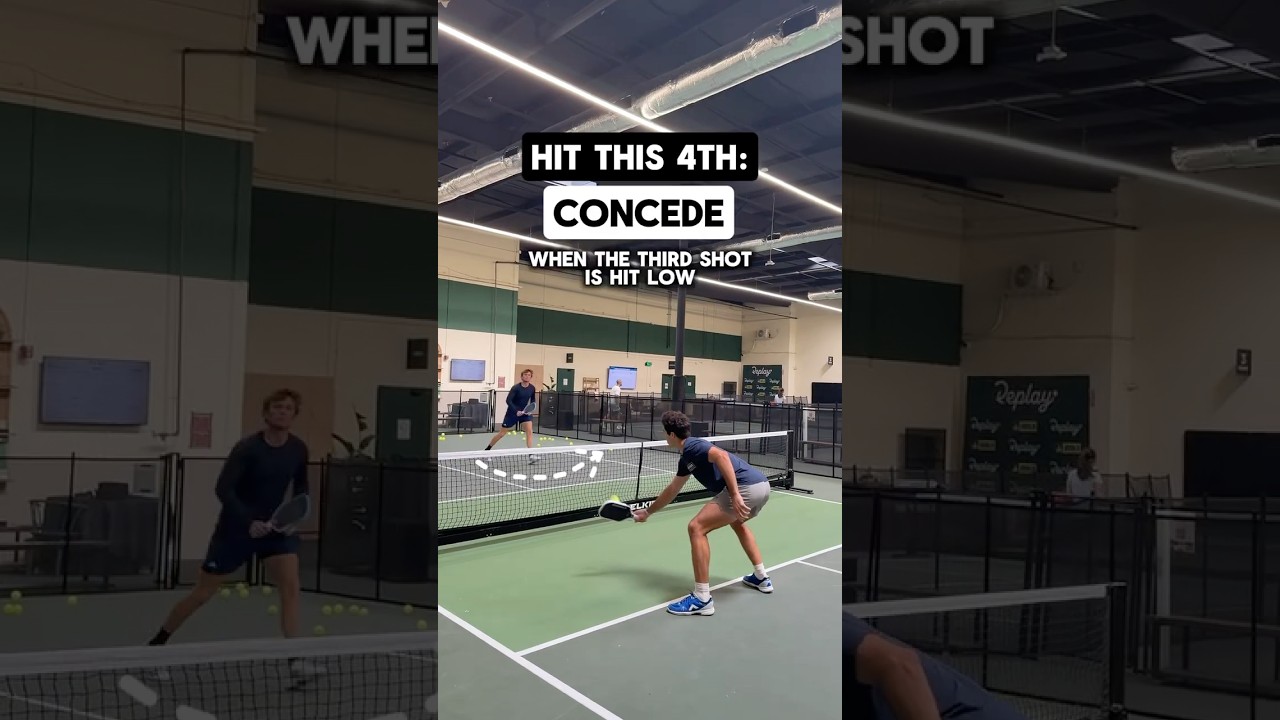
Pickleball Shot Selection: 3 Ball Height Rules That Work
Most players lose points not because they hit bad shots, but because they hit the wrong shot at the wrong height. These three pickleball shot selection rules fix that instantly.
 The Dink PickleballThe Dink Media Team
Why the Backhand Flick Works Better Off Backspin
This is a tactical detail that most players miss entirely.
The backhand flick below the net is significantly easier to execute when the incoming ball has backspin on it.
Here is why. When a ball arrives with backspin, the spin direction is already rotating away from the net.
When you brush up and through with your flick, you are working with that spin rather than against it.You have more to grip, more margin to convert, and more control over where it lands.
When the incoming ball has topspin, the spin direction fights your brush.
The ball wants to jump forward off the paddle face, which is why it so often sails out when you try to flick a hard-driven ball. It is not a technique failure.
It is a shot selection problem.
Townsend looks specifically for backspin balls as her trigger to flick. A reset or a dink coming in soft and low is the setup she wants.That context matters as much as the mechanics.
Knowing when to hit the shot is half the battle, and these ball height shot selection rules can help you pick the right moment every time.
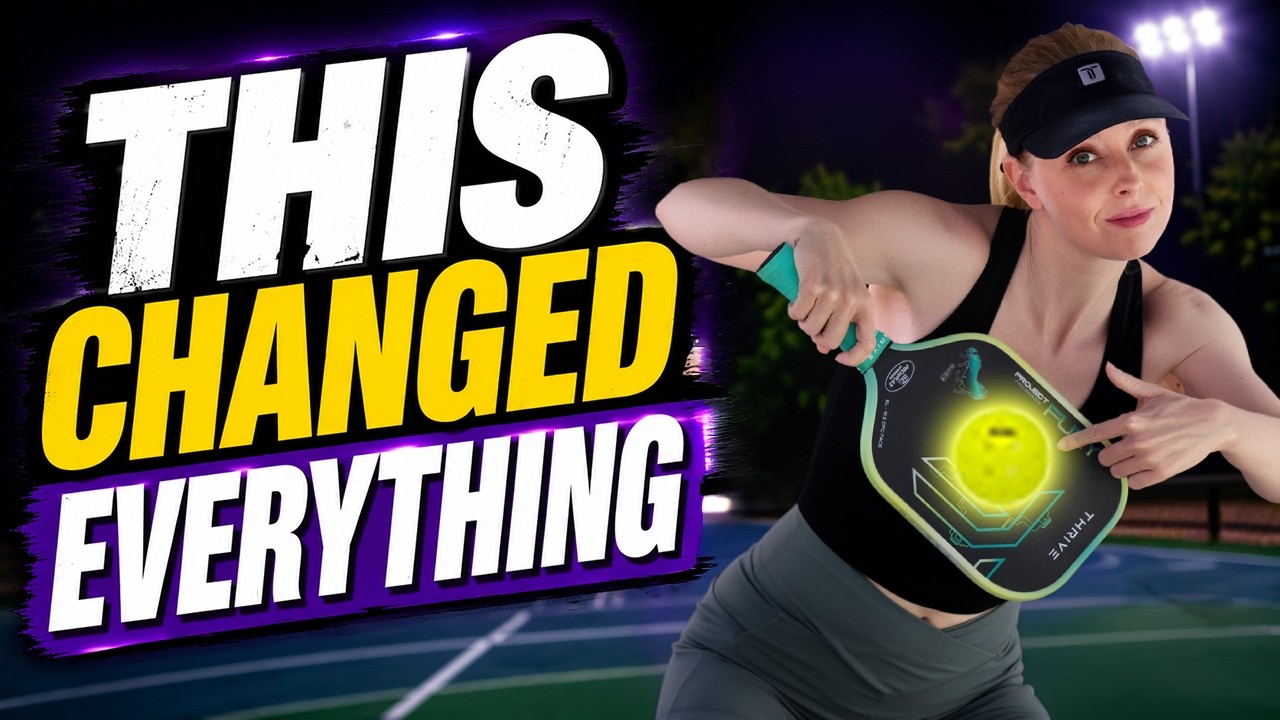
5 Backhand Flick Fixes to Stop Hitting Into the Net
A backhand flick that keeps hitting the net almost always comes down to one paddle prep mistake. Fix these five things and your flick turns into a topspin weapon.
 The Dink PickleballThe Dink Media Team
How to Use Your Non-Paddle Arm for Balance
Townsend adds one more detail that most instructors skip. Before you swing, your non-paddle arm should already be extended behind you.
This is a counterbalance. If your off-arm is trailing or inactive, your chest stays behind the kitchen line and your reach shrinks.When you preset that arm back before contact, your chest naturally comes forward and your entire body leans into the shot in a controlled way.
You want as much of your body into the kitchen as possible while still being balanced. The off-arm is what makes that happen without toppling forward.
Stop Hitting Stupid Shots: Why Balance Changes Everything in Pickleball
It’s not about being passive. It’s about being strategic. You’re not giving up the point; you’re buying yourself the chance to win it on your terms, not theirs.
 The Dink PickleballThe Dink Media Team
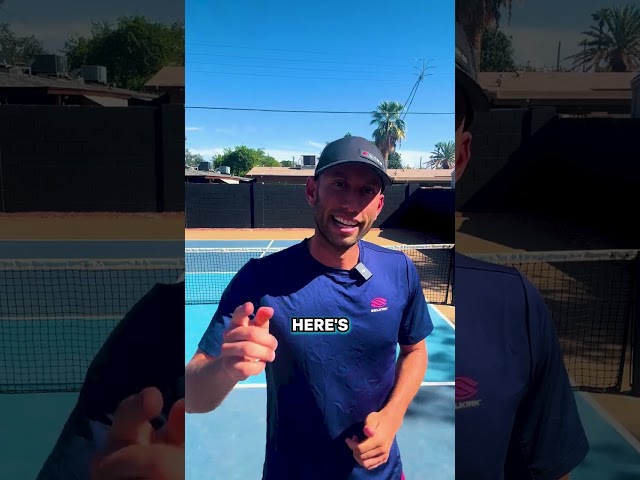
Putting Together the Full Pickleball Backhand Flick Sequence
Here is how every piece stacks into a single repeatable motion.
The Six-Step Pickleball Backhand Flick Checklist
- Read the spin. Look for backspin balls as your primary opportunity. Topspin drives are a harder matchup for this shot.
- Turn your front foot out. Rotate the toe outward so your hip clears and your weight can load forward onto that leg.
- Preset your off-arm. Get it extended behind you before you swing so your chest leans into the kitchen naturally.
- Keep the paddle more vertical. Avoid aggressive tip-down rotation. A more upright face gives you better height control.
- Wait longer than feels right. Let the ball come deeper before you fire. Contact it in the core of the paddle, not the tip.
- Drive with the shoulder first. Rotate from the socket, extend through the elbow, and add wrist only at the end if you want extra snap.
How to Develop a Backhand Flick in Pickleball
Anna Bright went from zero one-handed ability to developing one of the best backhand flicks in women’s pickleball. Here’s exactly how she did it and how you can too.
 The Dink PickleballThe Dink Media Team
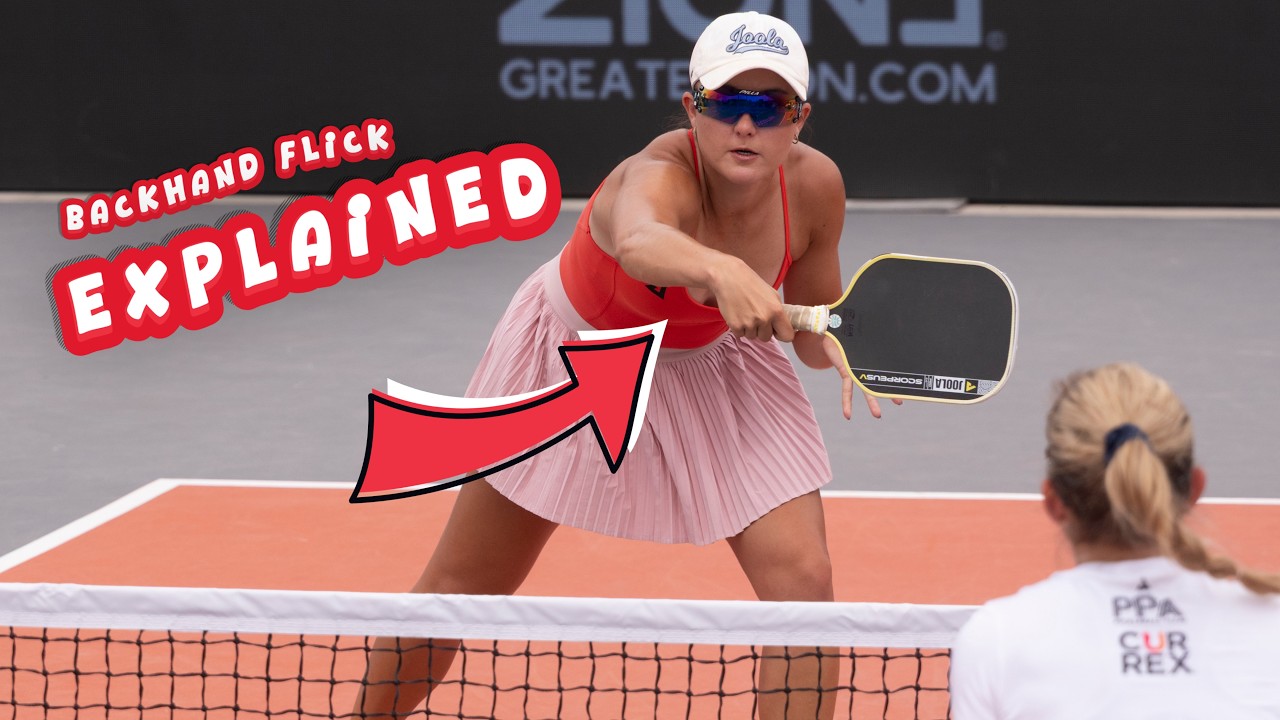
Where the Pickleball Backhand Flick Comes From
The table tennis influence here is real.
Townsend references the "counter loop," a shot in table tennis where you brush the top of the ball quickly to redirect fast incoming spin.The shoulder-driven mechanics she uses in pickleball come directly from that background.
If you want to see how fast hands mechanics from a top-10 pro translate into flick situations, the four pillars of fast hands shows the same principle applied across multiple shot types.Townsend also emphasizes that this is not just a one-trick shot.
By combining shoulder rotation, elbow extension, and optional wrist snap in different proportions, you can hit a pure roll, a hard flick, or a hybrid somewhere in between.
The foundation stays the same. Only the emphasis changes.Players who want to build the full picture of attacking from the kitchen should also check out these three steps to a backhand flick opponents cannot return, which covers the grip and swing path angles that make this shot even harder to read.
3 Steps to a Perfect Backhand Flick in Pickleball
The backhand flick is one of the most effective weapons at the kitchen line, but most players are executing it completely wrong. Here are three steps from a PPA pro to make it powerful and consistent.
 The Dink PickleballThe Dink Media Team
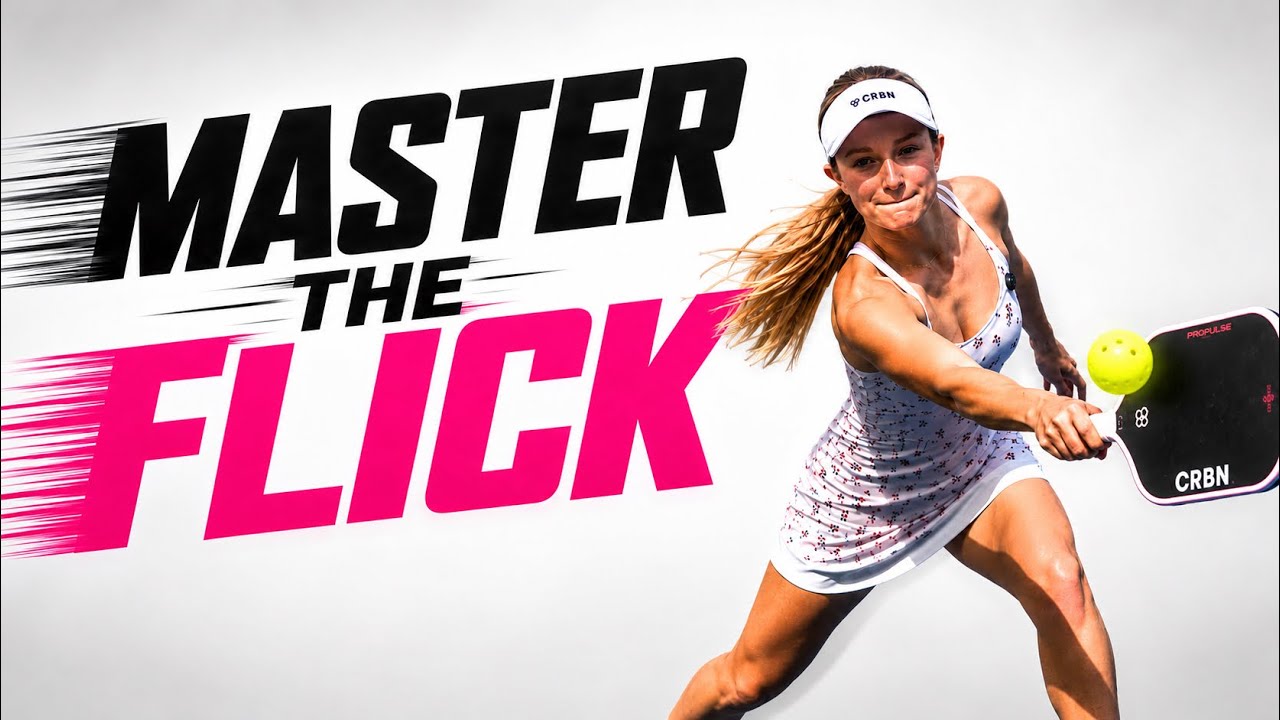
Build It Before You Need It
The mechanics work for any body type.
Townsend has an unusual wingspan at 5'9", close to 6'2" by measurement, but the toe-out position and shoulder rotation do not depend on it.
You are not trying to replicate her reach. You are trying to replicate her mechanics. One more cue worth repeating: quality over speed.Townsend is explicit that she chooses a better shot over getting the ball there quickly, because the flick only works when the contact is clean.
If you are rushing, you are giving up the one thing that makes this shot dangerous. Want to connect this to the rest of your pickleball backhand technique?
These 5 pickleball shots you must master before 2026 and this simple 4-step system to win more pickleball games in 2026 are the natural next steps.The pickleball backhand flick below the net is a low-percentage shot for most players because they have never been taught the right mechanics.
Shoulder rotation, toe position, and timing are the three things standing between a ball that floats and one that skips off the court at your opponent's feet.
Build it in practice first. Look for backspin opportunities in games.And stop relying on your wrist to do a job it was never built for. Your shoulder has been waiting for a reason to get involved.
💡
Heads up: hundreds of thousands of pickleballers read our free newsletter.
Subscribe herefor cutting edge strategy, insider news, pro analysis, the latest product innovations and more.
Frequently Asked Questions
What is the backhand flick in pickleball?
The backhand flick is an aggressive attacking shot hit from the kitchen line, usually on a low ball, where you brush upward and forward to generate topspin and speed. It is designed to catch opponents off guard by accelerating a ball they expect you to reset or dink. The goal is to keep the ball low over the net while still adding enough pace to force an error.
Why does my backhand flick keep going long or floating?
The most common cause is relying on the wrist to generate power, which creates an inconsistent paddle angle at contact. When you flick from the wrist alone, especially with aggressive tip-down rotation, the face opens and the ball climbs. Switching to a shoulder-driven swing with a more vertical paddle face will tighten your height control significantly.
How does turning your toe out help the backhand flick?
Pointing your front foot outward opens the hip so it stops blocking your arm extension. This lets your weight load forward onto the front leg and brings your chest over the kitchen line, which adds reach without causing you to lunge off-balance. It is a simple position change that most players have never been taught.
Is the backhand flick easier off backspin or topspin?
It is significantly easier off backspin. When the incoming ball has backspin, the spin direction works with your upward brush rather than against it, giving you more to grip and more control over the shot. Trying to flick a hard topspin drive is possible but much harder to execute consistently, and the ball is more likely to fly out.
Do I need a big wrist to hit a good backhand flick?
No, and Danni-Elle Townsend makes exactly this point. She uses minimal wrist on the shot because the wrist is a small and weak joint compared to the shoulder. Driving the shot with shoulder rotation first gives you more power and more consistency than any amount of wrist snap can produce on its own.
Anuncie Aqui / Advertise Here
Sua marca para o mundo Pickleball! / Your brand for the Pickleball world!




 English (US) ·
  Portuguese (BR) ·